Mississippi Important Juror Questionnaire
Understanding this form
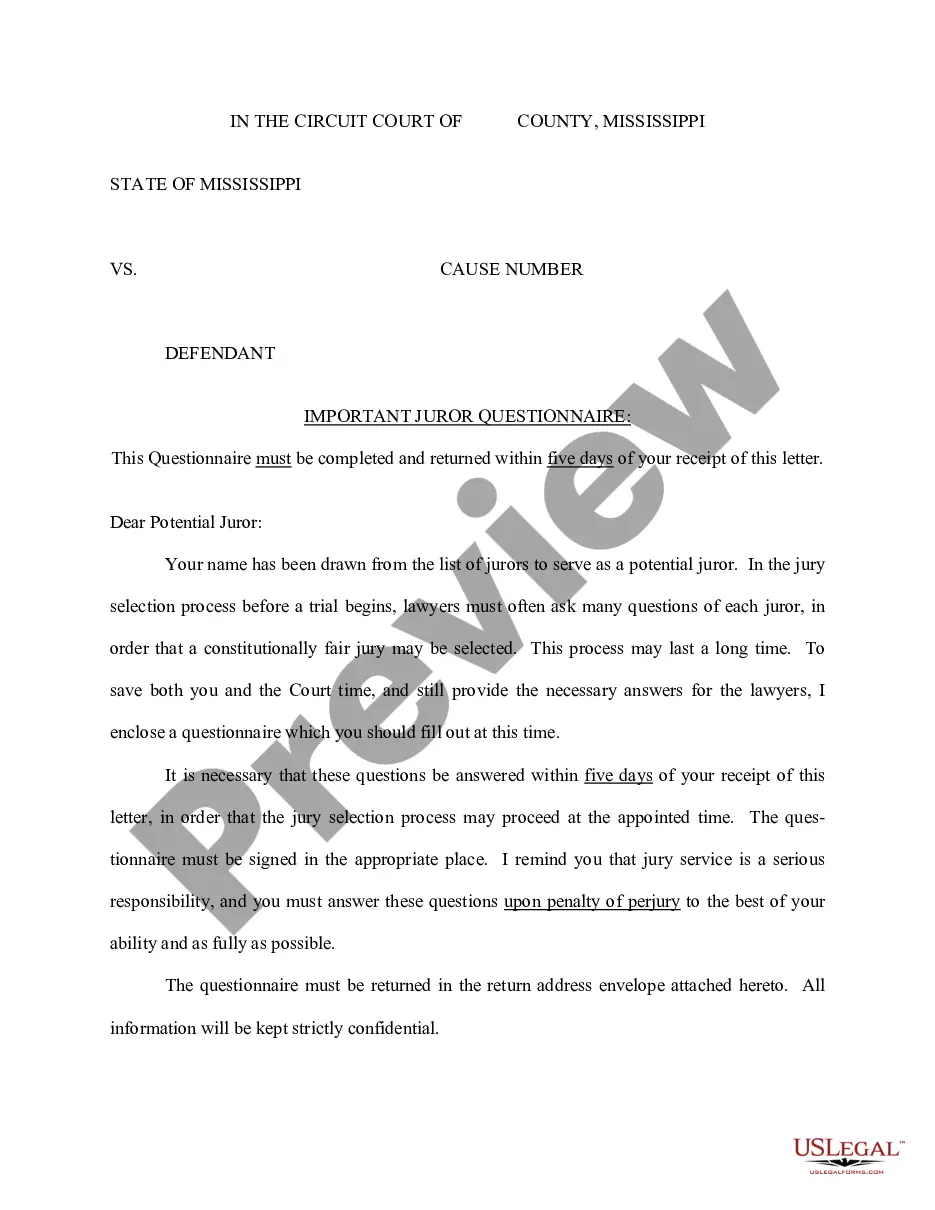
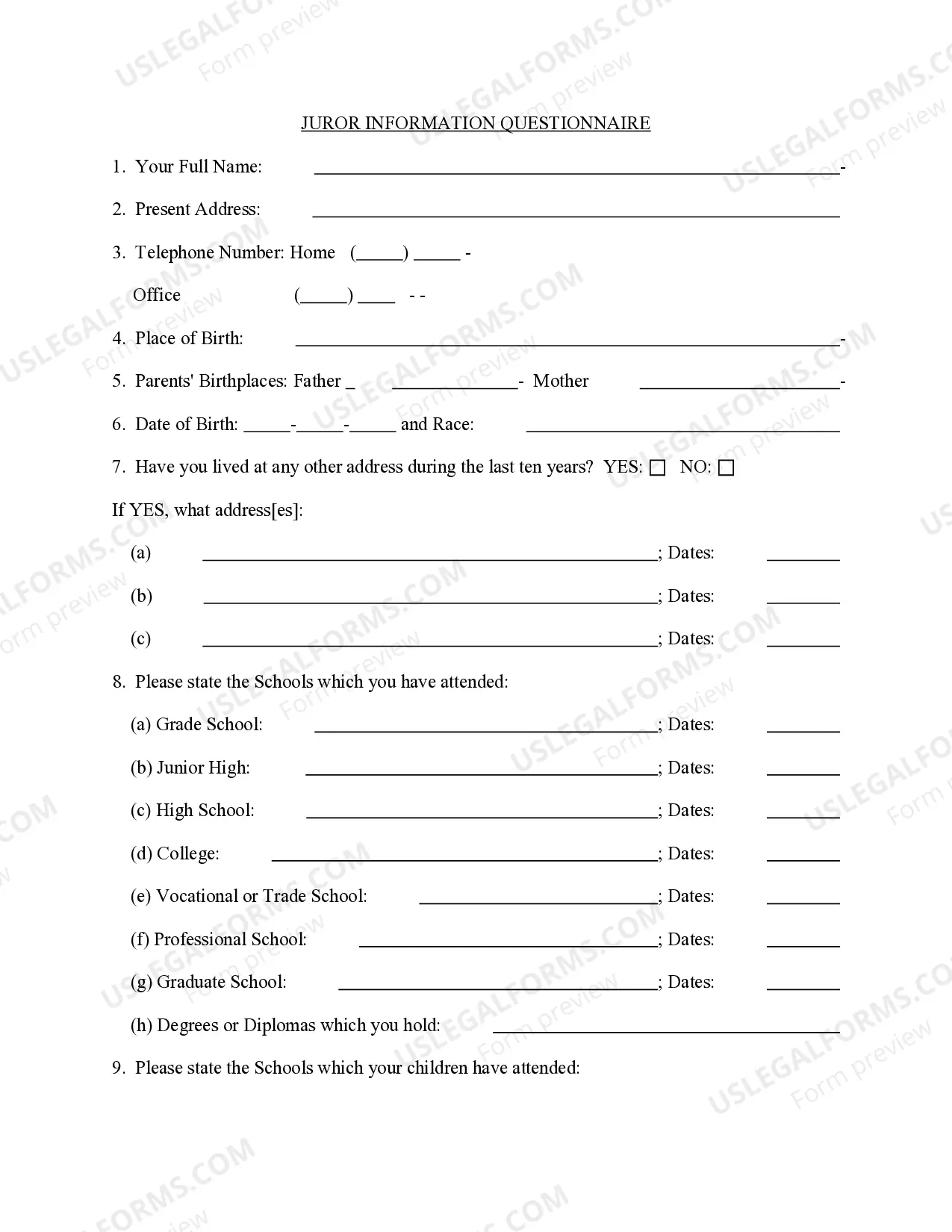
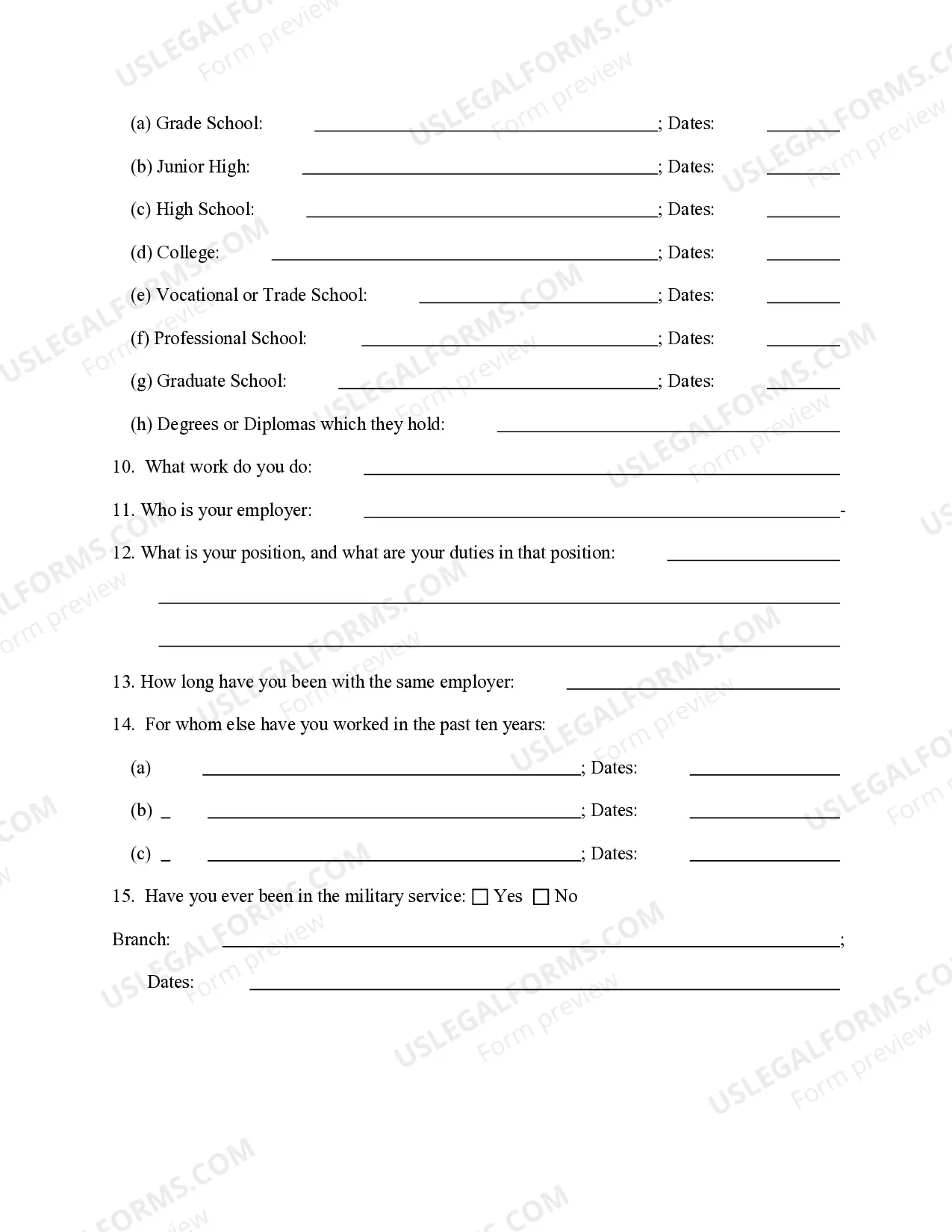
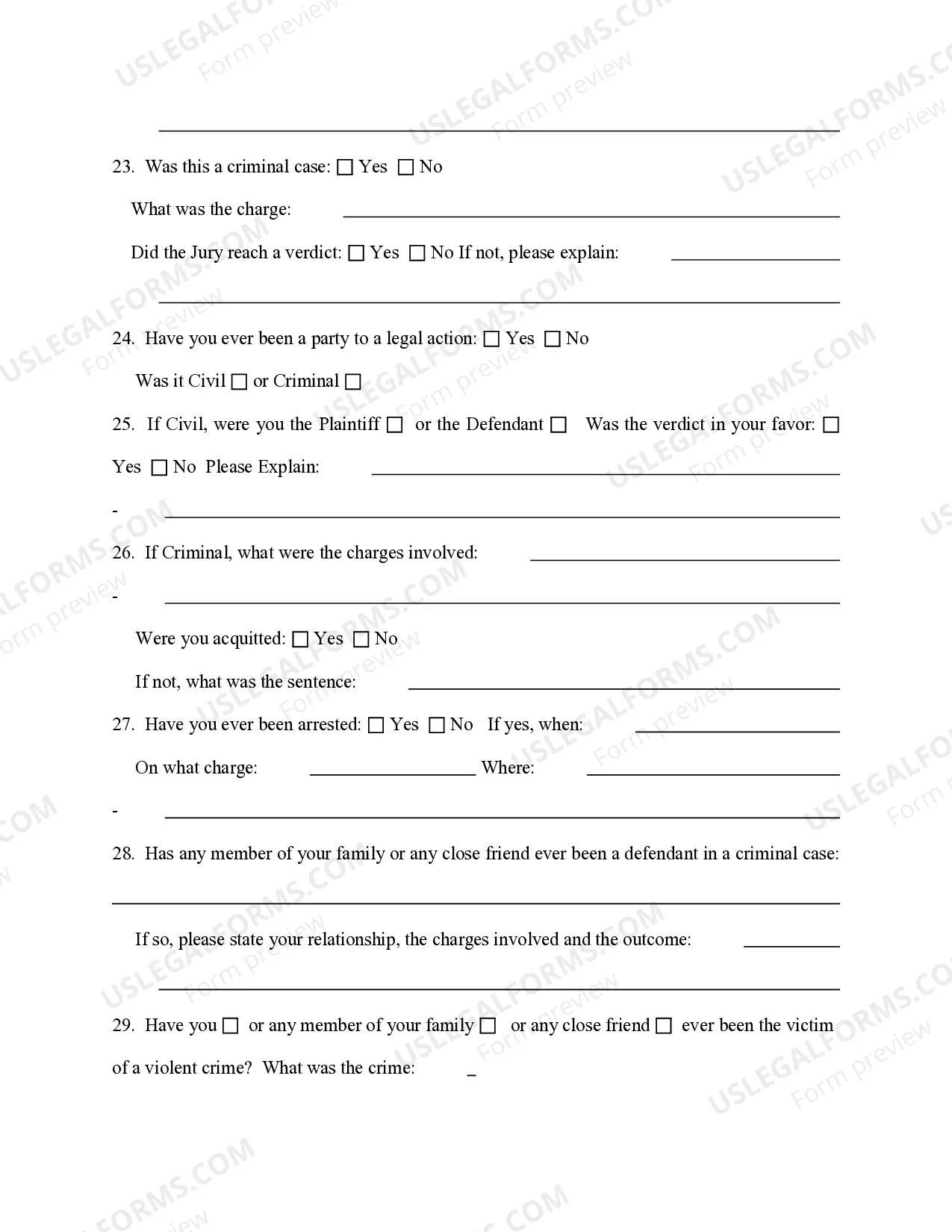
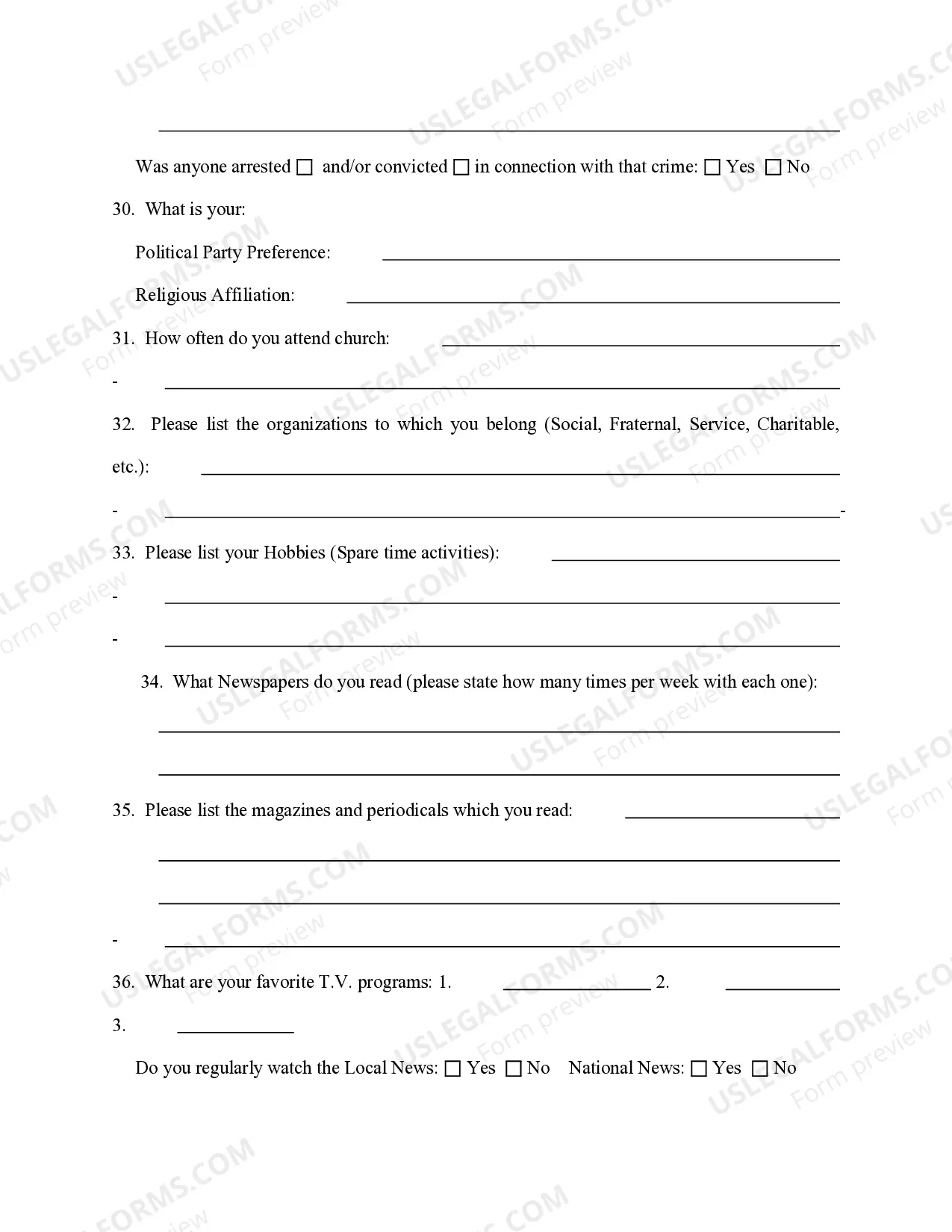
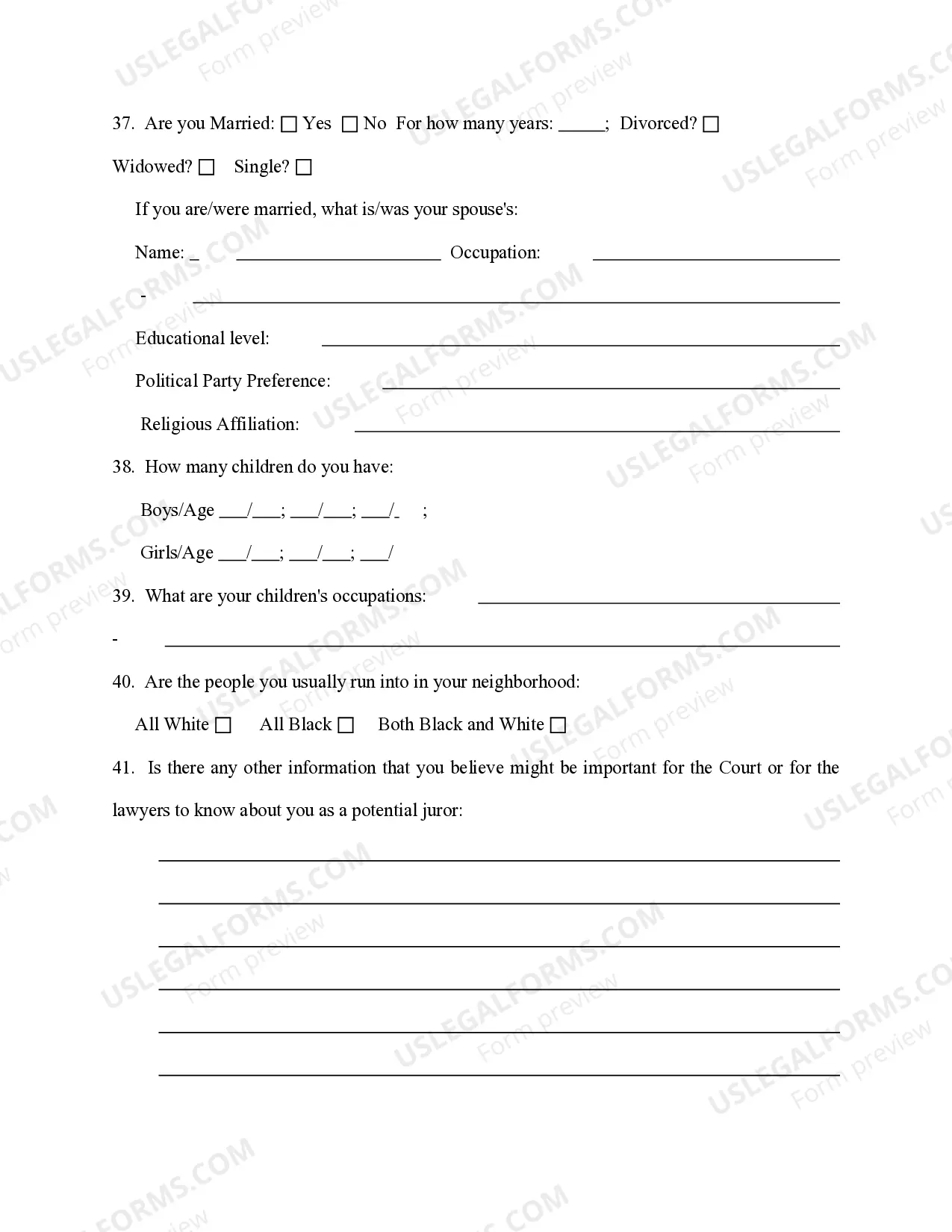
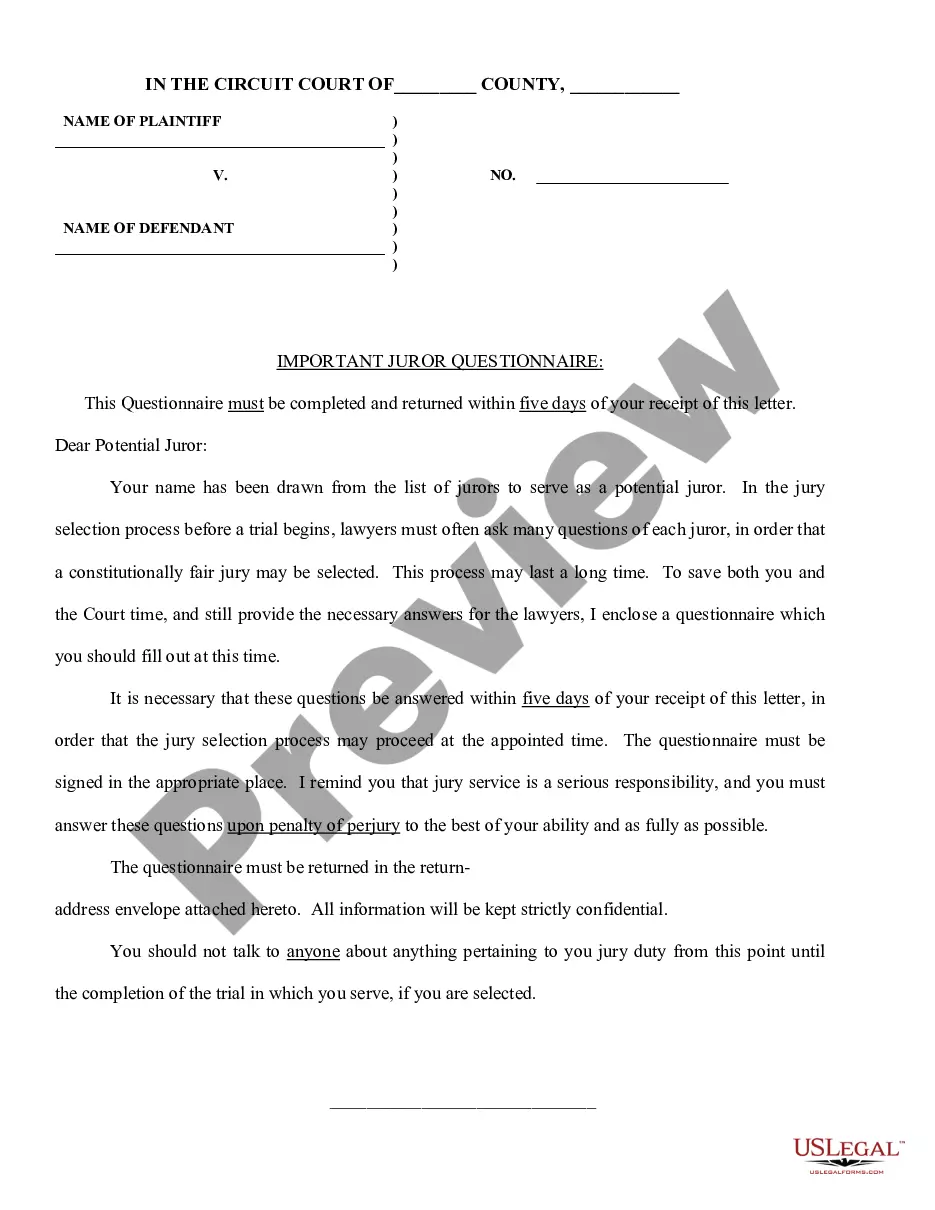
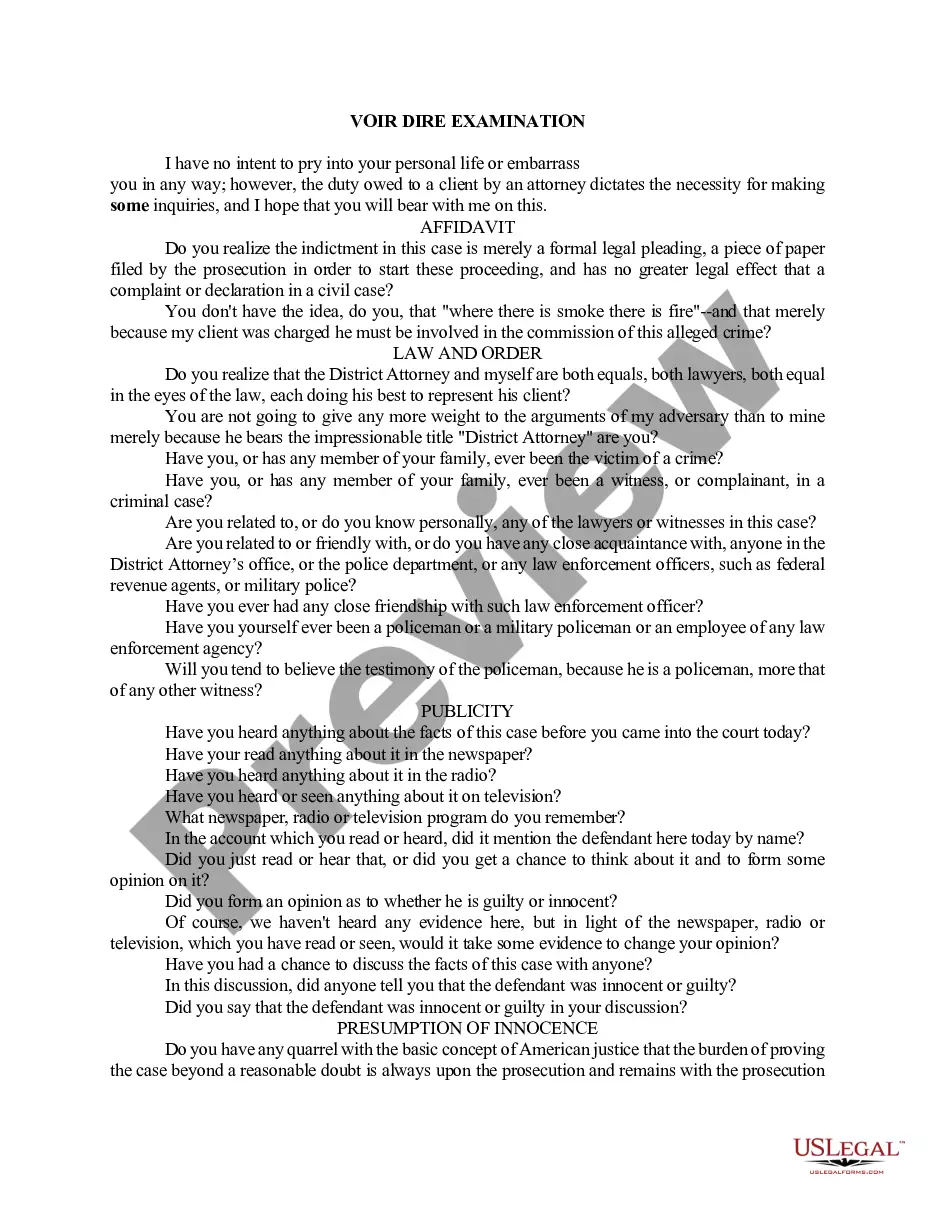
The Important Juror Questionnaire is a legal document designed to gather pertinent information about a potential juror. This form plays a crucial role in the jury selection process, helping attorneys ensure that they select an impartial jury. By detailing the juror's background and prior experience, it assists in upholding the principles of a fair trial. Unlike general juror notices, this questionnaire specifically targets the information needed for selection decisions.
Main sections of this form
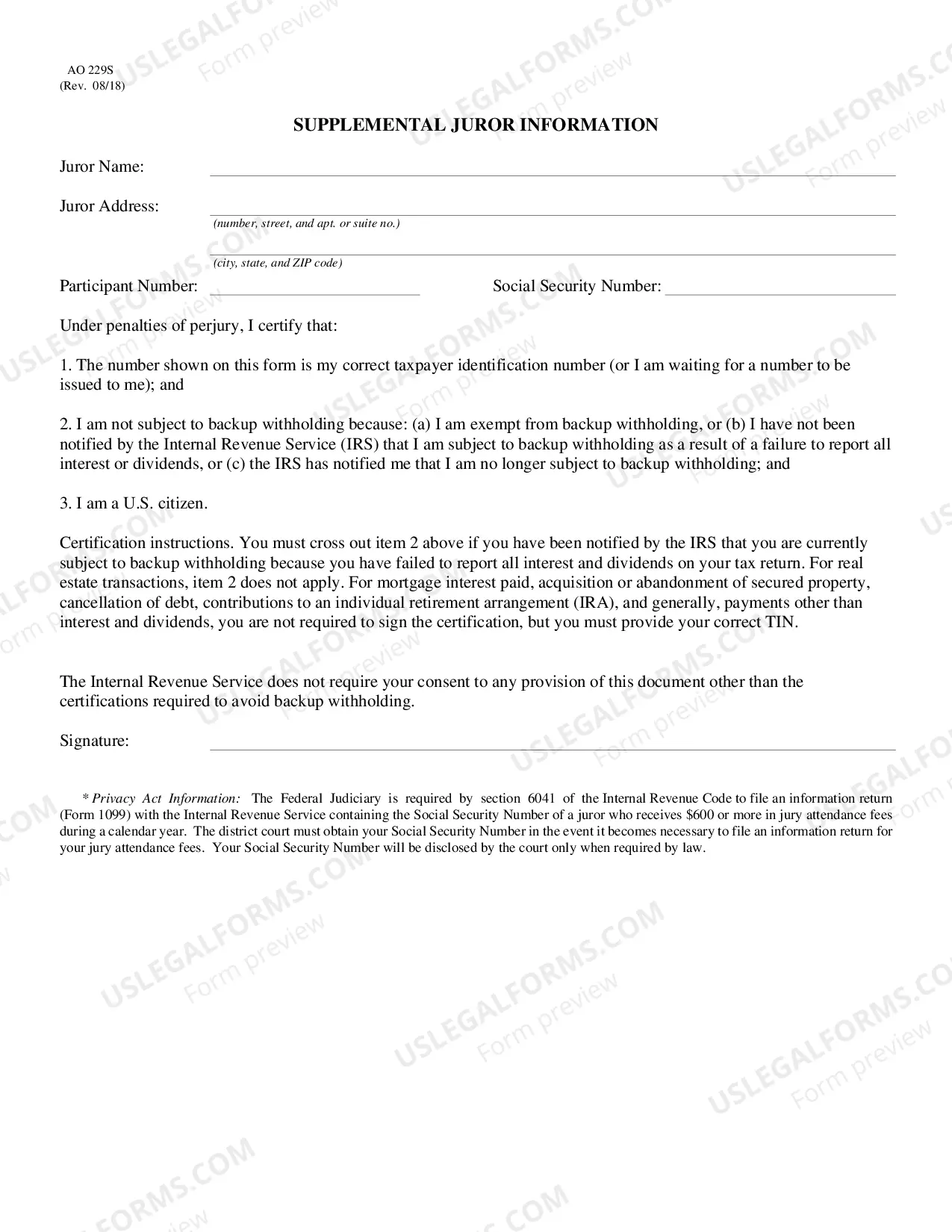
- Personal information: Basic details about the juror, such as name and contact information.
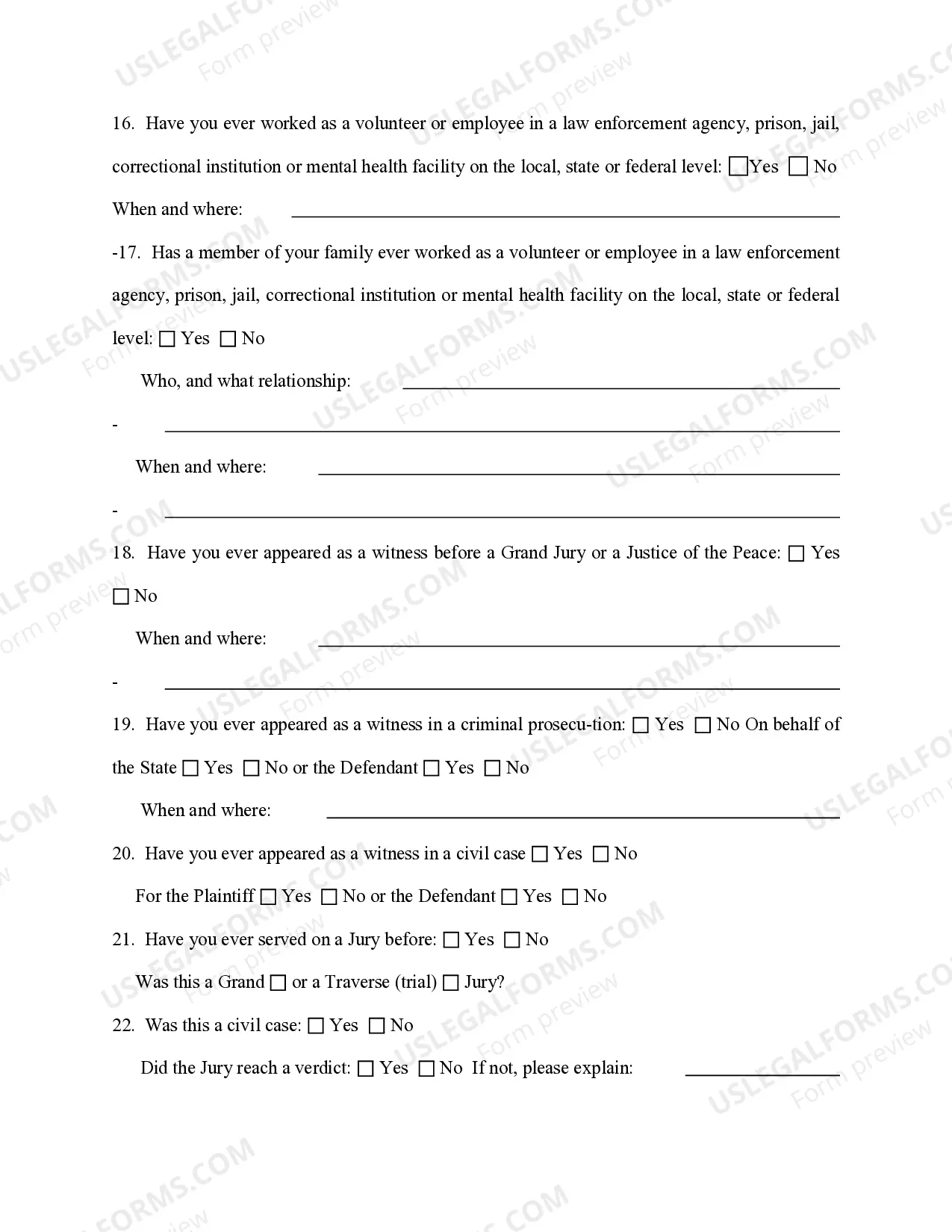
- Jury history: Questions regarding previous jury service, including whether it was a grand or trial jury.
- Case type: Inquiries into whether past jury experience was related to civil or criminal cases.
- Confidentiality assurance: A statement about the confidentiality of provided information.
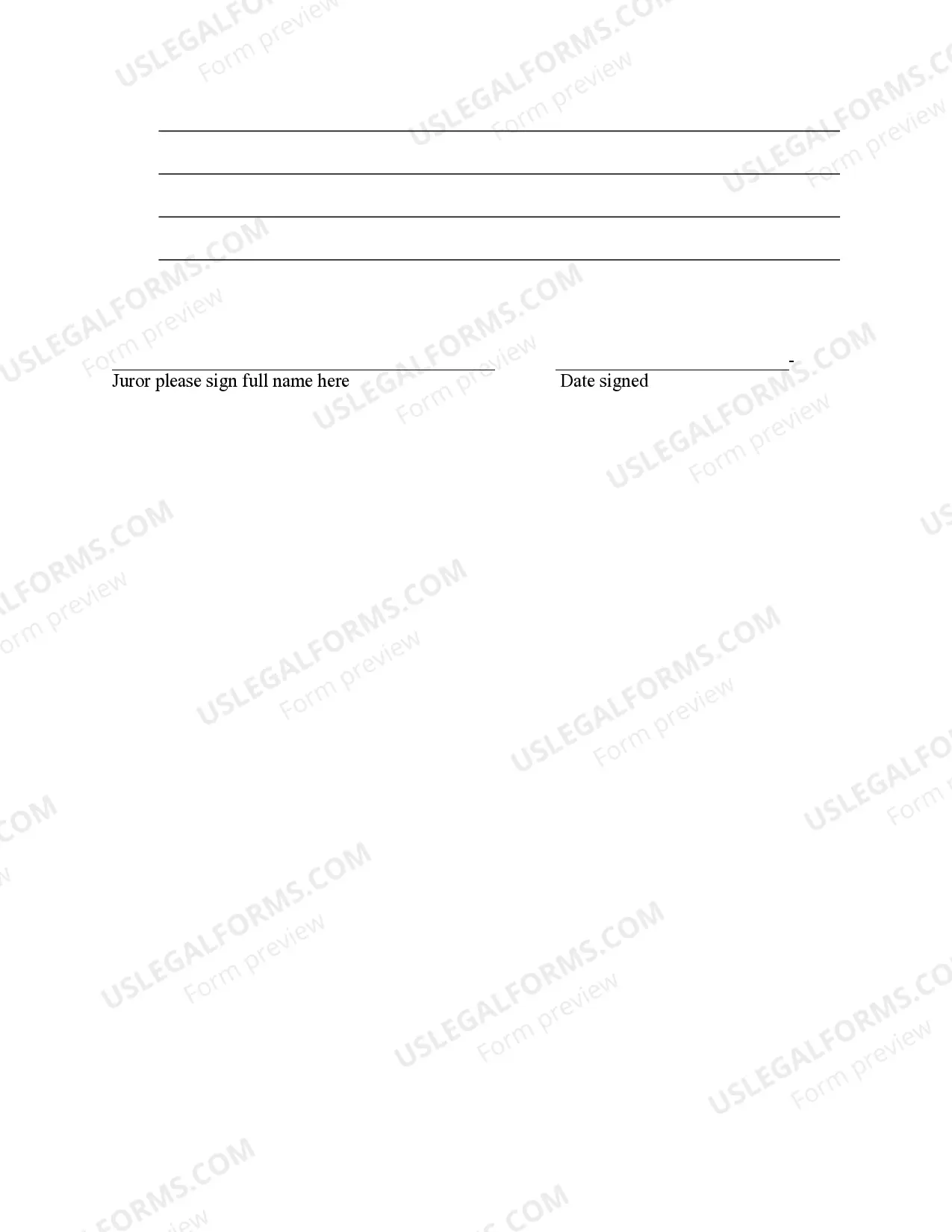
- Signature requirement: A place for jurors to sign, affirming the truth of their responses.
When to use this form
This form should be used when you receive a notification to serve as a potential juror. It is essential to complete the questionnaire promptly, as it paves the way for the jury selection process in upcoming trials. Failing to submit the questionnaire can result in delays and may lead to legal consequences.
Who this form is for
- Individuals selected for jury duty who have received a juror notification.
- Potential jurors who need to provide information regarding their background and experiences.
- Attorneys seeking to ensure an impartial jury selection process.
How to complete this form
- Provide your full name and contact information at the top of the questionnaire.
- Answer all questions regarding your previous jury experiences, including the type of jury (grand or trial).
- Indicate whether the cases you served on were civil or criminal, as applicable.
- Sign the questionnaire to confirm the accuracy of your answers under penalty of perjury.
- Return the completed questionnaire using the provided envelope within five days of receipt.
Is notarization required?
This form does not typically require notarization to be legally valid. However, some jurisdictions or document types may still require it. US Legal Forms provides secure online notarization powered by Notarize, available 24/7 for added convenience.
Get your form ready online
Our built-in tools help you complete, sign, share, and store your documents in one place.
Make edits, fill in missing information, and update formatting in US Legal Forms—just like you would in MS Word.
Download a copy, print it, send it by email, or mail it via USPS—whatever works best for your next step.
Sign and collect signatures with our SignNow integration. Send to multiple recipients, set reminders, and more. Go Premium to unlock E-Sign.
If this form requires notarization, complete it online through a secure video call—no need to meet a notary in person or wait for an appointment.
We protect your documents and personal data by following strict security and privacy standards.

Make edits, fill in missing information, and update formatting in US Legal Forms—just like you would in MS Word.

Download a copy, print it, send it by email, or mail it via USPS—whatever works best for your next step.

Sign and collect signatures with our SignNow integration. Send to multiple recipients, set reminders, and more. Go Premium to unlock E-Sign.

If this form requires notarization, complete it online through a secure video call—no need to meet a notary in person or wait for an appointment.

We protect your documents and personal data by following strict security and privacy standards.
Avoid these common issues
- Failing to sign the questionnaire.
- Not answering all questions or providing incomplete information.
- Missing the deadline for submission.
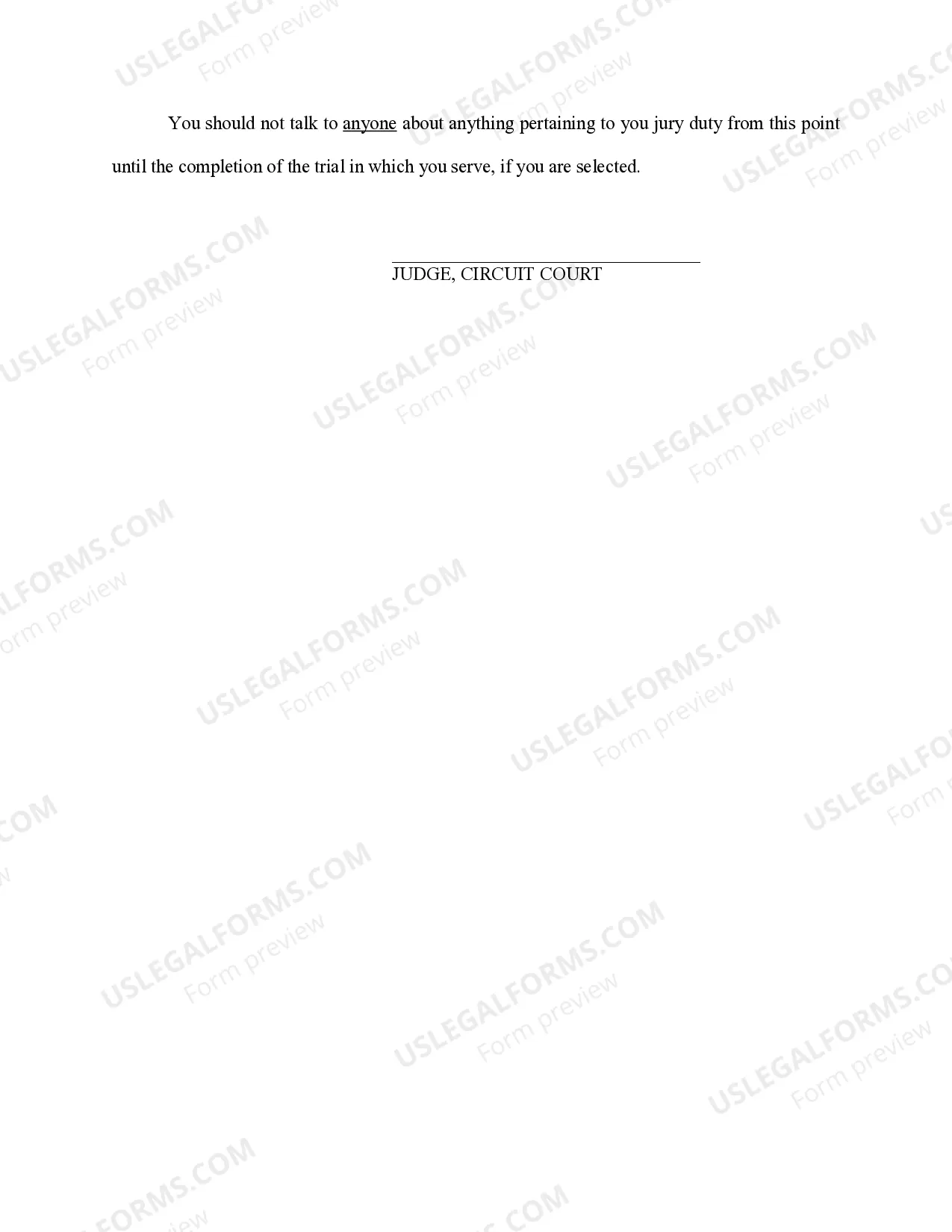
- Discussing jury duty details with unauthorized individuals before the trial concludes.
Why use this form online
- Convenience of filling out the questionnaire at your own pace.
- Ability to download and print the form for easy access.
- Guidance from legal templates drafted by licensed attorneys.
- Confidentiality of the information you provide.
What to keep in mind
- The Important Juror Questionnaire is essential for gathering information during jury selection.
- Timely completion and return of the form are crucial for a fair trial process.
- Providing accurate information is a legal requirement and must be done seriously.
Looking for another form?
Form popularity
FAQ
Economic Hardship. One of the more common reasons people are excused from jury duty is because serving on the jury presents that person with an economic hardship. Personal Opinions. Felony Conviction. Family Issues. Physical/Mental Disabilities.
The email is fraudulent and has no connection to either the federal courts or to eJuror.Requests by courts to complete a qualification questionnaire would be initiated by formal written correspondence. Such letters tell jury participants how to access an authenticated, secure online connection.
Name, address, age, employment, and education are the questions commonly asked in court-generated questionnaires. That information is better than nothing, but such questionnaires usually leave out questions on relevant attitudes. The juror questionnaire is a commonly neglected tool in trial strategy.
Generally one is entitled to be excused from jury duty if he or she faces a personal hardship, business hardship, or has served on a jury in this court in the last two years. Further, a potential juror who is 65 years of age or older, may choose to be exempt from jury service.
X Don't talk about the case, or issues raised by the case with anyone, including other jurors, while the trial is going on, and don't talk to the lawyers, parties, or witnesses about anything. X Don't take notes during the trial unless the judge gives you permission to do so.
X Don't lose your temper, try to bully or refuse to listen to the opinions of other jurors. X Don't draw straws, flip coins or otherwise arrive at your verdict by chance, or the decision will be illegal.
Get a doctor's note. A medical condition could work for getting out of jury duty. Postpone your selection. Use school as an excuse. Plead hardship. Admit that you can't be fair. Prove you served recently. Show your stubborn side. Date a convict.
In both cases, jurors are required to pay attention in court, listen to all the evidence presented, and render a verdict at the end of the trial based upon the evidence presented and the law, as instructed by the judge.
The Court emphasizes that the information compiled from jury questionnaire responses is CONFIDENTIAL. It is used strictly for jury selection; and is not disseminated to any other agencies or parties unless specifically authorized by Federal or State law or by Court order.