Mississippi Complaint to Close Estate by Executor
Understanding this form
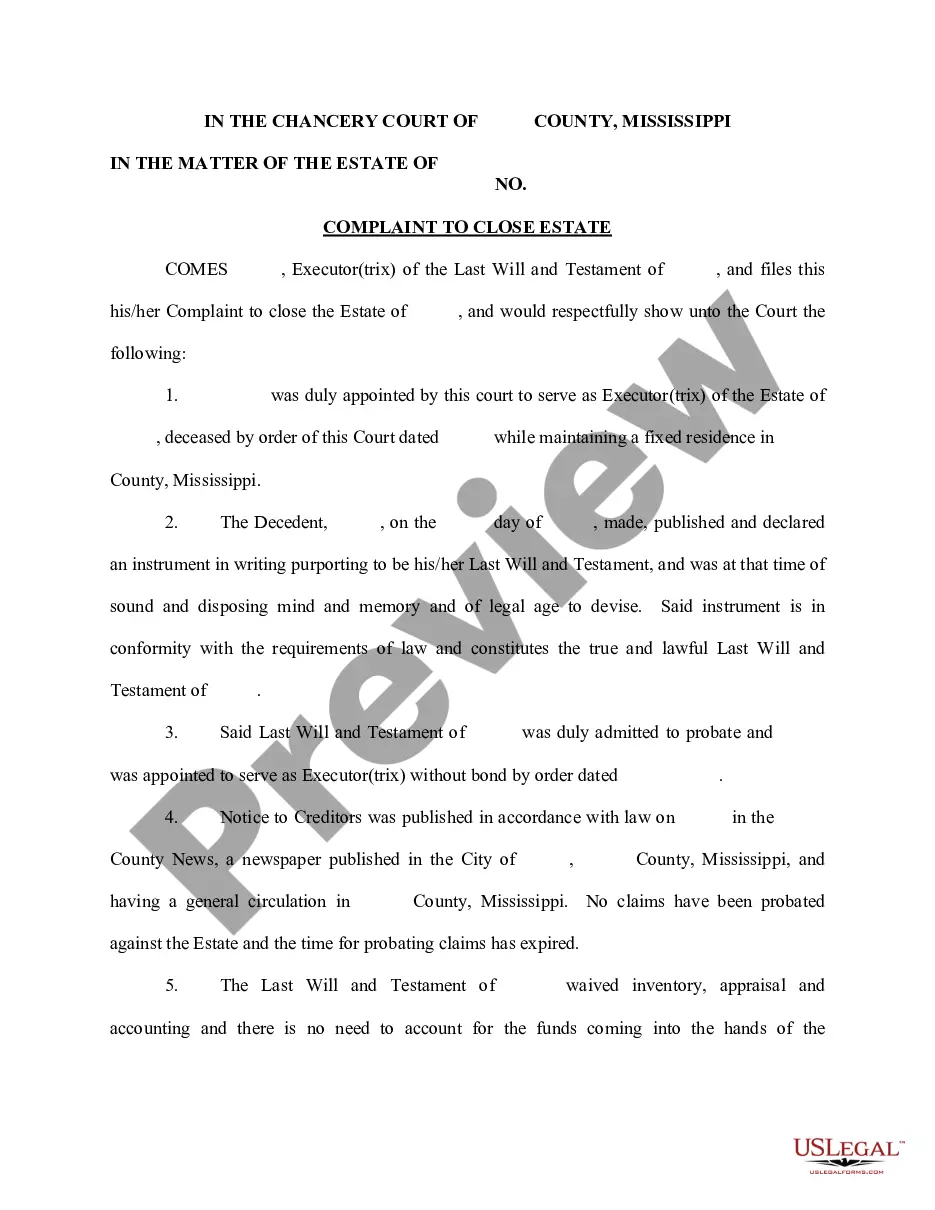
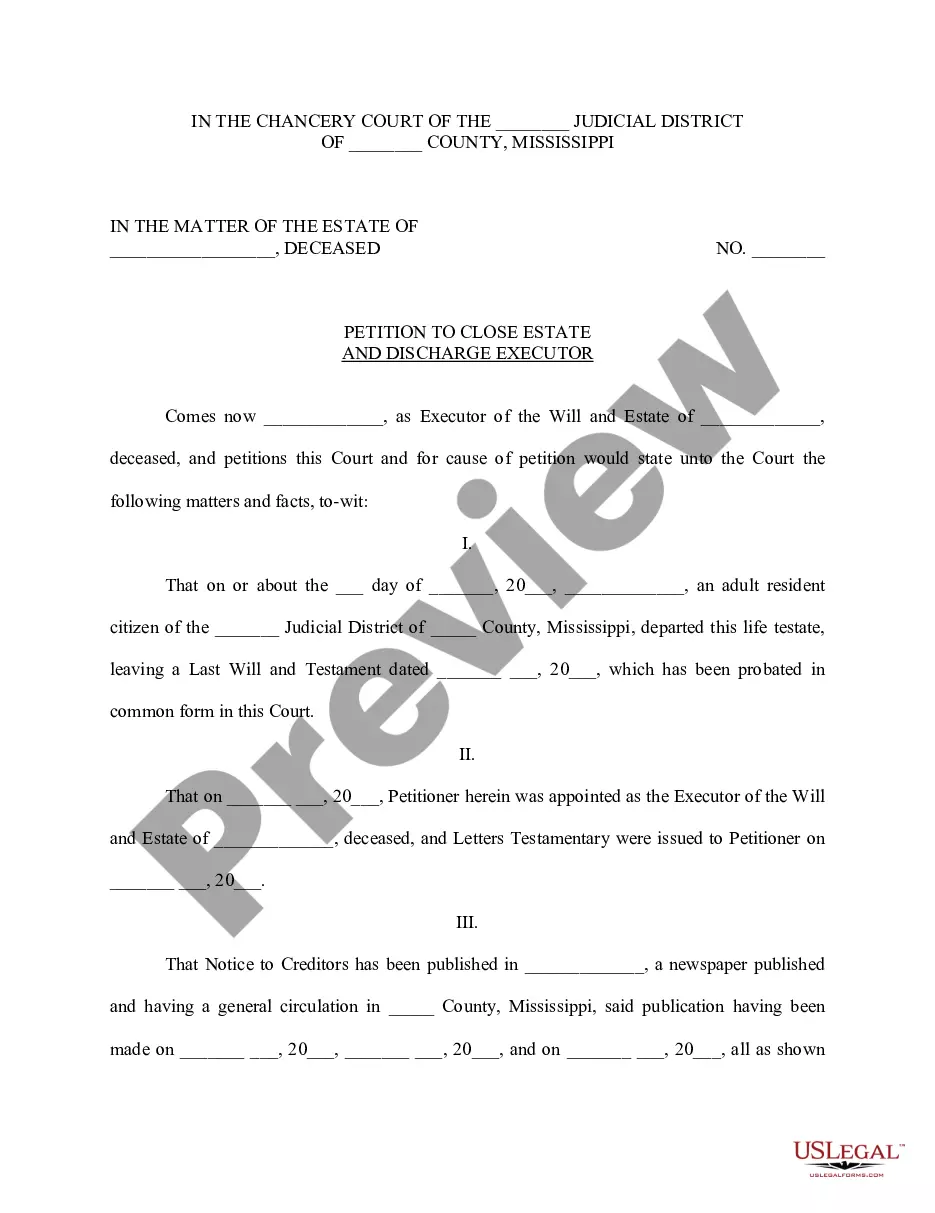
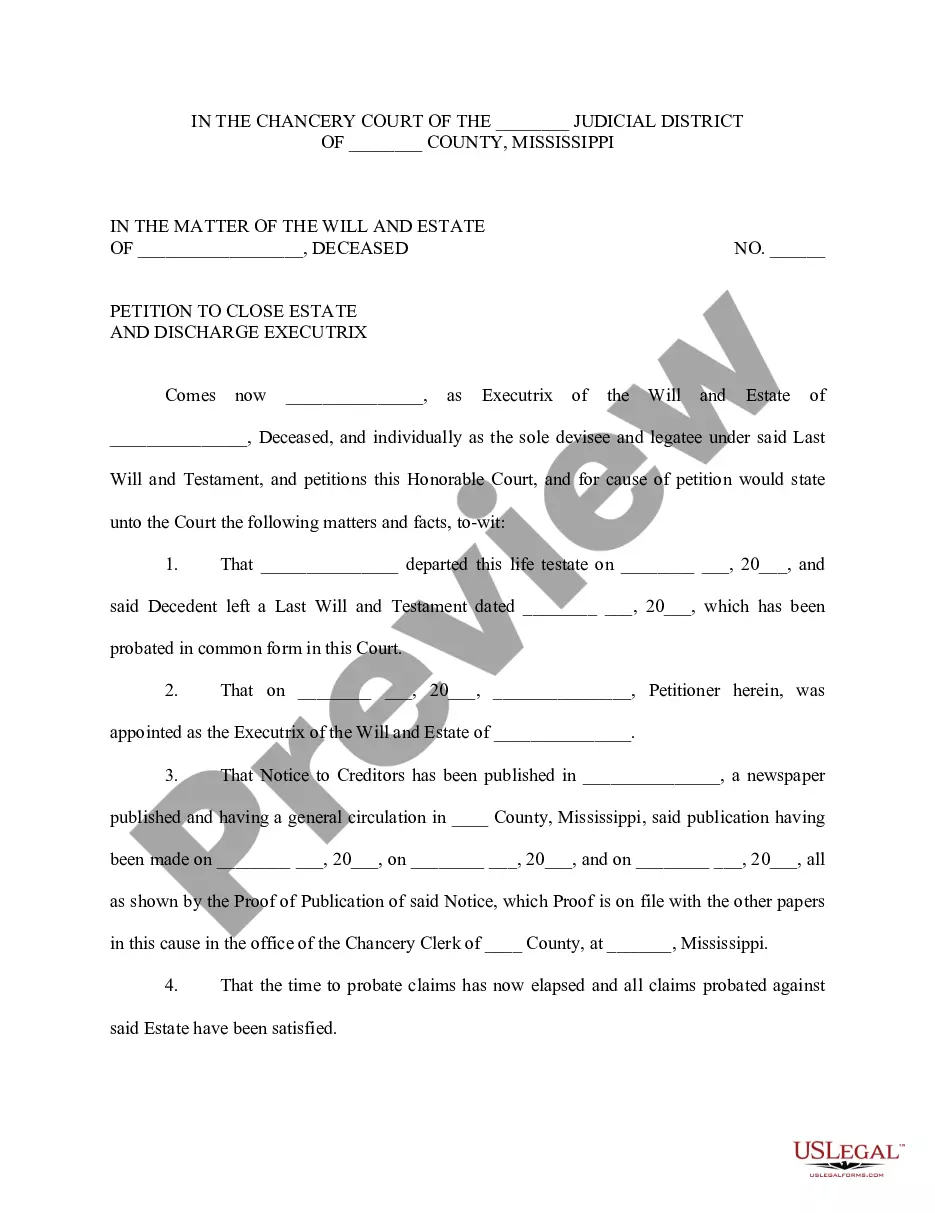
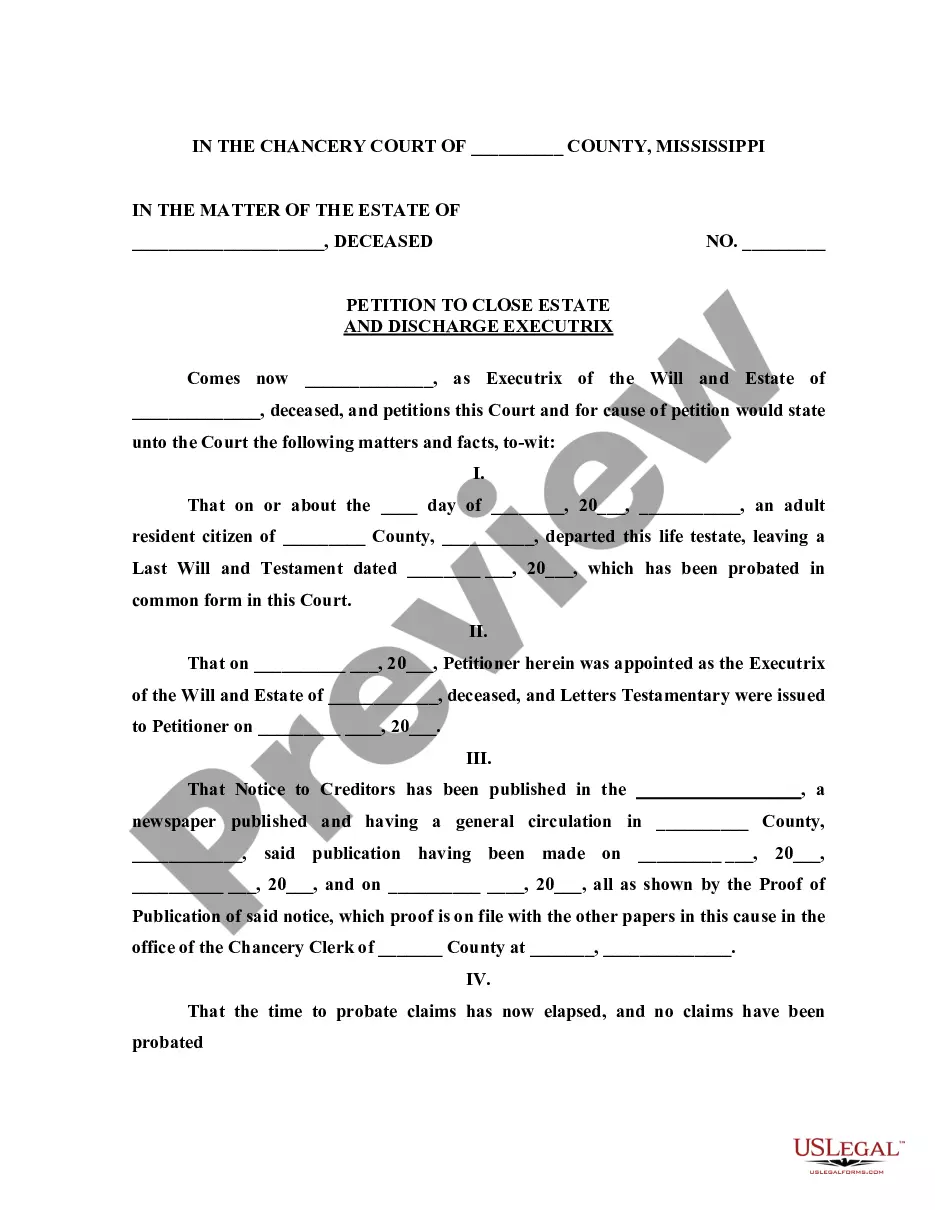
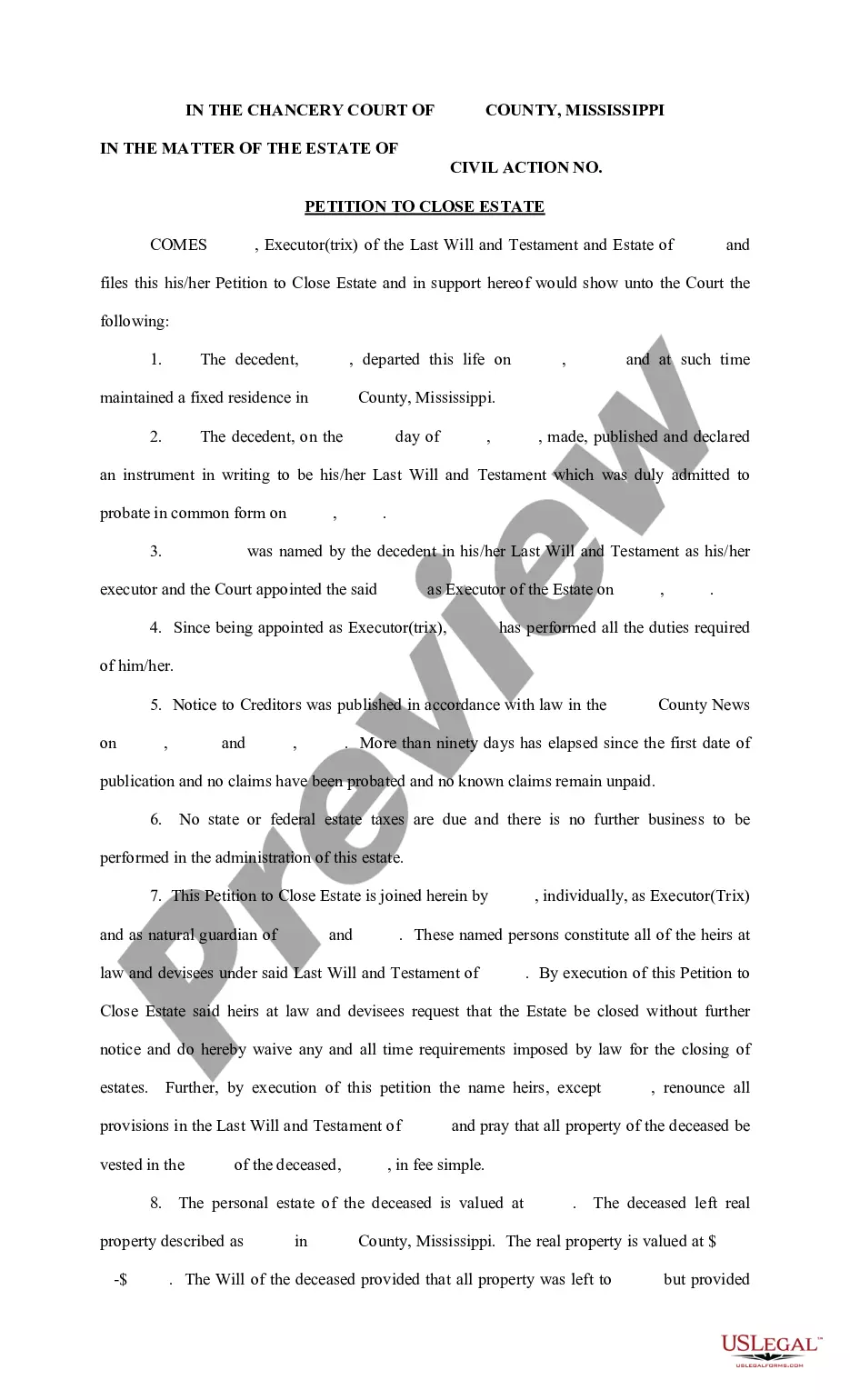
The Complaint to Close Estate by Executor is a legal document that initiates a lawsuit regarding the disputes surrounding the closure of an estate administered by an executor. This form is crucial when there is a disagreement over the executor's actions or decisions while settling the estate, distinguishing it from other legal complaints that may not pertain to estate matters specifically.
Form components explained
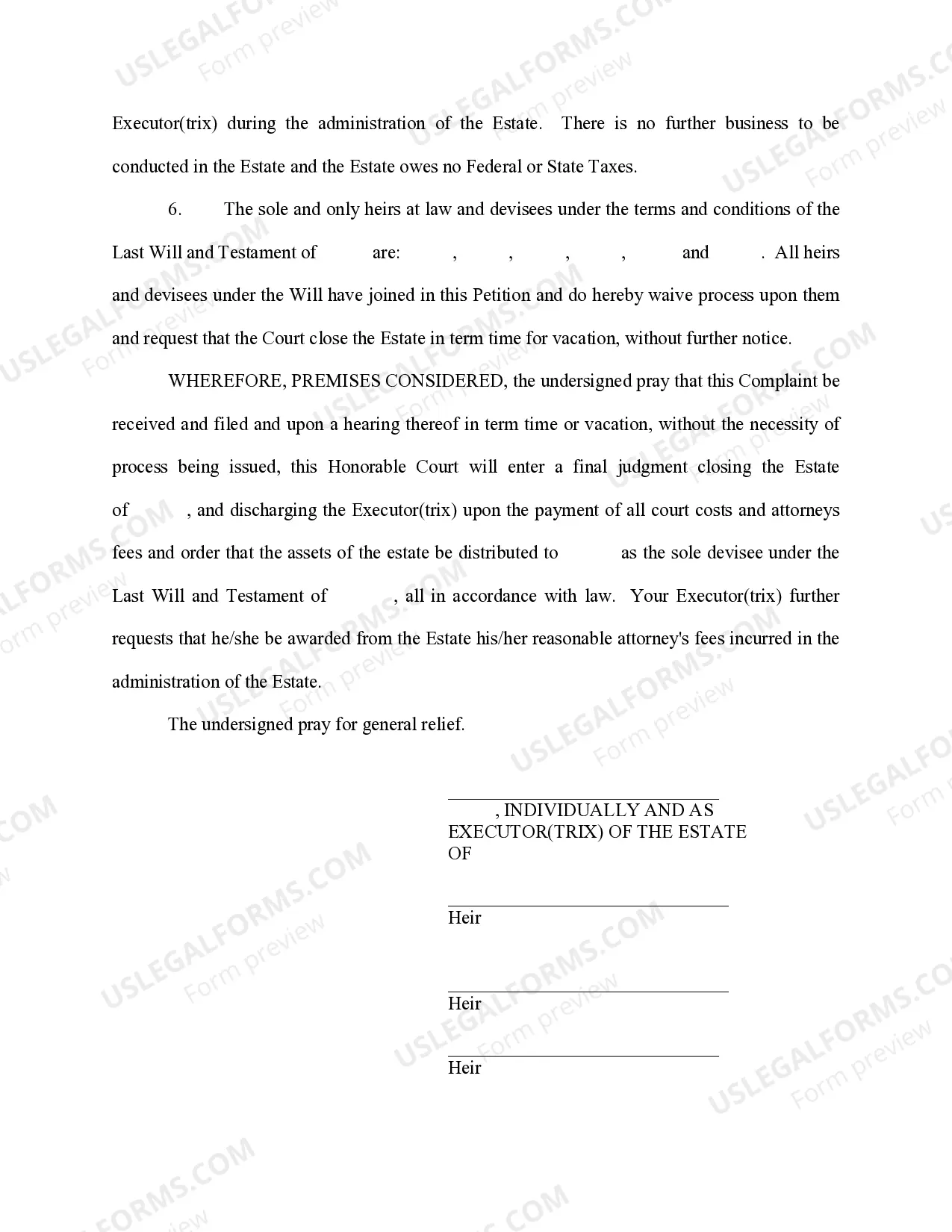
- Caption: Identifies the court and the parties involved in the complaint.
- Allegations: Details the plaintiff's claims against the executor related to estate closure.
- Relief sought: Specifies what the plaintiff requests from the court, such as the closure of the estate.
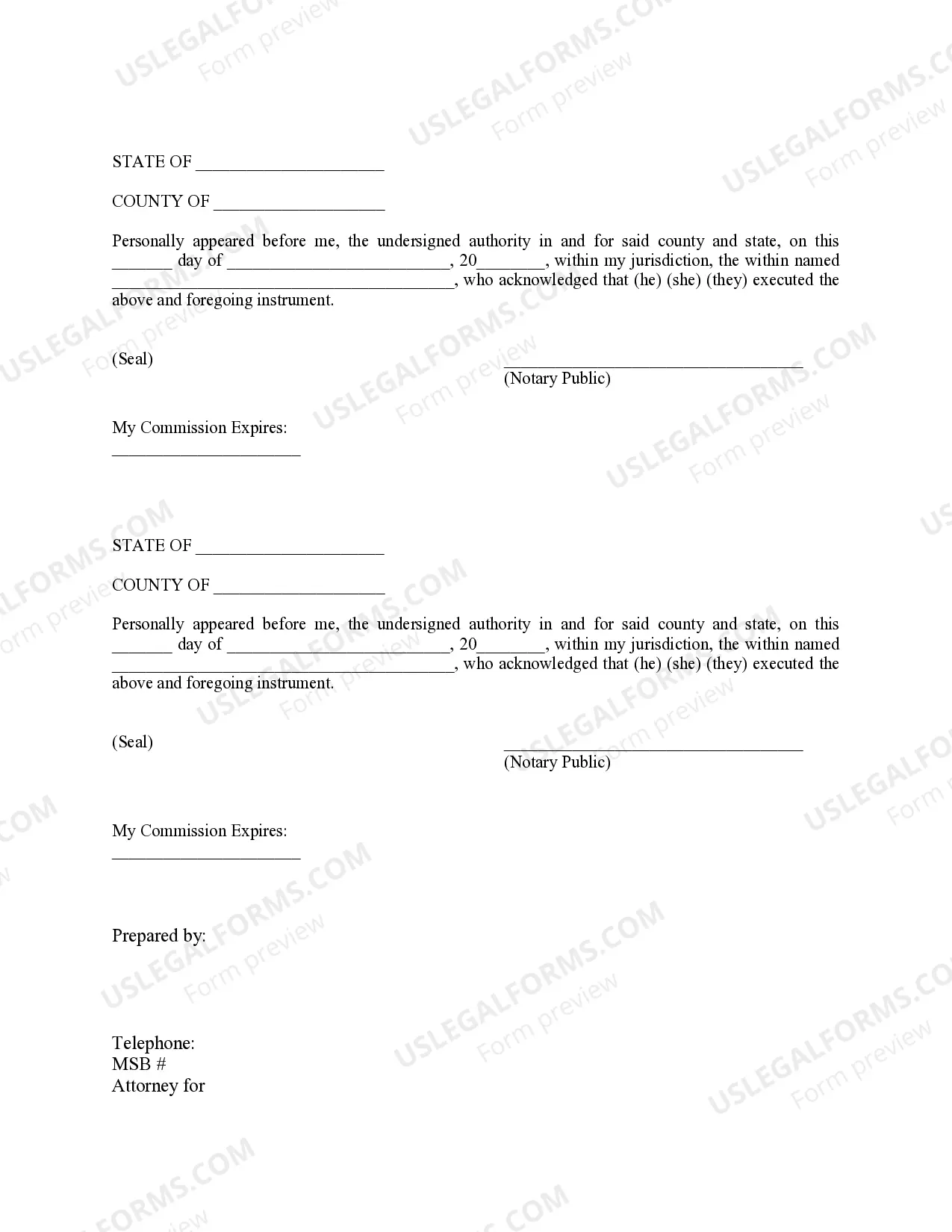
- Signature section: Requires signatures of the parties or their representatives to validate the complaint.
Common use cases
This form is necessary when an executor faces opposition from beneficiaries or other interested parties about closing an estate. Common scenarios include disagreements over asset distribution, delays in the estate settlement process, or requests for transparency in the executor's actions. Using this form allows the concerned parties to resolve these issues legally through the court.
Intended users of this form
- Executors handling an estate facing disputes over its closure.
- Beneficiaries who believe the estate is not being settled properly.
- Legal representatives of the interested parties in the estate.
How to prepare this document
- Identify the parties: Enter the names of the plaintiff and executor involved in the case.
- Specify the allegations: Clearly outline the specific reasons for the complaint against the executor.
- Define the relief sought: Indicate what resolution you are requesting from the court.
- Gather required signatures: Ensure all necessary parties sign the document to validate the complaint.
- File the form: Submit the completed complaint to the appropriate court as directed by local rules.
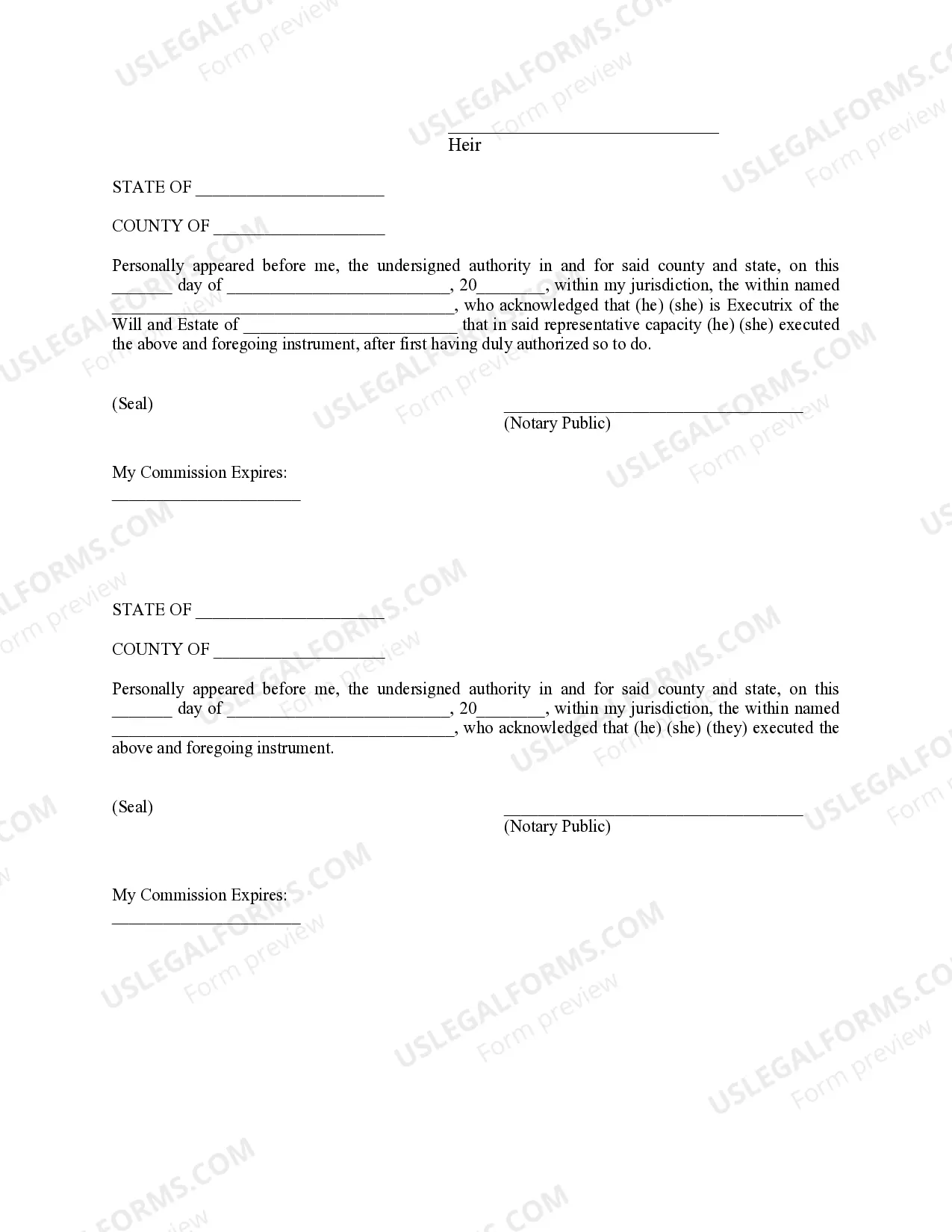
Is notarization required?
This form does not typically require notarization unless specified by local law. However, it is always a good idea to check the requirements in your jurisdiction to ensure it is legally valid upon submission.
Get your form ready online
Our built-in tools help you complete, sign, share, and store your documents in one place.
Make edits, fill in missing information, and update formatting in US Legal Forms—just like you would in MS Word.
Download a copy, print it, send it by email, or mail it via USPS—whatever works best for your next step.
Sign and collect signatures with our SignNow integration. Send to multiple recipients, set reminders, and more. Go Premium to unlock E-Sign.
If this form requires notarization, complete it online through a secure video call—no need to meet a notary in person or wait for an appointment.
We protect your documents and personal data by following strict security and privacy standards.

Make edits, fill in missing information, and update formatting in US Legal Forms—just like you would in MS Word.

Download a copy, print it, send it by email, or mail it via USPS—whatever works best for your next step.

Sign and collect signatures with our SignNow integration. Send to multiple recipients, set reminders, and more. Go Premium to unlock E-Sign.

If this form requires notarization, complete it online through a secure video call—no need to meet a notary in person or wait for an appointment.

We protect your documents and personal data by following strict security and privacy standards.
Common mistakes
- Not providing enough detail in the allegations, making the complaint unclear.
- Failing to sign the document or obtain all necessary signatures.
- Submitting the form to the wrong court or not adhering to the required filing procedures.
Advantages of online completion
- Convenient download options in Word and Rich Text formats for easy editing.
- Access legal forms drafted by licensed attorneys to ensure compliance.
- Save time by completing and filing documents from home without needing to visit a law office.
Looking for another form?
Form popularity
FAQ
By Stephanie Kurose, J.D. Closing a person's estate after they die can often be a long, detailed process. This includes paying off debts, filing final tax returns, and, finally, distributing the estate's assets according to the wishes of the deceased.
Just because you are nominated as executor of a Will does not mean that you must serve. You can renounce your rights as executor and decline to act by simply signing and having notarized a Renunciation of Nominated Executor form and filing it with the Surrogate's Court in the county in which your aunt resided.
Notify all creditors. File tax returns and pay final taxes. File the final accounting with the probate court. Distribute remaining assets to beneficiaries. File a closing statement with the court.
A simple estate with just a few, easy-to-find assets may be all wrapped up in six to eight months. A more complicated affair may take three years or more to fully settle.
Generally, an executor has 12 months from the date of death to distribute the estate. This is known as 'the executor's year'. However, for various reasons the executor may have been delayed and has not distributed the estate within this time frame.
Under the Administration and Probate Act there is a period of 6 months once Probate (or Letters of Administration, if there was no Will) is granted in which claims can be made on an Estate.
The Executor's Final Act, Closing an Estate The personal representative, now without any estate funds to pay his lawyer, must respond. Even if the charges are baseless, the executor is stuck paying the legal bill. Instead, before making any distribution, the administrator should insist on receiving a release.