Mississippi Judgment on Petition to Probate Will in Solemn Form and Appoint Executrix
Overview of this form
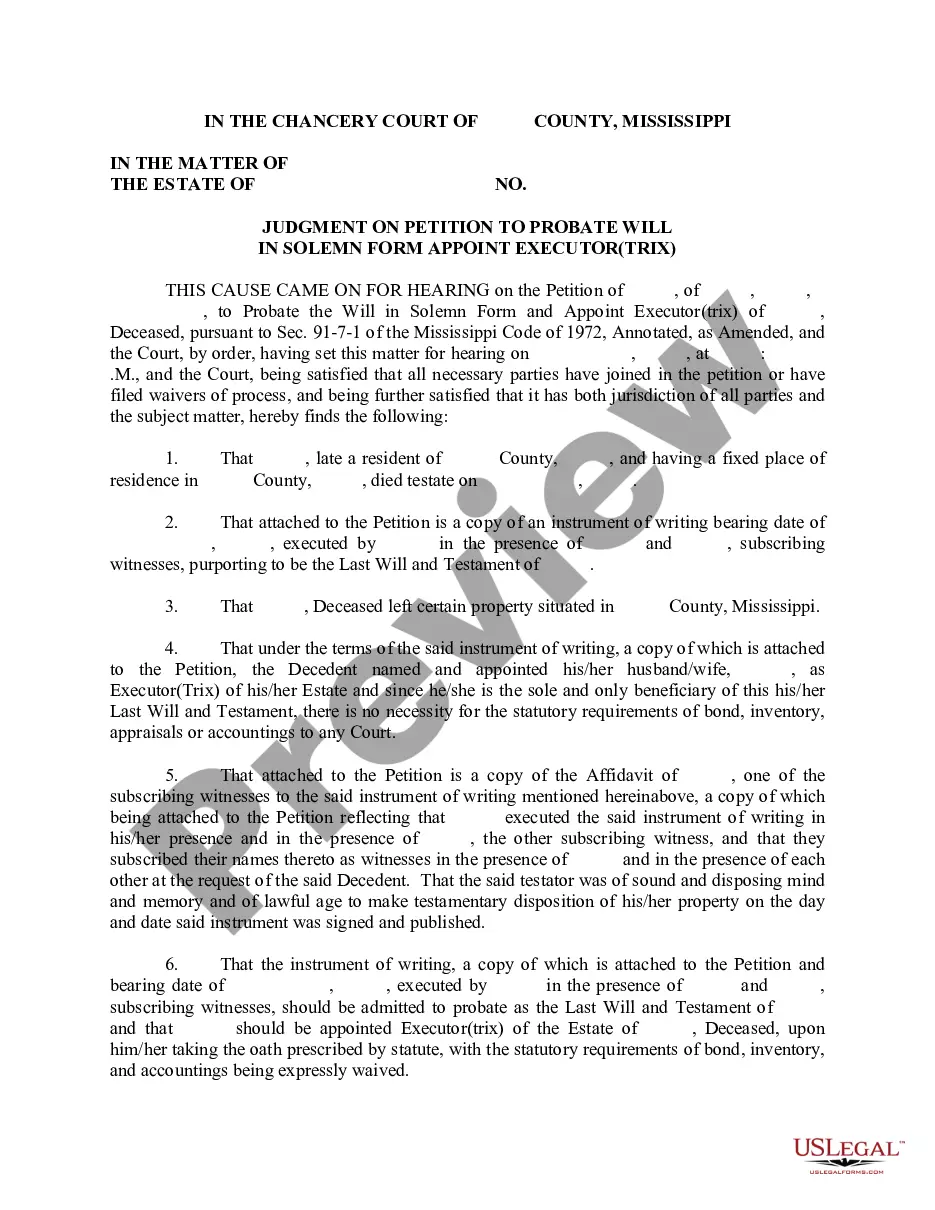
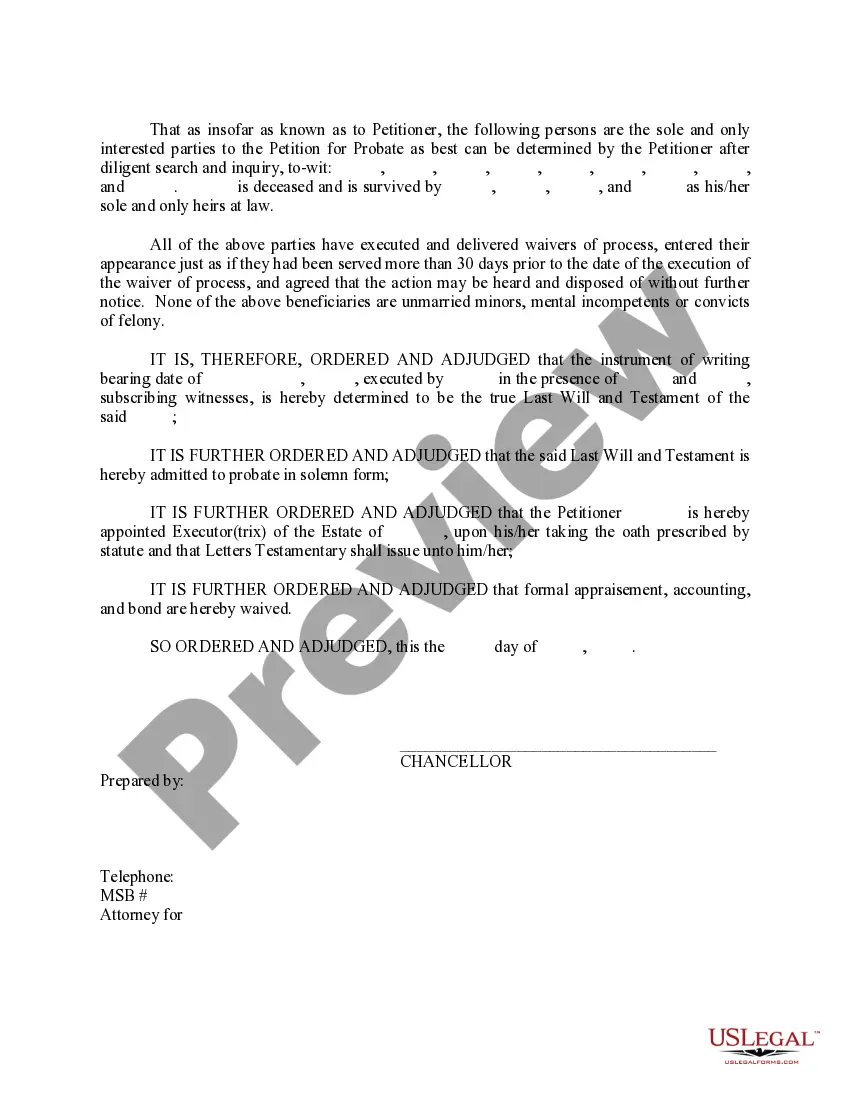
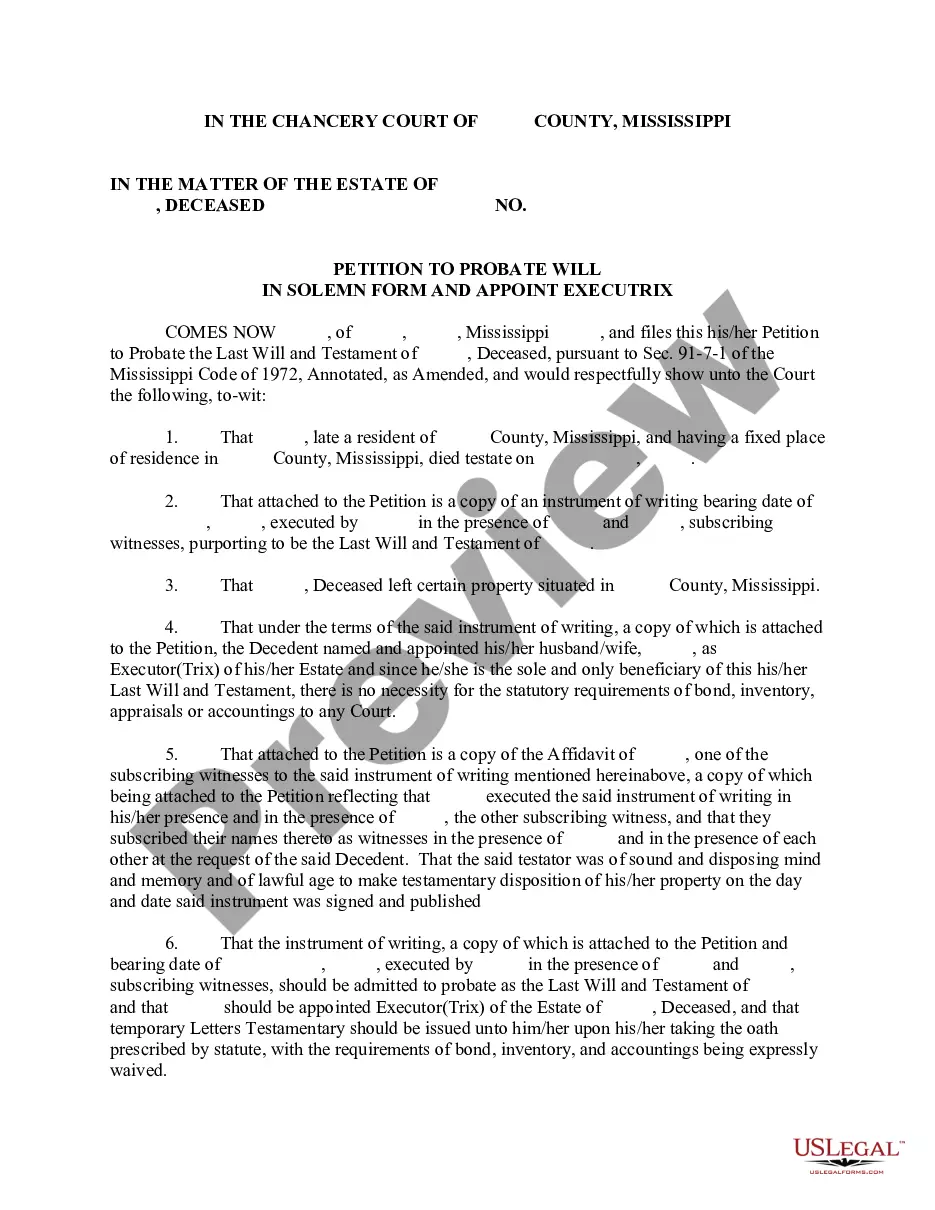
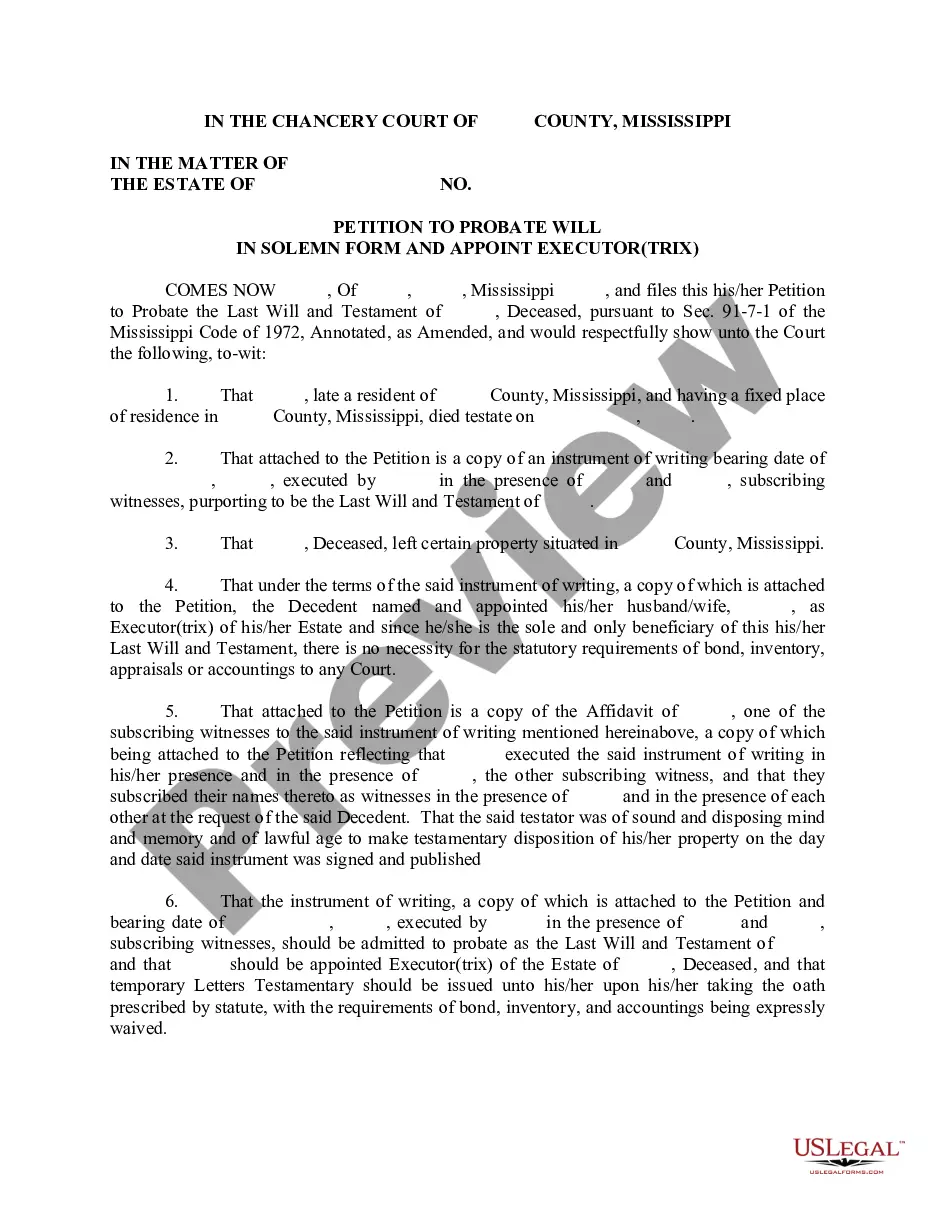
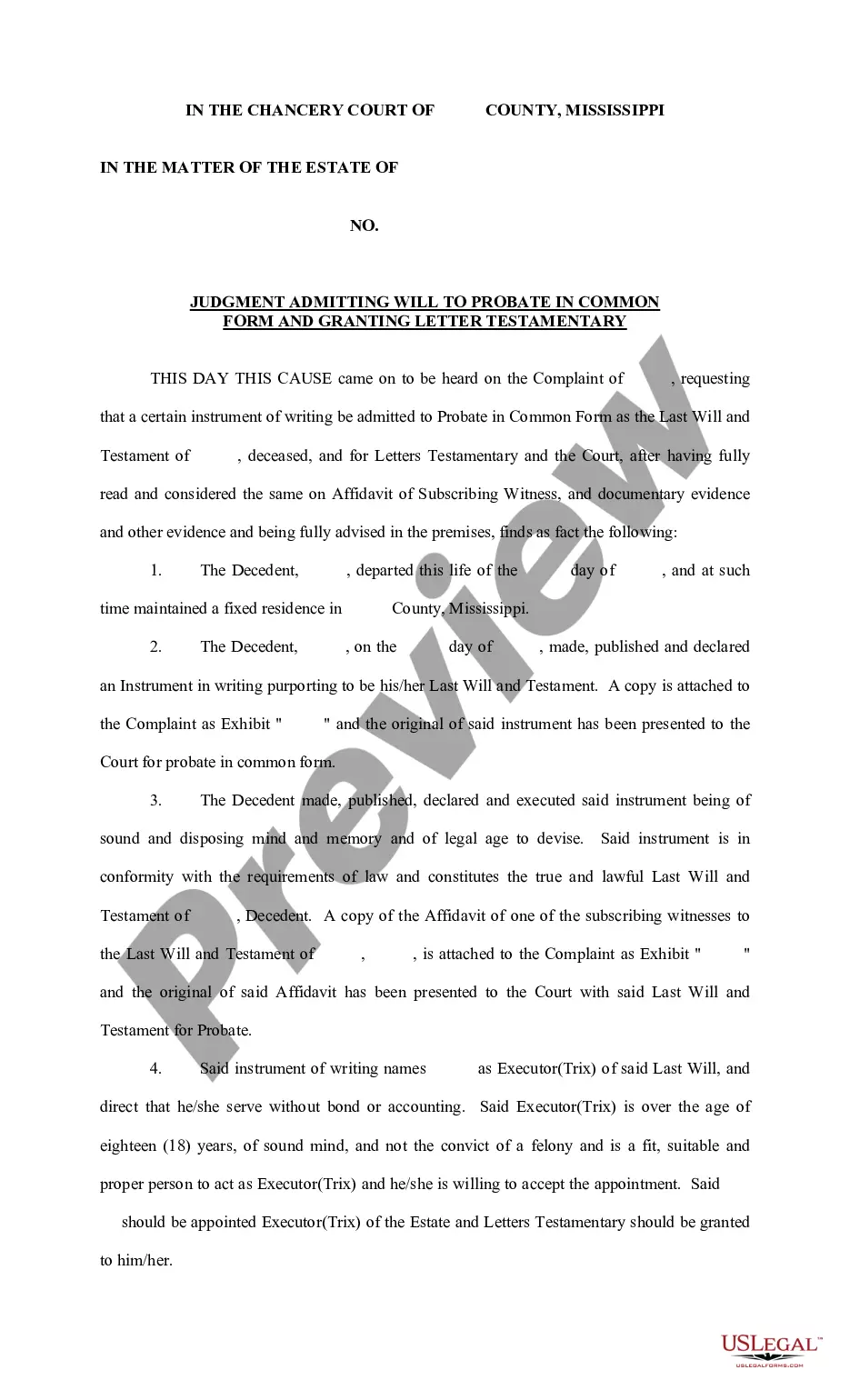
The Judgment on Petition to Probate Will in Solemn Form and Appoint Executrix is a legal document used to formalize the court's approval of a will for probate. This form is essential in ensuring that the named executrix can execute the deceased's wishes as outlined in the will. Unlike other probate documents, this specific judgment confirms the validity of the will and appoints the executrix, making it a crucial step in the estate management process.
Form components explained
- Case caption: Identifies the court and parties involved in the case.
- Findings of the court: Outlines the court's determination regarding the validity of the will.
- Appointment of the executrix: Designates the individual authorized to administer the estate.
- Signature of the judge: Validates the judgment, making it legally binding.
- Effective date: Indicates when the judgment takes effect.
When to use this form
This form should be used when a petition is filed in court to probate a will in solemn form, and the court has rendered a judgment approving the will. It is particularly relevant in cases where there may be disputes among heirs or when the will's validity needs formal confirmation. This judgment is essential for initiating the probate process and appointing an executrix to manage the estate.
Who needs this form
- Executors appointed in the deceased's will seeking legal validation.
- Heirs or beneficiaries of the estate wanting to ensure proper administration.
- Legal representatives working on behalf of the estate.
Instructions for completing this form
- Identify the parties involved by entering the names of the deceased and the executrix.
- Fill in the case caption with the appropriate court information.
- Detail the court's findings regarding the will's validity in the designated section.
- Sign the document where indicated to validate the judgment.
- Ensure that the effective date of the judgment is clearly noted.
Notarization requirements for this form
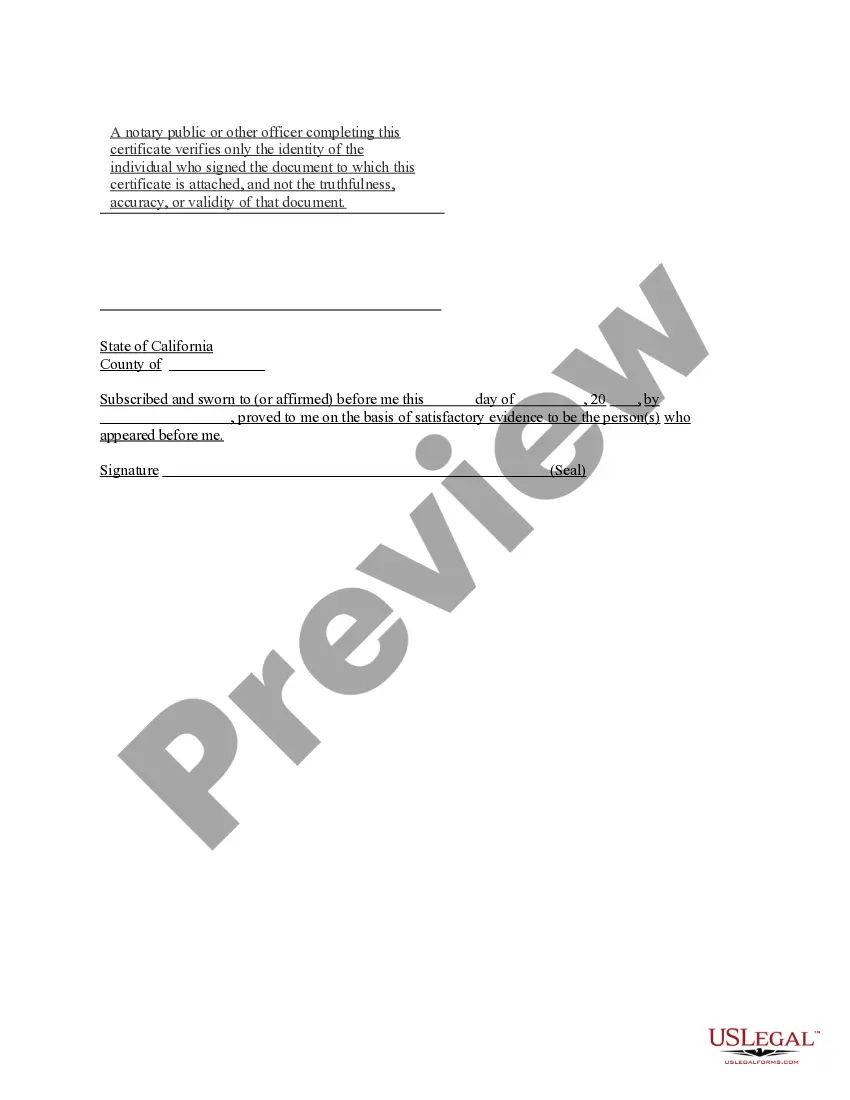
To make this form legally binding, it must be notarized. Our online notarization service, powered by Notarize, lets you verify and sign documents remotely through an encrypted video session.
Get your form ready online
Our built-in tools help you complete, sign, share, and store your documents in one place.
Make edits, fill in missing information, and update formatting in US Legal Forms—just like you would in MS Word.
Download a copy, print it, send it by email, or mail it via USPS—whatever works best for your next step.
Sign and collect signatures with our SignNow integration. Send to multiple recipients, set reminders, and more. Go Premium to unlock E-Sign.
If this form requires notarization, complete it online through a secure video call—no need to meet a notary in person or wait for an appointment.
We protect your documents and personal data by following strict security and privacy standards.

Make edits, fill in missing information, and update formatting in US Legal Forms—just like you would in MS Word.

Download a copy, print it, send it by email, or mail it via USPS—whatever works best for your next step.

Sign and collect signatures with our SignNow integration. Send to multiple recipients, set reminders, and more. Go Premium to unlock E-Sign.

If this form requires notarization, complete it online through a secure video call—no need to meet a notary in person or wait for an appointment.

We protect your documents and personal data by following strict security and privacy standards.
Mistakes to watch out for
- Failing to include the full case caption or court information.
- Not providing accurate details about the deceased or executrix.
- Omitting the signature of the judge, which is crucial for validity.
- Using outdated or incorrect legal terminology that may not be accepted by the court.
Advantages of online completion
- Convenient access to legal forms anytime from your home.
- Edit and customize the form to meet your specific needs without hassle.
- Reliable templates created by licensed attorneys with the latest legal standards.
Looking for another form?

Form popularity
FAQ
When you don't need probate You might not need to get probate if: the estate was held jointly with the person's surviving spouse or civil partner, for example a joint bank account. the estate doesn't include land, property or shares. the money held in the account is within the banks limits.
In most cases, if the deceased owned property that had no other names attached, an estate must go through probate in order to transfer the property into the name(s) of any beneficiaries. When there are no beneficiaries named or they have predeceased the decedent, probate is necessary.
Under Mississippi statute, where as estate is valued at less than $50,000, an interested party may, thirty (30) days after the death of the decedent, issue a small estate affidavit to collect any debts owed to the decedent.
The Mississippi small estate affidavit may be used by an heir or successor when the decedent's estate (the person who died) left $75,000 or less in probate-able personal property.
All taxes and liabilities paid from the estate, including medical expenses, attorney fees, burial or cremation expenses, estate sale costs, appraisal expenses, and more. The executor should keep all receipts for any services or transactions needed to liquidate the assets of the deceased.
If you are named in someone's will as an executor, you may have to apply for probate. This is a legal document which gives you the authority to share out the estate of the person who has died according to the instructions in the will. You do not always need probate to be able to deal with the estate.
Basically, probate is necessary only for property that was: owned solely in the name of the deceased personfor example, real estate or a car titled in that person's name alone, or.
This means, for the assets not usually subject to probate, if you are a named beneficiary you will likely be able to assume ownership sooner and may save money on court costs and attorney fees.
Mississippi probate records include dockets, wills, settlements, petitions, letters, guardianships, claims, and minutes. Probate records of Mississippi have been kept by the chancery courts or probate courts. You can obtain copies of the records by contacting the clerk's office in each county courthouse.