Mississippi Motion to Examine Judgment Debtor
What this document covers
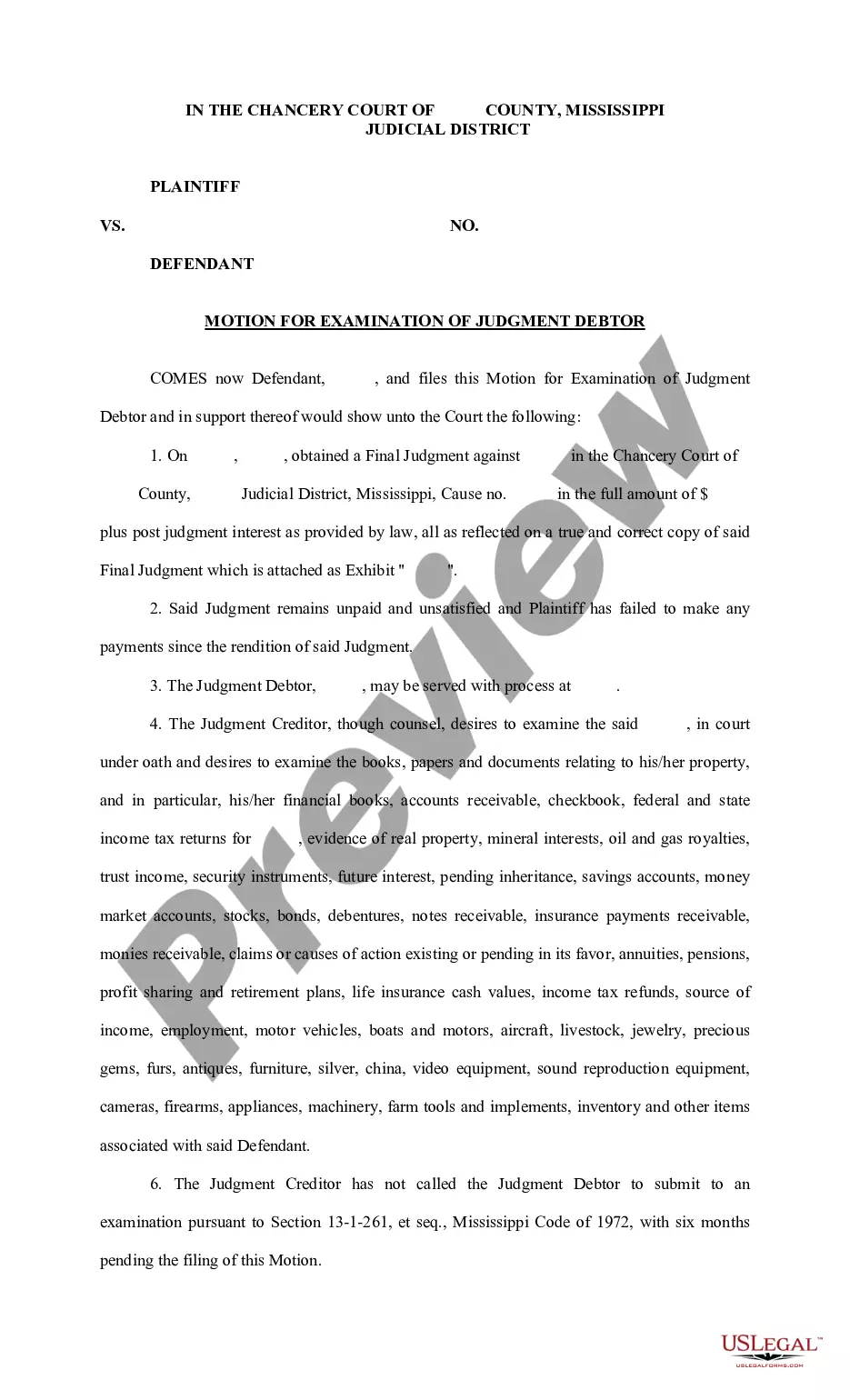
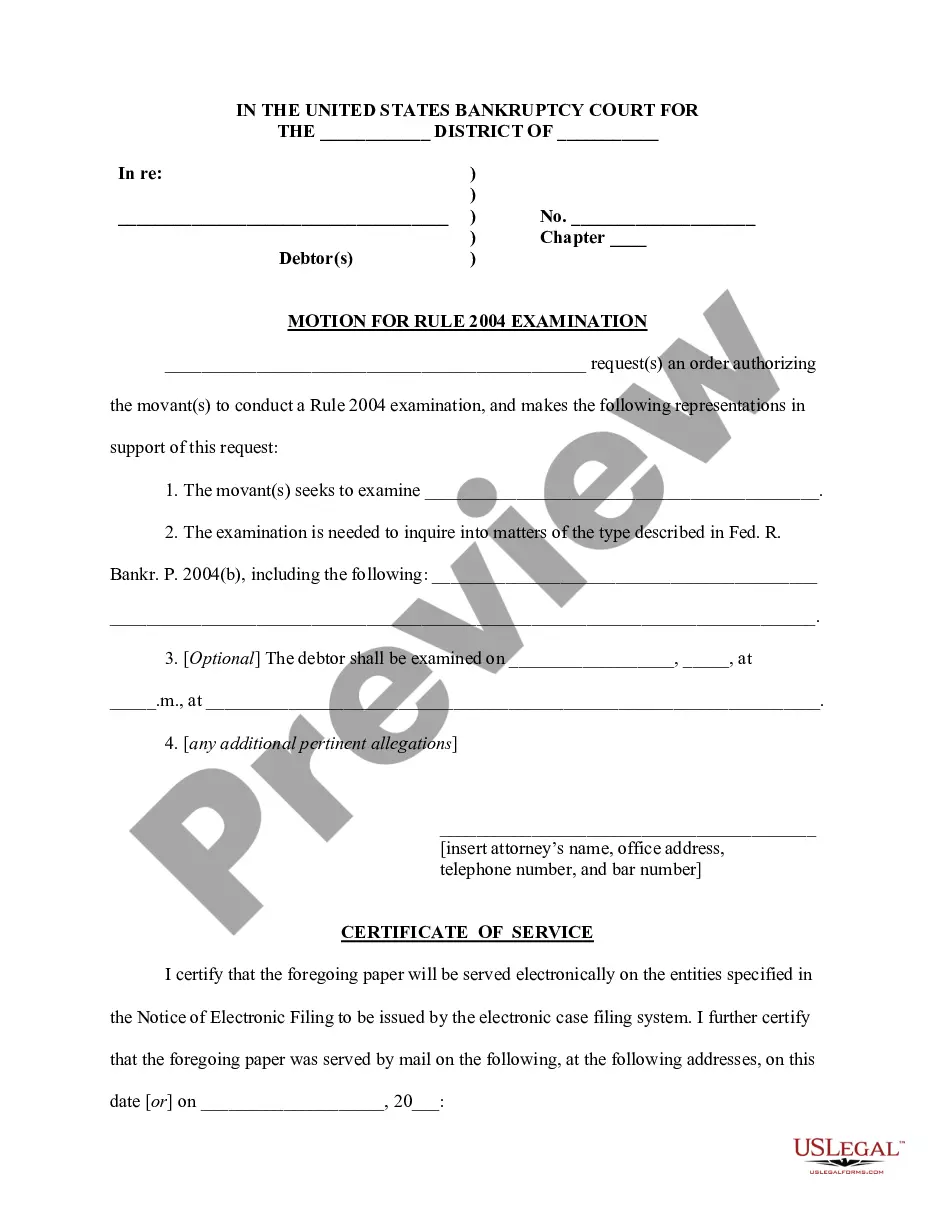
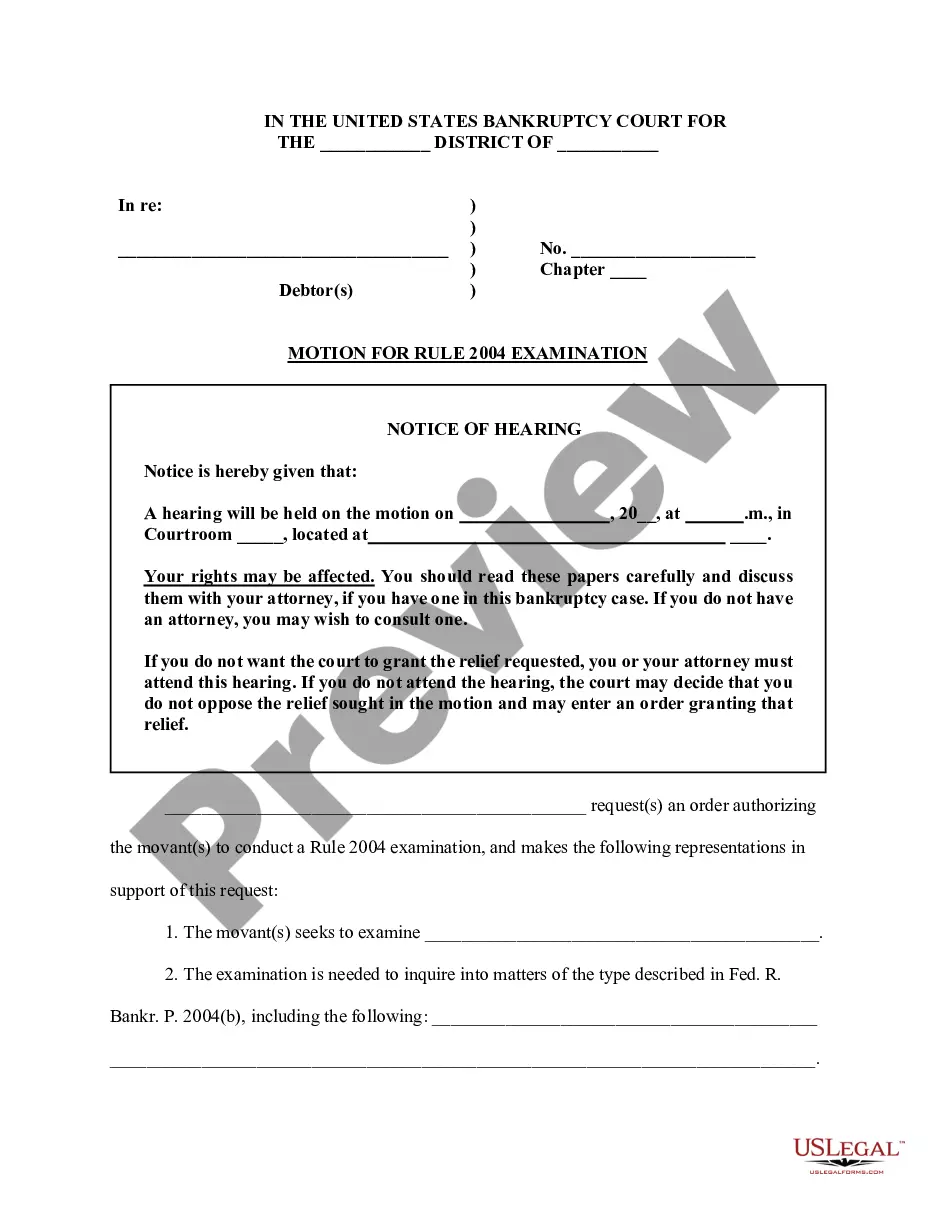
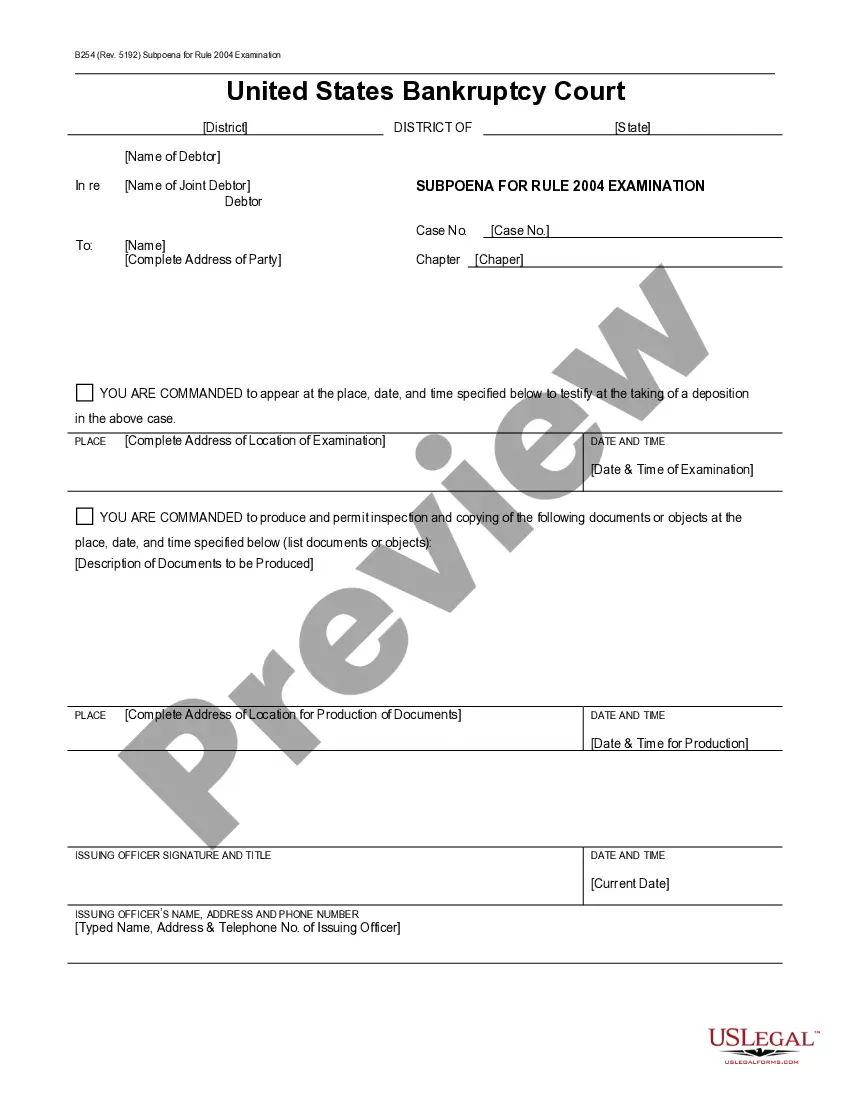
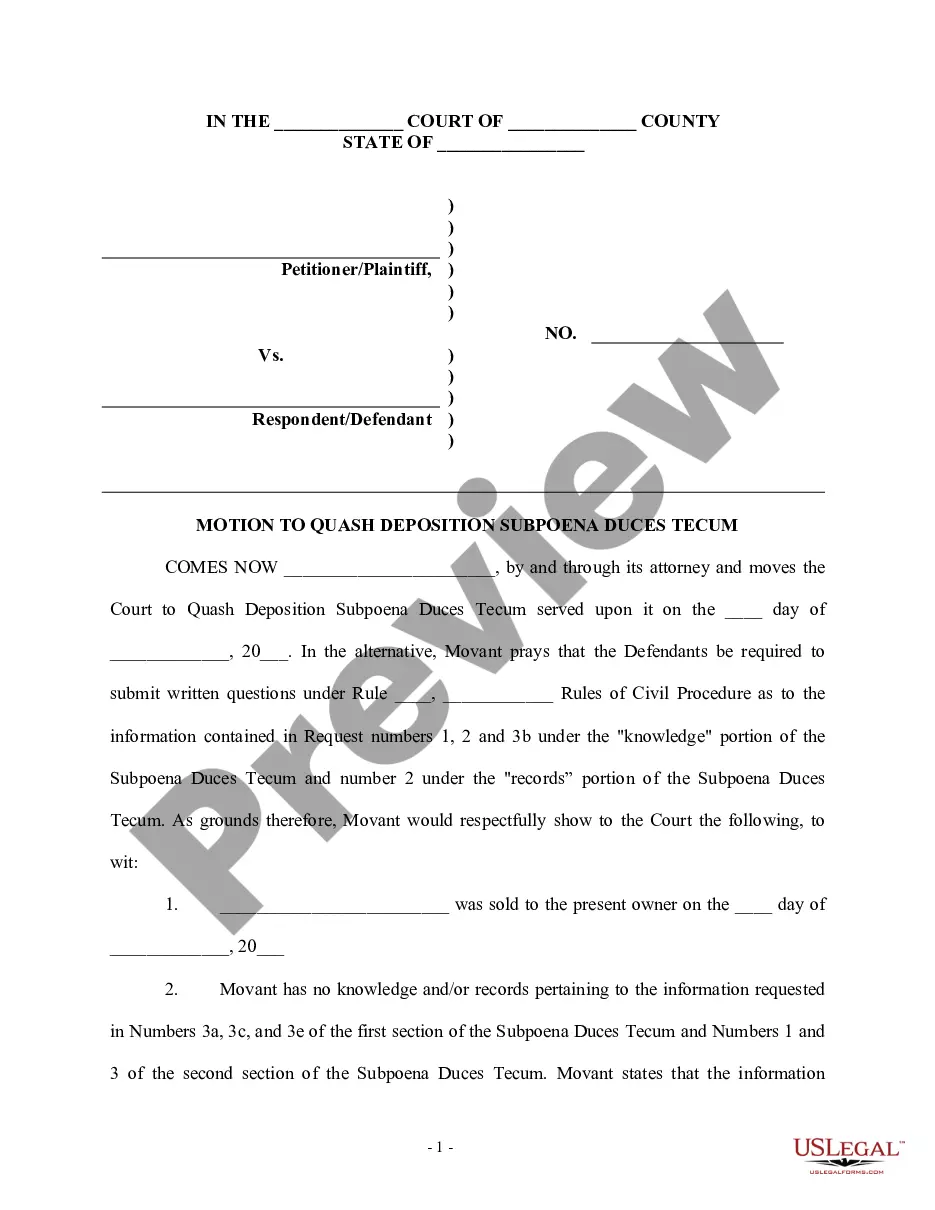
A Motion to Examine Judgment Debtor is a formal request submitted to the court. It seeks permission to examine the financial situation of a debtor who has not paid a judgment. This motion is crucial for creditors trying to recover owed amounts, as it allows them to gather information about the debtorâs assets. It differs from other motions in that it specifically requests the court's assistance in investigating the debtorâs financial circumstances to enforce payment of a judgment.
Key components of this form
- Information about the judgment creditor and debtor.
- The specific request for examination of the debtorâs finances.
- References to relevant state laws governing the motion.
- A section for stating the grounds for the motion.
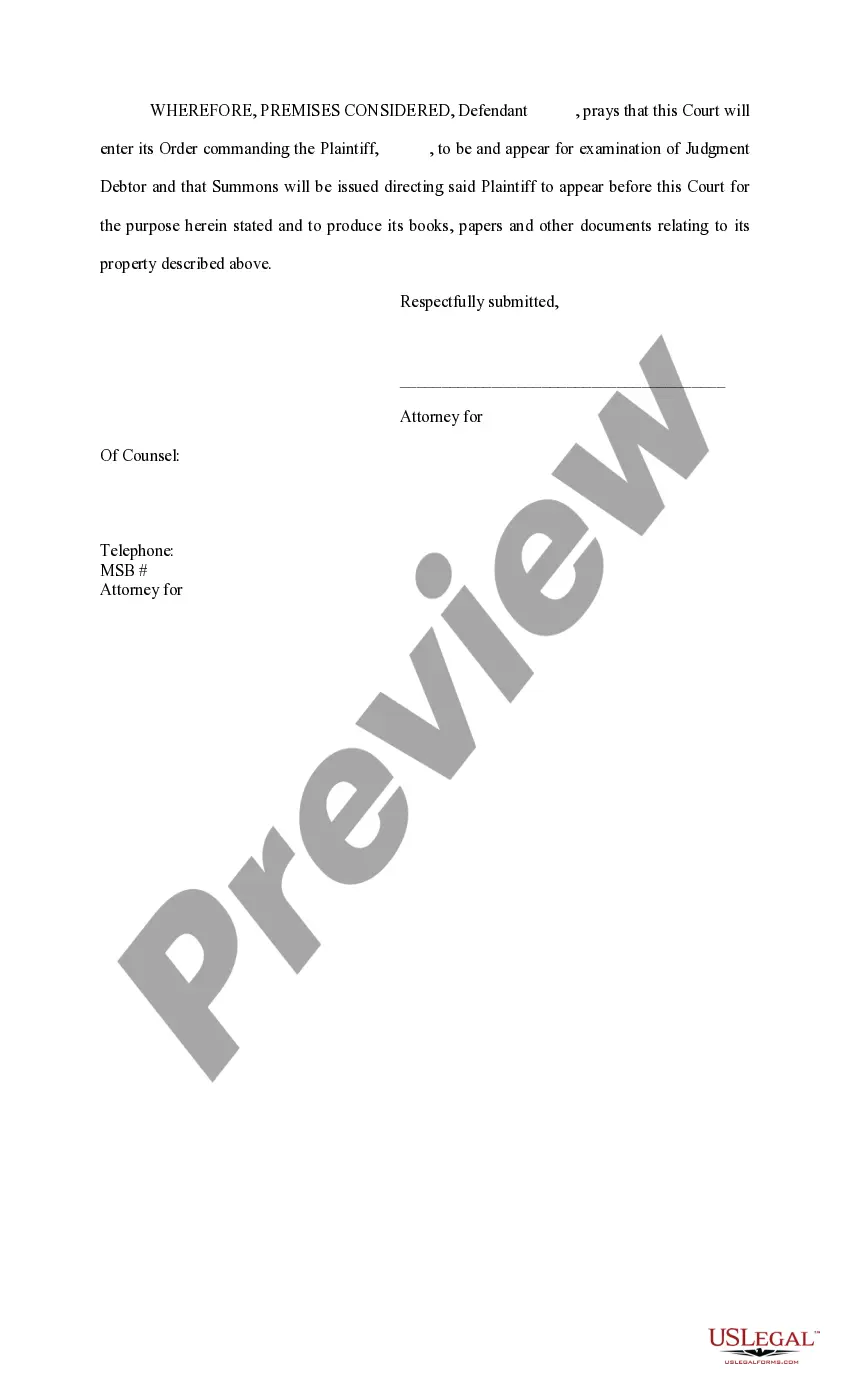
- Space for signatures and dates.
When to use this form
This form should be used when a creditor wants to compel a debtor to disclose their assets after obtaining a judgment. It can be applied when payment has not been made within the stipulated time, or when the creditor has reason to believe the debtor is withholding financial information. If attempts to secure payment through normal means have failed, this motion can serve as a next step in the debt collection process.
Who can use this document
- Judgment creditors seeking payment from a debtor.
- Anyone who has obtained a money judgment in court.
- Individuals or businesses with a legal entitlement to collect a debt.
How to complete this form
- Identify the parties involved: enter the names of the judgment creditor and debtor.
- Specify the reason for the motion: clearly state the grounds for the examination request.
- Cite relevant laws: include references to any applicable state laws.
- Complete the declaration section: affirm that previous attempts to collect the debt were unsuccessful.
- Sign and date the form: ensure all necessary signatures are included before submission.
Does this document require notarization?
This form does not typically require notarization unless specified by local law. However, consulting an attorney for specific requirements based on jurisdiction is advisable.
Get your form ready online
Our built-in tools help you complete, sign, share, and store your documents in one place.
Make edits, fill in missing information, and update formatting in US Legal Forms—just like you would in MS Word.
Download a copy, print it, send it by email, or mail it via USPS—whatever works best for your next step.
Sign and collect signatures with our SignNow integration. Send to multiple recipients, set reminders, and more. Go Premium to unlock E-Sign.
If this form requires notarization, complete it online through a secure video call—no need to meet a notary in person or wait for an appointment.
We protect your documents and personal data by following strict security and privacy standards.

Make edits, fill in missing information, and update formatting in US Legal Forms—just like you would in MS Word.

Download a copy, print it, send it by email, or mail it via USPS—whatever works best for your next step.

Sign and collect signatures with our SignNow integration. Send to multiple recipients, set reminders, and more. Go Premium to unlock E-Sign.

If this form requires notarization, complete it online through a secure video call—no need to meet a notary in person or wait for an appointment.

We protect your documents and personal data by following strict security and privacy standards.
Typical mistakes to avoid
- Failing to properly identify parties involved.
- Not citing the correct legal statutes.
- Omitting important details about previous collection attempts.
- Submitting the motion without the required signatures.
Benefits of using this form online
- Convenient access to downloadable templates.
- Editable forms that can be customized to fit specific cases.
- Available guidance through the drafting process.
- Reduced risk of errors with attorney-reviewed documents.
Legal use & context:
- The motion is used to facilitate the collection of debts owed after a court judgment.
- It allows for transparency regarding a debtor's financial status.
- A properly filed motion can lead to further court actions if the debtor fails to comply.
Summary of main points
- A Motion to Examine Judgment Debtor is essential for creditors in recovering debts after a judgment.
- Ensure compliance with state-specific rules when using this form.
- Common errors can be avoided by providing complete and accurate information.
Looking for another form?

Form popularity
FAQ
A Judgment Debtor Summons is a summons issued by the court to be served on the Judgment Debtor to compel the Judgment Debtor to appear in court to provide information about his assets and how they can be disposed of to settle the judgment debt.
A judgment creditor is a party to which a debt is owed that has proved the debt in a legal proceeding and that is entitled to use judicial process to collect the debt.
The court enters a judgment against you if your creditor wins their claim or you fail to show up to court. You should receive a notice of the judgment entry in the mail. The judgment creditor can then use that court judgment to try to collect money from you.
A debtor's examination is a special proceeding used by judgment creditors to look into ways it can collect a judgment from you, such as using a wage garnishment or attaching funds in a bank account. However, many judgment creditors use debtor's exams to pressure you to pay a debt.
The person in whose favour a decree is passed is called decree-holder and against whom the decree is passed is judgement debtor. There are various ways under civil law by which a decree can be passed. One such way is arrest and detention.
A debtor's examination is a special proceeding used by judgment creditors to look into ways it can collect a judgment from you, such as using a wage garnishment or attaching funds in a bank account. However, many judgment creditors use debtor's exams to pressure you to pay a debt.
To obtain a debtor examination, the creditor must file an Application and Order for Appearance and Examination. The court will then schedule the examination for a specific date and time, and issue an order requiring the debtor's appearance.
A Judgment Debtor Summons is a summons issued by the court to be served on the Judgment Debtor to compel the Judgment Debtor to appear in court to provide information about his assets and how they can be disposed of to settle the judgment debt.