Mississippi Amended Answer and Defenses
What is this form?
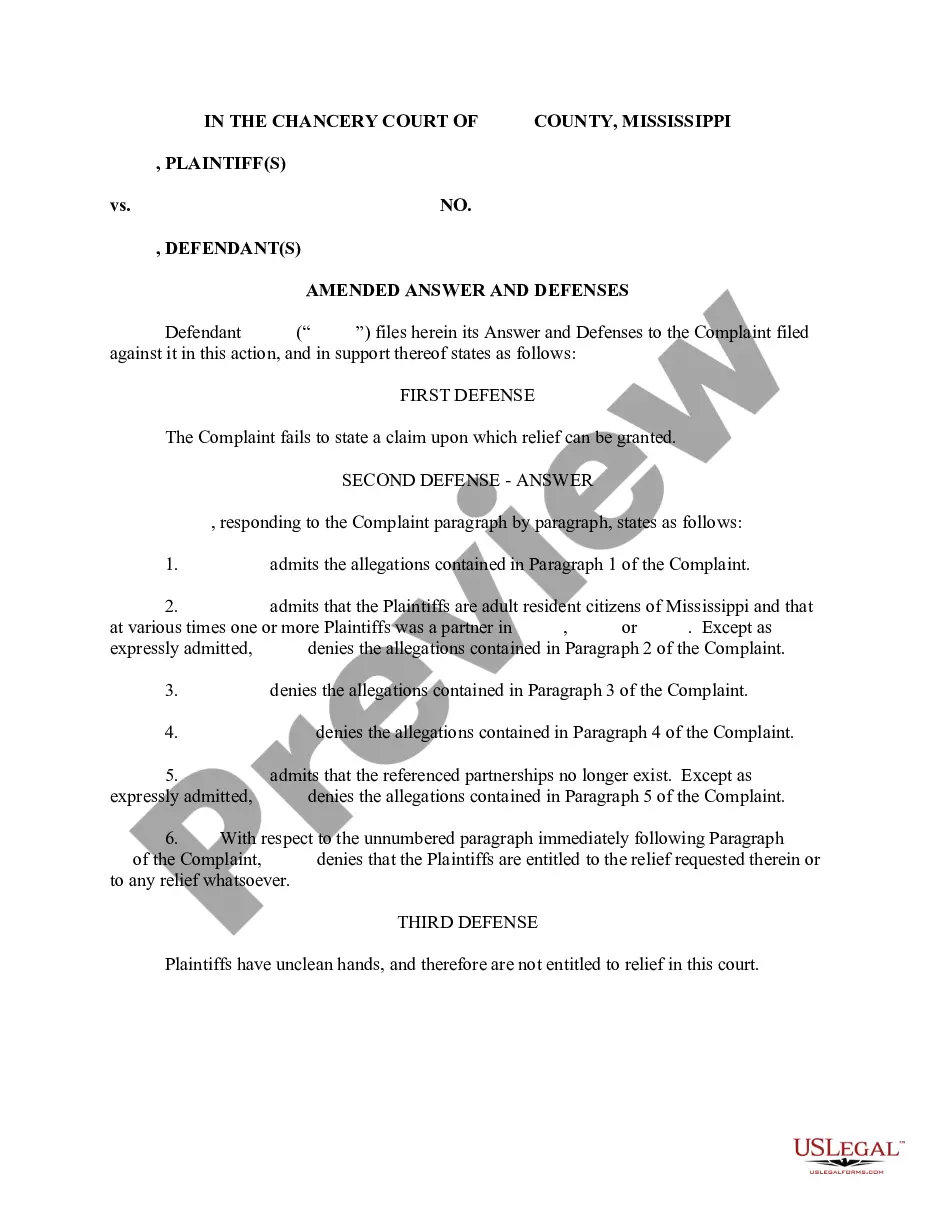
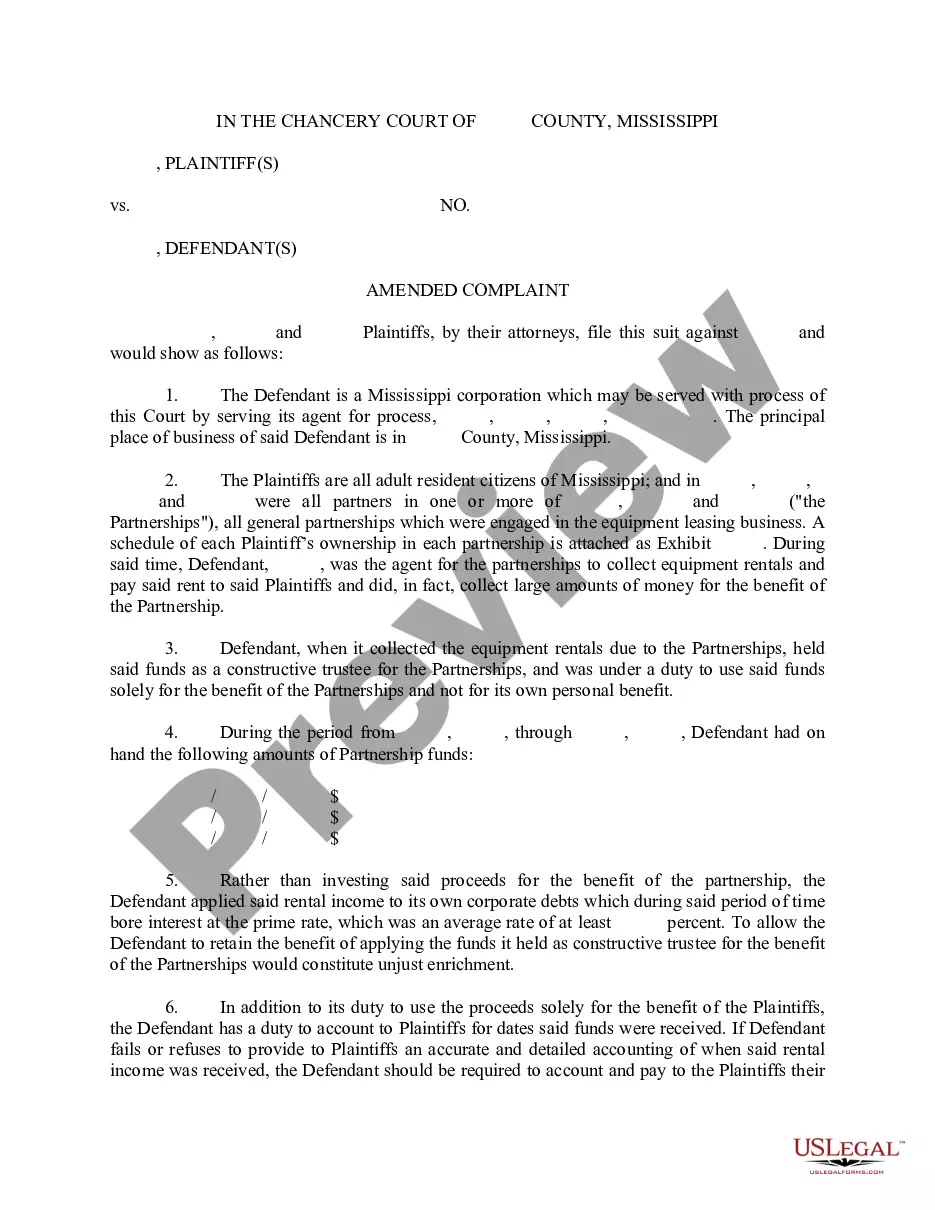
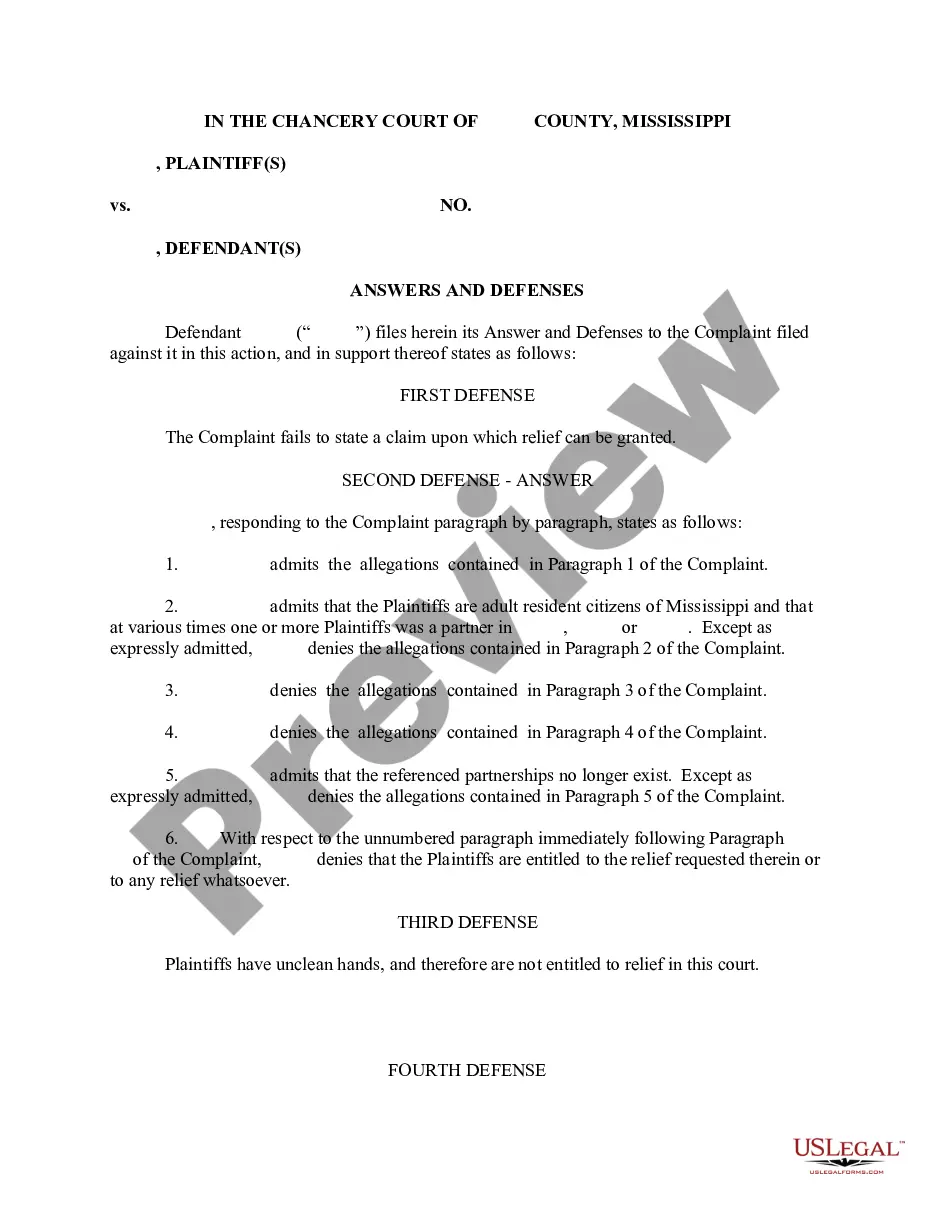
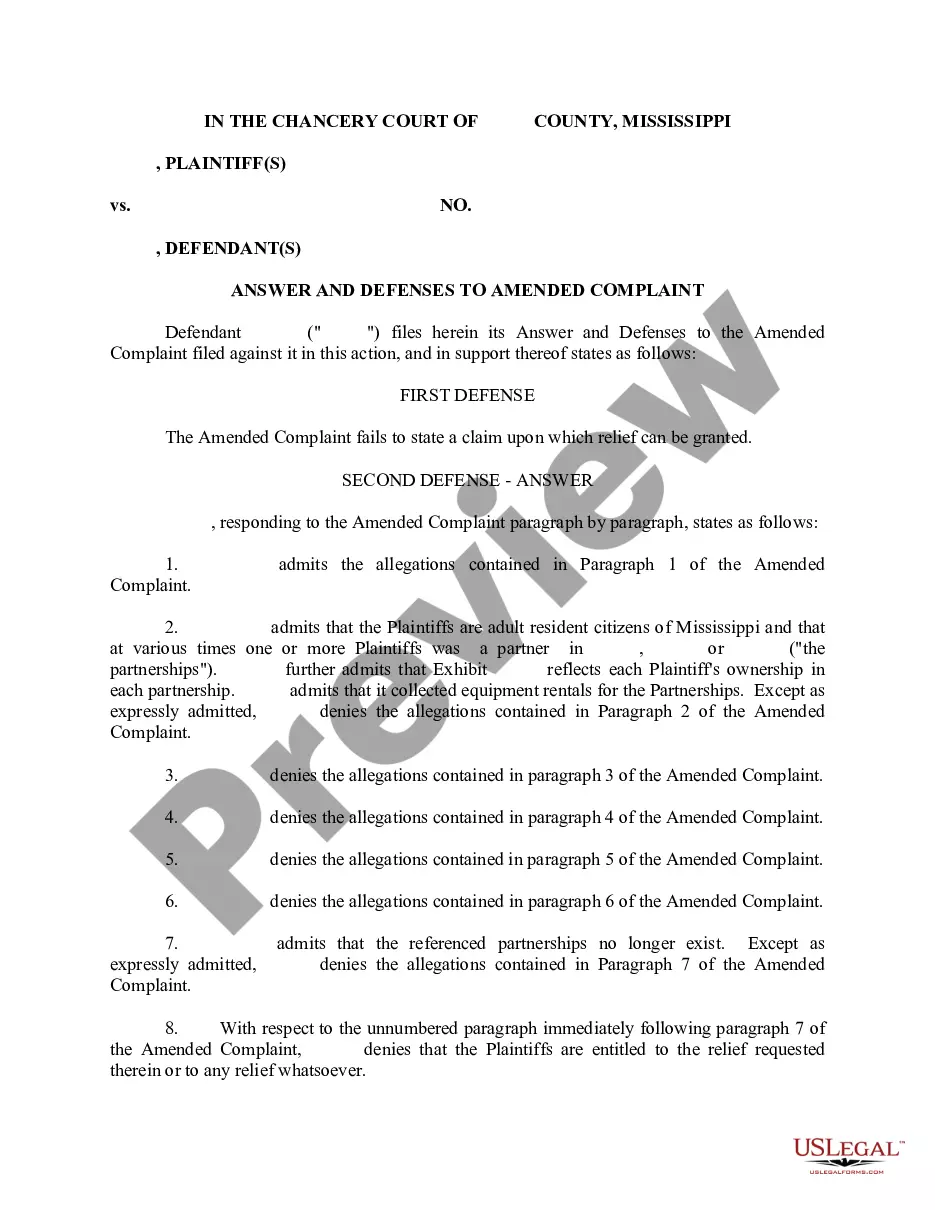
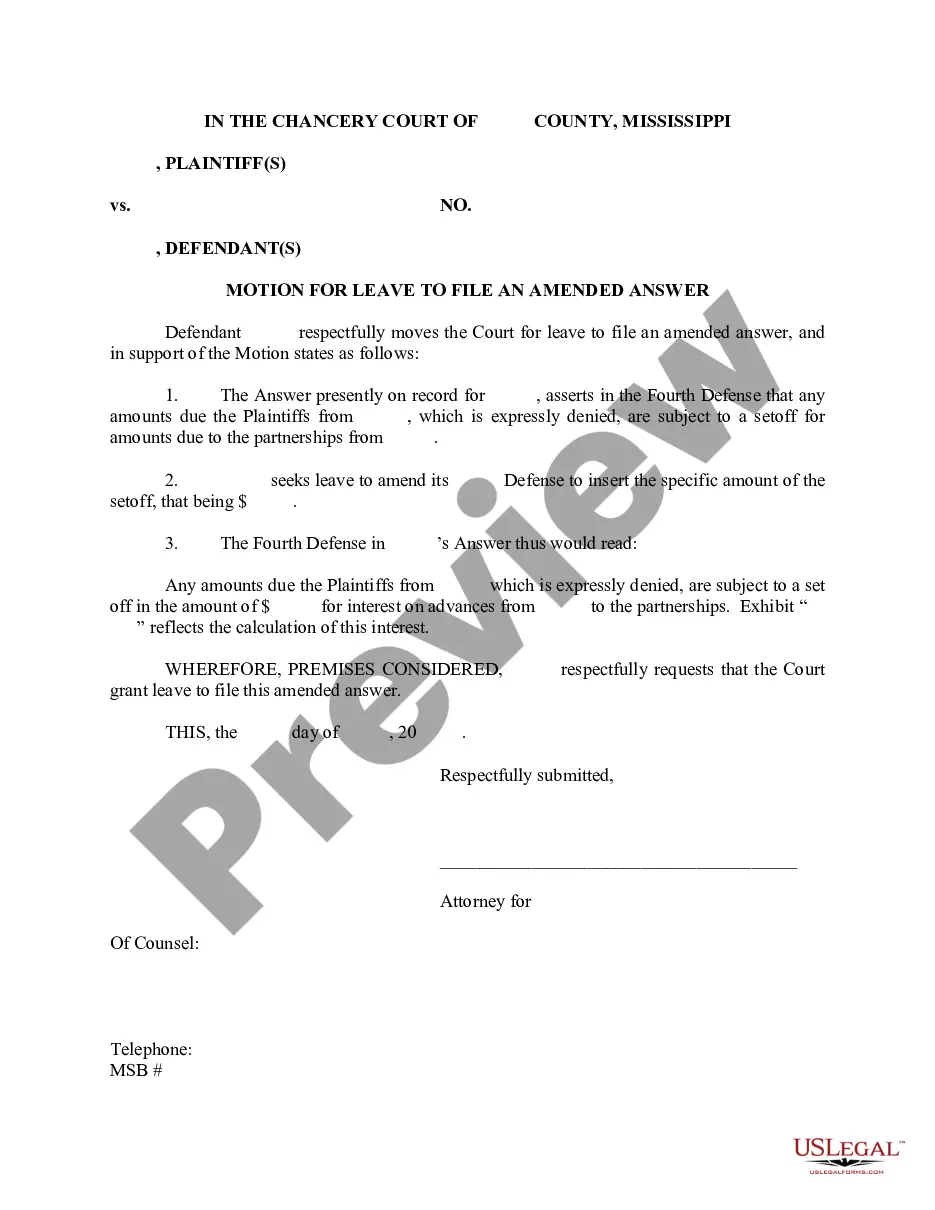
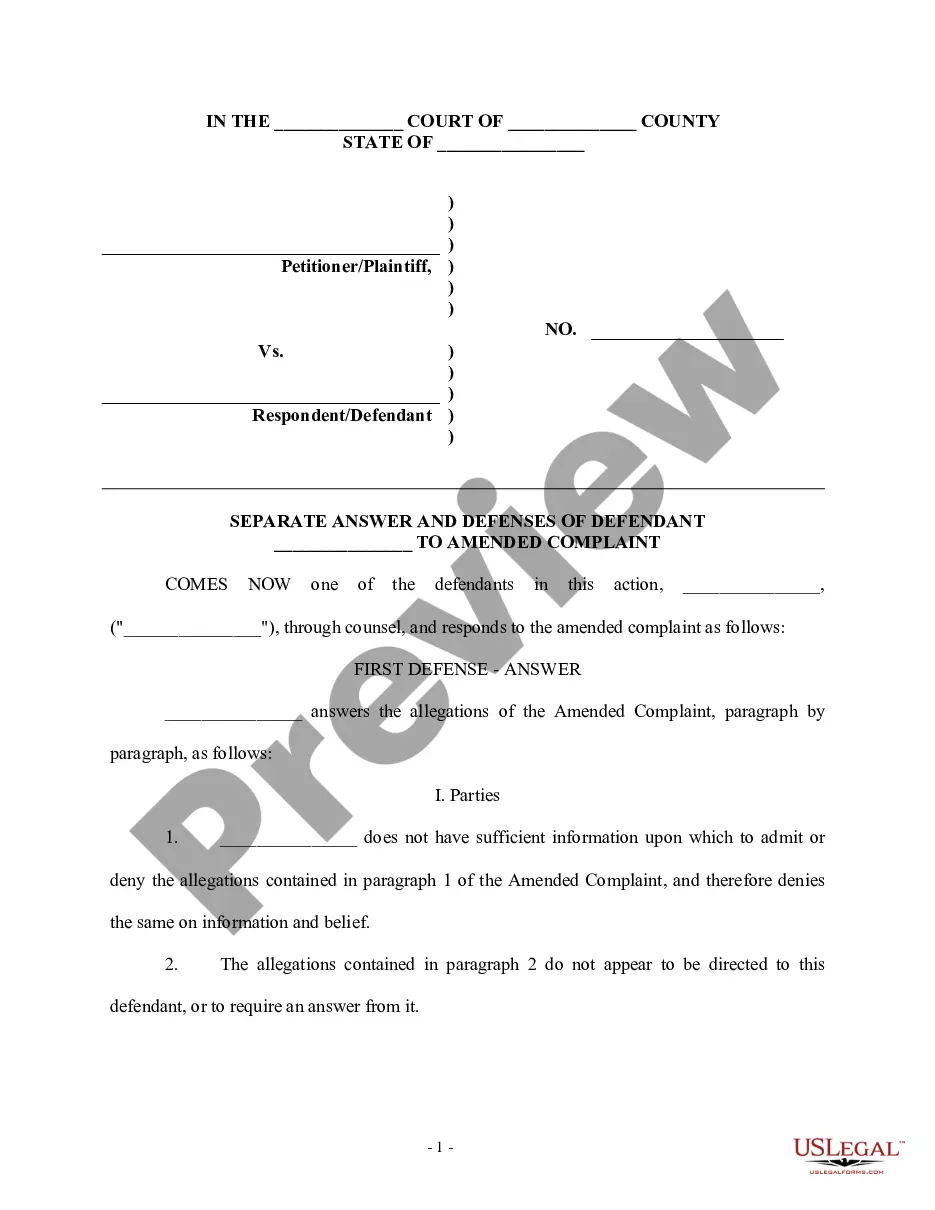
The Amended Answer and Defenses is a legal document filed in response to a complaint that initiates a lawsuit. This form allows a defendant to present their amended answer and any affirmative defenses against the claims made by the plaintiff. It can be modified to fit any type of lawsuit, making it versatile for various legal situations.
Key components of this form
- Title of the case: Identifies the parties involved in the lawsuit.
- Respondent information: Details about the defendant and their position in the case.
- Amended answer: A section where the defendant states their updated response to the complaint.
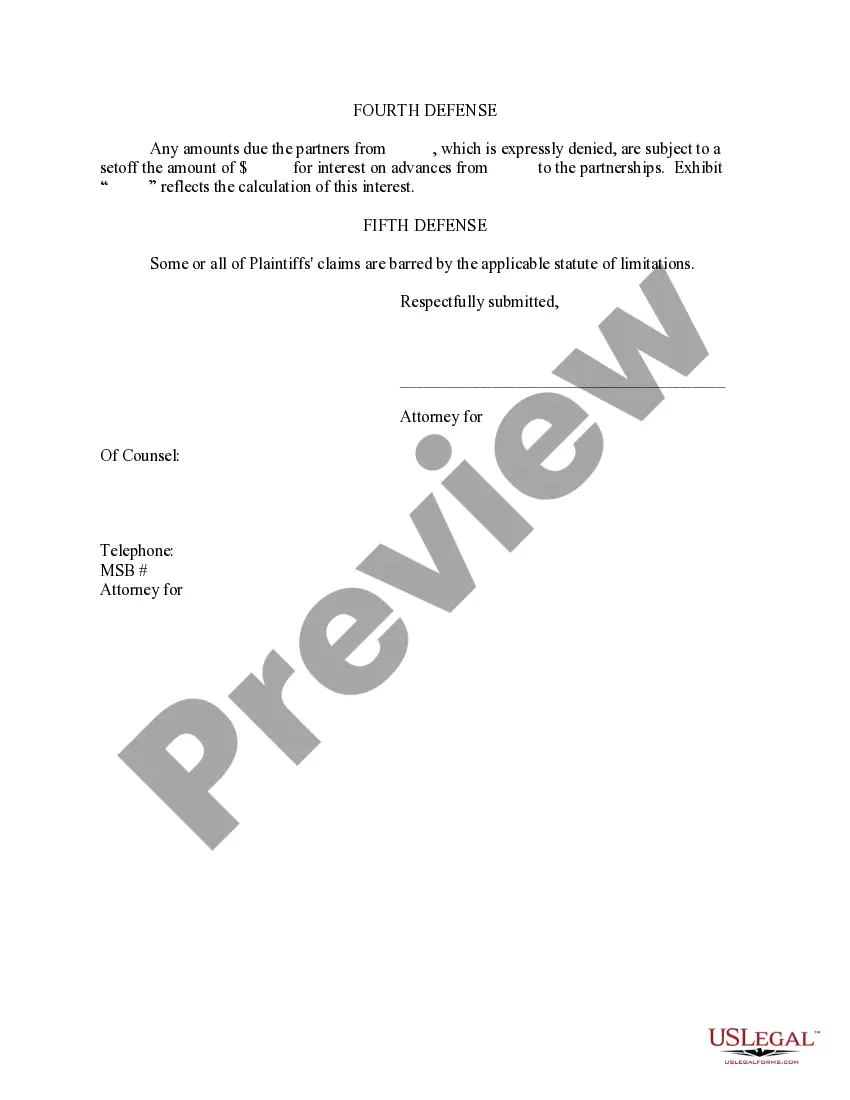
- Affirmative defenses: Lists any defenses the defendant wishes to assert, which may counter the plaintiffâs claims.
- Signature line: A place for the defendant and their attorney to sign the document, if applicable.
Situations where this form applies
This form is necessary when a defendant wishes to amend their original answer after being served with a complaint. Common scenarios include correcting errors in the original answer, adding new defenses that were not previously included, or complying with a court order to modify the response.
Intended users of this form
- Defendants in a lawsuit who need to amend their initial response.
- Litigants who have discovered new information or legal defenses that affect their case.
- Anyone representing themselves in court (pro se) who has previously submitted an answer but must correct it.
How to prepare this document
- Identify the parties involved: Fill in the names of the plaintiff and defendant as they appear in the original complaint.
- Review the original answer: Consider any necessary changes based on new information or considerations.
- Complete the amended answer section: Clearly state your updated response to each claim made in the complaint.
- Add affirmative defenses: Specify any defenses you wish to assert against the plaintiff's claims.
- Sign and date the form: Ensure that the document is signed by the defendant or their attorney before filing with the court.
Does this form need to be notarized?
This form does not typically require notarization unless specified by local law. However, it is advisable to check your jurisdiction's requirements to ensure compliance before submission.
Get your form ready online
Our built-in tools help you complete, sign, share, and store your documents in one place.
Make edits, fill in missing information, and update formatting in US Legal Forms—just like you would in MS Word.
Download a copy, print it, send it by email, or mail it via USPS—whatever works best for your next step.
Sign and collect signatures with our SignNow integration. Send to multiple recipients, set reminders, and more. Go Premium to unlock E-Sign.
If this form requires notarization, complete it online through a secure video call—no need to meet a notary in person or wait for an appointment.
We protect your documents and personal data by following strict security and privacy standards.

Make edits, fill in missing information, and update formatting in US Legal Forms—just like you would in MS Word.

Download a copy, print it, send it by email, or mail it via USPS—whatever works best for your next step.

Sign and collect signatures with our SignNow integration. Send to multiple recipients, set reminders, and more. Go Premium to unlock E-Sign.

If this form requires notarization, complete it online through a secure video call—no need to meet a notary in person or wait for an appointment.

We protect your documents and personal data by following strict security and privacy standards.
Avoid these common issues
- Failing to clearly label the document as an amended answer.
- Not following the court's formatting requirements for filing.
- Omitting signatures or dates, which can render the document invalid.
- Using vague language that does not clearly respond to the plaintiff's claims.
Benefits of using this form online
- Convenience of downloading and filling the form at your own pace.
- Editability allows users to tailor the document to their specific legal situation.
- Access to reliable legal templates designed by licensed attorneys.
Looking for another form?

Form popularity
FAQ
Defence and defense are different spellings of the same word; yet belong to different forms of the English language. Defense is used in American English, and defence is used in British English, which spans Australian and Canadian English. It is important to maintain spelling consistency within a piece of writing.
Self-defense. Self-defense is used primarily in assault or homicide charges. Lack of intent. In every felony criminal case, the government must prove that the defendant intended to commit the alleged crime- that it was not a mistake or happenstance. Entrapment. Duress. Mistake.
Defence and defense are both correct ways to spell the same word. The difference between them, the fact that one's spelled with a c and the other with an s, comes down to the part of the world in which they are used. In the United States, people spell it with an sdefense.
The four categories of criminal defense recognized include alibi, justification, excuse, and procedural defense.
Accidents. Alibis. Coerced Confessions. Double Jeopardy. Duress. Entrapment. False Accusations / Wrongful Arrest. Insanity.
When it comes to criminal cases, there are usually four major criminal defense strategies that criminal attorneys employ: innocence, constitutional violations, self-defense, and insanity.
Mental disorder (insanity) Automatism. Intoxication. Mistake of fact. Necessity/lesser harm. Lawful capacity of office. Self-defense. Duress.