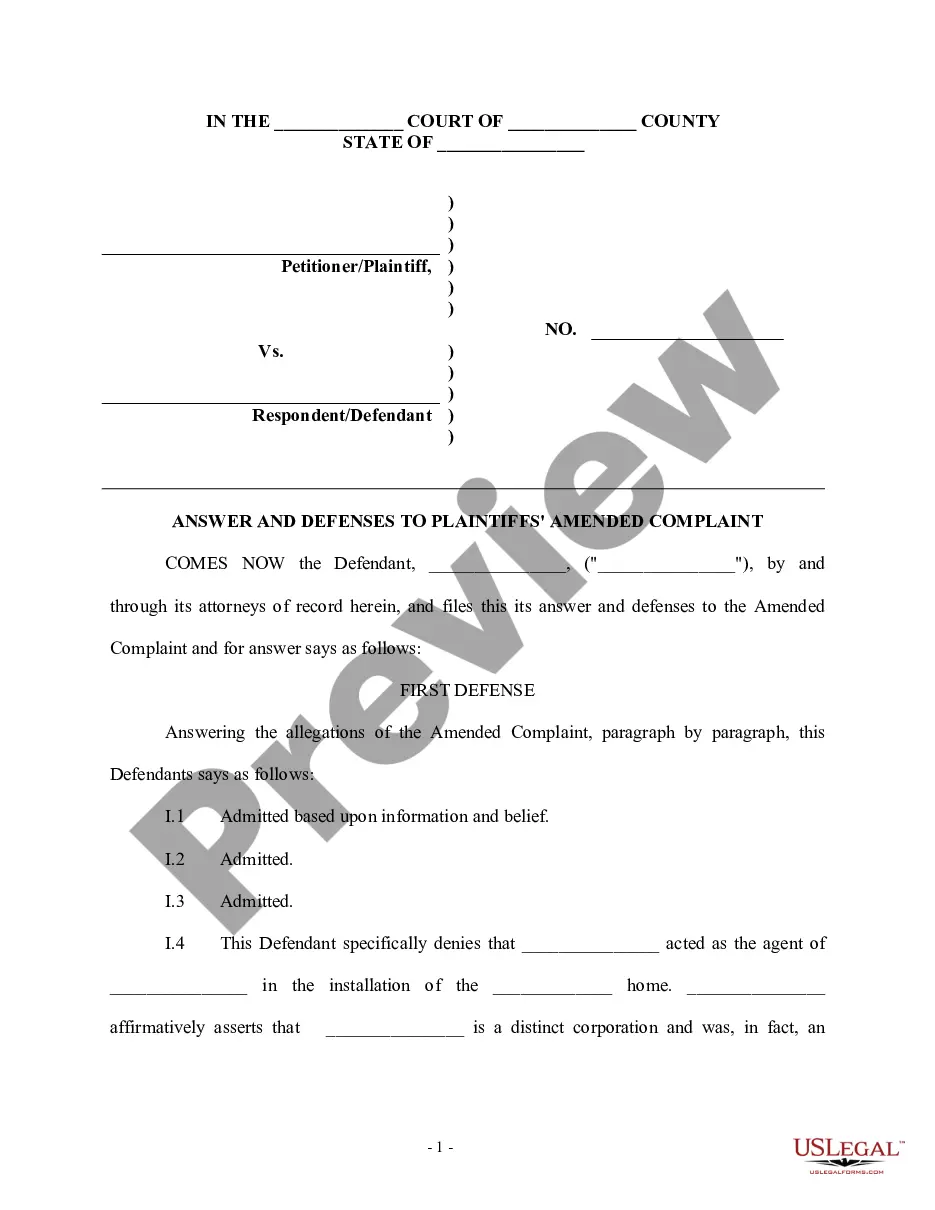
Mississippi Answer and Defenses to Amended Complaint
What is this form?
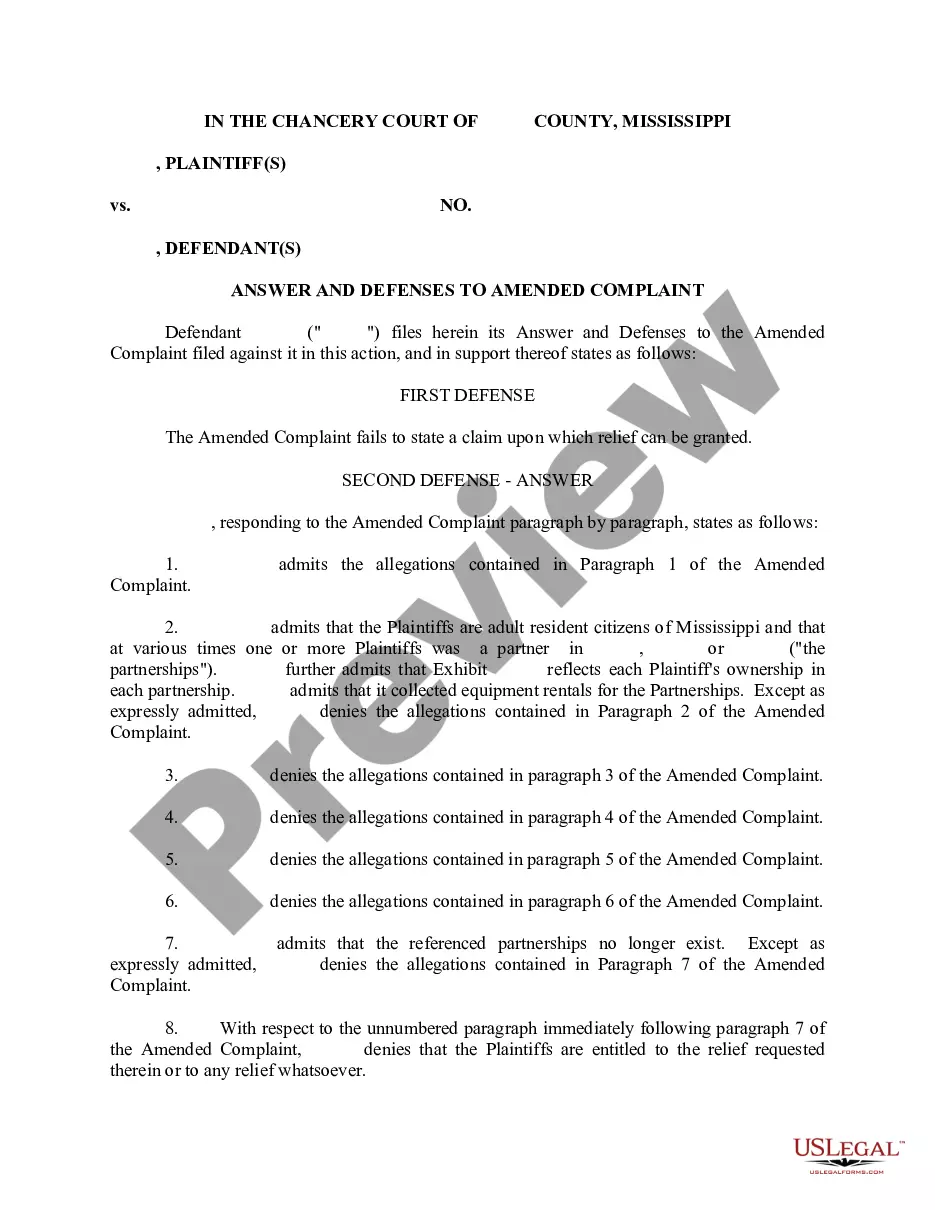
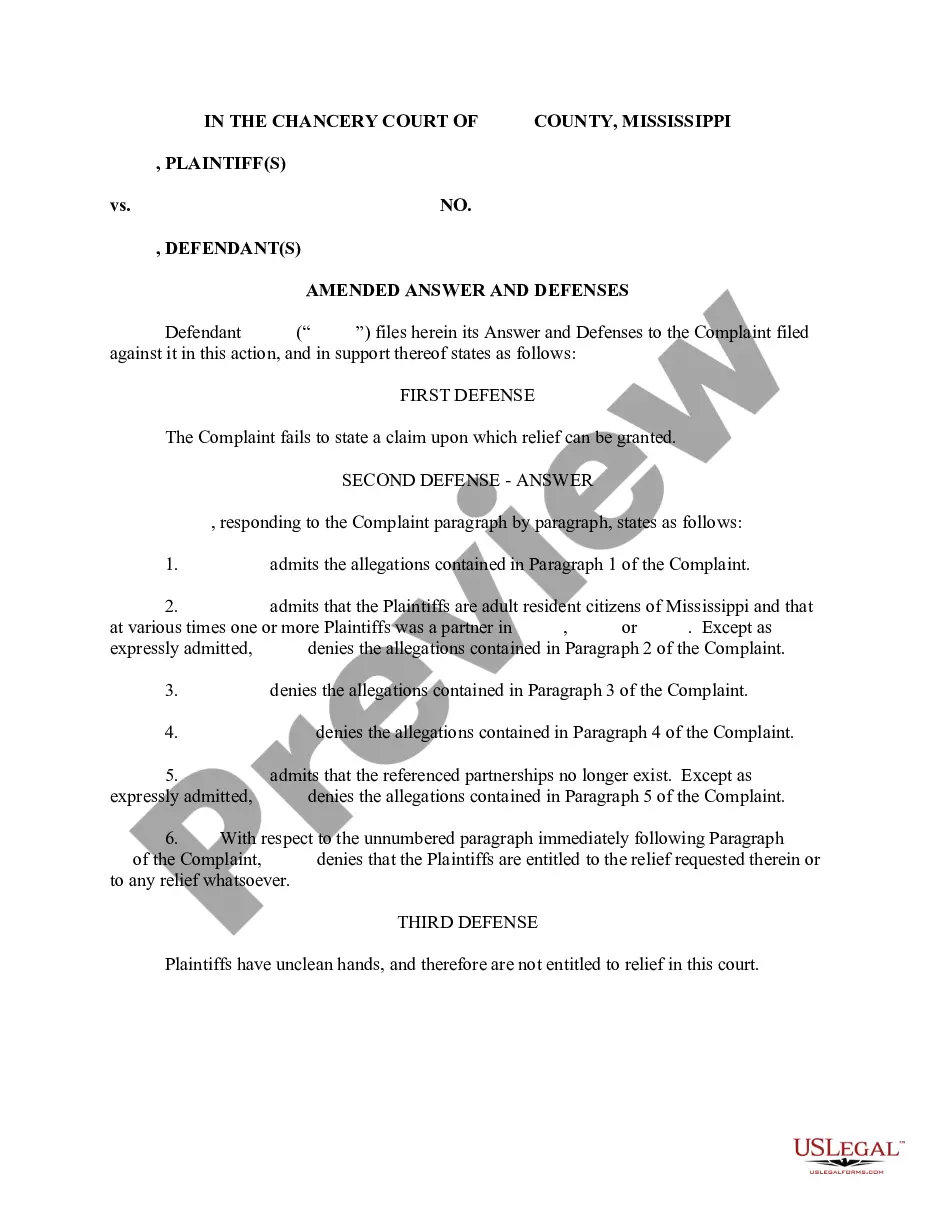
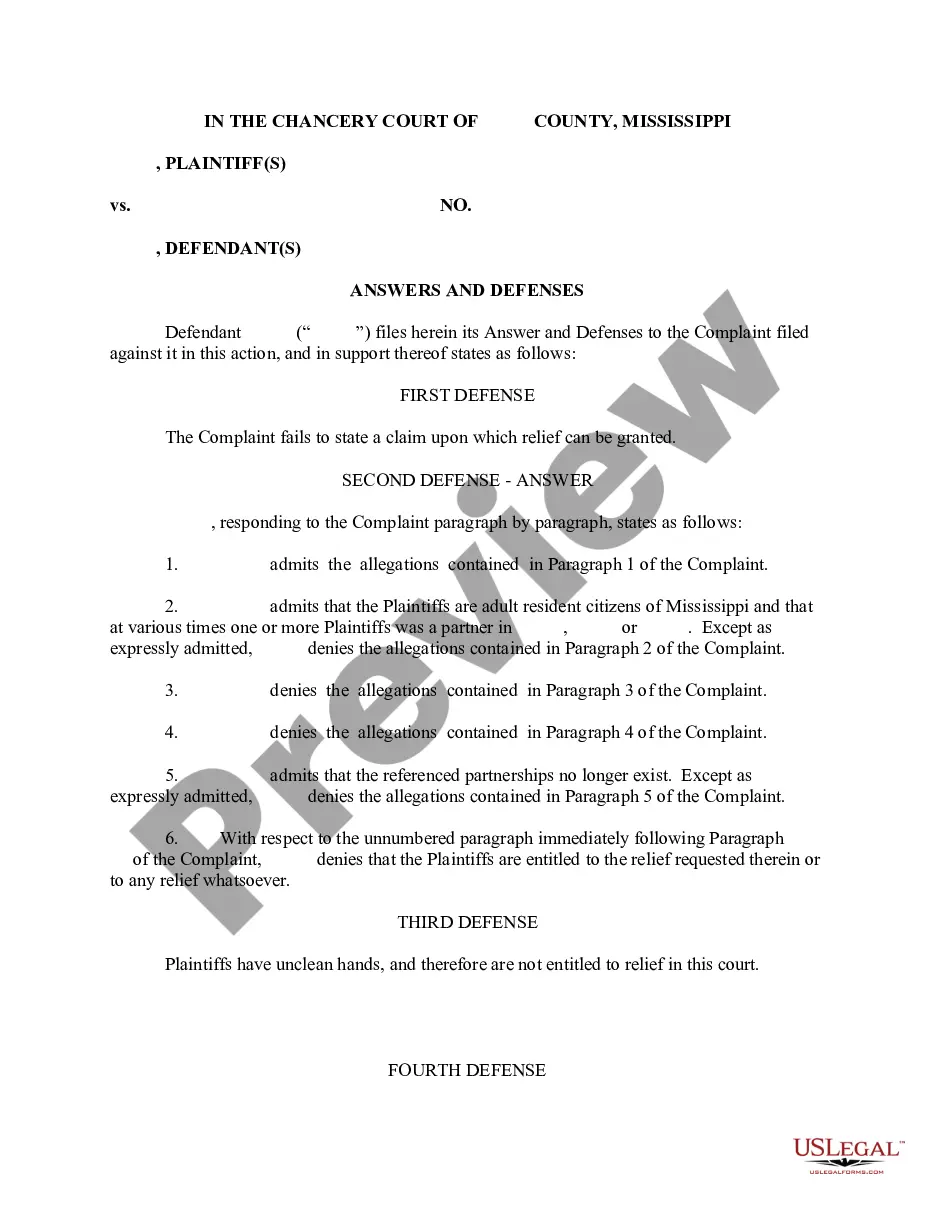
The Answer and Defenses to Amended Complaint is a legal document that responds to an amended complaint filed in a lawsuit. This form outlines your defenses and counterclaims against the plaintiff's allegations. Unlike an initial answer, this form addresses changes made in the amended complaint and allows you to assert specific defenses, such as unclean hands or equitable estoppel. Downloadable in both Word and Rich Text formats, this form can be customized to meet your individual needs.
What’s included in this form
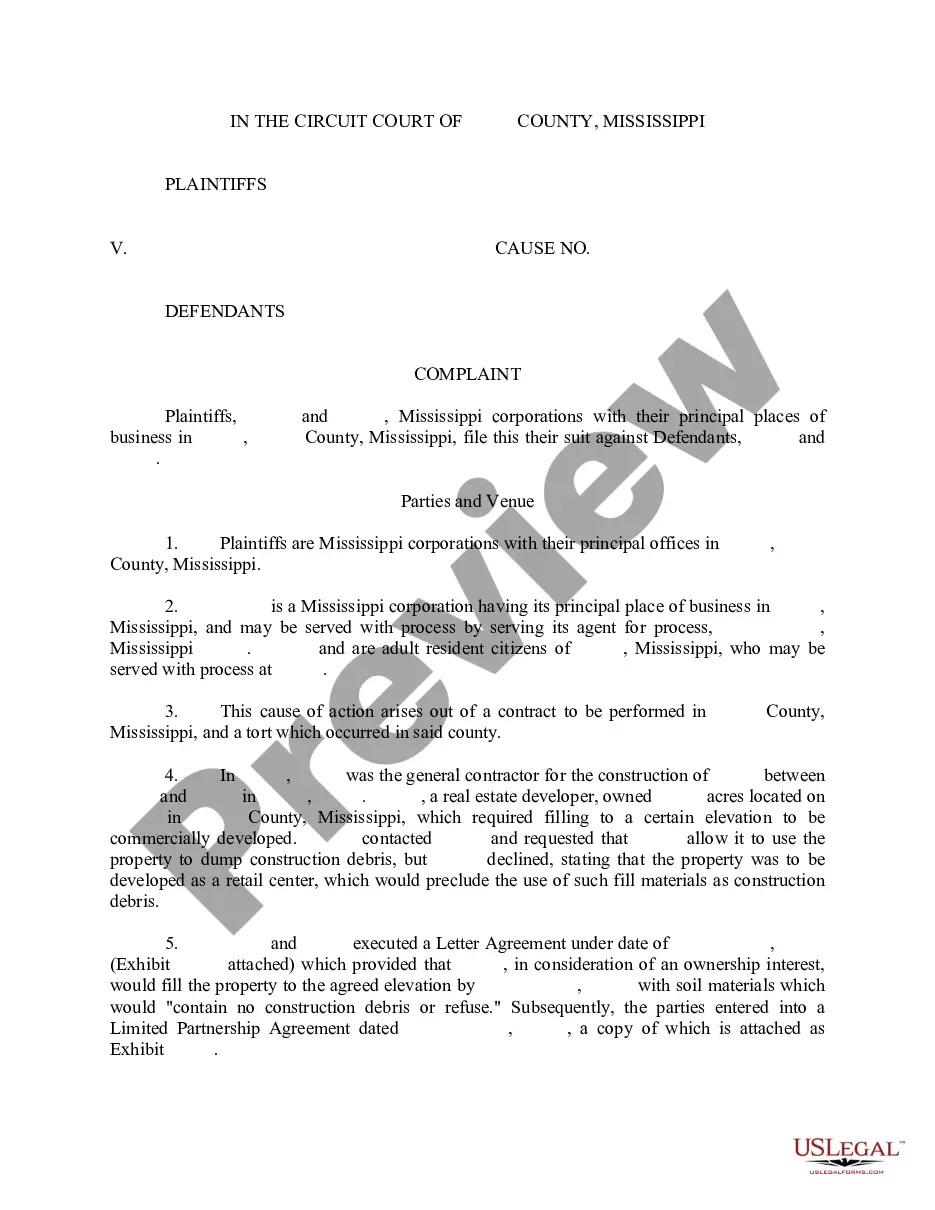
- Introduction: Identifies the parties involved and the case number.
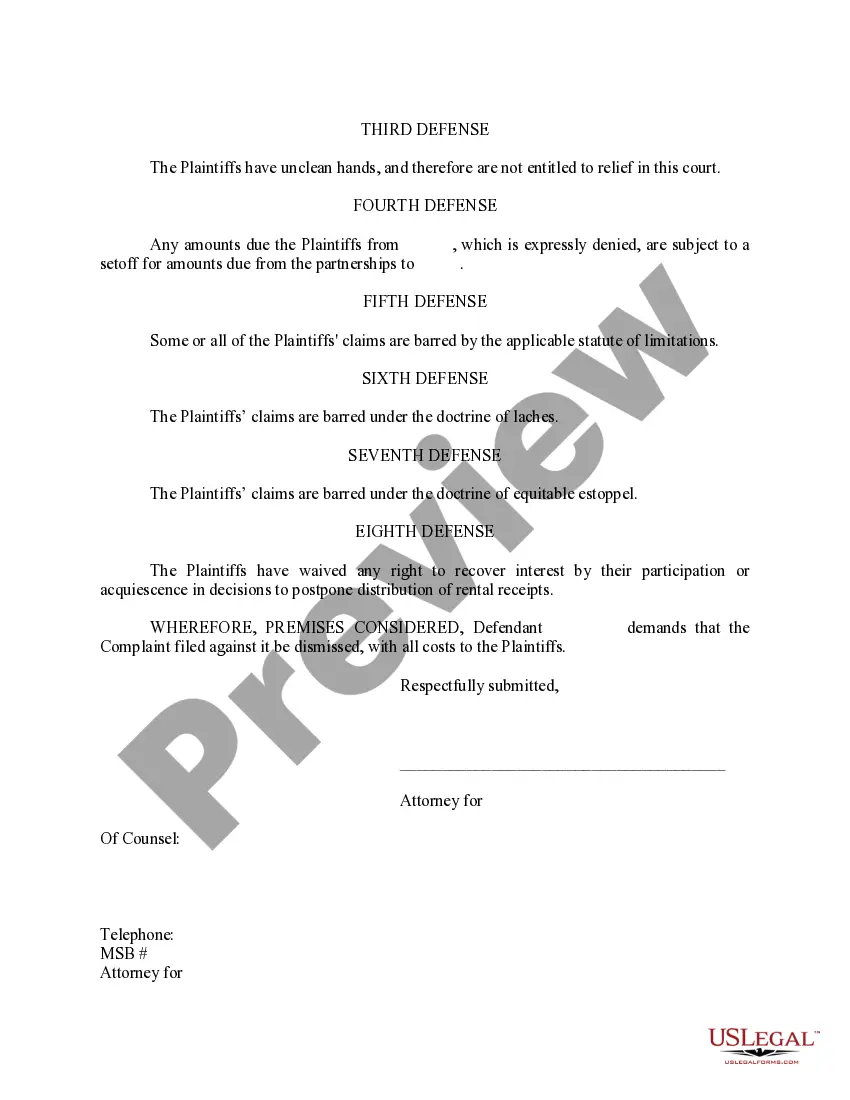
- Third Defense: States that the plaintiffs have unclean hands, barring them from relief.
- Fourth Defense: Addresses additional defenses relevant to the amended complaint.
- Seventh Defense: Asserts that the plaintiffs' claims are barred under equitable estoppel.
- Eighth Defense: Indicates that the plaintiffs waived their right to recover interest through their actions.
Situations where this form applies
This form should be used when you receive an amended complaint within a legal action. It is relevant in situations where the plaintiff has altered their claims or allegations, requiring you to respond effectively. If defendants wish to protect their rights and assert specific defenses against the updated claims, they must file an Answer and Defenses to Amended Complaint promptly to avoid default judgment.
Who should use this form
- Defendants in a civil lawsuit who have received an amended complaint.
- Individuals or businesses needing to formally respond while asserting defenses.
- Parties involved who wish to protect their interests in the legal proceedings.
Instructions for completing this form
- Identify the parties involved in the case and complete the caption section.
- Review the amended complaint thoroughly to understand the claims made against you.
- Fill in your defenses as listed in the form, ensuring to state them clearly.
- Sign and date the document to certify it is accurate and complete.
- File the completed form with the appropriate court, retaining a copy for your records.
Does this document require notarization?
This form does not typically require notarization unless specified by local law. Check your jurisdiction's requirements to confirm.
Get your form ready online
Our built-in tools help you complete, sign, share, and store your documents in one place.
Make edits, fill in missing information, and update formatting in US Legal Forms—just like you would in MS Word.
Download a copy, print it, send it by email, or mail it via USPS—whatever works best for your next step.
Sign and collect signatures with our SignNow integration. Send to multiple recipients, set reminders, and more. Go Premium to unlock E-Sign.
If this form requires notarization, complete it online through a secure video call—no need to meet a notary in person or wait for an appointment.
We protect your documents and personal data by following strict security and privacy standards.

Make edits, fill in missing information, and update formatting in US Legal Forms—just like you would in MS Word.

Download a copy, print it, send it by email, or mail it via USPS—whatever works best for your next step.

Sign and collect signatures with our SignNow integration. Send to multiple recipients, set reminders, and more. Go Premium to unlock E-Sign.

If this form requires notarization, complete it online through a secure video call—no need to meet a notary in person or wait for an appointment.

We protect your documents and personal data by following strict security and privacy standards.
Common mistakes to avoid
- Failing to assert all available defenses, potentially waiving important rights.
- Missing the deadline for filing the answer after receiving the amended complaint.
- Not customizing the form to fit your unique situation or jurisdictional requirements.
Why complete this form online
- Immediate access to downloadable templates to expedite your legal response.
- Editability allows you to tailor the form to your specific needs.
- Reliable guidance from legal professionals ensures your response is accurate.
Legal use & context
- This form is an essential component in responding to legal actions that involve amended complaints.
- Filing an accurate answer is critical for preserving your legal rights in a lawsuit.
- Inadequate responses can lead to unfavorable judgments against you.
Key takeaways
- Utilize this form to respond effectively to an amended complaint in a lawsuit.
- Customize the defenses according to your situation to protect your interests.
- Ensure timely filing to avoid negative legal repercussions.
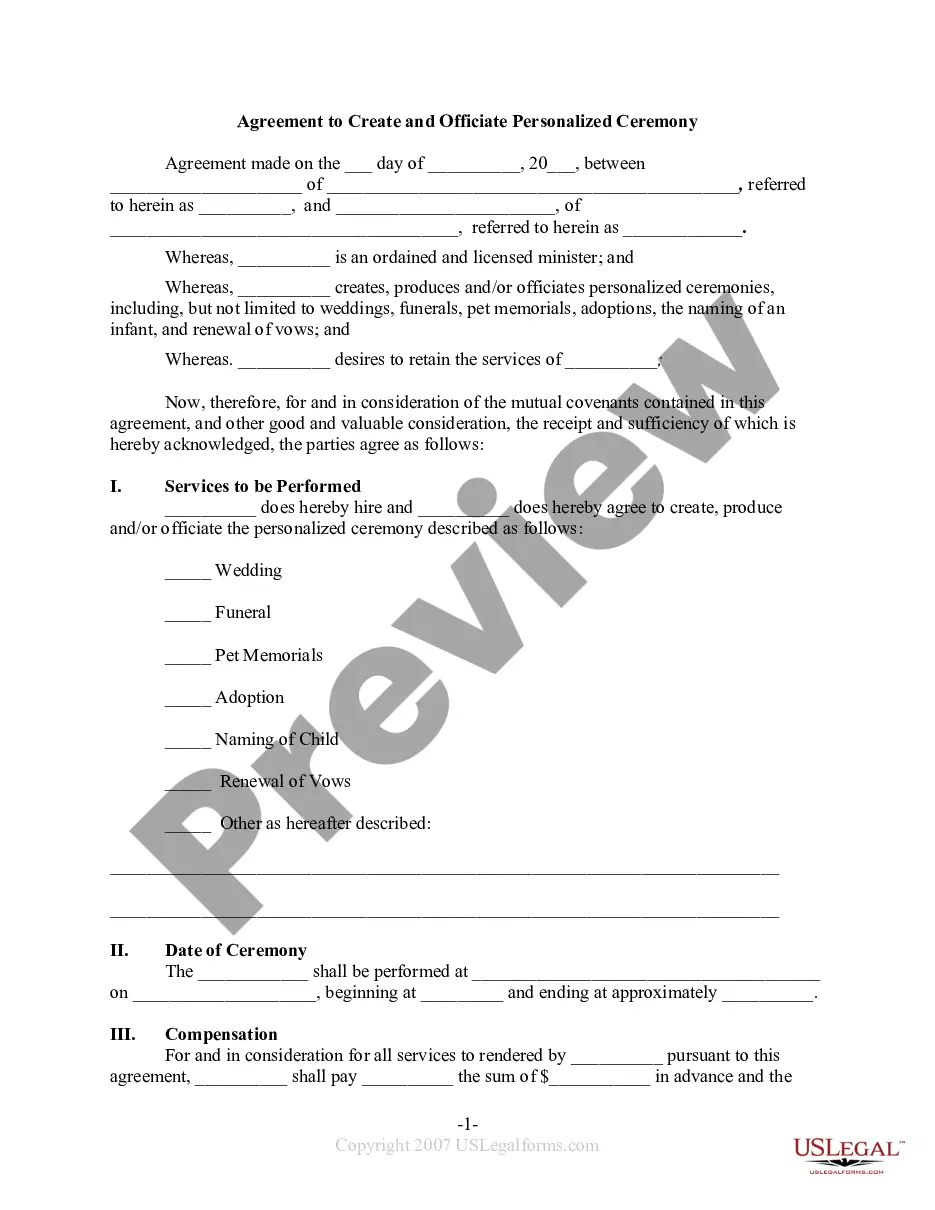
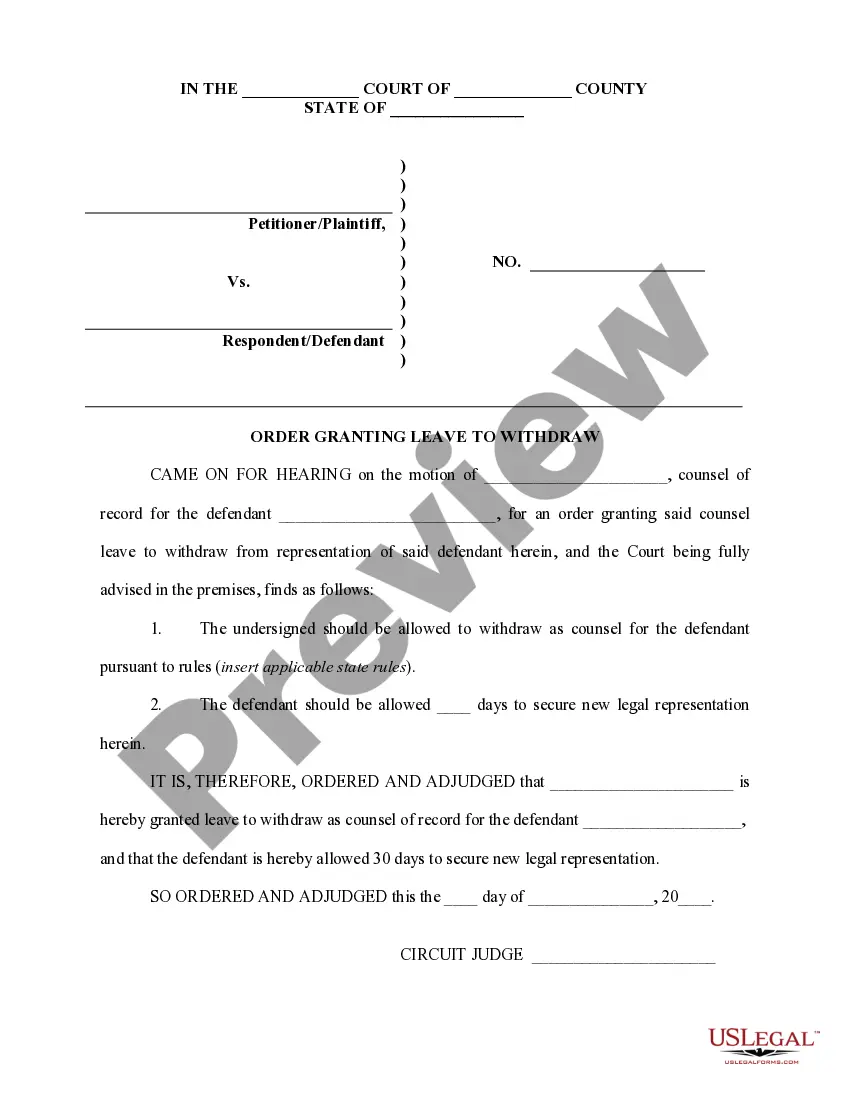
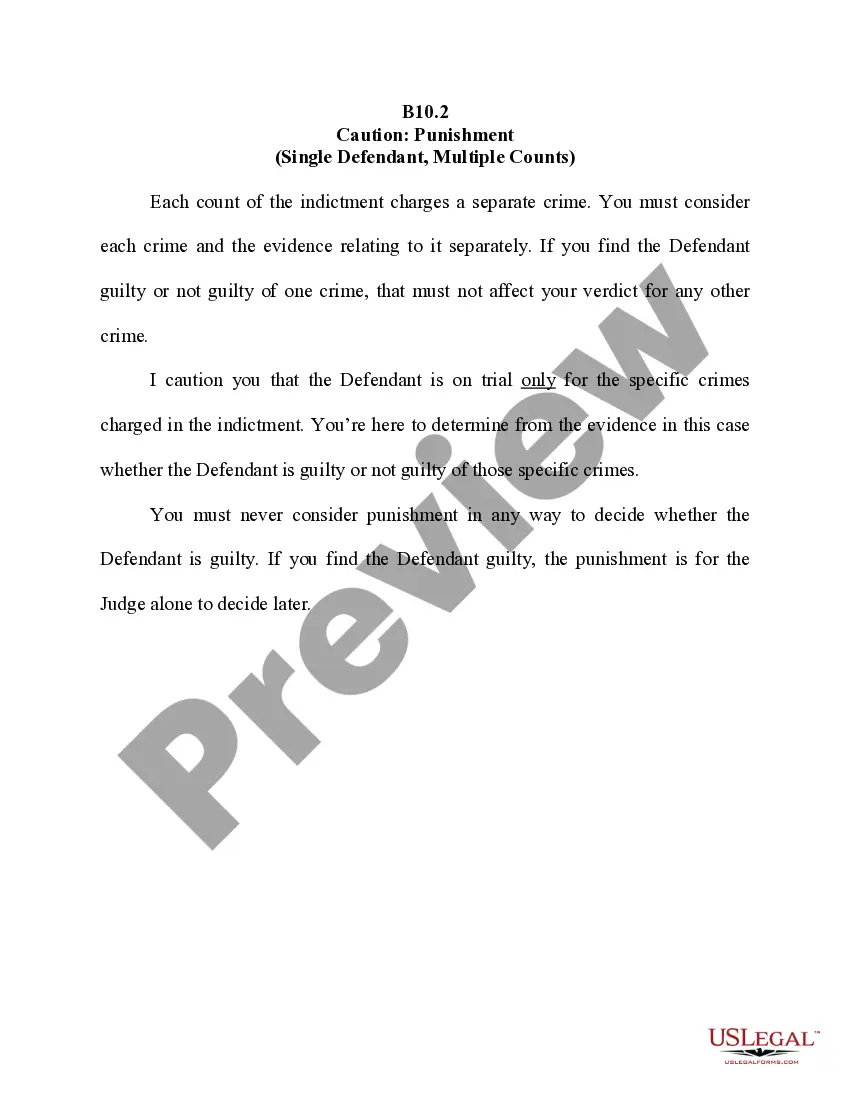
Looking for another form?
Form popularity
FAQ
After receiving a plaintiff's complaint, a defendant must respond with a pleading called an answer. In the answer, the defendant must address each allegation in the complaint. Some jurisdictions allow defendants to make a general denial of all allegations in the complaint.
An answer is a pleading filed by a defendant which admits or denies the specific allegations set forth in a complaint and constitutes a general appearance by a defendant.A defendant may file a counter-claim to raise a cause of action to defend, reduce or set off the claim of the plaintiff.
Amend. v. to alter or change by adding, subtracting, or substituting. One can amend a statute, a contract or a written pleading filed in a law -suit. The change is usually called an amendment.
The defendant shall answer the amendments, or the complaint as amended, within 30 days after service thereof, or such other time as the court may direct, and judgment by default may be entered upon failure to answer, as in other cases.
Amended complaint. n. what results when the party suing (plaintiff or petitioner) changes the complaint he/she has filed. It must be in writing, and can be done before the complaint is served on any defendant, by agreement between the parties (usually their lawyers), or upon order of the court.
It means to change the basis for the case in some way. A motion to amend a complaint is the formal way of asking the court for permission to change the original complaint.
2021 California Rules of Court (2) "Amended pleading" means a pleading that completely restates and supersedes the pleading it amends for all purposes.A supplement to a pleading may add information to or may correct omissions in the modified pleading.
The court should freely give leave when justice so requires. (3) Time to Respond. Unless the court orders otherwise, any required response to an amended pleading must be made within the time remaining to respond to the original pleading or within 14 days after service of the amended pleading, whichever is later.
When the answers respond to the factual assertions of an opponent's prior pleading, for example, by denying them, they are called responsive pleadings.The distinguishing feature of a responsive pleading is that it replies to the merits of the allegations raised by an opposing party.
Complaint. A lawsuit begins when a plaintiff (the party suing) files a complaint against a defendant (the party being sued.) Answer. The answer is the defendant's written response to the plaintiff's complaint. Counterclaim. Cross-claim. Amended Pleadings.