Mississippi Supplemental Answers to Discovery
About this form
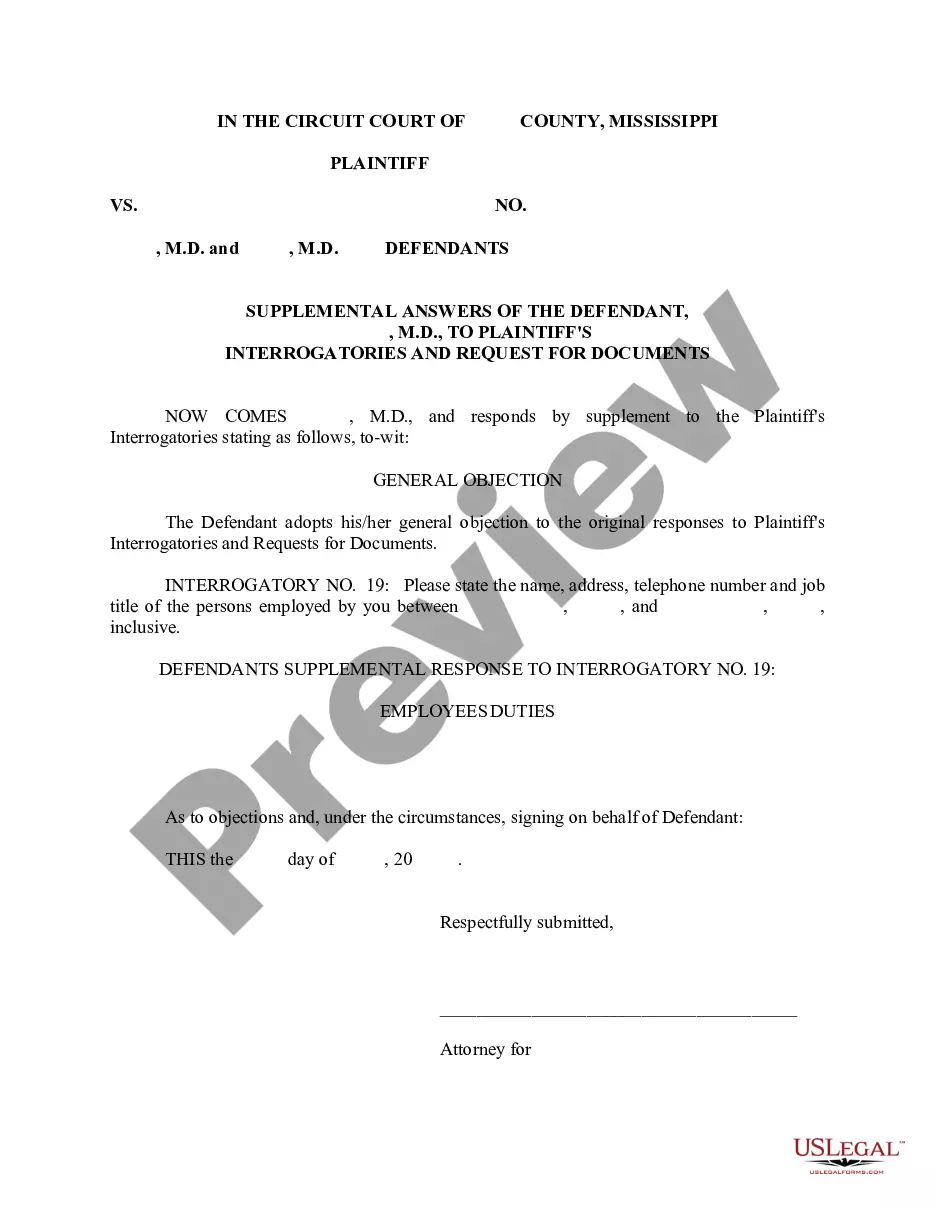
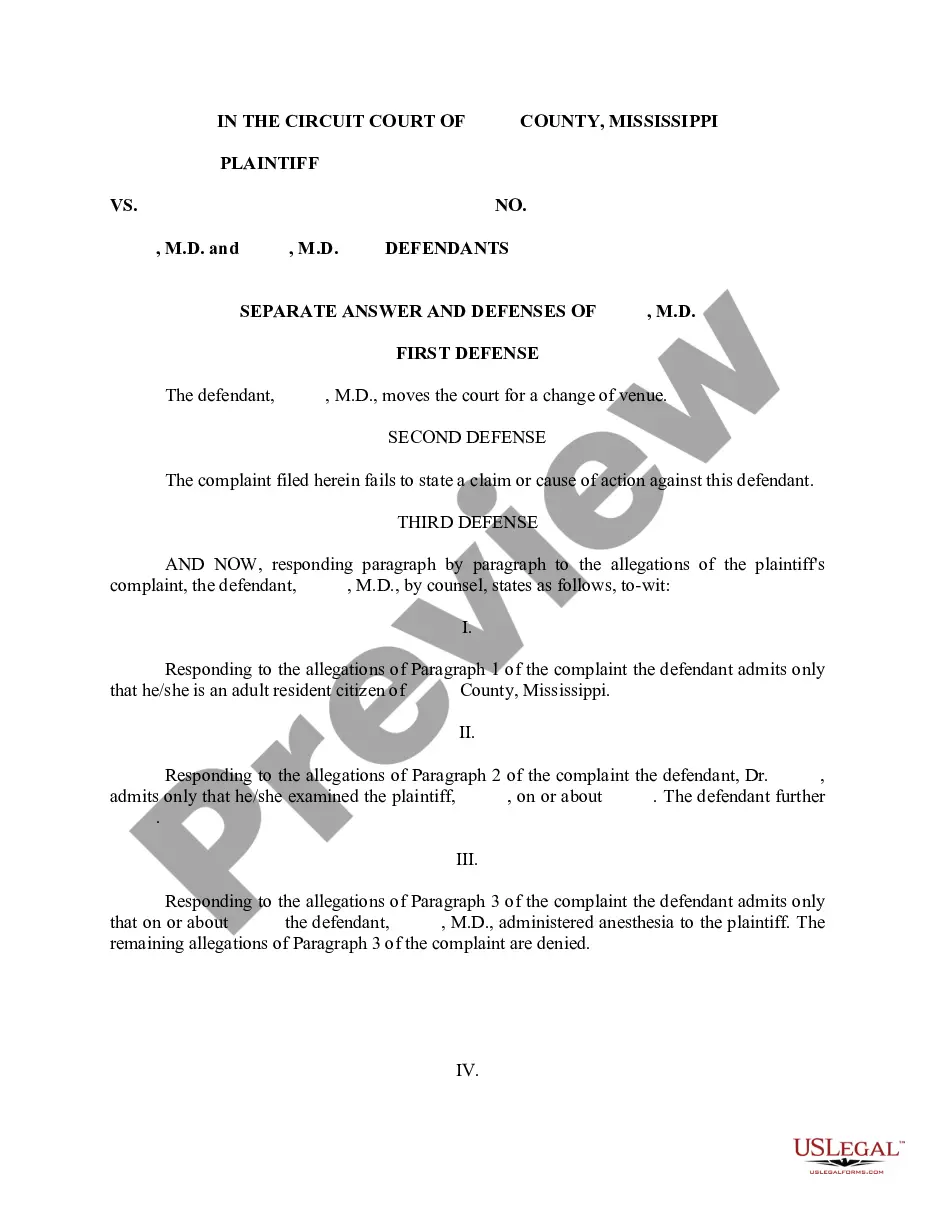
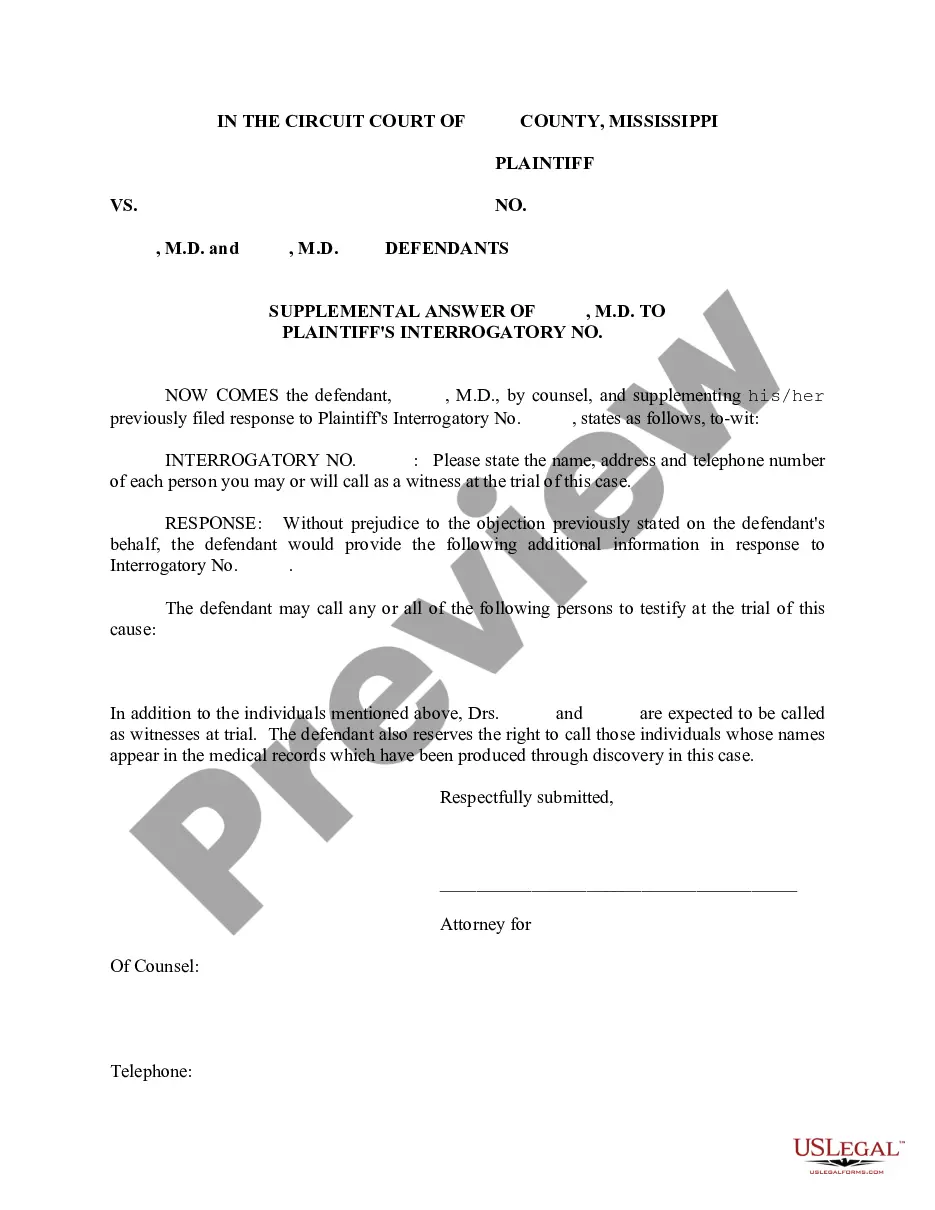
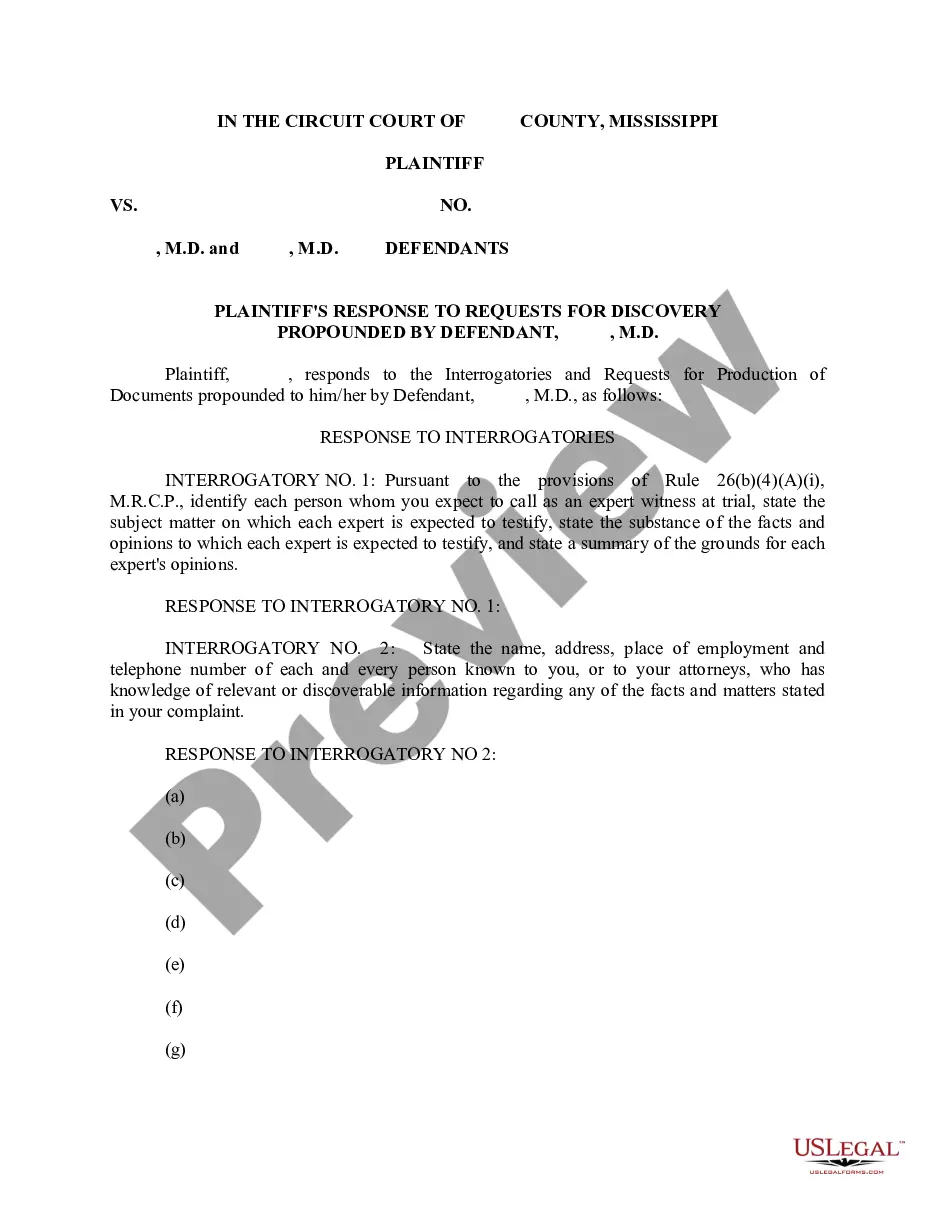
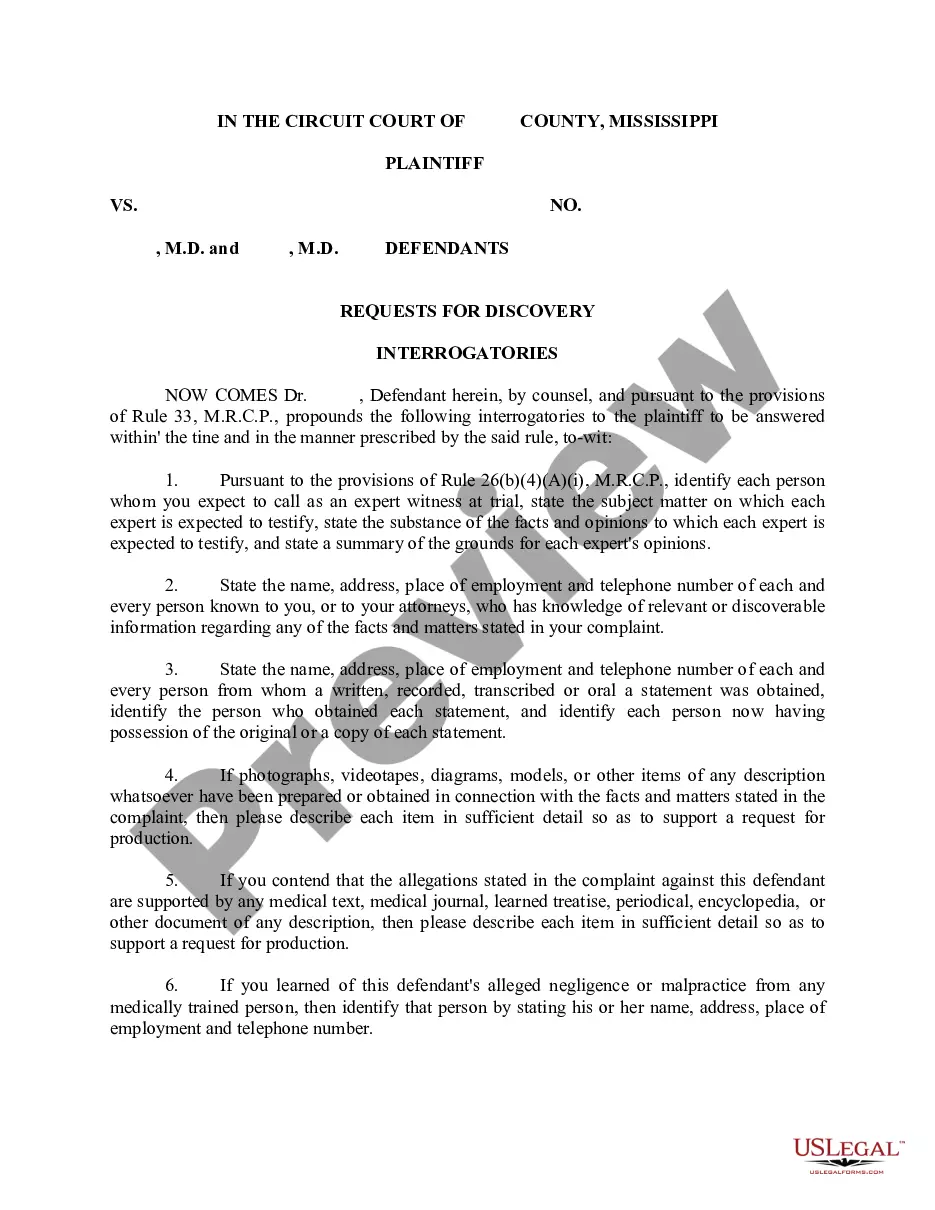
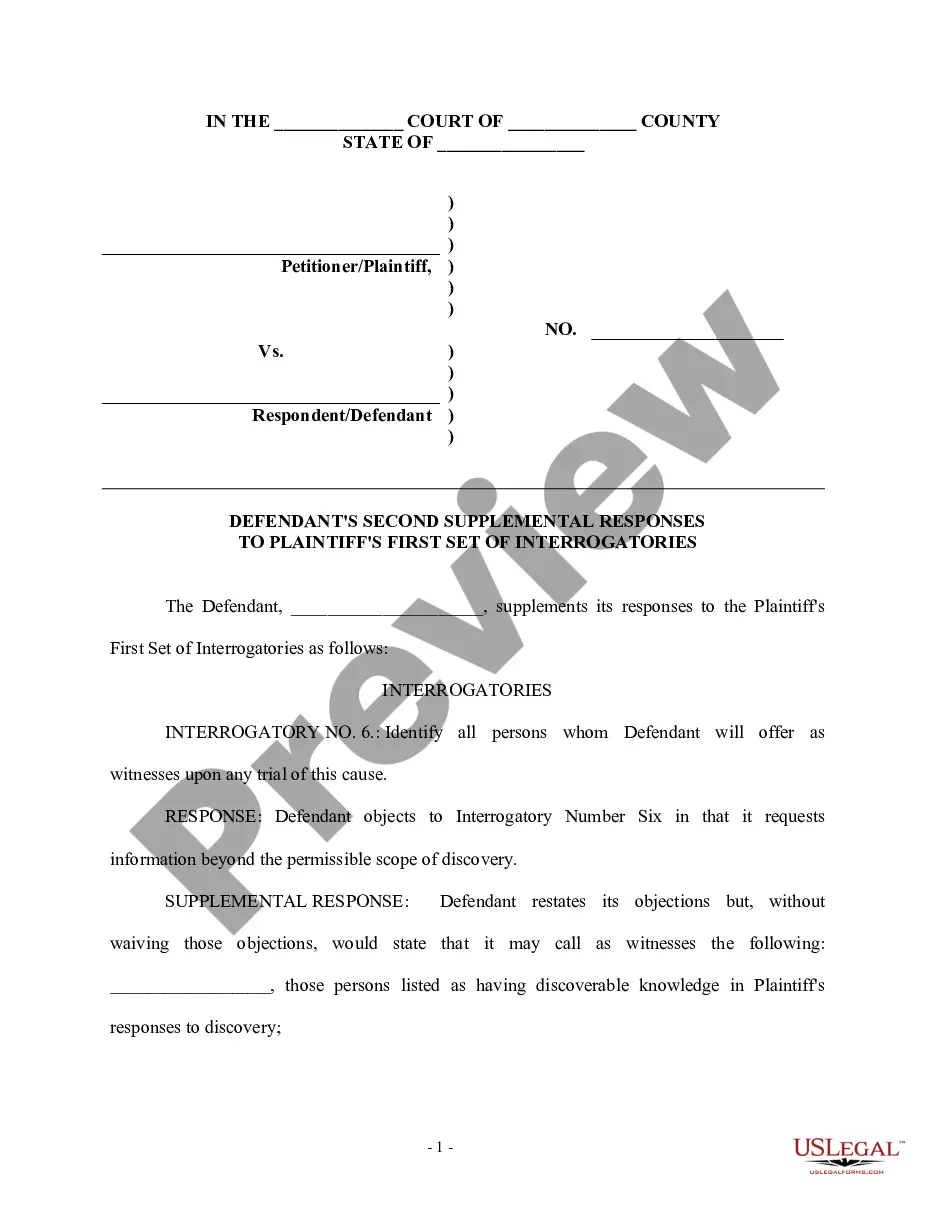
The Supplemental Answers to Discovery is a legal form used in Mississippi that allows parties involved in a legal dispute to provide additional information pertaining to previously filed discovery responses. This form is essential for ensuring that all relevant information is disclosed, which can impact the outcome of legal proceedings. It differs from initial discovery responses by specifically addressing any updates or new data that might affect the case.
What’s included in this form
- Identification of parties involved in the case.
- Reference to prior discovery responses that are being supplemented.
- Specifics on the additional information being provided.
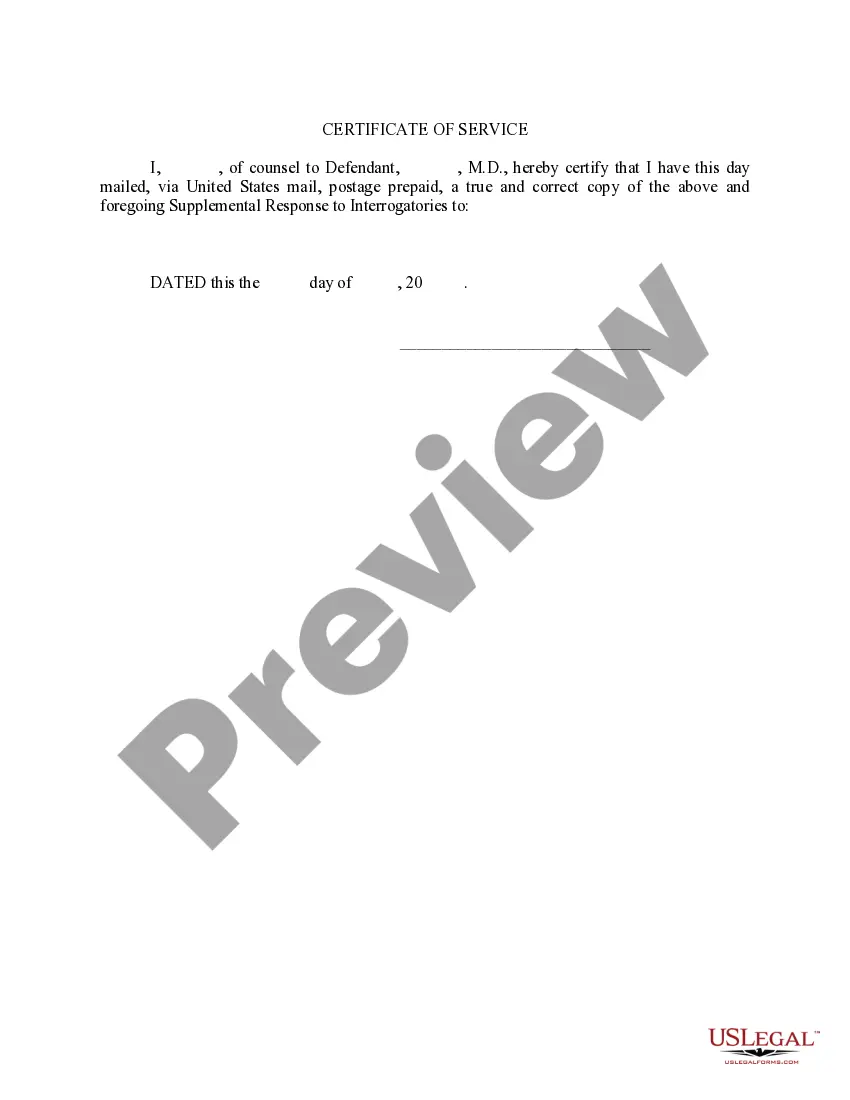
- Verification of the accuracy of the supplemental answers.
- Signature and date fields for authentication.

When to use this form
This form should be used when one party has new or further information to add to their prior answers in a discovery process. For example, if new evidence comes to light or if additional documents are relevant to the case, this form is necessary to amend the previous discovery responses, ensuring compliance with legal obligations to share pertinent information.
Who needs this form
This form is suitable for:
- Parties involved in litigation in Mississippi.
- Attorneys representing clients in legal disputes.
- Individuals who have already submitted initial discovery responses but need to update them.
How to complete this form
- Identify the parties involved and their roles in the case.
- Refer to the specific discovery responses that are being supplemented.
- Clearly outline the additional information that needs to be shared.
- Complete the verification section confirming the accuracy of the updated answers.
- Sign and date the form to validate it.
Notarization guidance
Notarization is generally not required for this form. However, certain states or situations might demand it. You can complete notarization online through US Legal Forms, powered by Notarize, using a verified video call available anytime.
Get your form ready online
Our built-in tools help you complete, sign, share, and store your documents in one place.
Make edits, fill in missing information, and update formatting in US Legal Forms—just like you would in MS Word.
Download a copy, print it, send it by email, or mail it via USPS—whatever works best for your next step.
Sign and collect signatures with our SignNow integration. Send to multiple recipients, set reminders, and more. Go Premium to unlock E-Sign.
If this form requires notarization, complete it online through a secure video call—no need to meet a notary in person or wait for an appointment.
We protect your documents and personal data by following strict security and privacy standards.

Make edits, fill in missing information, and update formatting in US Legal Forms—just like you would in MS Word.

Download a copy, print it, send it by email, or mail it via USPS—whatever works best for your next step.

Sign and collect signatures with our SignNow integration. Send to multiple recipients, set reminders, and more. Go Premium to unlock E-Sign.

If this form requires notarization, complete it online through a secure video call—no need to meet a notary in person or wait for an appointment.

We protect your documents and personal data by following strict security and privacy standards.
Common mistakes to avoid
- Failing to reference the correct prior discovery responses.
- Not providing enough detail in the supplemental information.
- Omitting signatures, which can invalidate the submission.
- Using unclear language that may lead to misunderstandings.
Why complete this form online
- Convenient access to legal forms anytime, anywhere.
- Edit and customize the form to fit specific needs easily.
- Ensures compliance with Mississippi law through updated templates.
- Quick downloading and printing options for immediate use.
What to keep in mind
- The Supplemental Answers to Discovery form allows parties to update prior discovery responses.
- Proper completion is essential to maintain legal compliance within Mississippi's judicial system.
- Using the form online provides convenience and ensures you have the most current version.
Looking for another form?
Form popularity
FAQ
Some plaintiffs have argued that the requirements for § 3294(b) can be satisfied when a managerial employee with knowledge of the allegations also verifies discovery responses as an officer or agent of the company. California Code of Civil Procedure provides that only an officer or agent may verify Page 2 a
Motions to Compel If a party doesn't respond to interrogatories or requests for production, then the party seeking those answers must file a motion to compel with the court. If the court grants the motion to compel, then the party who objected or failed to answer must then do so.
In law, interrogatories (also known as requests for further information) are a formal set of written questions propounded by one litigant and required to be answered by an adversary in order to clarify matters of fact and help to determine in advance what facts will be presented at any trial in the case.
Discovery is evidence that is required to be disclosed to an opposing party. Supplemental discovery is when there is additional evidence that has been provided to the other side, after the initial discovery.
So, can you refuse to answer interrogatories? The answer is, no, you may not.That answer must either permit inspection of the requested information or object to the production of the information for a specific reason.
Interrogatories are written questions sent by one party to another, which the responding party must answer under penalty of perjury.In addition, your responses must be verified, meaning that you must sign under penalty of perjury that your responses are true and correct (CCP § 2030.250).
An amended or supplemental response must be in the same form as the initial response and must be verified by the party if the original response was required to be verified by the party, but the failure to comply with this requirement does not make the amended or supplemental response untimely unless the party making
If you decide to amend an interrogatory response, you don't need get a court order (CCP 2030.310(a)) or file a motion for relief under CCP §473. You simply serve an amended response that complies with the California Rules of Court and the Code of Civil Procedure sections applicable to interrogatories.