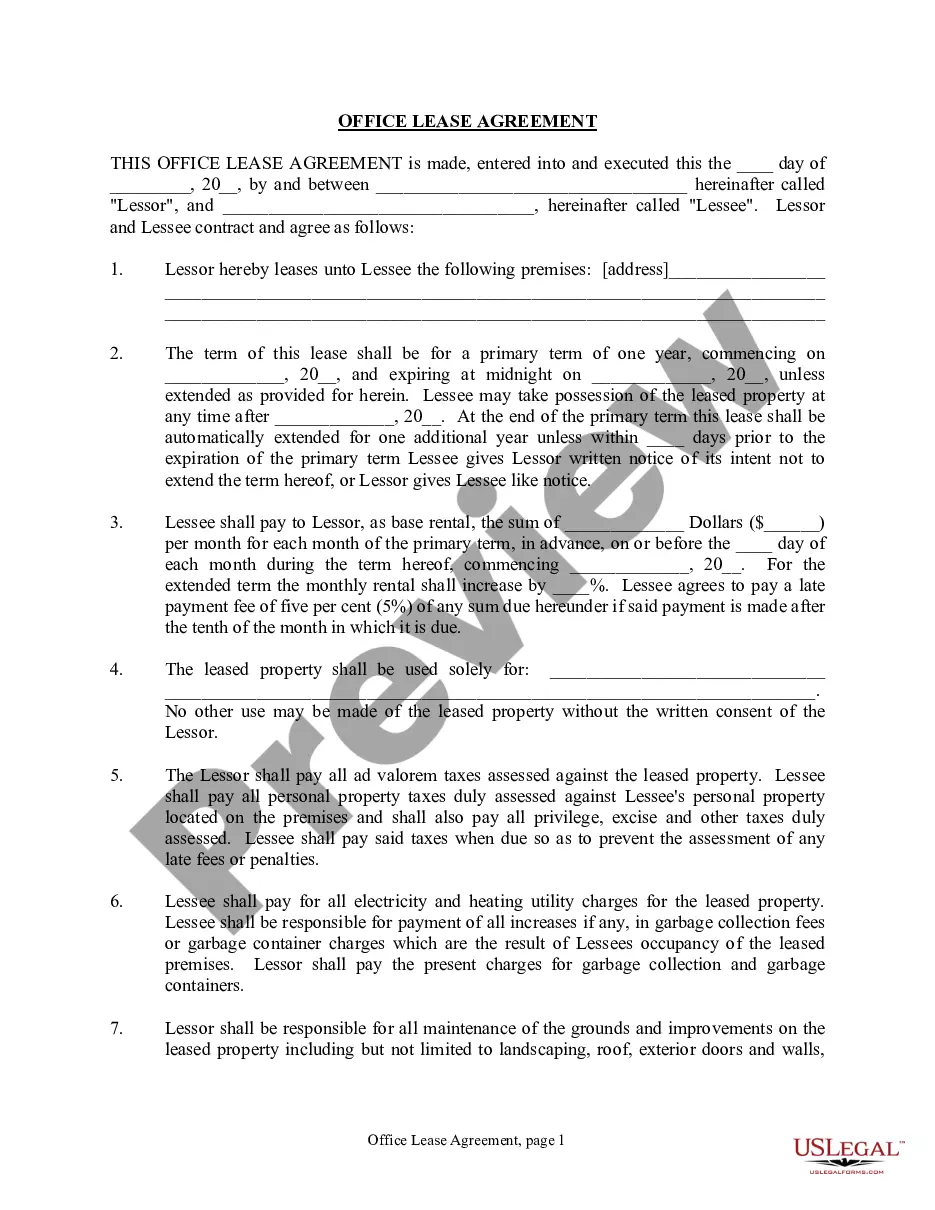
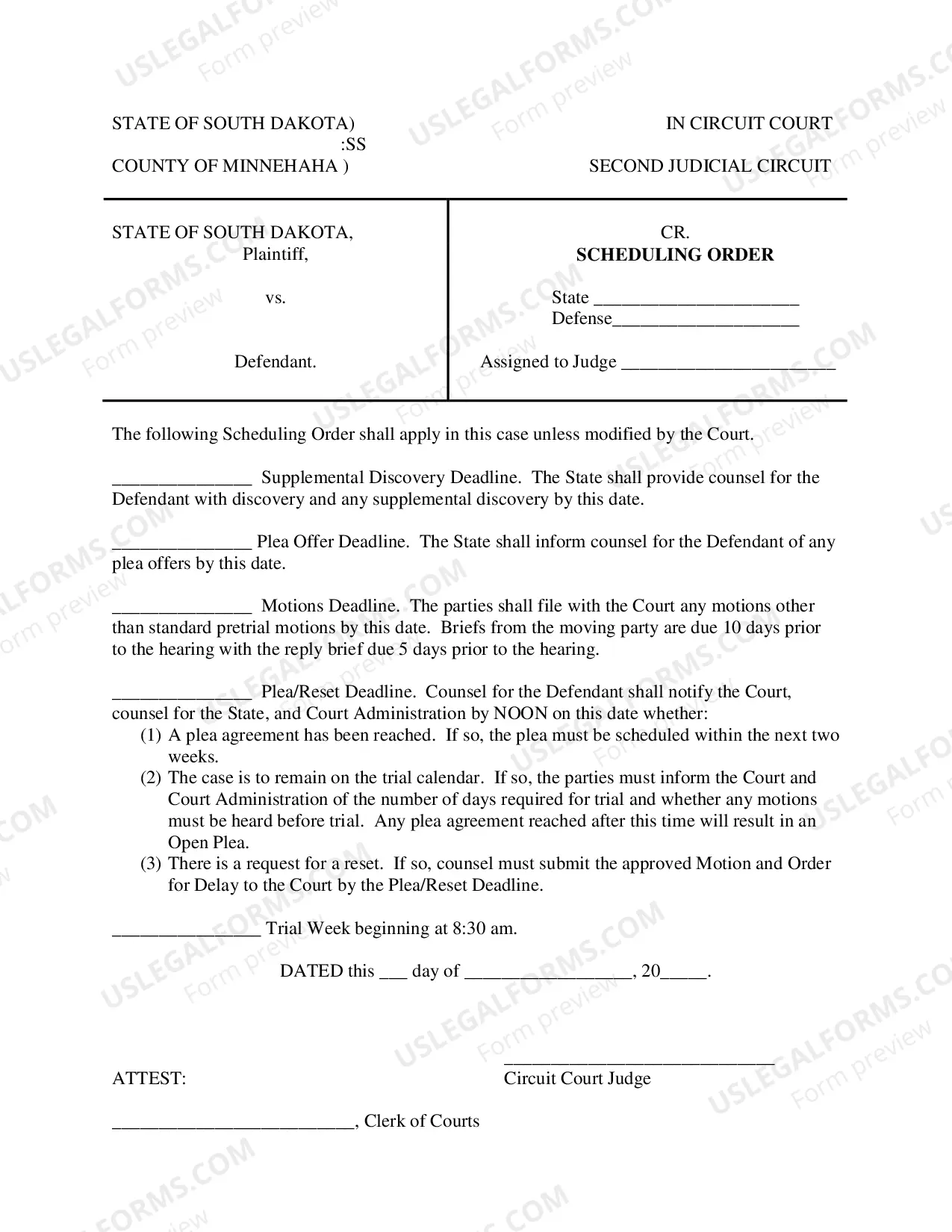
Mississippi Defendants' Joint Motion to Dismiss
What is this form?
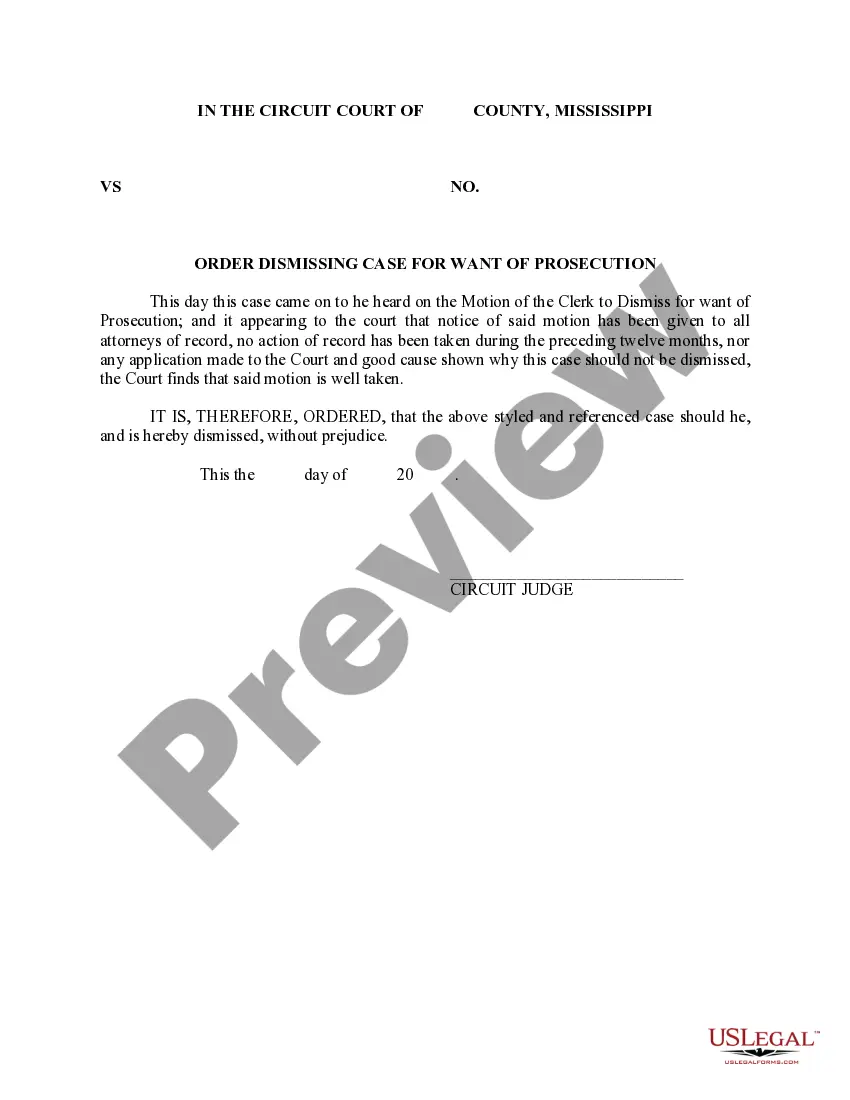
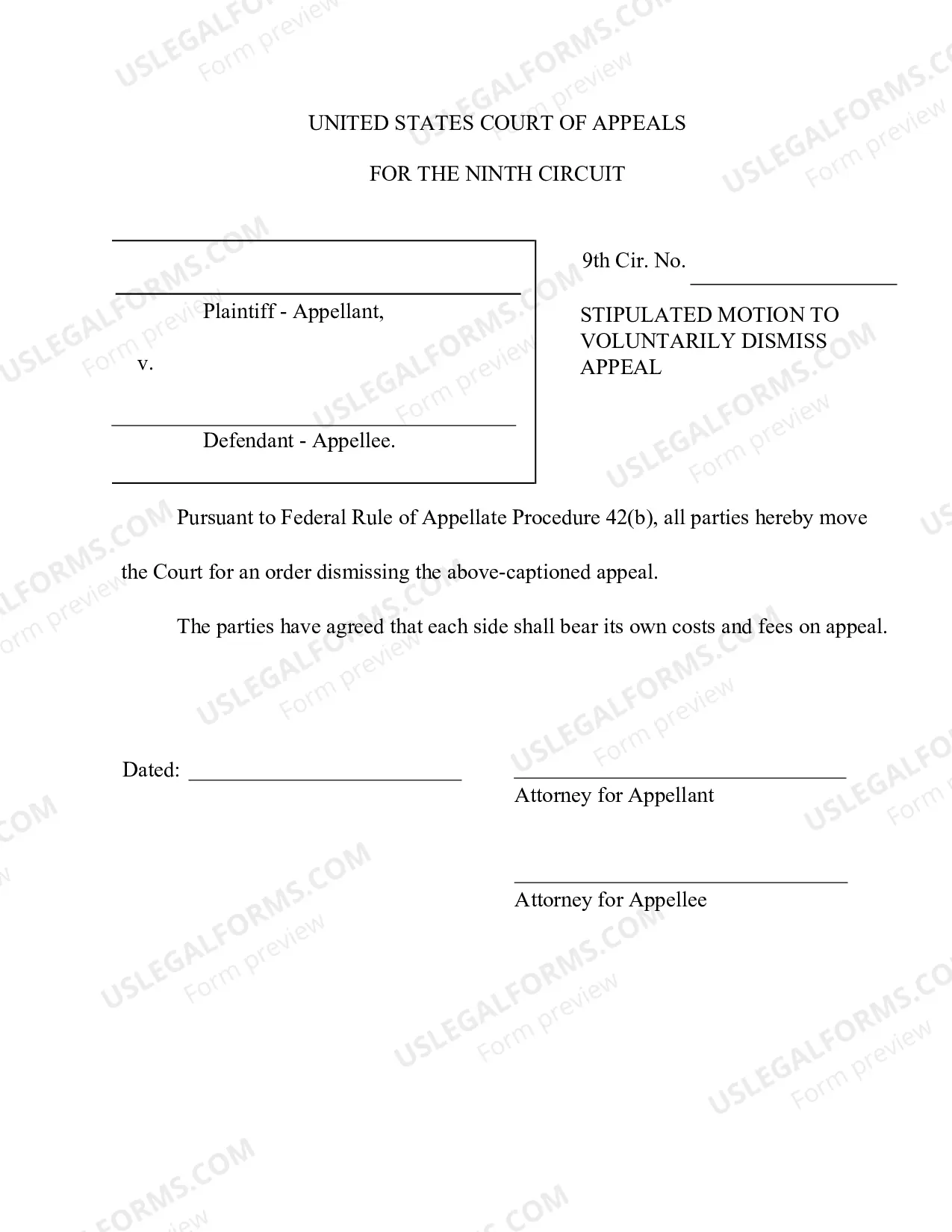
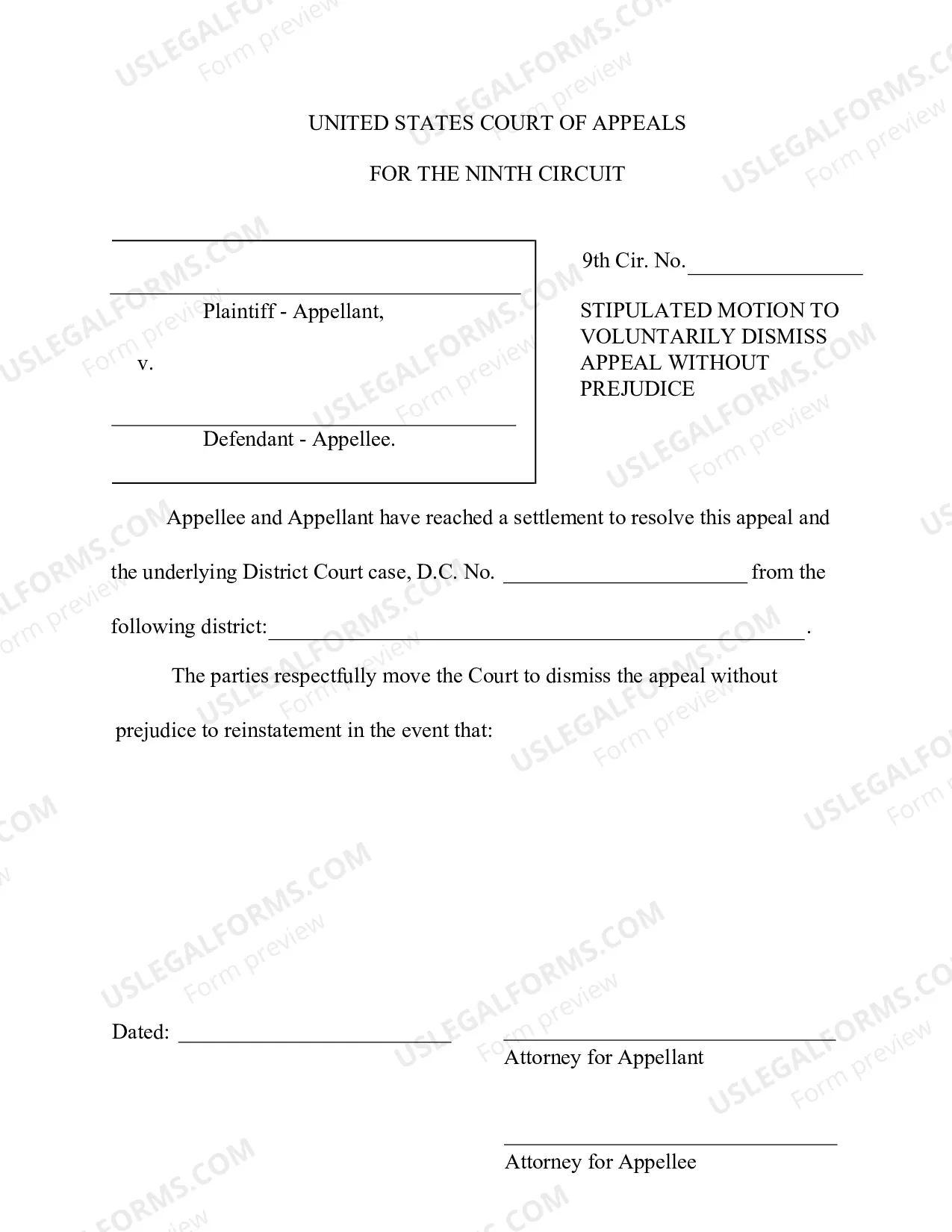
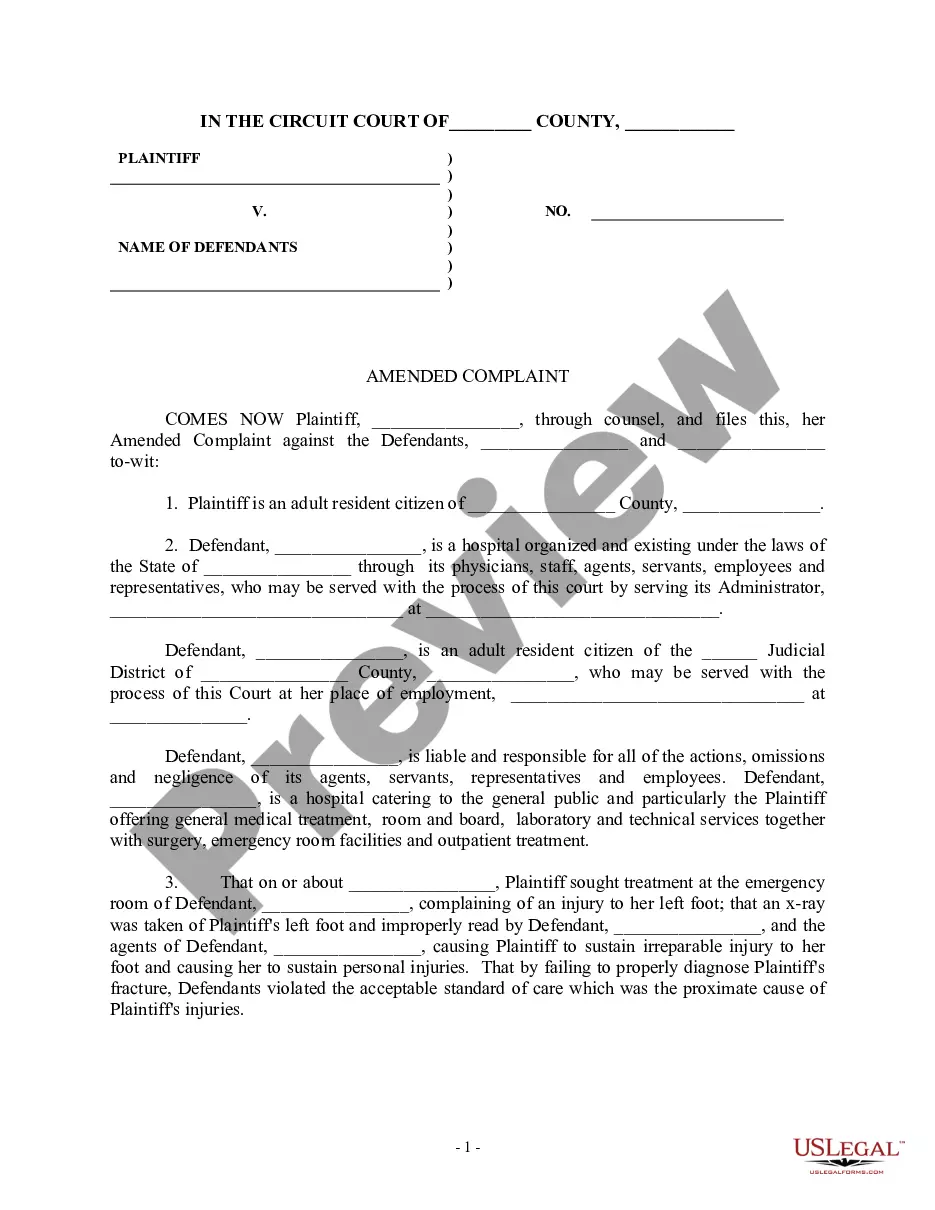
The Defendants' Joint Motion to Dismiss is a formal request submitted to the court, asking for the dismissal of a case against one or more defendants. This motion is often filed when there is a lack of legal merit to the claims against the defendants. It differs from other motions as it specifically seeks to have the court eliminate the case without proceeding to a trial. Completing this form can help expedite legal proceedings when the defendants believe the case should not continue.
Key components of this form
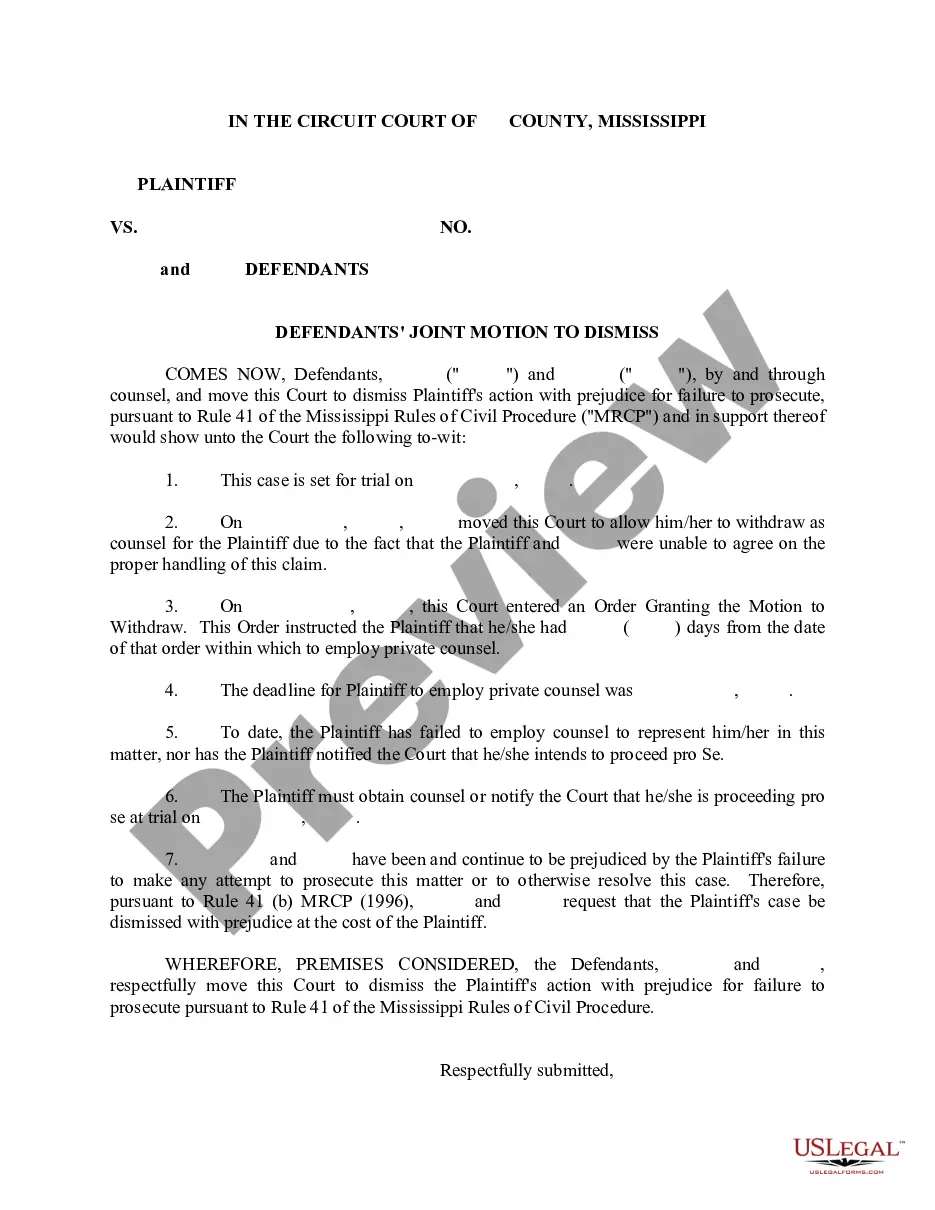
- Title of the motion indicating it is a joint request from the defendants.
- Introduction section stating the purpose and relevance of the motion.
- Factual background outlining the circumstances leading to the motion.
- Legal arguments supporting the motion to dismiss.
- Conclusion summarizing the reasons for granting the request.
- Signature lines for all defendants filing the motion.
Situations where this form applies
This form should be used when defendants wish to formally request the dismissal of a lawsuit filed against them. Common scenarios for using this motion include when the plaintiff has not provided sufficient evidence to support their claims, or when the case is legally flawed or outside the jurisdiction of the court. It is often utilized to resolve cases efficiently, preventing unnecessary trials.
Who needs this form
This form is intended for:
- Defendants in a civil lawsuit.
- Legal representatives acting on behalf of defendants.
- Parties who believe there are valid grounds for dismissing the charges against them.
Instructions for completing this form
- Identify all defendants and provide their names and addresses.
- Compose the introductory statement detailing the motion's purpose.
- Include a factual background section, explaining the context and events leading to the motion.
- Present legal arguments that justify the request for dismissal.
- Conclude with a short statement summarizing the request and the reasons for it.
- Collect signatures from all defendants who agree to the motion.
Is notarization required?
In most cases, this form does not require notarization. However, some jurisdictions or signing circumstances might. US Legal Forms offers online notarization powered by Notarize, accessible 24/7 for a quick, remote process.
Get your form ready online
Our built-in tools help you complete, sign, share, and store your documents in one place.
Make edits, fill in missing information, and update formatting in US Legal Forms—just like you would in MS Word.
Download a copy, print it, send it by email, or mail it via USPS—whatever works best for your next step.
Sign and collect signatures with our SignNow integration. Send to multiple recipients, set reminders, and more. Go Premium to unlock E-Sign.
If this form requires notarization, complete it online through a secure video call—no need to meet a notary in person or wait for an appointment.
We protect your documents and personal data by following strict security and privacy standards.

Make edits, fill in missing information, and update formatting in US Legal Forms—just like you would in MS Word.

Download a copy, print it, send it by email, or mail it via USPS—whatever works best for your next step.

Sign and collect signatures with our SignNow integration. Send to multiple recipients, set reminders, and more. Go Premium to unlock E-Sign.

If this form requires notarization, complete it online through a secure video call—no need to meet a notary in person or wait for an appointment.

We protect your documents and personal data by following strict security and privacy standards.
Avoid these common issues
- Failing to include all necessary defendants in the motion.
- Not providing sufficient legal rationale for the dismissal.
- Omitting required signatures from involved parties.
- Submitting the motion without proper formatting according to court rules.
- Incorrectly stating facts or misrepresenting the legal context.
Benefits of using this form online
- Convenient access to legal documents any time from anywhere.
- Edit and tailor the form easily to fit specific case details.
- Reliable templates drafted by licensed attorneys ensure compliance with legal standards.
- Rapid downloading and printing for immediate use.
Legal use & context
- The motion must comply with local court rules and procedures.
- Failure to adhere to formatting standards may result in denial of the motion.
- Provide clear and valid reasons for dismissal to ensure enforceability.
Quick recap
- A Defendants' Joint Motion to Dismiss is used when multiple defendants seek to dismiss a case together.
- Accurate completion and adherence to local court rules are crucial for the motion's acceptance.
- Utilizing this template simplifies the process and ensures compliance with legal standards.
Looking for another form?
Form popularity
FAQ
The term jointly and severally indicates that all parties are equally responsible for carrying out the full terms of an agreement. In a personal liability case, for example, each party named may be pursued for repayment of the entire amount due.
Co-defendants can live together unless there is a court order saying otherwise. Your problem is that you are both on parole/probation. A common condition of parole is that you can't associate with known criminals or people on probation.
Lawsuits often involve multiple other defendants, which can complicate a case. Under joint and several liability, each and every defendant involved in a civil lawsuit no matter their actual fault is liable for the entire amount of damages.
A co-defendant is a third party other than the defendant in the case in which another co-defendant is charged and is by nature a witness.It is only when a court has implemented this procedure that the statement of a co-defendant can be relied on as a basis for concluding the criminal facts about the defendant.
Yes, co-defendants in drug cases may receive different sentences. When two people are charged and convicted of the same crime, the maximum penalty they are facing may be the same, but the actual sentence each receives can vary greatly.
: a defendant in the same lawsuit or criminal prosecution as another defendant or group of defendants : a joint defendant 2026 the defendant argued that it was plain error for the trial court to have permitted the prosecution to treat his co-defendant as hostile 2026 State v.
Definition. One of multiple defendants jointly sued in the same litigation or charged with the same crime. Also termed joint defendant. courts.
Each joint venture participant will be liable for its percentage of the fee to be paid and not for the total fee. Joint and several liability arises where two or more persons under the same contract jointly promise to do the same thing, and also severally make separate promises to do the same thing.
The answer is a qualified, Yes, provided that there are no conflicts between the defendants that require the attorney to choose which client to more vigorously represent. As a practical matter, it is rarely advisable for an attorney to represent co-defendants charged in the same crime or criminal conspiracy.