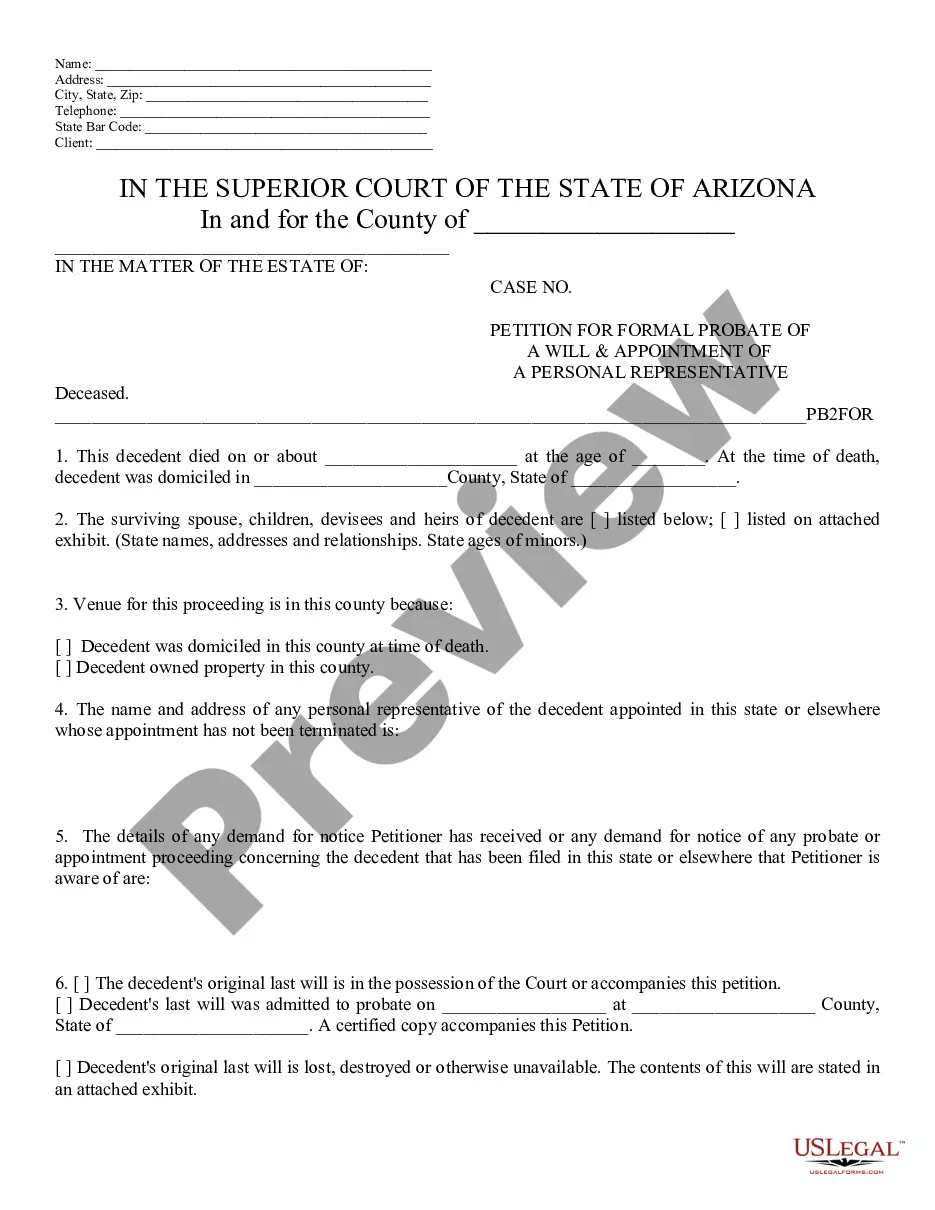
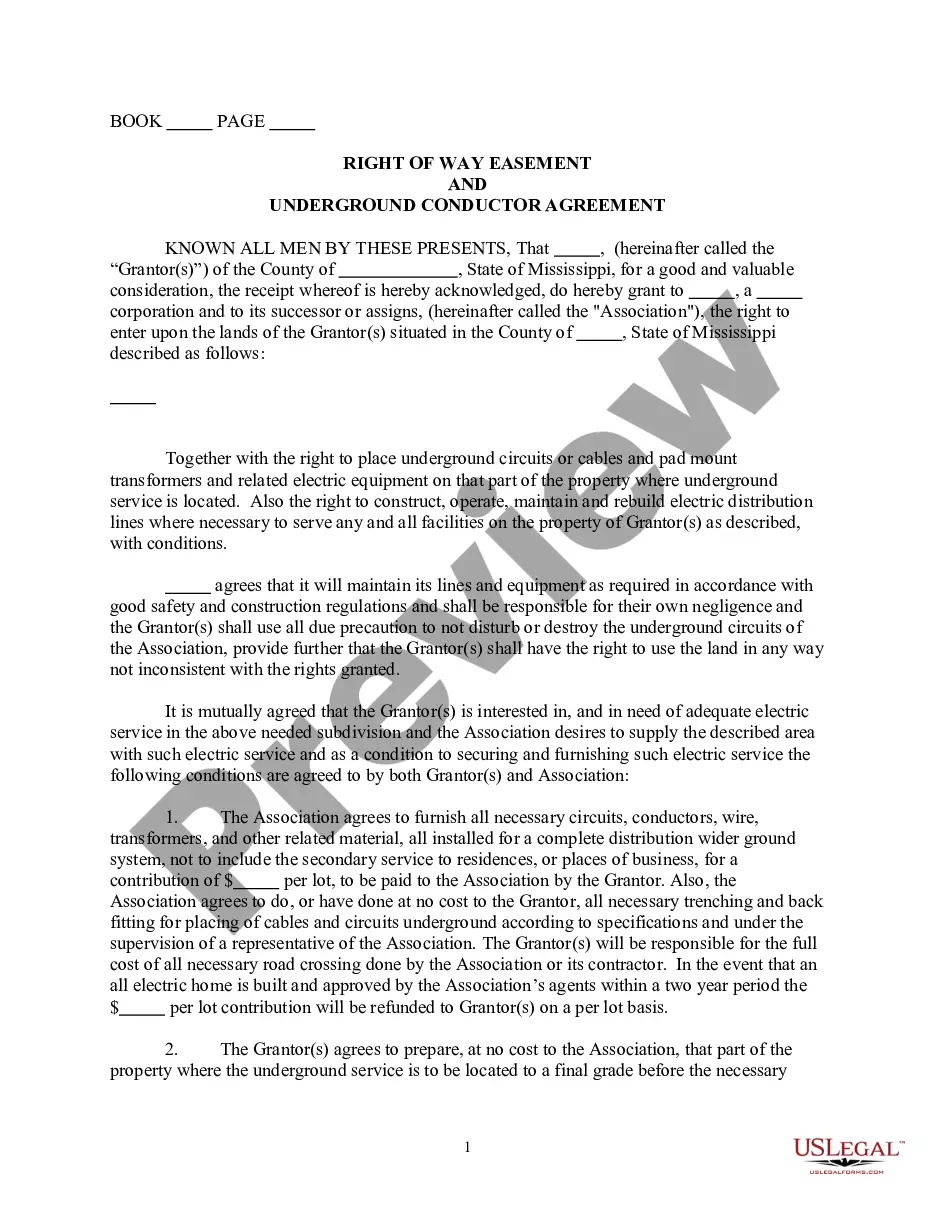
Mississippi Right-of-Way Easement and Underground Conductor Agreement
What is this form?
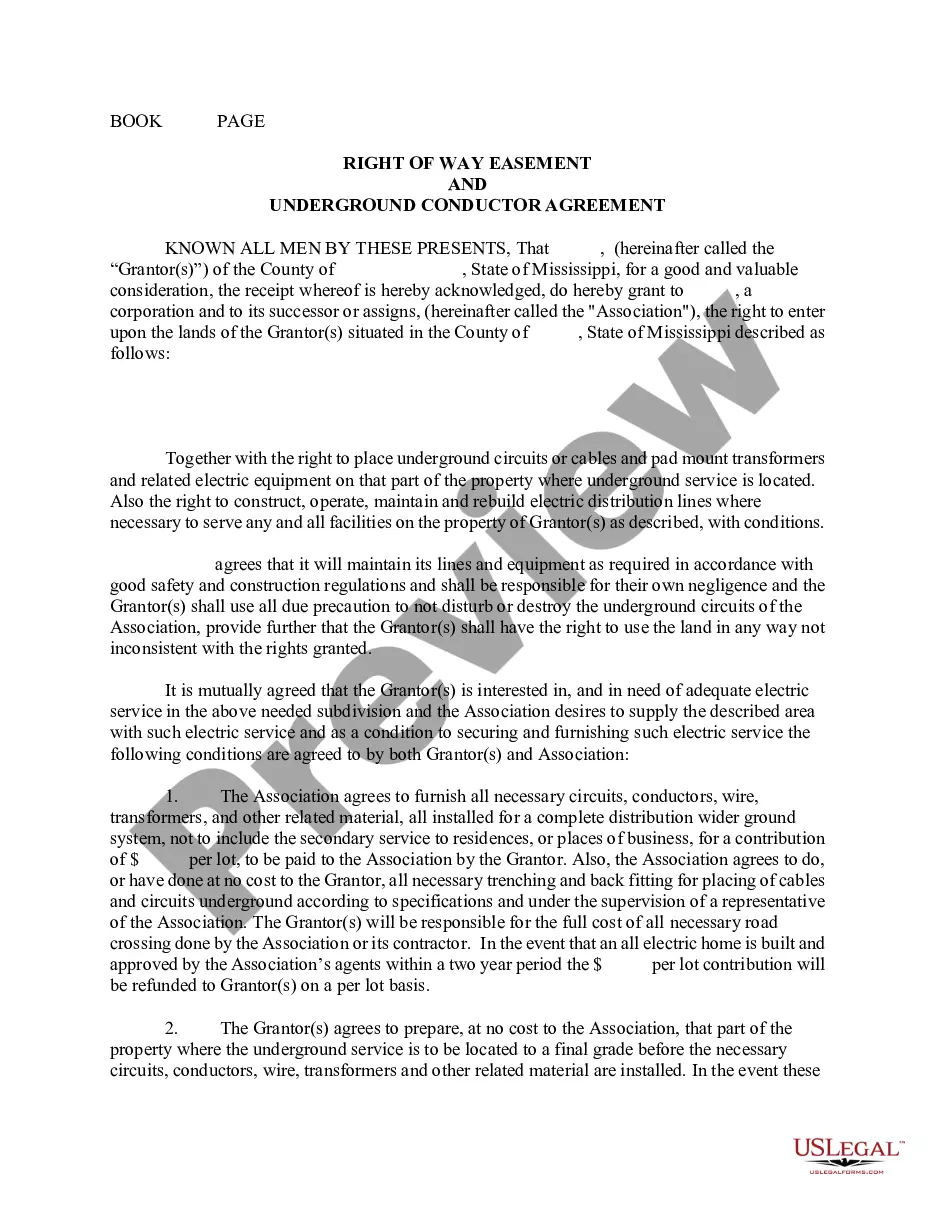
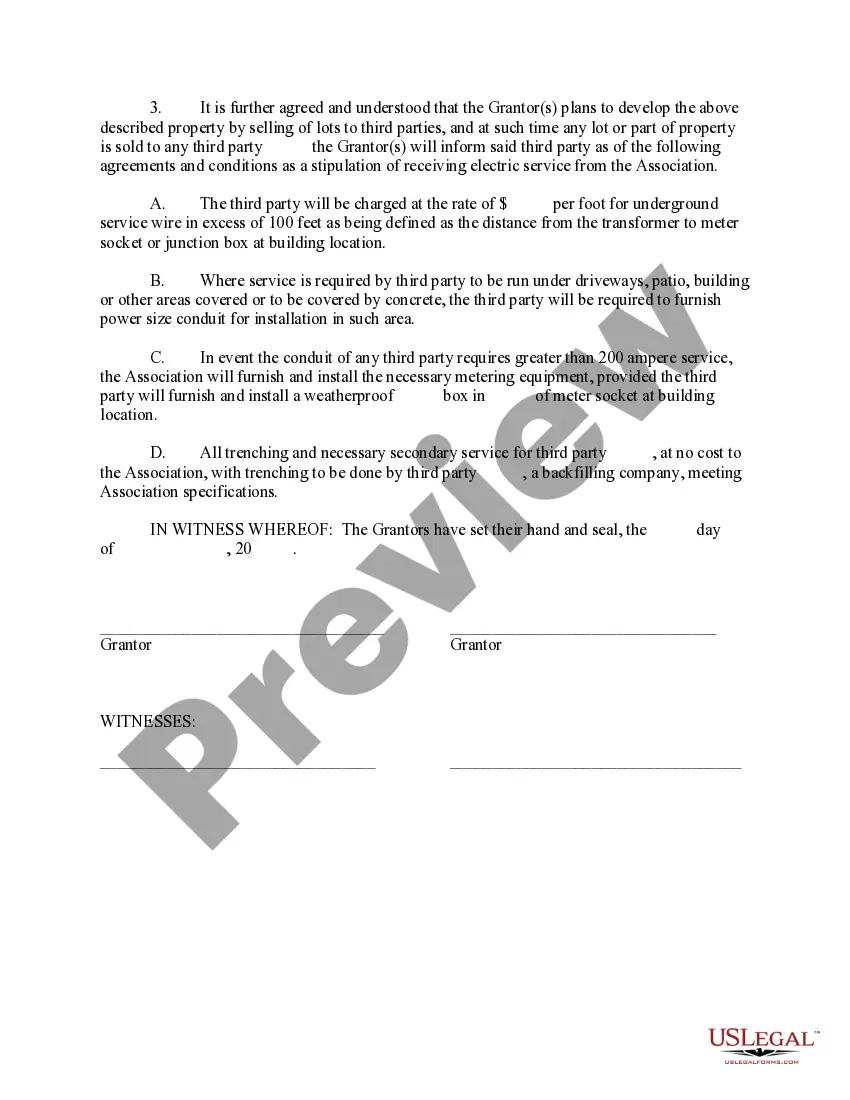
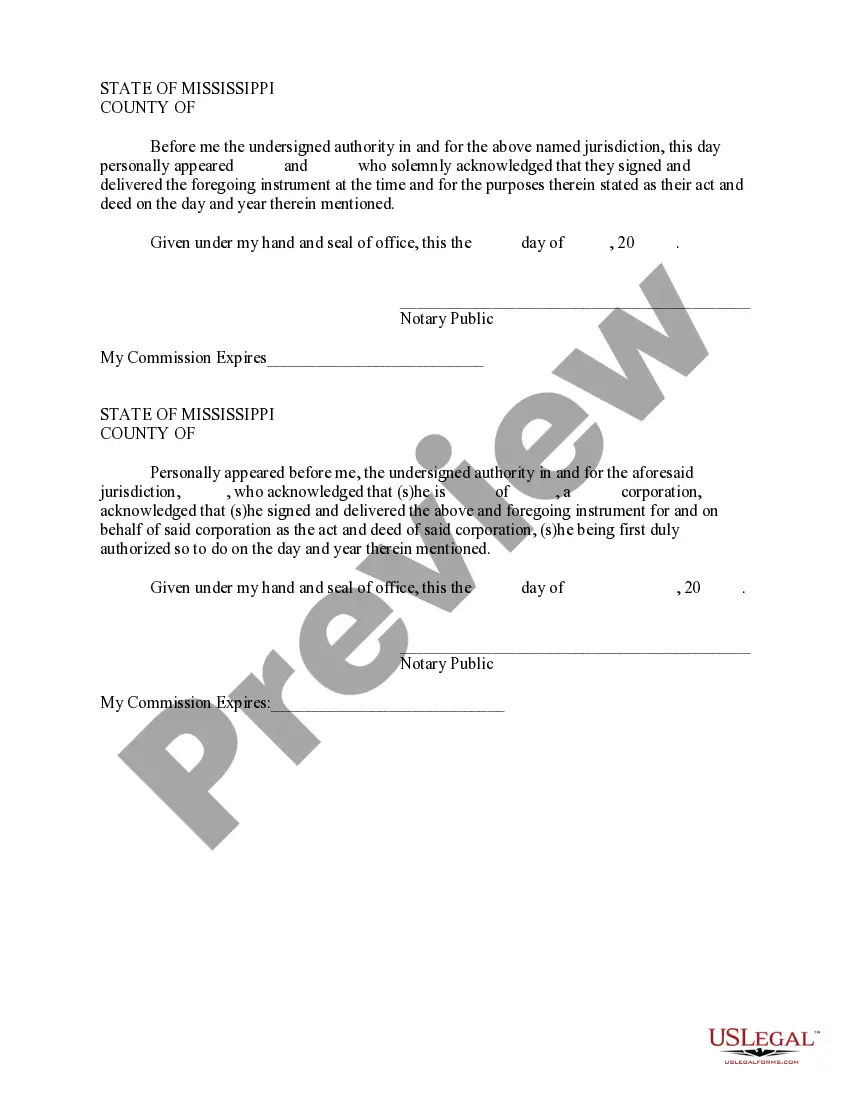
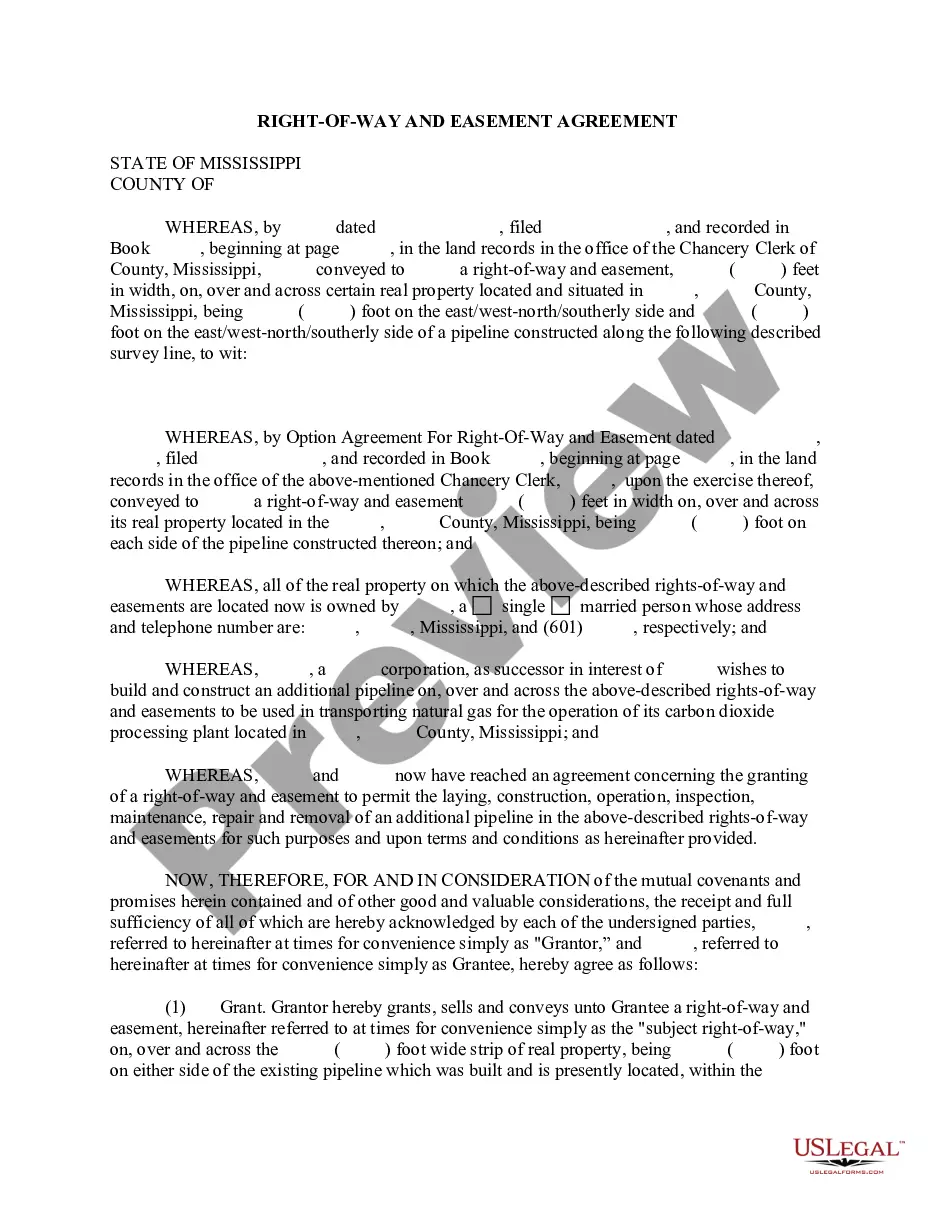
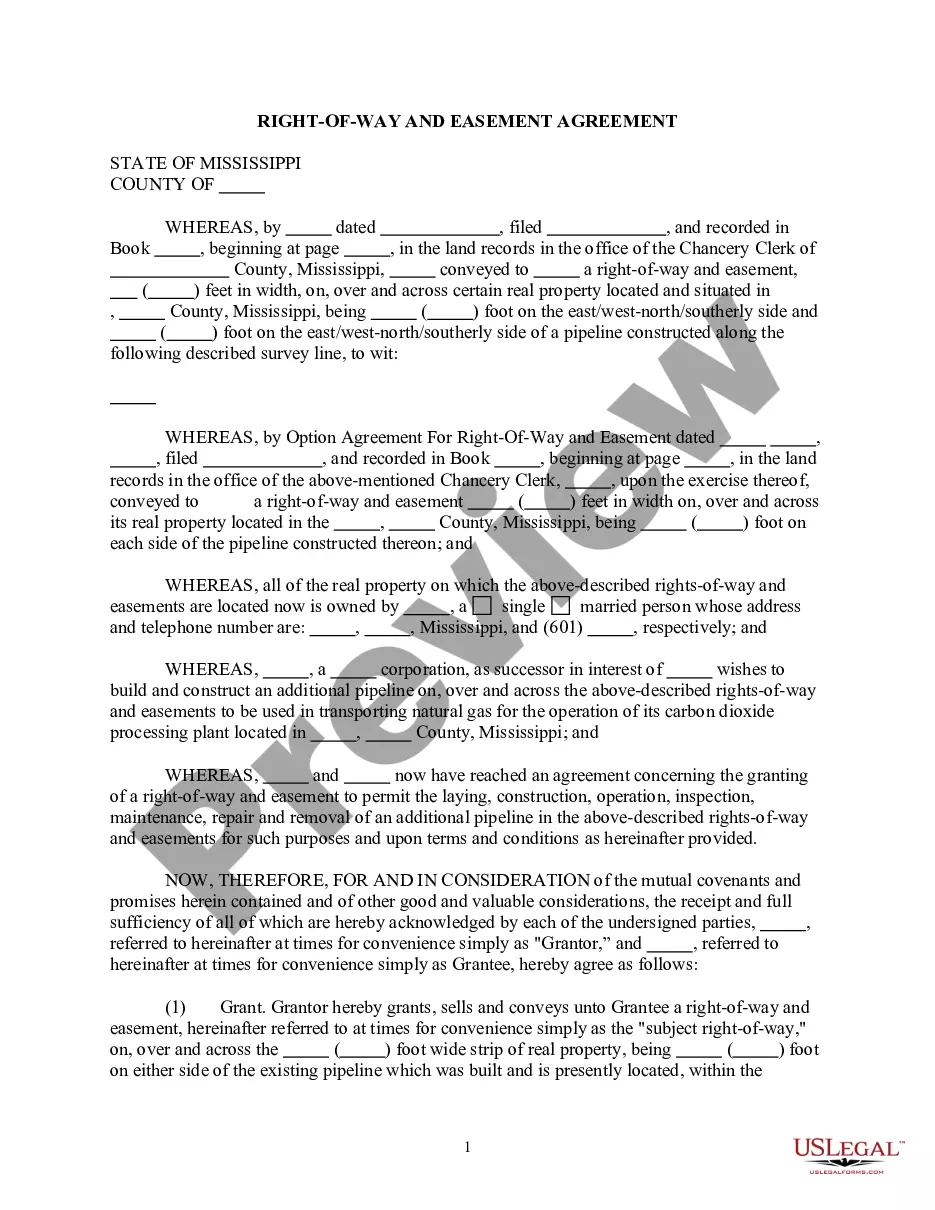
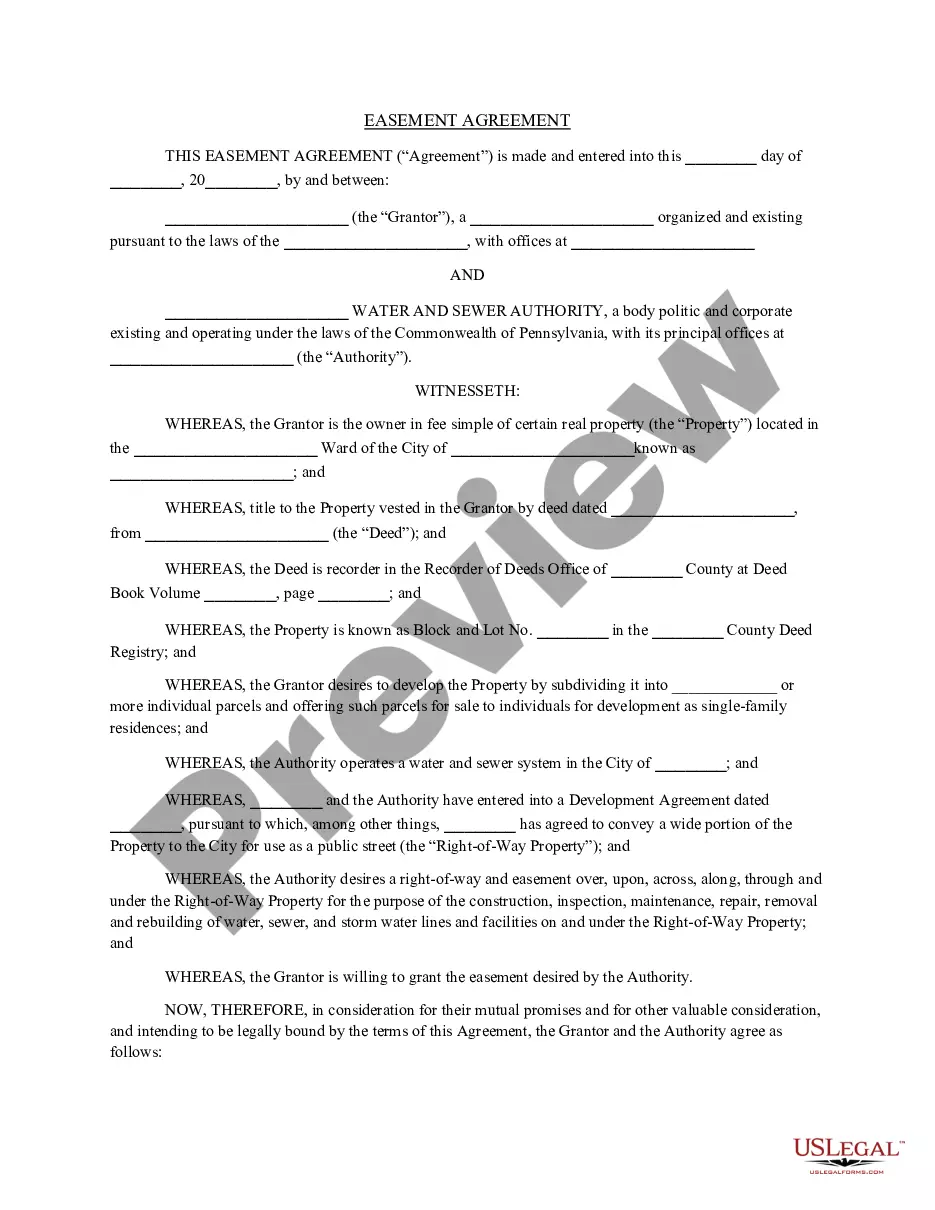
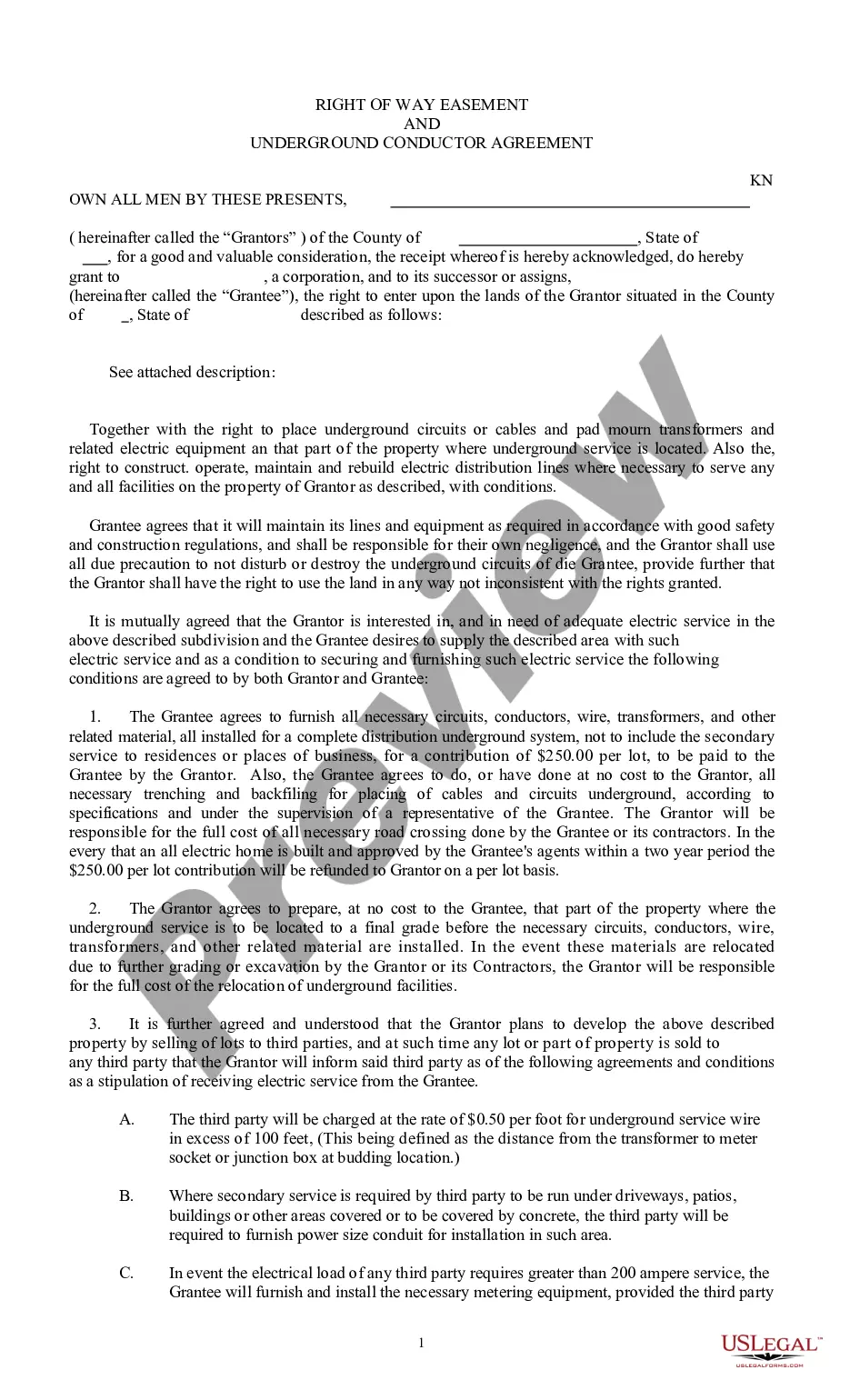
The Right-of-Way Easement and Underground Conductor Agreement is a legal document that grants permission to a grantee to access and use a grantor's property for the installation, maintenance, or repair of underground power lines and cables. This form establishes the easement, which is a legal right for one party to use another's land for a specific purpose, differentiating it from other agreements by its focus on underground utilities and access rights. It is essential for protecting both parties involved in the agreement and ensuring effective utility service delivery.
Key components of this form
- Identification of the parties: Clearly states who the grantor and grantee are.
- Description of the property: Details the specific land being used for the easement.
- Rights granted: Outlines the specific rights allowed for the grantee, such as repairs or maintenance.
- Duration of the agreement: Specifies how long the easement is valid.
- Conditions of use: Lists any specific conditions attached to the use of the property.
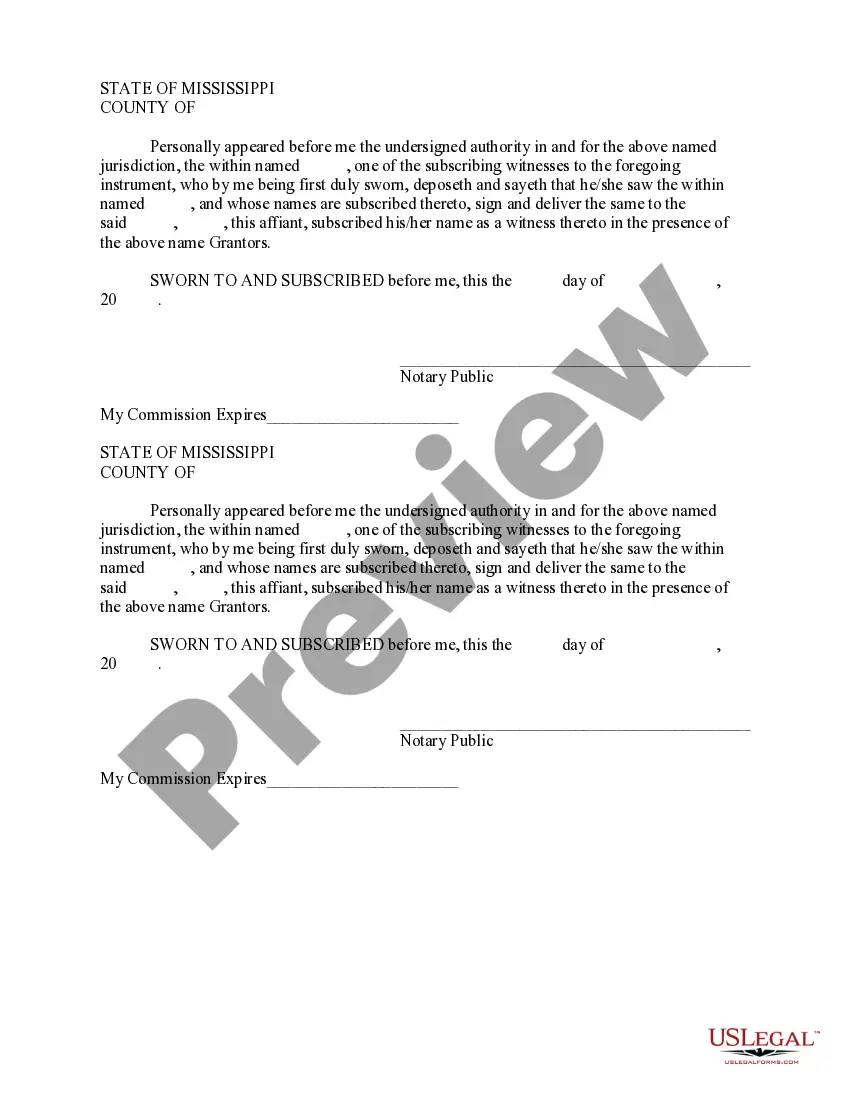
- Signatures: Requires signatures from both parties to validate the agreement.
When to use this form
This form is essential when a property owner (grantor) needs to allow a utility company or another entity (grantee) to access their land for the purpose of installing or maintaining underground power lines or cables. Scenarios include situations where a new power line is being installed beneath private property, or when existing lines require repair or replacement. This agreement ensures that both parties have a clear understanding of their rights and responsibilities.
Who this form is for
- Property owners (grantors) who wish to allow access for utility services.
- Utility companies or contractors (grantees) needing to install or maintain underground lines.
- Homeowners associations looking to regulate access to shared utilities.
- Real estate professionals managing properties with underground services.
Steps to complete this form
- Identify the parties involved by entering the names of the grantor and grantee.
- Specify the location and description of the property where the easement is granted.
- Clearly outline the rights being granted to the grantee, including maintenance and repair access.
- Enter the duration for which the easement will be valid.
- Sign and date the form to finalize the agreement.
Notarization guidance
To make this form legally binding, it must be notarized. Our online notarization service, powered by Notarize, lets you verify and sign documents remotely through an encrypted video session.
Get your form ready online
Our built-in tools help you complete, sign, share, and store your documents in one place.
Make edits, fill in missing information, and update formatting in US Legal Forms—just like you would in MS Word.
Download a copy, print it, send it by email, or mail it via USPS—whatever works best for your next step.
Sign and collect signatures with our SignNow integration. Send to multiple recipients, set reminders, and more. Go Premium to unlock E-Sign.
If this form requires notarization, complete it online through a secure video call—no need to meet a notary in person or wait for an appointment.
We protect your documents and personal data by following strict security and privacy standards.

Make edits, fill in missing information, and update formatting in US Legal Forms—just like you would in MS Word.

Download a copy, print it, send it by email, or mail it via USPS—whatever works best for your next step.

Sign and collect signatures with our SignNow integration. Send to multiple recipients, set reminders, and more. Go Premium to unlock E-Sign.

If this form requires notarization, complete it online through a secure video call—no need to meet a notary in person or wait for an appointment.

We protect your documents and personal data by following strict security and privacy standards.
Common mistakes
- Failing to include a clear description of the property.
- Not specifying the exact rights being granted to the grantee.
- Omitting signatures from both parties, which can invalidate the agreement.
- Neglecting to state the duration of the easement.
- Using vague language that can lead to misunderstandings.
Why complete this form online
- Convenient downloading for immediate use.
- Editable formats available, allowing for easy customization.
- Access to legally vetted templates drafted by licensed attorneys.
- Fast and secure retrieval of documents without the need to visit a legal office.
Legal use & context
- The easement is a legally binding agreement that grants specific rights to the Grantee.
- Both parties should maintain records of the agreement for future reference and legal protection.
- Failure to adhere to the terms of the easement could result in legal disputes, so clarity is crucial.
Looking for another form?
Form popularity
FAQ
What is Right-of-Way? A right-of-way allows another individual to travel through your property. This benefits another person or another parcel of land you do not own. This grants access to anyone who may need to travel through your land.
A private Right of Way typically gives one land owner the right to use another's property, usually a road of some kind, to get to and from her land. This right is usually given in the form of a deed, much like a deed to property.The deed granting a Right of Way is often vague, and doesn't help clarify things.
An Easement, a privilege to pass over the land of another, whereby the holder of the easement acquires only a reasonable and usual enjoyment of the property, and the owner of the land retains the benefits and privileges of ownership consistent with the easement.
A right of way easement is simply the right to pass and re-pass over a prescribed area on foot, or in vehicles or machinery. It extends to agents, invitees, tenants, livestock and the like. Each party is responsible for repairing any damage caused and keeping the right of way clear from obstructions.
A Right of Way Easement is a form of Easement annexed to land which grants a right to travel over a part of the landowner's property. This right of way is usually granted to neighbouring landowners. The legal rights of the attached landowners to use and maintain the right of way may not always be clear.
What are Easements and Rights-of-Way? Easements are nonpossessory interests in real property. More simply, an easement is the right to use another's property for a specific purpose. Rights-of-way are easements that specifically grant the holder the right to travel over another's property.
An EASEMENT, a privilege to pass over the land of another, whereby the holder of the easement acquires only a reasonable and usual enjoyment of the property, and the owner of the land retains the benefits and privileges of ownership consistent with the easement.