Mississippi Response and Objection to First Set of Interrogatories
Understanding this form
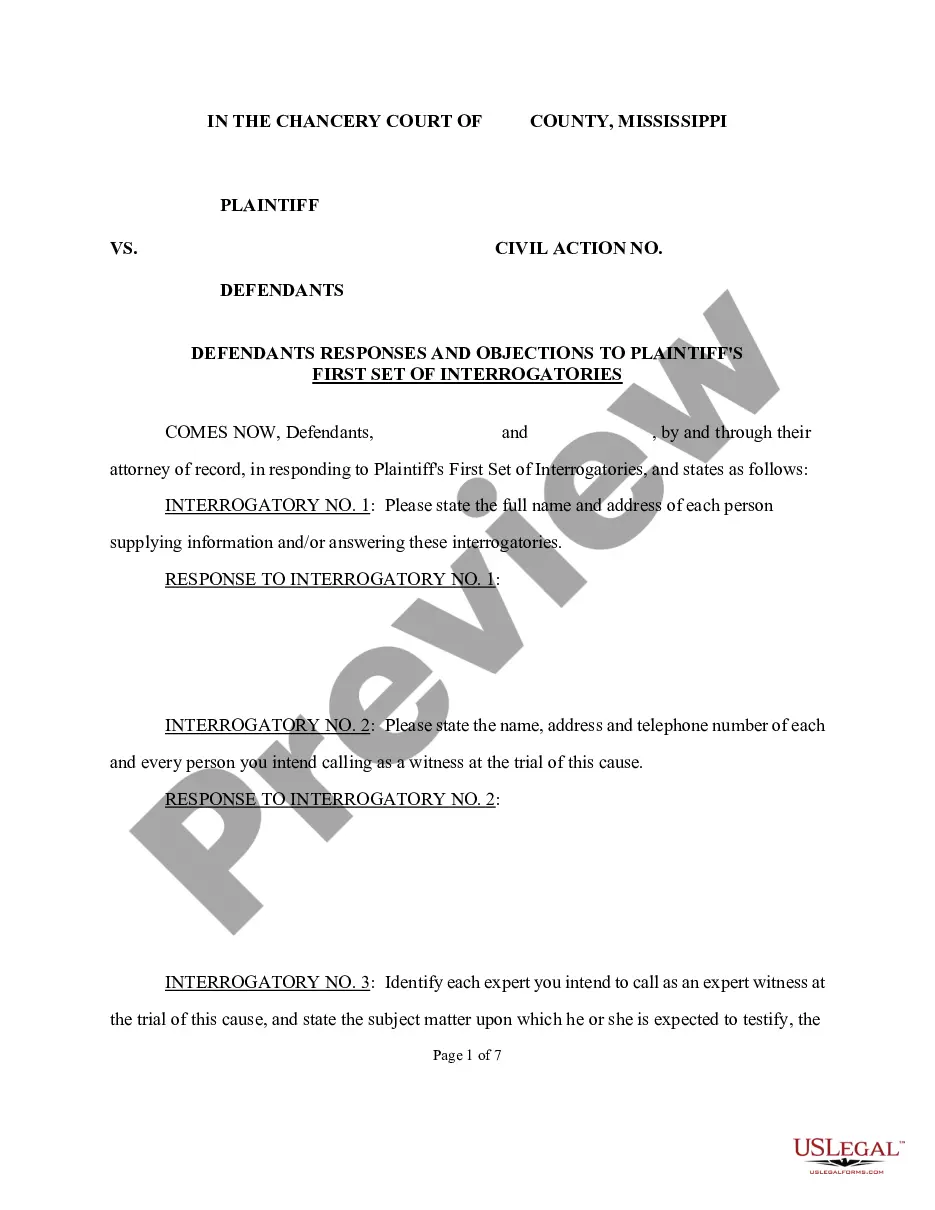
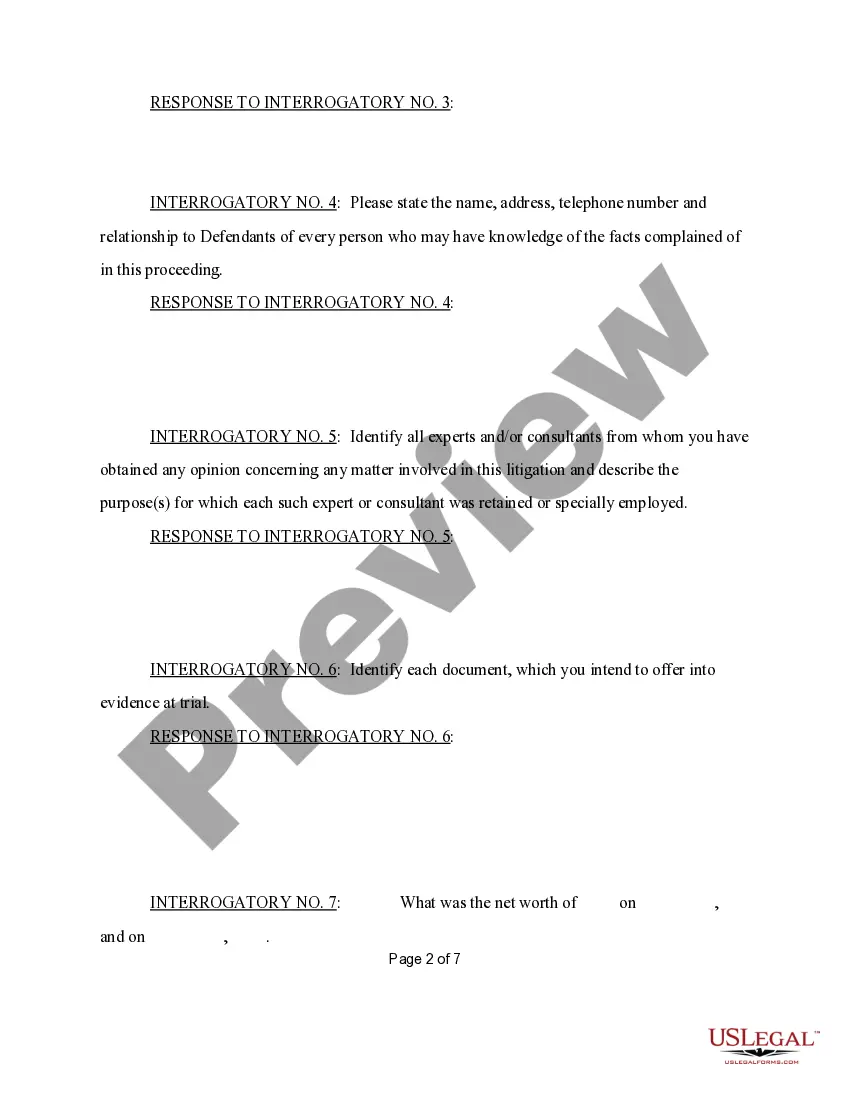
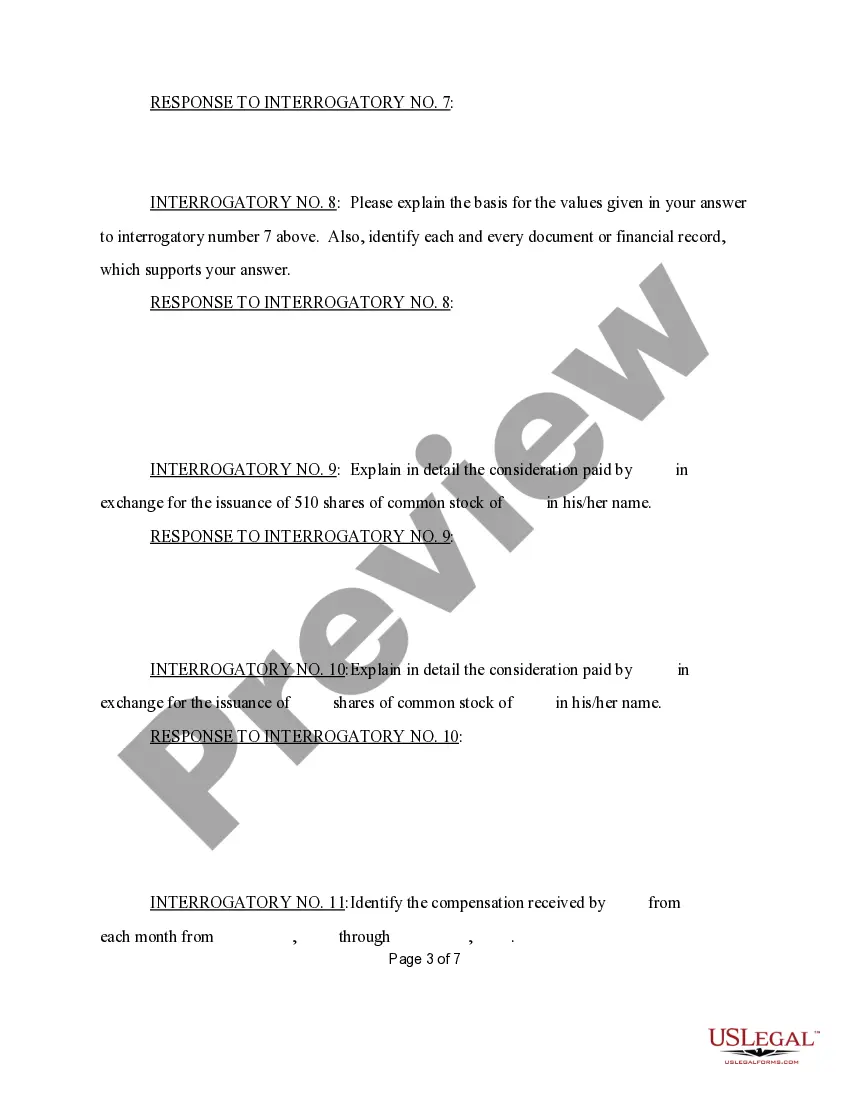
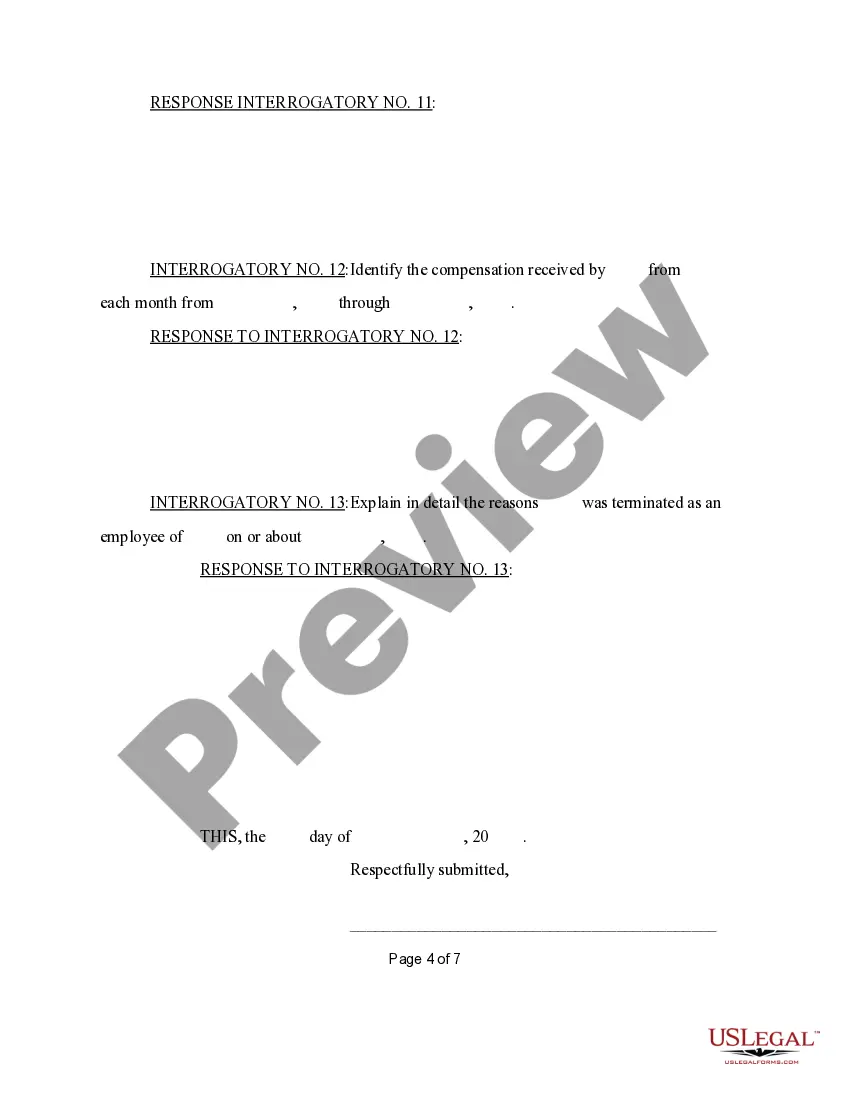
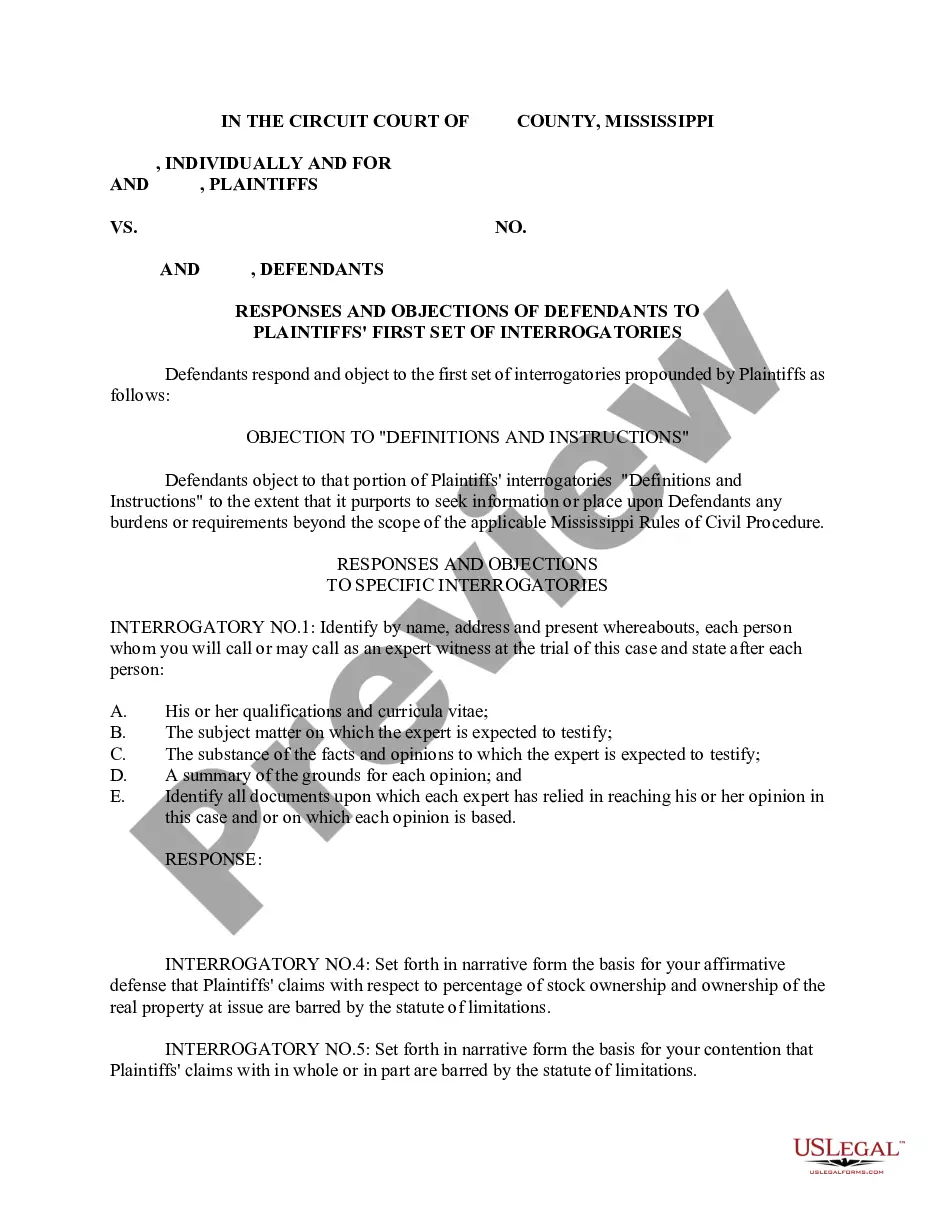
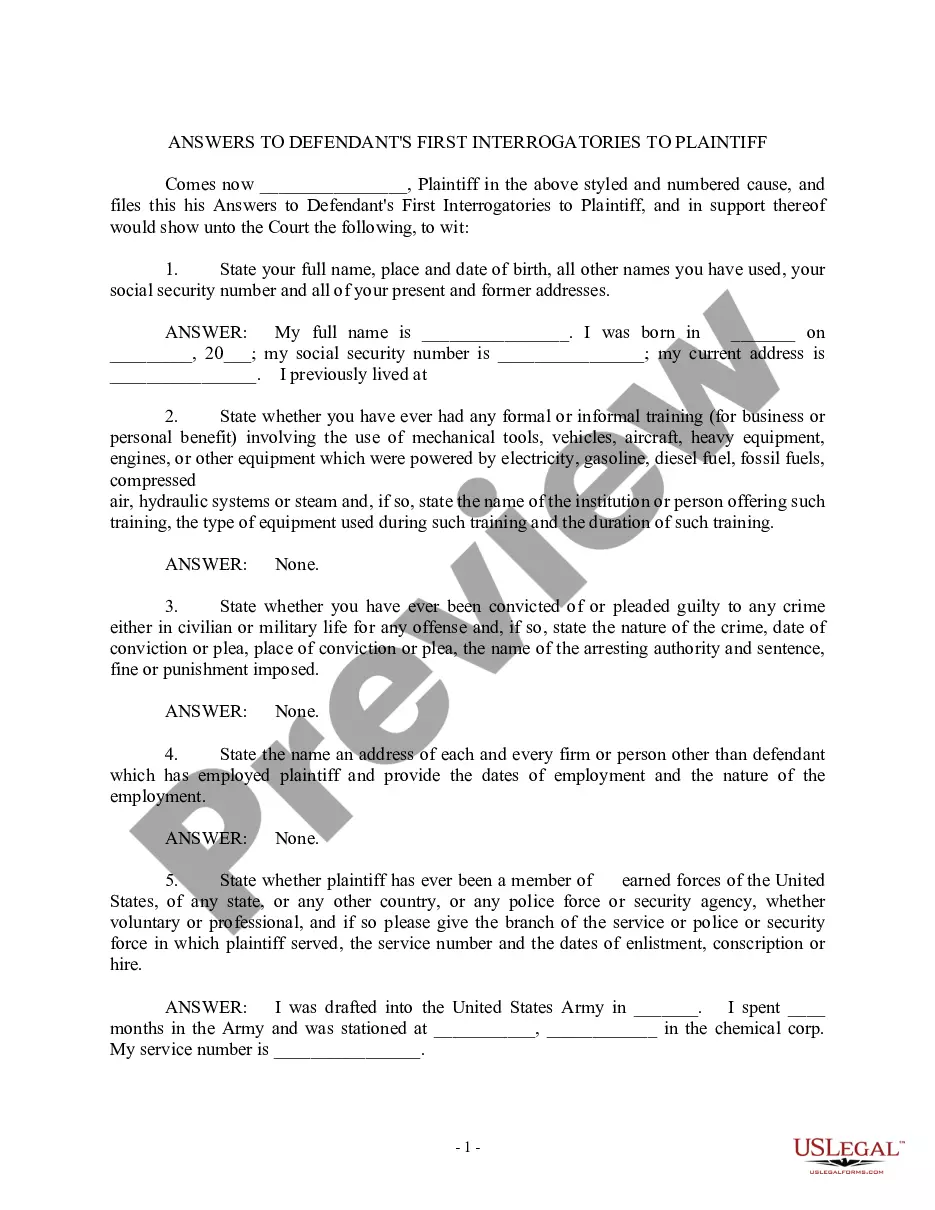
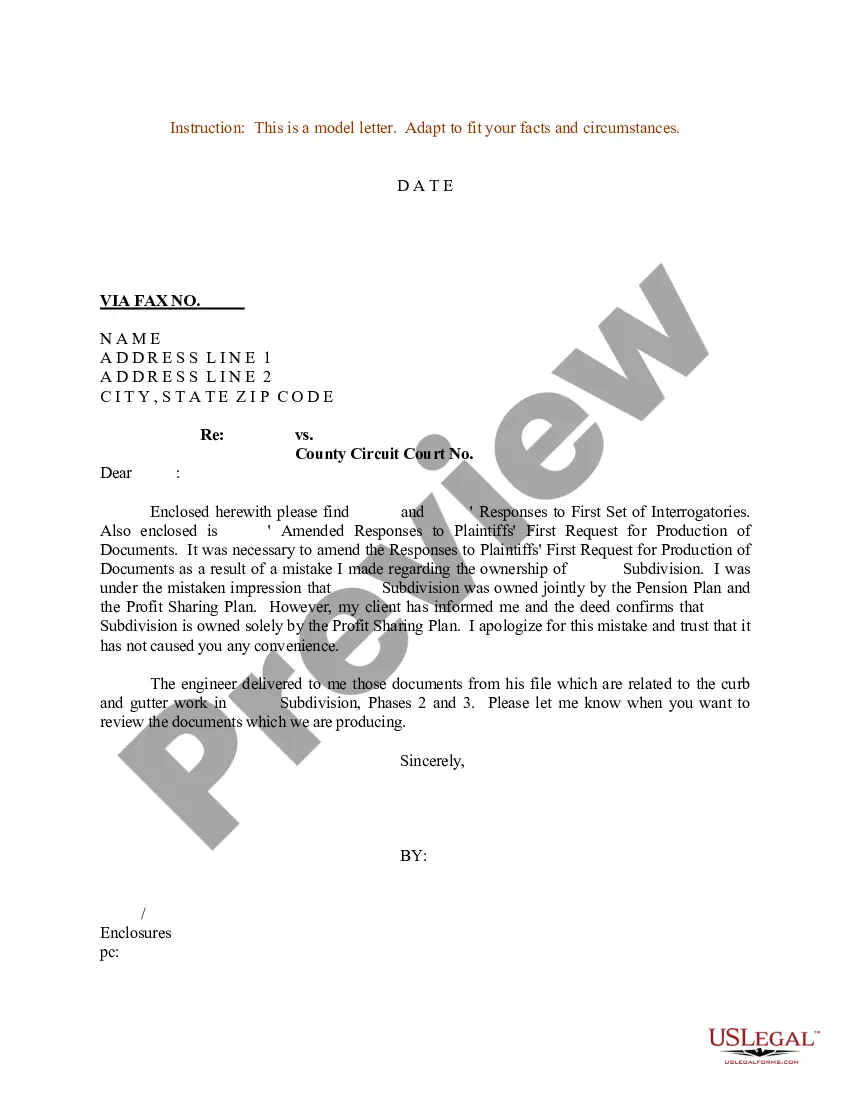
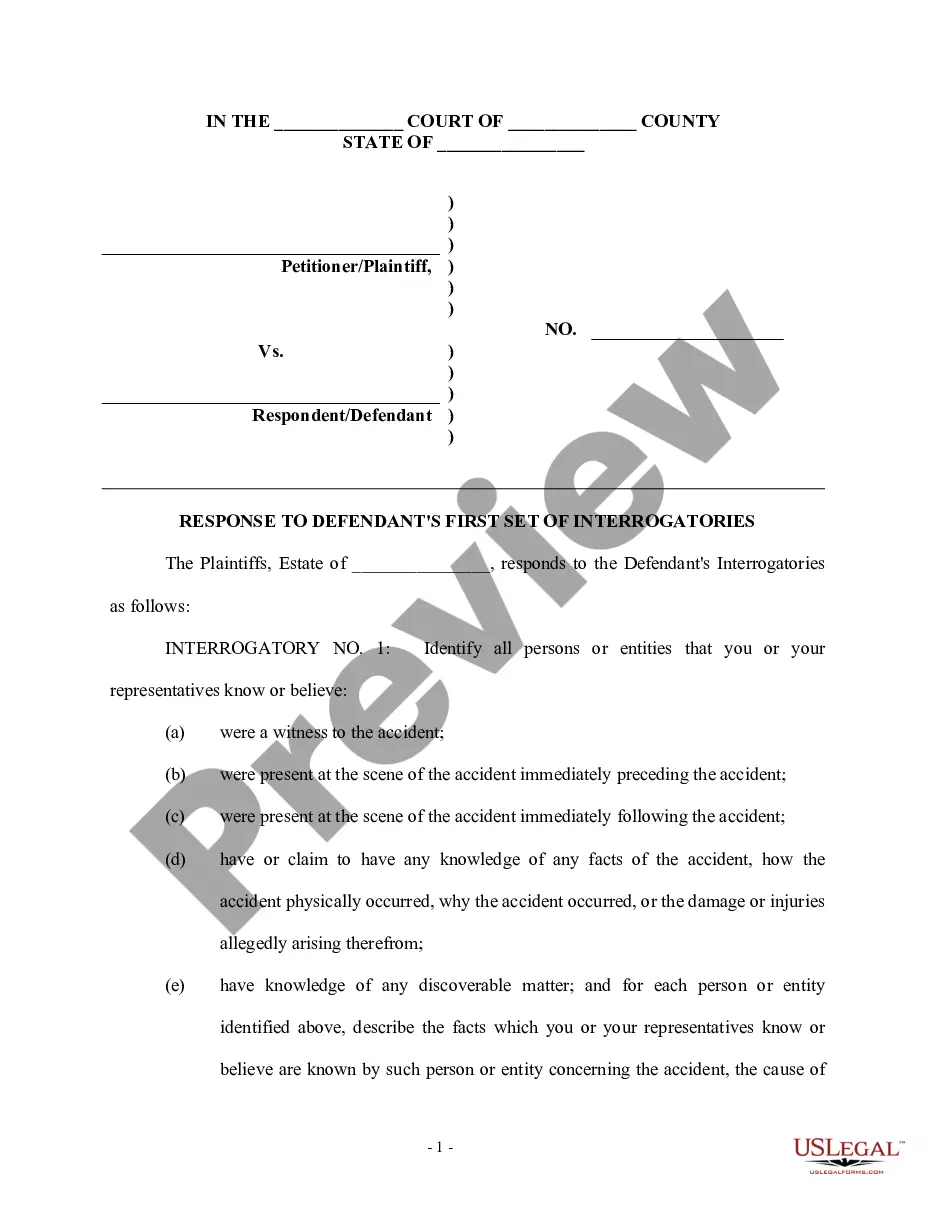
The Response and Objection to First Set of Interrogatories is a legal document used by defendants to reply to queries posed by the plaintiff in a legal case. Unlike other legal forms, this document specifically addresses the interrogatories submitted by the opposing party, providing the necessary responses and objections. It is crucial for defendants to properly complete this form to ensure their legal interests are represented and recorded accurately in the proceedings.
What’s included in this form
- Introduction statement identifying the defendants and the plaintiff.
- Interrogatory responses detailing each question posed by the plaintiff.
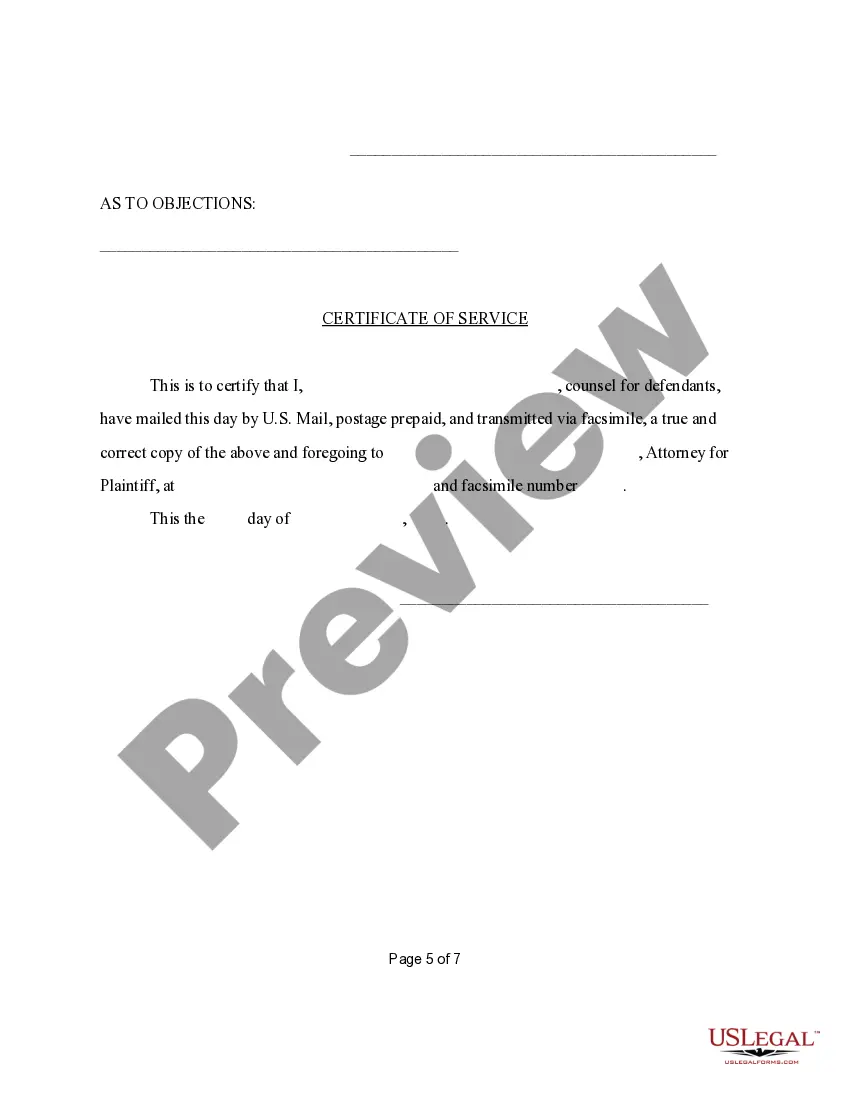
- Certificate of service indicating that a true copy of the responses has been mailed and transmitted.
- Signature area for the defendants to acknowledge their responses under oath.
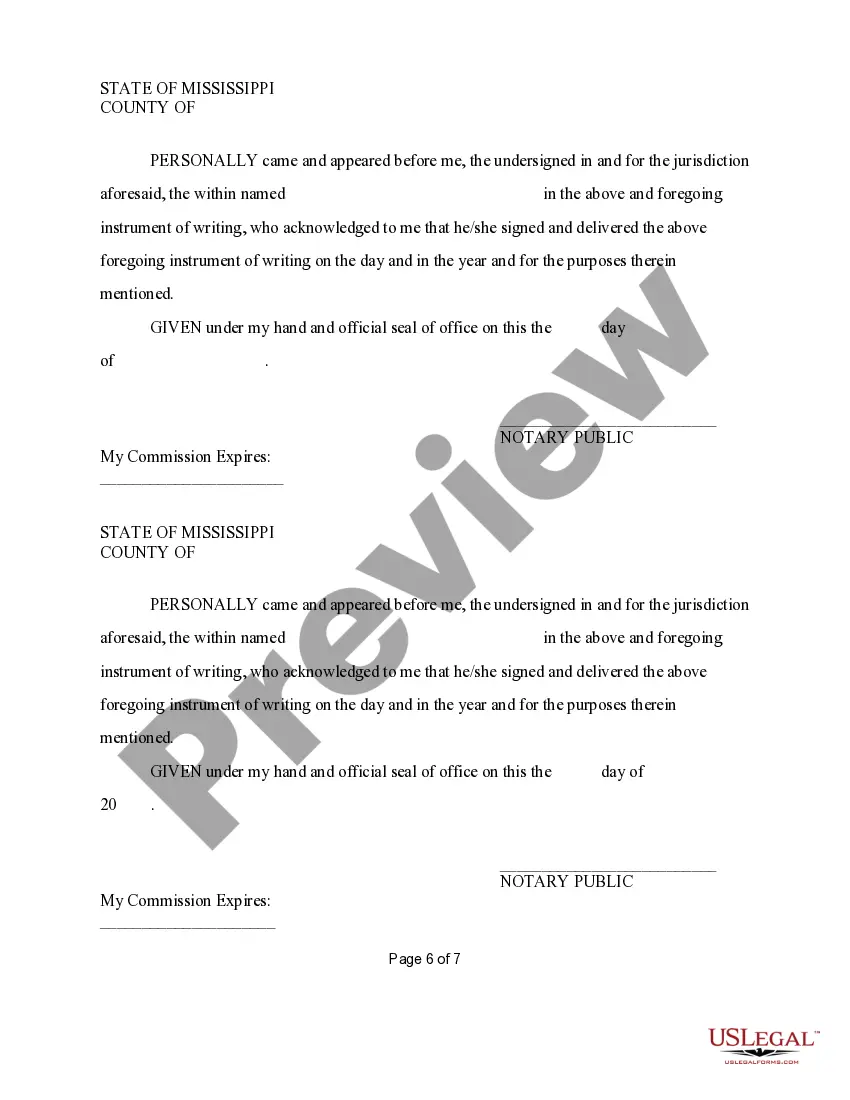
- Notary section for verification of the signatures.
When this form is needed
This form should be used when a defendant receives their first set of interrogatories from the plaintiff in a civil lawsuit. It is critical to respond promptly, as failure to do so may result in legal penalties or unfavorable judgments. Additionally, this form is necessary when clarifying facts or disputes regarding the case are required by law.
Who should use this form
- Defendants involved in a civil lawsuit.
- Attorneys representing defendants who need to respond to interrogatories.
- Individuals seeking to preserve their legal rights by formally objecting to certain interrogatories.
How to complete this form
- Begin by identifying the parties involved in the case, including the defendants and plaintiff.
- Carefully read each interrogatory and draft your responses, ensuring accuracy and completeness.
- For each response, clearly indicate whether you are objecting to the interrogatory and provide a basis for any objections.
- Complete the certificate of service to confirm that the responses were sent to the plaintiff.
- Sign the form in front of a notary public to verify your identity and the authenticity of the document.
Does this document require notarization?
Yes, this form must be notarized to be legally valid. Notarization ensures that the signatures on the document are genuine, which is a requirement for maintaining the integrity of court submissions. US Legal Forms offers integrated online notarization options that are available twenty-four seven, providing a secure and convenient way to complete this requirement without the need for travel.
Get your form ready online
Our built-in tools help you complete, sign, share, and store your documents in one place.
Make edits, fill in missing information, and update formatting in US Legal Forms—just like you would in MS Word.
Download a copy, print it, send it by email, or mail it via USPS—whatever works best for your next step.
Sign and collect signatures with our SignNow integration. Send to multiple recipients, set reminders, and more. Go Premium to unlock E-Sign.
If this form requires notarization, complete it online through a secure video call—no need to meet a notary in person or wait for an appointment.
We protect your documents and personal data by following strict security and privacy standards.

Make edits, fill in missing information, and update formatting in US Legal Forms—just like you would in MS Word.

Download a copy, print it, send it by email, or mail it via USPS—whatever works best for your next step.

Sign and collect signatures with our SignNow integration. Send to multiple recipients, set reminders, and more. Go Premium to unlock E-Sign.

If this form requires notarization, complete it online through a secure video call—no need to meet a notary in person or wait for an appointment.

We protect your documents and personal data by following strict security and privacy standards.
Common mistakes
- Failing to respond to all interrogatories, which can lead to sanctions.
- Not providing valid legal grounds for objections.
- Neglecting to sign in front of a notary public if required.
- Missing deadlines for submission of responses.
Advantages of online completion
- Immediate access to a legally compliant template drafted by licensed attorneys.
- Convenience of downloading the form for completion at your own pace.
- The ability to customize the form to fit specific case needs.
- Secure options for electronic notarization that save time and travel.
Legal use & context
- This form is a formal response to discovery requests in civil litigation.
- Responses must be truthful and complete to avoid potential legal repercussions.
- Failure to respond appropriately may result in court sanctions or a default judgment against the defendants.
Summary of main points
- The Response and Objection to First Set of Interrogatories is an essential legal document in civil litigation.
- It is crucial to respond accurately and on time to avoid legal complications.
- Notarization and proper service of the document are necessary steps in the process.
Looking for another form?


Form popularity
FAQ
Motions to Compel If a party doesn't respond to interrogatories or requests for production, then the party seeking those answers must file a motion to compel with the court. If the court grants the motion to compel, then the party who objected or failed to answer must then do so.
You must answer each interrogatory separately and fully in writing under oath, unless you object to it. You must explain why you object. You must sign your answers and objections.
In most cases, a deponent cannot refuse to answer a question at a deposition unless the answer would reveal privileged or irrelevant private information or the court previously ordered that the information cannot be revealed (source). However, there are certain types of questions that do not have to be answered.
You must answer each interrogatory separately and fully in writing under oath, unless you object to it. You must explain why you object. You must sign your answers and objections.
When responding to Requests for Admissions, remember to answer as follows: Admit: If any portion of the Request for Admission is true then you must admit to that portion of the request. You are also allowed to have a hybrid response admit the part of the request that is true while denying another part.
You can object to an interrogatory if the information sought is known by the requesting party or available to both parties equally. For example, you should raise this objection if the answers are publicly available or in a third-party's custody or control.
So, can you refuse to answer interrogatories? The answer is, no, you may not. You must answer a Rule 33 interrogatory within 30 days of being served with it. That answer must either permit inspection of the requested information or object to the production of the information for a specific reason.
Responding to Form InterrogatoriesAnswer each question, being careful to answer each subpart, if one exists. Read the question carefully, and answer only what it asks. You may attach exhibits, if necessary. The response must be verified, meaning you must swear that the responses given are true.