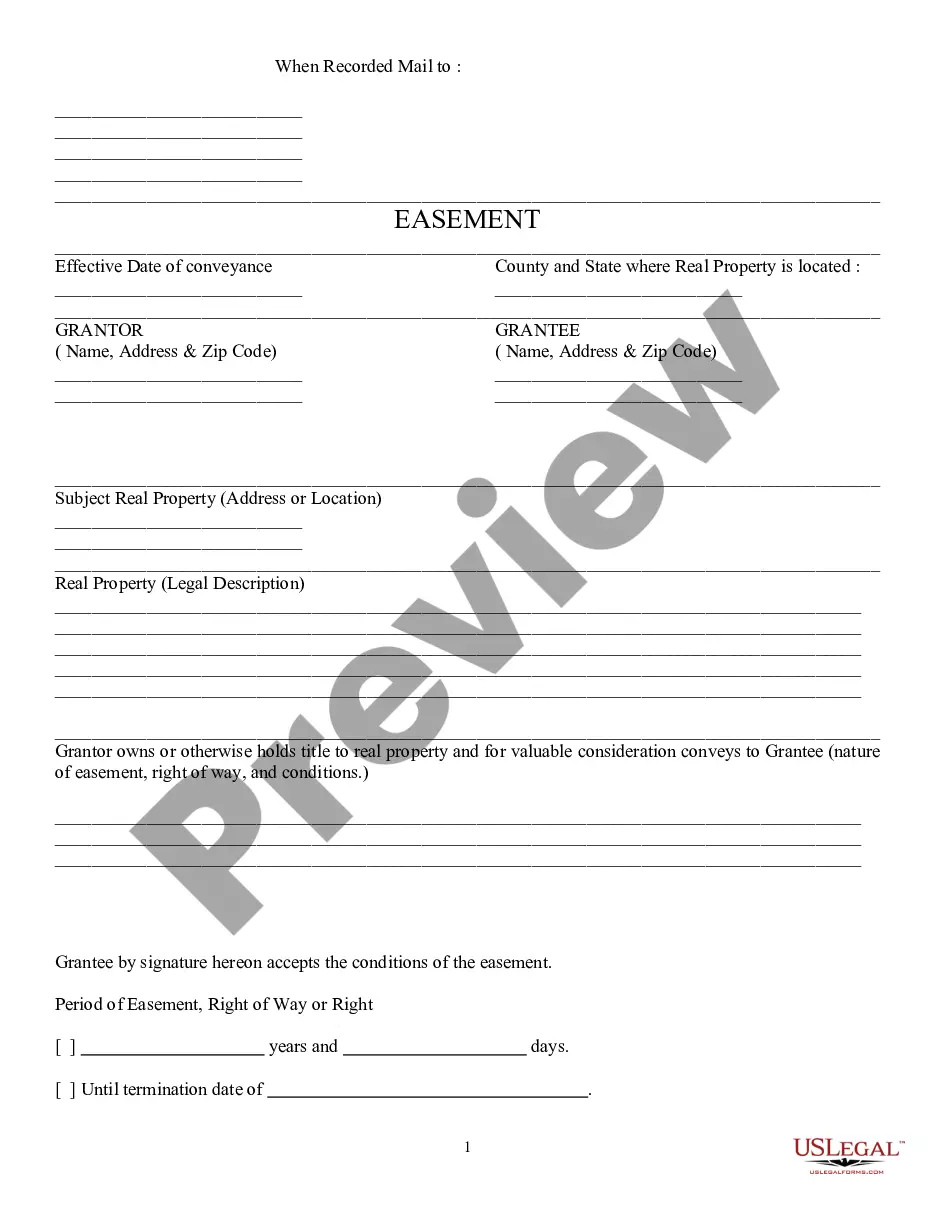
Mississippi Notice of Assessment
What is this form?
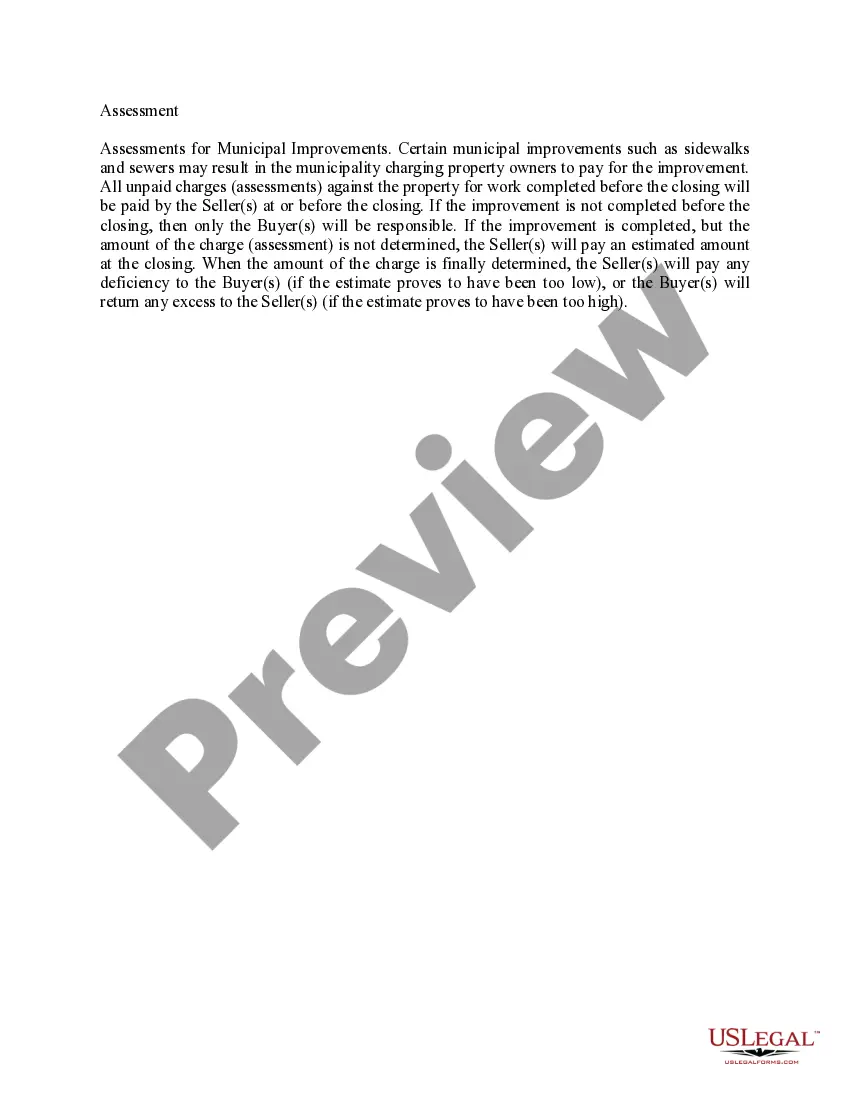
The Notice of Assessment is a legal document used to formally inform parties about the assessment of property, taxes, or other financial matters. Unlike similar forms, it serves specifically to provide official notice regarding decisions made by assessing authorities, ensuring all parties are aware of their obligations and rights. This form plays a crucial role in maintaining transparency and compliance in legal and financial transactions.
What’s included in this form
- Identification of the party receiving the notice.
- Details of the assessment being communicated.
- Information regarding the property or subject of assessment.
- Signature lines for the assessing authority.
- Notary public section, if applicable, to validate the document.


When to use this form
This form should be used whenever an individual or entity needs to notify another party about an official assessment, including tax assessments, property valuations, or similar evaluations. It is essential in contexts such as property tax appeals, financial disputes, or when seeking to inform stakeholders about financial liabilities or entitlements.
Who this form is for
- Property owners receiving assessment notices.
- Landlords or rental property managers.
- Businesses facing taxation assessments.
- Individuals involved in disputes regarding assessed values.
- Legal professionals assisting clients with assessments.
Steps to complete this form
- Identify the parties involved by entering their names and addresses.
- Clearly describe the assessment being communicated, including dates and amounts.
- Provide specific details about the property or subject of the assessment.
- Sign the document as the assessing authority or representative.
- Include the notary section if required, and ensure it is completed correctly.
Notarization requirements for this form
This form must be notarized to be legally valid. US Legal Forms provides secure online notarization powered by Notarize, allowing you to complete the process through a verified video call.
Get your form ready online
Our built-in tools help you complete, sign, share, and store your documents in one place.
Make edits, fill in missing information, and update formatting in US Legal Forms—just like you would in MS Word.
Download a copy, print it, send it by email, or mail it via USPS—whatever works best for your next step.
Sign and collect signatures with our SignNow integration. Send to multiple recipients, set reminders, and more. Go Premium to unlock E-Sign.
If this form requires notarization, complete it online through a secure video call—no need to meet a notary in person or wait for an appointment.
We protect your documents and personal data by following strict security and privacy standards.

Make edits, fill in missing information, and update formatting in US Legal Forms—just like you would in MS Word.

Download a copy, print it, send it by email, or mail it via USPS—whatever works best for your next step.

Sign and collect signatures with our SignNow integration. Send to multiple recipients, set reminders, and more. Go Premium to unlock E-Sign.

If this form requires notarization, complete it online through a secure video call—no need to meet a notary in person or wait for an appointment.

We protect your documents and personal data by following strict security and privacy standards.
Common mistakes to avoid
- Failing to include correct and complete information about the assessment.
- Not having the form signed by the appropriate authority.
- Leaving the notary section blank or improperly completed.
- Using outdated versions of the form that do not comply with current laws.
Why complete this form online
- Convenient access and immediate download of the form.
- Editability allows users to customize the form to fit specific situations.
- Reliability in using templates drafted by licensed attorneys.
What to keep in mind
- The Notice of Assessment is essential for property owners to understand and contest their property's assessed value.
- It is important to complete the form accurately to avoid common mistakes.
- The form must be notarized to ensure its legal validity in Mississippi.
Looking for another form?

Form popularity
FAQ
Social Security benefits do not count as gross income. However, the IRS does count them in your combined income for the purpose of determining if you must pay taxes on your benefits.
Retirement Income: Retirement income can include social security benefits as well as any benefits from annuities, retirement or profit sharing plans, insurance contracts, IRAs, etc. Retirement income may be fully or partially taxable.
Mississippi Residents As a resident you are required to file a state income tax return if you had any income withheld for tax purposes, earned more than $8,300 (single; add $1,500 per dependent) or earned more than $16,600 (married; add $1,500 per dependent).To file a Mississippi resident return use Form 80-105.
To check the status of your Mississippi state refund online, go to https://tap.dor.ms.gov/?link=RefundStatus. Then, click Search to see your refund status. For specific telephone numbers, refer to the Mississippi Department of Revenue Contact Us page.
It is also one the country's most tax-friendly states for retirees.Mississippi exempts all forms of retirement income from taxation, including Social Security benefits, income from an IRA, income from a 401(k) and any pension income. On top of that, the state has low property taxes and moderate sales taxes.
There is no tax schedule for Mississippi income taxes. 4% on the next $5,000 of taxable income. 5% on all taxable income over $10,000. 200bIf filing a combined return (both spouses work), each spouse can calculate their tax liability separately and add the results.
Persons who are 65 years of age and older or who are disabled, upon application and proof of eligibility, are exempt from all ad valorem taxes up to $7,500.00 of assessed value. The application for exemption must be filed with the individual county on or before April 1.
Mississippi exempts all forms of retirement income from taxation, including Social Security benefits, income from an IRA, income from a 401(k) and any pension income. On top of that, the state has low property taxes and moderate sales taxes.