Mississippi Affidavit of married couple regarding home purchase
Overview of this form
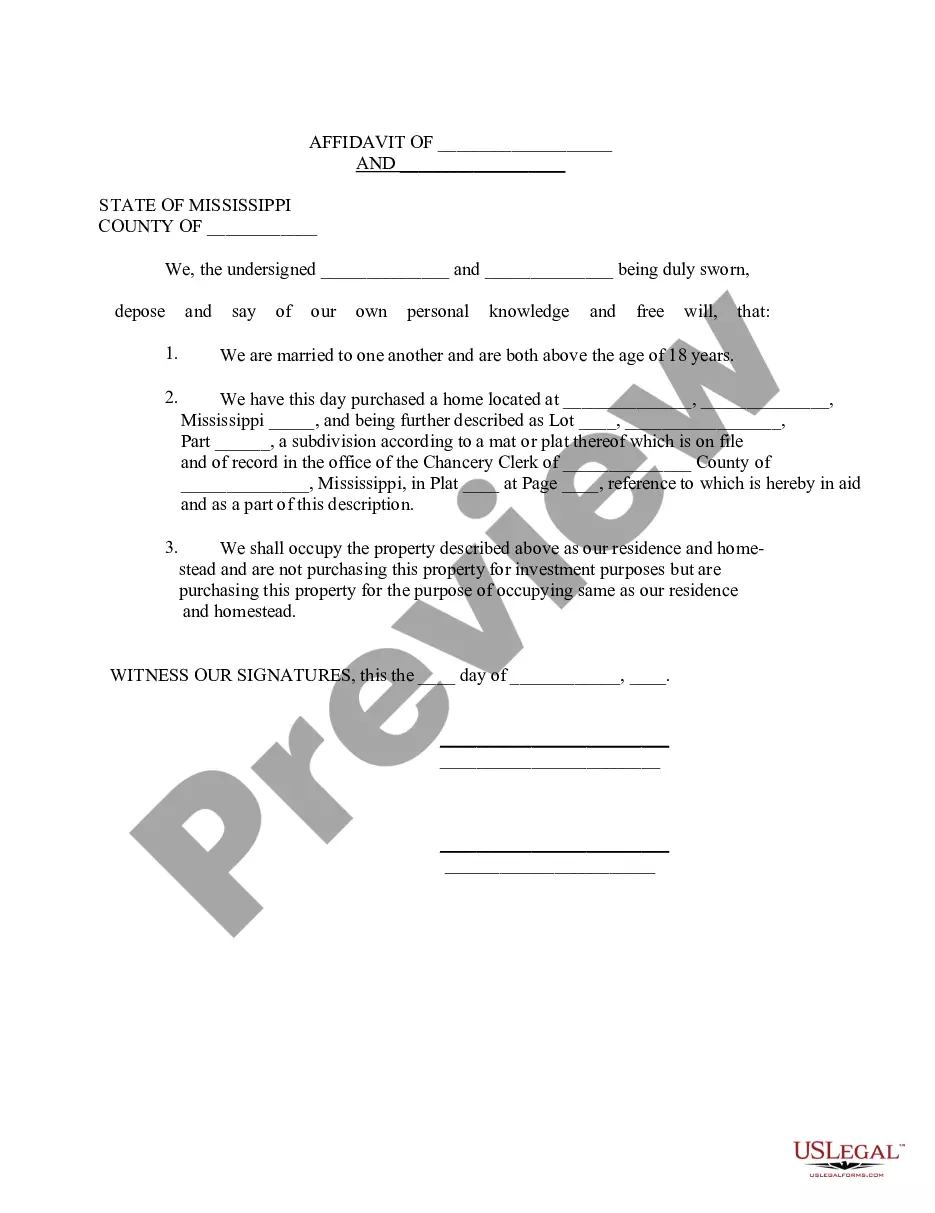
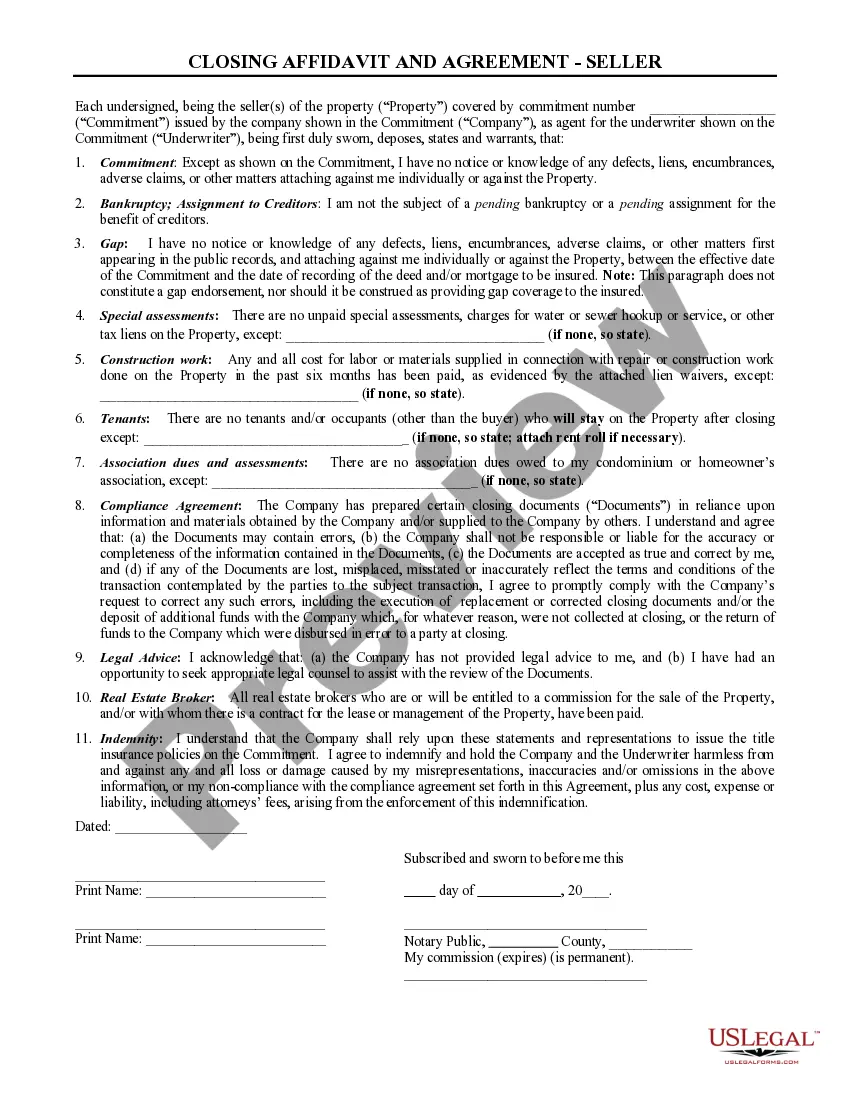
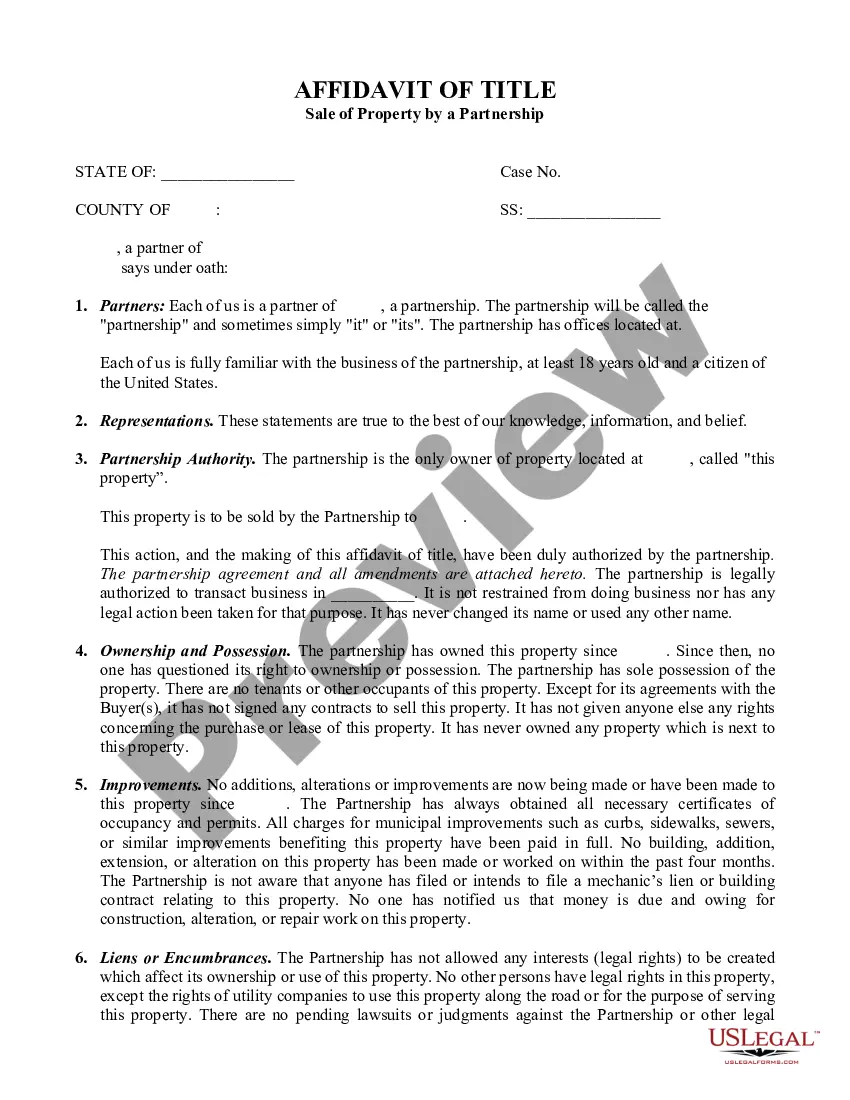
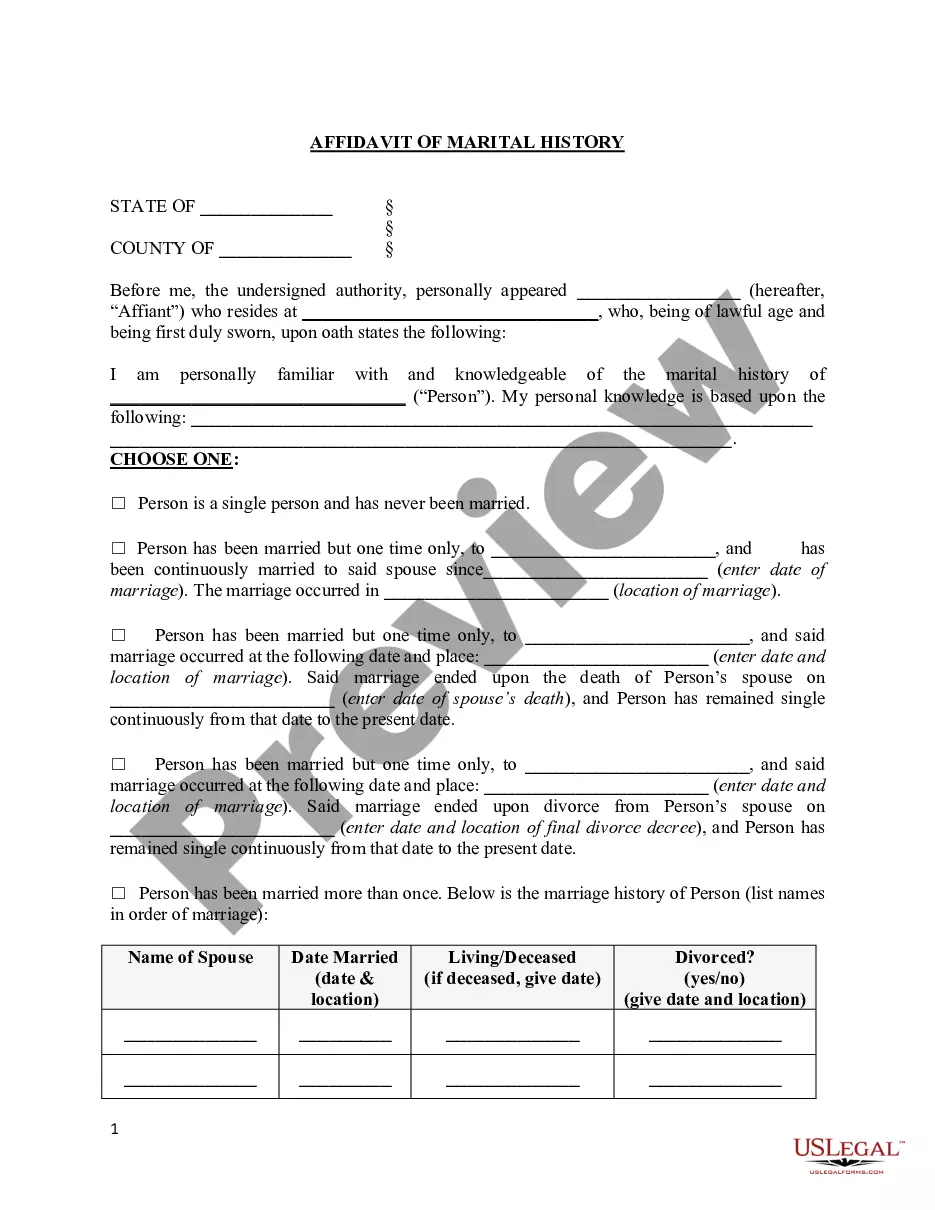
The Affidavit of Married Couple Regarding Home Purchase is a legal document used in Mississippi to affirm that the buyers of a home are married and intend to use the property as their primary residence. This affidavit helps clarify the intent behind the property purchase, distinguishing it from investment properties and providing necessary proof for various legal or tax purposes.
Main sections of this form
- Identification of the married couple, including their full names.
- Verification of the residential property purchased, including its address and legal description.
- Statement affirming that the property will be used as their homestead and not for investment.
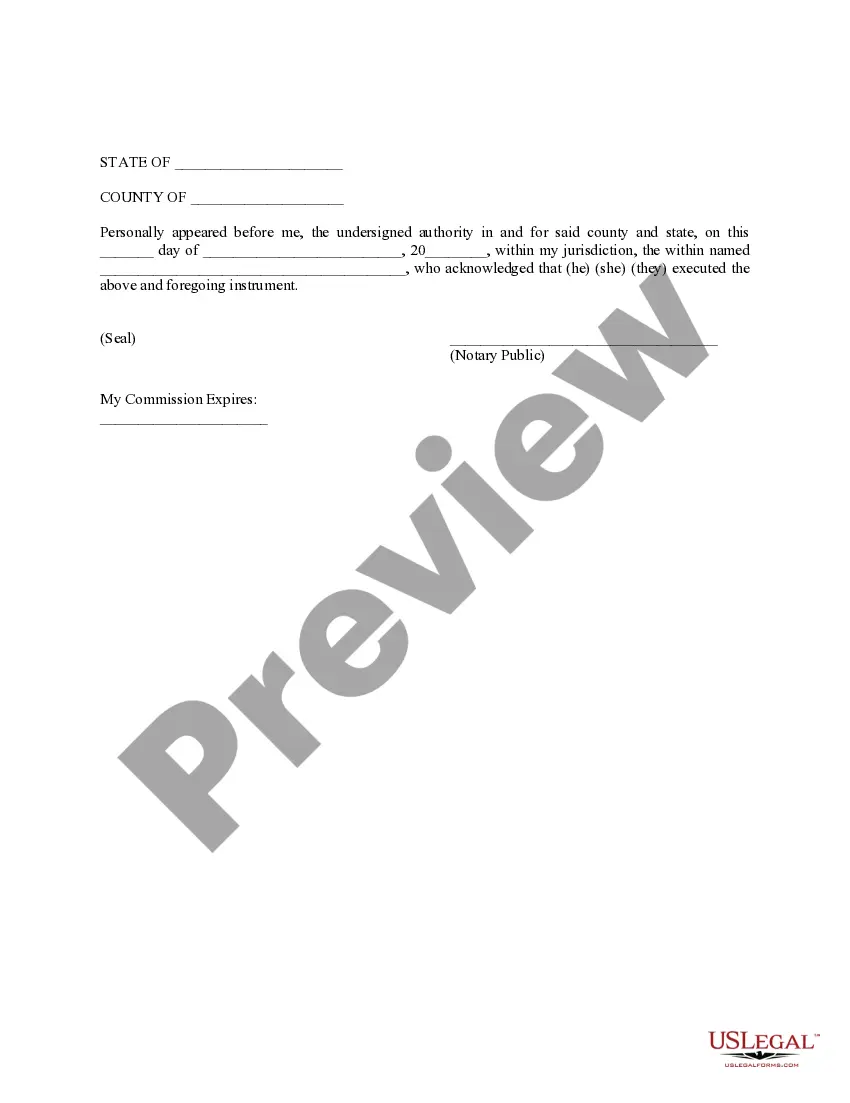
- Signatures of both parties and a notary public for validation.

When to use this document
This affidavit should be used when a married couple purchases a home in Mississippi and needs to document their marital status and intent to use the home as their primary residence. It is particularly important in real estate transactions where establishing the property's intended use can affect property taxes and legal status.
Who this form is for
- Married couples purchasing a home in Mississippi.
- Home buyers who intend to occupy the property as their primary residence.
- Individuals needing to provide proof of their marital status for property transactions.
Instructions for completing this form
- Identify the full names of both parties at the beginning of the affidavit.
- Provide the complete address and legal description of the purchased property.
- Complete the statement confirming that the property will be used as a residence and homestead.
- Both parties should sign the affidavit before a notary public.
- Ensure that the date and the notary's details are accurately entered.
Notarization guidance
To make this form legally binding, it must be notarized. Our online notarization service, powered by Notarize, lets you verify and sign documents remotely through an encrypted video session.
Get your form ready online
Our built-in tools help you complete, sign, share, and store your documents in one place.
Make edits, fill in missing information, and update formatting in US Legal Forms—just like you would in MS Word.
Download a copy, print it, send it by email, or mail it via USPS—whatever works best for your next step.
Sign and collect signatures with our SignNow integration. Send to multiple recipients, set reminders, and more. Go Premium to unlock E-Sign.
If this form requires notarization, complete it online through a secure video call—no need to meet a notary in person or wait for an appointment.
We protect your documents and personal data by following strict security and privacy standards.

Make edits, fill in missing information, and update formatting in US Legal Forms—just like you would in MS Word.

Download a copy, print it, send it by email, or mail it via USPS—whatever works best for your next step.

Sign and collect signatures with our SignNow integration. Send to multiple recipients, set reminders, and more. Go Premium to unlock E-Sign.

If this form requires notarization, complete it online through a secure video call—no need to meet a notary in person or wait for an appointment.

We protect your documents and personal data by following strict security and privacy standards.
Typical mistakes to avoid
- Failing to provide both parties' full legal names.
- Omitting the complete address or legal description of the property.
- Not including a statement on the intended use of the property.
- Forgetting to sign the document in the presence of a notary public.
Benefits of using this form online
- Immediate download: Access the form as soon as you complete your order.
- Editable templates: Customize the affidavit to fit your specific situation without hassle.
- Convenience: Complete the form from the comfort of your home, avoiding in-person visits to legal offices.
- Reliability: Ensure the form is drafted according to Mississippi state laws.
Summary of main points
- The Affidavit of Married Couple Regarding Home Purchase is essential for married couples buying a home in Mississippi.
- It serves to verify the marital status of the buyers and their intent to use the property as their homestead.
- This form must be notarized to ensure its legal validity.
- Accurate completion is crucial to avoid common mistakes and ensure compliance with state requirements.
Looking for another form?
Form popularity
FAQ
California is a community property state, which is a policy that only applies to spouses and domestic partners.The only property that doesn't become community property automatically are gifts and inheritances that one spouse receives.
The mortgage or deed of trust says that if you don't, the lender can foreclose on the house. If your spouse isn't your co-buyer, she doesn't have to sign the note, but the lender may insist she sign the mortgage. That ensures the lender's claim on the property trumps any marital rights she has to the house.
California is a community property state. Non-borrowing spouses are required to sign the Mortgage, CD and Right of Rescission (if applicable).
Wives : A wife is entitled to an equal share of her husband's property like other entitled heirs. If there are no sharers, she has full right to the entire property.She is also entitled to maintenance, support and shelter from husband, and if staying in a joint family, from the family.
A wife is entitled to inherit an equal share of her husband's property. However, if the husband has excluded her from his property through a will, she does not have a right to her husband's property. Moreover, a wife has a right to her husband's ancestral property.
In cases where a couple shares a home but only one spouse's name is on it, the home will not automatically pass to the surviving pass, if his or her name is not on the title.
It's often easier to qualify for a joint mortgage, because both spouses can contribute income and assets to the application. However, if one spouse can qualify for a mortgage based on his own income and credit, the mortgage does not need to be in both spouses' names unless you live in a community property state.
In California, all property bought during the marriage with income that was earned during the marriage is deemed "community property." The law implies that both spouses own this property equally, regardless of which name is on the title deed.
California married couples generally have three options to take title to their community (vs separate) property real estate: community property, joint tenancy or Community Property with Right of Survivorship. The latter coming into play in California July of 2001.