Mississippi Petition for letters of administration
Overview of this form
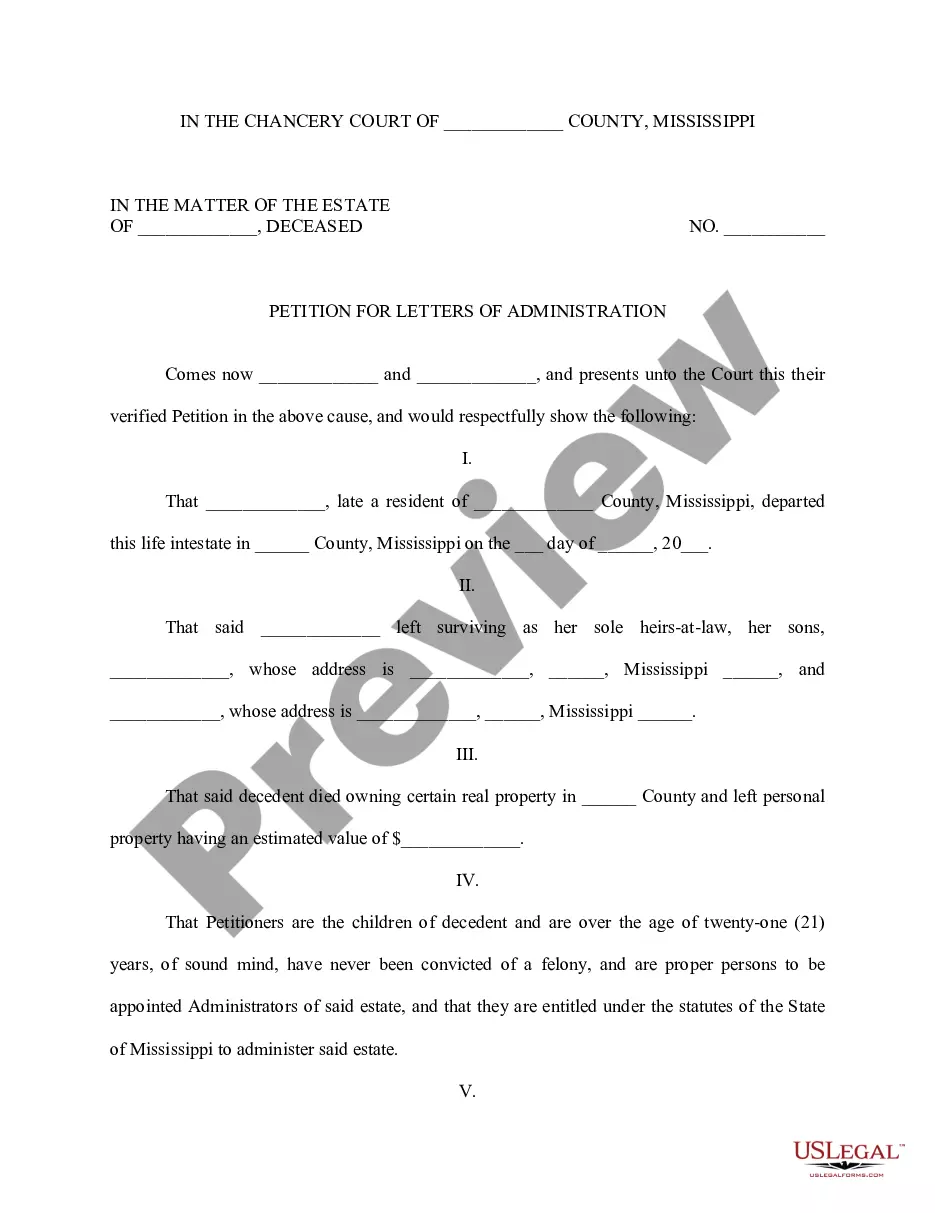
The Petition for Letters of Administration is a legal document filed in probate court by eligible heirs of a deceased individual who passed away without a will, known as intestate. This form allows heirs to seek permission from the court to manage and administer the deceased's estate, which may include specific real and personal property. This form is crucial for those needing to take control of an estate when no will exists, setting it apart from other probate forms that may require a will to proceed.
Key components of this form
- Identification of the deceased and the parties filing the petition.
- Details about the deceased's residency and date of death.
- Information on the heirs-at-law and their eligibility.
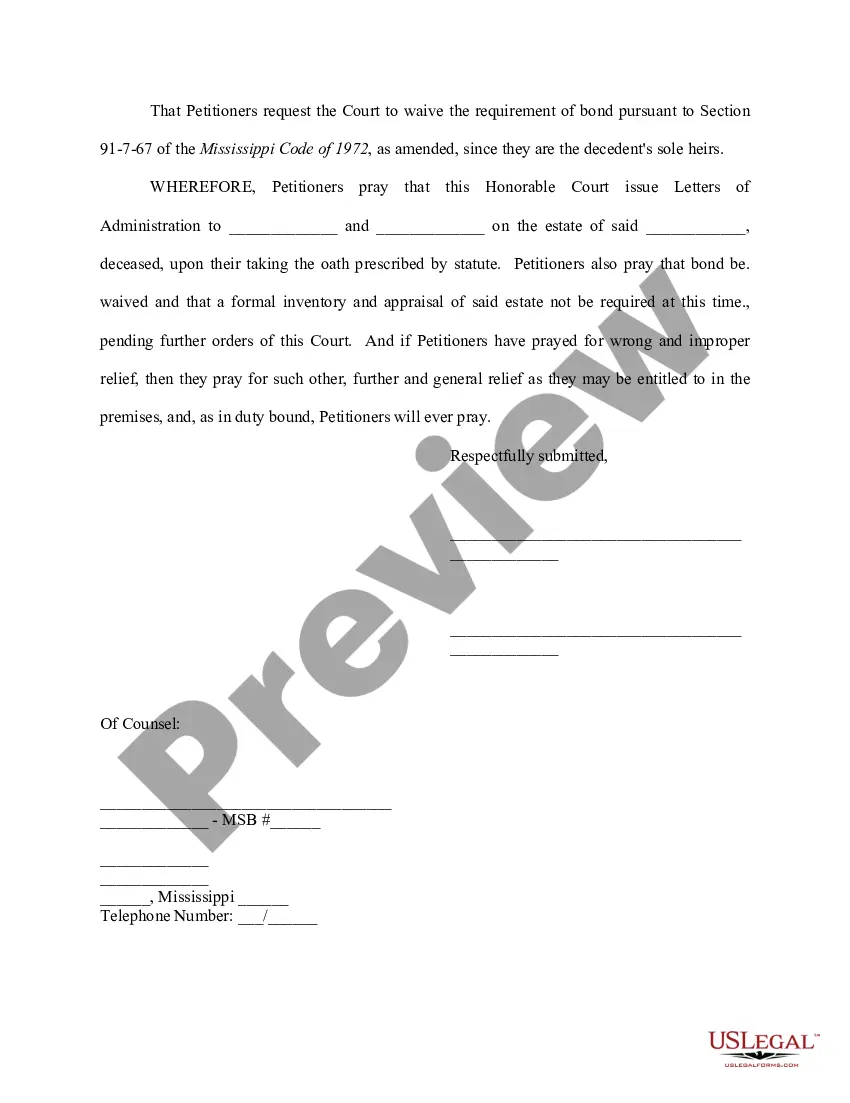
- Inventory of the real and personal property owned by the deceased.
- Request for waiver of bond and stipulations regarding estate administration.
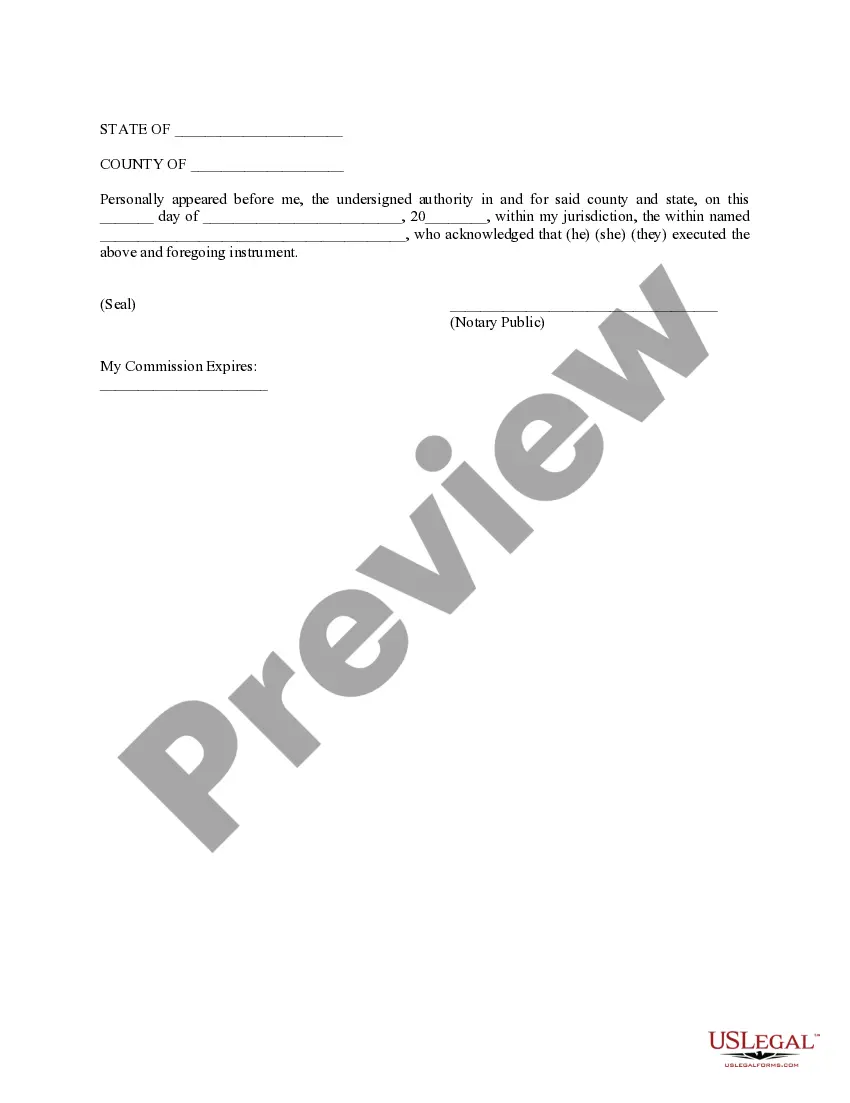
- Signed verification and acknowledgment section before a notary public.
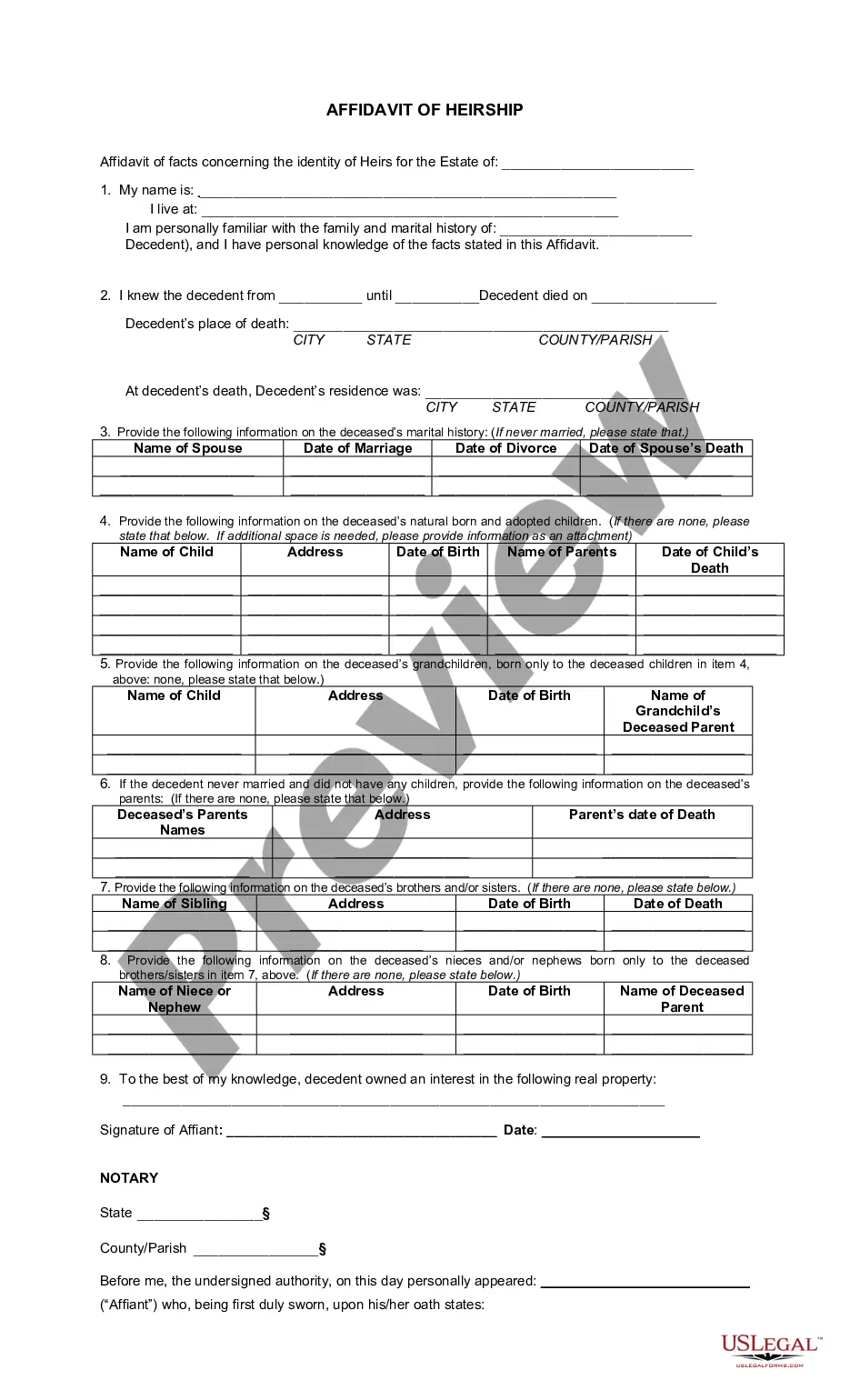
Common use cases
This petition is typically used when someone dies intestate, meaning there is no will in place. Eligible heirs may use this form when they need to manage the deceased's estate, including property ownership and debts. It is essential when processing the estate through probate court to ensure proper legal standing and responsibilities are assigned to the heir applicants.
Intended users of this form
Eligible individuals who can use this form include:
- Heirs-at-law of the deceased (children, parents, siblings) who have a legal entitlement to the estate.
- Individuals who meet age and competency requirements (over twenty-one years old and of sound mind).
- Those who have not been convicted of a felony.
Completing this form step by step
- Begin by filling in the name of the deceased and the probate court case number.
- Provide the deceased's residency information and date of death.
- List all surviving heirs-at-law along with their addresses.
- Detail the real and personal property owned by the deceased, including estimated value.
- Indicate the request to waive bond if applicable and ensure all required signatures are present.
- Complete the verification section in front of a notary public.
Notarization requirements for this form
Yes, this form must be notarized to be legally valid. This ensures that all signatures are authenticated, providing an additional layer of trust to the document. US Legal Forms offers integrated online notarization services, available 24/7 via secure video calls, making it easy to complete this requirement without the need for in-person visits.
Get your form ready online
Our built-in tools help you complete, sign, share, and store your documents in one place.
Make edits, fill in missing information, and update formatting in US Legal Forms—just like you would in MS Word.
Download a copy, print it, send it by email, or mail it via USPS—whatever works best for your next step.
Sign and collect signatures with our SignNow integration. Send to multiple recipients, set reminders, and more. Go Premium to unlock E-Sign.
If this form requires notarization, complete it online through a secure video call—no need to meet a notary in person or wait for an appointment.
We protect your documents and personal data by following strict security and privacy standards.

Make edits, fill in missing information, and update formatting in US Legal Forms—just like you would in MS Word.

Download a copy, print it, send it by email, or mail it via USPS—whatever works best for your next step.

Sign and collect signatures with our SignNow integration. Send to multiple recipients, set reminders, and more. Go Premium to unlock E-Sign.

If this form requires notarization, complete it online through a secure video call—no need to meet a notary in person or wait for an appointment.

We protect your documents and personal data by following strict security and privacy standards.
Avoid these common issues
- Not listing all surviving heirs, which can delay the process.
- Omitting property details, leading to incomplete petitions.
- Failing to have the form notarized when required.
- Incorrectly specifying the request for waiver of bond.
Why use this form online
- Convenience: Access and download the form at any time from anywhere.
- Editability: Easily fill out and customize the form digitally.
- Reliability: Ensure that you have the latest and most accurate version of the form.
Summary of main points
- The Petition for Letters of Administration is essential for managing an intestate estate.
- Eligibility is limited to legal heirs who have the necessary qualifications.
- Completing the form accurately avoids delays in probate proceedings.
Looking for another form?

Form popularity
FAQ
The Mississippi Petition for Letters of Administration is a probate filing by an eligible heir when someone dies without a will. It asks the probate court to grant authority to manage and administer the decedent's estate, including real and personal property. The petition may request a bond waiver and requires verification before a notary. It initiates intestate administration in Mississippi.
To fill out the Mississippi Petition for Letters of Administration, start by identifying the deceased and the petitioners, then include the deceased’s residency and date of death. List the heirs‑at‑law and their eligibility, provide a full inventory of real and personal property, note any bond waiver requests, and sign the verification before a notary.
Required items include identification of the deceased and petitioners, the deceased’s residency and date of death, a listing of heirs‑at‑law and their eligibility, an inventory of real and personal property, proposed bond status, and a verification sworn before a notary. These components establish legal standing to administer the estate in Mississippi.
File the Mississippi Petition for Letters of Administration with the court, showing you are an eligible heir. Provide the deceased’s residency and date of death, identify heirs‑at‑law, and include a full property inventory. If bond is requested or waived, include that in the petition and complete the verification before a notary.
Common mistakes include failing to correctly identify the decedent and petitioners, omitting residency or date of death, overlooking heirs‑at‑law or misranking eligibility, neglecting to inventory both real and personal property, forgetting to address bond waivers, or missing a properly notarized verification.
This form is for intestate estates, where there is no will, and it seeks court authority for heirs‑at‑law to administer the estate (potentially with a bond waiver). In contrast, probating with a will typically follows a different petition and appoints an executor or personal representative under the will.