Mississippi Affidavit of Domicile
Understanding this form
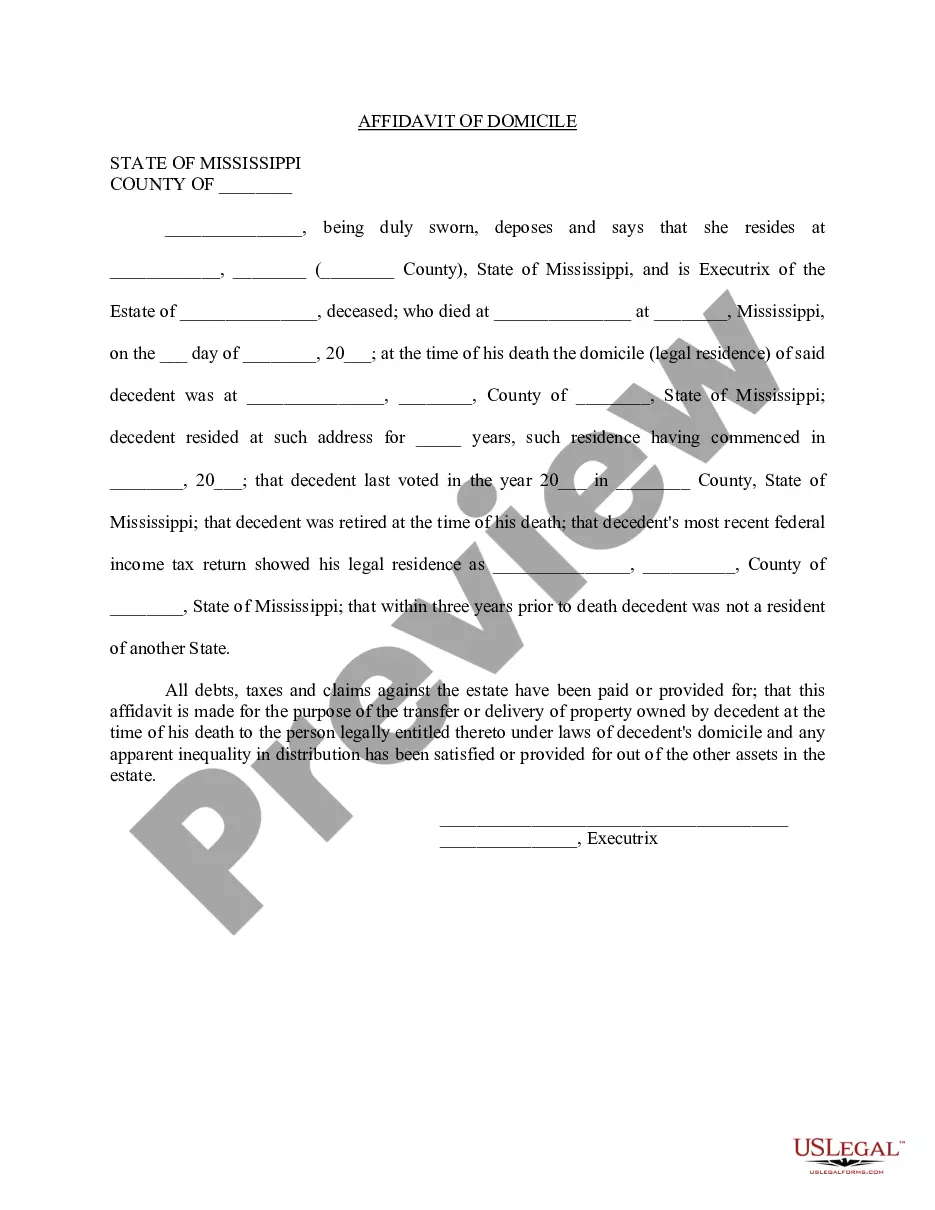
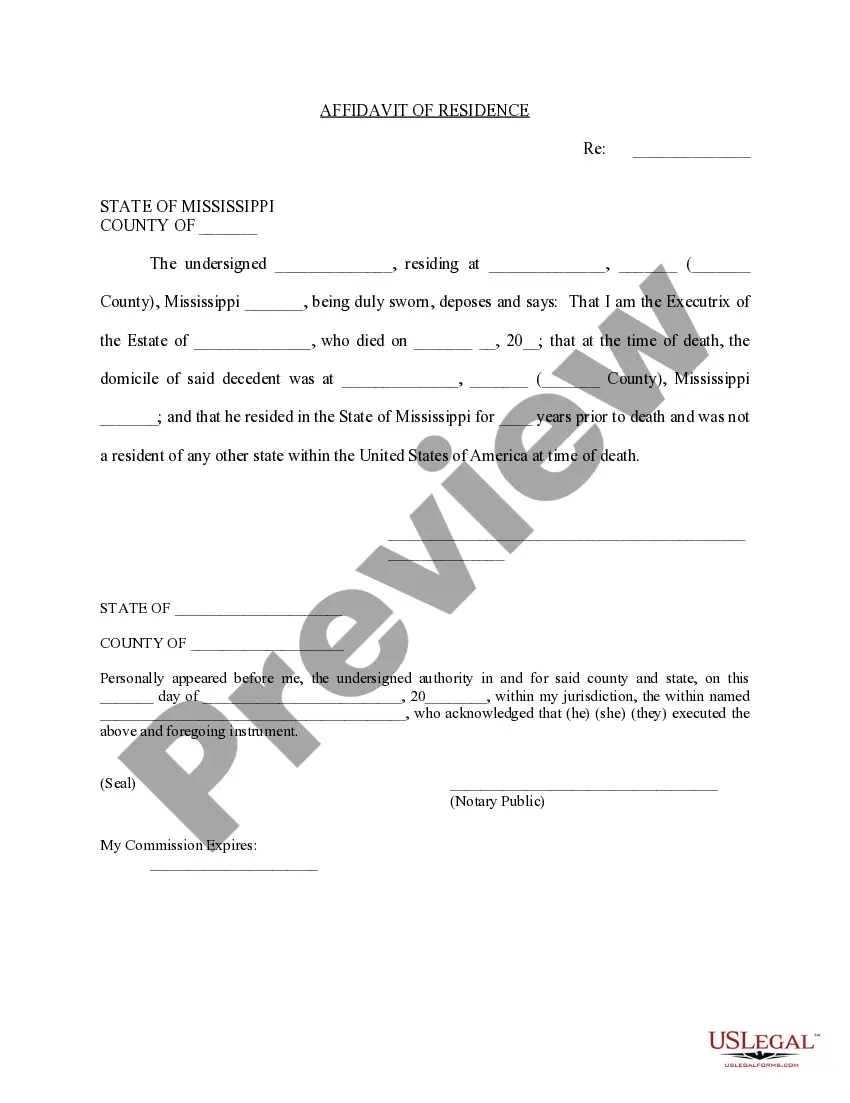
The Affidavit of Domicile is a legal document used to verify the residence of a deceased person at the time of their death. This form is typically employed during the estate settlement process to affirm the decedentâs last known address, which is critical for the administration of the estate and the transfer of property. Unlike other affidavits, the Affidavit of Domicile specifically addresses the decedentâs legal residence, ensuring clarity for beneficiaries and legal representatives.
Key components of this form
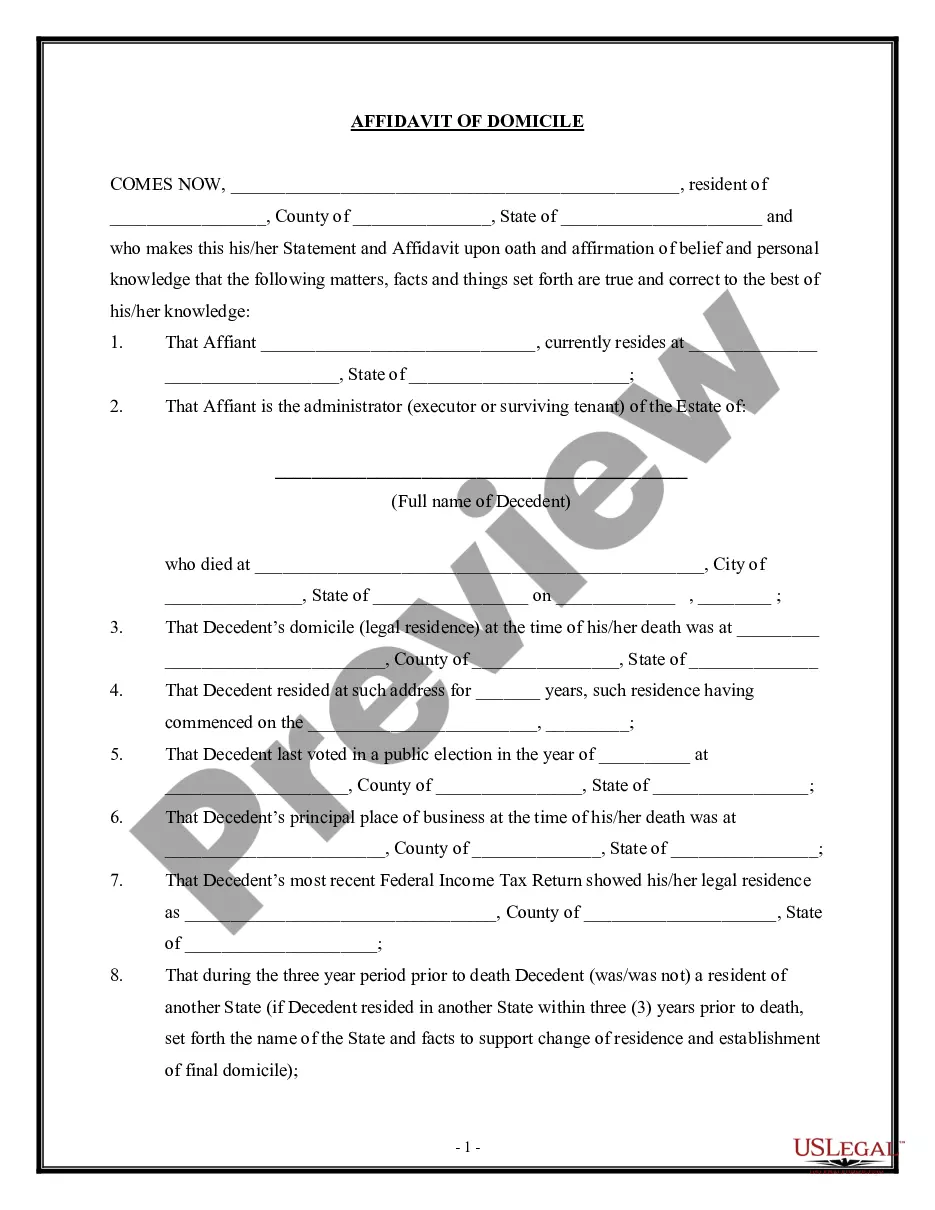
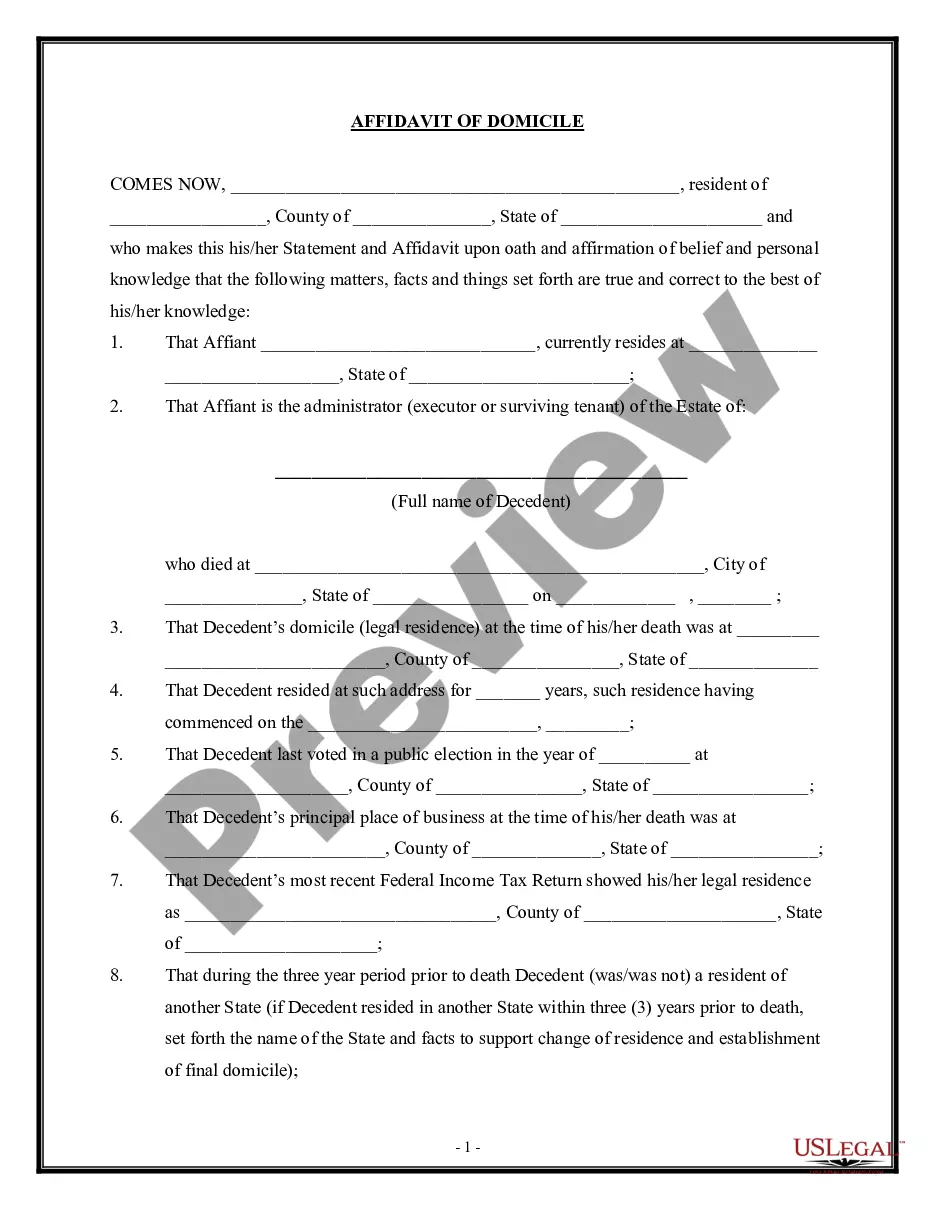
- Affiant's sworn statement confirming their residence.
- Name and address of the decedent, including the county and state.
- Date and location of the decedentâs death.
- Duration of the decedentâs residence at the specified address.
- Information confirming the decedentâs voting history and tax returns.
- Statement regarding the settlement of debts and claims against the estate.
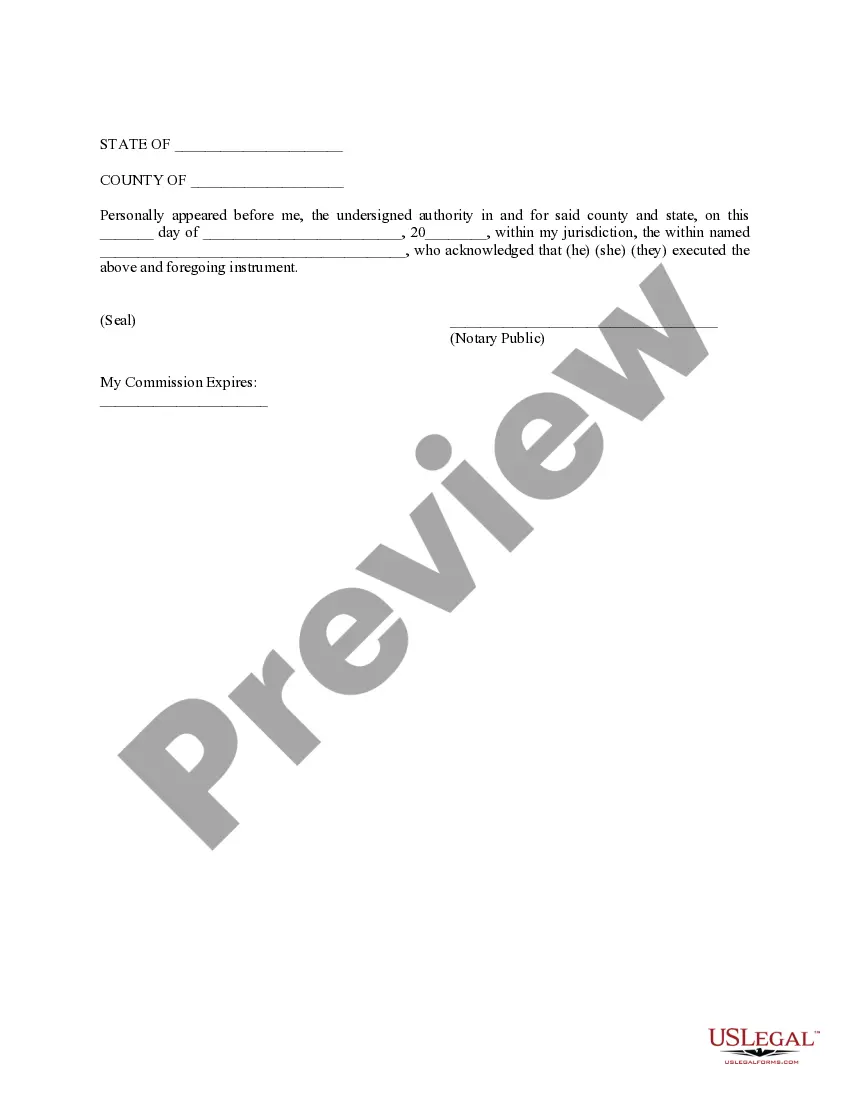
- Signatures of the Executrix and a notary public.

When to use this document
This form is useful in situations where an estate is being settled or property is being transferred following a person's death. It is particularly necessary when claims to property or assets are contested, or when there is a need to establish the legal residence of the decedent for various legal and tax purposes. By providing a sworn statement of residence, the Affidavit of Domicile can help simplify and expedite the probate process.
Who can use this document
- Executors or Administrators of an estate.
- Beneficiaries seeking to establish their rights to inheritance.
- Attorneys representing clients in estate matters.
- Individuals who need to verify the residency of a deceased relative.
Steps to complete this form
- Enter the name and address of the affiant (the person making the affidavit).
- Fill in the deceasedâs name and last known address, including county and state.
- Provide the date and location of the decedentâs death.
- Indicate the duration of the decedentâs residency at the given address and details of their voting history.
- State any debts or claims against the estate and confirm they have been settled.
- Sign the affidavit in the presence of a notary public, ensuring it is notarized.
Notarization guidance
Yes, this form must be notarized to be legally valid. The affidavit must be signed in front of a notary public, ensuring that the information provided is sworn to be true. US Legal Forms offers an integrated online notarization service, allowing users to complete this process securely via video call, available 24/7 without the need to travel.
Get your form ready online
Our built-in tools help you complete, sign, share, and store your documents in one place.
Make edits, fill in missing information, and update formatting in US Legal Forms—just like you would in MS Word.
Download a copy, print it, send it by email, or mail it via USPS—whatever works best for your next step.
Sign and collect signatures with our SignNow integration. Send to multiple recipients, set reminders, and more. Go Premium to unlock E-Sign.
If this form requires notarization, complete it online through a secure video call—no need to meet a notary in person or wait for an appointment.
We protect your documents and personal data by following strict security and privacy standards.

Make edits, fill in missing information, and update formatting in US Legal Forms—just like you would in MS Word.

Download a copy, print it, send it by email, or mail it via USPS—whatever works best for your next step.

Sign and collect signatures with our SignNow integration. Send to multiple recipients, set reminders, and more. Go Premium to unlock E-Sign.

If this form requires notarization, complete it online through a secure video call—no need to meet a notary in person or wait for an appointment.

We protect your documents and personal data by following strict security and privacy standards.
Avoid these common issues
- Failing to provide complete and accurate information about the decedentâs residence.
- Not having the affidavit notarized, which is crucial for legal validity.
- Omitting the necessary details regarding debts or claims against the estate.
- Forgetting to sign and date the form in the presence of the notary public.
Benefits of using this form online
- Convenient access to legally vetted templates that ensure compliance with state laws.
- Edit and customise the document easily for your specific situation.
- Downloadable format allows for quick printing and submission.
- Access to resources explaining legal jargon and ensuring understanding of each component.
What to keep in mind
- The Affidavit of Domicile is essential for verifying a deceased person's residency.
- It helps streamline the estate settlement process and legal property transfers.
- Proper completion and notarization are crucial for the document's validity.
Looking for another form?

Form popularity
FAQ
To fill out an affidavit example for a Mississippi Affidavit of Domicile, begin by reviewing a sample document to understand the required sections. Input your personal information accurately, ensuring each part reflects your current residency situation. Make sure to follow the format and include signatures as needed. For convenience, US Legal Forms offers example documents along with instructions to assist you in completing your affidavit correctly.
Writing a Mississippi Affidavit of Domicile involves stating your full name, current residence, and affirming your domicile status. Clearly outline your intention to declare Mississippi as your primary residence. You should also include any relevant dates and details that support your claim. Using US Legal Forms can streamline this process by providing a structured template to follow.
Any individual who is a resident of Mississippi can complete a Mississippi Affidavit of Domicile. Typically, this includes property owners or individuals needing to establish their legal residency for various purposes. It is important to ensure that the affidavit is signed under oath in front of a notary. If you need assistance, US Legal Forms offers resources to help you navigate this process effortlessly.
To fill out a Mississippi Affidavit of Domicile, start by entering your name and current address at the top of the document. Next, provide your previous address if applicable, along with details about your residency in Mississippi. Be sure to include any necessary witness signatures and dates. You can simplify this process by using the US Legal Forms platform, which provides templates and guidance for accurate completion.
In Mississippi, proof of residency can include various documents that verify your address. Common examples are utility bills, bank statements, or government correspondence that clearly show your name and address. Additionally, a Mississippi Affidavit of Domicile can also serve as proof of residency, especially when establishing your permanent home for legal purposes. By utilizing the US Legal Forms platform, you can easily access templates and guidance for creating a valid affidavit tailored to Mississippi's requirements.
An affidavit of domicile is a legal document used to confirm a person's permanent residence or home address. In the context of estate planning, this document often helps establish where a deceased individual resided at the time of their passing. The Mississippi Affidavit of Domicile serves to clarify the deceased's intentions regarding their estate, helping to streamline the probate process. By using this affidavit, individuals can ensure that their assets are distributed according to their wishes.
Financial Paperwork. Taxes. Court or Government Documents. Register to Vote. House-Related Paperwork. Other Insurance Policies. Your Vehicle. Your Job.
Mississippi License Requirements You will need your Social Security Card, birth certificate, and proof of domicile. If you are under 18 years old, you will also need a certification of school attendance. At the DMV office, you'll complete an application for a Mississippi driver's license then pass a vision test.
Click AXcademy.com/fake-exam . This will take you to an exam sign-up but you don't have to complete it, of course. Sign-in. Click button Save and continue. Click button Continue to Pearson VUE. Now please find your MS ID in the upper right-hand corner.
Class R Regular License. No person shall drive or operate a motor vehicle other than a motorcycle upon the highways of the State of Mississippi without first securing an operator's license to drive on the highways of the state.