Mississippi Electrical Contract for Contractor
Understanding this form
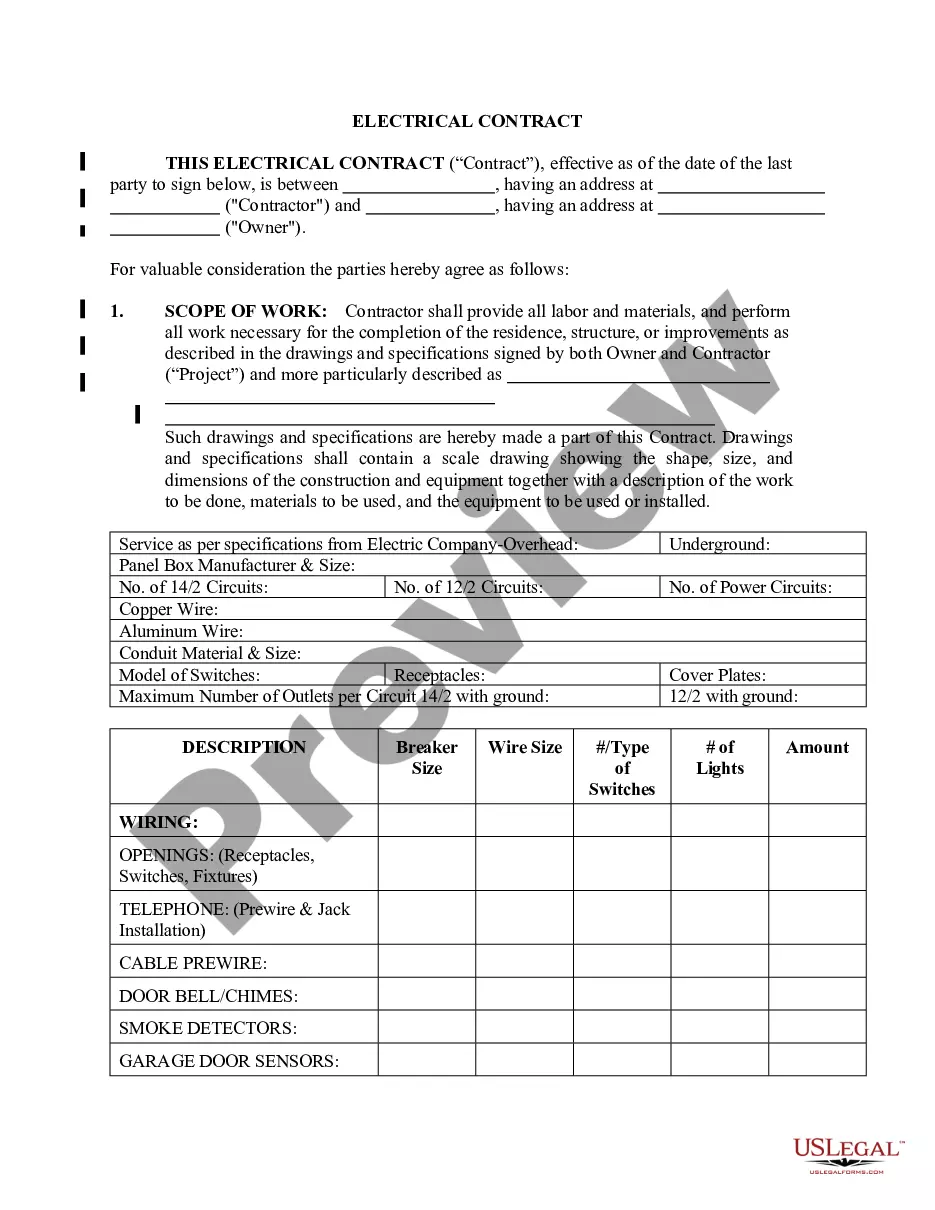
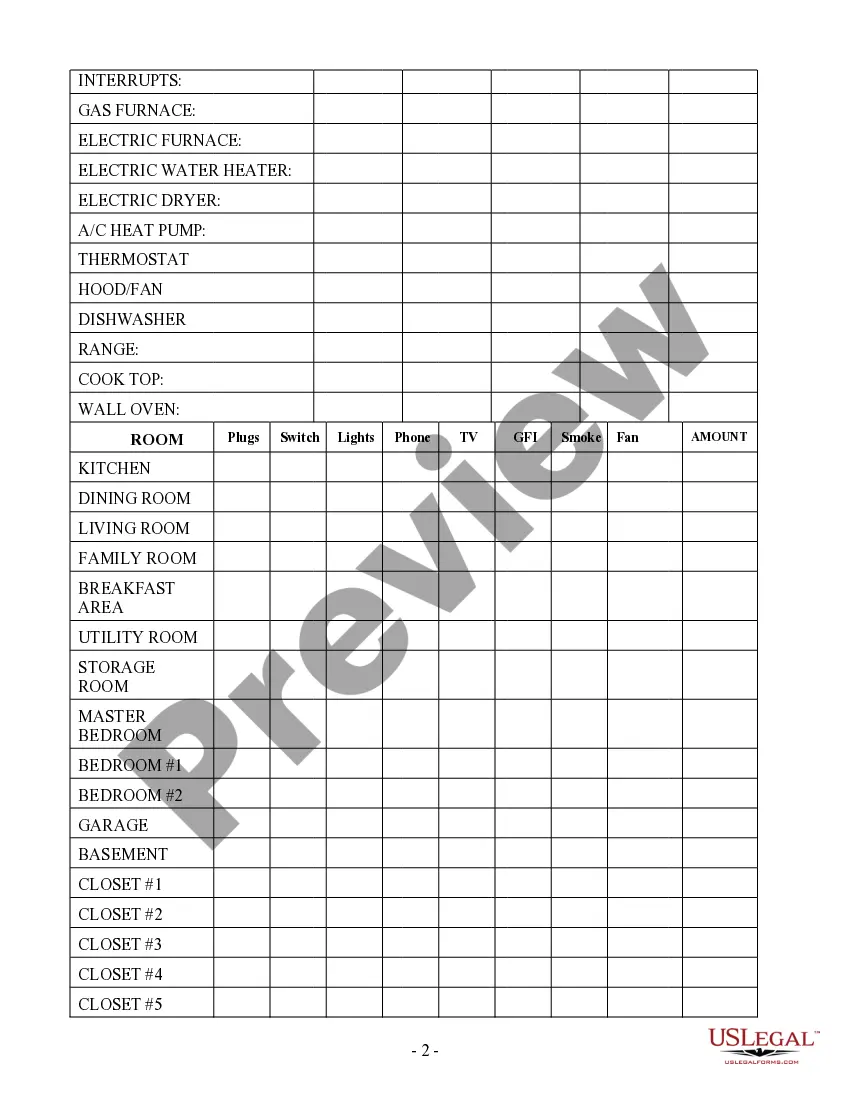
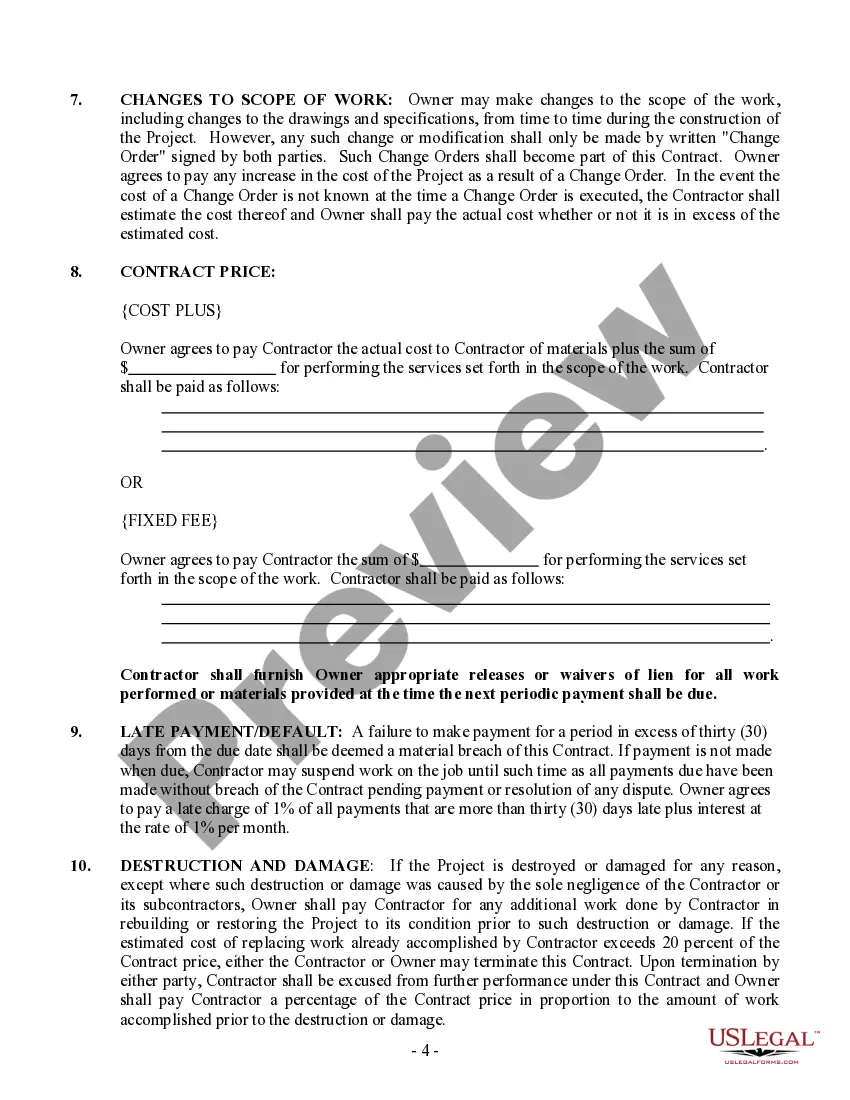
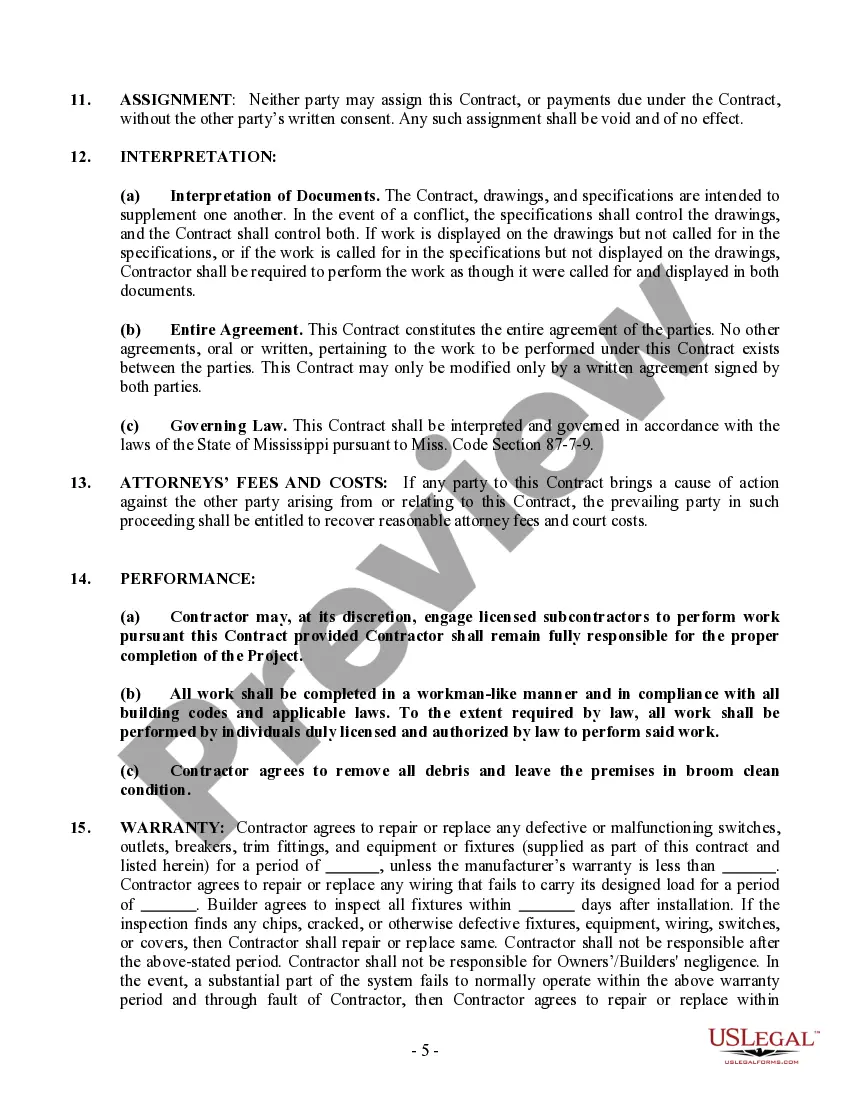
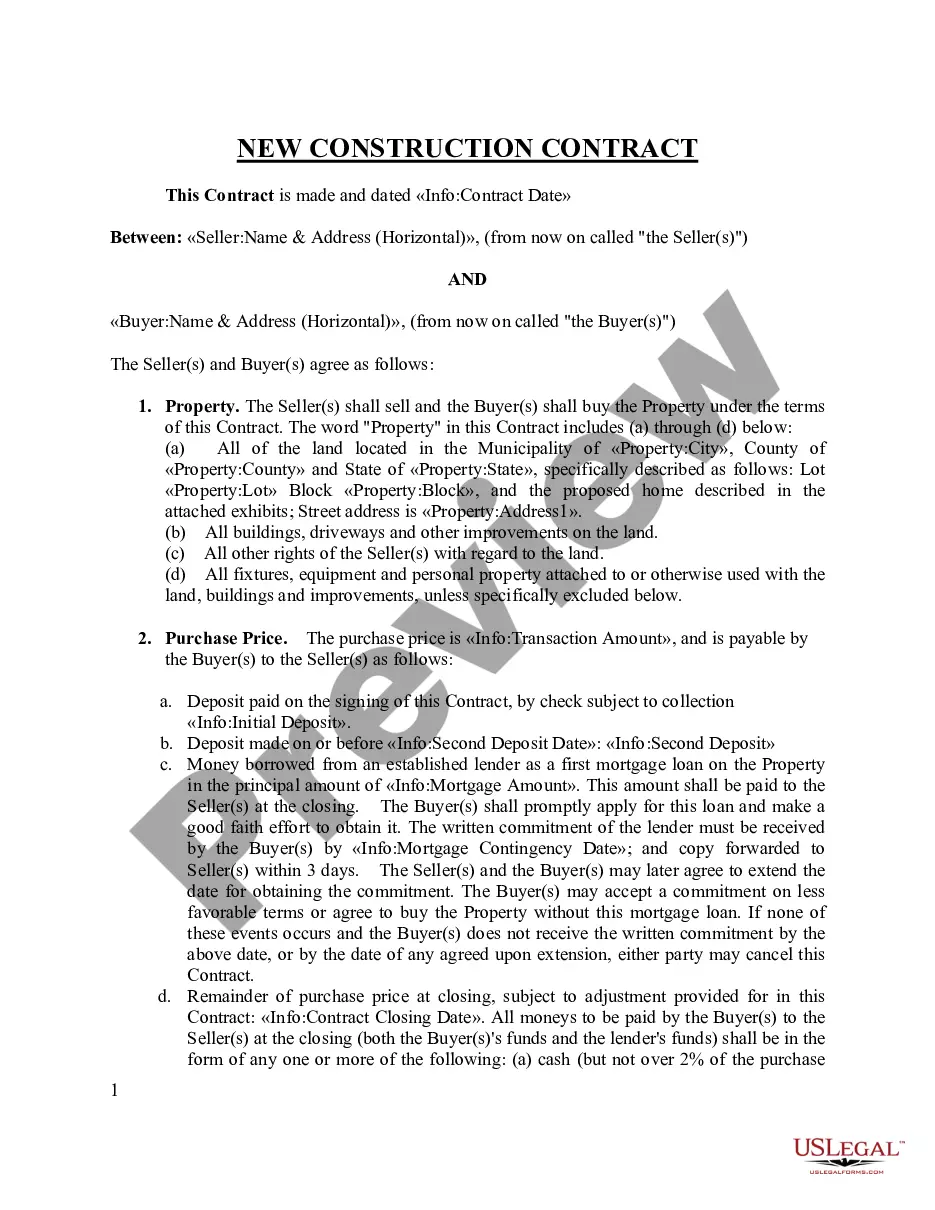
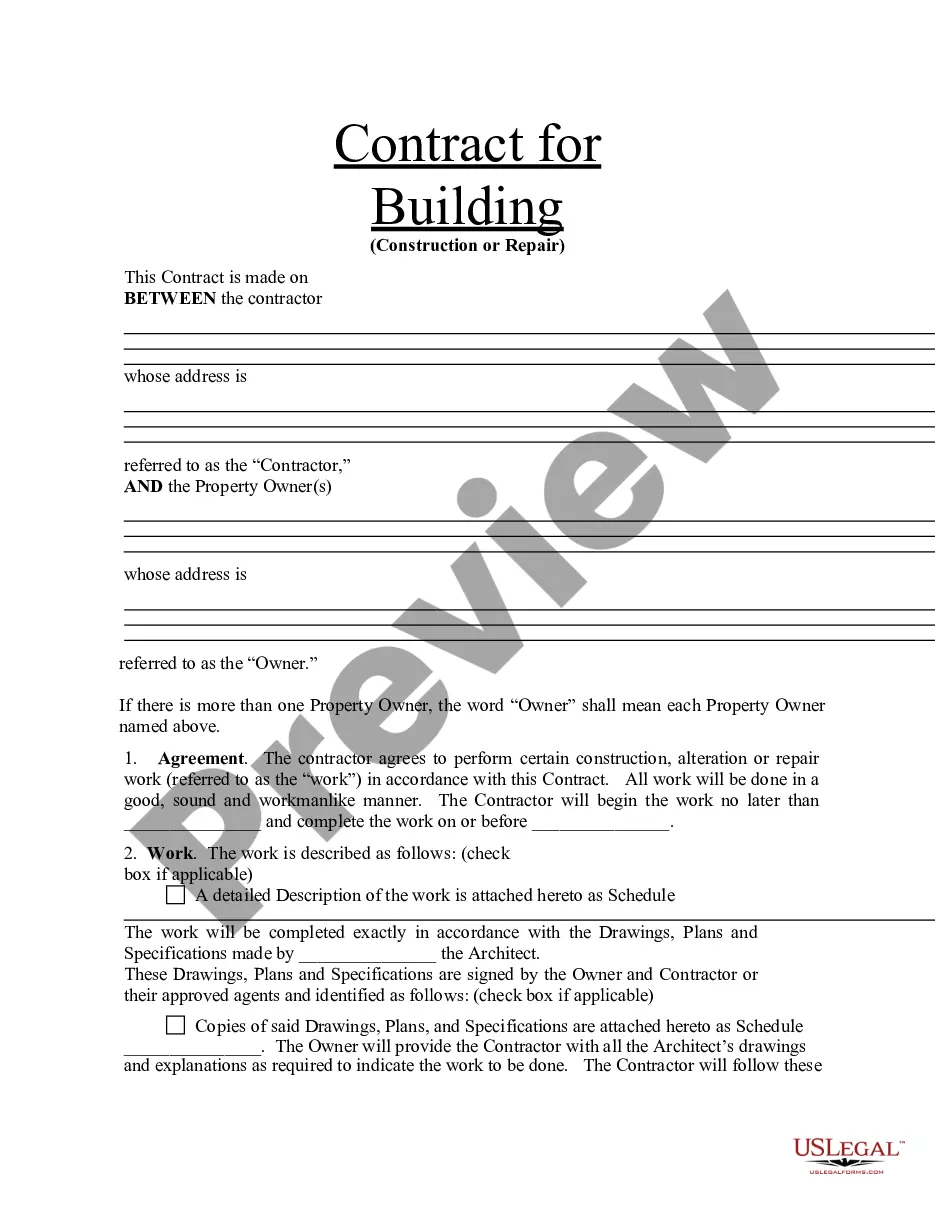
The Electrical Contract for Contractor is a legal document tailored for agreements between electrical contractors and property owners. This contract is crucial as it clarifies the payment arrangements, whether cost plus or fixed fee, and addresses various important elements such as change orders, warranty provisions, and insurance requirements. By providing a clear structure, this contract helps prevent misunderstandings and ensures that both parties know their rights and obligations, setting it apart from other general contractor agreements.
Form components explained
- Payment arrangement details: outlines whether the contract is a cost plus or fixed fee agreement.
- Change order provisions: specifies how modifications to the project are to be handled.
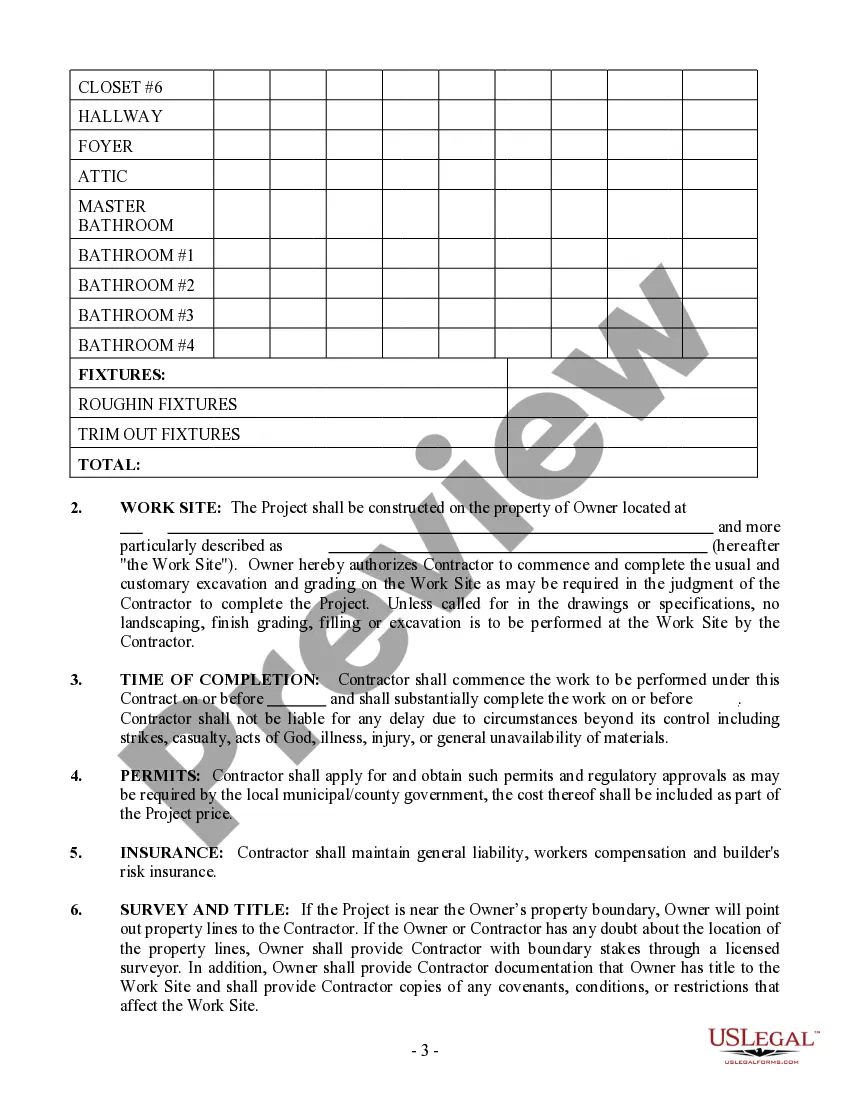
- Work site information: includes details about the location and specifics of the work to be performed.
- Warranty terms: defines the warranties provided by the contractor regarding the work completed.
- Insurance requirements: states the types and amounts of insurance coverage the contractor must maintain.

Common use cases
This form is essential when an electrical contractor is hired to perform work on a property. It is particularly useful when there are specific payment structures involved or when substantial changes to the work may occur during the project. By using this contract, both parties can clearly outline their expectations and responsibilities from the start, thus safeguarding their interests and minimizing potential disputes.
Who can use this document
- Electrical contractors seeking to formalize their agreements with property owners.
- Property owners who want to ensure all terms of engagement with their electrical contractor are clearly documented.
- Both parties looking for a structured approach to manage the financial and operational aspects of electrical work.
Completing this form step by step
- Identify the parties: Include the legal names of the electrical contractor and the property owner.
- Specify the payment arrangement: Indicate whether the project will follow a cost plus or fixed fee model.
- Detail the work to be performed: Describe the specific electrical services to be provided.
- Include warranty and insurance clauses: Fill in information regarding warranties and required insurance coverages.
- Review and sign: Ensure both parties read the document thoroughly before signing to confirm their agreement to the terms.
Notarization guidance
Notarization is generally not required for this form. However, certain states or situations might demand it. You can complete notarization online through US Legal Forms, powered by Notarize, using a verified video call available anytime.
Get your form ready online
Our built-in tools help you complete, sign, share, and store your documents in one place.
Make edits, fill in missing information, and update formatting in US Legal Forms—just like you would in MS Word.
Download a copy, print it, send it by email, or mail it via USPS—whatever works best for your next step.
Sign and collect signatures with our SignNow integration. Send to multiple recipients, set reminders, and more. Go Premium to unlock E-Sign.
If this form requires notarization, complete it online through a secure video call—no need to meet a notary in person or wait for an appointment.
We protect your documents and personal data by following strict security and privacy standards.

Make edits, fill in missing information, and update formatting in US Legal Forms—just like you would in MS Word.

Download a copy, print it, send it by email, or mail it via USPS—whatever works best for your next step.

Sign and collect signatures with our SignNow integration. Send to multiple recipients, set reminders, and more. Go Premium to unlock E-Sign.

If this form requires notarization, complete it online through a secure video call—no need to meet a notary in person or wait for an appointment.

We protect your documents and personal data by following strict security and privacy standards.
Common mistakes to avoid
- Failing to include clear payment arrangements which can lead to misunderstandings.
- Not specifying details about the work required, resulting in scope creep during the project.
- Overlooking warranty and insurance provisions, which may expose both parties to unnecessary risk.
- Not reviewing the document carefully before signing to identify any potential issues.
Benefits of using this form online
- Convenience: Easily download and print the form from any device at any time.
- Editability: Customize the terms to fit your specific needs without any hassle.
- Reliability: Assurance that the form is drafted by licensed attorneys to comply with relevant laws.
Summary of main points
- The Electrical Contract for Contractor outlines essential terms between electrical contractors and property owners.
- Adherence to Mississippi laws is crucial for legal validity.
- Clear specification of work, payment terms, and responsibilities helps prevent disputes.
- Using this form can facilitate a smoother contracting process and protect both parties' interests.
Looking for another form?






Form popularity
FAQ
Submit an application to the Mississippi State Board of Contractors. Pass the Law and Business Management exam. Pass a Technical (trade) exam specific to the type of work you perform.
Successful general contractors often have a degree in construction management or civil engineering, along with several years in the construction industry. Regardless of your approach, start planning three to five years in advance to become a general contractor. At a minimum, you need to: Be at least 18 years old.
An electrical contractor is different from an electrician; an electrician is an individual tradesman and an electrical contractor is a business person or company that employs electricians.Electricians may work for an electrical contractor, or directly for individuals or companies.
Submit an application to the Mississippi State Board of Contractors. Pass the Law and Business Management exam. Pass a Technical (trade) exam specific to the type of work you perform.
Florida, Louisiana, Colorado, Connecticut, Kansas, Indiana, Kansas, Missouri, New Hampshire, New York, Ohio, Pennsylvania and Wyoming don't require a specific state license for contractors. Before starting a project, though, check local ordinances to see what licenses you need from your city or county.
Generally speaking, a general contractor is someone who manages a team of subcontractors to help do various types of construction projects in your home. A custom home builder, however, is specialized in building custom homes and is able to complete this specific type of project start to finish on their own.
Commercial and residential contractors and roofers are required to be licensed by the Mississippi State Board of Contractors. For more information on how to obtain a license please refer to the FAQ's section of our website or contact us at (800) 880-6161.
The Simple Differences Between an Electrician and a General Contractor. And there is a difference. While both can perform some of the same functions, the essential difference is that when you hire a general contractor you're hiring someone who is a licensed electrician, but not a master electrician.
Mississippi. A handyman does not need a license in Mississippi unless the residential job costs more than $10,000. In this case, you'll need a Residential Remodeling license issued by the Mississippi Contractor Licensing Board.