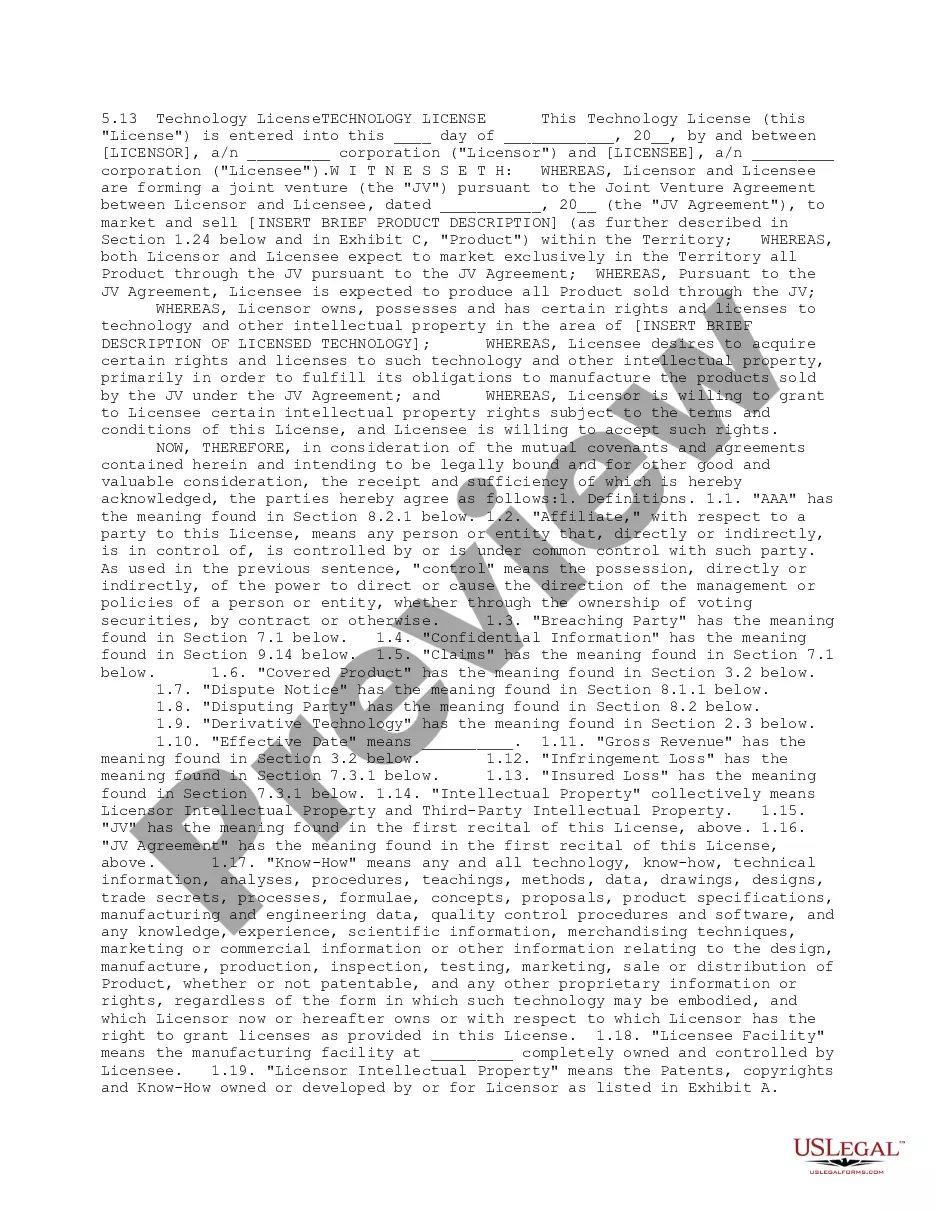
Minnesota Waiver and Release From Liability For Minor Child for Bowling Alley
Description
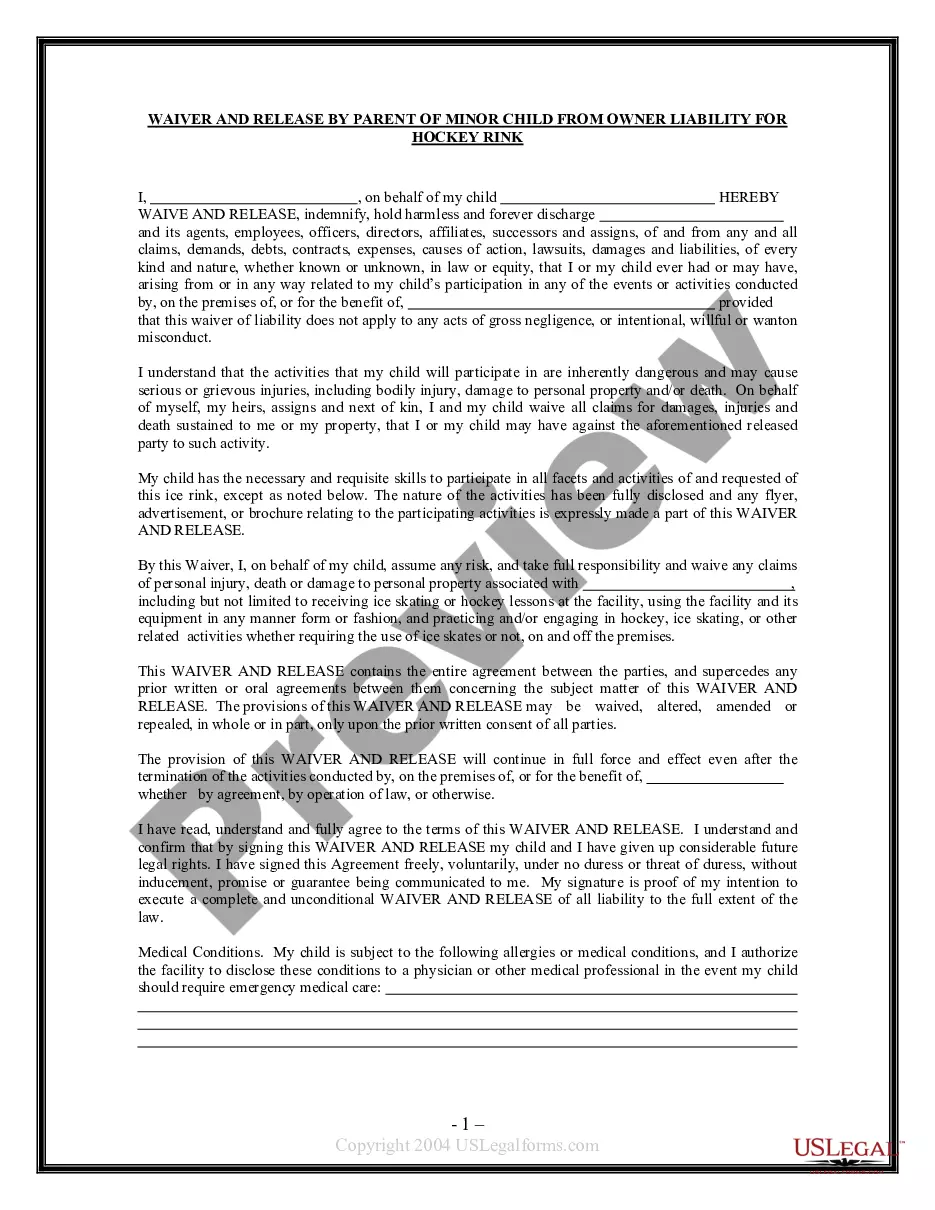
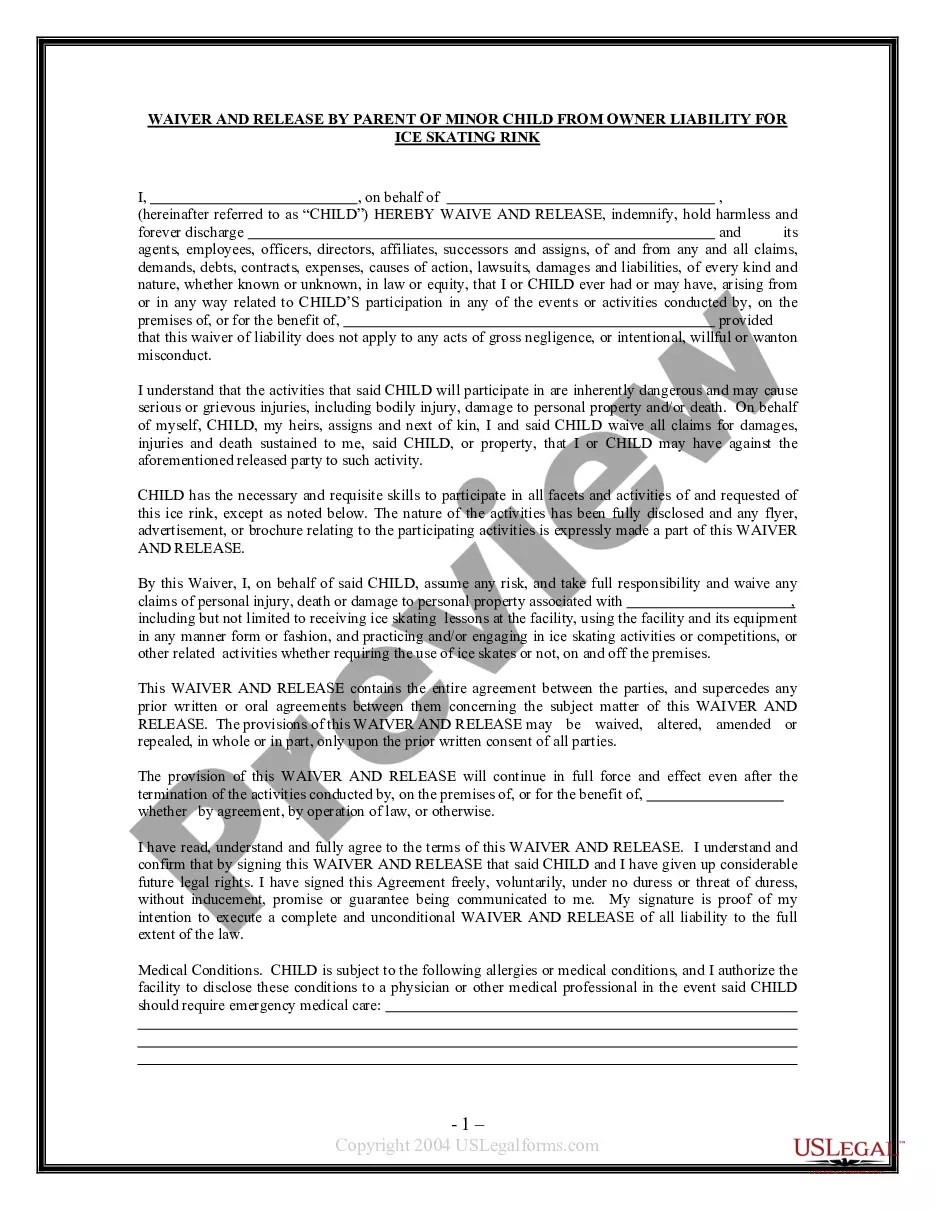
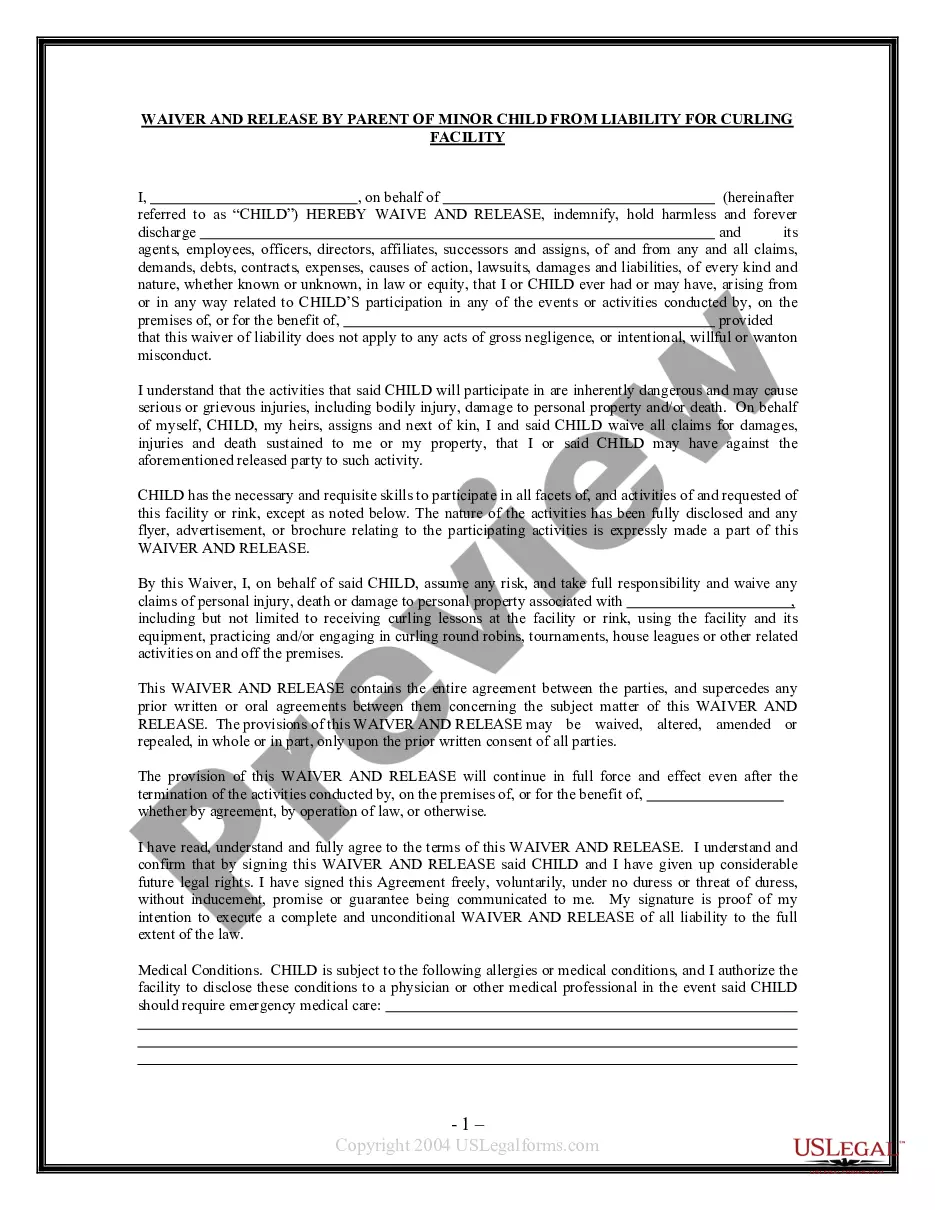
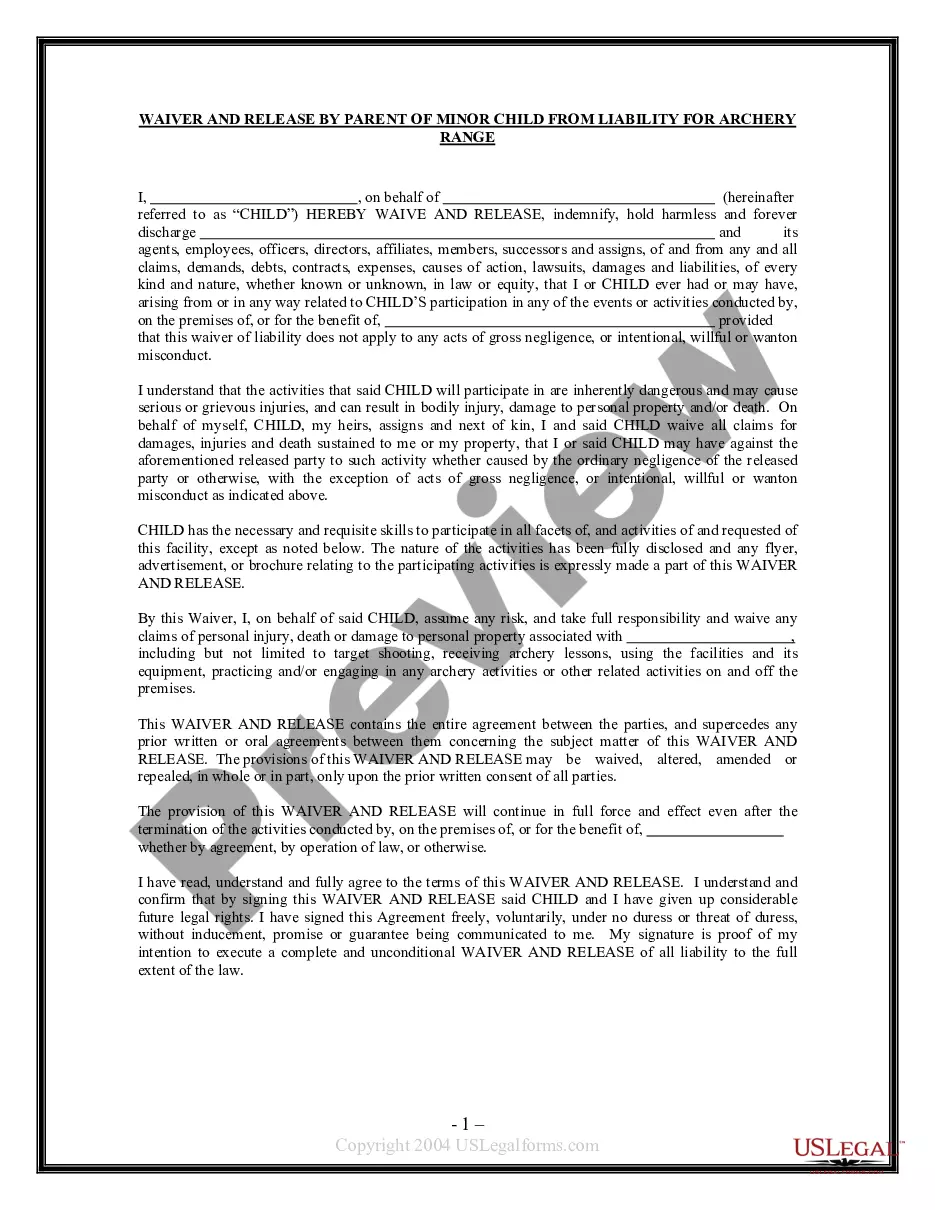

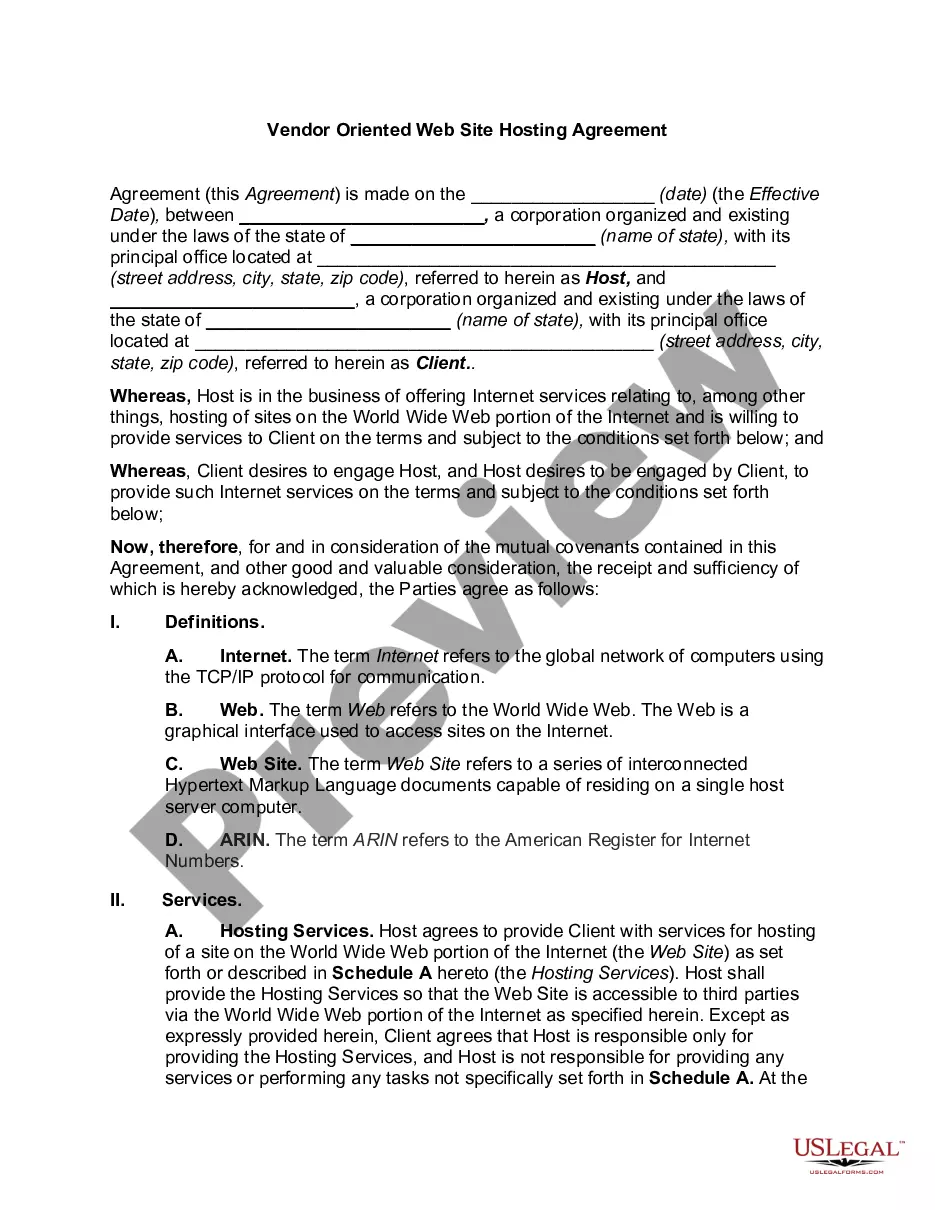
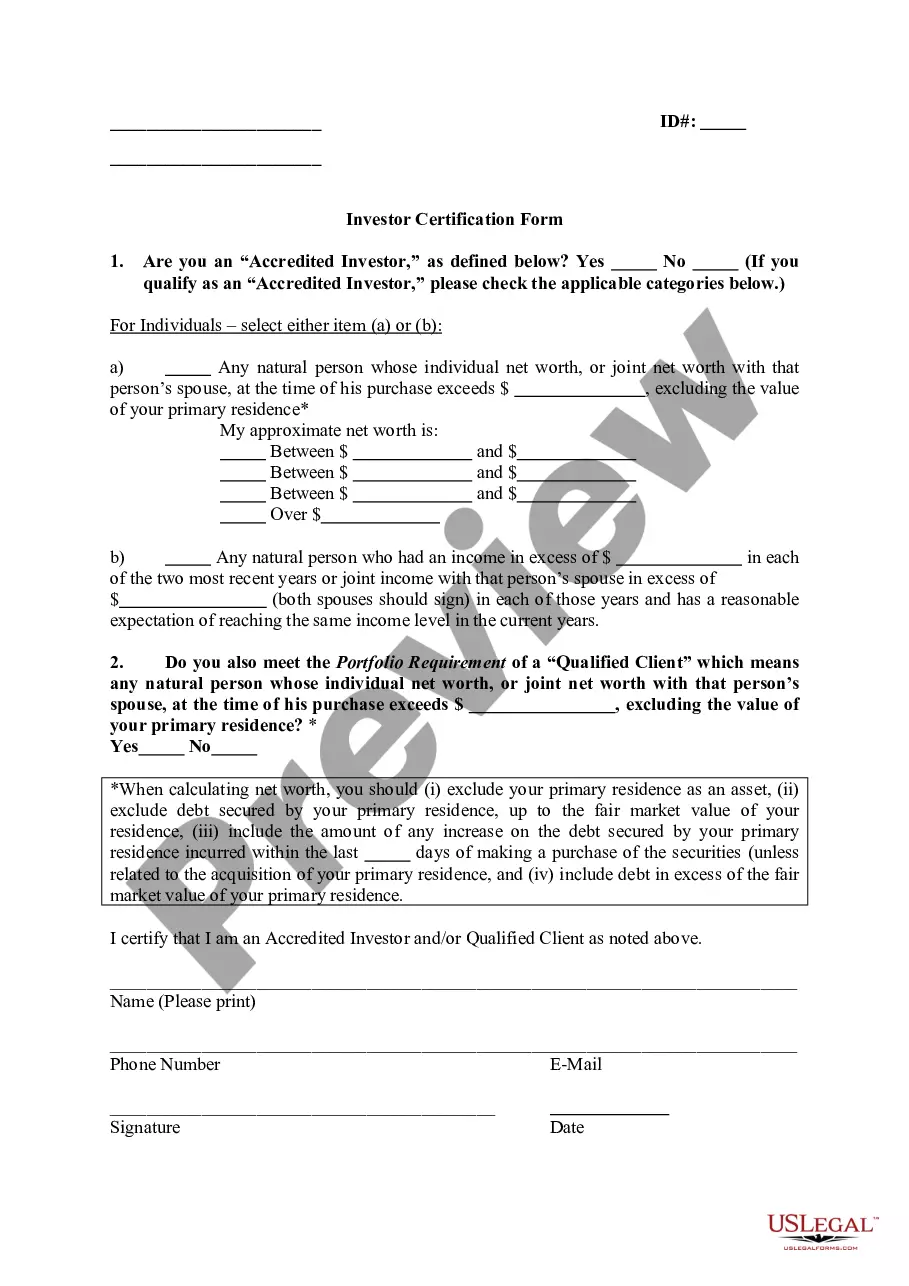
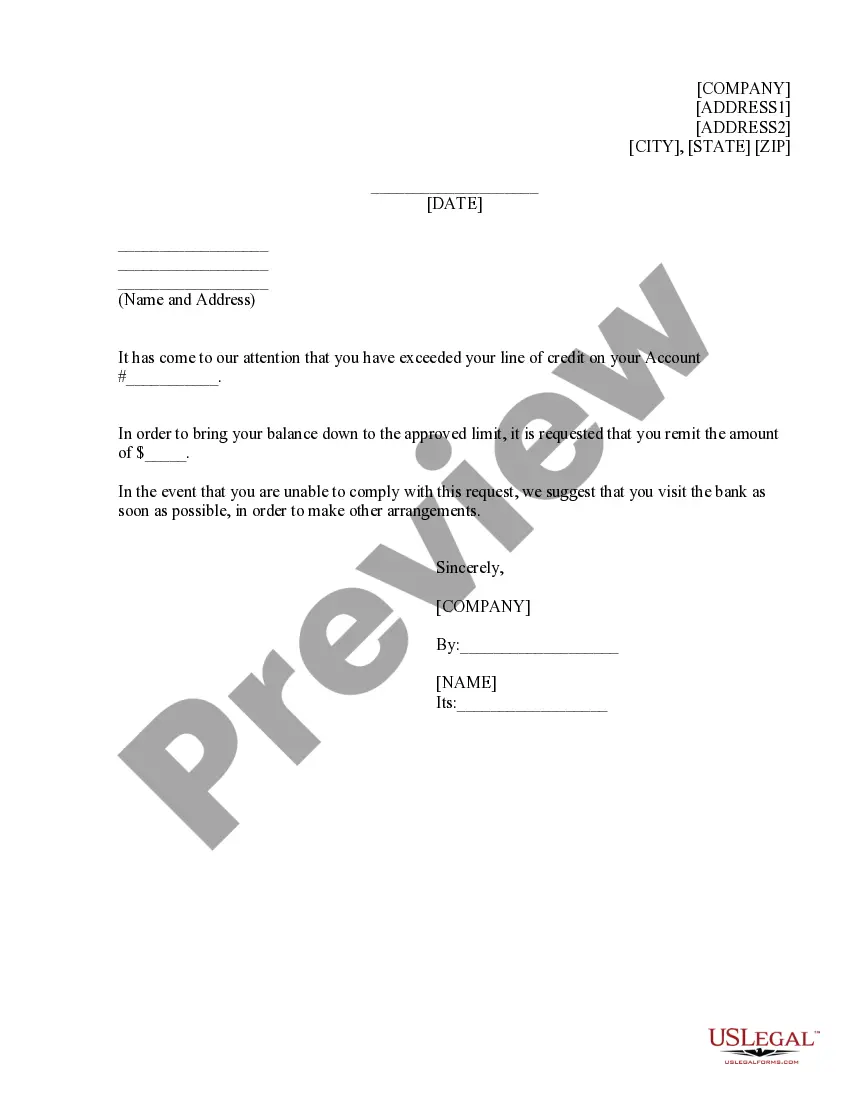
How to fill out Waiver And Release From Liability For Minor Child For Bowling Alley?
US Legal Forms - one of the largest collections of legal documents in the United States - provides a variety of legal document templates that you can download or create.
By utilizing the site, you can access thousands of forms for both business and personal purposes, organized by categories, states, or keywords. You can find the latest versions of forms such as the Minnesota Waiver and Release From Liability For Minor Child for Bowling Alley in seconds.
If you have a subscription, Log In and download the Minnesota Waiver and Release From Liability For Minor Child for Bowling Alley from the US Legal Forms library. The Download button will appear on each form you view. You have access to all previously downloaded forms within the My documents section of your account.
Select the format and download the form to your device. Make changes. Fill out, modify, and print and sign the downloaded Minnesota Waiver and Release From Liability For Minor Child for Bowling Alley.
Every template you added to your account has no expiration date and is yours indefinitely. Therefore, to download or print another copy, simply go to the My documents section and click on the form you need. Access the Minnesota Waiver and Release From Liability For Minor Child for Bowling Alley with US Legal Forms, the most extensive collection of legal document templates. Utilize thousands of professional and state-specific templates that cater to your business or personal needs.
- If you are using US Legal Forms for the first time, here are simple steps to get started.
- Ensure you have selected the correct form for your city/state. Click the Preview button to review the form's details.
- Read the form description to ensure you have chosen the right one.
- If the form does not meet your requirements, use the Search field at the top of the screen to find one that does.
- If you are satisfied with the form, confirm your choice by clicking the Get now button. Then, select the pricing plan you prefer and provide your details to register for the account.
- Process the transaction. Use your credit card or PayPal account to complete the purchase.
Form popularity
FAQ
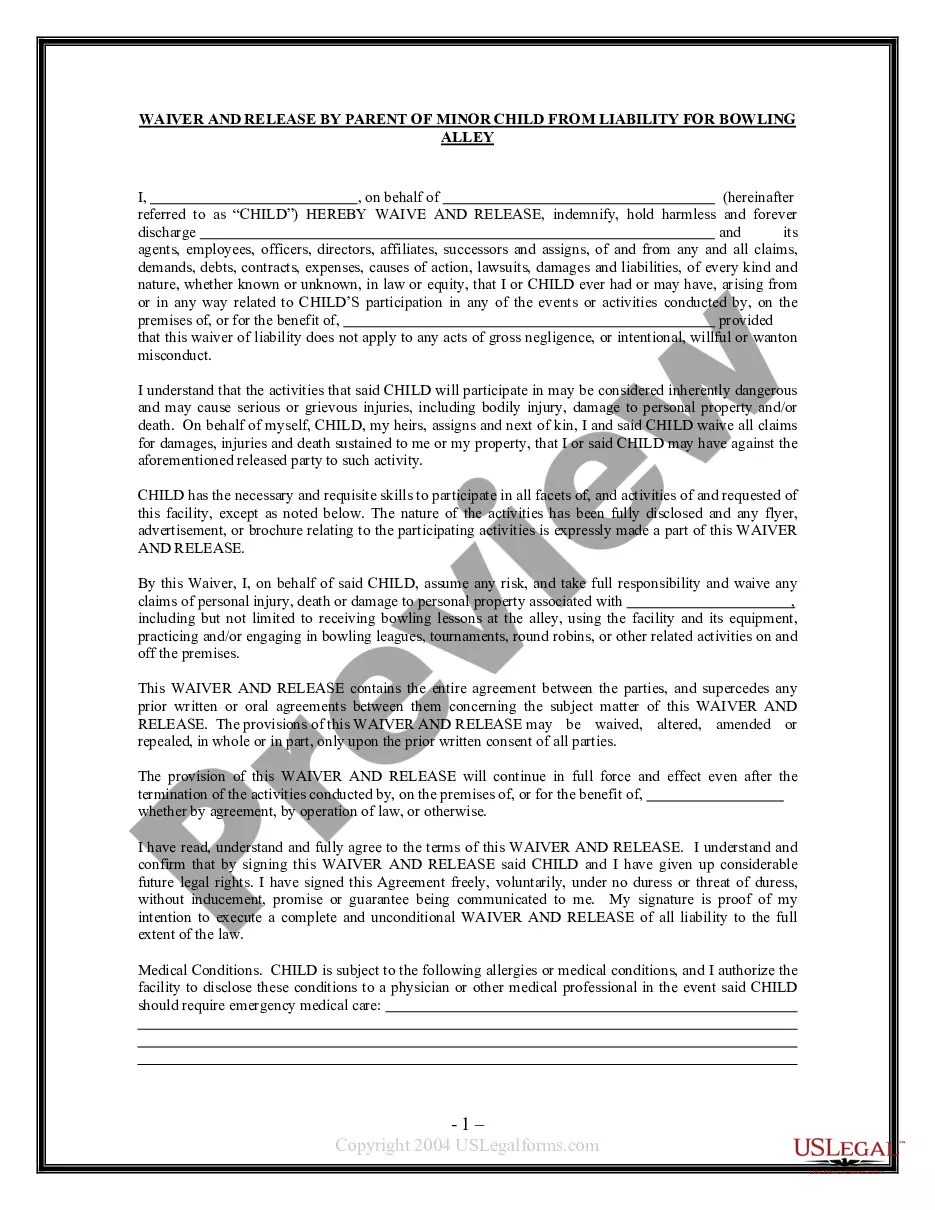
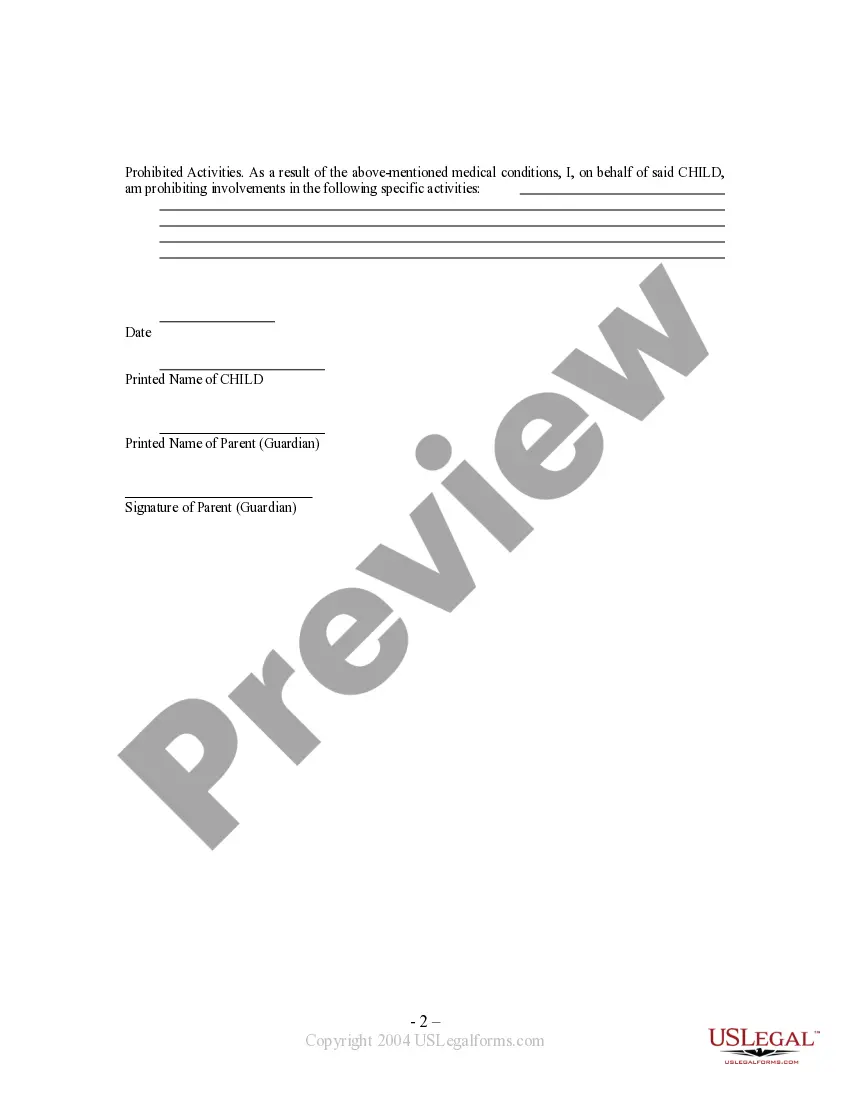
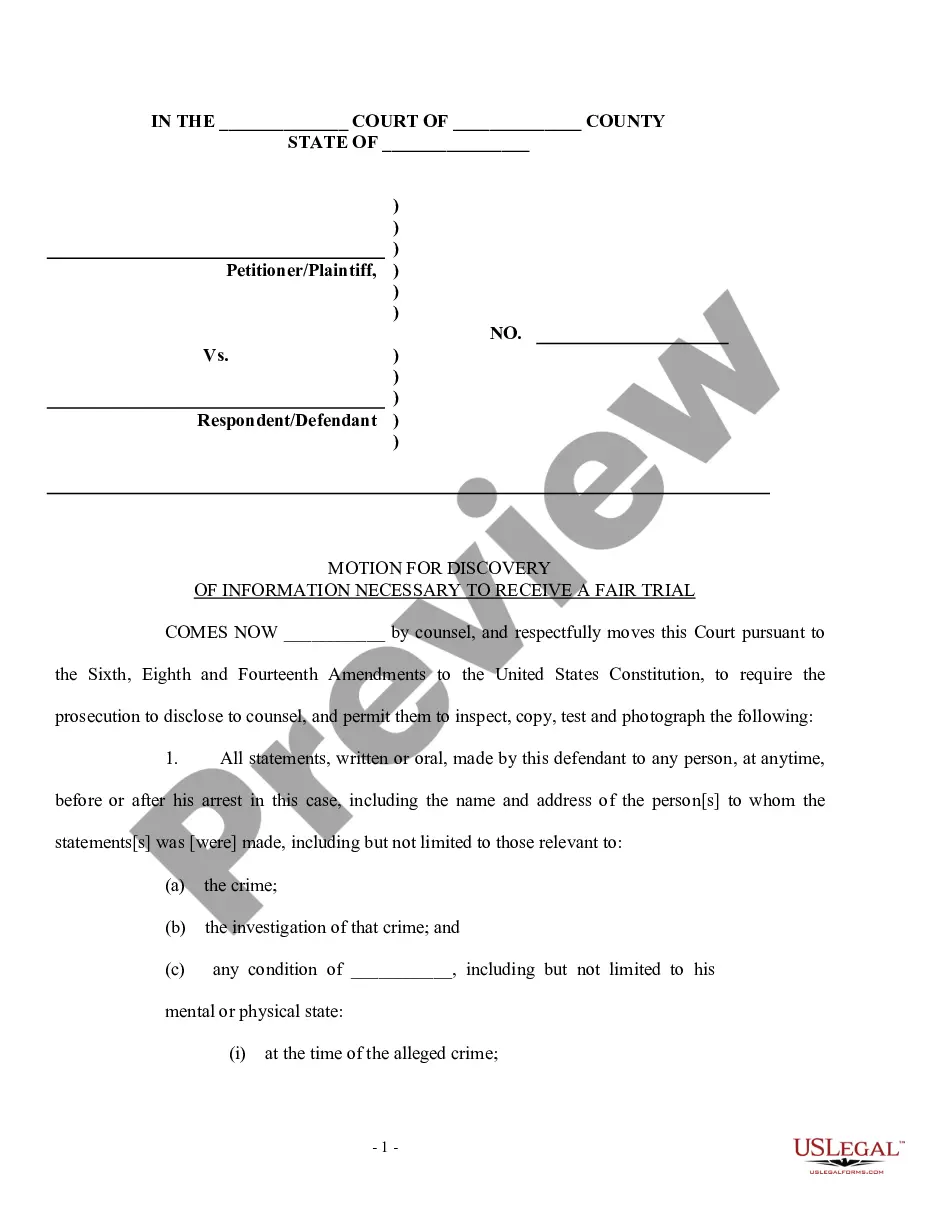
A parental release of liability form is a document that allows a parent or guardian to waive their child's right to sue for injuries that may occur during an activity. This is especially relevant for the Minnesota Waiver and Release From Liability For Minor Child for Bowling Alley, as it protects the bowling facility from legal claims. Such forms help ensure that parents understand the risks involved while allowing children to participate in fun activities.
Yes, liability waivers can be enforceable in Minnesota, provided they meet certain legal criteria. For a waiver, such as the Minnesota Waiver and Release From Liability For Minor Child for Bowling Alley, to be valid, it must be clear, specific, and agreed upon by both parties. Courts may enforce waivers if they are properly drafted and the risks are well-disclosed, so it’s wise to follow best practices.
Yes, you can write your own liability waiver, but it is important to ensure that it meets all legal requirements. The Minnesota Waiver and Release From Liability For Minor Child for Bowling Alley should cover essential elements, such as an acknowledgment of risks and the voluntary assumption of those risks. If you're unsure about the legal language or format, consider using a template from a reputable platform like USLegalForms to ensure compliance and effectiveness.
To write a release of liability waiver, start by clearly stating the purpose of the document, which in this case is the Minnesota Waiver and Release From Liability For Minor Child for Bowling Alley. Include specific details about the activity, the risks involved, and the parties involved. Make sure to use clear language that a parent or guardian can easily understand, and have them sign and date the document to make it legally binding.
Generally, a liability waiver document is a legally binding agreement that relinquishes the right of one party to pursue legal remedy for injuries accrued on the property, regardless of fault involved.
A waiver/release is an exculpatory contract that attempts to excuse or relieve a party, for injuries to a participant that arise out of the known and unknown risks in an activity. This includes the inherent risks that arise from the sports organization's ordinary negligence.
A waiver is an exculpatory contract. That means it's used to excuse a party from responsibility when the other contracted party is injured by either known or unknown risks in a particular activity. This includes inherent risks and ordinary negligence.
If you are injured as a result of ordinary negligence, the liability waiver may fully protect the defendant and leave you without legal recourse. If you are injured as a result of gross negligence, then you may have a case.
To sum it up, customers can still sue business owners even when they've signed a waiver to use the business.