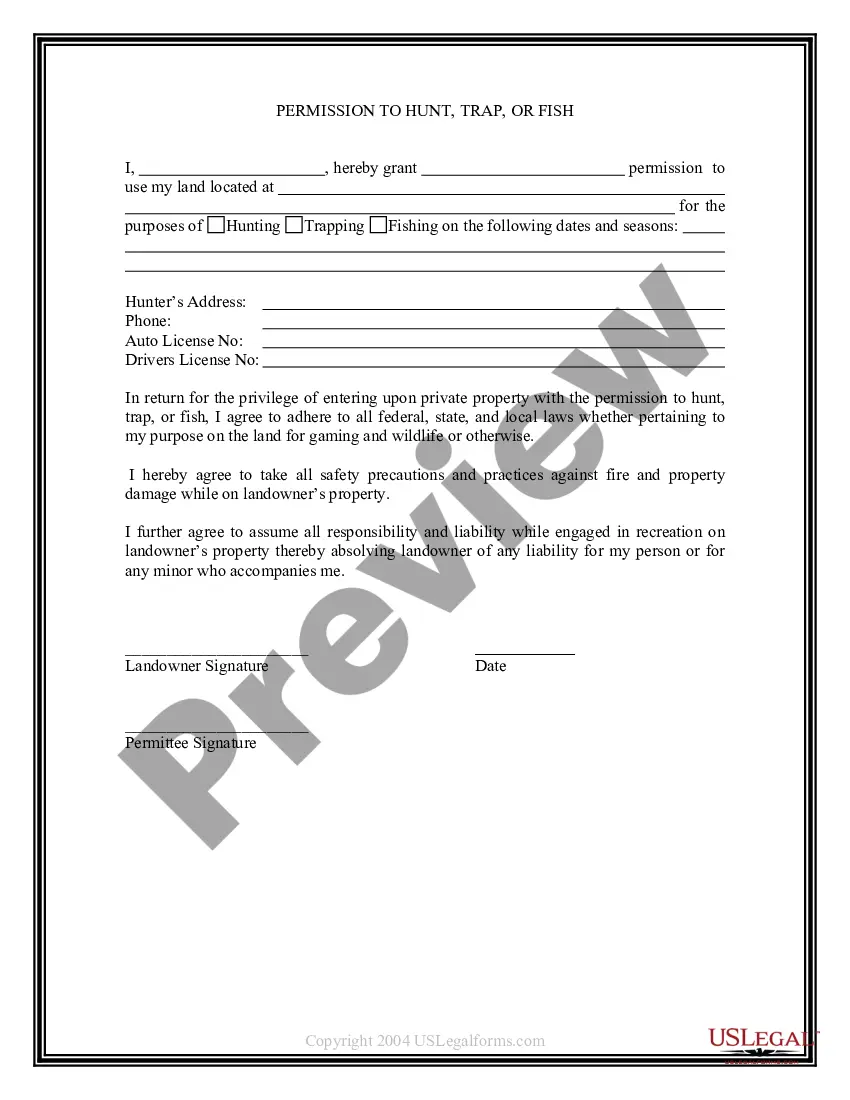
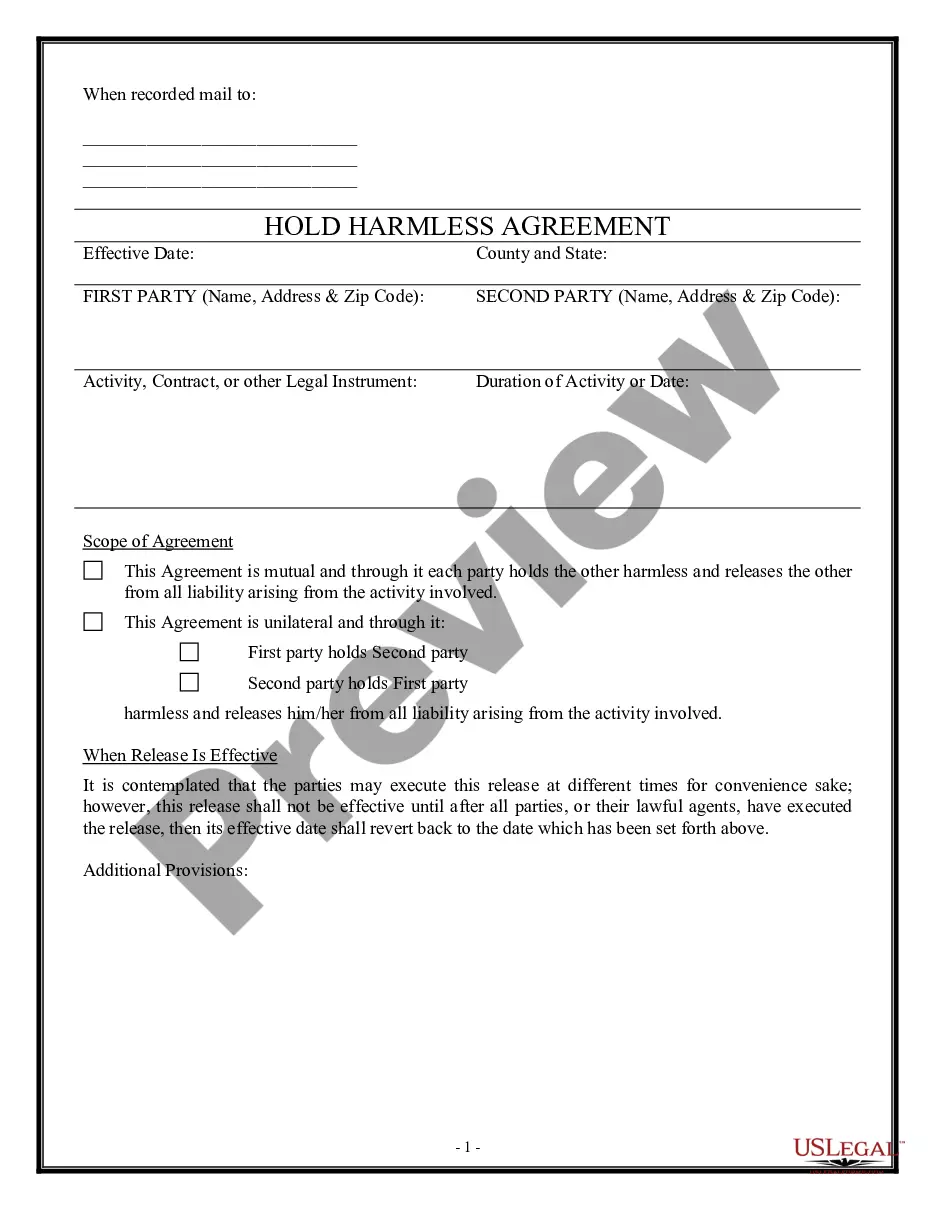
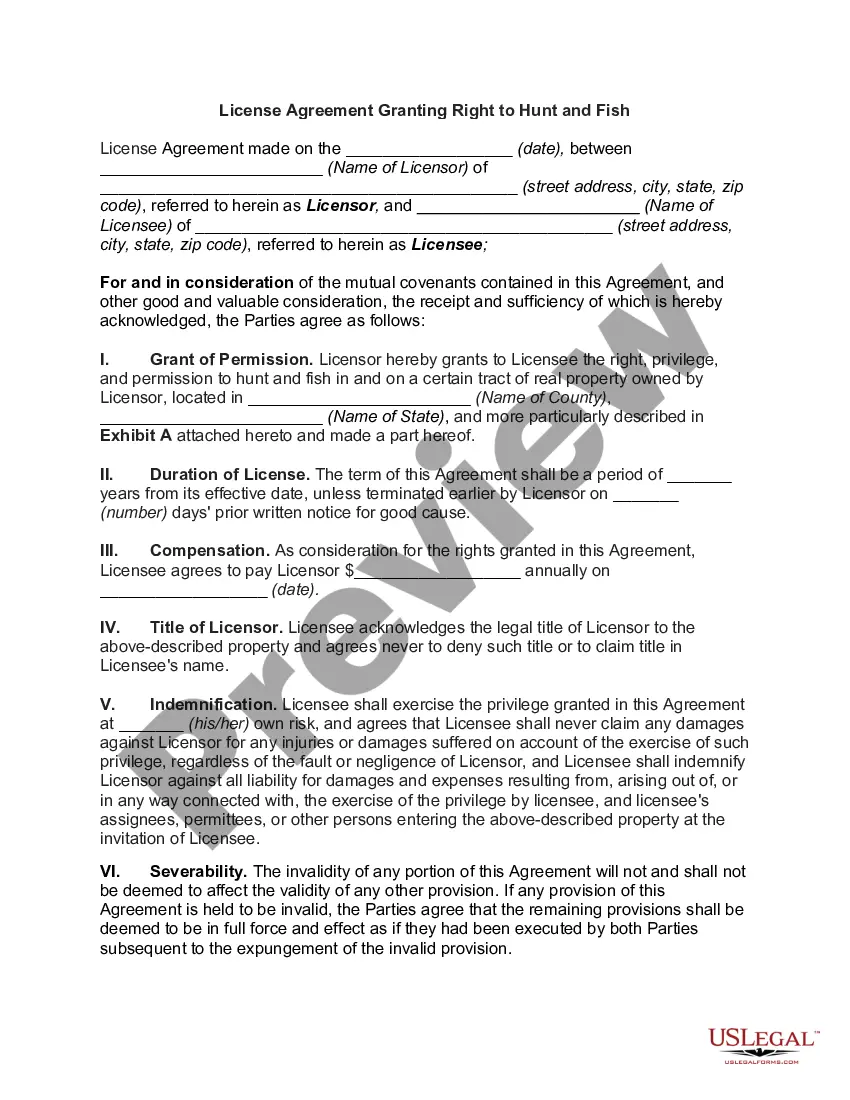
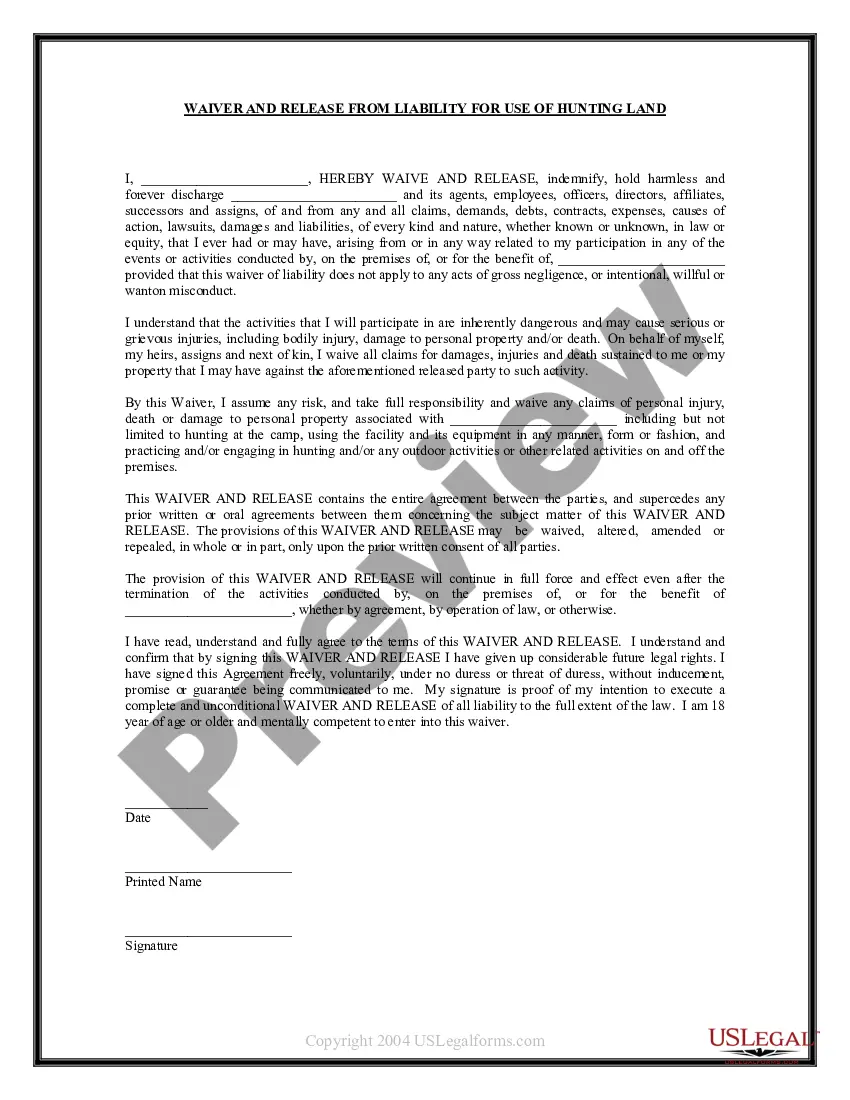
This form is completed by a landowner who is extending permission for an individual to hunt, trap, or fish on landowner's property. Both landowner and hunter (permittee) sign this form. Permittee also agrees to absolve landowner of any liability.
Minnesota Permission To Hunt Trap or Fish
State:
Multi-State
Control #:
US-PRM-15
Format:
Word;
Rich Text
Instant download
Description


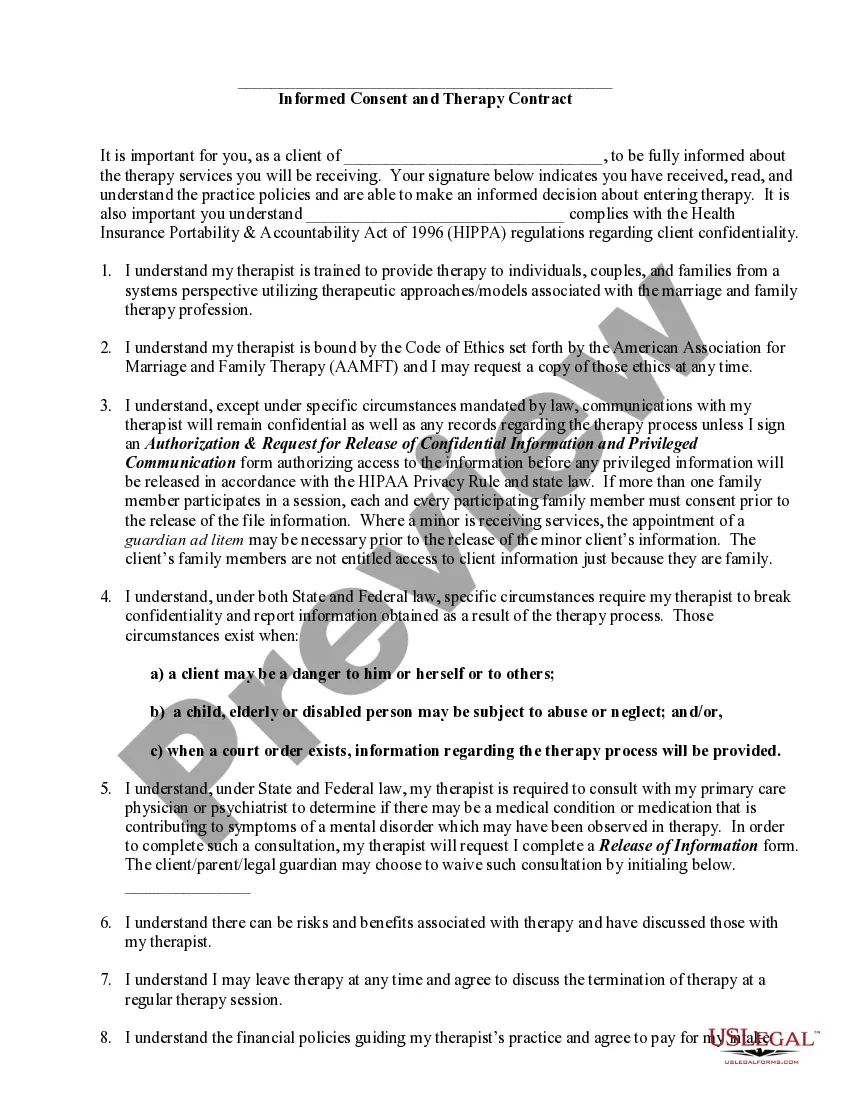
How to fill out Permission To Hunt Trap Or Fish?
You can invest several hours online trying to locate the legal document template that meets the federal and state stipulations you need.
US Legal Forms provides an extensive collection of legal forms that can be reviewed by professionals.
You can obtain or print the Minnesota Permission To Hunt Trap or Fish through our services.
If available, use the Preview button to examine the document template as well. To find another version of the form, utilize the Search field to locate the template that suits your needs and requirements. Once you have found the template you desire, click Buy now to proceed. Select the payment plan you prefer, enter your details, and register for your account on US Legal Forms. Complete the purchase. You can use your Visa or Mastercard or PayPal account to pay for the legal form. Choose the format of the document and download it to your system. Make modifications to the document if needed. You can complete, alter, and sign and print the Minnesota Permission To Hunt Trap or Fish. Download and print thousands of document templates using the US Legal Forms website, which offers the largest selection of legal forms. Utilize professional and state-specific templates to address your business or personal needs.
- If you already have a US Legal Forms account, you can Log In and click the Download button.
- Subsequently, you can complete, modify, print, or sign the Minnesota Permission To Hunt Trap or Fish.
- Every legal document template you acquire is yours permanently.
- To get an additional copy of any purchased form, visit the My documents tab and click the corresponding button.
- If you are using the US Legal Forms website for the first time, follow the simple instructions below.
- First, ensure that you have selected the correct document template for the region/city of your choice.
- Read the form description to confirm you have chosen the right form.
Form popularity
FAQ
Yes, you can hunt in your own backyard in Minnesota, provided you comply with local laws and regulations regarding firearms and hunting. Ensure that you are practicing safe hunting methods and that your property is suitable for hunting. Obtaining Minnesota Permission To Hunt Trap or Fish will guide you through the necessary requirements and help you avoid any legal issues.
In Minnesota, certain small game species can be hunted without a license during specific seasons, such as certain types of nuisance animals. However, it is critical to check local regulations to ensure compliance. For a thorough understanding of what is permissible, securing Minnesota Permission To Hunt Trap or Fish is a valuable step.
The Minnesota Constitution recognizes the rights of citizens to hunt and fish, emphasizing the importance of these activities for recreation and wildlife management. It establishes that the state has a responsibility to manage these resources sustainably. To engage in these activities legally, obtaining Minnesota Permission To Hunt Trap or Fish is essential for staying informed about current laws.
To shoot coyotes in Minnesota, you do not need a hunting license during the open season, which typically runs from mid-October through March. However, you must adhere to the rules set forth by the Minnesota Department of Natural Resources. Ensuring you have Minnesota Permission To Hunt Trap or Fish might simplify your understanding of the regulations surrounding coyote hunting.
Yes, in Minnesota, you need a valid trapping license to trap on public lands or on private lands that you do not own. If you are looking to engage in trapping activities, securing Minnesota Permission To Hunt Trap or Fish is essential. This license ensures that you are compliant with state regulations and promotes responsible trapping practices.
In Minnesota, you do not need a trappers license to trap on your own property, provided you have obtained Minnesota Permission To Hunt Trap or Fish. However, it is important to follow local regulations and ensure that you are trapping in accordance with state laws. Always check for any specific rules that may apply to your area.
HUNTING ON PUBLIC OR PRIVATE LAND Much of the land in Minnesota is privately owned. Hunters can typically freely take game animals hunted on their own private property, or may seek permission from a landowner to hunt on private property.
The only exception is those owning land in Minnesota are permitted to trap the land they own. with proper licensure purchased. Non-residents intentionally purchasing resident licenses fraudulently, nullifies the possession of such licenses and is subject to legal action by the State.
You need permission to hunt on agricultural land even if it is not posted. Trespassing is a misdemeanor. If convicted you could lose your license to hunt. All conservation and peace officers enforce trespass laws.
From December 1 to March 31, a person may not set, place, or operate any snare on public lands, including the surface of frozen water within public lands, on road rights-of-way, or in fencelines along road rights-of-way, except as a waterset. Subp. 3. Snaring in culverts.