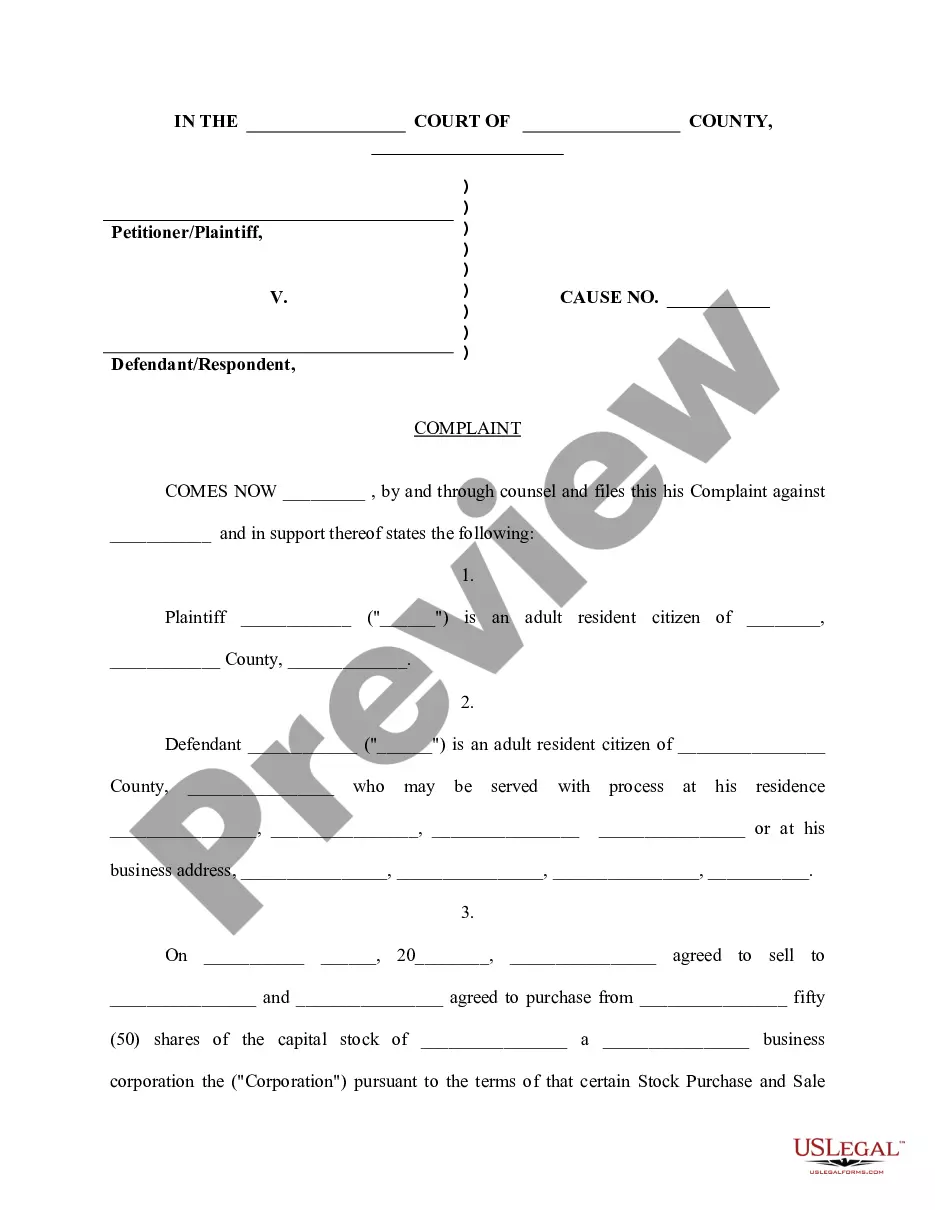
Minnesota Toll Manufacturing Agreement
Description
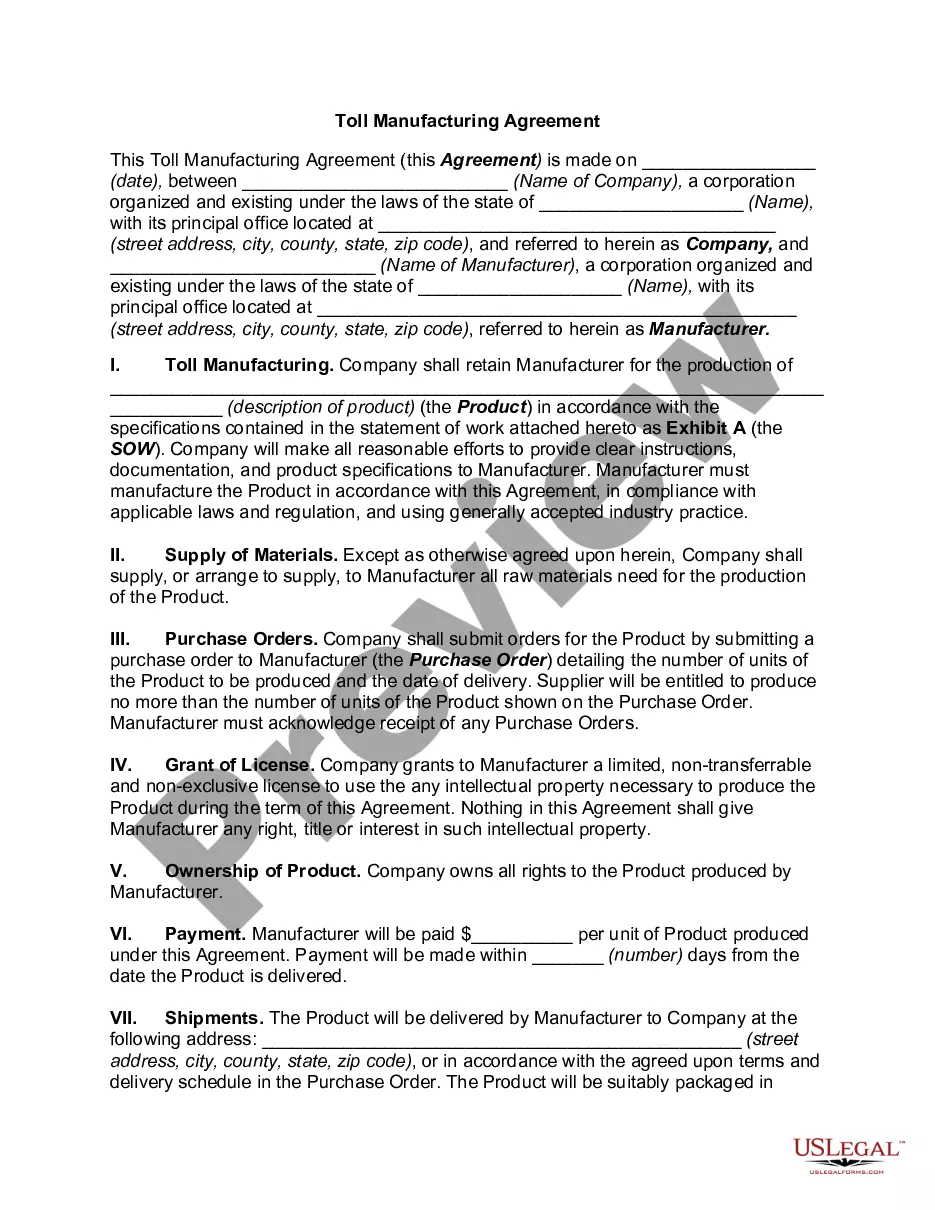
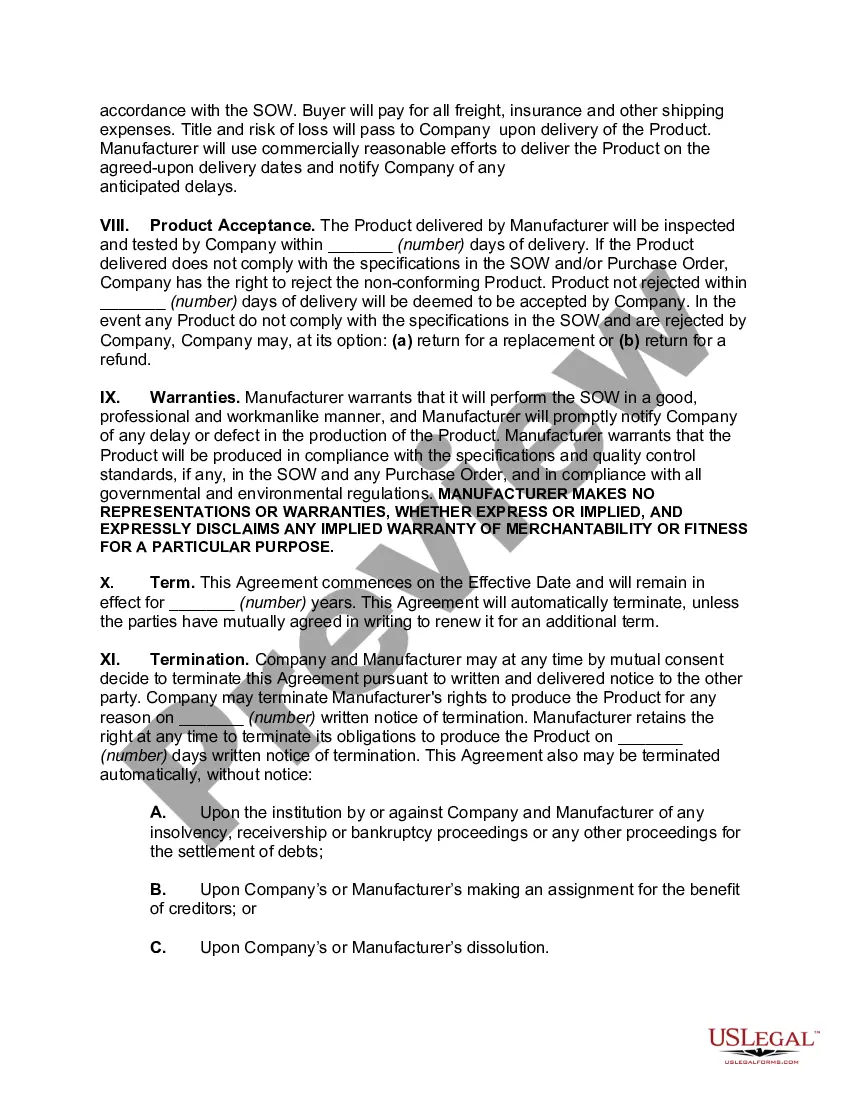
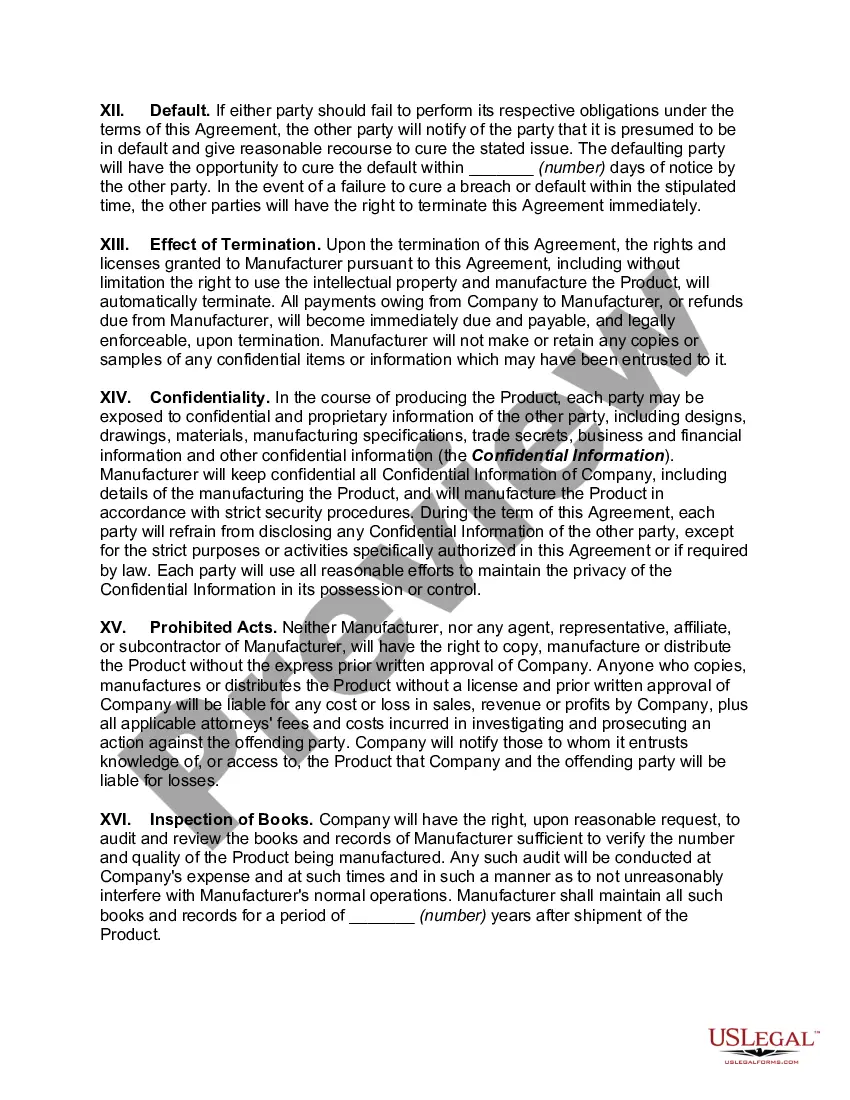
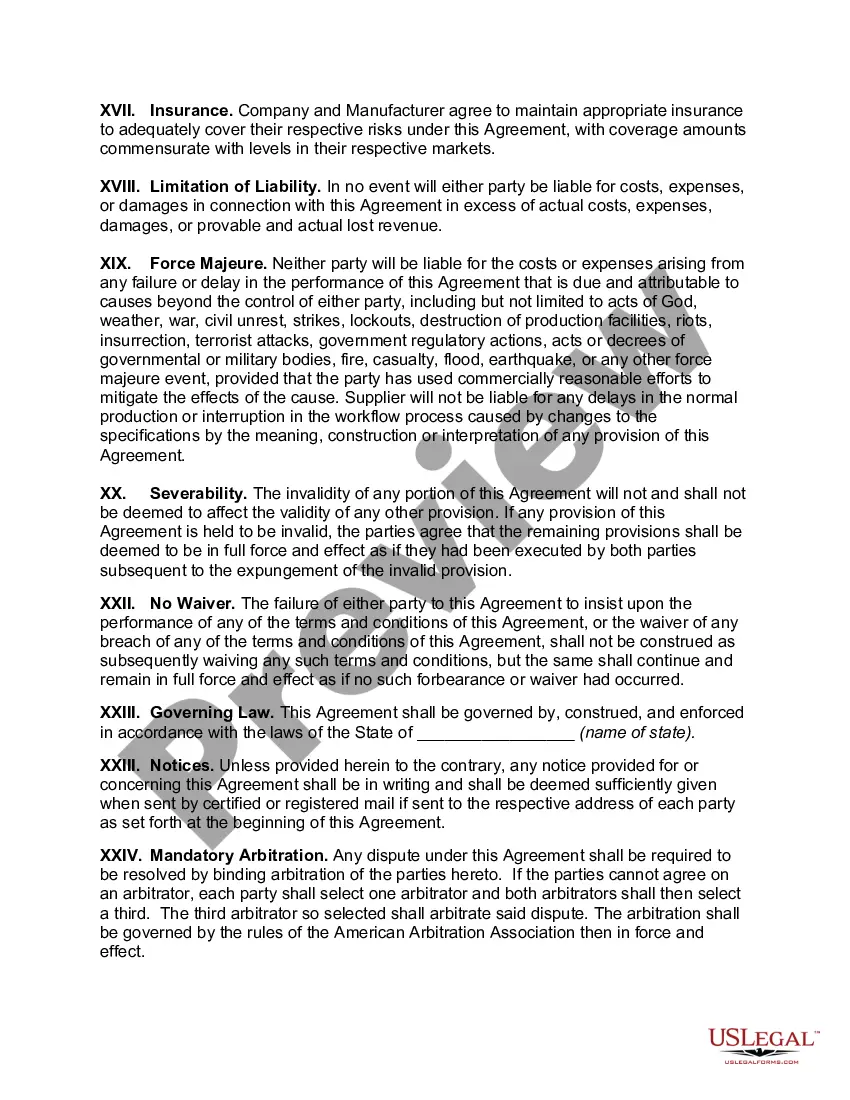
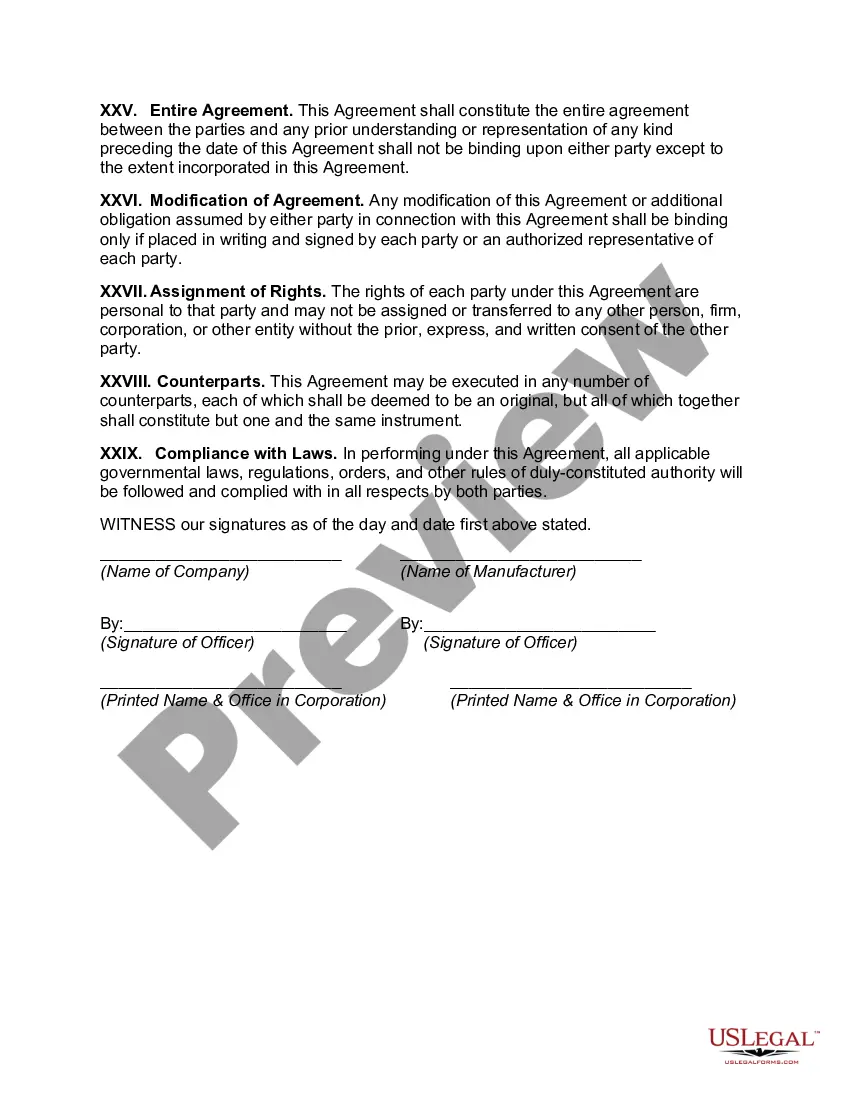
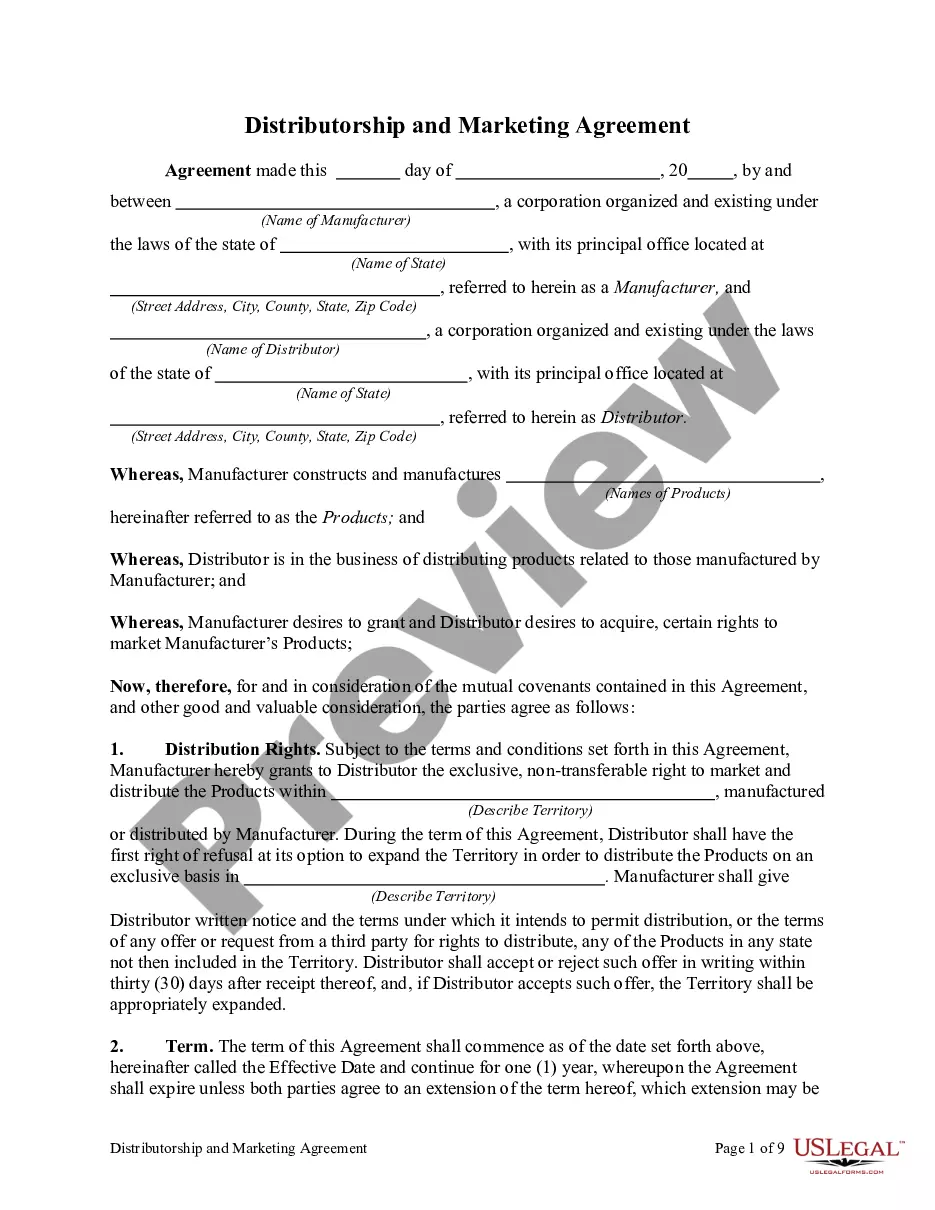
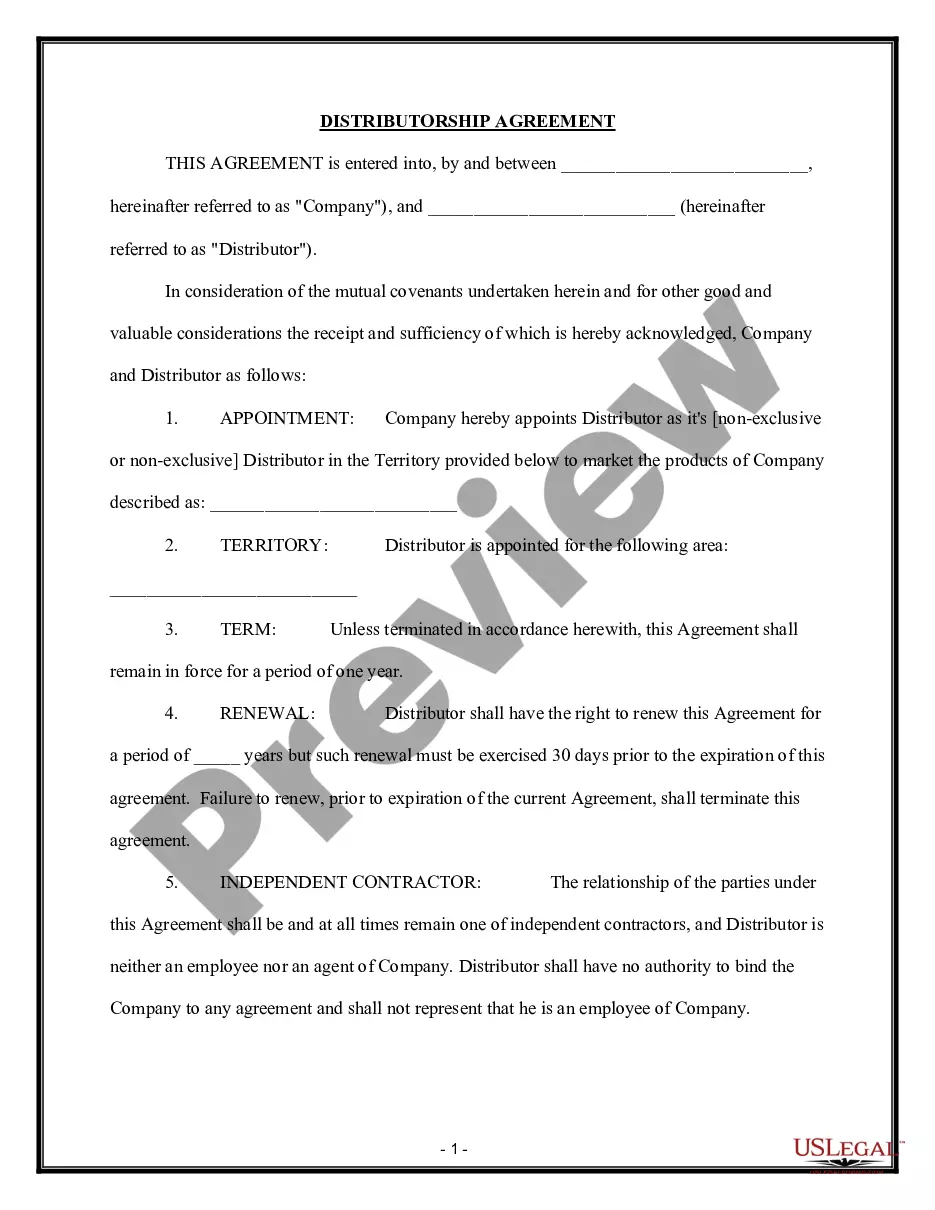
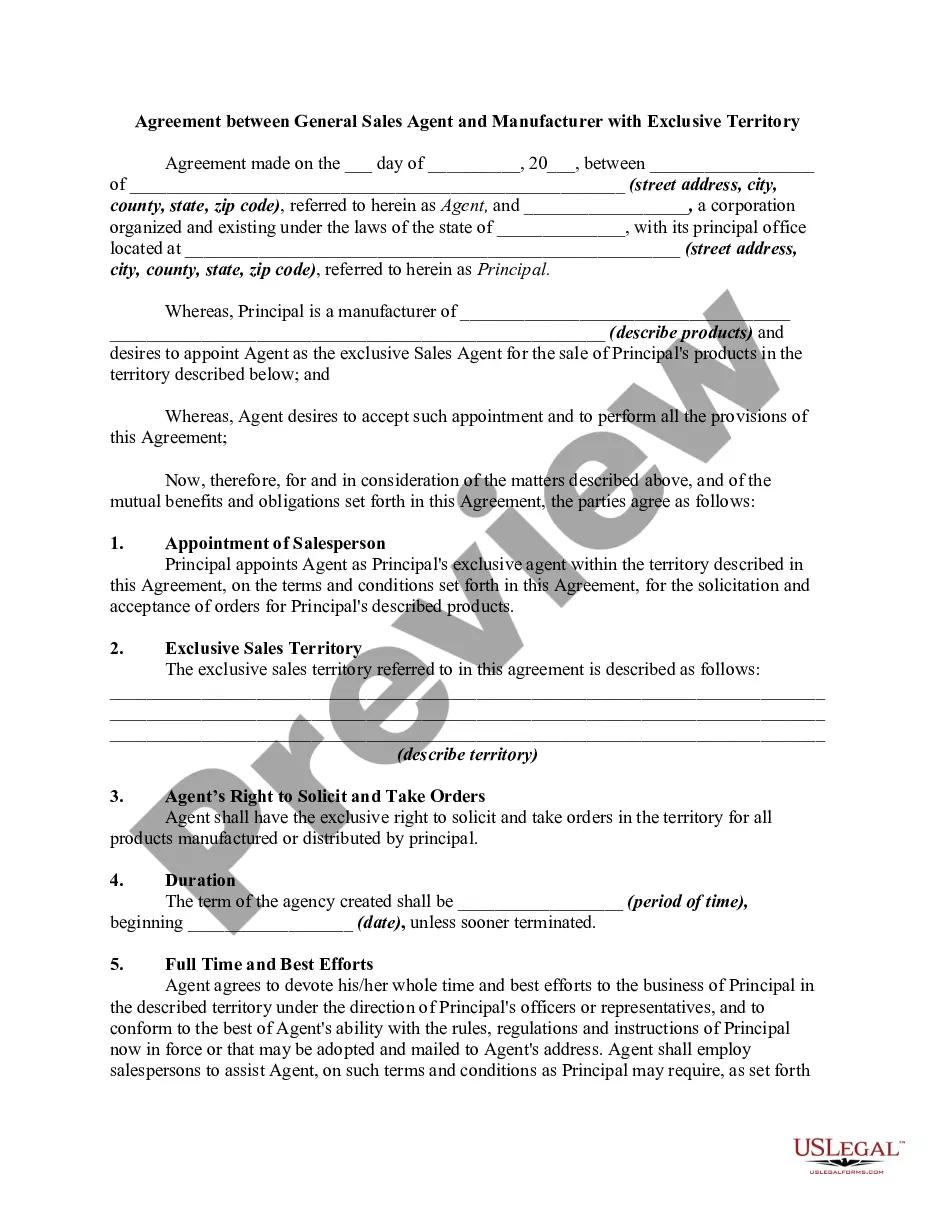
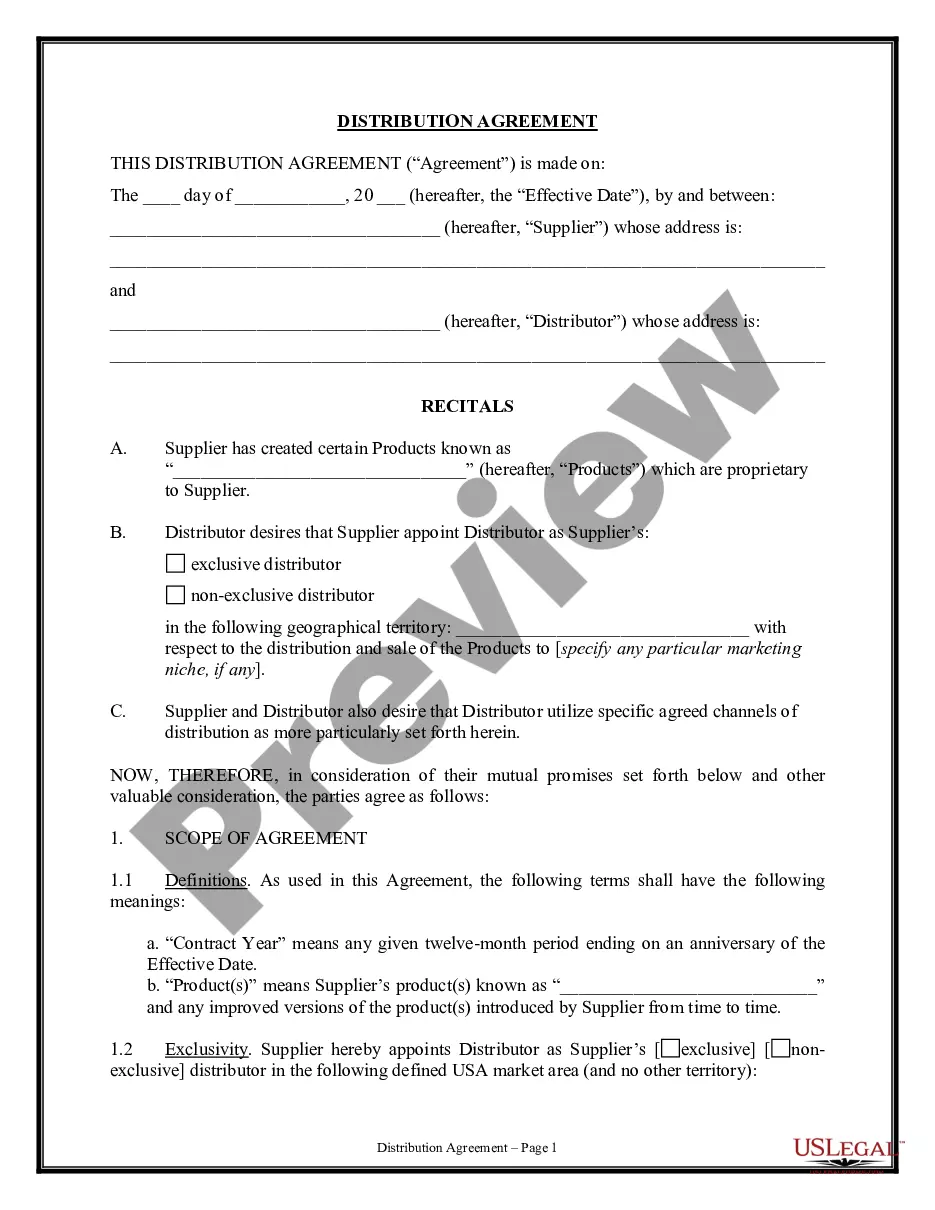
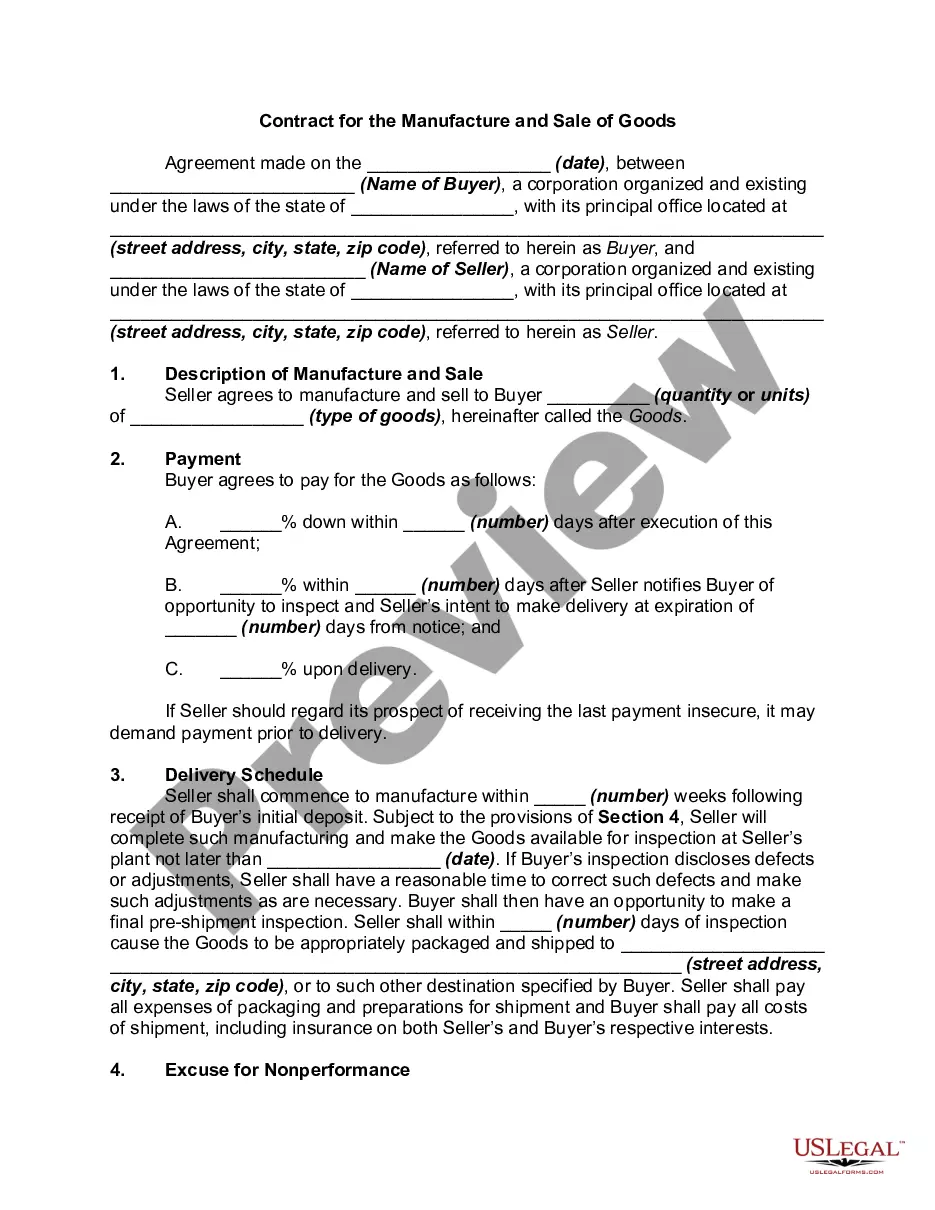
How to fill out Toll Manufacturing Agreement?
If you require to compile, download, or generate approved document templates, use US Legal Forms, the largest assortment of legal forms available online.
Utilize the site's simple and convenient search feature to locate the documents you need.
A range of templates for business and personal purposes are categorized by types and regions, or keywords.
- Leverage US Legal Forms to locate the Minnesota Toll Manufacturing Agreement with just a few clicks.
- If you are an existing US Legal Forms customer, sign in to your account and click on the Download button to access the Minnesota Toll Manufacturing Agreement.
- You can also view forms you previously saved in the My documents section of your account.
- If you are using US Legal Forms for the first time, follow these steps.
- Step 1. Ensure you have selected the form for the correct area/state.
- Step 2. Use the Preview option to review the form’s details. Don’t forget to read the description.
- Step 3. If you are dissatisfied with the form, use the Search area at the top of the screen to find other types of the legal form template.
- Step 4. After you have found the form you need, click the Buy now button. Choose the pricing plan you prefer and enter your details to register for an account.
- Step 5. Complete the transaction. You may use your Visa or Mastercard or PayPal account to finalize the purchase.
- Step 6. Select the format of your legal form and download it onto your device.
- Step 7. Complete, edit, and print or sign the Minnesota Toll Manufacturing Agreement.
- Every legal document template you purchase is yours indefinitely. You have access to each form you saved in your account. Go to the My documents section and select a form to print or download again.
- Stay competitive and download and print the Minnesota Toll Manufacturing Agreement with US Legal Forms. There are millions of professional and state-specific forms you can use for your business or personal needs.
Form popularity
FAQ
The three forms of contract manufacturing are original equipment manufacturing (OEM), private labeling, and toll manufacturing. While OEM involves the production of products under a brand’s specifications, private labeling means products are made for a retailer to sell under their label. In contrast, the Minnesota Toll Manufacturing Agreement focuses on the transformation of clients' materials without the toll manufacturer claiming ownership of the end product.
A toll manufacturing arrangement is a collaborative agreement where one company, known as the toll manufacturer, produces goods for another company, referred to as the client. In this setup, the client provides the raw materials, and the toll manufacturer transforms these materials into finished products. Essentially, the Minnesota Toll Manufacturing Agreement enables businesses to save on production costs while leveraging specialized manufacturing expertise, creating a win-win situation.
Subcontract manufacturing is when a company contracts another firm to manufacture its products. This strategy allows businesses to reduce production costs and focus on their core competencies. In a Minnesota Toll Manufacturing Agreement, this approach can help streamline operations while maintaining product quality, offering a beneficial solution for many organizations.
Toll manufacturing refers to a practice where a company provides raw materials to another company, which then produces products for them. This arrangement allows businesses to leverage specialized manufacturing capabilities without investing in their facilities. A Minnesota Toll Manufacturing Agreement formalizes this relationship, ensuring that both parties understand their responsibilities and benefits.
Subcontractors and manufacturers play distinct roles in the production process. Subcontractors often handle specific tasks or processes within a larger project, while manufacturers focus on producing the final product. In the context of a Minnesota Toll Manufacturing Agreement, understanding this difference is crucial, as it affects how agreements are structured and enforced.
A manufacturer produces goods using their own resources, while a contract manufacturer operates under a specific agreement to create products on behalf of another company. In a Minnesota Toll Manufacturing Agreement, the client maintains ownership of the raw materials, which distinguishes it from traditional manufacturing models. Recognizing this difference enables businesses to optimize their production strategies effectively.
A tolling manufacturer is a business that processes materials for clients through a toll manufacturing agreement. This type of arrangement allows companies to tap into established production facilities while avoiding the costs of overhead. The Minnesota Toll Manufacturing Agreement defines the scope of work, ensuring that both parties understand their roles and responsibilities in the manufacturing process.
Toll manufacturing involves processing raw materials provided by clients, while subcontracting typically refers to the delegation of entire projects to another company. In a Minnesota Toll Manufacturing Agreement, the focus remains on the transformation of materials, preserving ownership for the client. Understanding this difference helps companies streamline operations and maintain control over their products.
A toll manufacturer processes materials for a client based on a Minnesota Toll Manufacturing Agreement, charging fees for their services without owning the produced goods. Conversely, a contract manufacturer takes on a more comprehensive role, managing production and sometimes supplying raw materials. This distinction is crucial for businesses to understand their production relationships and responsibilities.
The primary difference between toll and contract manufacturing lies in ownership of the materials during processing. In toll manufacturing, the customer retains ownership of the raw materials throughout the process, while in contract manufacturing, the manufacturer owns the materials and finished products. Understanding this difference is crucial, and a Minnesota Toll Manufacturing Agreement can clarify these roles for both parties.