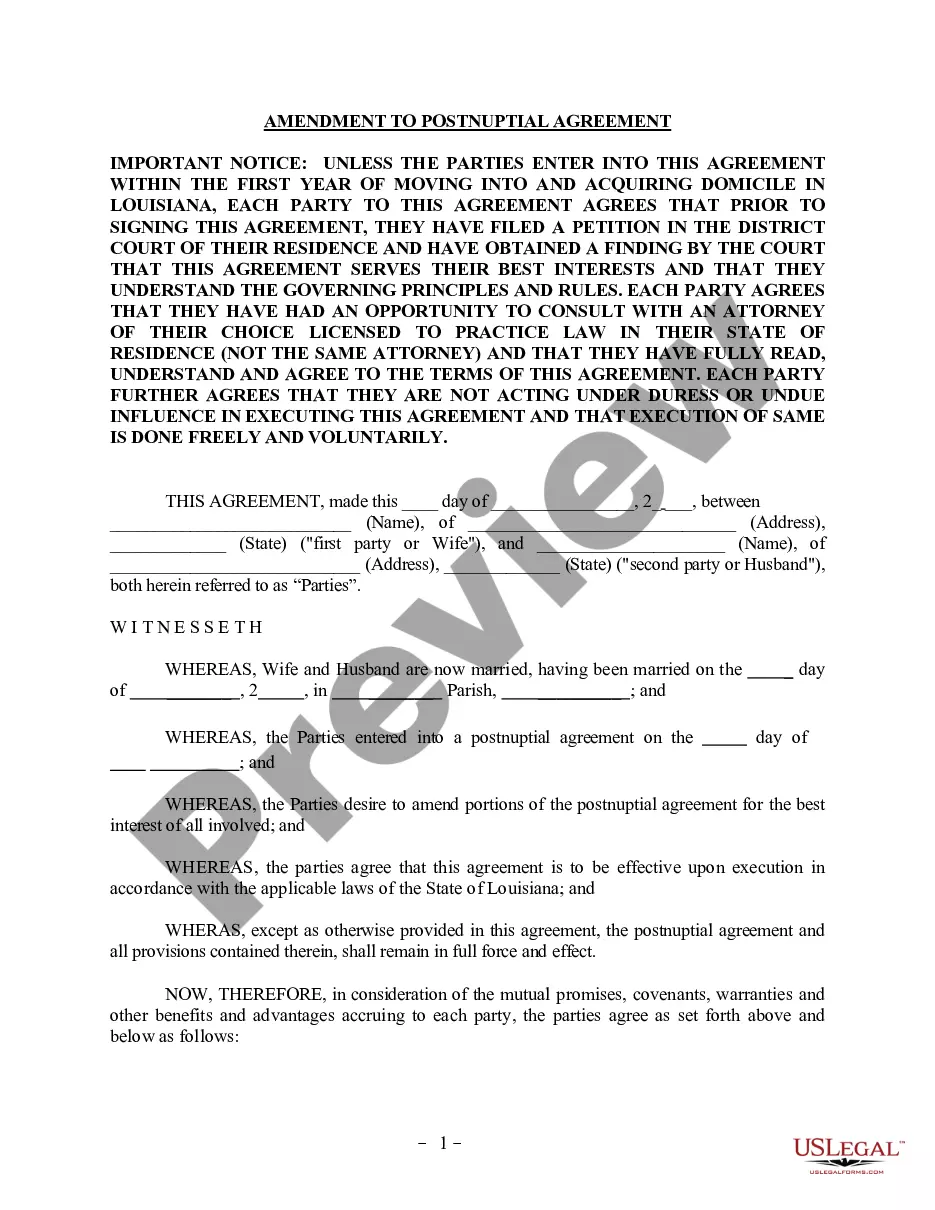
Electric Service Agreement between Redevelopment Project and Power Company
What is this form?
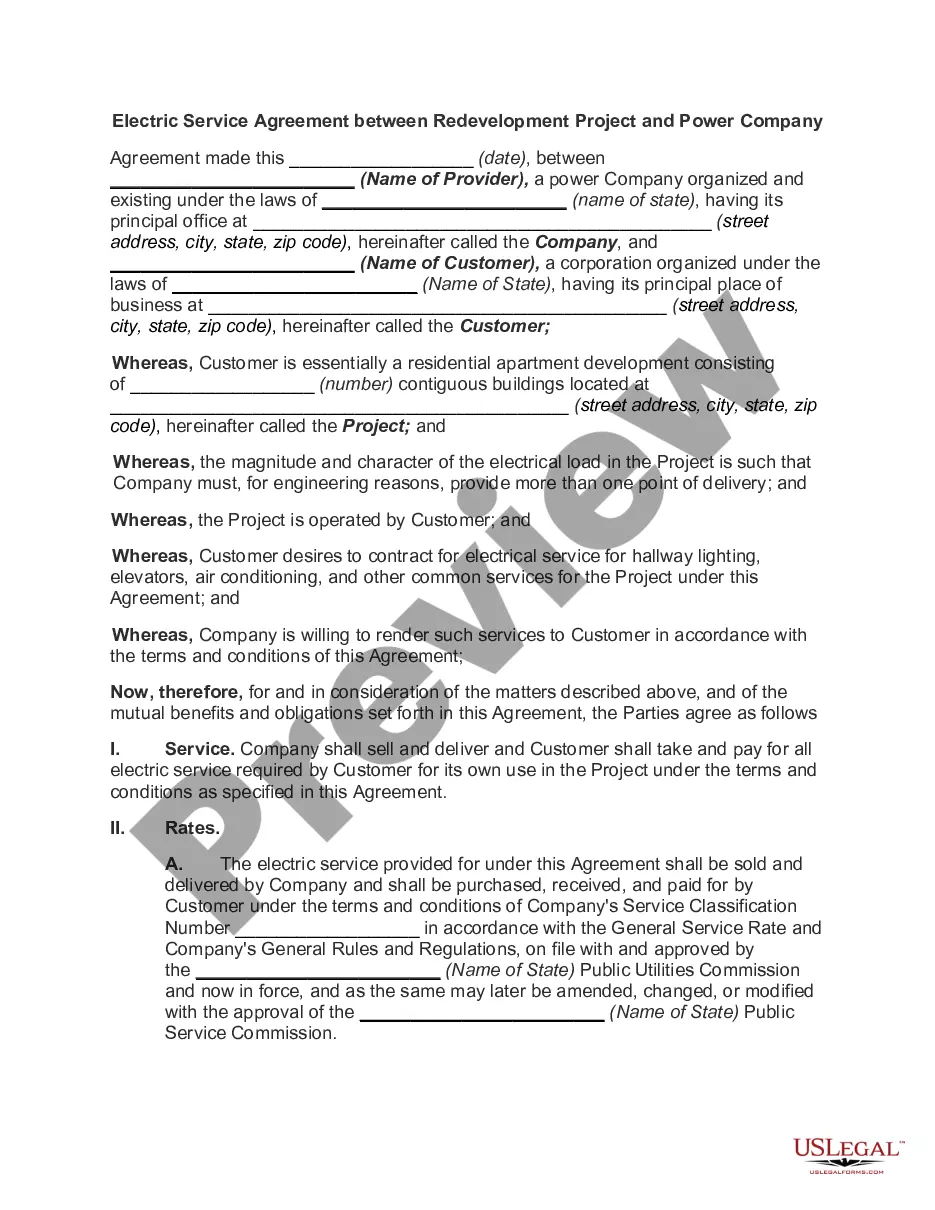
The Electric Service Agreement between Redevelopment Project and Power Company is a legal document that outlines the terms and conditions for electrical services provided to a redevelopment project by a power company. This agreement specifically details the obligations of both the power company and the customer, differentiating it from other service agreements by focusing on the delivery of electricity for a commercial or residential development with multiple buildings. It ensures clarity in service delivery, payment terms, and responsibilities of both parties involved.
Main sections of this form
- Details of the parties involved, including their addresses and legal status.
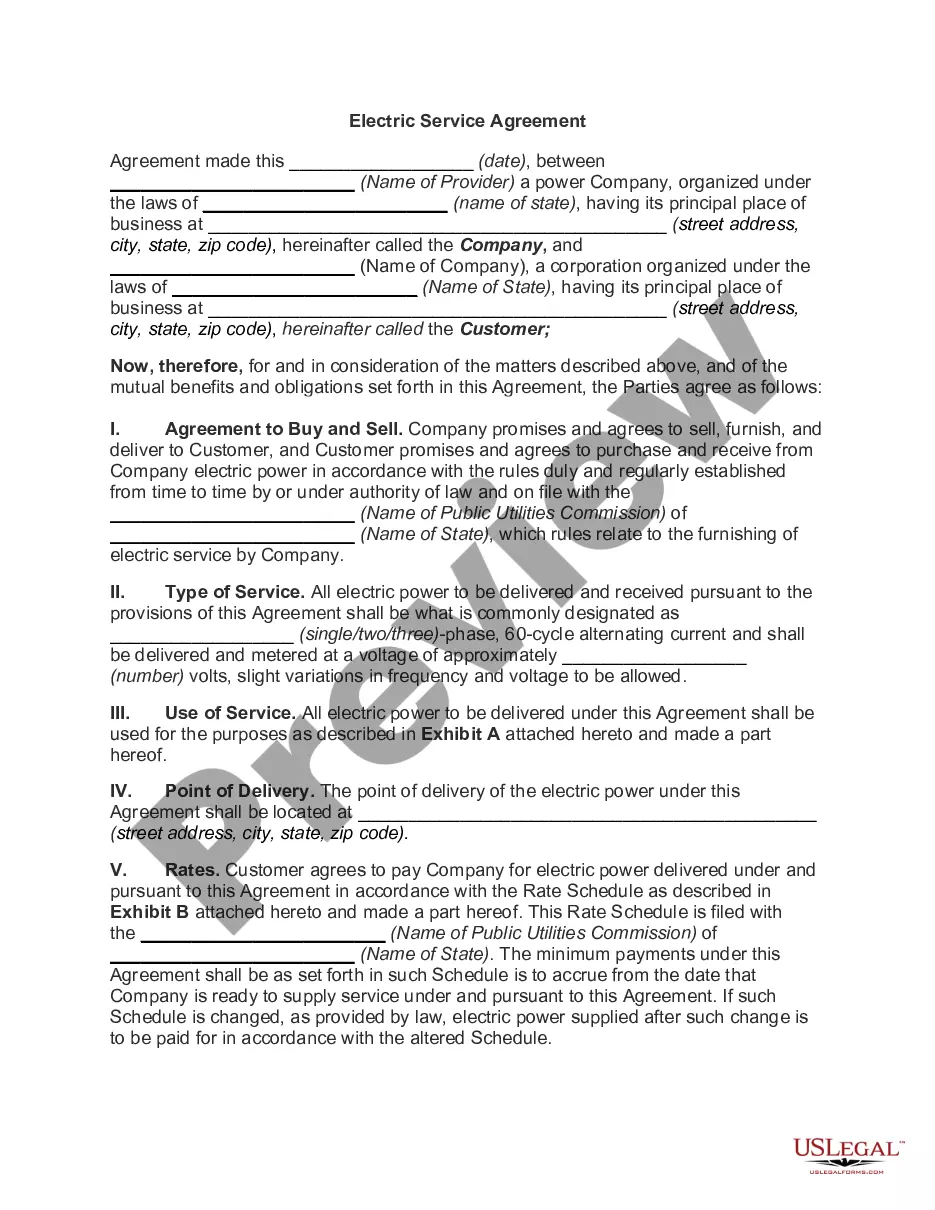
- Specifications of the electric service to be provided, including type of service and delivery points.
- Rates and billing methods based on the power company's classifications and regulations.
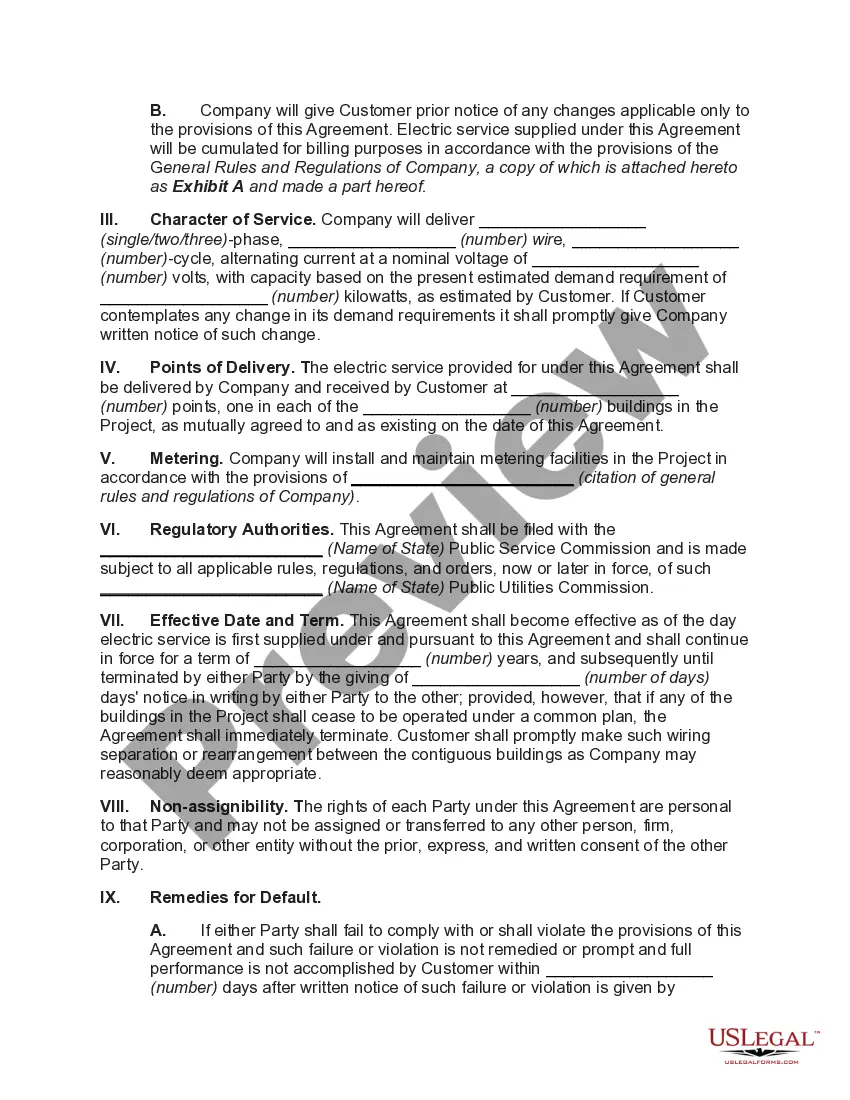
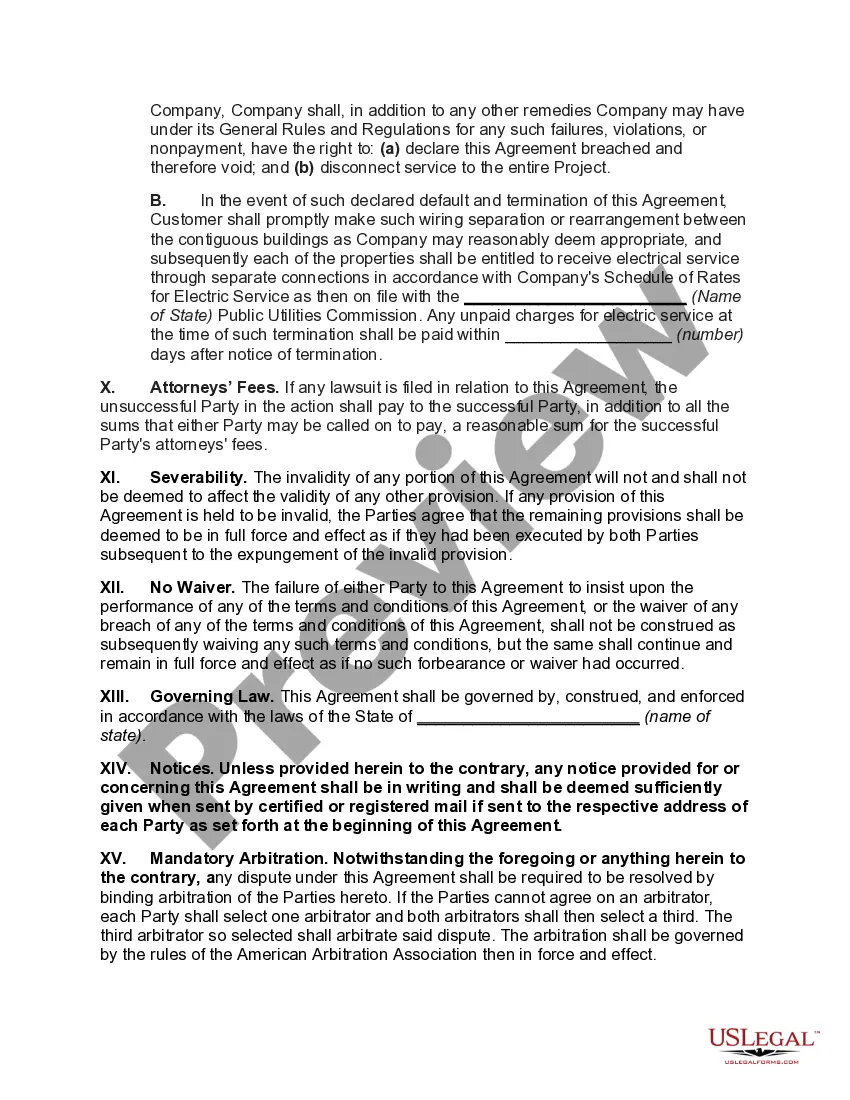
- Terms outlining service duration, notice for termination, and remedies for default.
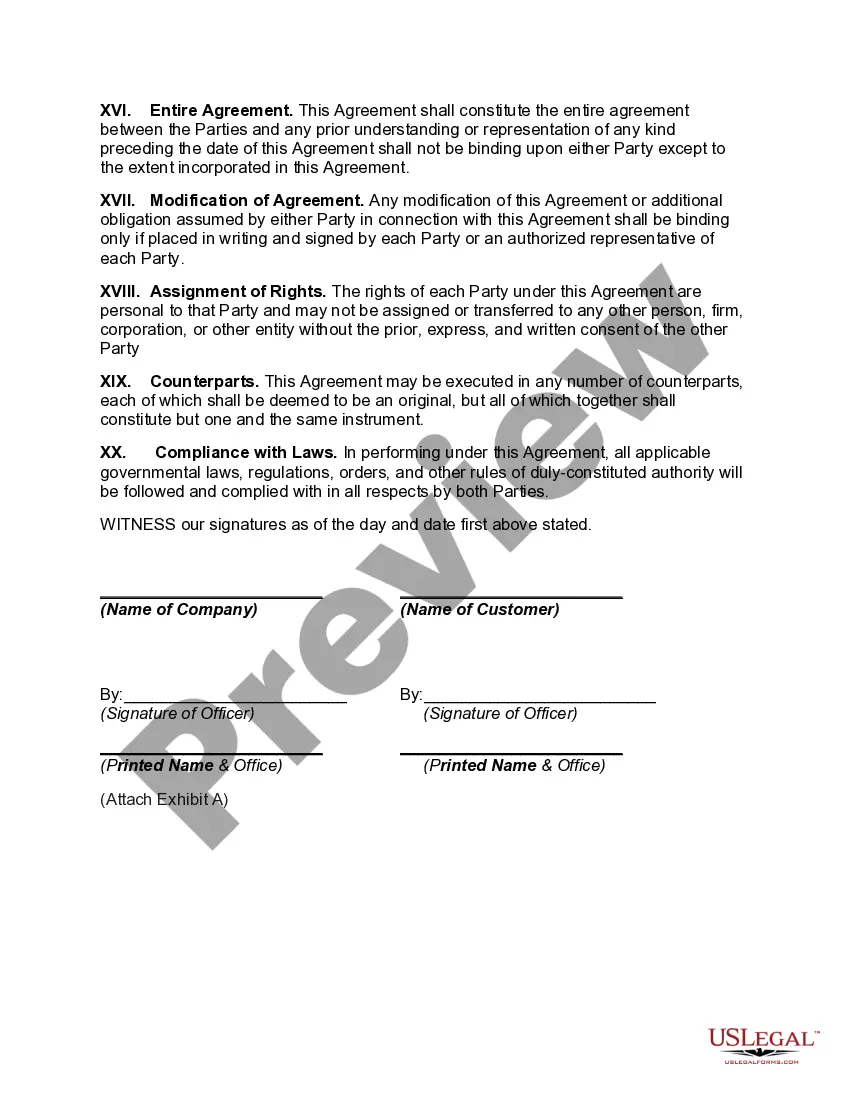
- Clauses regarding legal compliance, arbitration, and assignment rights.
When to use this document
This form should be used when a redevelopment project requires an agreement to secure reliable electric service from a power company. It is necessary when multiple buildings are involved and when there are specific engineering or service requirements that must be met for the project to operate effectively. This agreement also functions to protect the interests of both parties in the event of disputes or changes in service terms.
Who can use this document
- Developers or owners of residential or commercial redevelopment projects.
- Power companies providing electric services to multiple buildings or complexes.
- Lawyers or legal advisors drafting service agreements for clients in the utility sector.
Instructions for completing this form
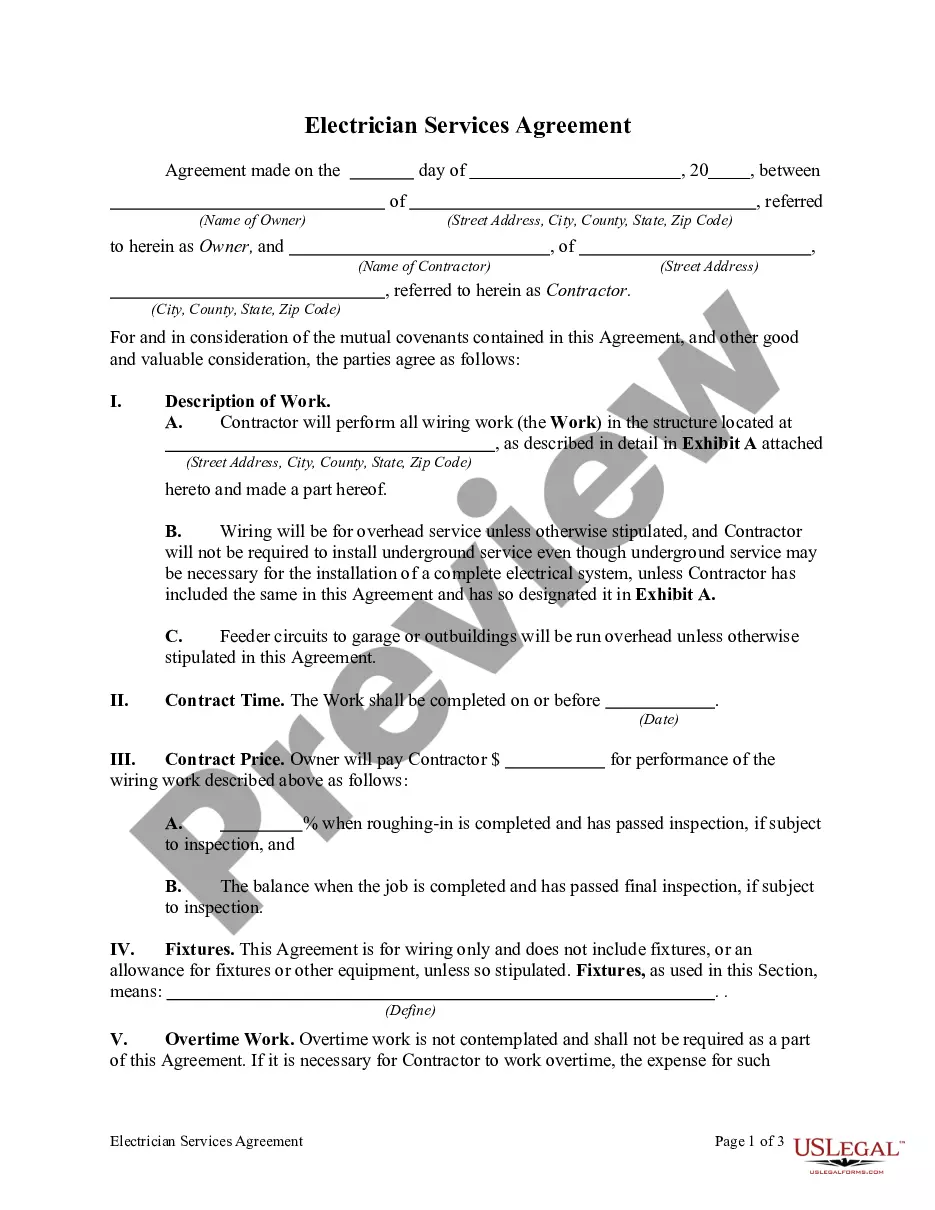
- Identify the parties: Enter the name and address of the power company and the customer.
- Specify the project: Describe the redevelopment project and the number of buildings involved.
- Detail service requirements: Fill in the necessary details about electric service, including type, delivery points, and rates.
- Enter duration: Specify the effective date, term of the agreement, and notice period for termination.
- Signature: Ensure that an authorized representative from both parties signs the agreement.
Notarization requirements for this form
This form does not typically require notarization unless specified by local law. However, it is essential to ensure that all parties involved review the form for any additional legal requirements related to notarization.
Get your form ready online
Our built-in tools help you complete, sign, share, and store your documents in one place.
Make edits, fill in missing information, and update formatting in US Legal Forms—just like you would in MS Word.
Download a copy, print it, send it by email, or mail it via USPS—whatever works best for your next step.
Sign and collect signatures with our SignNow integration. Send to multiple recipients, set reminders, and more. Go Premium to unlock E-Sign.
If this form requires notarization, complete it online through a secure video call—no need to meet a notary in person or wait for an appointment.
We protect your documents and personal data by following strict security and privacy standards.

Make edits, fill in missing information, and update formatting in US Legal Forms—just like you would in MS Word.

Download a copy, print it, send it by email, or mail it via USPS—whatever works best for your next step.

Sign and collect signatures with our SignNow integration. Send to multiple recipients, set reminders, and more. Go Premium to unlock E-Sign.

If this form requires notarization, complete it online through a secure video call—no need to meet a notary in person or wait for an appointment.

We protect your documents and personal data by following strict security and privacy standards.
Common mistakes
- Failing to include specific details about the service points or requirements.
- Overlooking state-specific regulations and requirements.
- Not obtaining the necessary signatures from authorized representatives.
- Ignoring the terms regarding termination and remedies for default.
Benefits of using this form online
- Convenience of downloading and filling out the form at your own pace.
- Templates are drafted by licensed attorneys to ensure legal accuracy and compliance.
- Ability to edit the form according to specific project requirements easily.
Looking for another form?

Form popularity
FAQ
A customer and financing provider may also enter into an energy service agreement (ESA), whereby the provider delivers energy-saving services through equipment it owns and operates. Customers pay a fee for services in relation to these energy savings, but ESAs do not always have an underlying performance guarantee.
There are three different types of energy procurement contracts: Fixed, indexed, and block and index.
transfer agreement (BTA) is a hybrid between an acquisition agreement and a construction contract. The developer secures the needed land rights, permits, interconnection rights, and project contracts. When the project is ?shovel ready,? the developer (or its contractor) builds the project for the utility.
The Federal Energy Management Program (FEMP) offers answers to frequently asked questions about federal utility energy service contracts (UESCs).
An Energy Service Agreement (ESA) is a unique financing option for energy efficiency projects. It's neither a loan nor a lease: The service provider pays for the upfront costs of the equipment and performs both routine and emergency maintenance.
Energy Performance Contract Guaranteed Savings model (EPC GS): the ESCO guarantees a certain savings on the client's energy bill. The ESCO takes on the technical risk. The client obtains a bank loan, or uses their own equity, to pay contractually determined fees to the ESCO and the bank, and keeps the difference.
A utility energy service contract (UESC) is a limited-source acquisition between a federal agency and serving utility for energy management services, including energy and water efficiency improvements and energy demand reduction.