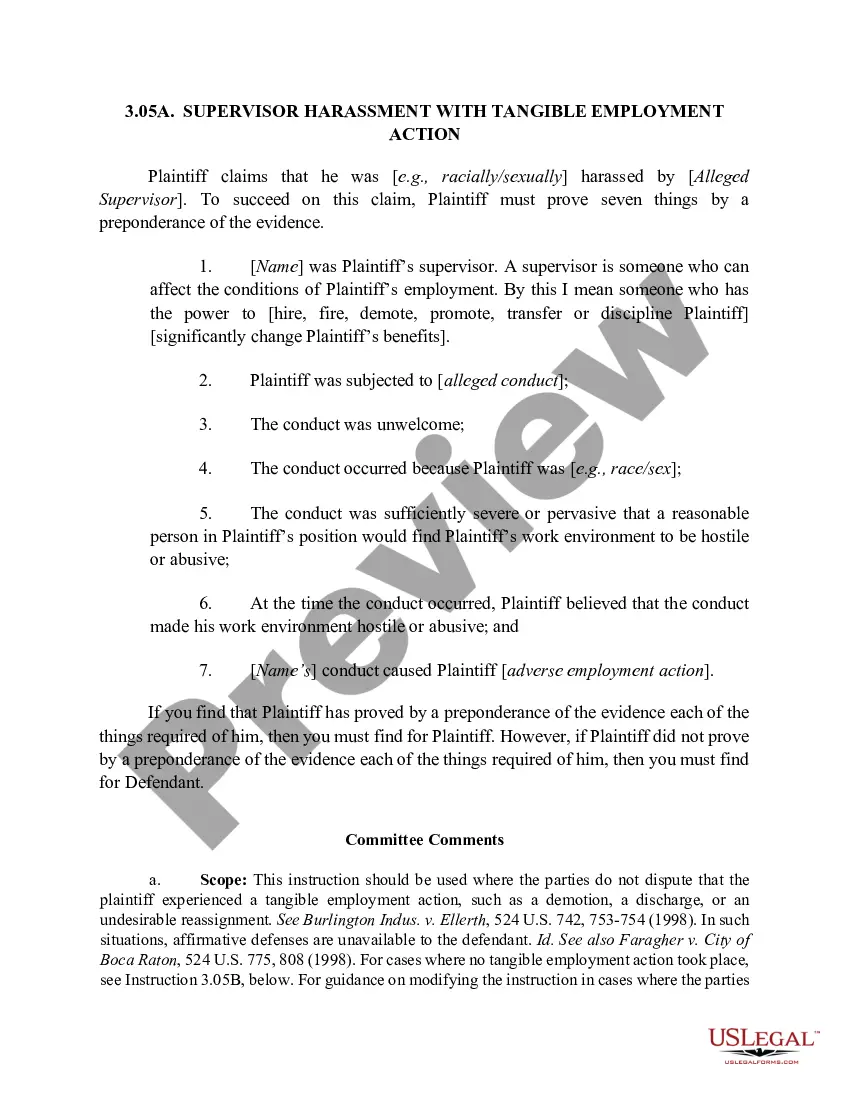
Minnesota Complaint to Confirm Title
Description
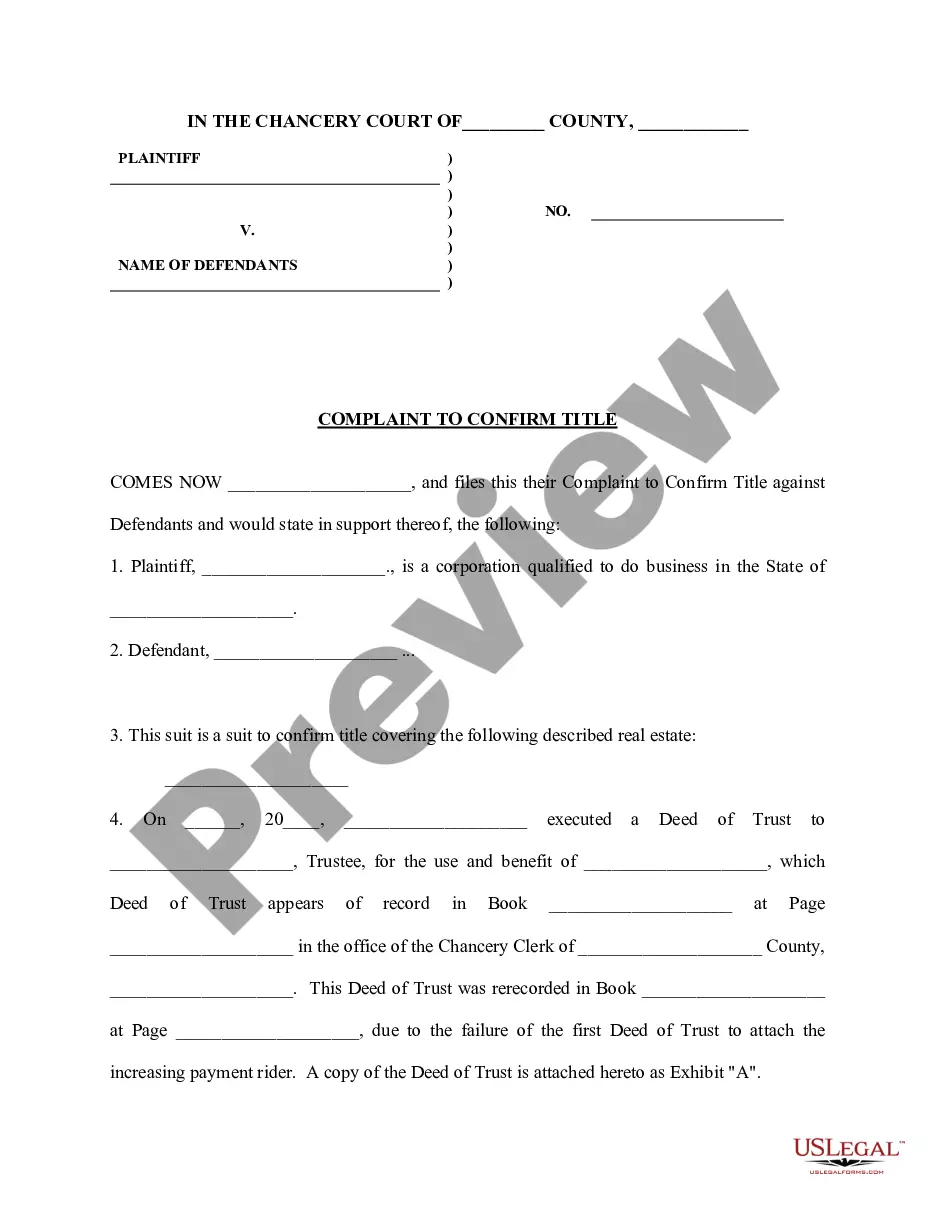
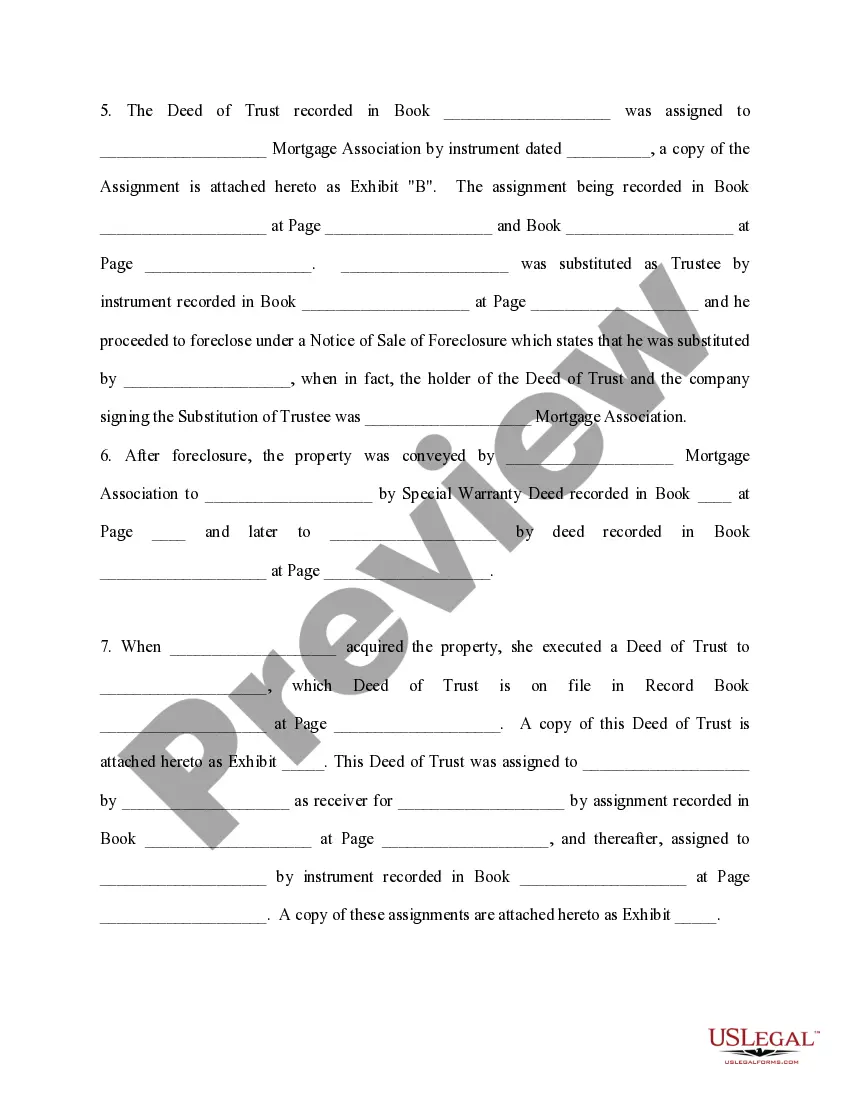
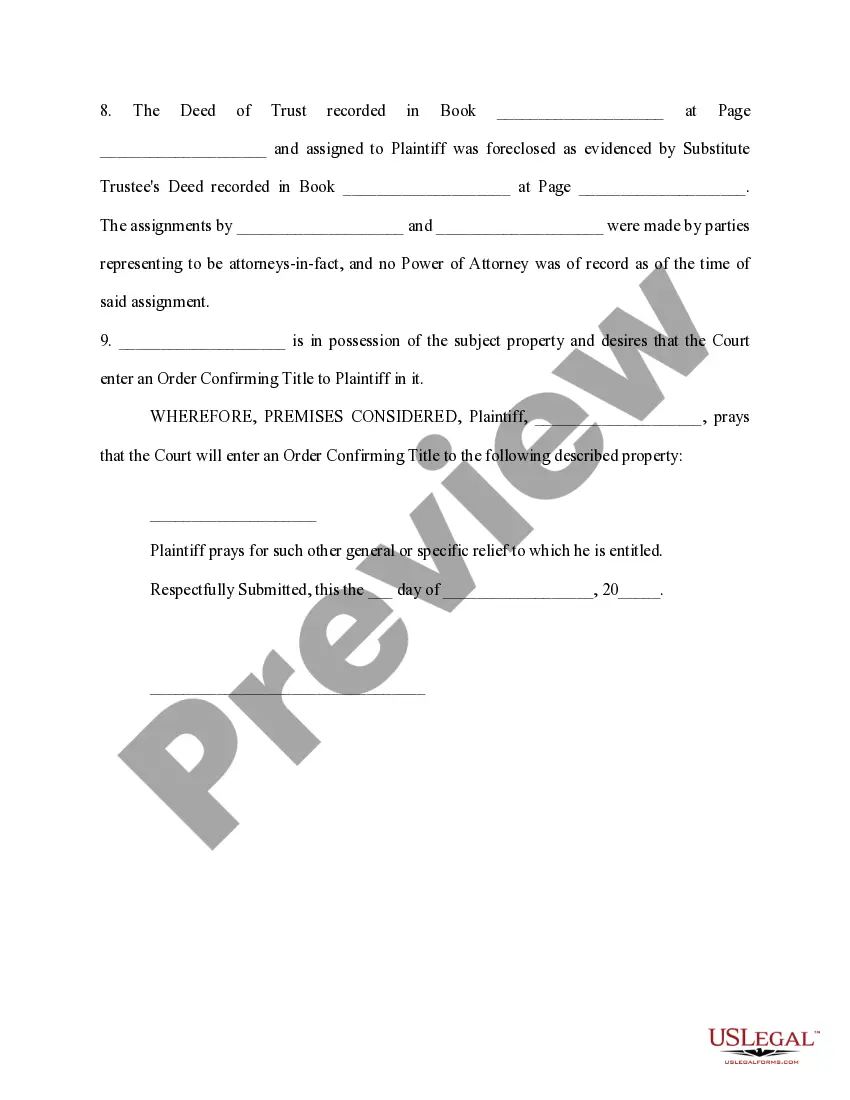
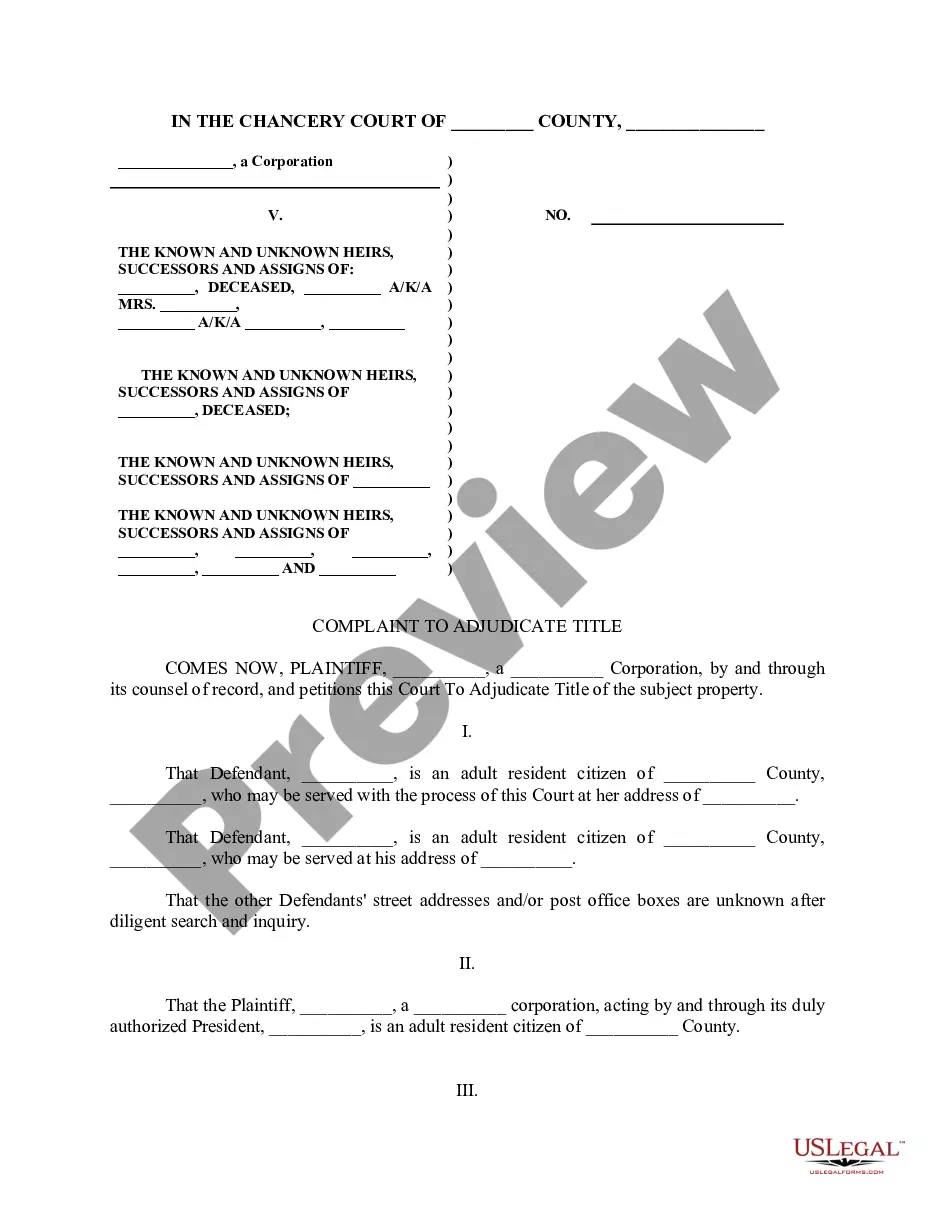
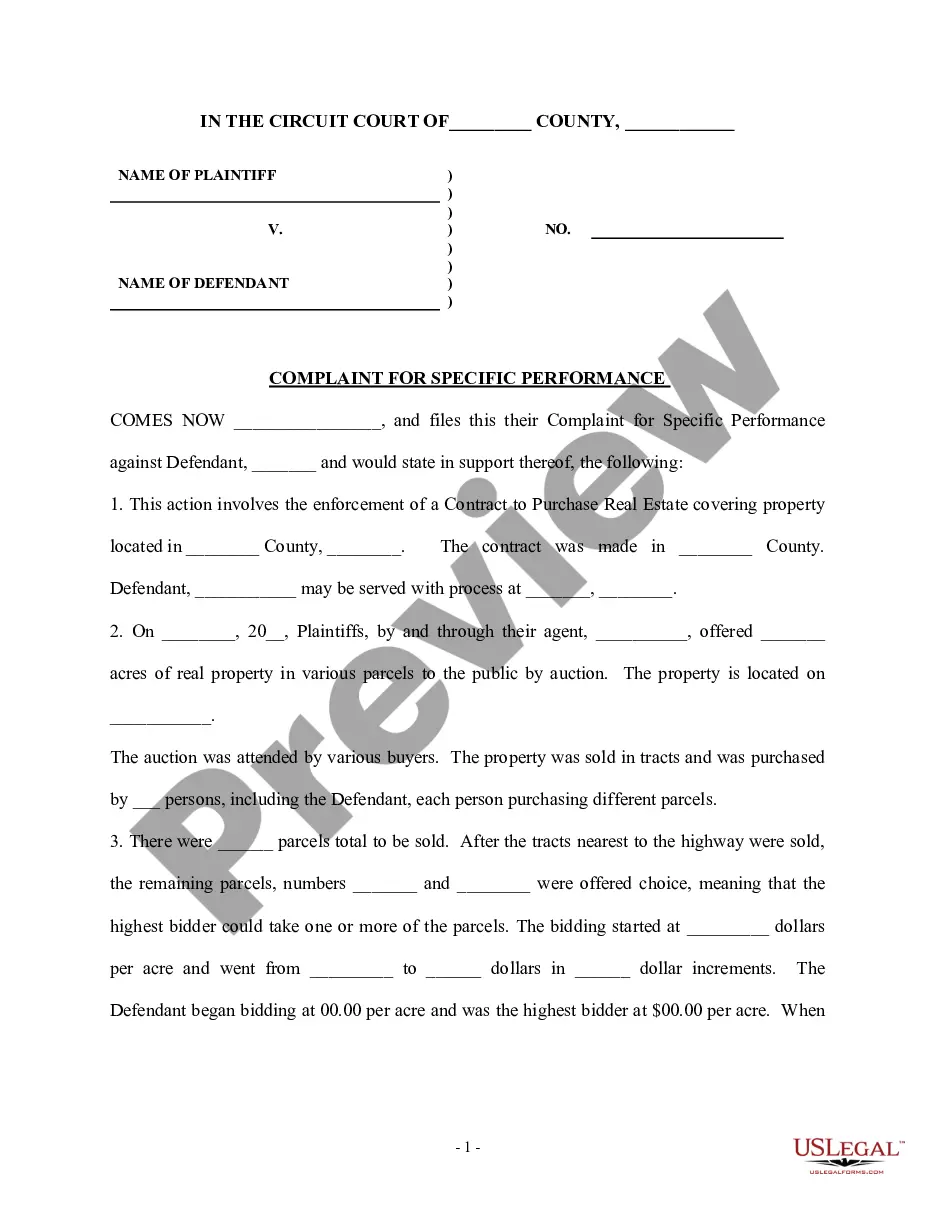
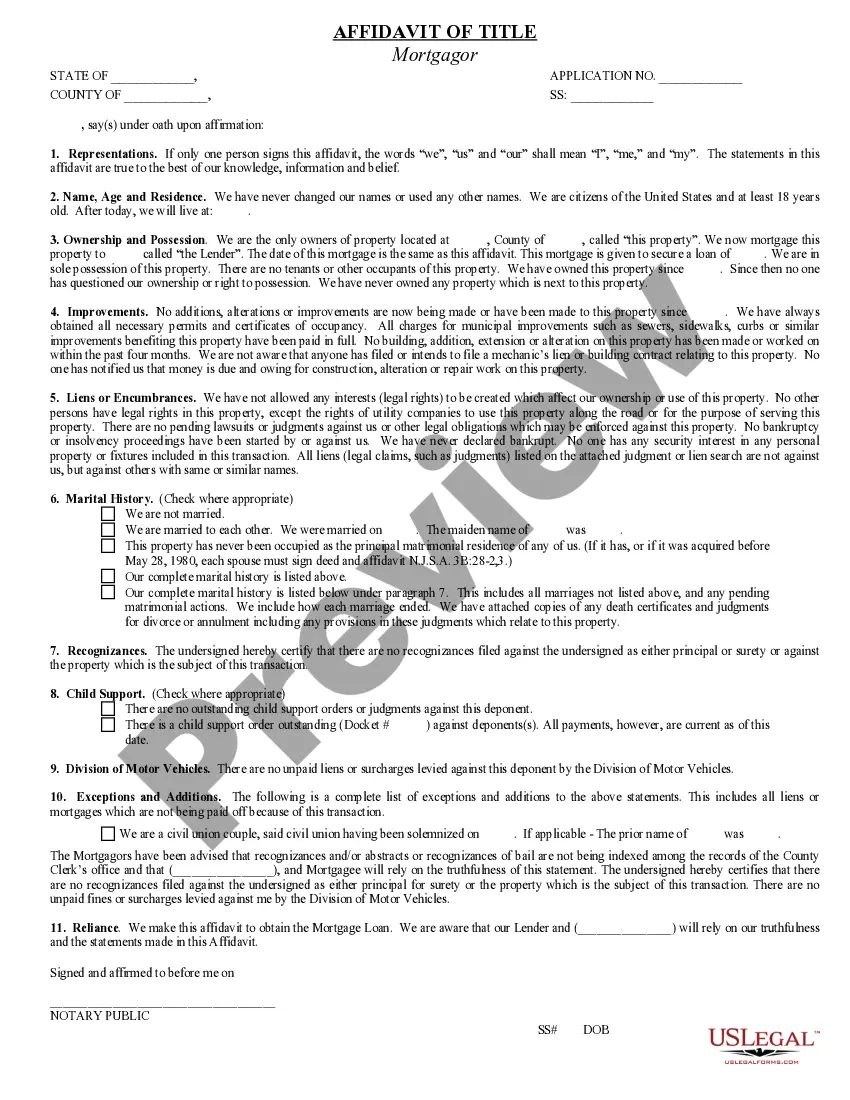






How to fill out Complaint To Confirm Title?
Locating the appropriate legal document format can be a challenge. Clearly, there are numerous templates accessible online, but how do you acquire the legal form you require? Utilize the US Legal Forms website. The platform provides a vast array of templates, including the Minnesota Complaint to Confirm Title, suitable for both business and personal purposes. All forms are vetted by experts and comply with state and federal regulations.
If you are already registered, Log In to your account and click on the Download button to retrieve the Minnesota Complaint to Confirm Title. Use your account to search through the legal documents you may have previously purchased. Visit the My documents section of your account to obtain another copy of the document you need.
If you are a new user of US Legal Forms, here are straightforward instructions for you to follow: First, ensure you have selected the correct document for your city/state. You can review the form using the Preview button and read the form description to confirm it is suitable for you. If the document does not meet your needs, utilize the Search field to find the appropriate form. Once you are confident the document is correct, click on the Acquire now button to obtain the form. Choose the payment plan you prefer and enter the necessary information. Create your account and complete the transaction using your PayPal account or credit card. Select the file format and download the legal document format to your device. Complete, edit, print, and sign the acquired Minnesota Complaint to Confirm Title.
Take advantage of the service to download well-designed documents that comply with state requirements.
- US Legal Forms offers the largest collection of legal documents.
- Find a range of document templates that meet state requirements.
- Ensure your documents are professionally crafted.
- Access a variety of forms for different needs.
- Use the platform for both personal and business purposes.
- Download documents that are compliant with legal standards.
Form popularity
FAQ
Alternatively, it is casting aspersion on someone else's property, business or goods, e.g., claiming a house is infested with termites (when it is not), or falsely claiming ownership of another's copyright (what allegedly occurred in the SCO v. Novell case). Slander of title is a form of jactitation.
Quiet title action represents a legal proceeding whereby an entity or person claims title to a portion or all of a specific real property. The Plaintiff asks the Court for a ruling that their title is superior to any other interest claimed by the Defendant.
Why would a property owner file a quiet title suit? A buyer has signed a contract to purchase a property but is uncertain of the condition of the title.
Deed signed by mistake (grantor did not know what was signed) Deed executed under falsified power of attorney. Deed executed under expired power of attorney (death, disability, or insanity of principal) Deed apparently valid, but actually delivered after death of grantor or grantee, or without consent of grantor.
Most importantly, a possessor must be able to show that they held the property continuously for the statutory period of time. In Minnesota, the period is 15 years.
The Elements of Slander of Title The defendant published a statement about the plaintiff's property. The statement was untrue. The defendant knew or should have known the statement was untrue. The statement was of a disparaging nature that could foreseeably impair the value of the property in the estimation of others.
A complaint to quiet title must be verified and must contain all of the following information [Code Civ. Proc. §761.020]: 1. a description of the property that is the subject of the action.
The Bottom Line The quiet title action is a legal remedy to resolve property disputes involving competing claims or challenges to its title. If a title is not clear, it is not "quiet". This can arise from liens, boundary disputes, easements, gaps in the chain of ownership, adverse possession, or estate sales.