Minnesota Complaint to Adjudicate Title
Description
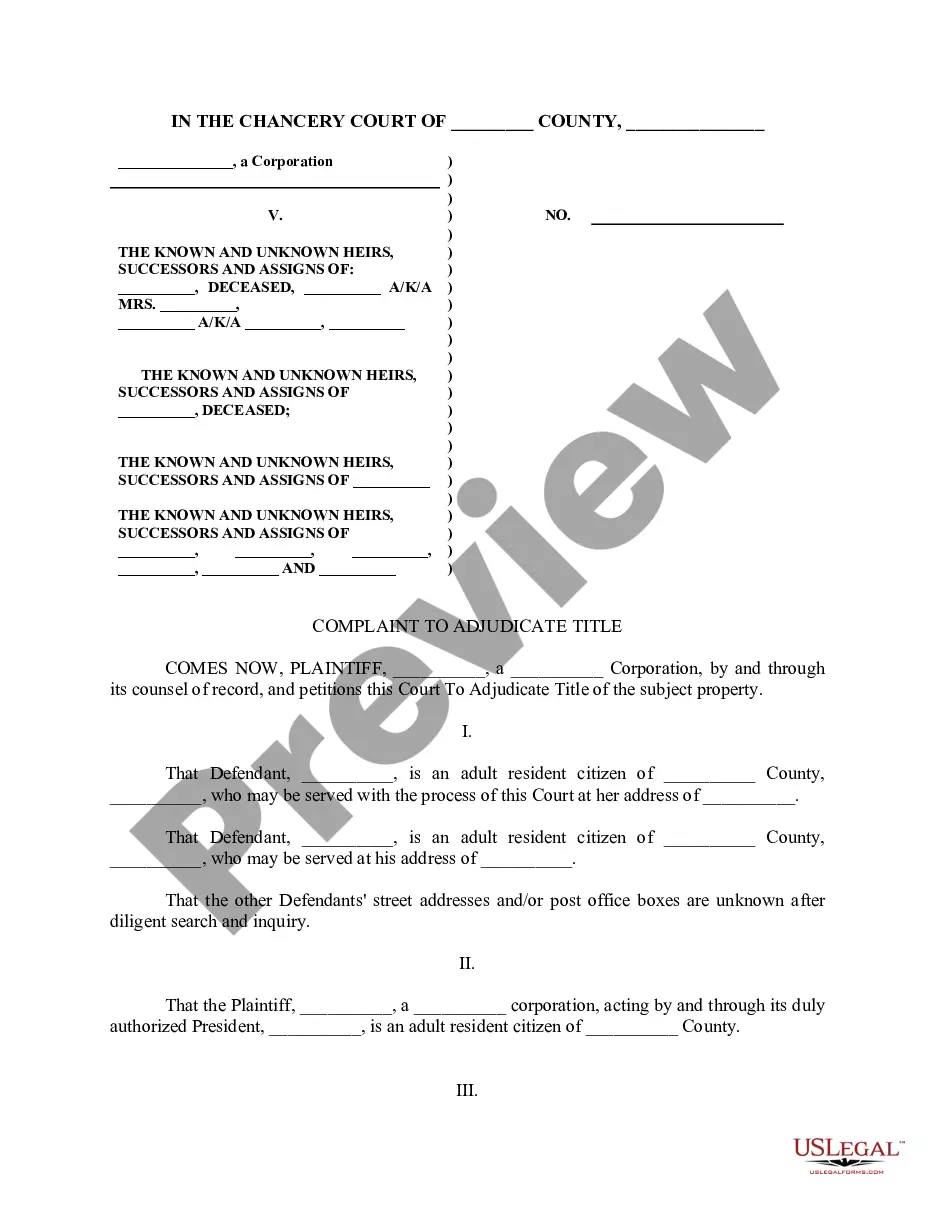
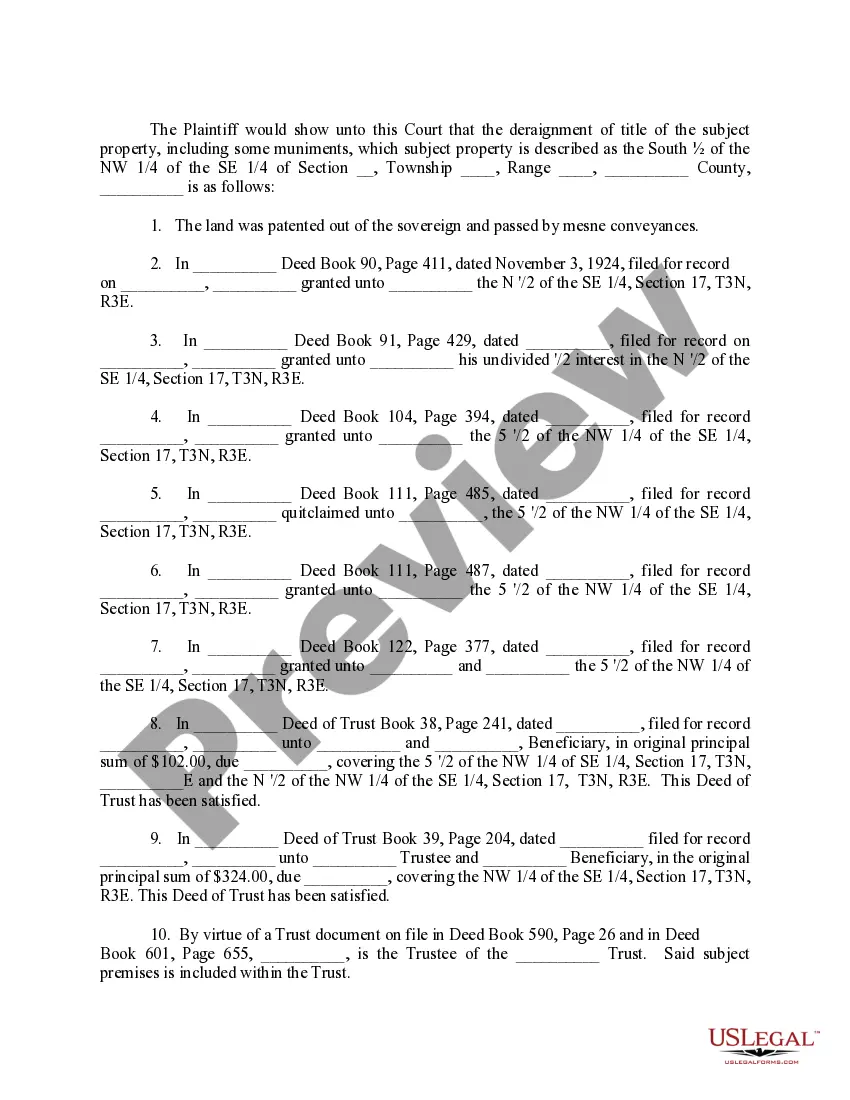
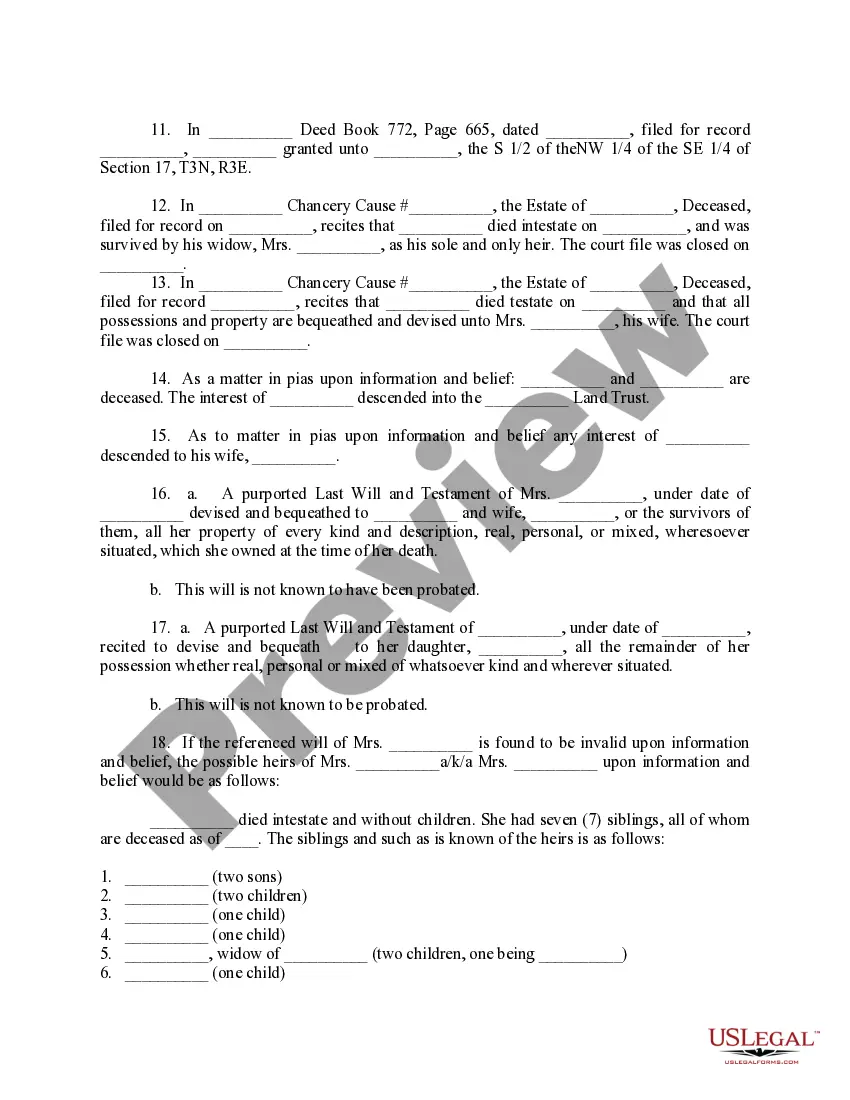
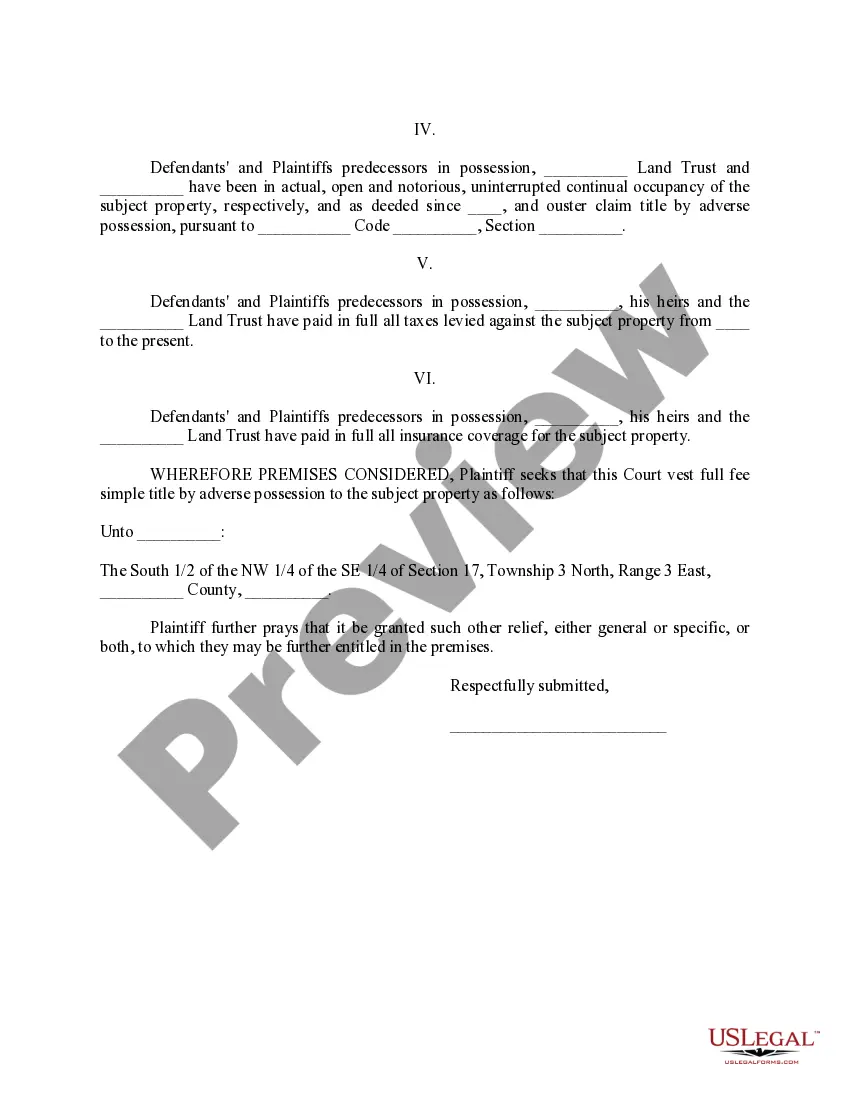
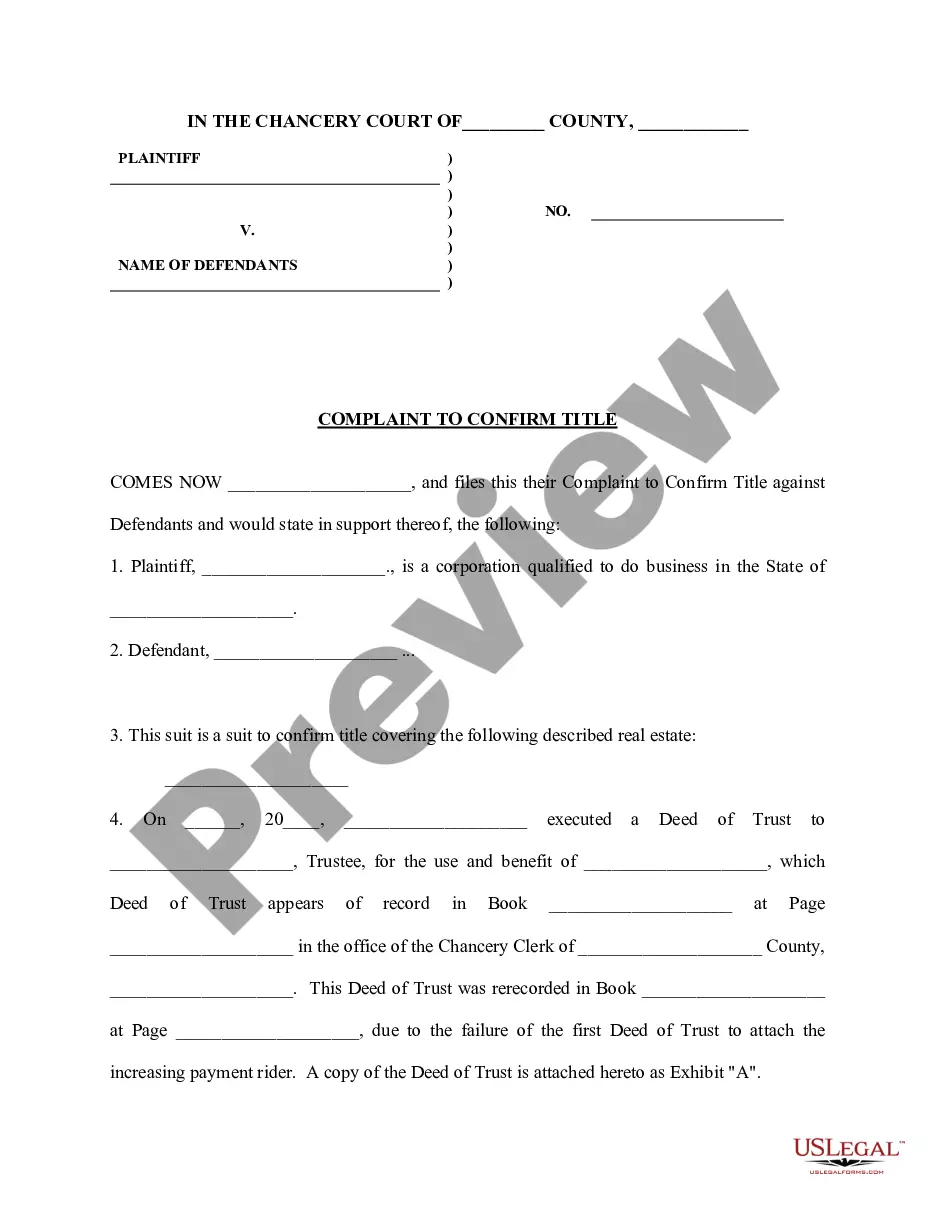
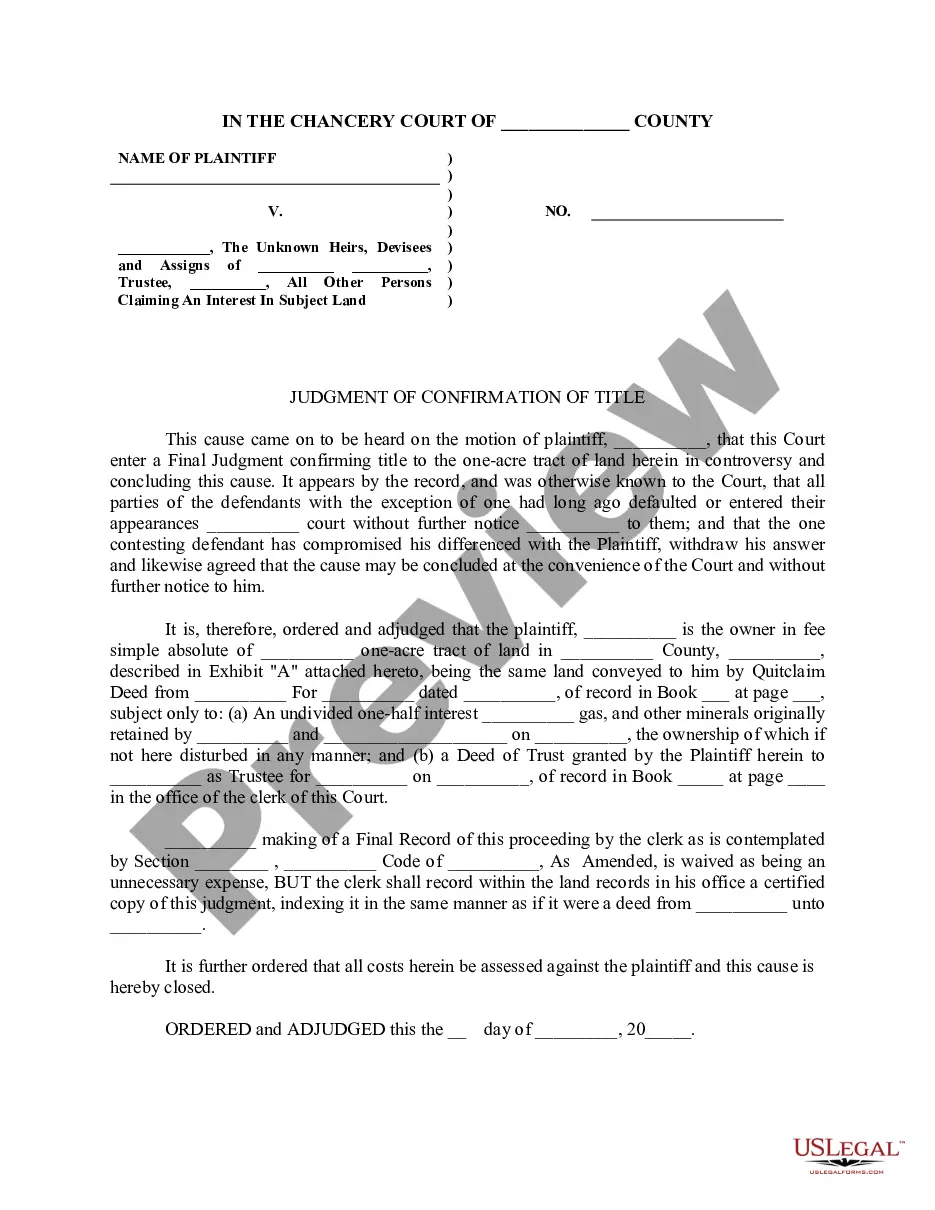

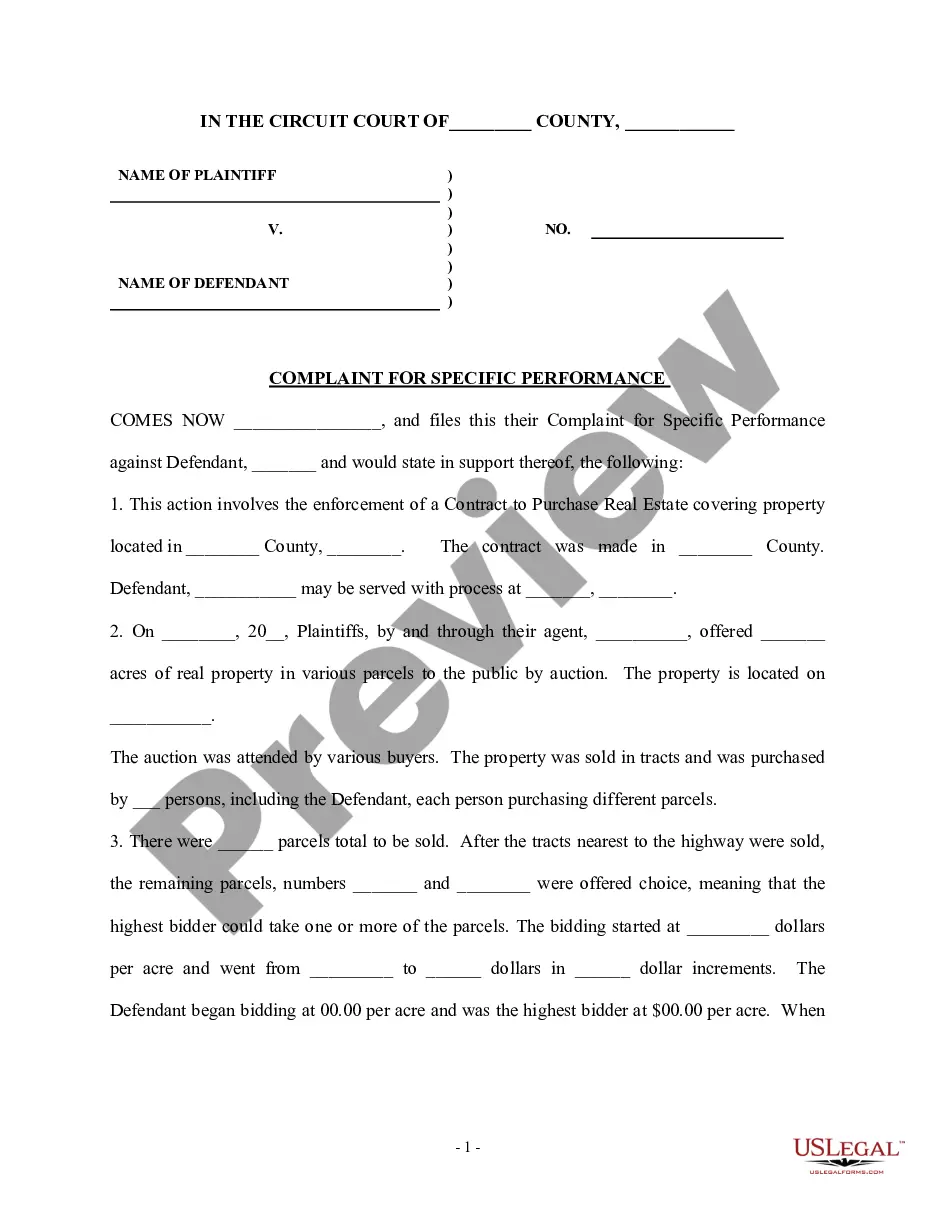

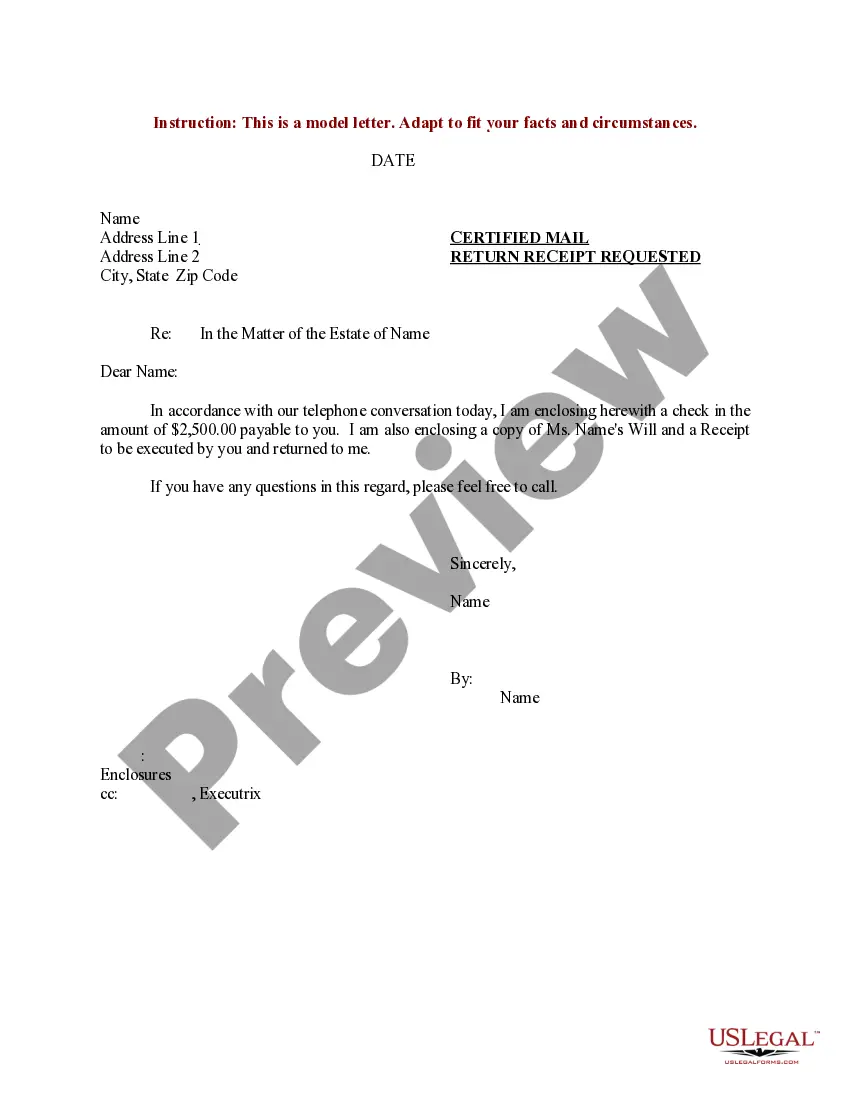
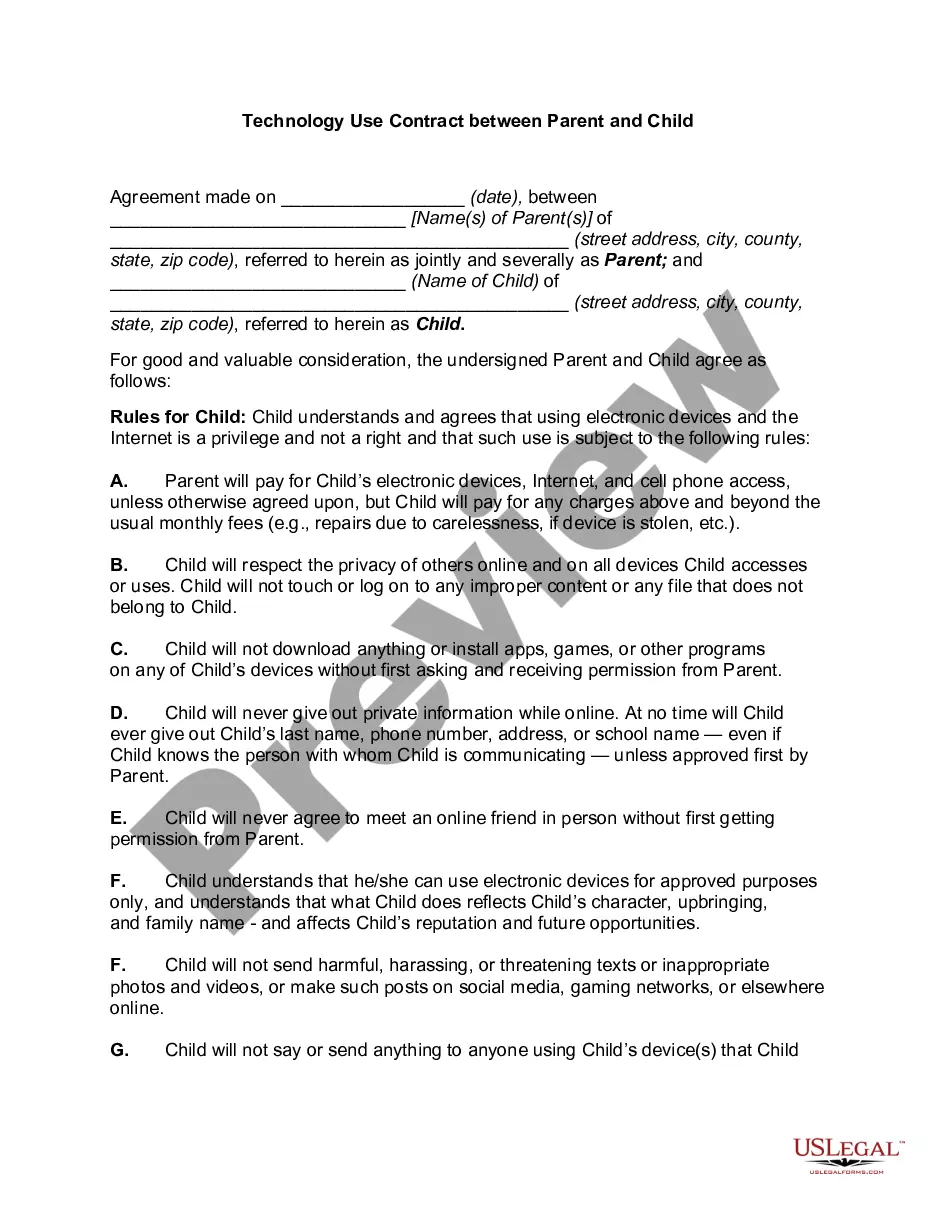
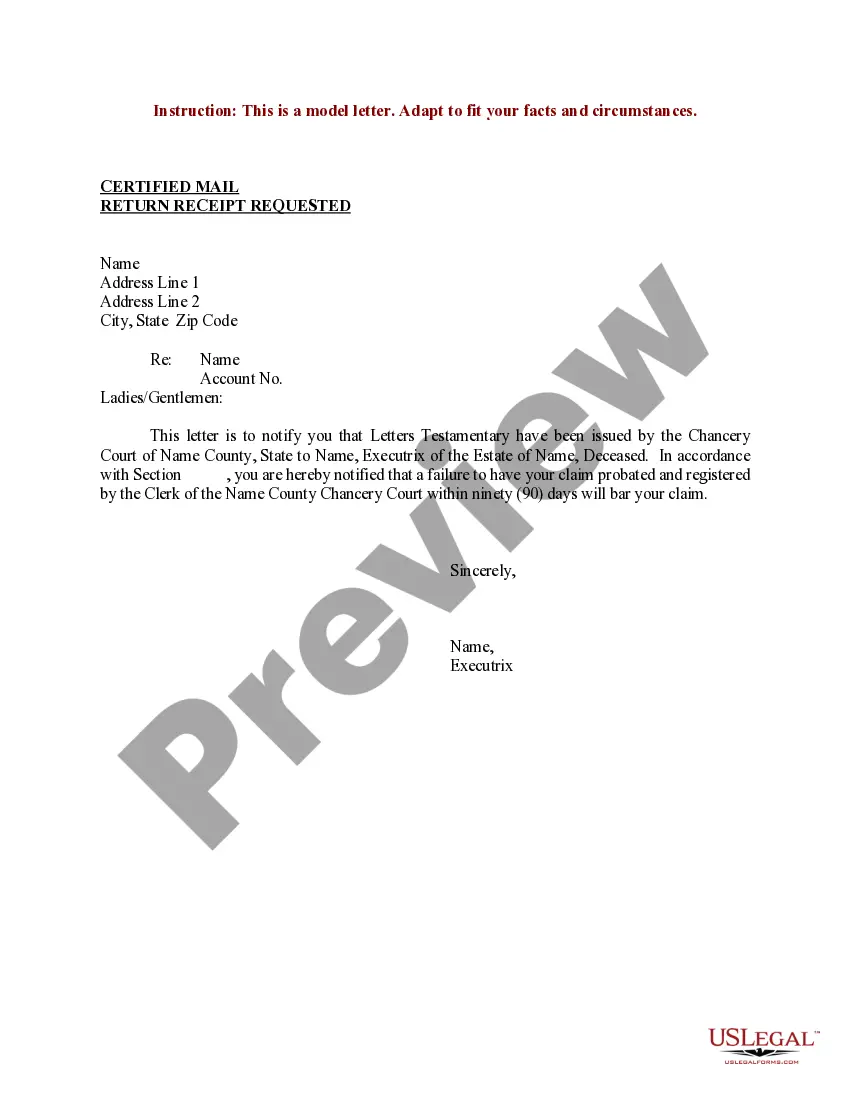
How to fill out Complaint To Adjudicate Title?
Selecting the optimal legal document web template can be a challenge. Of course, there are numerous templates accessible online, but how do you locate the legal form you need? Utilize the US Legal Forms website. The service offers thousands of templates, such as the Minnesota Complaint to Adjudicate Title, which can be used for business and personal needs. All forms are reviewed by experts and meet state and federal standards.
If you are already registered, Log In to your account and then click the Download button to obtain the Minnesota Complaint to Adjudicate Title. Use your account to search through the legal forms you have previously ordered. Navigate to the My documents section of your account and retrieve another copy of the document you need.
If you are a new customer of US Legal Forms, here are simple instructions for you to follow: First, ensure you have selected the correct form for your city/state. You can review the form using the Review button and read the form description to confirm it is the correct one for you. If the form does not meet your needs, use the Search field to find the appropriate form. Once you are confident that the form is accurate, click the Get now button to acquire the form. Choose the payment plan you prefer and enter the necessary information. Create your account and pay for the order using your PayPal account or credit card. Select the file format and download the legal document template to your device. Finally, complete, modify, print, and sign the obtained Minnesota Complaint to Adjudicate Title.
Make use of US Legal Forms to simplify your legal documentation needs.
- US Legal Forms is the largest repository of legal forms that you can find numerous document templates.
- Utilize the service to obtain professionally crafted papers that comply with state regulations.
- The website offers a wide selection of legal forms for various purposes.
- All documents are vetted by professionals to ensure compliance.
- Finding the right legal template is made easy with the search functionality.
- The platform is user-friendly for both new and existing customers.
Form popularity
FAQ
(a) Definition. A "complex case" is an action that requires exceptional judicial management to avoid placing unnecessary burdens on the court or the litigants and to expedite the case, keep costs reasonable, and promote effective decision making by the court, the parties, and counsel.
In all default proceedings where a stipulation has not been filed, an Affidavit of Default and of Nonmilitary Status of the defaulting party or a waiver by that party of any rights under the Servicemembers Civil Relief Act, as amended, shall be filed with the court.
Rule 35. The order may be made only on motion for good cause shown and upon notice to the party or person to be examined and to all other parties and shall specify the time, place, manner, conditions, and scope of the examination and the person or persons by whom it is made.
Rule 58. The judgment in all cases shall be entered and signed by the court administrator in the judgment roll; this entry constitutes the entry of the judgment; and the judgment is not effective before such entry.
The court may, at any time, require the filing of a bond in such amount as the court deems necessary and the court, either on request of an interested party, or on its own motion, may increase or decrease the amount of the bond.
16.02Scheduling and Planning A schedule shall not be modified except by leave of court upon a showing of good cause.
Rule 56. The court shall grant summary judgment if the movant shows that there is no genuine issue as to any material fact and the movant is entitled to judgment as a matter of law. The court shall state on the record or in a written decision the reasons for granting or denying the motion.
Rule 403 sets forth the appropriate considerations that must be addressed in resolving challenges to the admissibility of relevant evidence. The rule creates a balancing test. Probative value is balanced against other considerations of policy, fairness, and convenience.