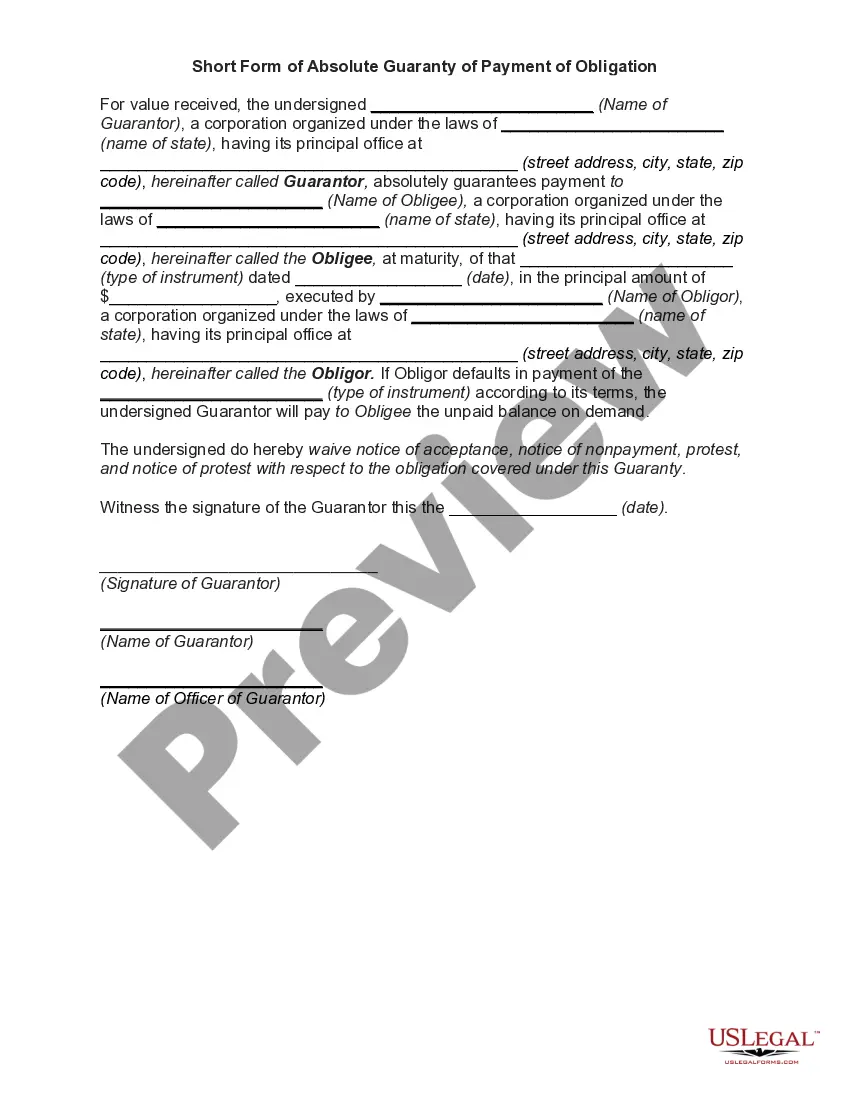
Minnesota Affidavit by an Attorney-in-Fact in the Capacity of an Executor of an Estate
Description
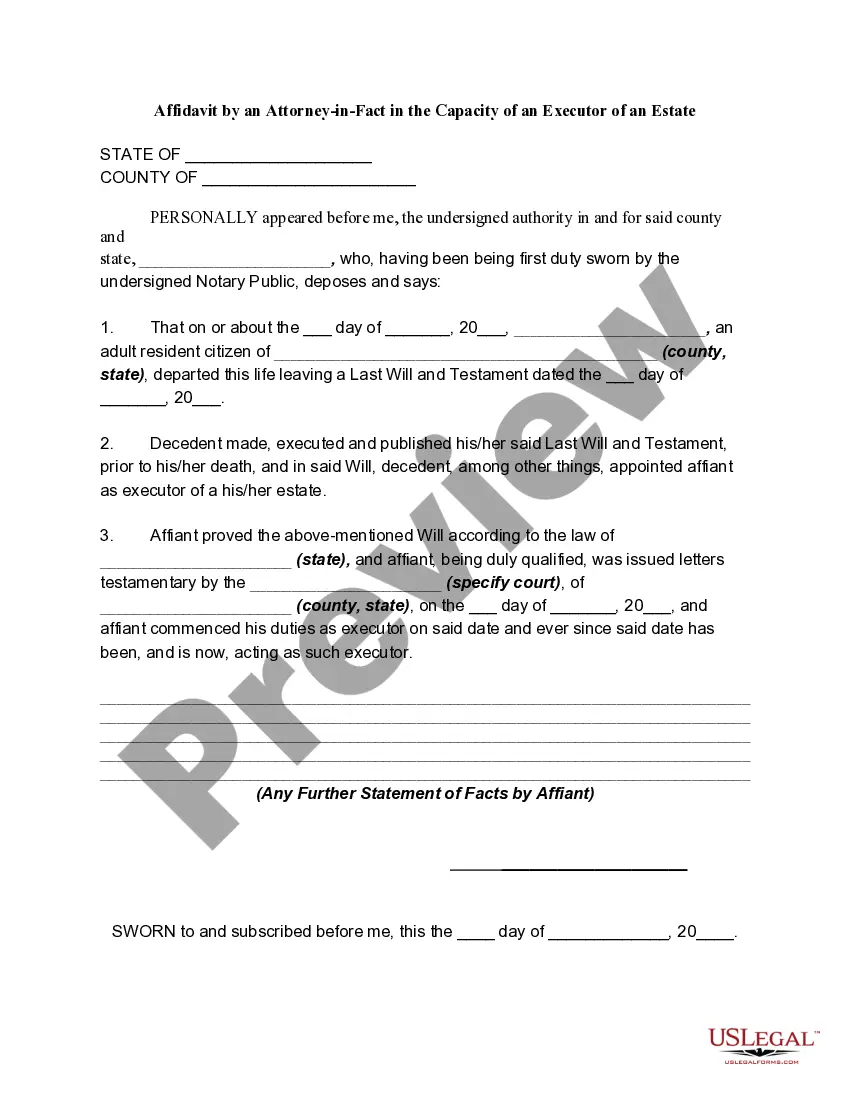

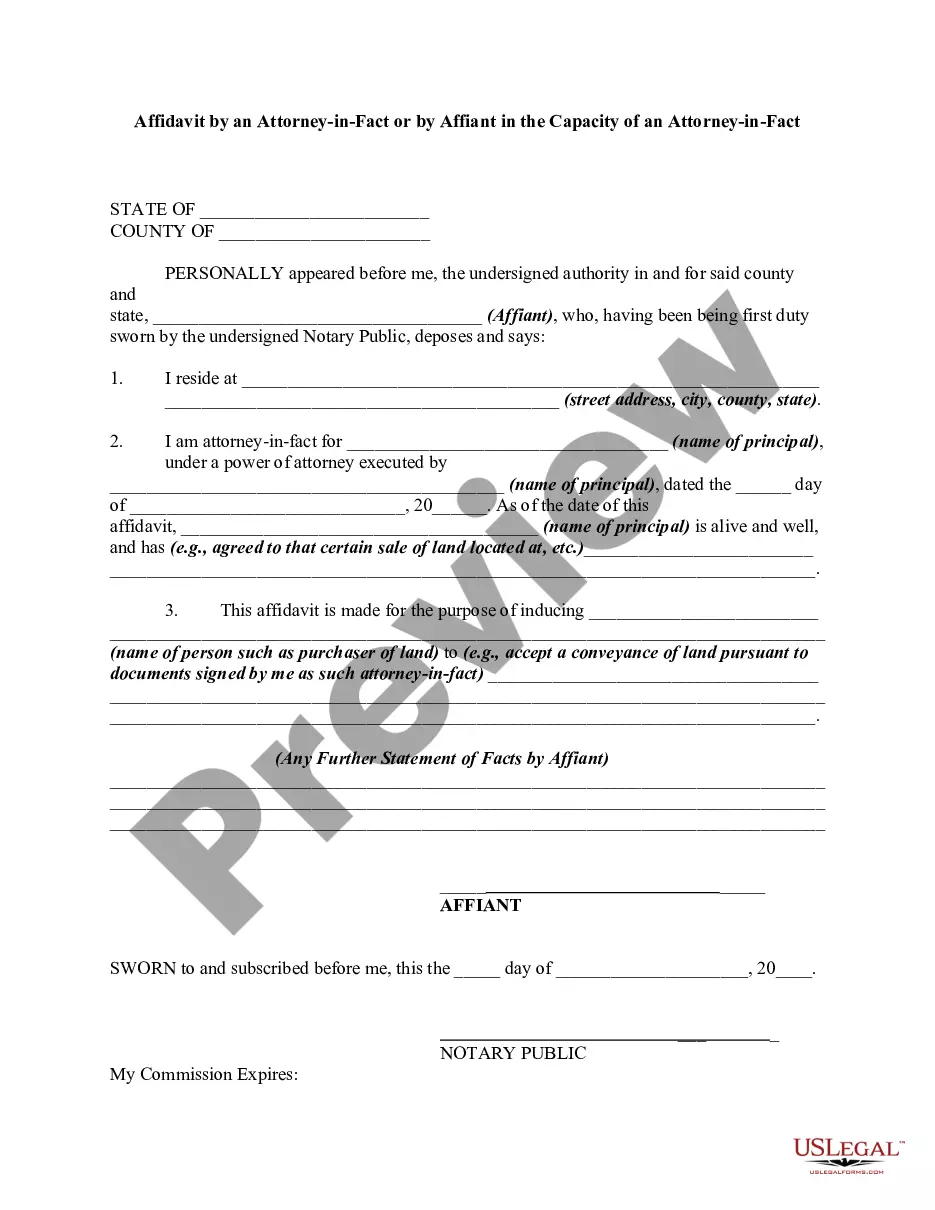
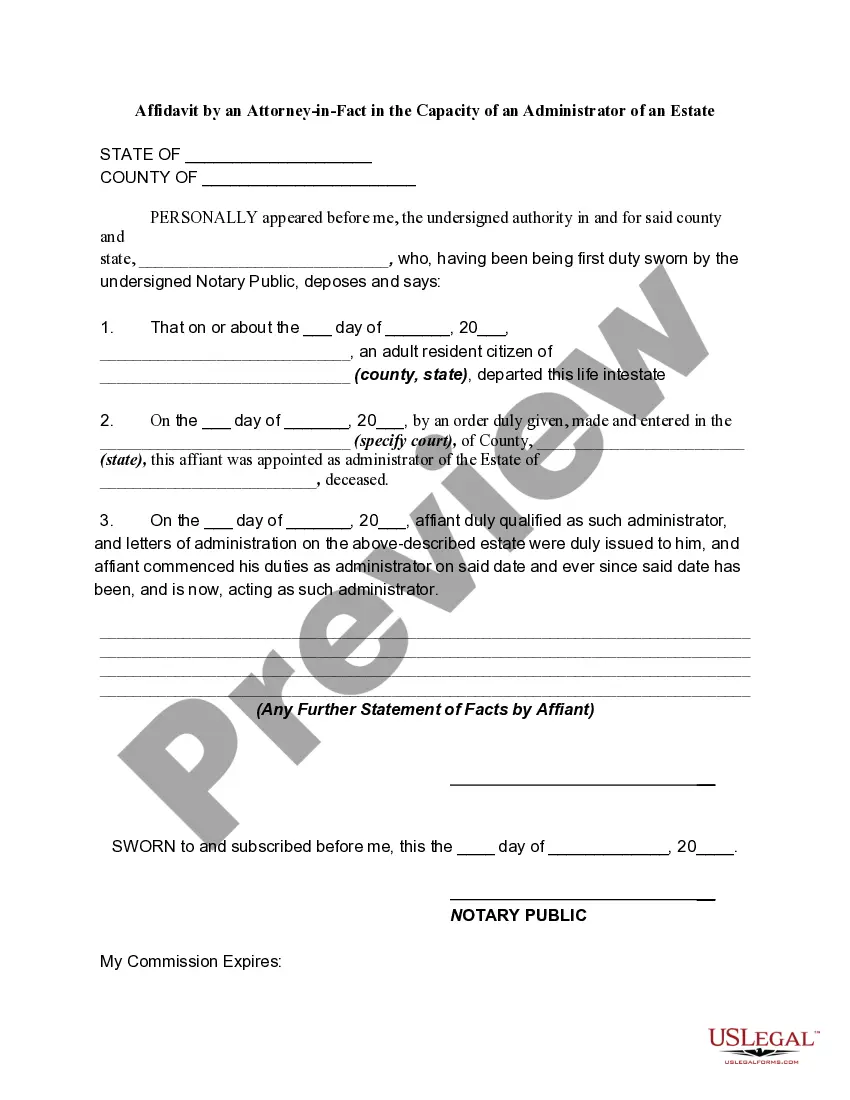
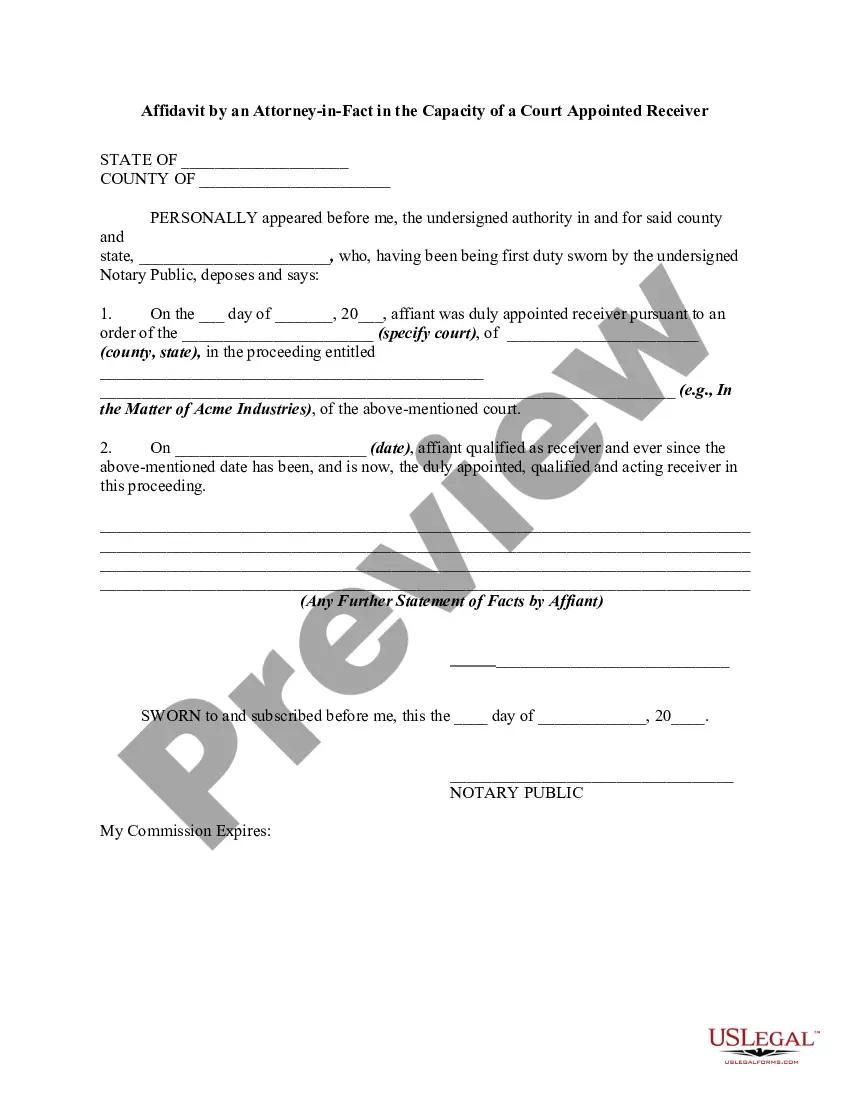
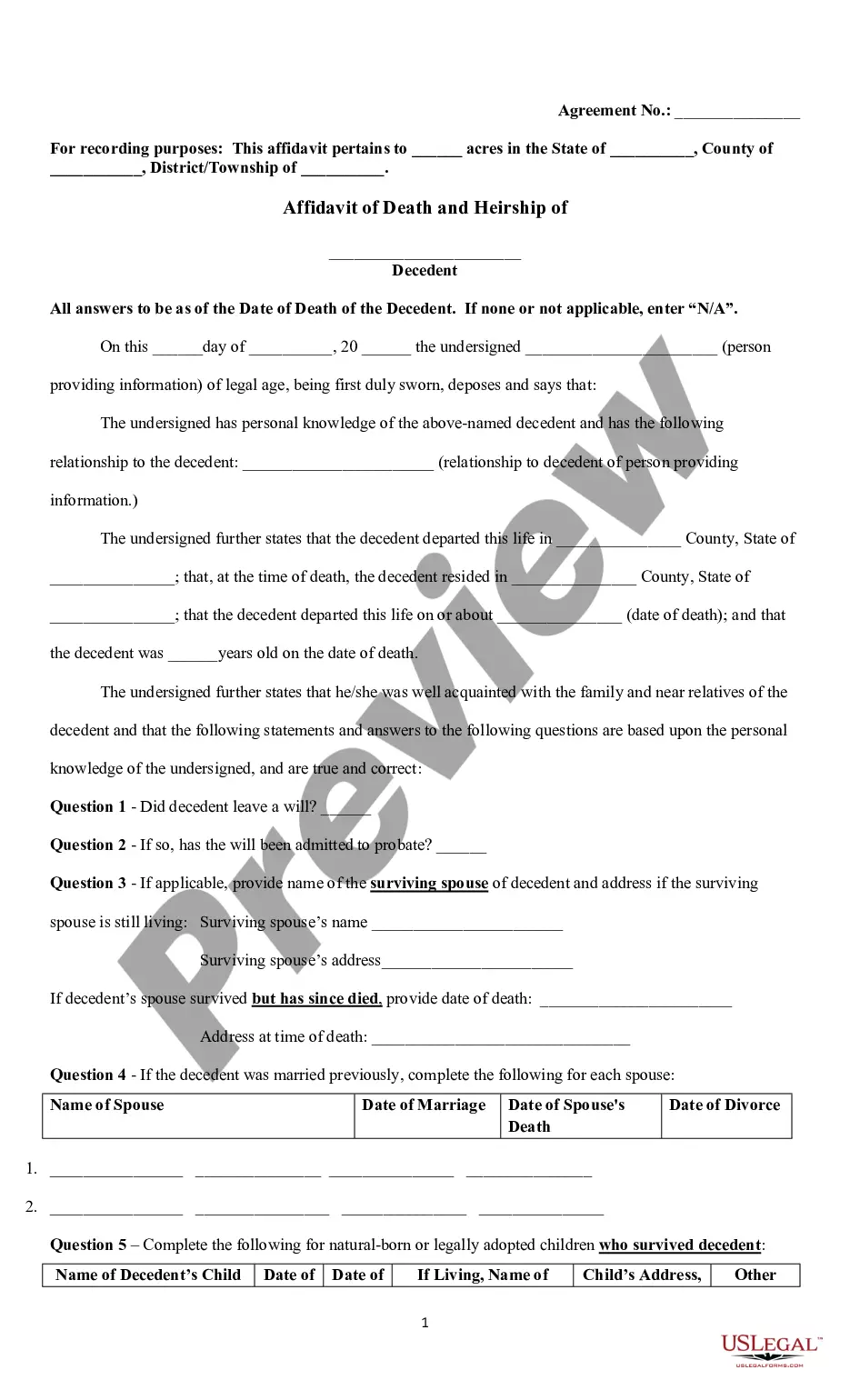
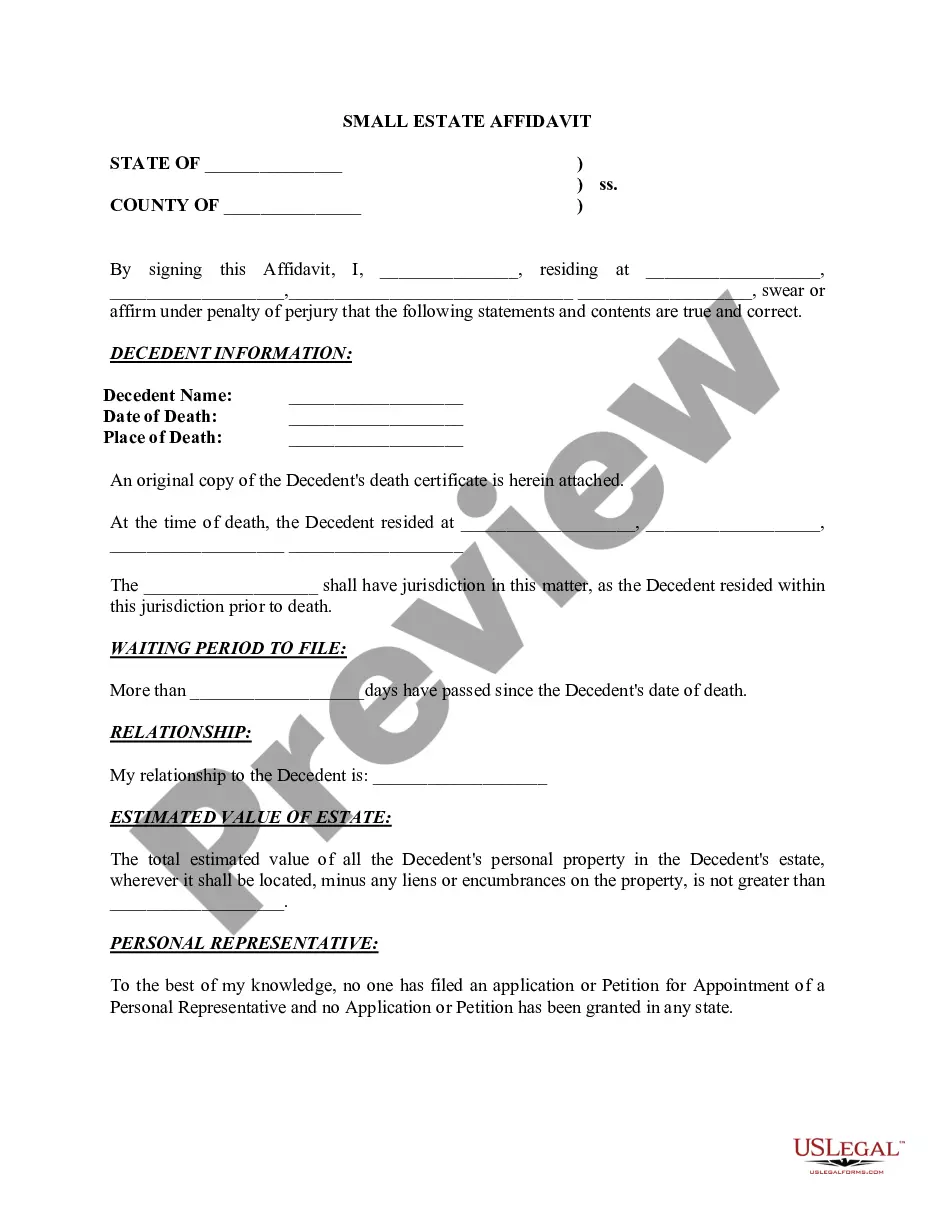
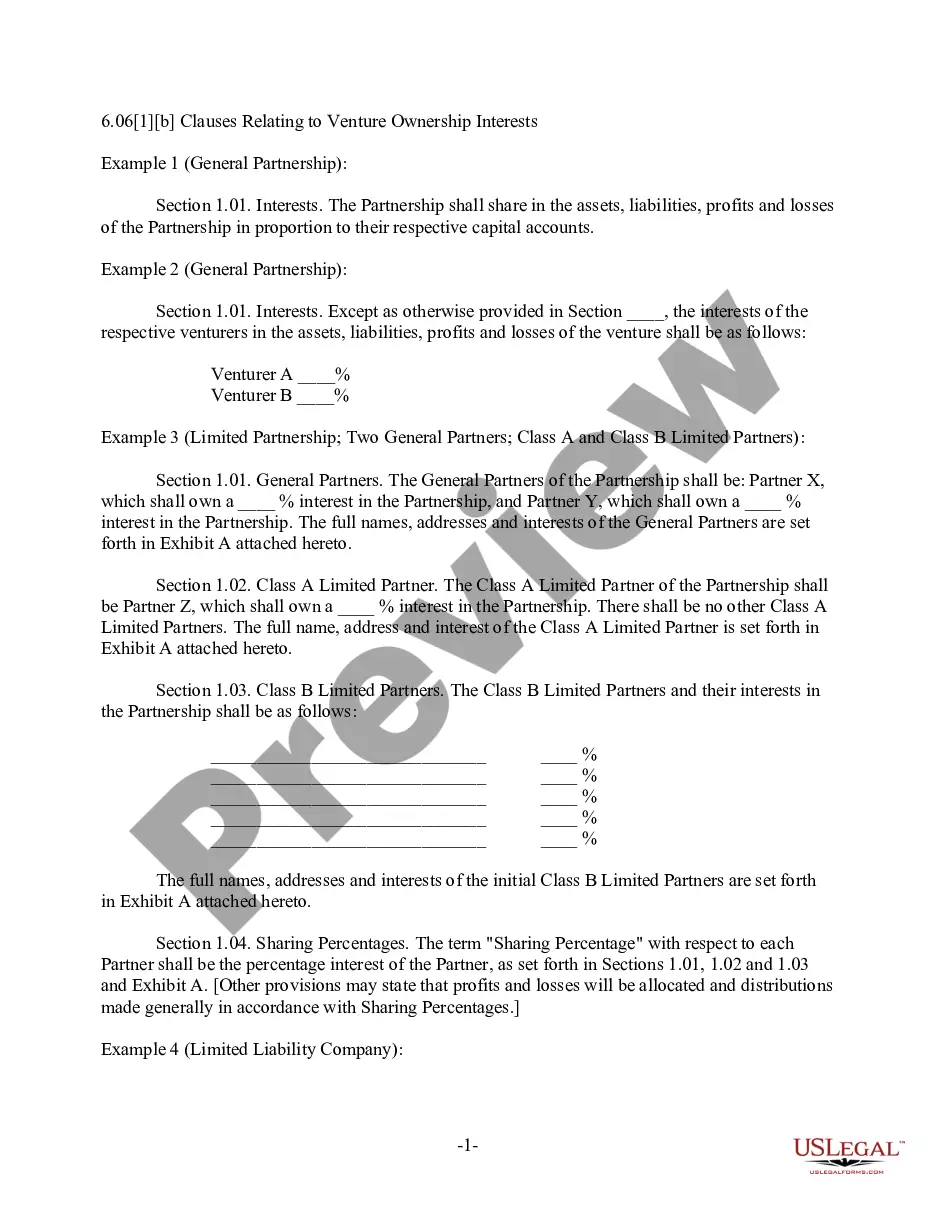
How to fill out Affidavit By An Attorney-in-Fact In The Capacity Of An Executor Of An Estate?
US Legal Forms - one of the largest collections of legal documents in the United States - offers a variety of legal form templates that you can download or print. By using the website, you can access thousands of forms for business and personal purposes, categorized by types, states, or keywords. You can find the latest versions of forms such as the Minnesota Affidavit by an Attorney-in-Fact in the Role of an Executor of an Estate within minutes.
If you already have a subscription, Log In and obtain the Minnesota Affidavit by an Attorney-in-Fact in the Role of an Executor of an Estate from the US Legal Forms catalog. The Download button will appear on every form you view. You can access all previously saved forms from the My documents tab in your account.
If you want to use US Legal Forms for the first time, here are simple steps to help you get started: Ensure you have selected the correct form for your area/state. Click on the Preview button to review the form's details. Read the form description to confirm that you have selected the right form. If the form does not meet your needs, use the Search field at the top of the screen to find one that does. If you are satisfied with the form, confirm your choice by clicking the Buy now button. Then, choose the pricing plan you prefer and provide your details to register for an account. Complete the payment. Use your Visa or Mastercard or PayPal account to finish the transaction. Select the file format and download the form to your device. Make modifications. Complete, edit, and print and sign the downloaded Minnesota Affidavit by an Attorney-in-Fact in the Role of an Executor of an Estate. Each template you add to your account has no expiration date and is yours forever. Therefore, if you wish to download or print another version, simply go to the My documents section and click on the form you need. Access the Minnesota Affidavit by an Attorney-in-Fact in the Role of an Executor of an Estate with US Legal Forms, the largest collection of legal document templates. Utilize thousands of professional and state-specific templates that meet your business or personal needs and requirements.
Form popularity
FAQ
The "principal" is the person who creates a Power of Attorney document, and they give authority to another adult who is called an "attorney-in-fact." The attorney-in-fact does NOT have to be a lawyer and CANNOT act as an attorney for the principal. The attorney-in-fact must be a competent adult (18 years or older).
523.11 REVOCATION OF A POWER. An executed power of attorney may be revoked only by a written instrument of revocation signed by the principal and, in the case of a signature on behalf of the principal by another or a signature by a mark, acknowledged before a notary public.
An attorney in fact is an agent authorized to act on behalf of another person, but not necessarily authorized to practice law, e.g. a person authorized to act by a power of attorney.
There's no easy way to say how long Minnesota probate should take, but one year is a good rule of thumb. An estate that includes a clear will and beneficiaries who can get along may take less than a year whereas one that involves taxes, challenges, multiple attorneys, or other complications can drag on much longer.
The affiant basically serves as a kind of informal executor, distributing assets to the proper beneficiary and in some cases even making sure that debts and funeral expenses are paid first.
Office of Minnesota Attorney General Keith Ellison As noted above, you may find that the quickest way to get your question answered or to see if we can help is to call our Office at (651) 296-3353 (Twin Cities Calling Area) or (800) 657-3787 (Outside the Twin Cities) where analysts are available to take your call.
A Minnesota common law power of attorney (?Common Law POA?) is a document which is used to create a legal relationship whereby one party ? known as a principal, authorizes another party ? known as an ?attorney-in-fact?, to act on behalf of the principal in regards to certain specified legal matters.
Your share of joint tenancy bank accounts (but not joint tenancy real estate) payable-on-death bank accounts. transfer-on-death securities or security accounts, and. property in a living trust.