A Minnesota Order for Release of Funds in Protected Account is a court order issued by a Minnesota court that allows for the release of funds from a protected account. This type of order is typically issued when a person has died and a beneficiary is entitled to receive funds from the decedent's estate. These funds may be held in a bank account, insurance policy, or other protected asset. There are two types of Minnesota Order for Release of Funds in Protected Account: a Small Estate Affidavit and a Court Order for Release of Funds. A Small Estate Affidavit is used when the decedent's estate does not exceed a certain dollar amount, and the beneficiary is able to submit an affidavit to the court to receive the funds. A Court Order for Release of Funds is used when the amount exceeds the Small Estate Affidavit limit, and the court must issue an order to the bank or other holding institution to release the funds to the beneficiary.
Minnesota Order for Release of Funds in Protected Account
Description

How to fill out Minnesota Order For Release Of Funds In Protected Account?
US Legal Forms is the simplest and most cost-effective method to discover suitable legal templates.
It boasts the most comprehensive online repository of business and individual legal documents crafted and validated by attorneys.
Here, you can locate printable and fillable forms that adhere to federal and local regulations - just like your Minnesota Order for Release of Funds in Protected Account.
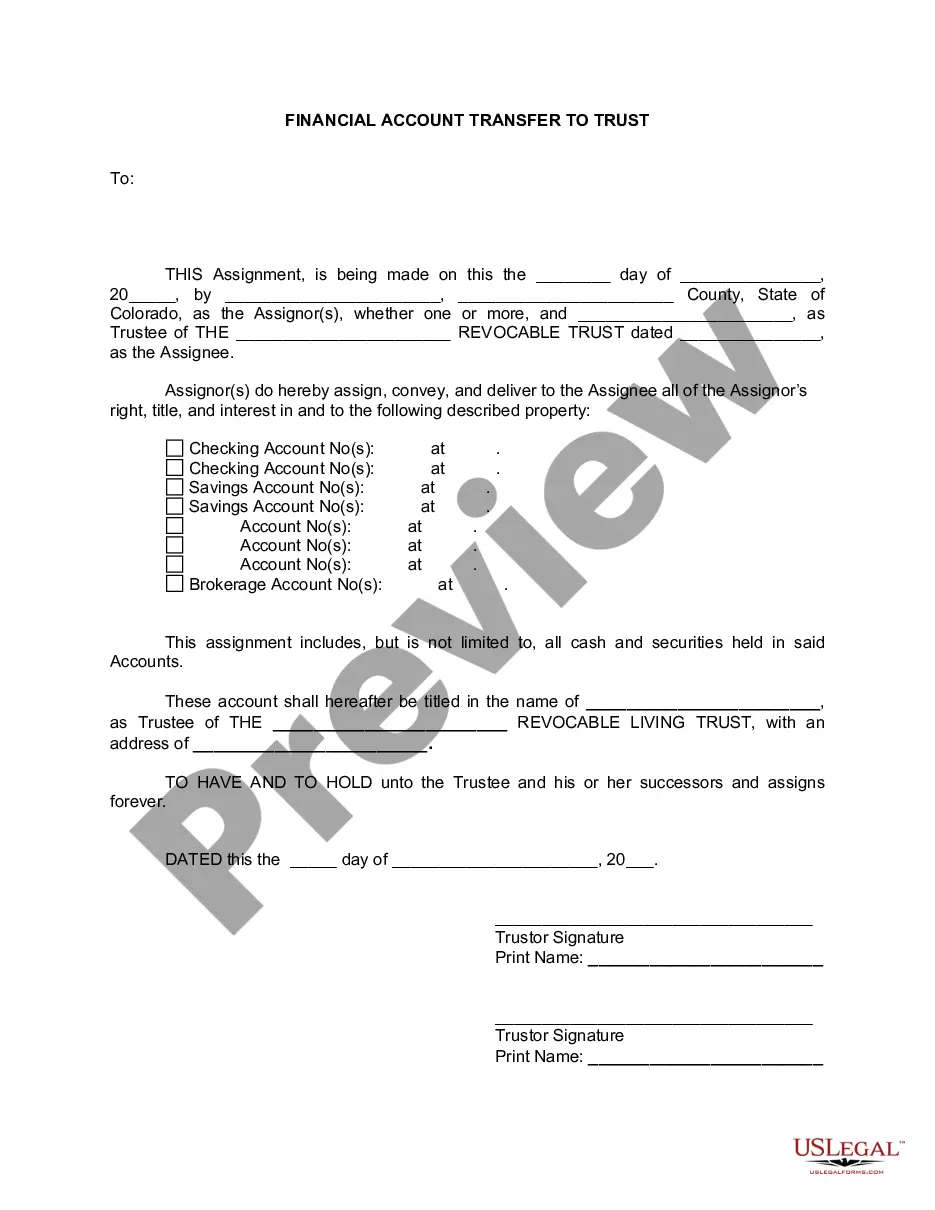
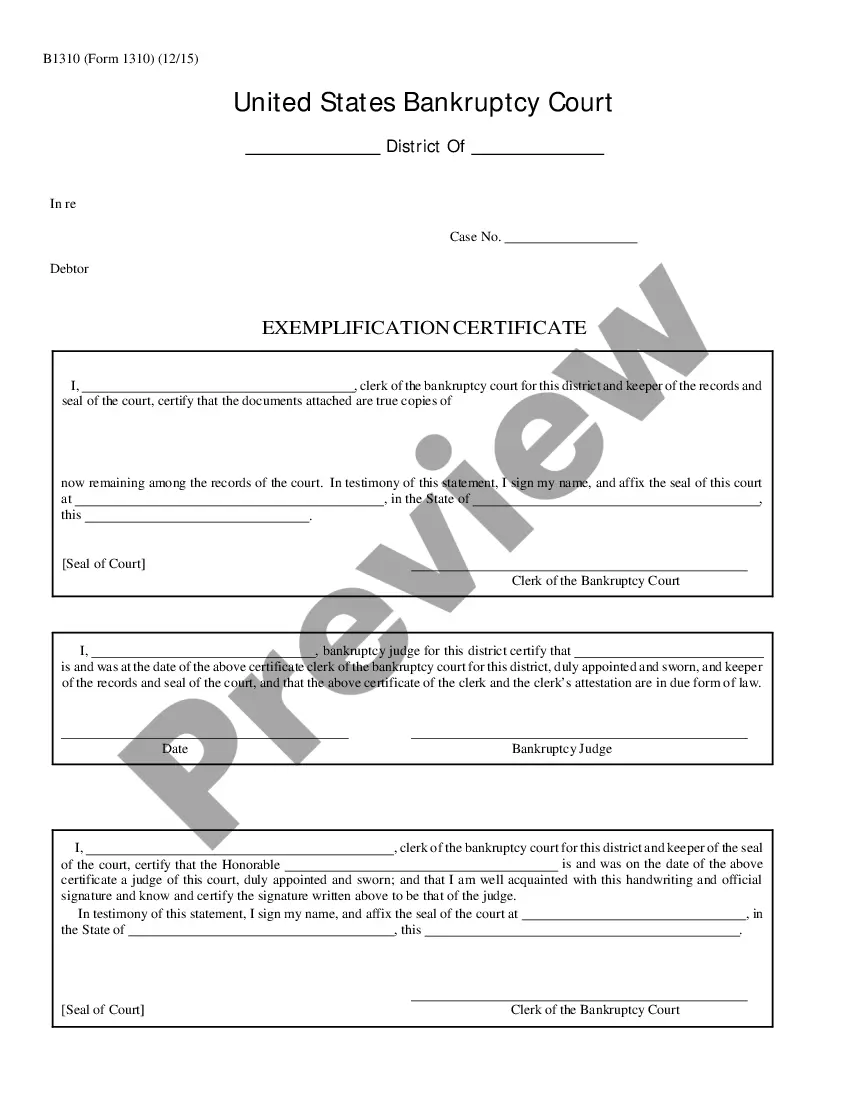
Review the form description or preview the document to ensure you’ve located the one that meets your needs, or find another one using the search tab above.
Click Buy now when you’re confident of its alignment with all the requirements, and select the subscription plan you favor most.
- Acquiring your template requires just a few straightforward steps.
- Users who already possess an account with an active subscription only need to Log In to the site and download the document onto their device.
- Subsequently, they can find it in their profile under the My documents section.
- And here’s how you can get a professionally prepared Minnesota Order for Release of Funds in Protected Account if you are using US Legal Forms for the first time.
Form popularity
FAQ
If you've been injured, you may be asking, ?how long do you have to sue for personal injury?? In most cases, the answer is six years in Minnesota and three years in Wisconsin. The 6-year statute of limitations for Minnesota personal injury lawsuits can be found at Minnesota Statutes section 541.05.
The statute of limitations for filing a product liability claim will depend on the legal theory that the action is based on: Strict Liability: within four years. Negligence: if claiming personal injury, within two years, and if claiming property damage, within six years. Breach of Implied Warranty: within four years.
1(4)) Recovery of real estate: 15 years (Minn. Stat. § 541.02)
Probate ends when the personal representative or court issues a final account detailing the assets and how they were distributed. A copy is filed with the probate court. The personal representative must provide a copy of the account on request.
There are 2 exemptions that are automatic. Your employer can't garnish money from your paycheck if you earn less than $380 a week ($1,520 a month). This is full-time pay at the state minimum wage. If you earn more than $380 a week, at least 75% of your earnings after taxes are automatically protected.
The third party shall not be compelled to pay or deliver the same before the time specified by any agreement unless the agreement was fraudulently contracted to defeat an execution levy or other collection remedy.
The time limits for civil claims and other actions in Minnesota vary from two years for personal injury claims to 10 years for judgments. Fraud, injury to personal property, and trespassing claims have a six-year statute of limitations, as do both written and oral contracts.
Service of garnishment summons on debtor. A copy of the garnishment summons and copies of all other papers served on the garnishee must be served by mail at the last known mailing address of the debtor not later than five days after the service is made upon the garnishee.