Minnesota Affidavit of Attorney regarding Claim against Client for Unpaid Fees
What this document covers
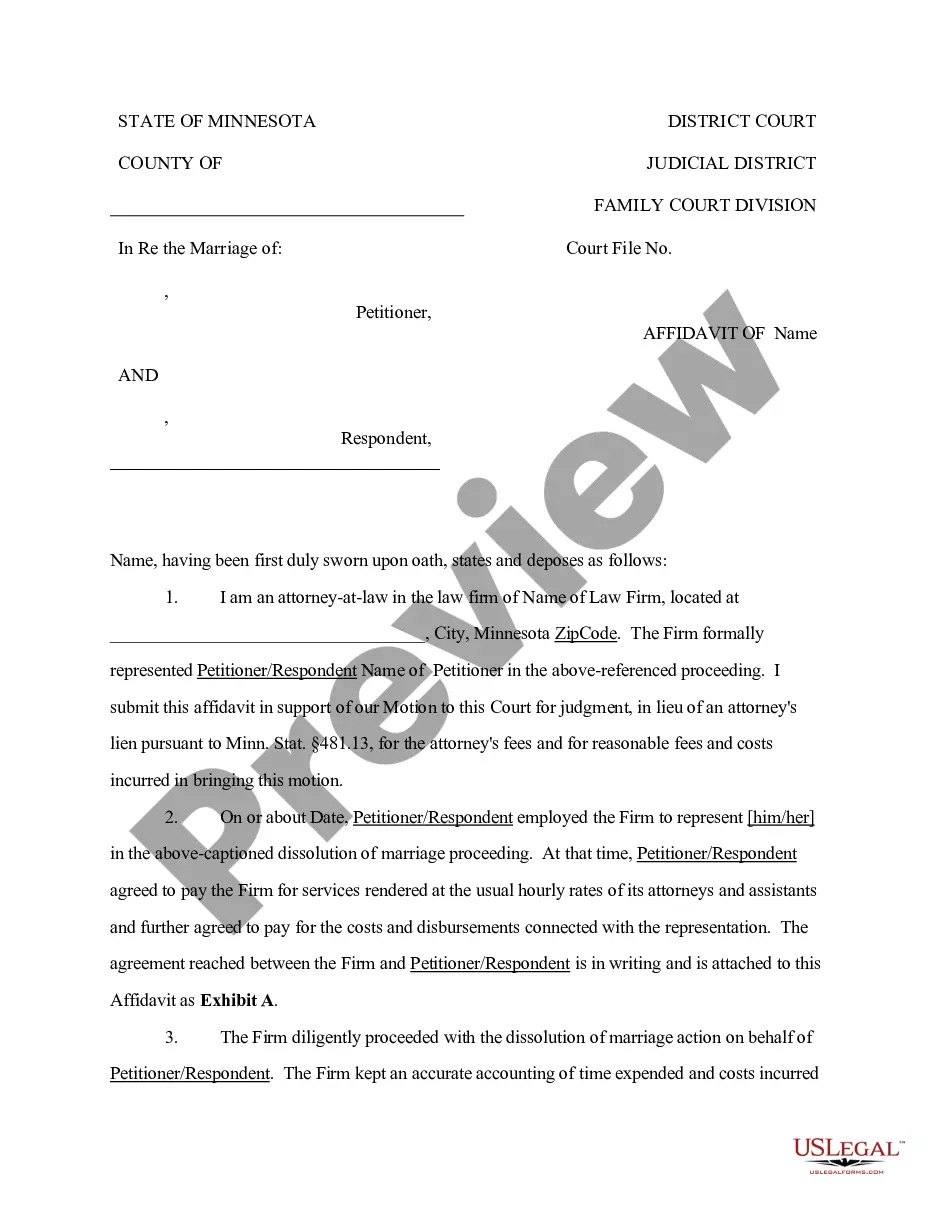
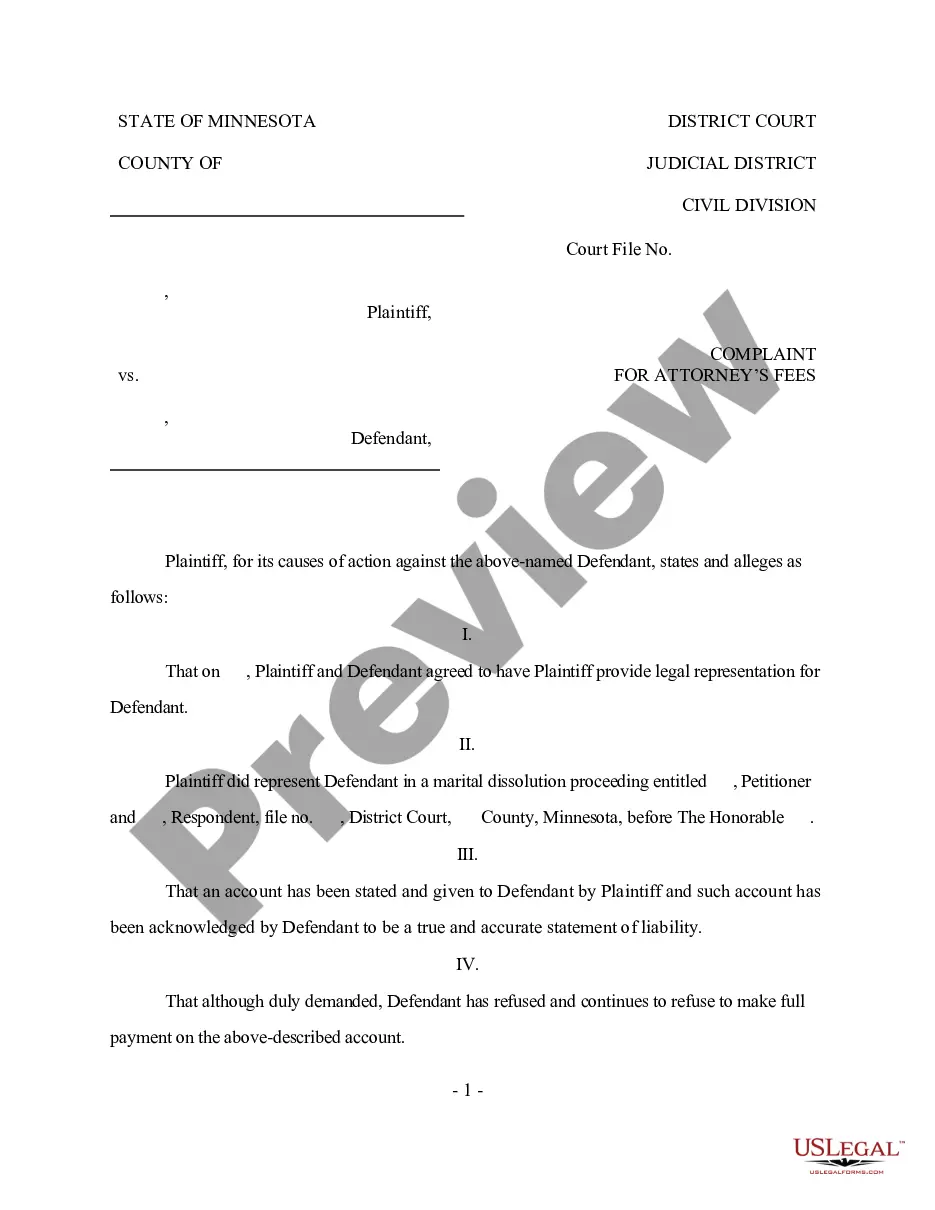
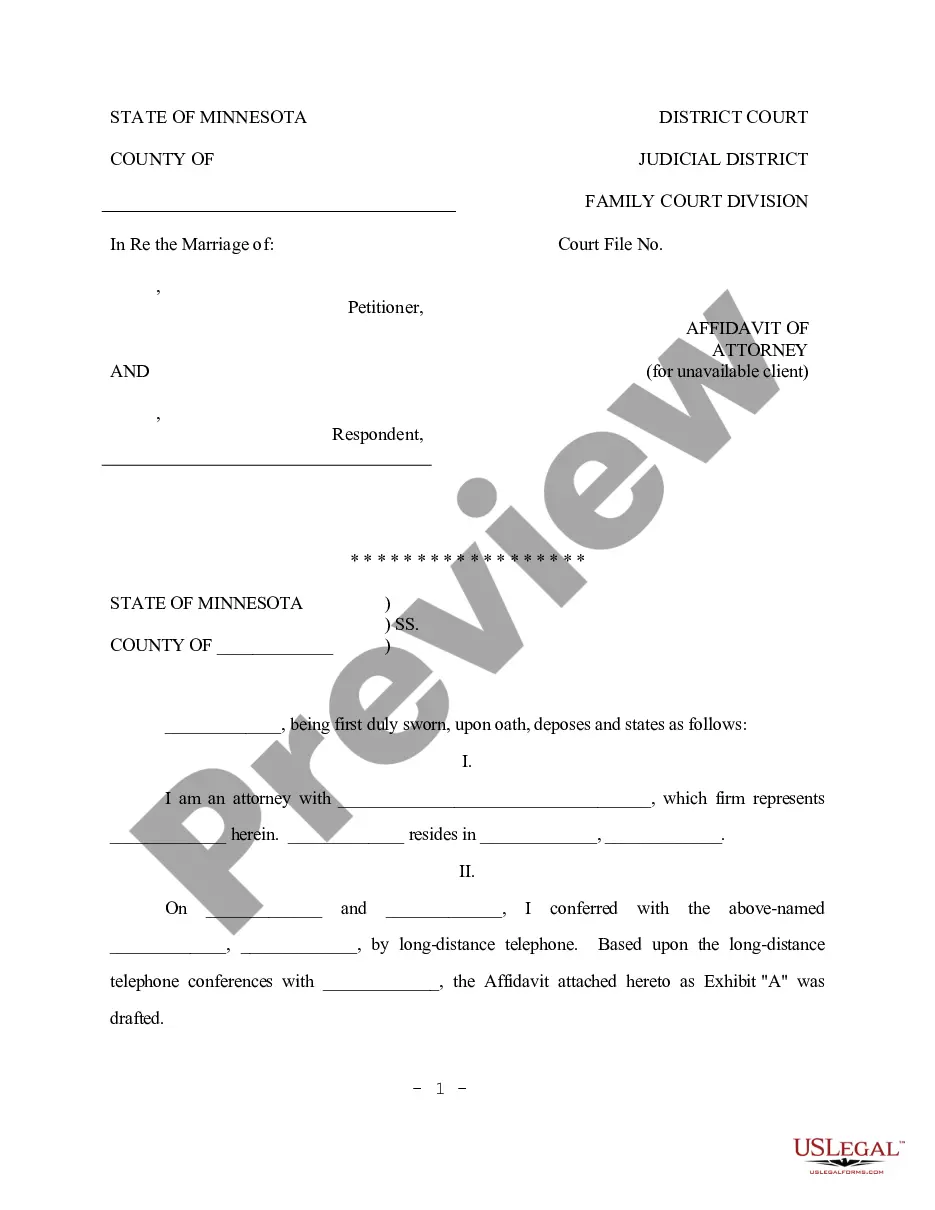
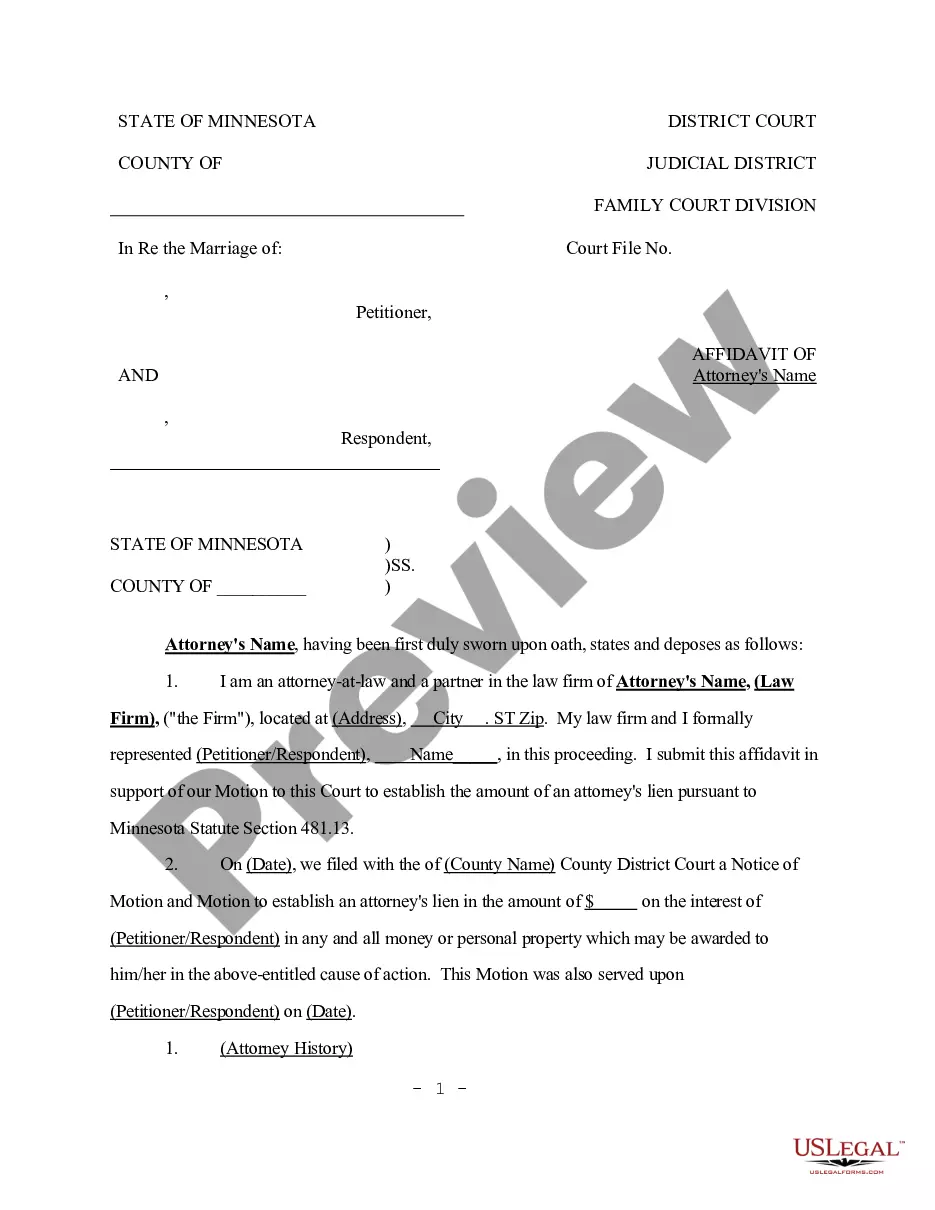
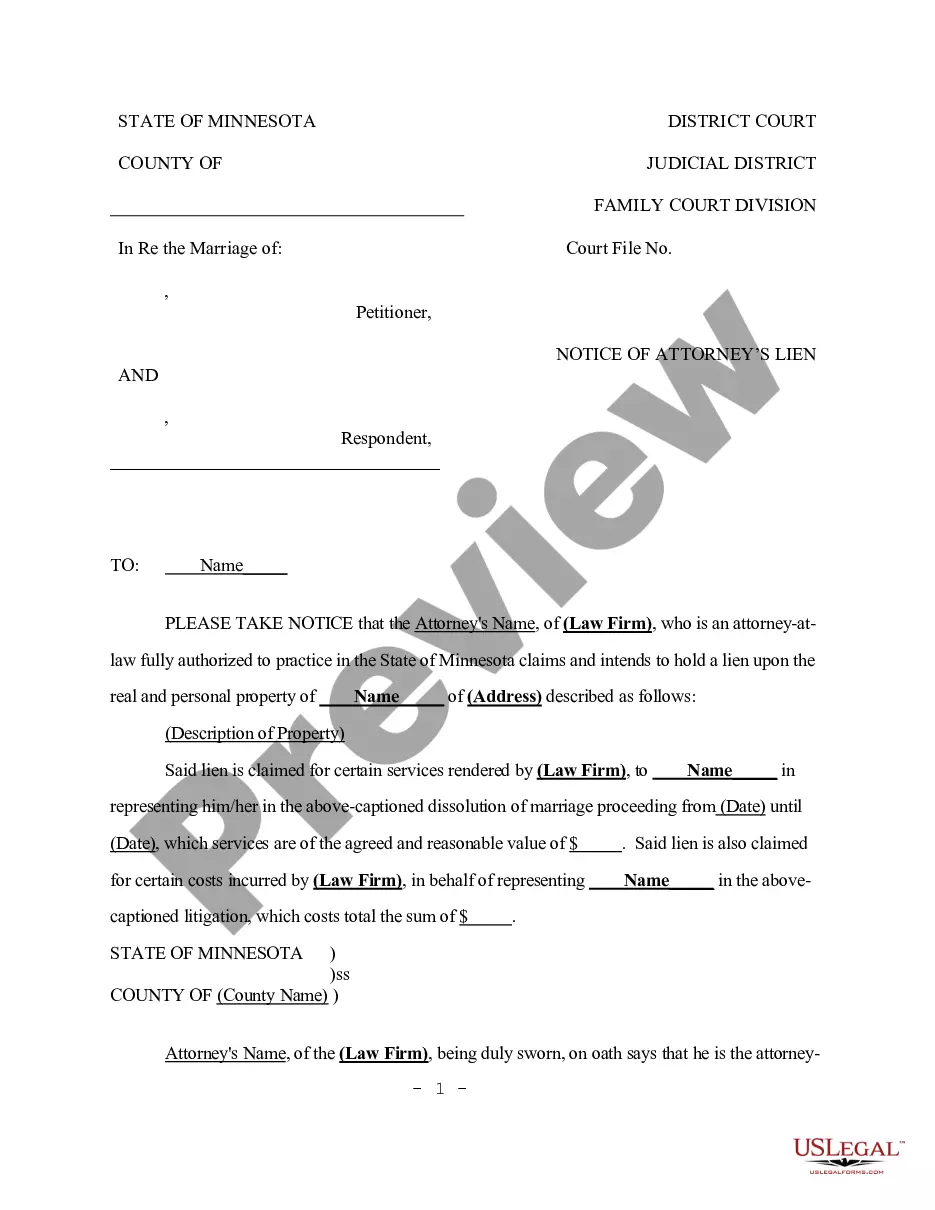
The Affidavit of Attorney regarding Claim against Client for Unpaid Fees is a legal document used by attorneys to formally assert a claim for unpaid legal fees from a client. It includes details such as the employment agreement, services rendered, billing history, and the client's acknowledgment of the debt. This affidavit is essential for attorneys seeking to document their case for recovering fees and differs from other forms as it specifically supports claims for non-payment of legal services.
Key components of this form
- Details of the employment agreement between the attorney and the client.
- Accurate accounting of time and costs incurred during the representation.
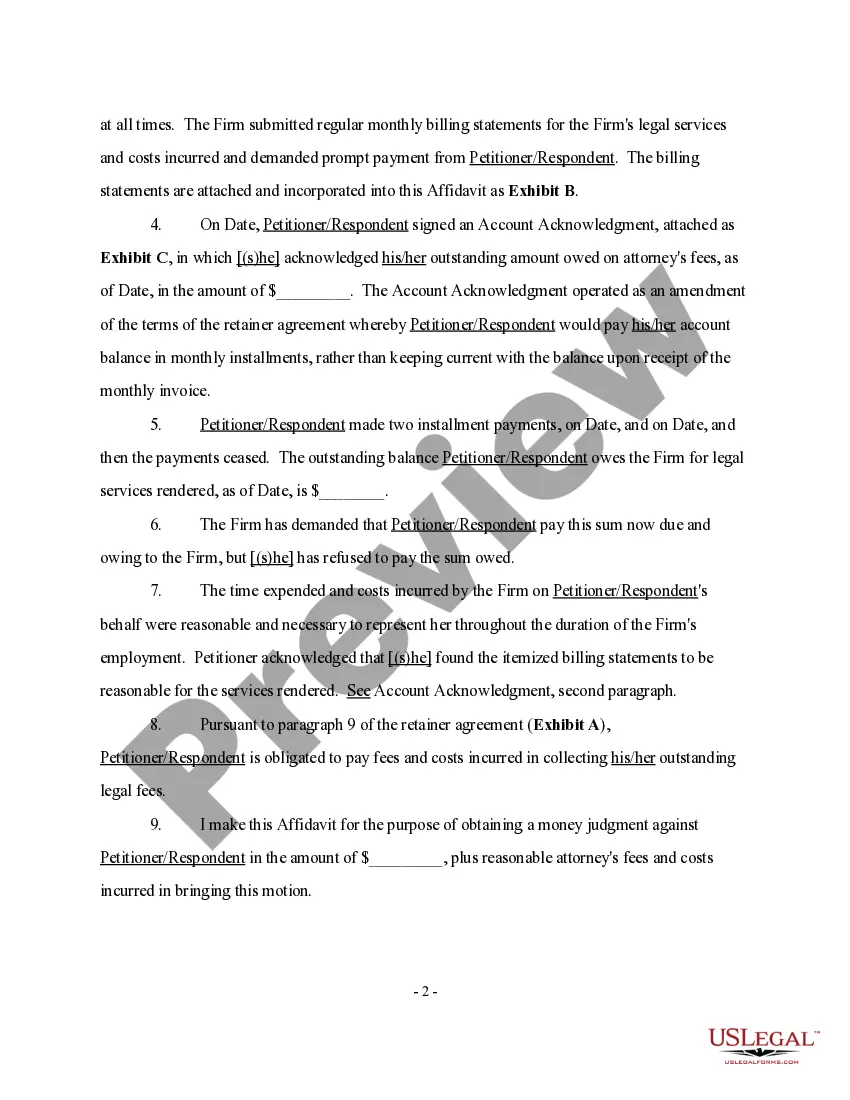
- Regular billing statements and evidence of payment requests.
- Client's signed acknowledgment of the outstanding balance owed.
- Information on installment payments and their cessation.
- Legal justification for the attorney's claim for fees and costs.
Common use cases
This form should be used by attorneys when they need to assert a claim against a client for unpaid legal services. It is particularly relevant after a client has failed to pay their legal fees despite receiving services, and when attorneys need to seek legal remedies through a court. Scenarios include divorce proceedings, contract disputes, or any situation where legal representation has been provided but payment has not been received.
Intended users of this form
- Attorneys seeking to reclaim unpaid legal fees from clients.
- Law firms needing to document claims for fee collection purposes.
- Clients who have received legal services and need to understand their obligations regarding unpaid fees.
- Legal professionals involved in contract disputes related to service fees.
How to prepare this document
- Identify the parties involved: fill in the names of the attorney and the client.
- Enter the dates pertinent to the engagement, billing statements, and any payments made.
- Attach the employment agreement as Exhibit A and any billing statements as Exhibit B.
- Provide the details of the outstanding fees in the designated blank spaces.
- Have the client sign the Account Acknowledgment, which should also be attached as Exhibit C.
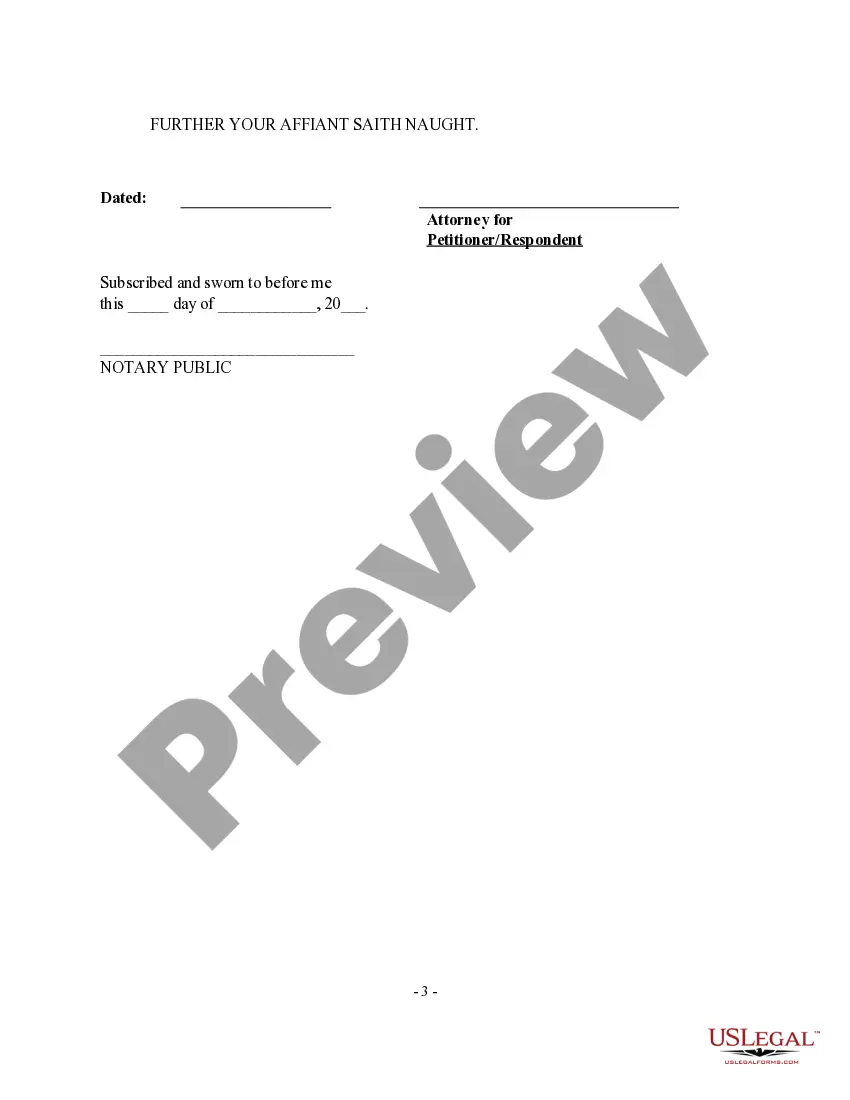
- Sign and date the affidavit in front of a notary public to finalize the document.
Does this form need to be notarized?
Notarization is required for this form to take effect. Our online notarization service, powered by Notarize, lets you verify and sign documents remotely through an encrypted video session, available 24/7.
Get your form ready online
Our built-in tools help you complete, sign, share, and store your documents in one place.
Make edits, fill in missing information, and update formatting in US Legal Forms—just like you would in MS Word.
Download a copy, print it, send it by email, or mail it via USPS—whatever works best for your next step.
Sign and collect signatures with our SignNow integration. Send to multiple recipients, set reminders, and more. Go Premium to unlock E-Sign.
If this form requires notarization, complete it online through a secure video call—no need to meet a notary in person or wait for an appointment.
We protect your documents and personal data by following strict security and privacy standards.

Make edits, fill in missing information, and update formatting in US Legal Forms—just like you would in MS Word.

Download a copy, print it, send it by email, or mail it via USPS—whatever works best for your next step.

Sign and collect signatures with our SignNow integration. Send to multiple recipients, set reminders, and more. Go Premium to unlock E-Sign.

If this form requires notarization, complete it online through a secure video call—no need to meet a notary in person or wait for an appointment.

We protect your documents and personal data by following strict security and privacy standards.
Common mistakes to avoid
- Failing to attach supporting documents like billing statements or the engagement letter.
- Not providing precise dates related to the agreement and billing cycles.
- Forgetting to have the affidavit signed before a notary public, making it legally invalid.
- Omitting the client's acknowledgment of the payment terms in the Account Acknowledgment.
Benefits of completing this form online
- Convenience of filling out the form from anywhere at any time.
- Editability, allowing you to customize the form to fit specific circumstances or requirements.
- Access to forms reviewed and drafted by licensed attorneys for accuracy and reliability.
- Easy downloading and submission directly to the relevant authorities.
Looking for another form?
Form popularity
FAQ
Rule 55.01 in Minnesota addresses default judgments, allowing a party to seek a judgment when the opposing party fails to respond. This rule can be relevant in cases involving attorney fees, particularly when a Minnesota Affidavit of Attorney regarding Claim against Client for Unpaid Fees is in play. Understanding this rule enables attorneys to take appropriate action when clients do not fulfill their obligations.
An affidavit for attorney fees is a legal document that outlines the fees owed to an attorney by a client. This affidavit serves as a formal request for payment and is often necessary in cases where a Minnesota Affidavit of Attorney regarding Claim against Client for Unpaid Fees is filed. It provides evidence of the work completed and the fees incurred, helping to facilitate the payment process.
Yes, in Minnesota, an affidavit typically must be notarized to be considered valid. Notarization adds an extra layer of authenticity to documents, including the Minnesota Affidavit of Attorney regarding Claim against Client for Unpaid Fees. This step helps to verify the identity of the person signing the affidavit and confirms that they are doing so willingly.
Rule 521 of the Minnesota General Rules of Practice outlines the procedures for submitting affidavits to the court. This includes the essential components and format required for documents like the Minnesota Affidavit of Attorney regarding Claim against Client for Unpaid Fees. Understanding this rule helps attorneys present their claims effectively and ensures compliance with legal standards.
In Minnesota, you can refuse jury duty under certain circumstances, such as financial hardship or conflicting obligations. However, it is crucial to formally request an exemption or deferment. If you have an attorney representing you, they can help navigate any legal implications, including the potential need for a Minnesota Affidavit of Attorney regarding Claim against Client for Unpaid Fees.
The rule of practice 521 in Minnesota pertains to the proper filing and handling of affidavits, including those related to attorney fees. This rule emphasizes the importance of accuracy and transparency when submitting documents, like the Minnesota Affidavit of Attorney regarding Claim against Client for Unpaid Fees. By following this rule, attorneys can ensure that their claims are processed smoothly and fairly.
Rule 119.05 in Minnesota regulates the procedure for attorneys to file a Minnesota Affidavit of Attorney regarding Claim against Client for Unpaid Fees. This rule ensures that attorneys can seek compensation for unpaid fees while providing clients with a clear understanding of the process. By adhering to this rule, attorneys can effectively communicate their claims and protect their rights.
Yes, a lawyer can sue a client for unpaid fees, but they typically must first file a Minnesota Affidavit of Attorney regarding Claim against Client for Unpaid Fees. This affidavit serves to document the claim and provides evidence of the unpaid balance. Before pursuing litigation, it is often advisable for both parties to attempt resolution through communication. Utilizing platforms like uslegalforms can help attorneys prepare the necessary documentation and ensure a smoother process.
Rule of Practice 119 in Minnesota outlines the process for attorneys to file a Minnesota Affidavit of Attorney regarding Claim against Client for Unpaid Fees. This rule provides guidelines on how attorneys can assert their claims for unpaid fees in a structured manner. By following this rule, attorneys can ensure their rights are protected while also maintaining compliance with state regulations. Understanding this rule is essential for both attorneys and clients to navigate potential disputes effectively.