Minnesota General Denial and Dismissal
About this form
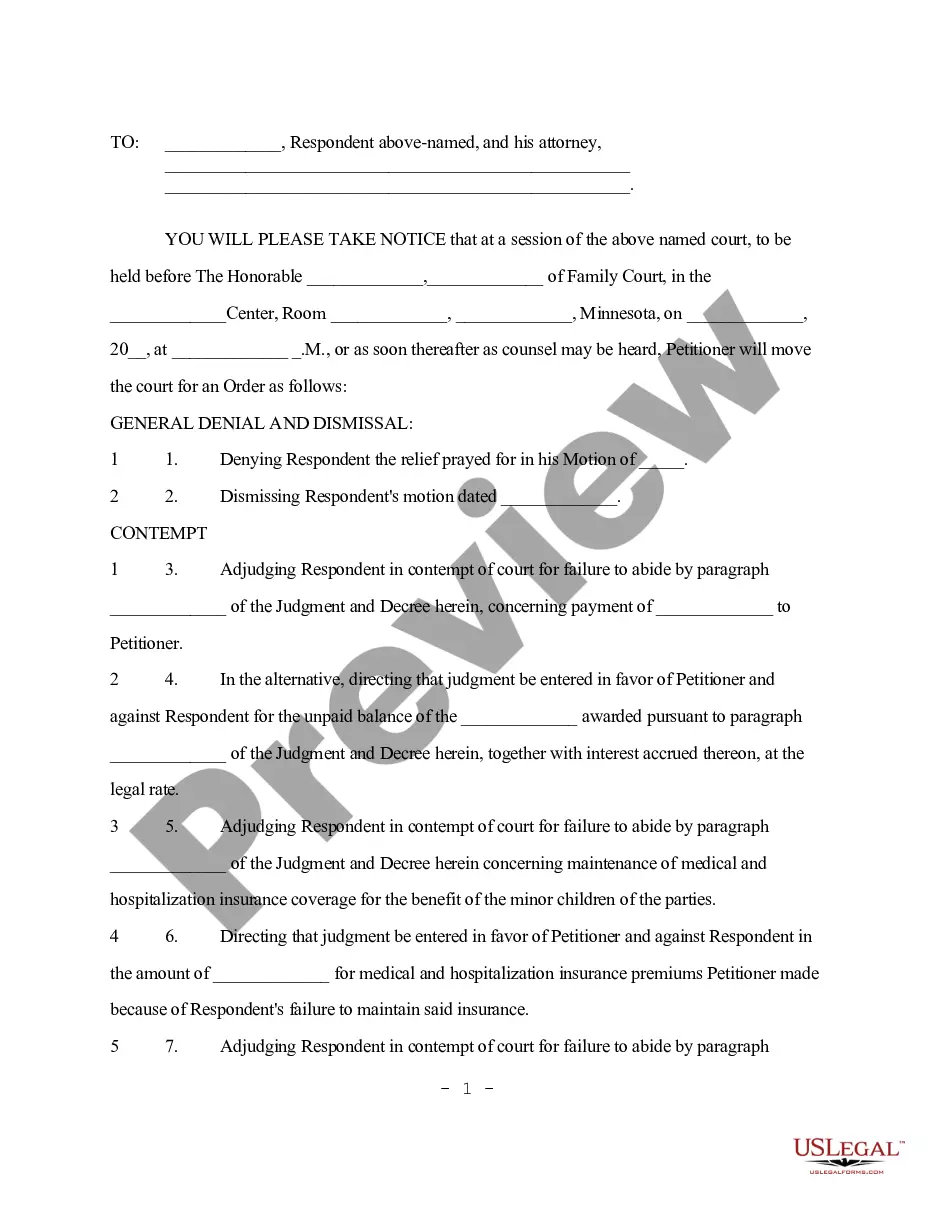
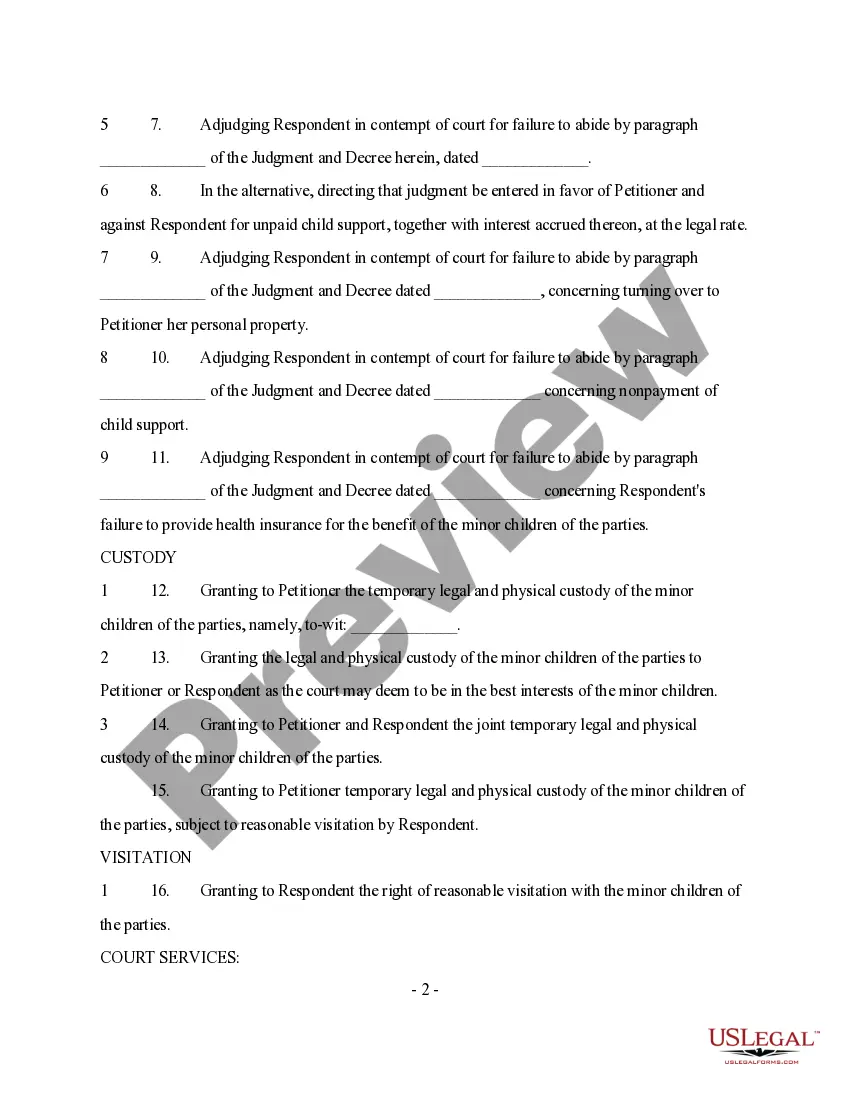
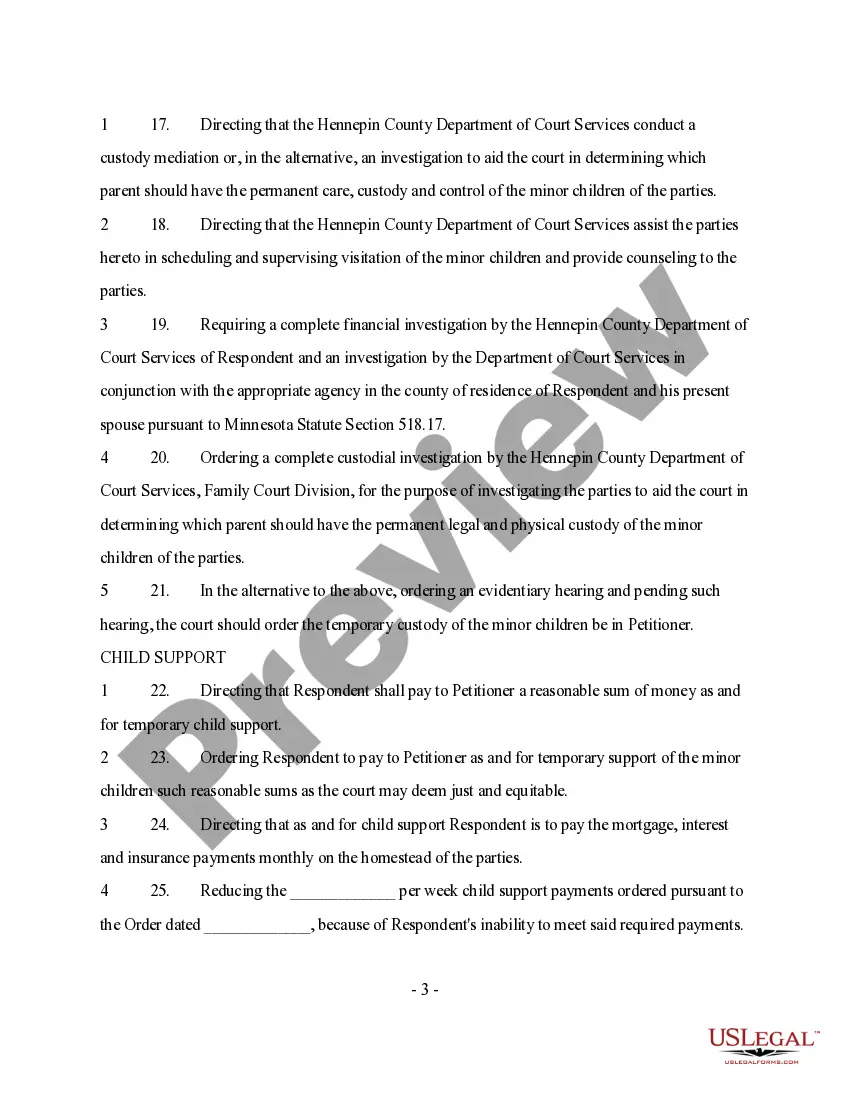
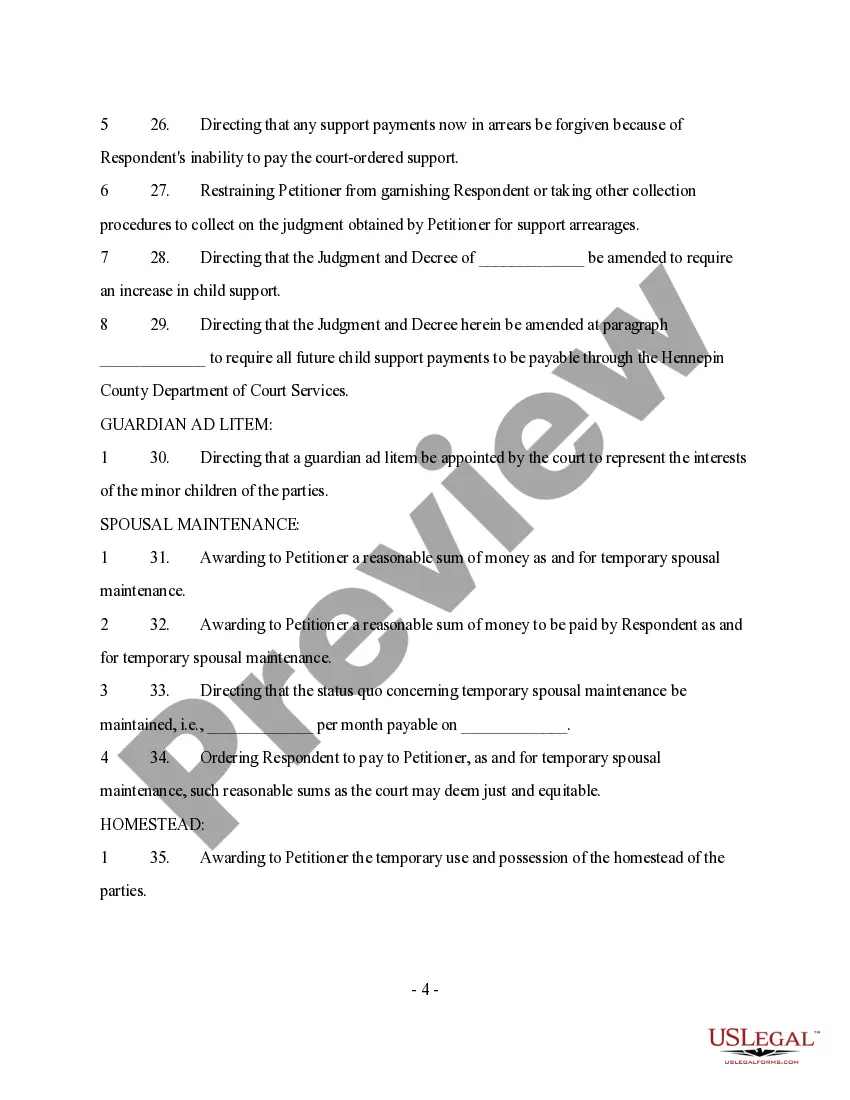
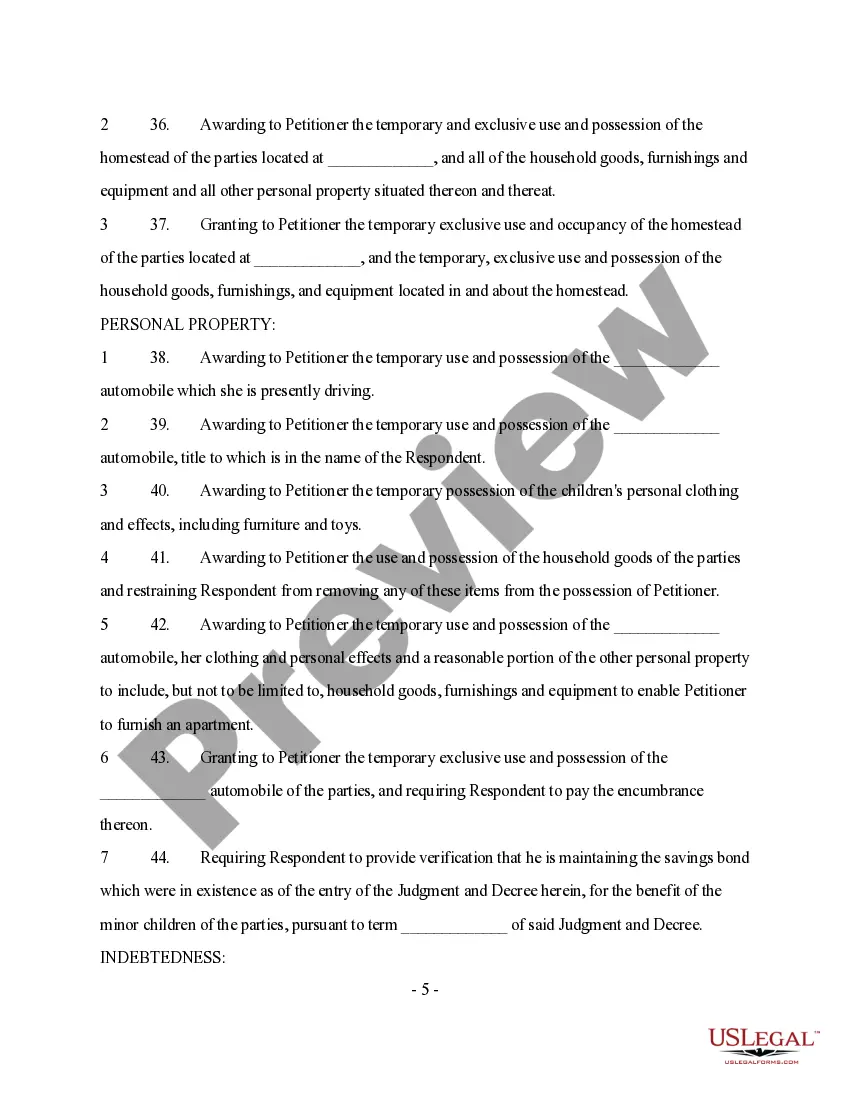
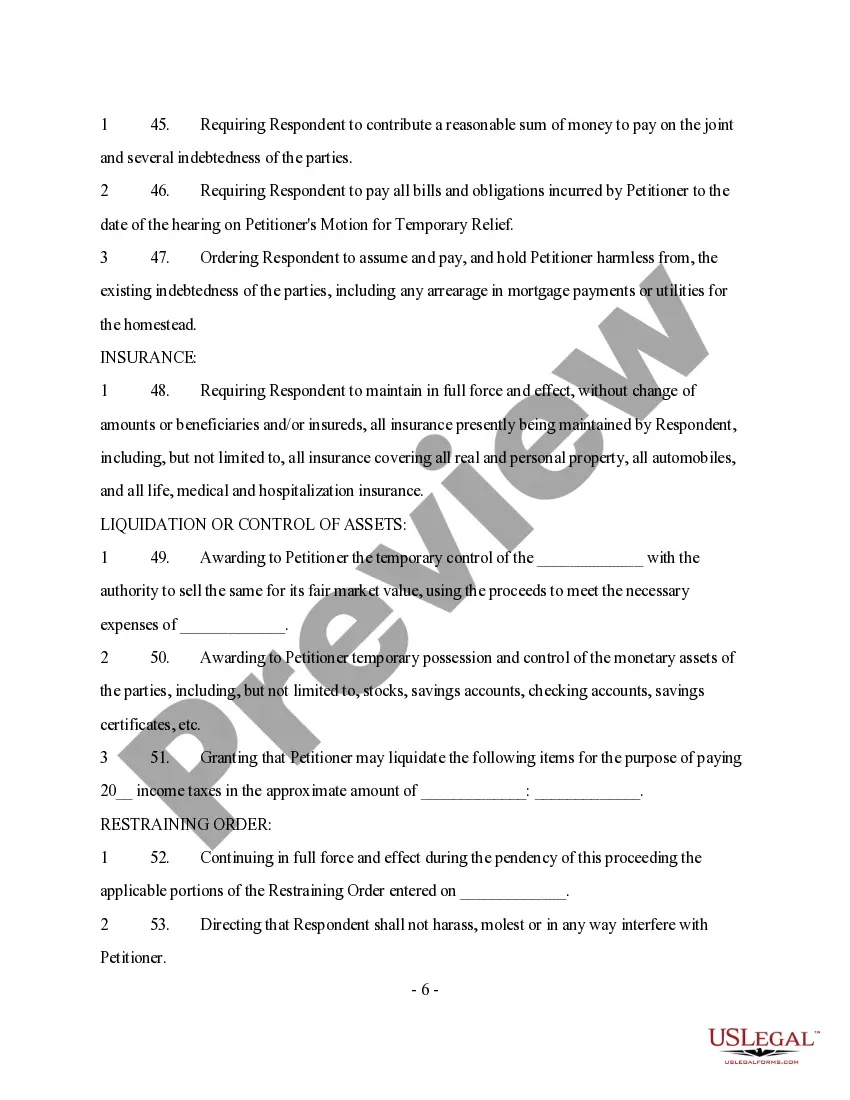
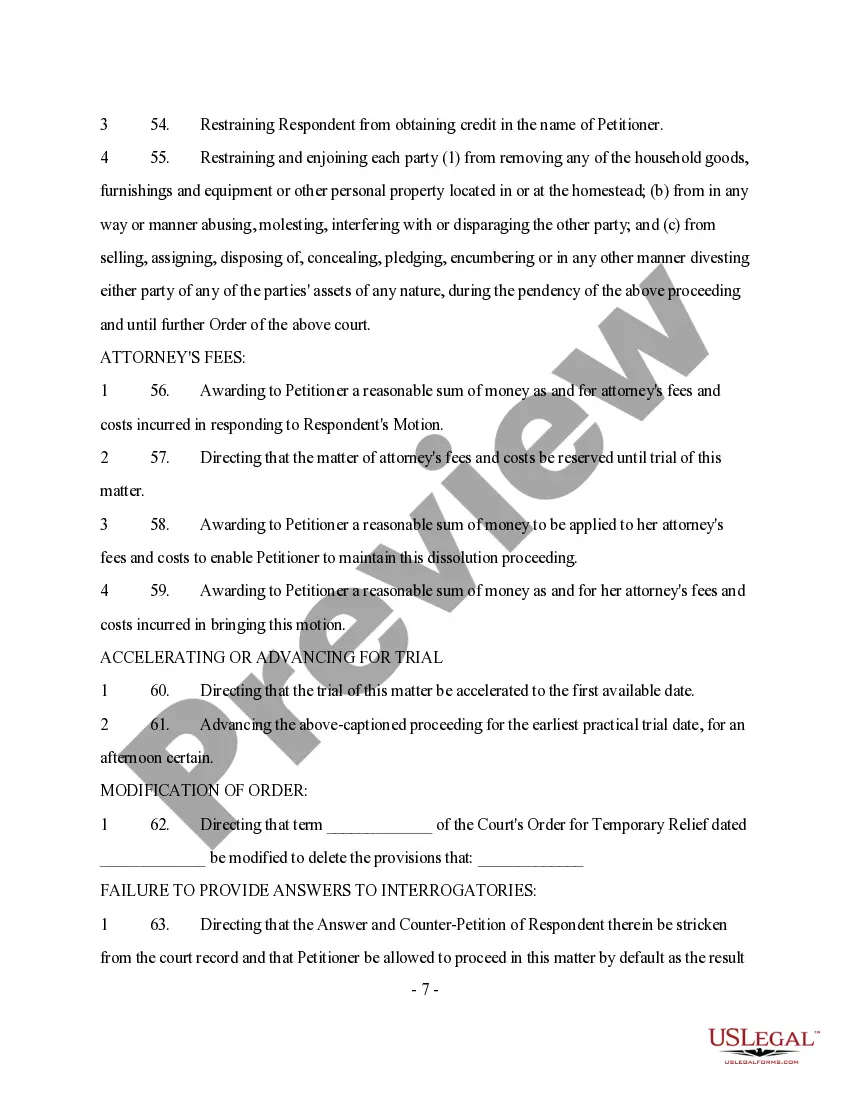
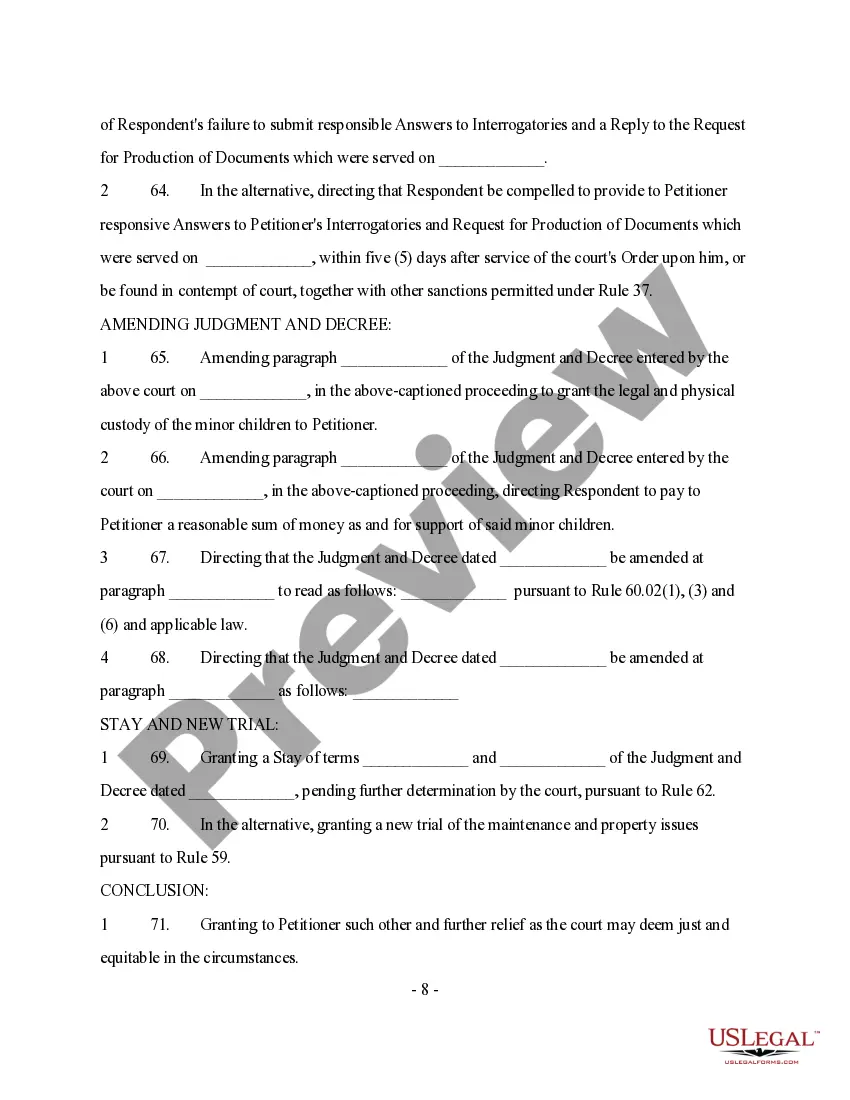
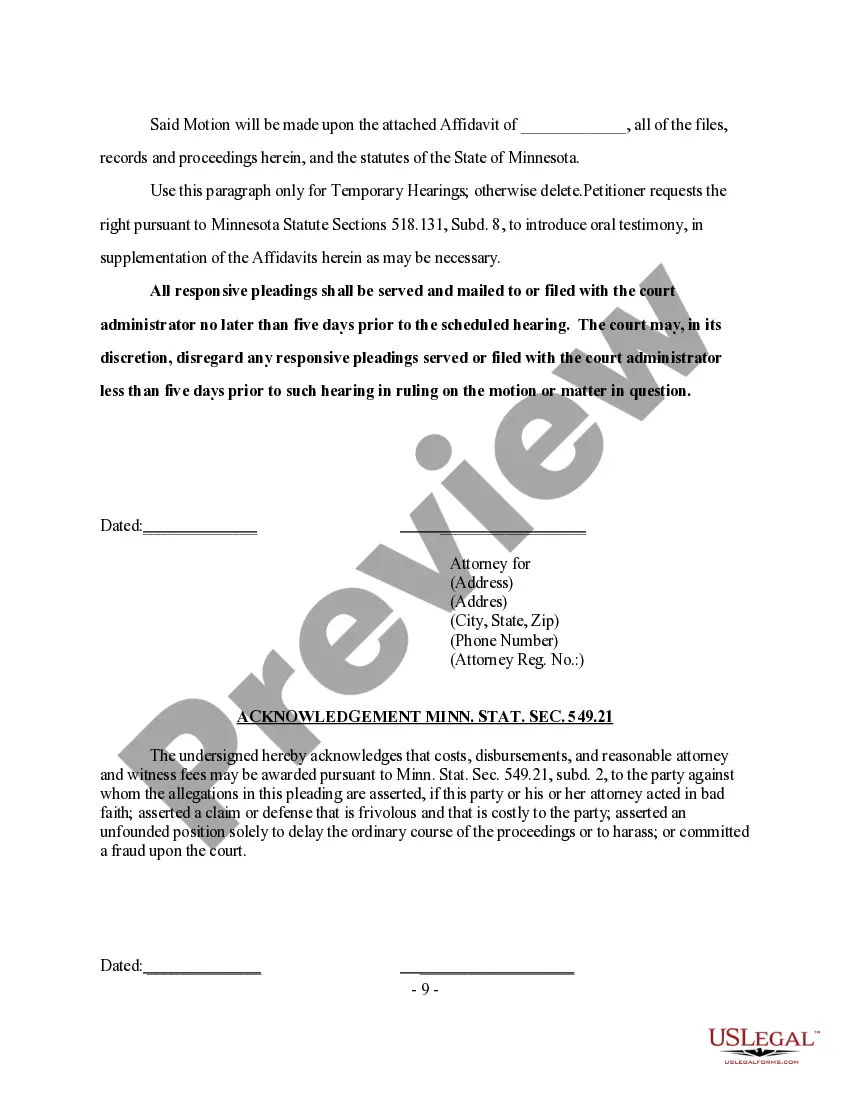
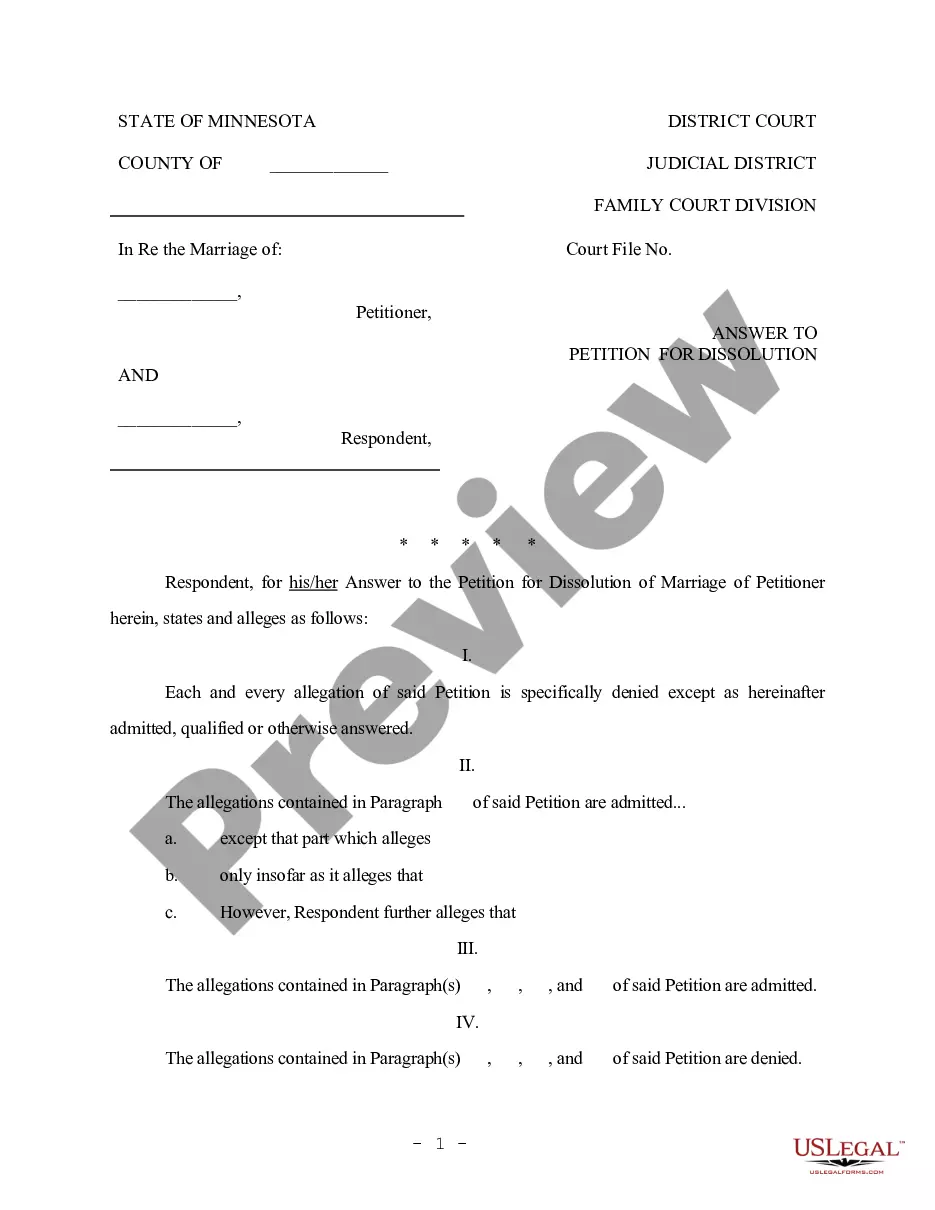
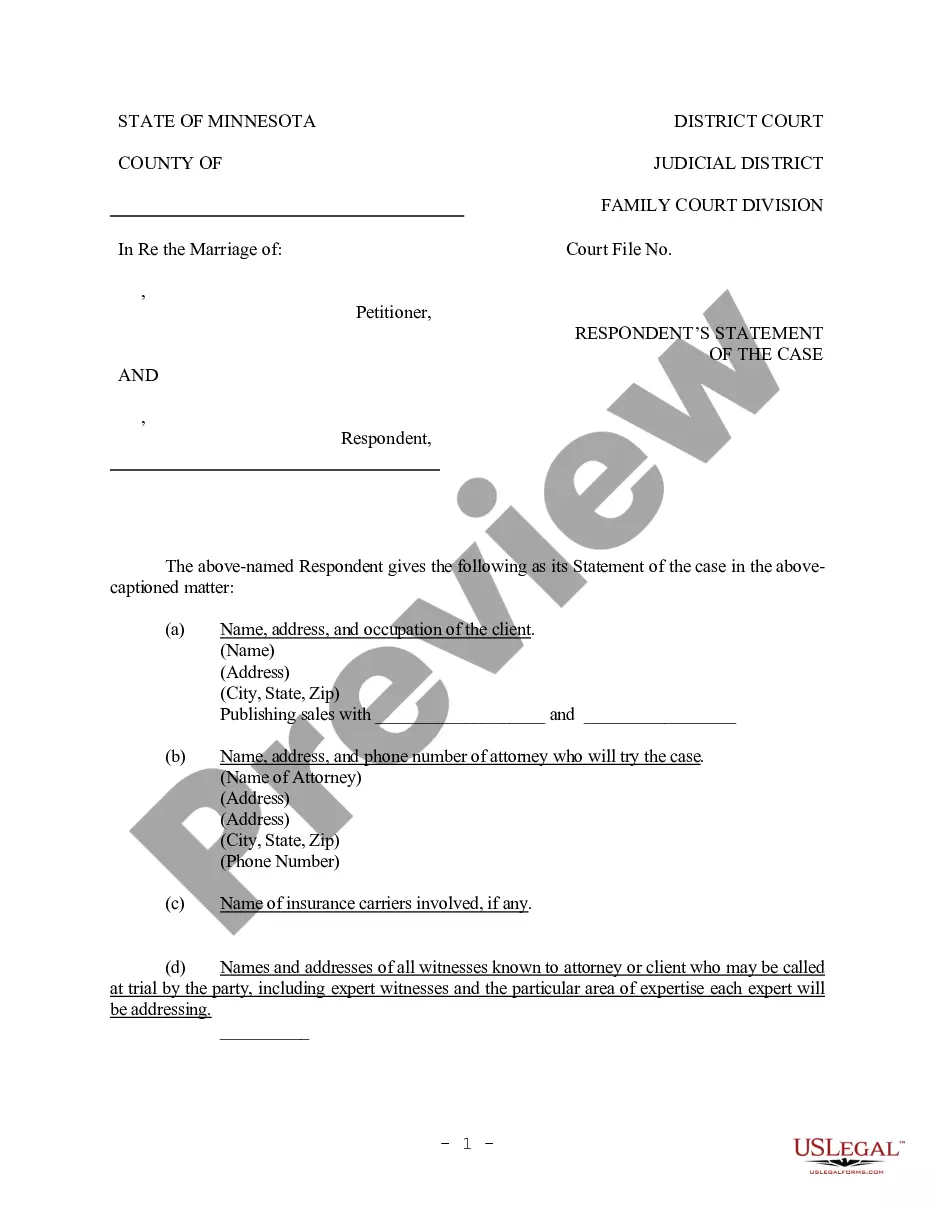
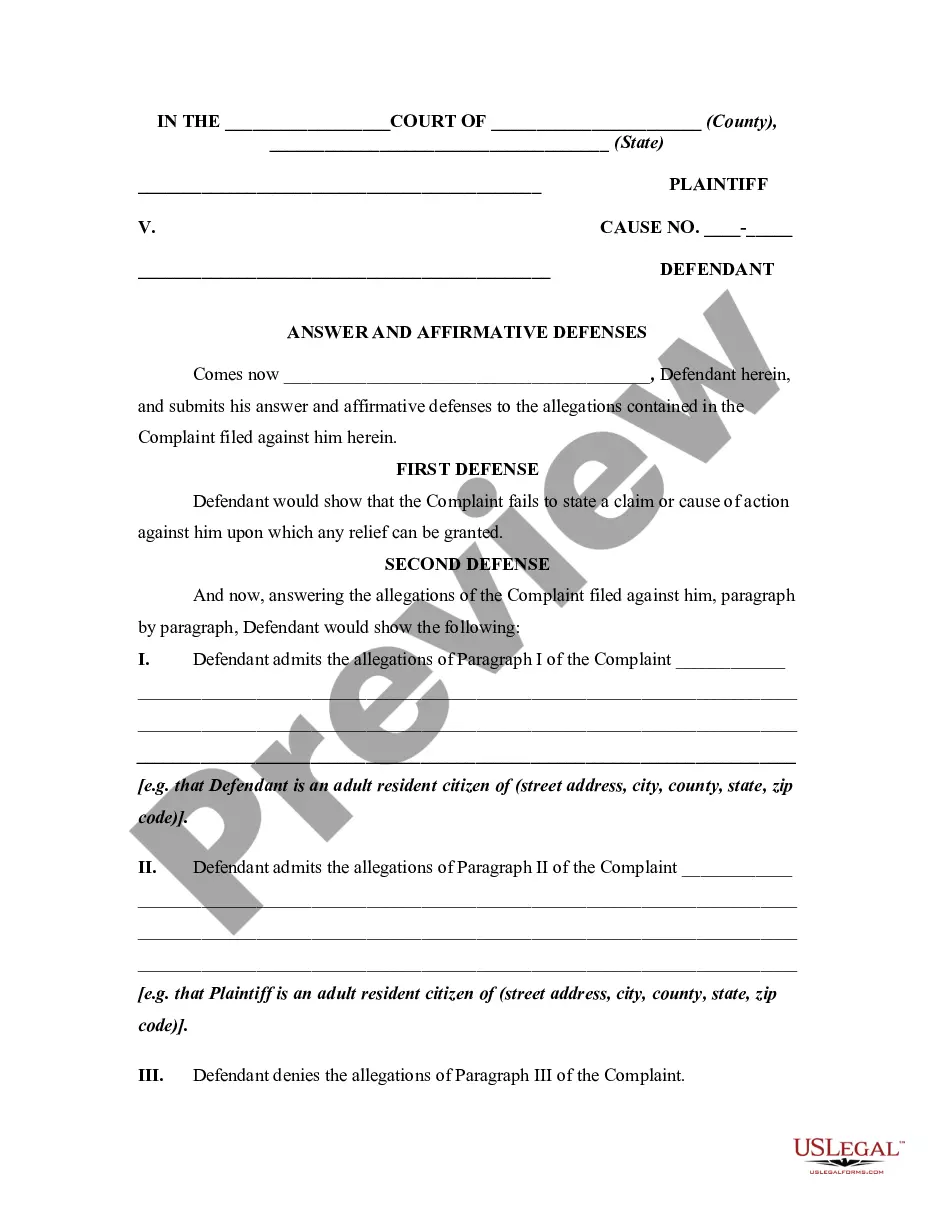
The General Denial and Dismissal form is a legal document used in the context of dissolution of marriage proceedings. It allows the respondent to formally deny the claims made by the petitioner and request that the court dismiss the petitioner's motion. This form differs from other legal responses, such as answers or counterclaims, as it specifically serves to refute the request for relief while outlining potential issues regarding contempt, custody, and support.
Main sections of this form
- Denial of the relief requested by the respondent.
- Motion for dismissal of the petitioner's claims.
- Allegations of contempt regarding failure to comply with previous court orders.
- Requests related to child custody and support agreements.
- Instructions for the court to take protective or corrective measures.

When to use this form
This form should be used when a respondent in a divorce proceeding wishes to formally dispute the claims made by the petitioner. It is particularly relevant in cases where the respondent believes that the petitioner's requests are unfounded or when there have been allegations of non-compliance with existing court orders regarding custody, support, or property. Using this form can assert the respondent's legal rights and positions in the dissolution process.
Who this form is for
This form is intended for:
- Respondents in a dissolution of marriage who want to contest the motion filed by the petitioner.
- Individuals seeking to assert their rights regarding child custody and support.
- Parties involved in a divorce where prior judgments regarding conduct or support payments are in question.
Steps to complete this form
- Identify the parties involved, including the full names and contact information of the petitioner and respondent.
- Fill in the details regarding the court session, including the date and time of the hearing.
- Specify the specific sections of previous judgments that the respondent is contesting.
- Outline the relief that the respondent is requesting from the court, if applicable.
- Ensure that all parties sign and date the form before submission to the court.
Notarization requirements for this form
This form does not typically require notarization unless specified by local law. Always check your local requirements before submission to ensure compliance.
Get your form ready online
Our built-in tools help you complete, sign, share, and store your documents in one place.
Make edits, fill in missing information, and update formatting in US Legal Forms—just like you would in MS Word.
Download a copy, print it, send it by email, or mail it via USPS—whatever works best for your next step.
Sign and collect signatures with our SignNow integration. Send to multiple recipients, set reminders, and more. Go Premium to unlock E-Sign.
If this form requires notarization, complete it online through a secure video call—no need to meet a notary in person or wait for an appointment.
We protect your documents and personal data by following strict security and privacy standards.

Make edits, fill in missing information, and update formatting in US Legal Forms—just like you would in MS Word.

Download a copy, print it, send it by email, or mail it via USPS—whatever works best for your next step.

Sign and collect signatures with our SignNow integration. Send to multiple recipients, set reminders, and more. Go Premium to unlock E-Sign.

If this form requires notarization, complete it online through a secure video call—no need to meet a notary in person or wait for an appointment.

We protect your documents and personal data by following strict security and privacy standards.
Typical mistakes to avoid
- Failing to include all required names and details of the parties involved.
- Not specifying the motion or judgment being contested clearly.
- Missing signatures or dates, which can delay the process.
- Not following the correct filing procedures as outlined by the court.
Benefits of using this form online
- Convenience of downloading and completing the form at your own pace.
- Access to templates verified by licensed attorneys for accuracy.
- Ability to customize the form to fit your specific legal situation.
Summary of main points
- The General Denial and Dismissal form serves to formally contest a petition in divorce proceedings.
- It is essential for respondents who wish to protect their legal rights in family court.
- Understanding the specific state requirements can enhance the effectiveness of the filing.
Looking for another form?
Form popularity
FAQ
The 63.03 rule in Minnesota is specifically designed for addressing issues related to the authority of judges. This rule is particularly relevant in cases involving Minnesota General Denial and Dismissal, as it allows for a systematic approach to contesting judicial decisions. Knowing how this rule operates can empower you in your legal journey. Explore US Legal Forms for comprehensive guides and tools to support you in understanding and applying this rule.
Rule 63 of the Minnesota Rules of Civil Procedure governs the substitution of judges and outlines the circumstances under which a judge may be replaced. This rule is significant for parties involved in Minnesota General Denial and Dismissal cases, as it allows for a fair trial by ensuring that all parties feel confident in the judicial process. For those needing assistance, US Legal Forms can offer valuable resources to help you navigate this rule.
Rule 5.04 A of the Minnesota General Rules of Practice pertains to the service of documents in civil cases. It outlines how parties should deliver documents to one another, ensuring transparency and fairness. This rule plays a crucial role in the context of Minnesota General Denial and Dismissal, as proper service can impact the outcome of your case. Accessing US Legal Forms can provide you with the necessary templates to ensure compliance with this rule.
To remove a judge from a case in Minnesota, you must file a motion requesting disqualification based on specific grounds, such as bias or conflict of interest. It is essential to provide valid reasons for your request. Navigating this process can be complex, particularly in the context of Minnesota General Denial and Dismissal cases. US Legal Forms offers helpful tools and templates to guide you through this procedure.
Rule 63.03 of the Minnesota Rules of Civil Procedure addresses the process for a party to seek a new trial or to appeal a judgment based on legal errors. This rule is relevant in cases involving Minnesota General Denial and Dismissal, as it provides a pathway for parties to challenge decisions. Understanding this rule can help you navigate your case effectively. For further assistance, consider resources available on the US Legal Forms platform.
Rule 69 of the Minnesota Rules of Civil Procedure addresses the execution of judgments. This rule provides guidelines for how a judgment can be enforced and outlines the procedures involved in executing a court’s decision. Knowing this rule is important, especially when considering the implications of Minnesota General Denial and Dismissal on the enforcement of judgments.
Rule 33 of the Minnesota Rules of Civil Procedure relates to interrogatories, which are written questions that one party sends to another. This rule outlines how interrogatories should be handled and responded to in a lawsuit. Familiarity with this rule can be beneficial in understanding the overall litigation process, including aspects related to Minnesota General Denial and Dismissal.
The grounds for a motion to dismiss in Minnesota include a variety of procedural and substantive issues. Commonly, these grounds involve lack of jurisdiction, failure to state a claim that can be legally supported, and other deficiencies in the legal process. Each of these factors is essential in the context of Minnesota General Denial and Dismissal, as they determine whether a case can proceed.
The three primary grounds for dismissal in Minnesota generally involve procedural issues. They include lack of jurisdiction, failure to state a claim, and expiration of the statute of limitations. Understanding these grounds is crucial when dealing with Minnesota General Denial and Dismissal, as they can significantly impact your legal strategy.
In Minnesota, a motion to dismiss can be based on several key grounds. These include the failure to state a claim, lack of jurisdiction, and improper service of process. Each of these grounds plays a significant role in the Minnesota General Denial and Dismissal process, which can ultimately affect the outcome of your case.