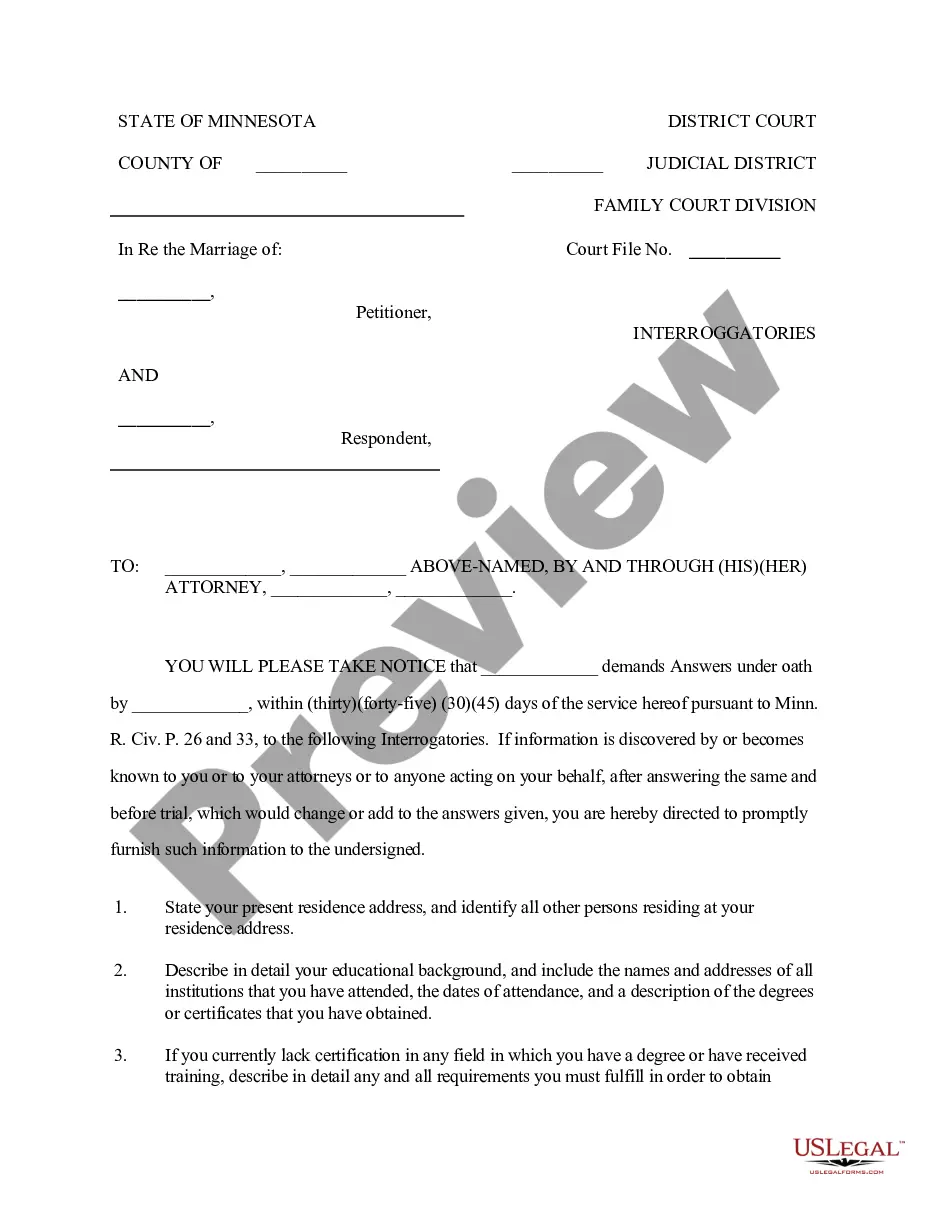
Minnesota Discovery - Model Interrogatories - Real or Personal Property
What this document covers
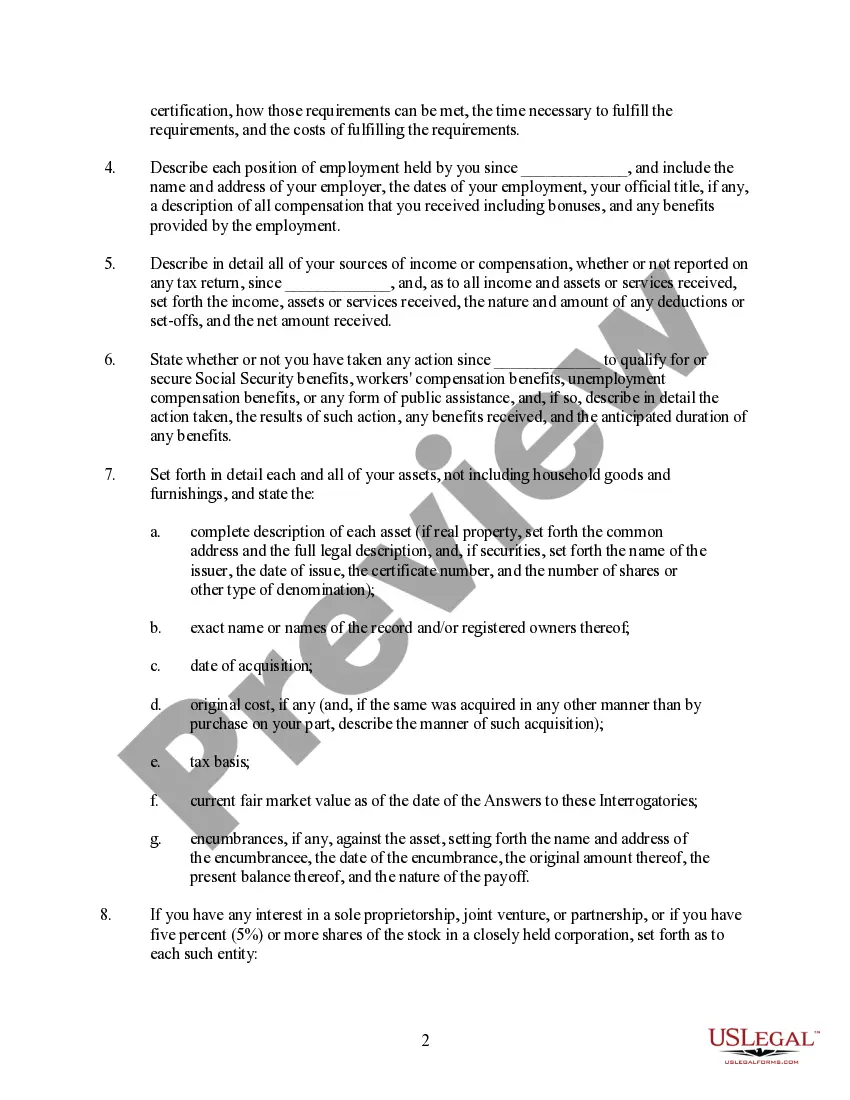
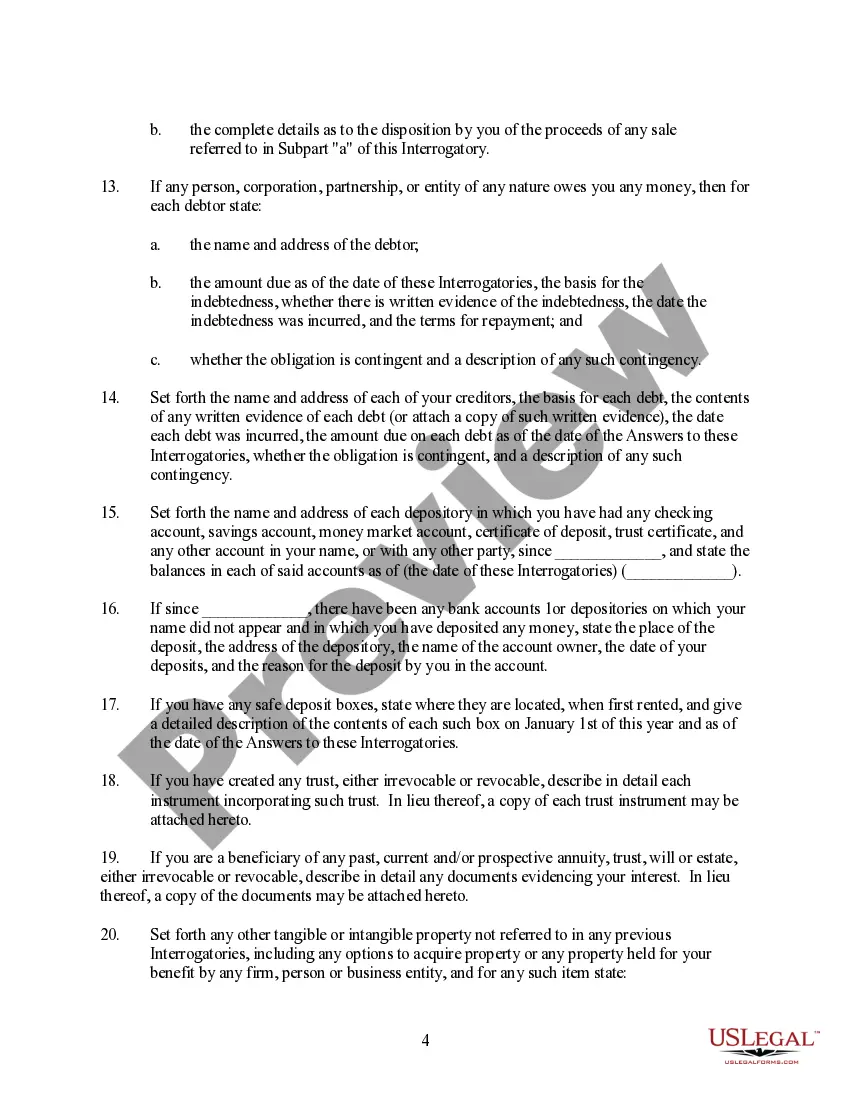
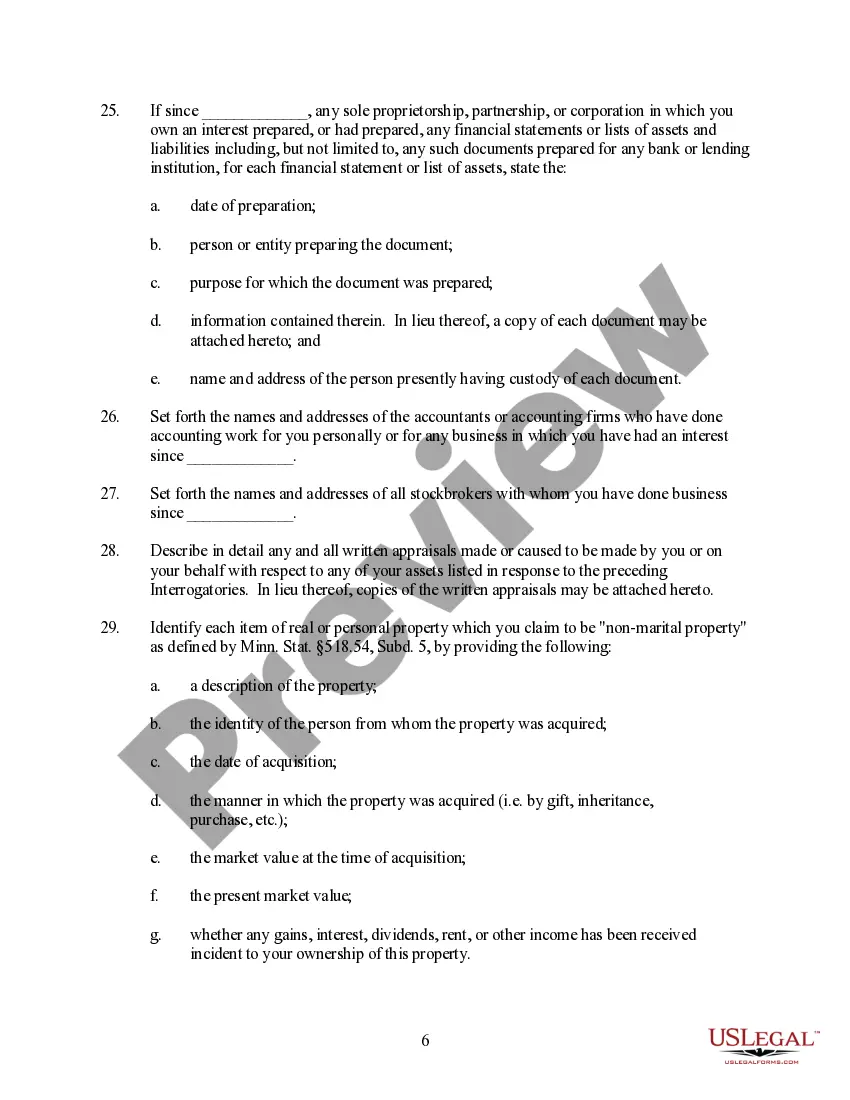
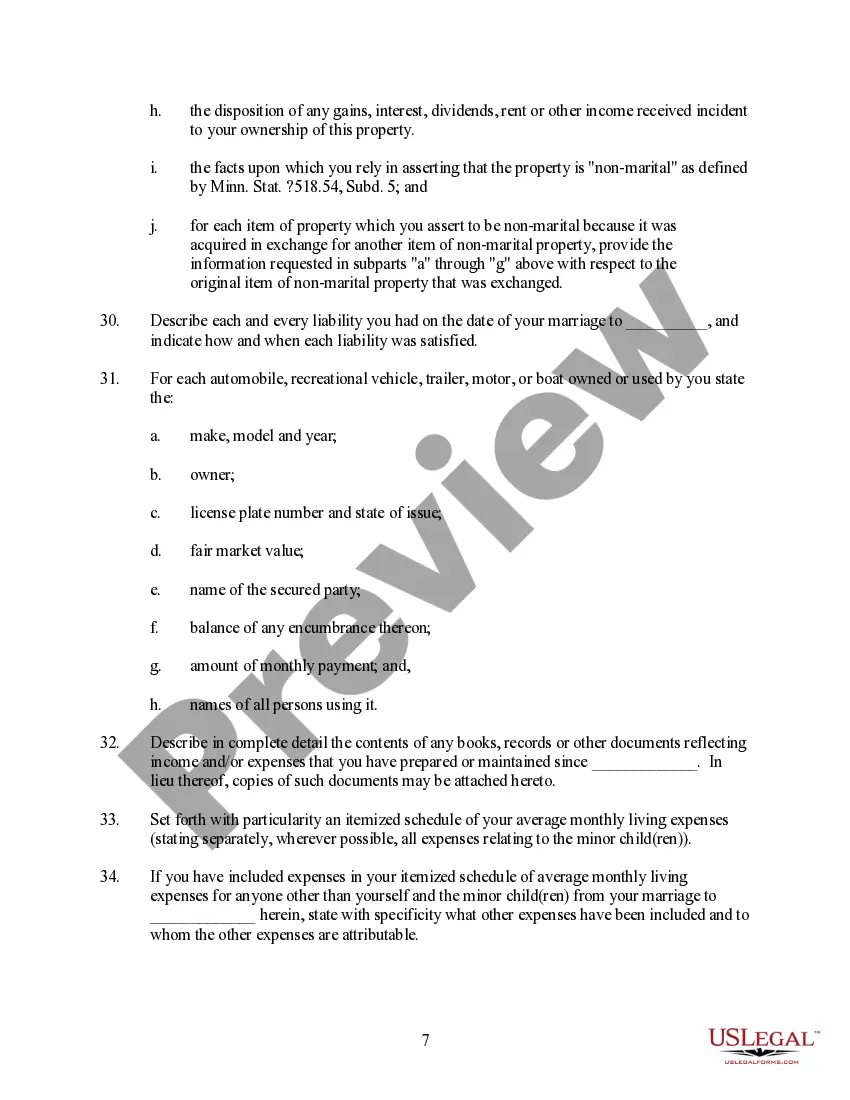
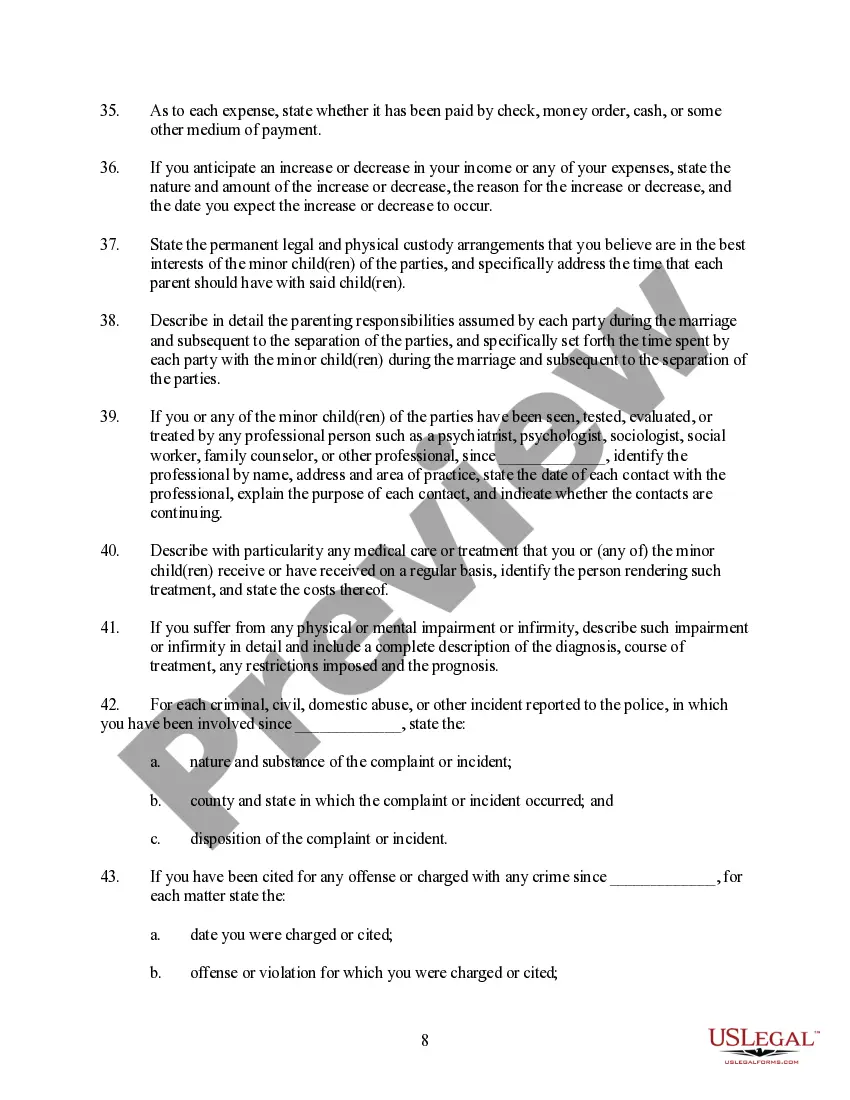
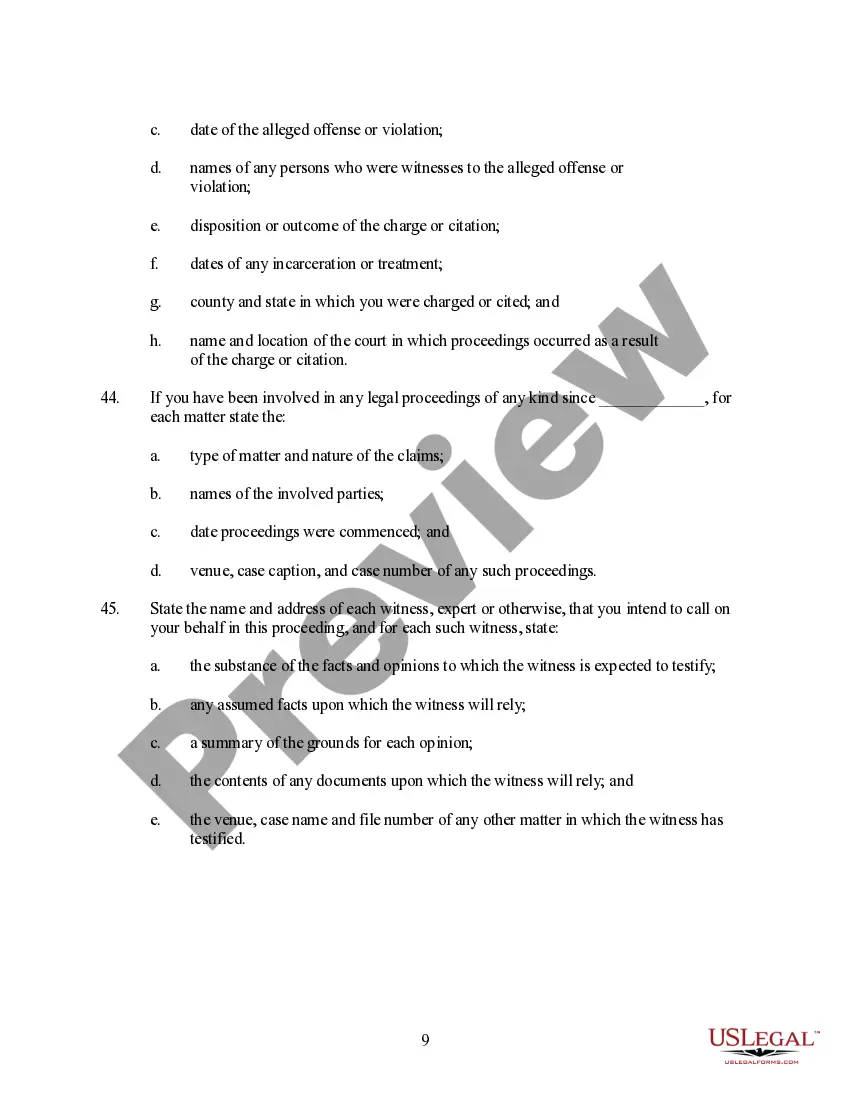
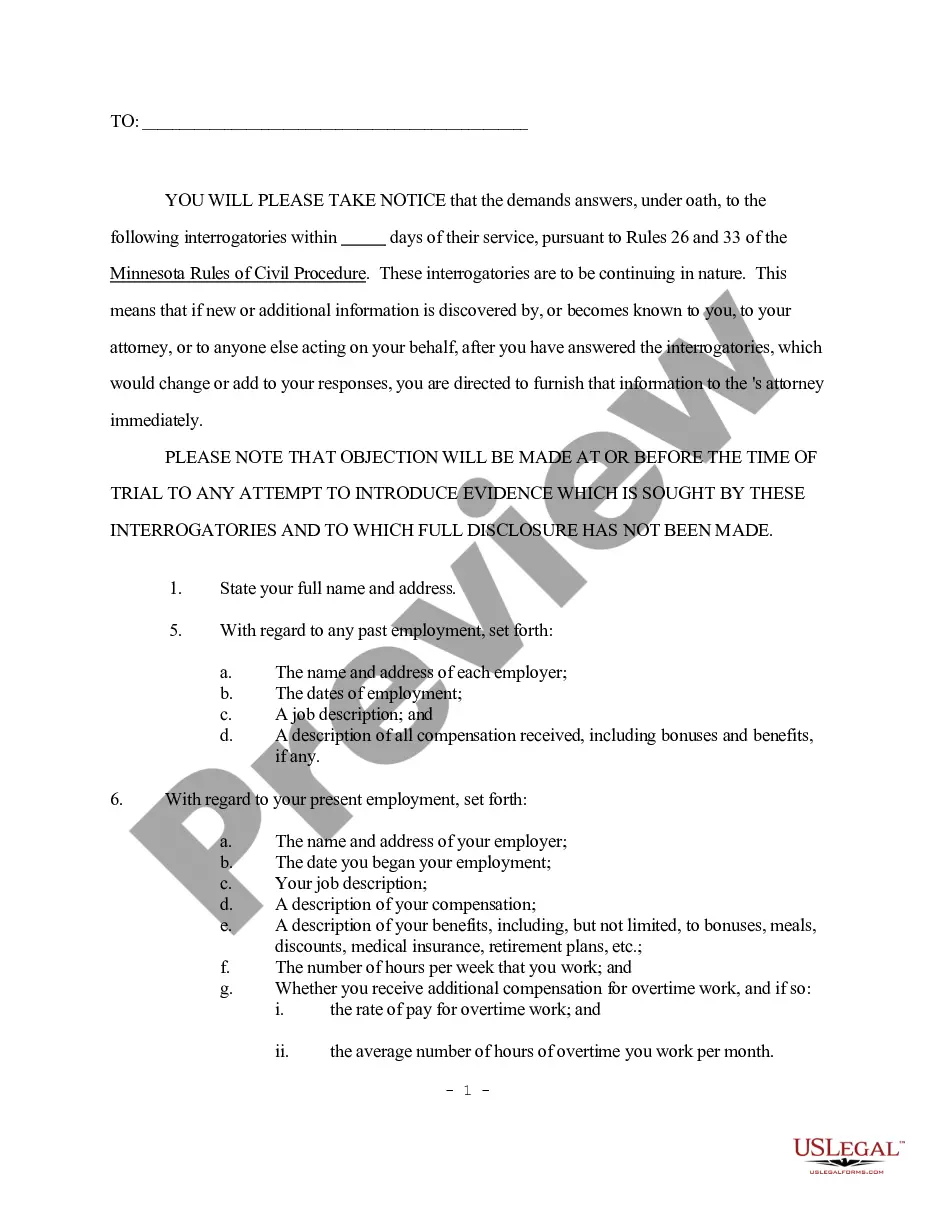
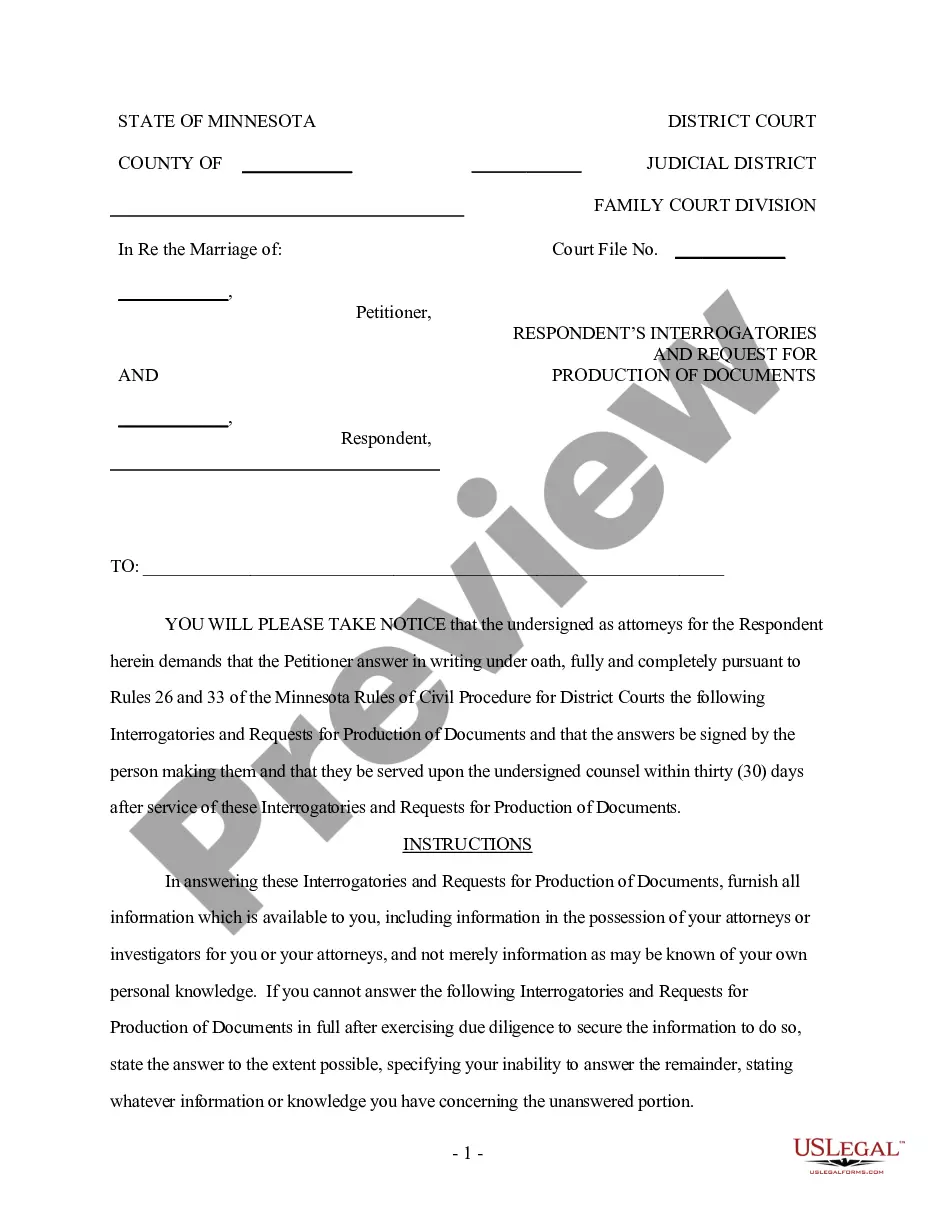
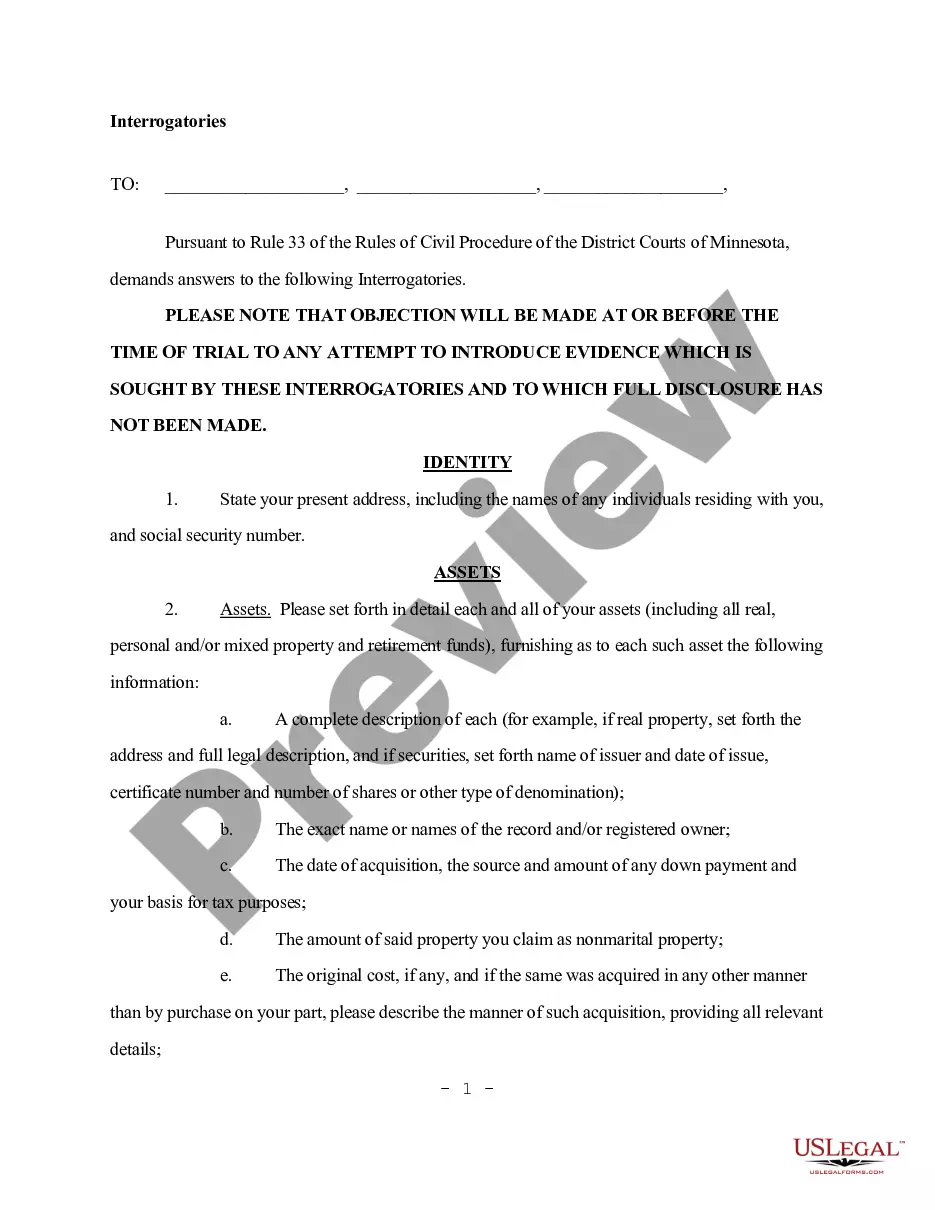
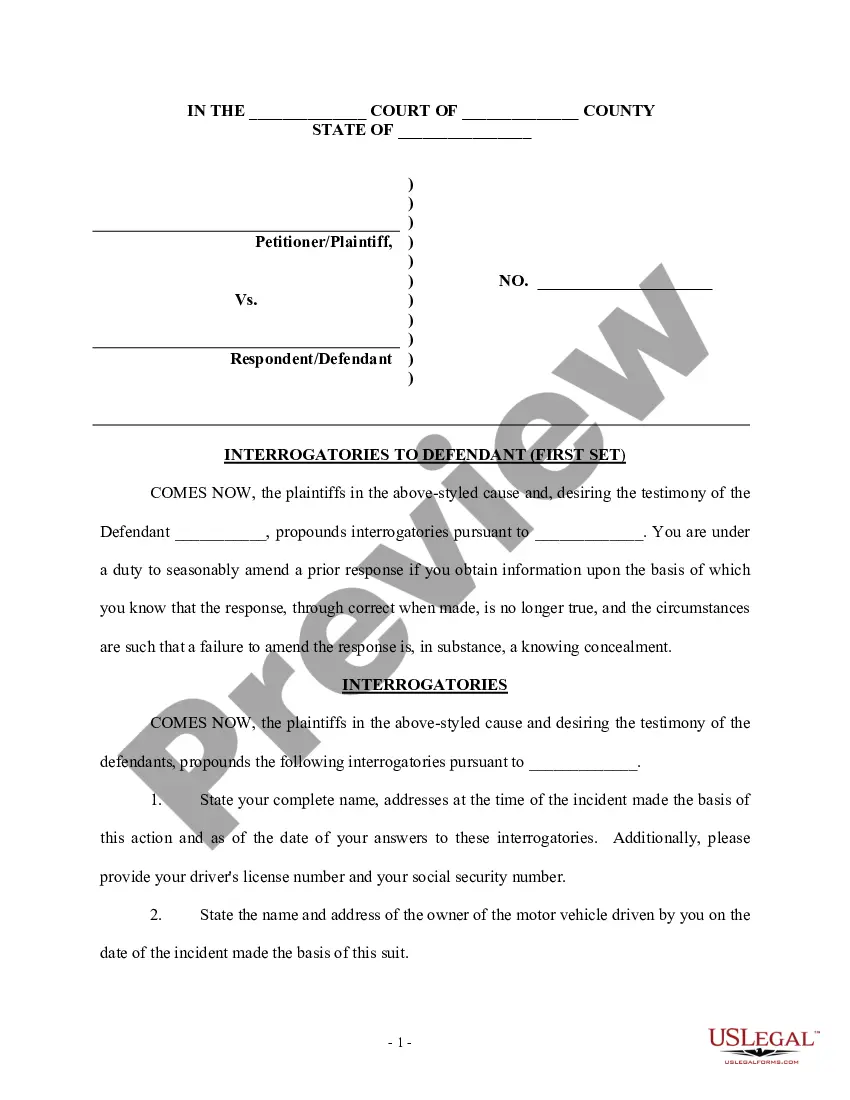
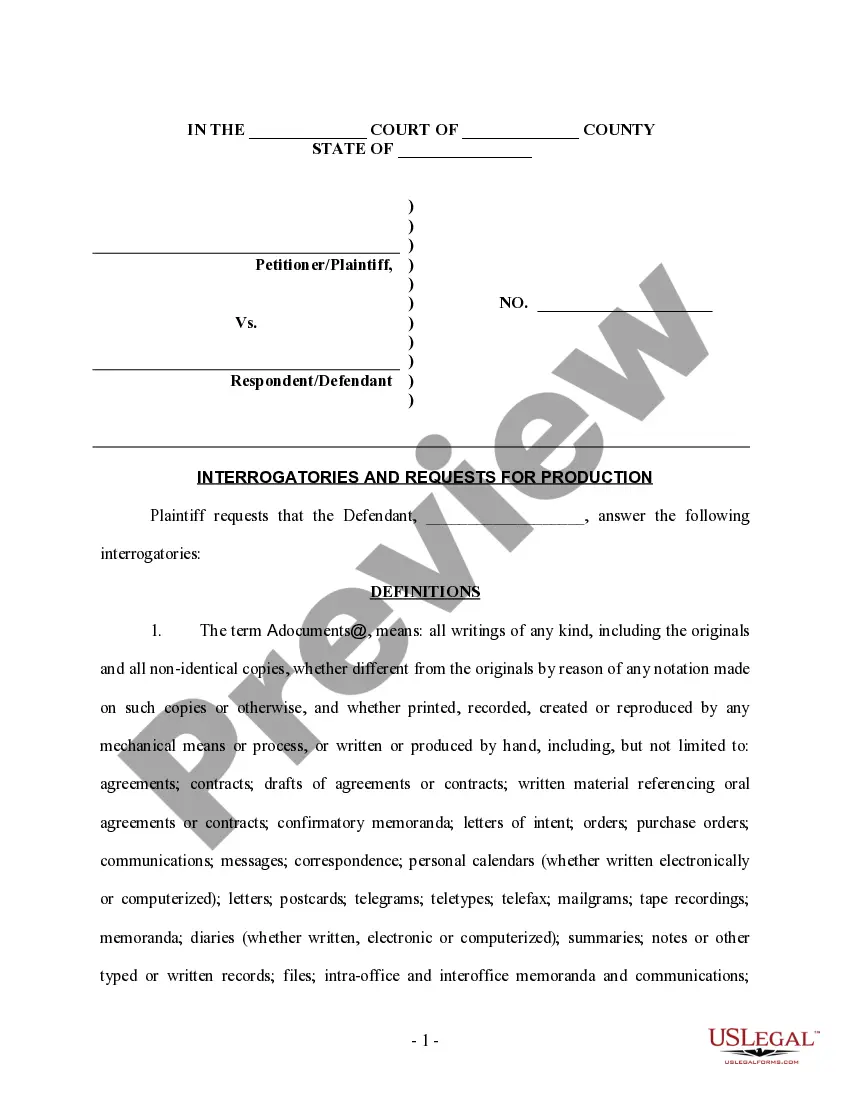
The Discovery - Model Interrogatories form is a legal document used to collect information about real and personal property during a legal dispute. This form enables a party to request detailed answers under oath about the financial status, assets, and liabilities of the opposing party. Unlike general discovery requests, these interrogatories are specifically tailored to uncover specific property-related information, making it a vital tool in legal proceedings related to property disputes.
Main sections of this form
- Identification of parties involved in the case
- Request for the opposing party's current residential address
- Details about educational background and employment history
- Comprehensive listing of assets and sources of income
- Disclosure of debts and liabilities
- Information regarding insurance policies and trusts
- Statement of expenses and financial responsibilities



Situations where this form applies
This form is necessary when you are involved in a legal case that requires disclosure of financial information related to real and personal property. It is commonly used in divorce proceedings, property disputes, or financial litigation, ensuring that both parties disclose relevant asset details to the court.
Who this form is for
This form is intended for:
- Individuals engaged in property disputes or lawsuits
- Attorneys representing clients in legal proceedings
- Parties seeking to gather detailed financial information as part of the discovery process
- Anyone needing to comply with court rules regarding interrogatories
How to prepare this document
To complete this form, follow these steps:
- Identify the parties involved and their representatives.
- Fill in the required information such as addresses, employment history, and sources of income.
- Detail all assets and liabilities, ensuring accuracy and completeness.
- Respond to each interrogatory thoroughly and under oath.
- Sign the document where required, indicating the date of completion.
Does this document require notarization?
This form does not typically require notarization unless specified by local law. Always check the specific requirements of your jurisdiction to determine if notarization is necessary.
Get your form ready online
Our built-in tools help you complete, sign, share, and store your documents in one place.
Make edits, fill in missing information, and update formatting in US Legal Forms—just like you would in MS Word.
Download a copy, print it, send it by email, or mail it via USPS—whatever works best for your next step.
Sign and collect signatures with our SignNow integration. Send to multiple recipients, set reminders, and more. Go Premium to unlock E-Sign.
If this form requires notarization, complete it online through a secure video call—no need to meet a notary in person or wait for an appointment.
We protect your documents and personal data by following strict security and privacy standards.

Make edits, fill in missing information, and update formatting in US Legal Forms—just like you would in MS Word.

Download a copy, print it, send it by email, or mail it via USPS—whatever works best for your next step.

Sign and collect signatures with our SignNow integration. Send to multiple recipients, set reminders, and more. Go Premium to unlock E-Sign.

If this form requires notarization, complete it online through a secure video call—no need to meet a notary in person or wait for an appointment.

We protect your documents and personal data by following strict security and privacy standards.
Avoid these common issues
- Failing to provide complete and accurate information.
- Missing the deadlines for submission of responses.
- Not signing the document, which can render the interrogatories invalid.
- Overlooking the requirement to supplement answers if new information becomes available.
Benefits of completing this form online
- Convenience of filling out the form online from any location.
- Editability allows you to customize responses as needed.
- Reliable templates drafted by licensed attorneys ensure legal compliance.
Quick recap
- The Discovery - Model Interrogatories assists in gathering vital financial information from the opposing party.
- It must be completed according to Minnesota's rules for effective use in legal proceedings.
- Timely and comprehensive responses are crucial to the legal process.
Looking for another form?
Form popularity
FAQ
Rule 37 addresses the consequences for failing to comply with discovery requests, including interrogatories. This rule emphasizes the importance of responding appropriately to discovery demands. Being informed about Rule 37 can help you navigate the Minnesota discovery process more effectively, ensuring you provide necessary information related to real or personal property.
Yes, interrogatories are a key part of the discovery process in Minnesota. They allow parties to obtain information from each other before trial. Understanding how to effectively use model interrogatories can greatly enhance your Minnesota discovery strategy, especially when dealing with issues related to real or personal property.
In Minnesota, each party typically may serve up to 30 interrogatories without needing court approval. This limit encourages concise and relevant inquiries during the discovery phase. When dealing with Minnesota discovery, particularly concerning real or personal property, it's important to craft your interrogatories wisely to gather maximum information within the allowed number.
The rules for interrogatories in Minnesota specify how parties can submit written questions to each other as part of the discovery process. Each party may serve a limited number of interrogatories to obtain necessary information. By utilizing model interrogatories, individuals can efficiently gather critical details about real or personal property that may impact their case.
Rule 609 in Minnesota deals with the admissibility of prior convictions in court. This rule is vital in evaluating the credibility of witnesses during trials. Knowing how this rule interacts with Minnesota discovery, particularly through model interrogatories, can provide insights into how prior actions may affect cases involving real or personal property.
In Minnesota, interrogatories are governed by the rules of civil procedure, which allow parties to request information from each other before trial. This process is crucial for Minnesota discovery, as it helps clarify the issues in dispute. Model interrogatories can effectively gather relevant information regarding real or personal property, ensuring a smoother litigation process.
Rule 69 in Minnesota governs the discovery process in civil litigation, specifically addressing the execution of judgments. It outlines procedures for collecting judgments, including garnishment and levies on property. Understanding this rule is essential for anyone involved in Minnesota discovery, particularly when dealing with model interrogatories related to real or personal property.
To obtain a discovery packet in Minnesota, you typically need to file a request with the court or the opposing party. This packet often includes documents, interrogatories, and other relevant materials. Familiarizing yourself with the Minnesota Discovery - Model Interrogatories - Real or Personal Property can streamline this process. For convenience, you can explore the US Legal Forms platform, which offers resources to help you prepare and file your request.
Rule 37.01 in Minnesota pertains to the discovery process, specifically addressing the enforcement of discovery requests, including interrogatories. This rule provides guidelines for compelling responses if a party fails to answer or respond adequately. Understanding Rule 37.01 is crucial for effective navigation of Minnesota Discovery - Model Interrogatories - Real or Personal Property. For detailed explanations and resources, consider visiting US Legal Forms.
Yes, discovery in Minnesota does include interrogatories. Interrogatories are written questions that one party sends to another as part of the discovery process. They help gather information related to the case, especially in matters concerning Minnesota Discovery - Model Interrogatories - Real or Personal Property. Utilizing these tools can greatly enhance your understanding of the other party's position and evidence.