Minnesota Application for Sublease
Overview of this form
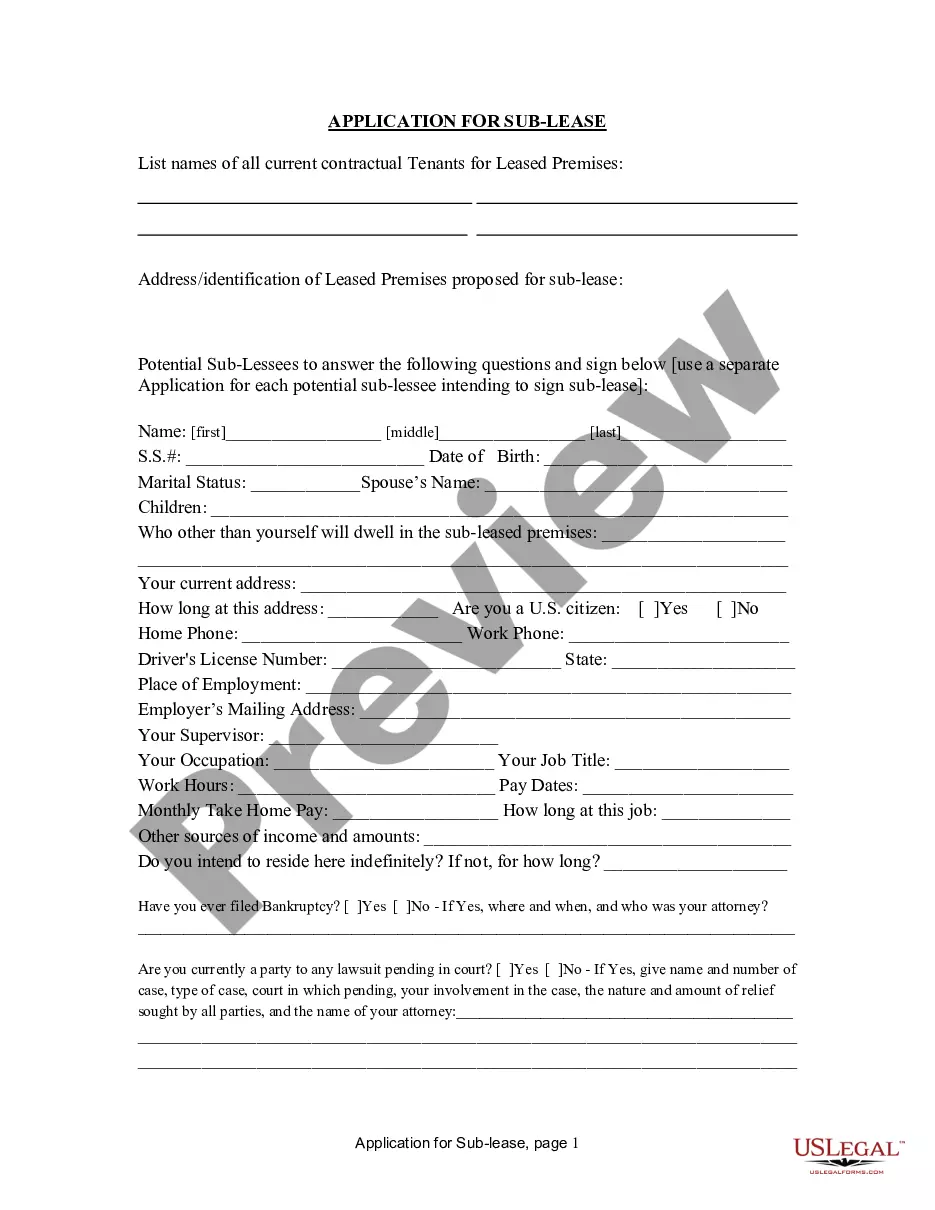
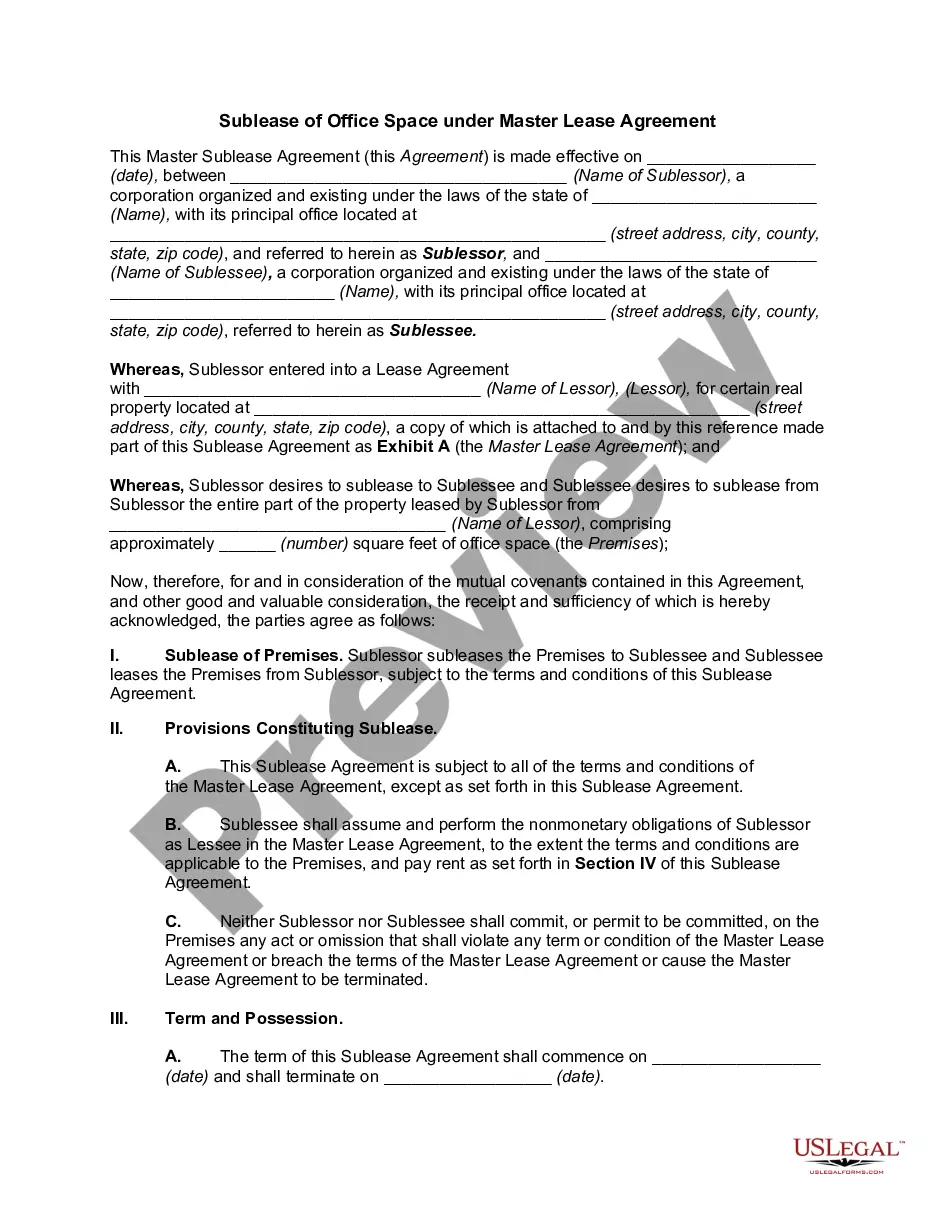
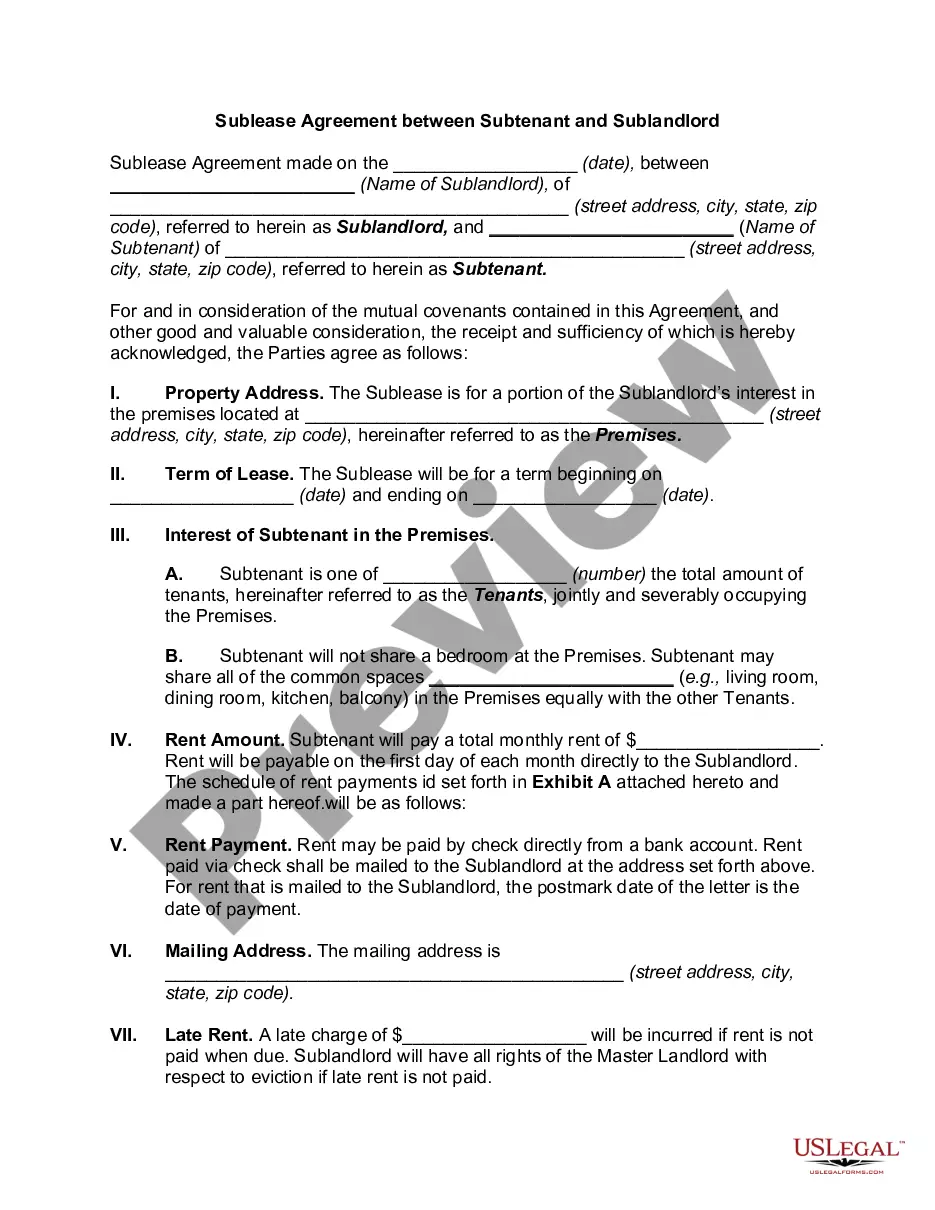
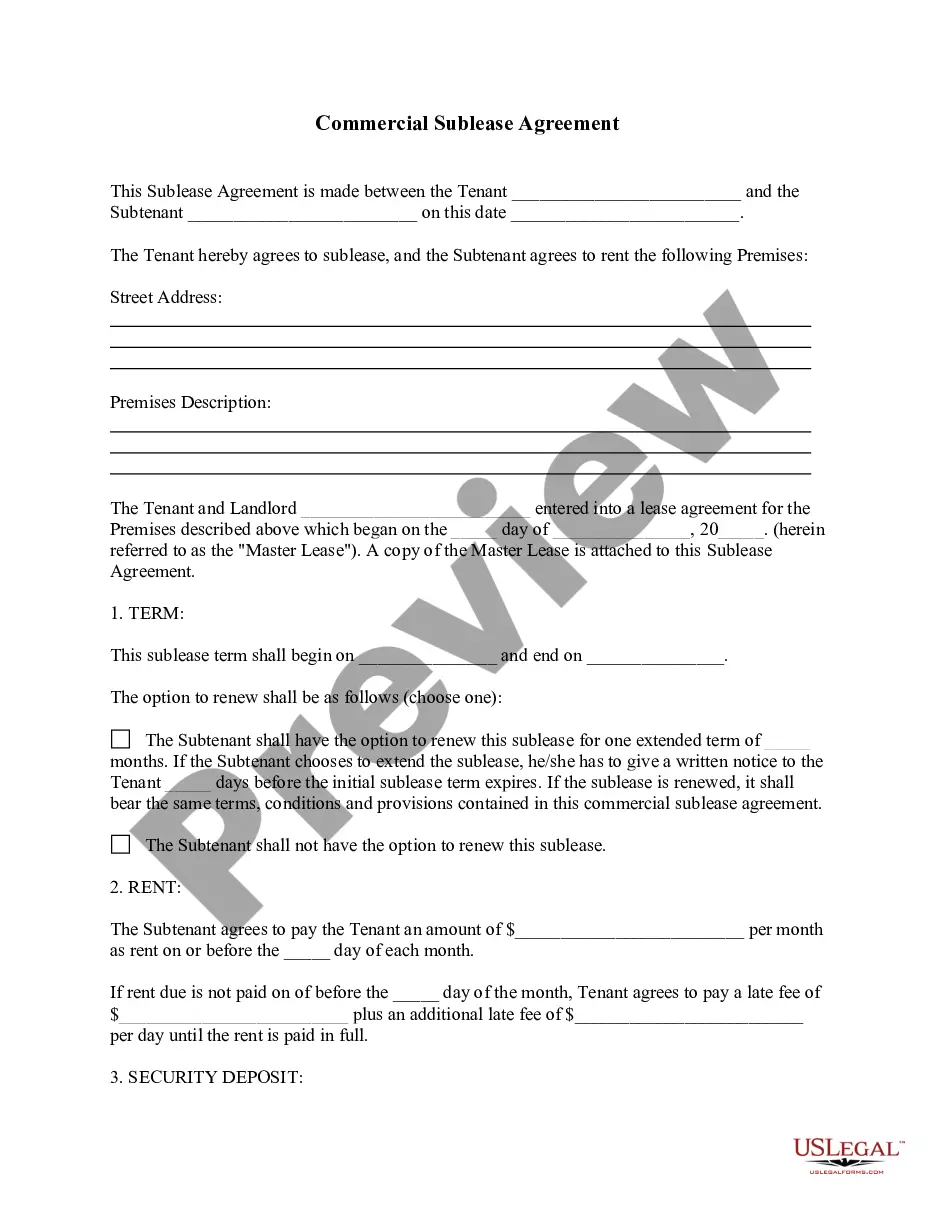
The Application for Sublease is a legal document that a potential sub-tenant uses to formally request approval from the landlord to sublet a rental property. This application allows the landlord to assess the suitability of the prospective sub-tenant before granting permission for the sublease. Effectively, it differs from a standard rental application as it specifically pertains to subleasing a rental unit, which may have specific conditions tied to the original lease agreement.
Form components explained
- Personal information of the applicant, including marital status and dependents.
- Current address and duration of residence.
- Employment details, including job title and supervisor's name.
- Financial information, such as monthly take-home pay and other income sources.
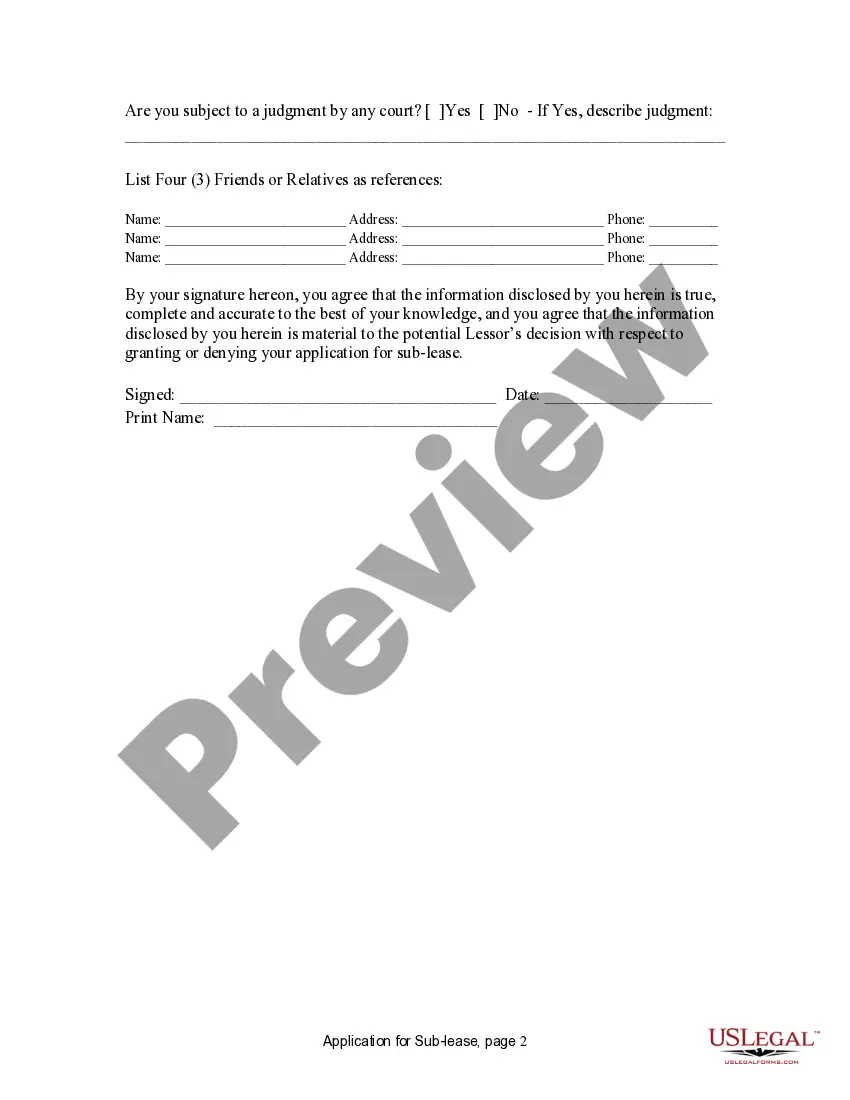
- Legal history, including bankruptcy filings and pending lawsuits.
- References from friends or relatives.
When to use this document
This form should be used when a tenant wishes to sublease their rental unit to another individual. It is essential when the original lease permits subleasing only with the landlord's consent. It provides the landlord with pertinent information to determine whether to approve or deny the application, ensuring all parties are aware of their responsibilities.
Who this form is for
- Current tenants looking to sublet their rental property.
- Prospective sub-tenants seeking a temporary living arrangement with the landlord's approval.
- Landlords who want to establish a clear process for evaluating sublease applications.
How to complete this form
- Identify the applicant's personal information, including marital status and children.
- Provide your current address and employment details.
- Disclose financial information, including income and sources of support.
- Answer questions related to legal history, such as bankruptcy or lawsuits.
- List references who can vouch for your reliability as a tenant.
- Sign and date the application to confirm the accuracy of the information provided.
Is notarization required?
Notarization is generally not required for this form. However, certain states or situations might demand it. You can complete notarization online through US Legal Forms, powered by Notarize, using a verified video call available anytime.
Get your form ready online
Our built-in tools help you complete, sign, share, and store your documents in one place.
Make edits, fill in missing information, and update formatting in US Legal Forms—just like you would in MS Word.
Download a copy, print it, send it by email, or mail it via USPS—whatever works best for your next step.
Sign and collect signatures with our SignNow integration. Send to multiple recipients, set reminders, and more. Go Premium to unlock E-Sign.
If this form requires notarization, complete it online through a secure video call—no need to meet a notary in person or wait for an appointment.
We protect your documents and personal data by following strict security and privacy standards.

Make edits, fill in missing information, and update formatting in US Legal Forms—just like you would in MS Word.

Download a copy, print it, send it by email, or mail it via USPS—whatever works best for your next step.

Sign and collect signatures with our SignNow integration. Send to multiple recipients, set reminders, and more. Go Premium to unlock E-Sign.

If this form requires notarization, complete it online through a secure video call—no need to meet a notary in person or wait for an appointment.

We protect your documents and personal data by following strict security and privacy standards.
Common mistakes
- Failing to provide complete and accurate information may lead to denial of the application.
- Not reviewing the original lease for subleasing permissions before applying.
- Omitting references or choosing inadequate references that cannot provide verification.
Why use this form online
- Convenient and easy to access from any device.
- Editable format allows for quick updates if circumstances change.
- Prepared by licensed attorneys, ensuring legal compliance.
Quick recap
- The Application for Sublease is vital for tenants wishing to sublet their rental properties.
- Completing the form accurately is crucial for successful approval from the landlord.
- Always check local regulations regarding subleasing, as they may affect the approval process.
Looking for another form?
Form popularity
FAQ
Writing up a sublease agreement requires clarity and attention to detail. Start by outlining the names of all parties involved, the property address, and the terms of the sublease. Utilizing a Minnesota Application for Sublease template from USLegalForms can simplify this process, ensuring you cover important aspects like rent, duration, and responsibilities. This approach minimizes misunderstandings and protects everyone’s interests.
In Missouri, subleasing rules can vary based on the lease and local laws. Generally, a tenant must obtain permission from their landlord before subleasing. If you are using a Minnesota Application for Sublease, be sure to include any specific conditions set by your landlord. Always review local laws to ensure you comply with regulations that may affect your sublease.
Filling out a sublease agreement involves several key steps. First, gather all necessary details like the original lease information, the duration of the sublease, and tenant information. Then, use a reliable platform like USLegalForms to access a Minnesota Application for Sublease template to ensure you include all essential clauses and terms. This ensures clarity and protects both parties involved.
Subleasing in Arizona is generally legal, but it depends on your original lease agreement. Many landlords allow it, while others may require written permission. If you are considering a Minnesota Application for Sublease, check your lease terms to ensure compliance. Always communicate with your landlord to avoid any potential issues.
Yes, you can allow your tenant to sublet, but you must include specific terms in the lease agreement. Consider requiring your tenant to submit a Minnesota Application for Sublease for your review and approval. This process helps protect your property and ensures the new tenant meets your standards. Clear communication with your tenant about the subletting process will also foster a positive landlord-tenant relationship.
Subletting is generally legal in Minnesota, but it must align with your lease terms and state laws. Many landlords allow subletting if you follow the proper procedure, which often includes submitting a Minnesota Application for Sublease. It's essential to understand your rights and responsibilities as a tenant before proceeding with subletting. Consulting a legal expert can also provide clarity.
Whether you are legally allowed to sublease depends on your lease agreement and local laws. Most leases require landlord approval before subletting. If your lease permits it, you must submit a Minnesota Application for Sublease to formalize the process. Always check your local regulations to ensure compliance and avoid potential legal issues.
To get permission to sublet, you should start by reviewing your original lease agreement. Look for any clauses regarding subletting, as these will guide you on the necessary steps. Typically, you will need to inform your landlord in writing and may need to complete a Minnesota Application for Sublease. Ensure you provide all required details, such as the proposed subtenant's information and duration of the sublease.
To apply for a sublease in Minnesota, you will first need to find a subtenant and complete the Minnesota Application for Sublease. Ensure that all necessary information is included and that both parties sign it. Once you have everything prepared, submit the application to your landlord for their approval, and await their decision before moving forward.
Landlords often dislike subleasing because it can complicate their management of the property. They may worry about the subtenant's reliability and adherence to lease terms. Additionally, they prefer to maintain control over who lives in their properties, which is why a Minnesota Application for Sublease is a crucial step in the process.