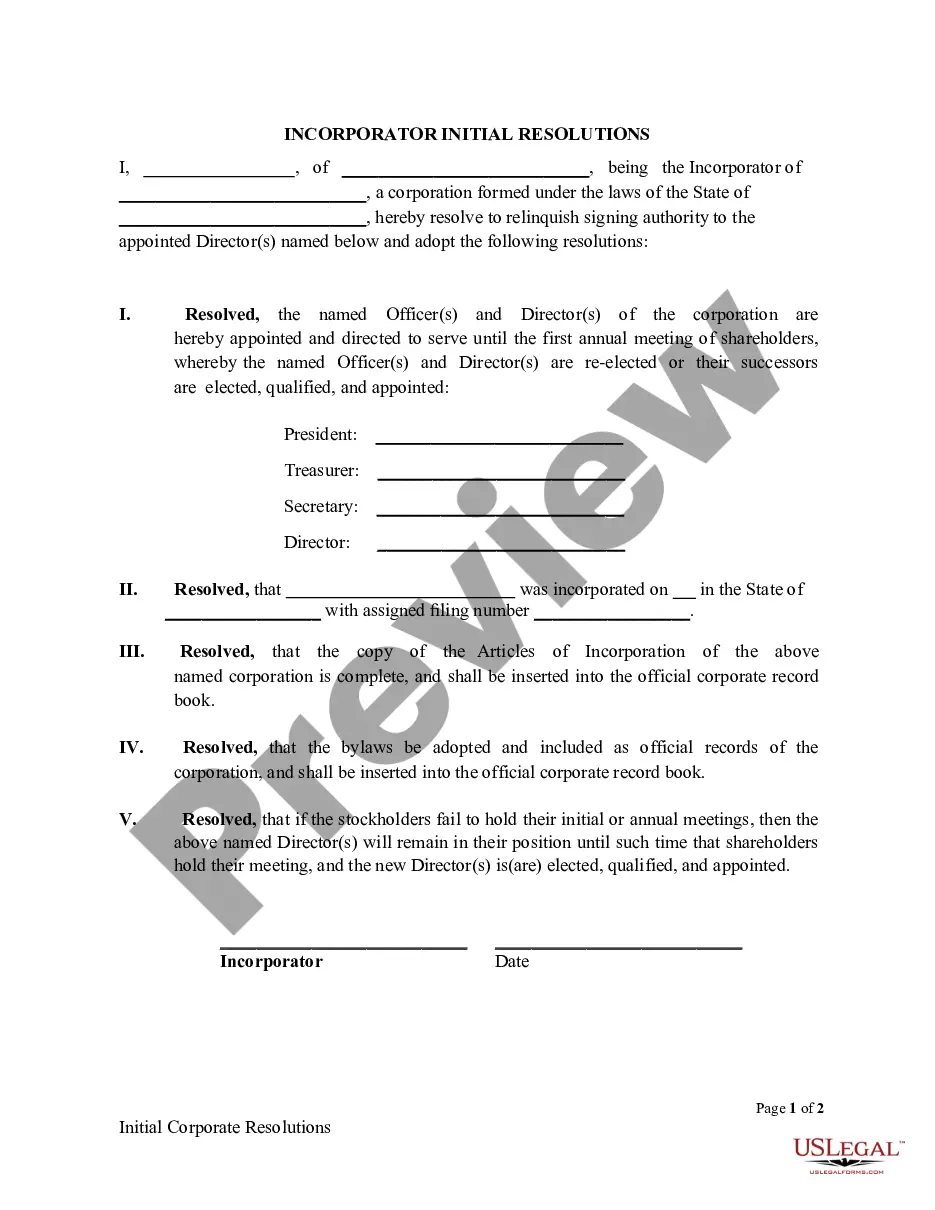
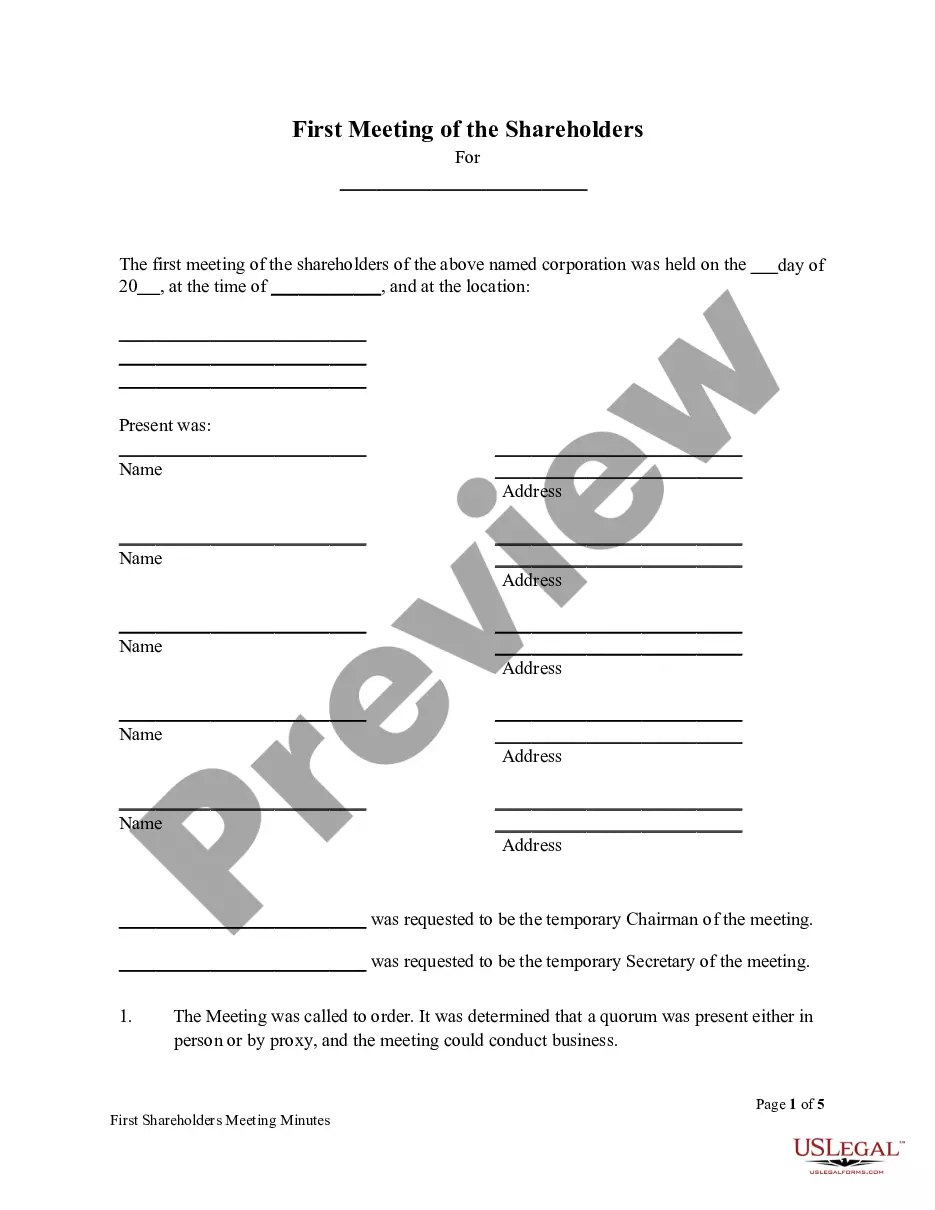
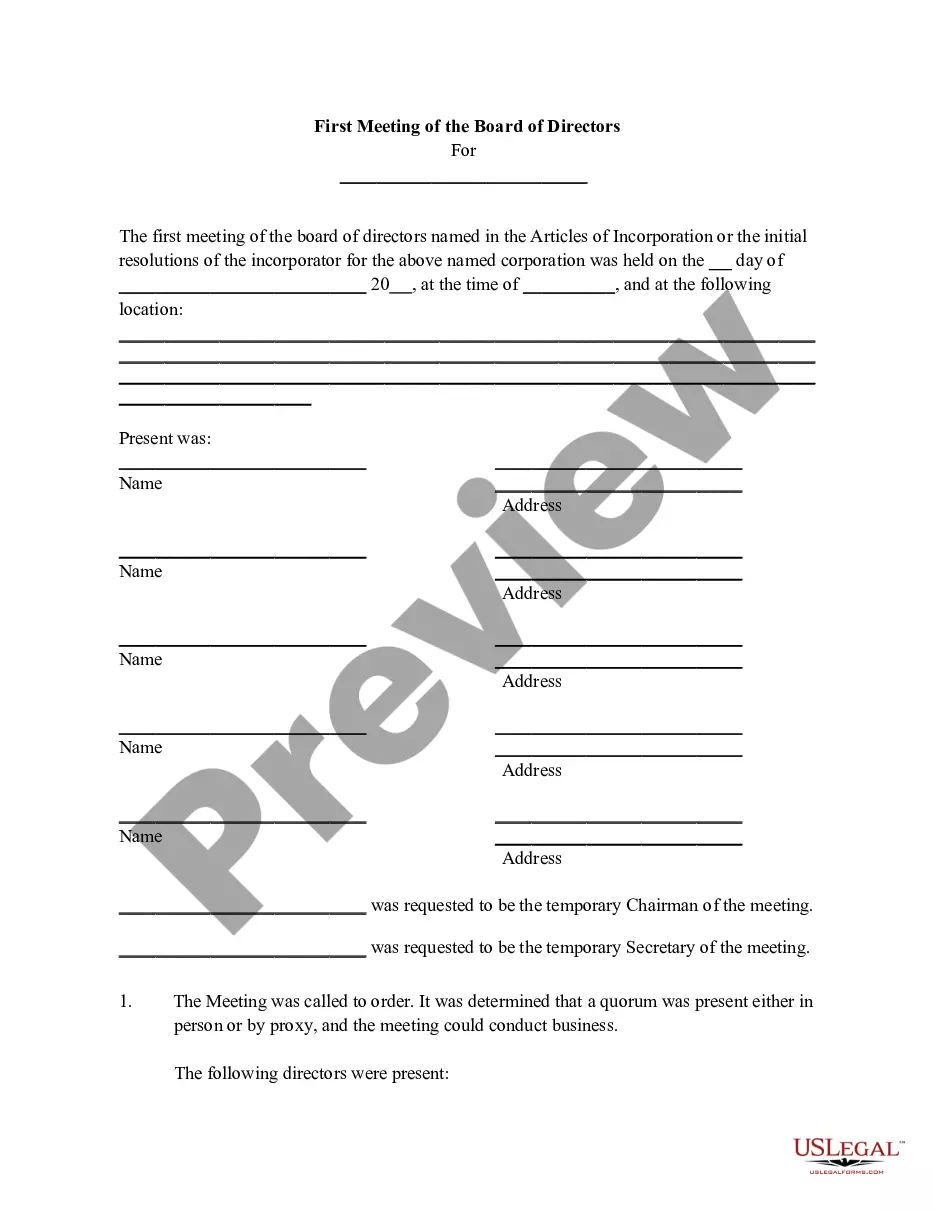
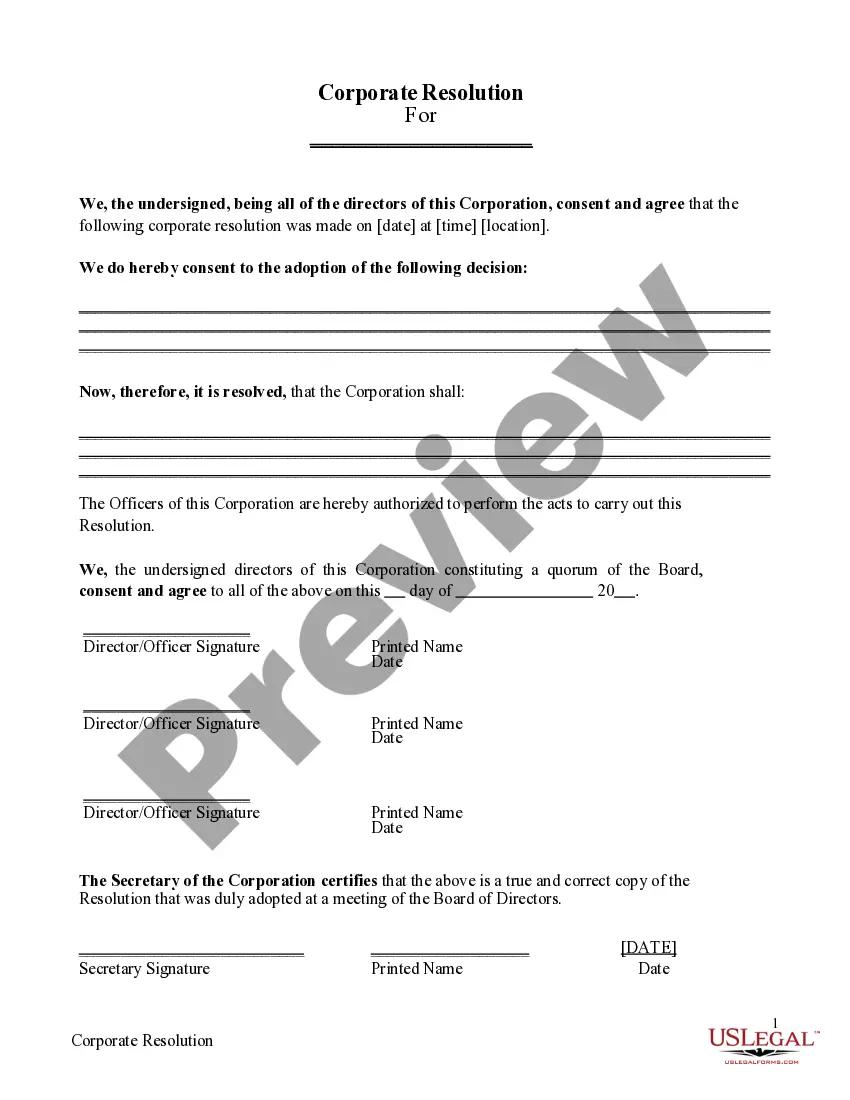
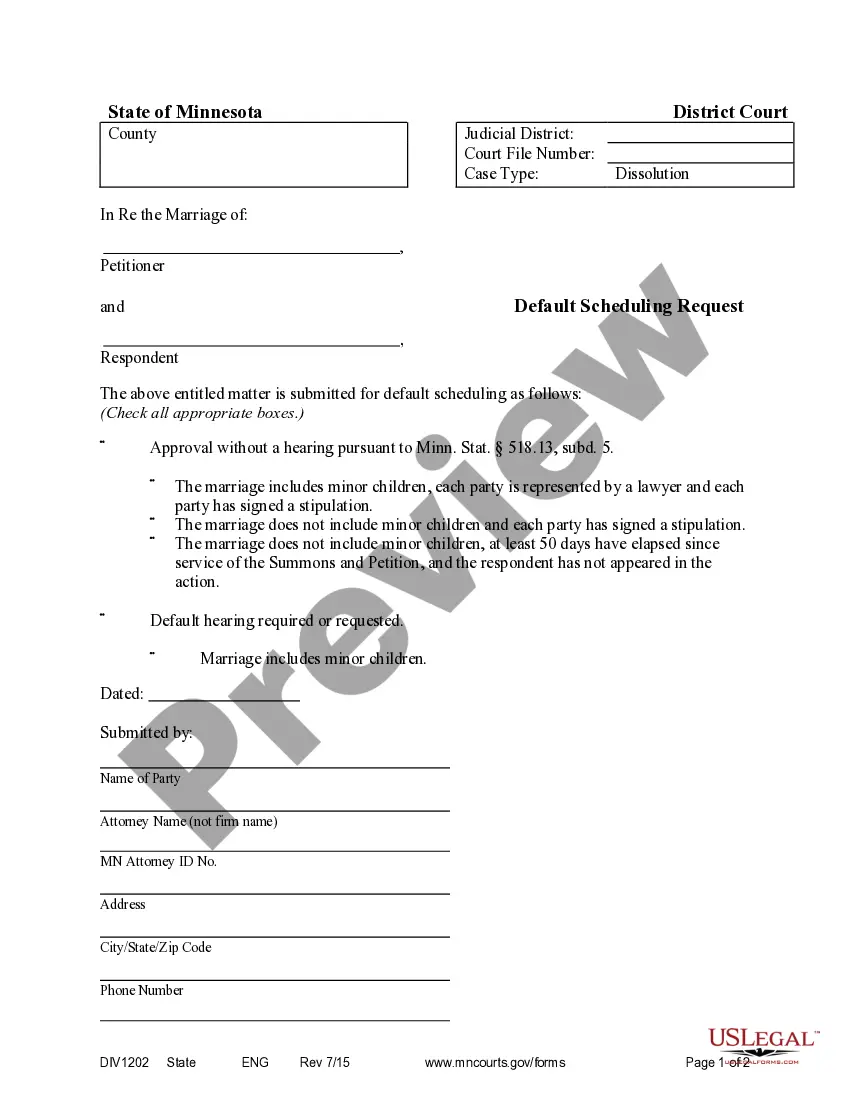
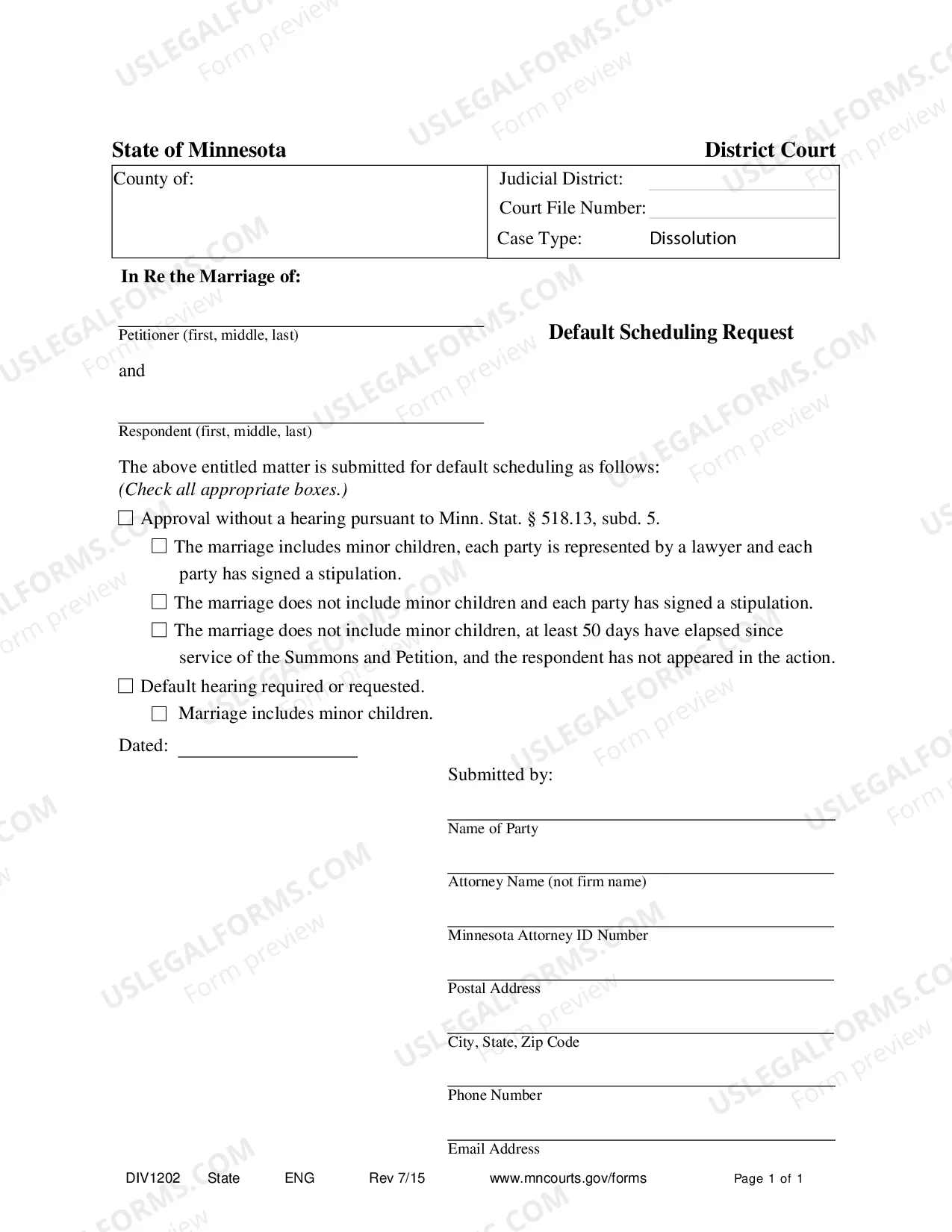
Minnesota Default Scheduling Request
Description
Get your form ready online
Our built-in tools help you complete, sign, share, and store your documents in one place.
Make edits, fill in missing information, and update formatting in US Legal Forms—just like you would in MS Word.
Download a copy, print it, send it by email, or mail it via USPS—whatever works best for your next step.
Sign and collect signatures with our SignNow integration. Send to multiple recipients, set reminders, and more. Go Premium to unlock E-Sign.
If this form requires notarization, complete it online through a secure video call—no need to meet a notary in person or wait for an appointment.
We protect your documents and personal data by following strict security and privacy standards.

Make edits, fill in missing information, and update formatting in US Legal Forms—just like you would in MS Word.

Download a copy, print it, send it by email, or mail it via USPS—whatever works best for your next step.

Sign and collect signatures with our SignNow integration. Send to multiple recipients, set reminders, and more. Go Premium to unlock E-Sign.

If this form requires notarization, complete it online through a secure video call—no need to meet a notary in person or wait for an appointment.

We protect your documents and personal data by following strict security and privacy standards.
Looking for another form?
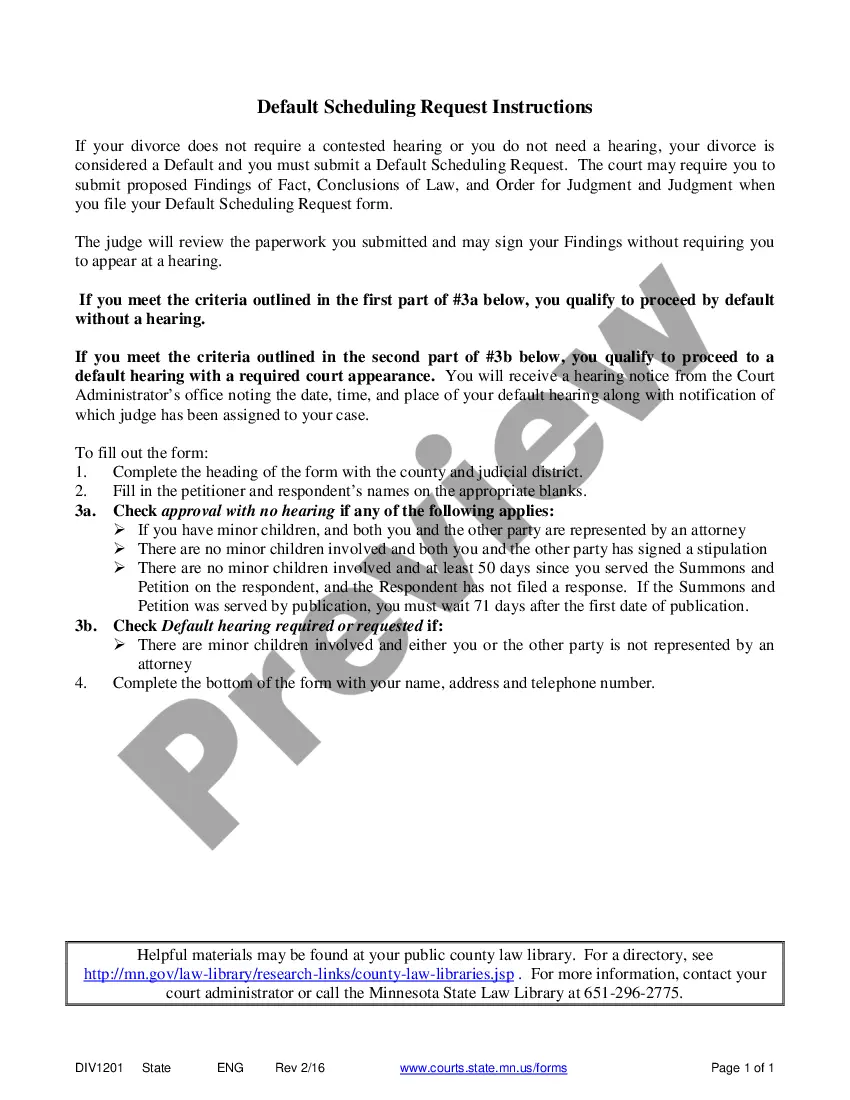
How to fill out Minnesota Default Scheduling Request?
Obtain any template from 85,000 legal documents including the Minnesota Default Scheduling Request online with US Legal Forms. Each template is crafted and updated by state-certified attorneys.
If you possess a subscription, Log In. Once you’re on the document’s page, click the Download button and navigate to My documents to gain access to it.
In the event you haven’t subscribed yet, follow the instructions listed below.
With US Legal Forms, you will always have prompt access to the suitable downloadable template. The platform provides access to forms and categorizes them to enhance your search. Utilize US Legal Forms to acquire your Minnesota Default Scheduling Request quickly and easily.
- Verify the state-specific requirements for the Minnesota Default Scheduling Request you wish to utilize.
- Browse through the description and preview the template.
- When you’re confident the template meets your needs, click on Buy Now.
- Choose a subscription plan that aligns well with your budget.
- Establish a personal account.
- Make a payment in one of two suitable ways: by card or through PayPal.
- Select a format to download the file in; two options are available (PDF or Word).
- Download the document to the My documents tab.
- Once your reusable template is prepared, print it out or save it to your device.
Form popularity
FAQ
Filing a motion for default means you are asking the court to rule in your favor due to the other party's inaction. This legal action can lead to a judgment without a trial, benefiting the party who filed the motion. It is essential to understand this process and its implications fully. Platforms like US Legal Forms can guide you in making a Minnesota Default Scheduling Request to ensure you follow the correct procedures.
Responding to a motion for default involves filing a formal opposition with the court. You must provide valid reasons for your lack of response, along with any supporting evidence. This step is crucial to prevent a default judgment against you. Consider using US Legal Forms to streamline your Minnesota Default Scheduling Request and response process.
In Minnesota, a motion for default is a formal request to the court to issue a judgment when the other party does not respond. This motion indicates that the opposing party has failed to contest the claims made against them. Understanding this process can empower you in your legal proceedings. Utilizing US Legal Forms can assist you in filing a Minnesota Default Scheduling Request effectively.
Once a default is issued, the court typically moves forward to determine the appropriate judgment. The plaintiff may file for a default judgment, which can lead to financial penalties for the defendant. This process underscores the importance of timely responses in legal matters. A Minnesota Default Scheduling Request is a critical step to avoid such outcomes.
Rule 77.04 in Minnesota governs the procedures surrounding default judgments. It outlines the necessary steps to request a default judgment when a party fails to respond to a legal complaint. Familiarizing yourself with this rule can help you navigate your case more effectively. You can leverage resources like US Legal Forms for guidance on making a Minnesota Default Scheduling Request.
A default judgment can significantly impact your legal standing. When a court issues a default judgment, it often favors the plaintiff without a trial. This ruling can lead to financial consequences, such as wage garnishment or asset seizure. Therefore, understanding the implications of a Minnesota Default Scheduling Request is crucial for your case.
Rule of Practice 521 in Minnesota outlines the procedures for obtaining a default scheduling order in civil cases. This rule enables parties to request a default judgment when the opposing party fails to respond to a complaint. By following the Minnesota Default Scheduling Request process, you can efficiently move forward with your case. For assistance, consider using US Legal Forms, which provides resources to help you navigate this rule effectively.
Rule 69 in Minnesota relates to the scheduling of default judgments. Specifically, it outlines the process for filing a Minnesota Default Scheduling Request when a party fails to respond to a lawsuit. This rule ensures that the court can efficiently handle cases where the defendant does not appear, allowing the plaintiff to seek a judgment. By understanding Rule 69, you can better navigate the legal process and utilize resources like US Legal Forms to streamline your Minnesota Default Scheduling Request.