Minnesota Case Management Checklist
What is this form?
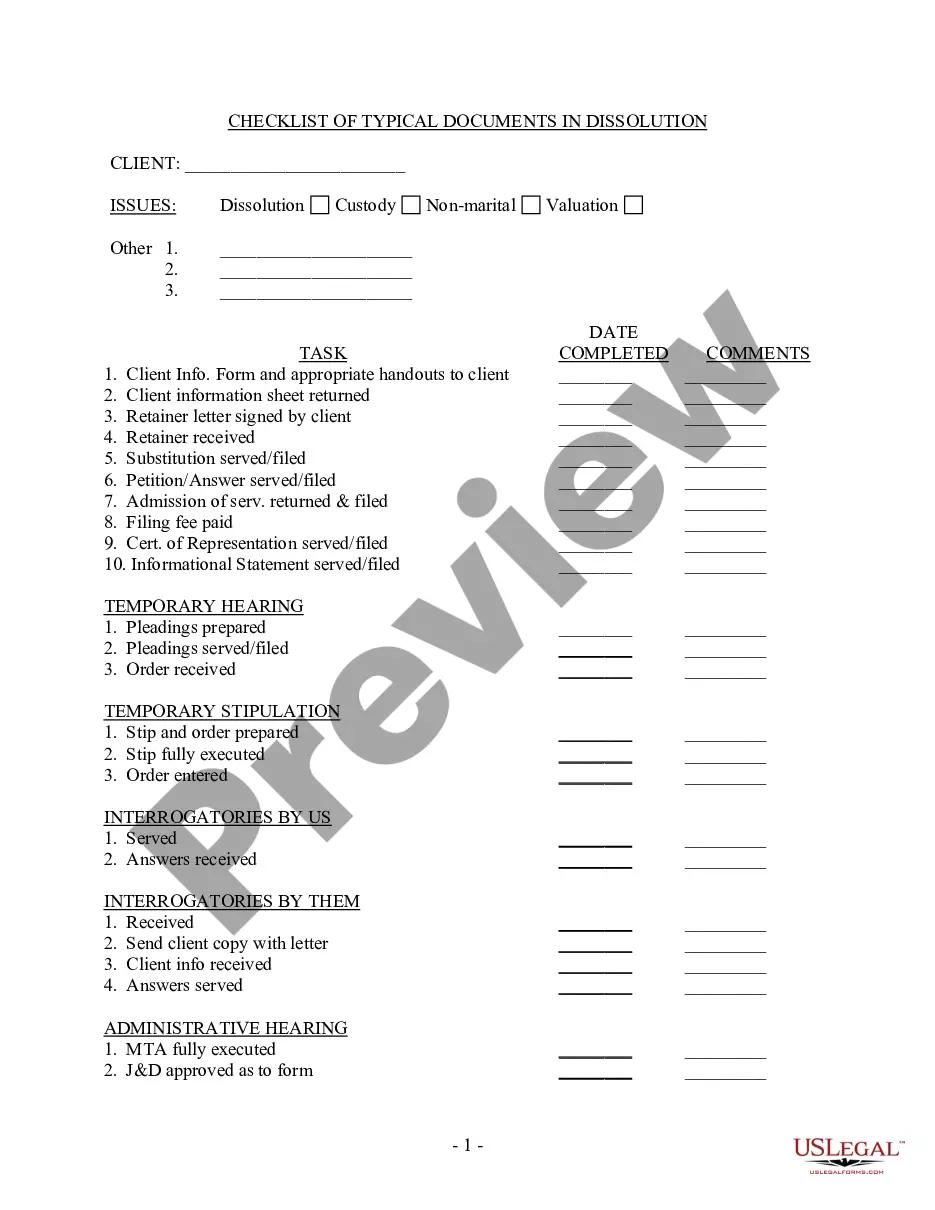
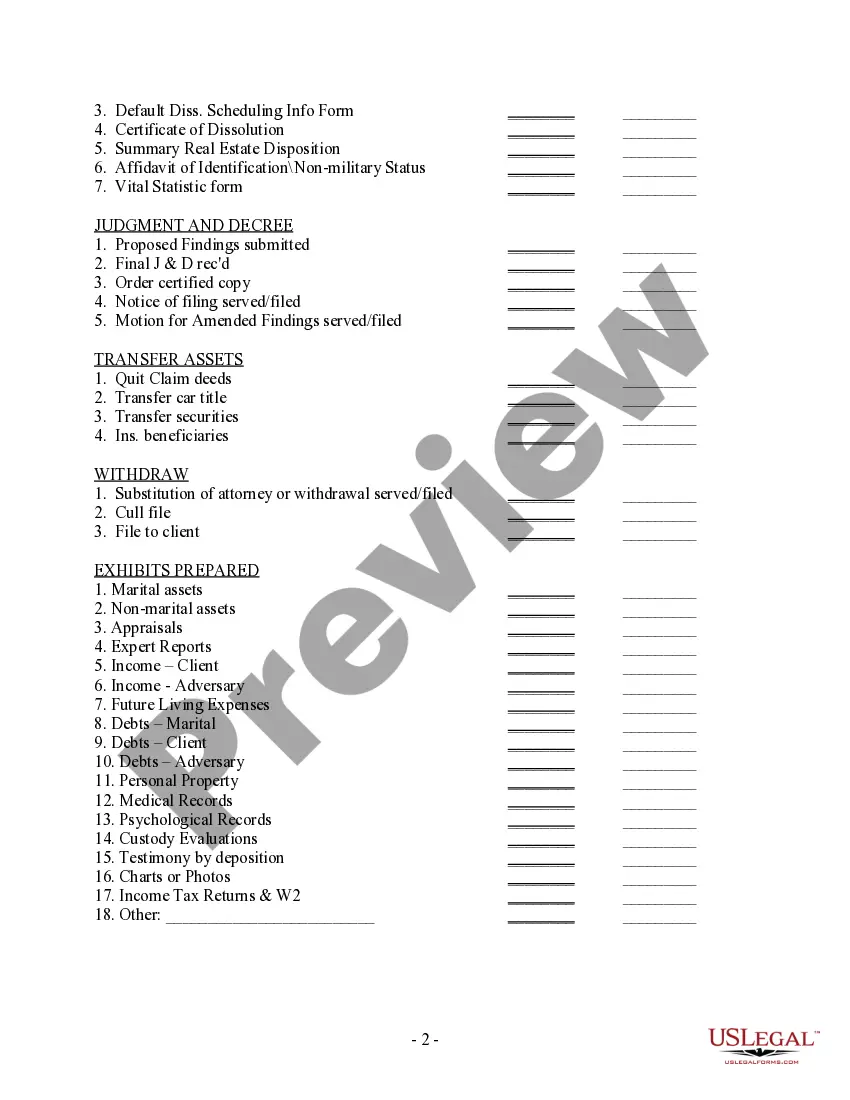
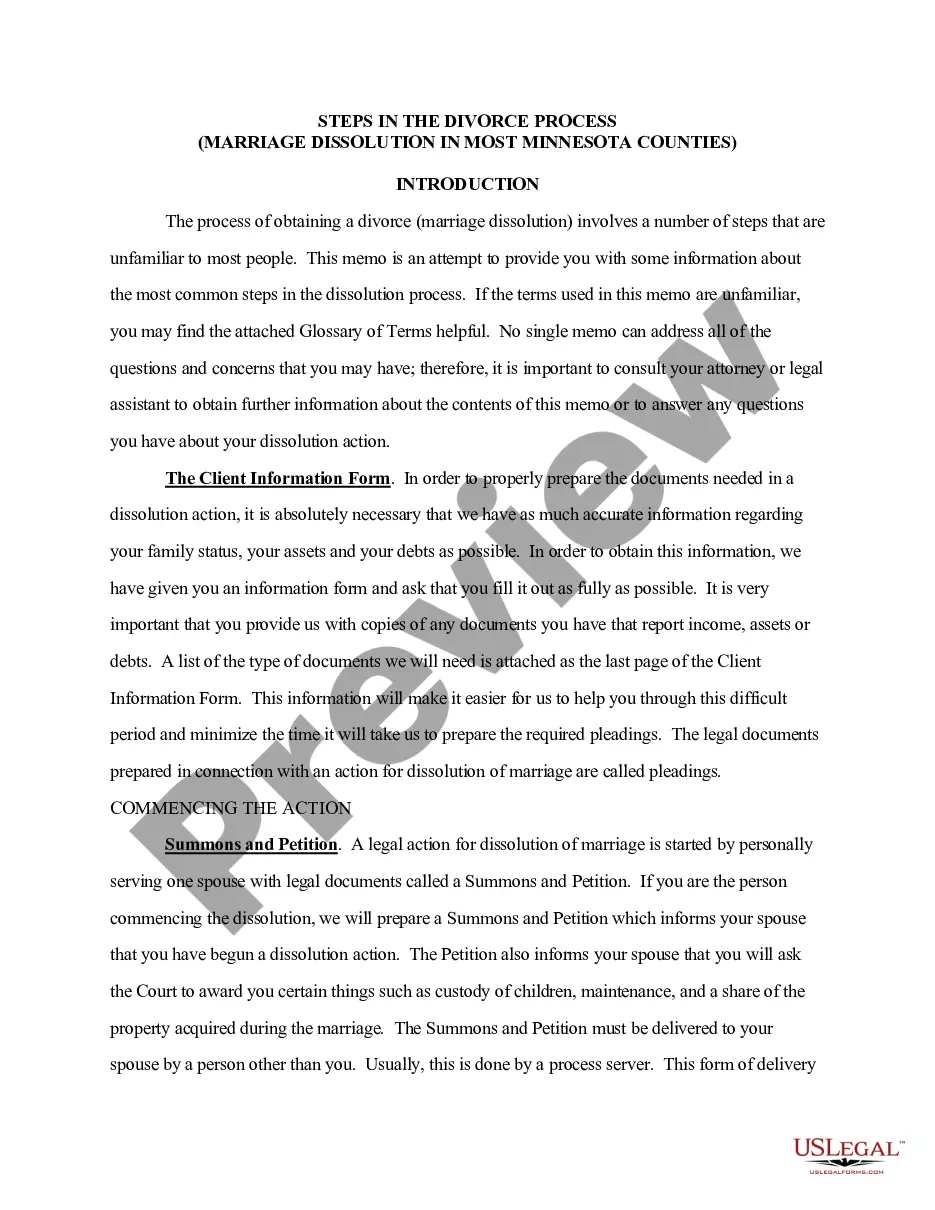
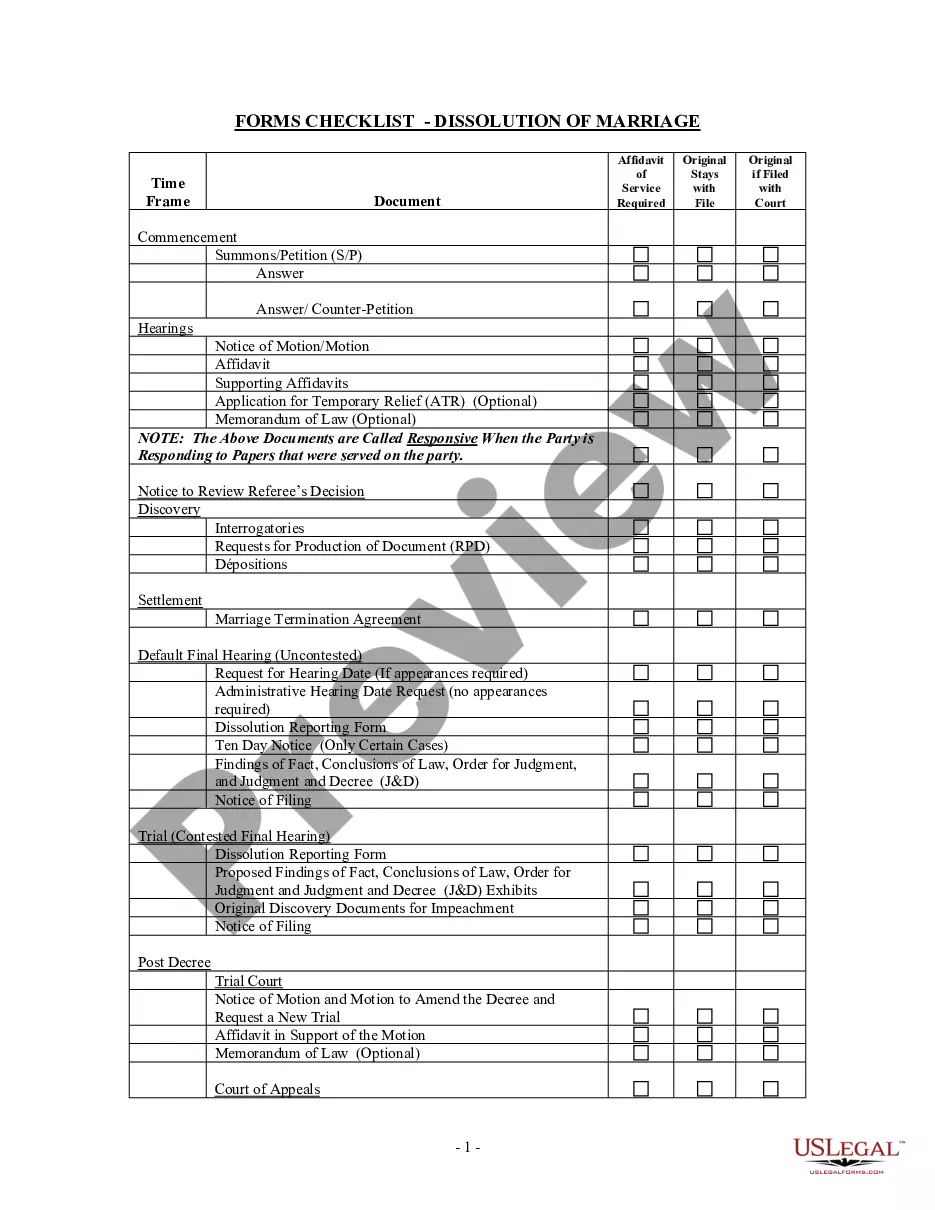
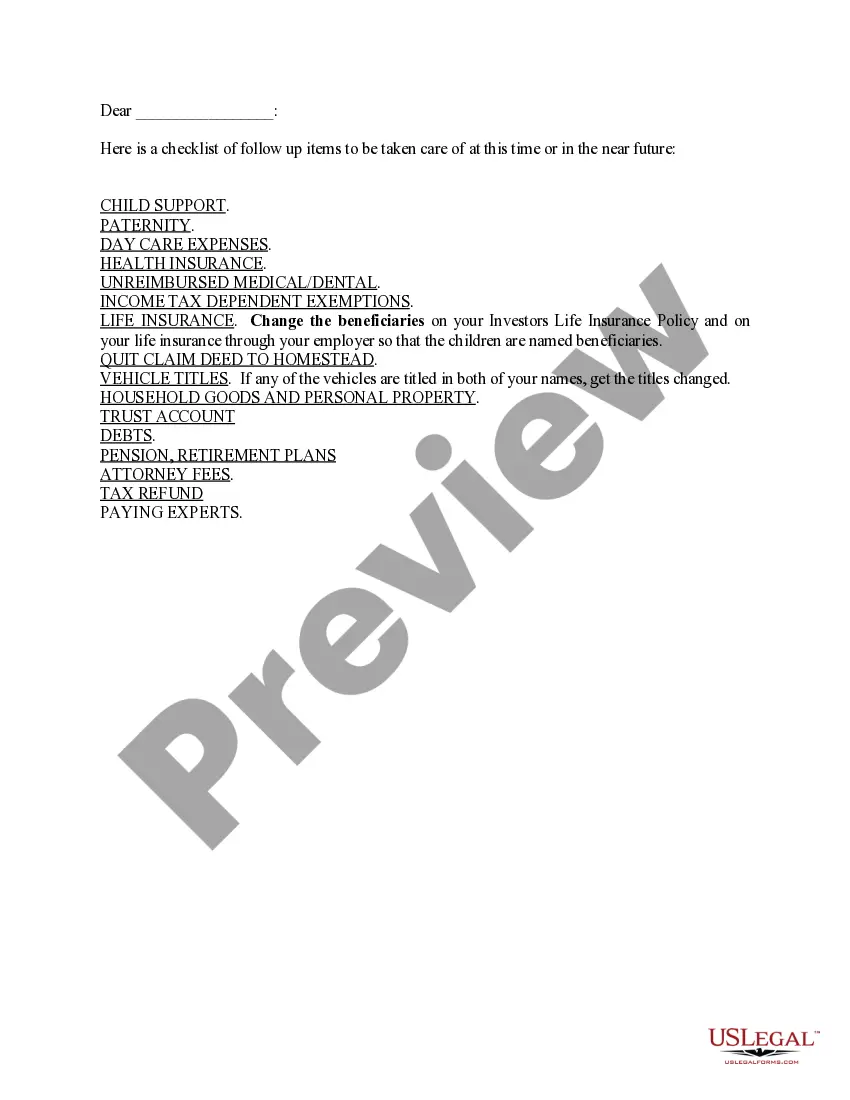
The Case Management Checklist is a comprehensive tool designed to help individuals and attorneys organize the critical documents and tasks necessary during the dissolution of marriage proceedings. This form differentiates itself from other legal checklists by providing specific guidance on essential actions such as preparing pleadings, serving documents, and managing asset transfers, allowing for a structured approach to navigating the complexities of divorce cases.
Key parts of this document
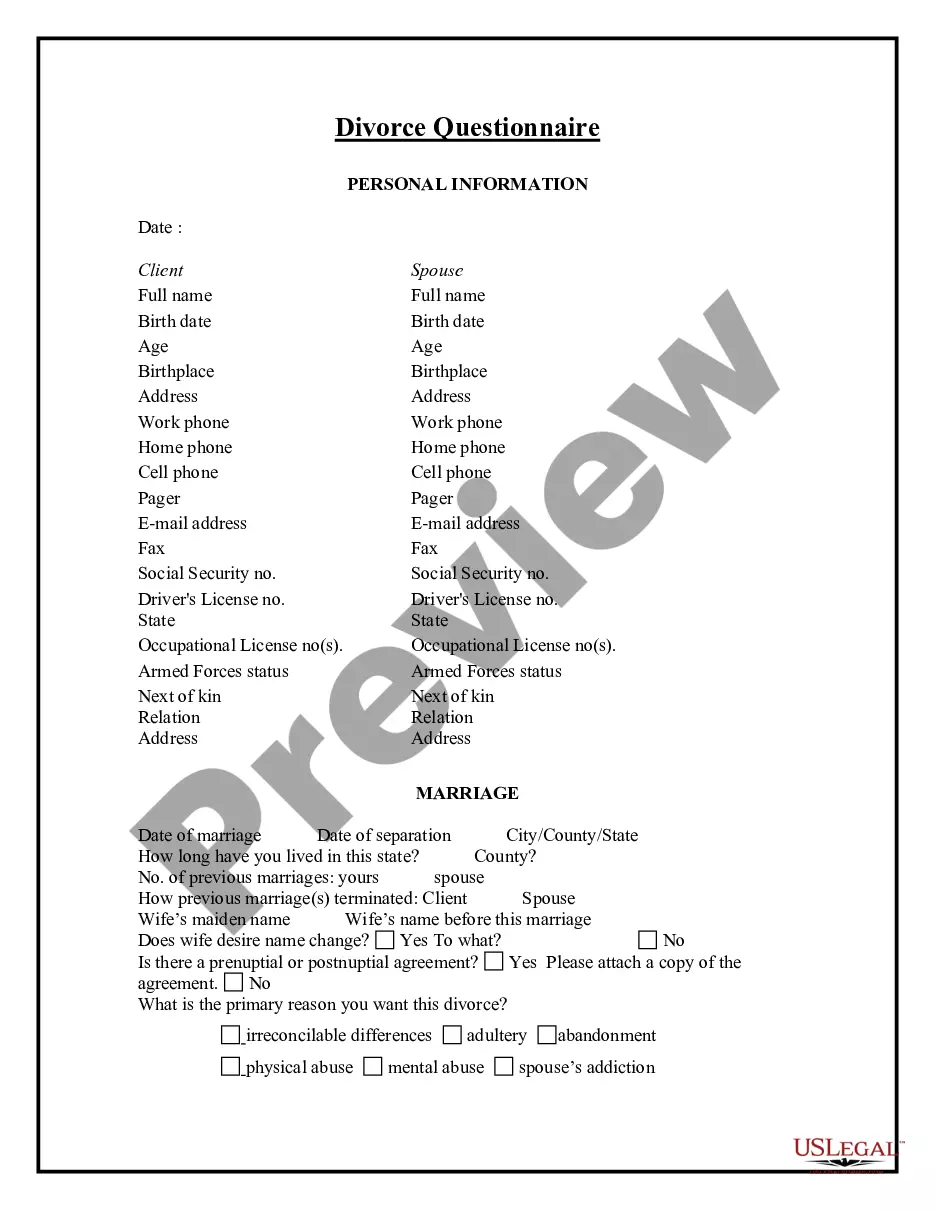
- Client information section to gather essential details.
- Task list for managing case progression and document preparation.
- Sections for temporary hearings and stipulations relevant to divorce proceedings.
- Space for noting any interrogatories and their responses.
- Guidance on administrative hearings and asset transfers.
- Final judgment and decree preparation steps.
Common use cases
This form is essential for individuals involved in a dissolution of marriage proceeding. Use the Case Management Checklist when you need to keep track of various documentation and tasks, including temporary hearings, asset transfers, and necessary filings to ensure smooth progression throughout the divorce process.
Who should use this form
- Individuals filing for divorce.
- Attorneys representing clients in family law cases.
- Legal assistants managing divorce documentation.
- Anyone needing a structured overview of the divorce process.
How to complete this form
- Fill out the client information section with accurate details.
- Complete each task according to your timeline, checking off items as they are completed.
- Prepare any necessary pleadings for temporary hearings as indicated.
- Document the results of any interrogatories received and sent.
- Follow the steps outlined for asset transfers to ensure compliance with legal standards.
Is notarization required?
This form usually doesn’t need to be notarized. However, local laws or specific transactions may require it. Our online notarization service, powered by Notarize, lets you complete it remotely through a secure video session, available 24/7.
Get your form ready online
Our built-in tools help you complete, sign, share, and store your documents in one place.
Make edits, fill in missing information, and update formatting in US Legal Forms—just like you would in MS Word.
Download a copy, print it, send it by email, or mail it via USPS—whatever works best for your next step.
Sign and collect signatures with our SignNow integration. Send to multiple recipients, set reminders, and more. Go Premium to unlock E-Sign.
If this form requires notarization, complete it online through a secure video call—no need to meet a notary in person or wait for an appointment.
We protect your documents and personal data by following strict security and privacy standards.

Make edits, fill in missing information, and update formatting in US Legal Forms—just like you would in MS Word.

Download a copy, print it, send it by email, or mail it via USPS—whatever works best for your next step.

Sign and collect signatures with our SignNow integration. Send to multiple recipients, set reminders, and more. Go Premium to unlock E-Sign.

If this form requires notarization, complete it online through a secure video call—no need to meet a notary in person or wait for an appointment.

We protect your documents and personal data by following strict security and privacy standards.
Mistakes to watch out for
- Neglecting to sign completed documents before submission.
- Overlooking critical deadlines for filing responses or petitions.
- Failing to gather all necessary supporting documents for hearings.
- Not completing the checklist sequentially, which may lead to missing steps.
Benefits of completing this form online
- Convenient access: Complete the form at your own pace from anywhere.
- Editability: Make changes easily and retain a digital copy of your checklist.
- Reliability: Obtain an up-to-date checklist that reflects current legal practices.
Summary of main points
- The Case Management Checklist is essential for managing a divorce case effectively.
- Use this form to track progress and ensure all legal documents are completed.
- It can be utilized by both legal professionals and individuals navigating the divorce process.
Looking for another form?


Form popularity
FAQ
Case management documentation refers to the comprehensive records that detail a client's interactions, progress, and plans for support. Utilizing the Minnesota Case Management Checklist can streamline this process, ensuring all essential information is captured. This documentation is crucial for tracking client outcomes and facilitating communication among team members. Thoughtful documentation enhances the quality of care provided.
The format of a case note often includes headings for the date, client name, purpose, and a summary of the meeting. Utilizing the Minnesota Case Management Checklist can help you maintain a uniform structure, making it easier to review and understand. Each section should be clear and concise, with bullet points or numbered lists to enhance readability. Consistent formatting aids in efficient documentation.
A case management note typically includes the date of the interaction, the client's name, and a summary of the discussion. It should be organized, following the Minnesota Case Management Checklist for consistency. Expect to see sections for observations, decisions made, and next steps. This format allows for easy reference in future sessions and helps track progress effectively.
Begin a case note by stating the date, time, and purpose of the session or contact with the client. Incorporate the Minnesota Case Management Checklist to guide your entry, ensuring you cover key points like client background and objectives. This initial setup sets a professional tone and helps you systematically document interactions. Make it a habit to start with clear, direct information.
To write a case management note, start by clearly identifying the purpose of the note. Use the Minnesota Case Management Checklist to ensure you include all necessary details, such as client information, relevant dates, and action items. Be concise and factual, focusing on the client's progress and any issues that arise. This structure helps maintain clarity and organization in your documentation.