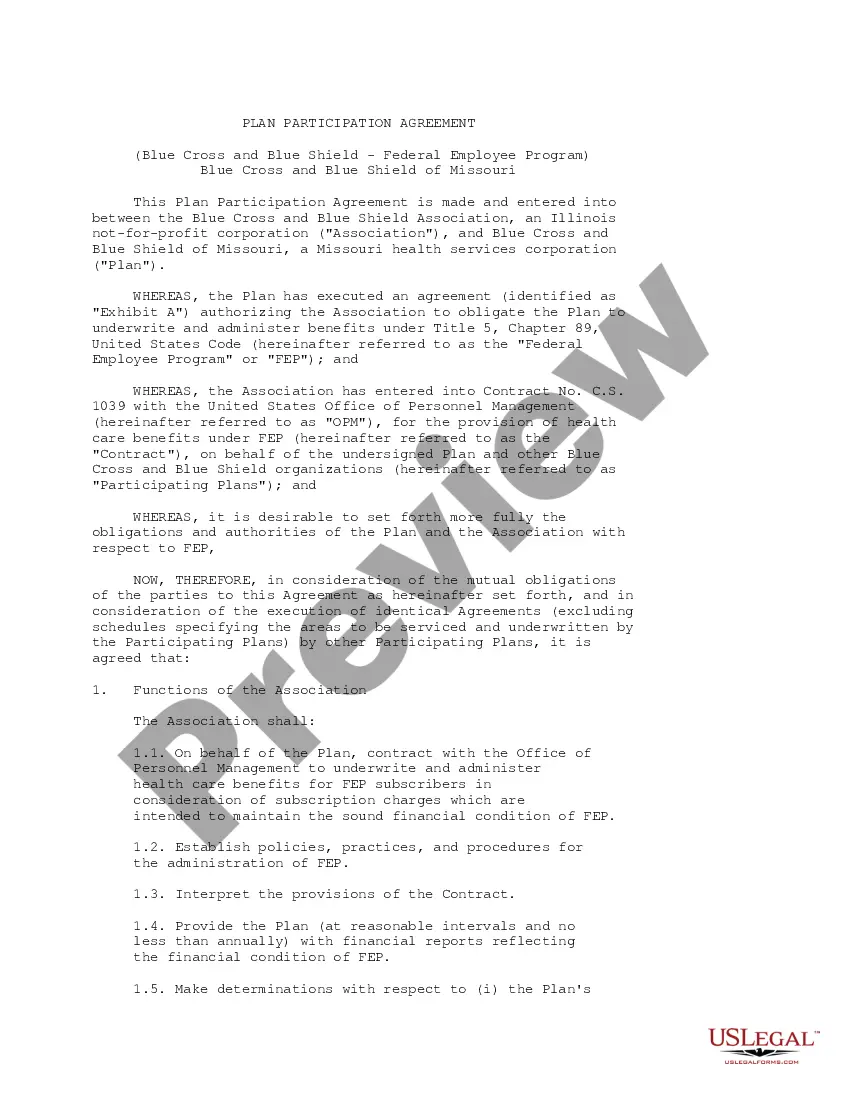
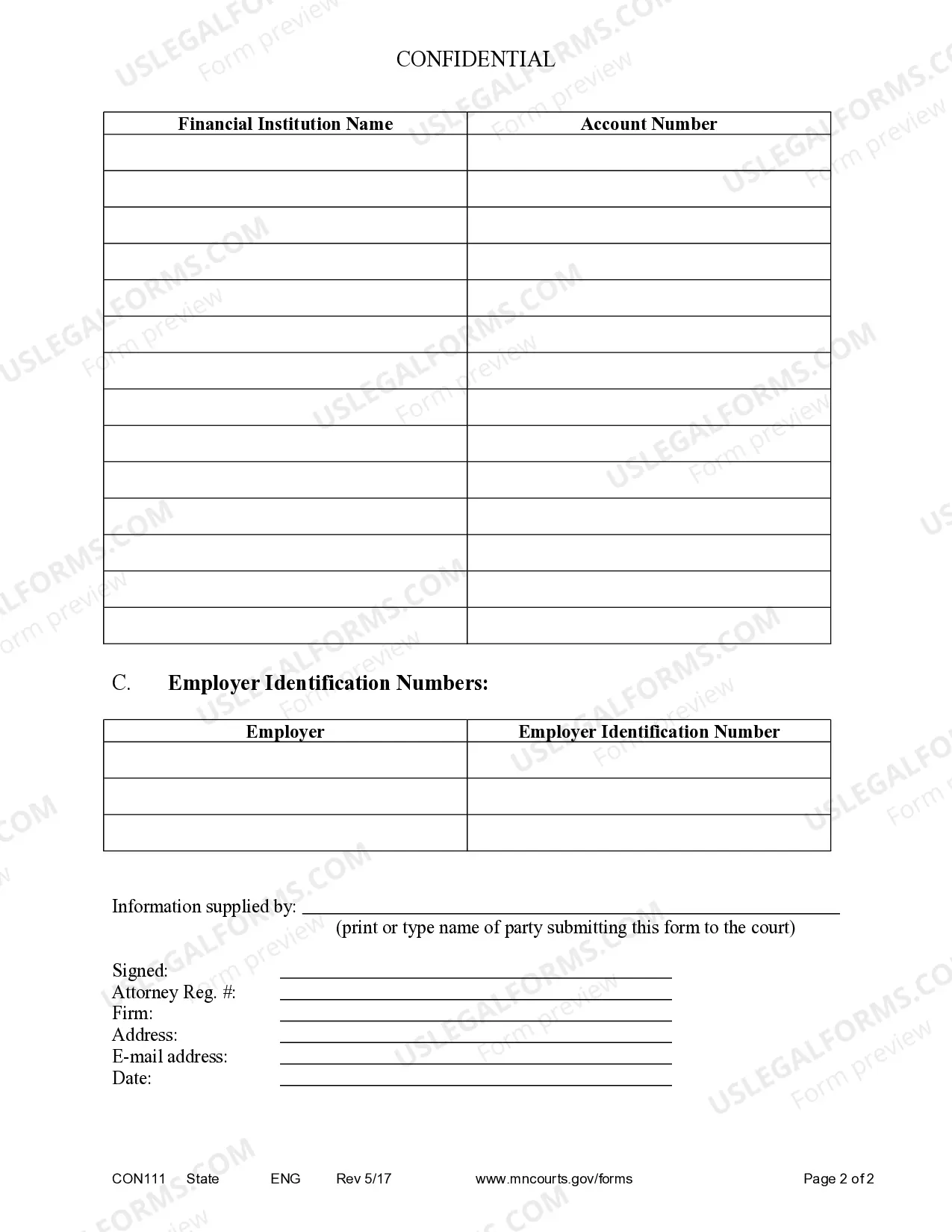
Minnesota Confidential Information Form
Description
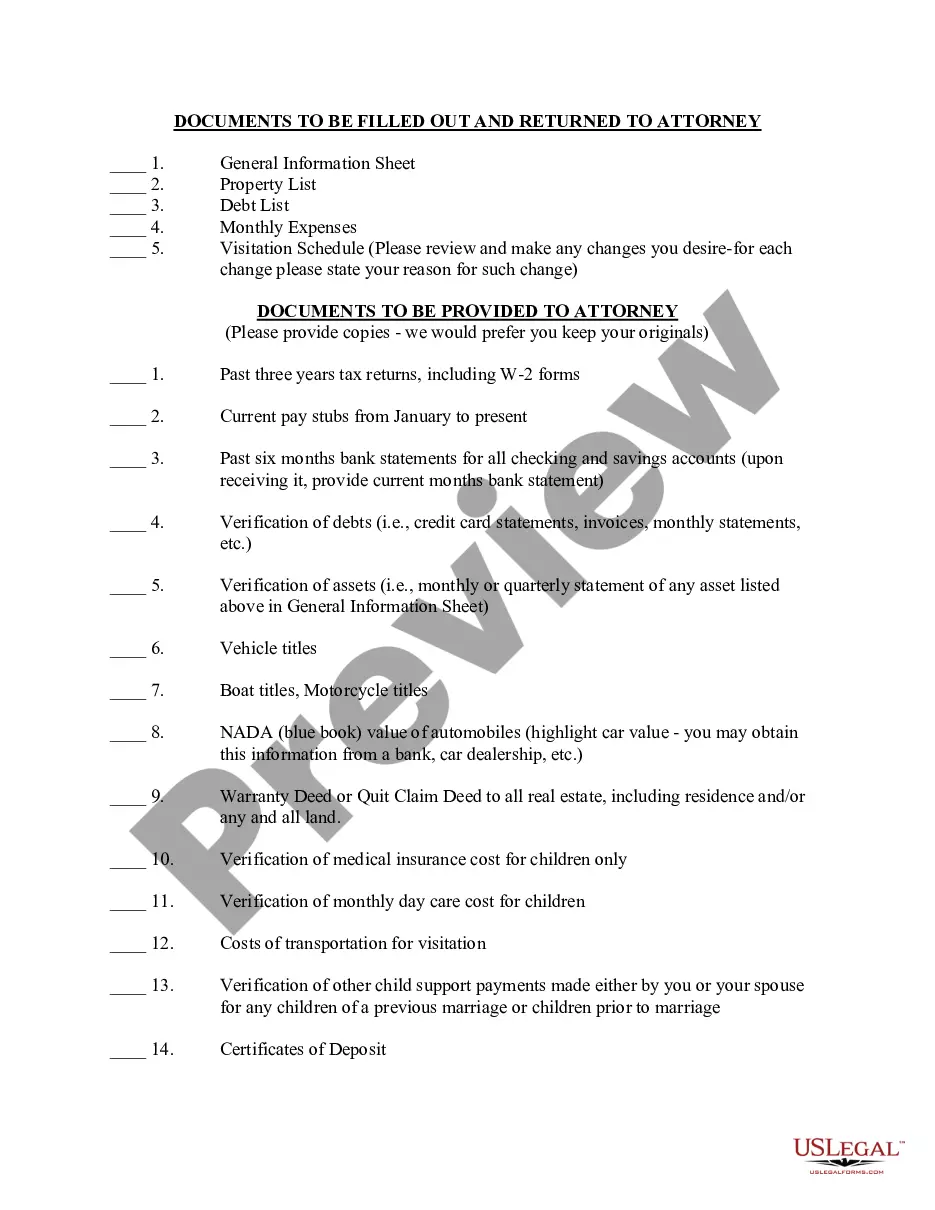
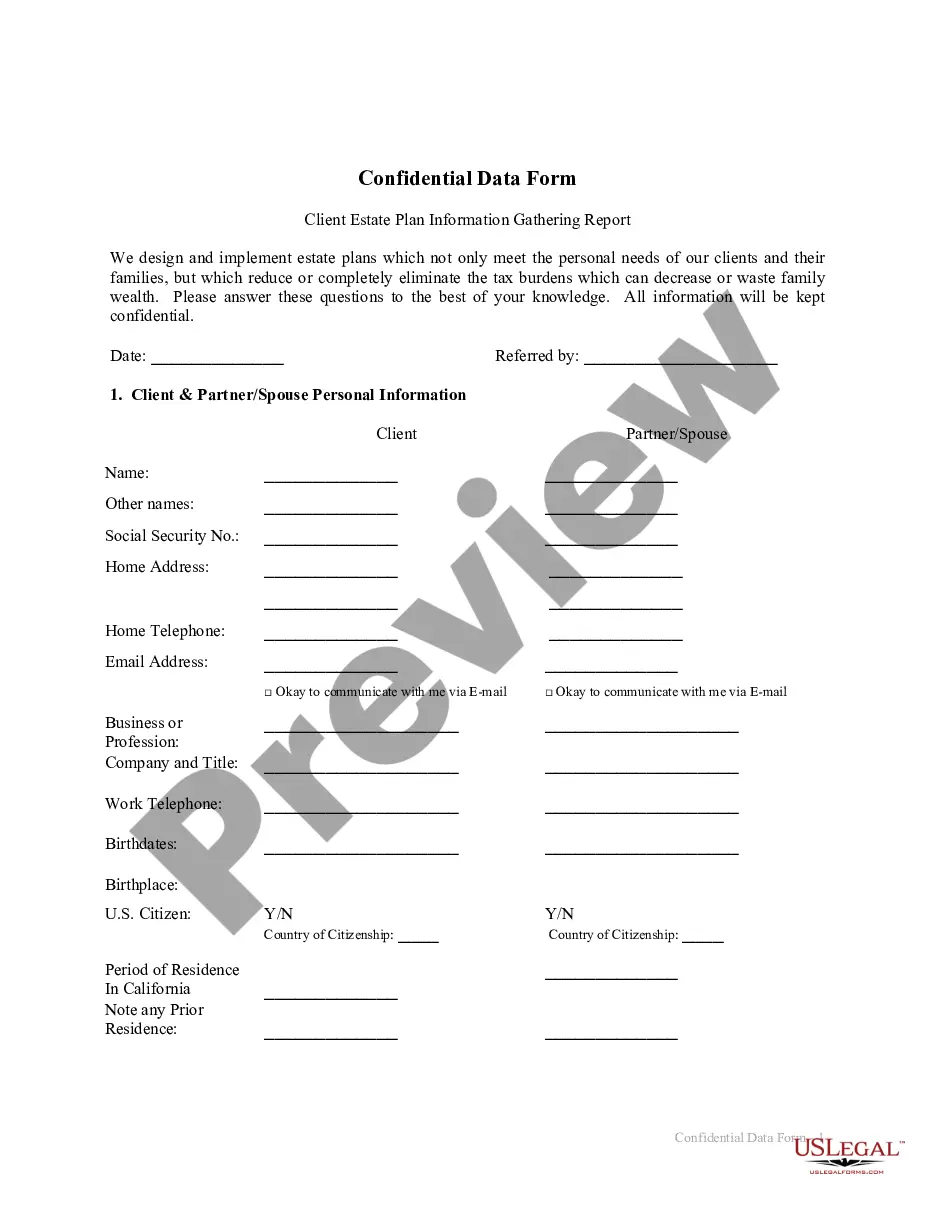
Get your form ready online
Our built-in tools help you complete, sign, share, and store your documents in one place.
Make edits, fill in missing information, and update formatting in US Legal Forms—just like you would in MS Word.
Download a copy, print it, send it by email, or mail it via USPS—whatever works best for your next step.
Sign and collect signatures with our SignNow integration. Send to multiple recipients, set reminders, and more. Go Premium to unlock E-Sign.
If this form requires notarization, complete it online through a secure video call—no need to meet a notary in person or wait for an appointment.
We protect your documents and personal data by following strict security and privacy standards.

Make edits, fill in missing information, and update formatting in US Legal Forms—just like you would in MS Word.

Download a copy, print it, send it by email, or mail it via USPS—whatever works best for your next step.

Sign and collect signatures with our SignNow integration. Send to multiple recipients, set reminders, and more. Go Premium to unlock E-Sign.

If this form requires notarization, complete it online through a secure video call—no need to meet a notary in person or wait for an appointment.

We protect your documents and personal data by following strict security and privacy standards.
Looking for another form?
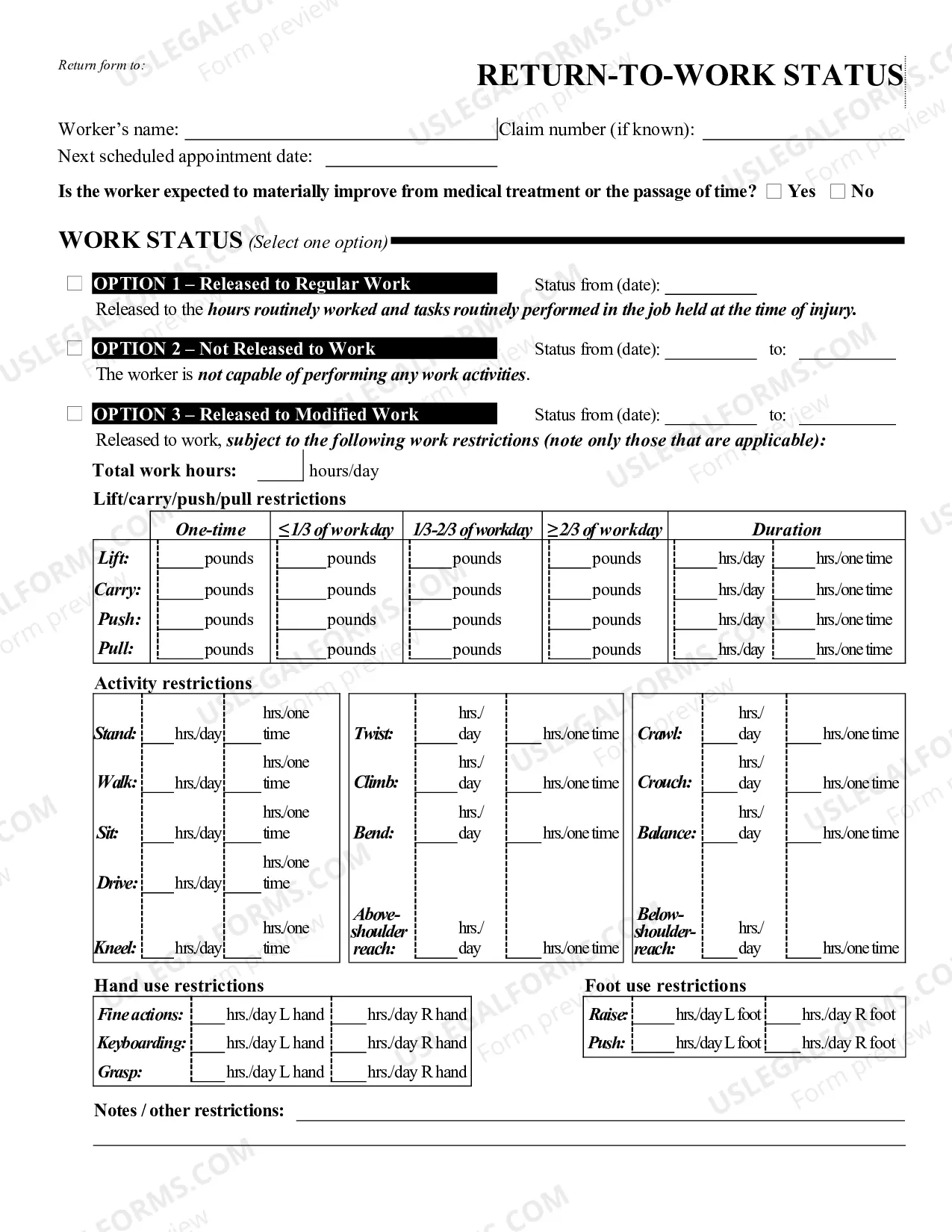
How to fill out Minnesota Confidential Information Form?
Obtain any template from 85,000 legal documents including Minnesota Confidential Information Form online with US Legal Forms. Each template is crafted and revised by state-certified legal experts.
If you possess a subscription, Log In. Once you arrive at the form’s page, click the Download button and navigate to My documents to access it.
If you haven't subscribed yet, follow these steps: Check the state-specific criteria for the Minnesota Confidential Information Form you wish to utilize. Review the description and preview the template. Once you are confident that the sample meets your needs, simply click Buy Now. Select a subscription plan that fits your budget. Set up a personal account. Make a payment using one of two convenient methods: by credit card or through PayPal. Choose a format to download the file in; two options are available (PDF or Word). Download the document to the My documents tab. Once your reusable form is ready, print it out or save it to your device.
With US Legal Forms, you will consistently have immediate access to the appropriate downloadable sample. The platform grants you access to forms and categorizes them to simplify your search. Utilize US Legal Forms to quickly and easily obtain your Minnesota Confidential Information Form.
- Acquire any template from 85,000 legal documents online with US Legal Forms.
- Every template is crafted by state-certified legal experts.
- If you possess a subscription, Log In to access forms.
- Check state-specific criteria for the Minnesota Confidential Information Form.
- Review the description and preview the template.
- Click Buy Now if the sample meets your needs.
- Select a budget-friendly subscription plan.
- Create a personal account to proceed.
- Make a payment via credit card or PayPal.
Form popularity
FAQ
Rule 11.03 in Minnesota addresses the confidentiality of certain documents in legal proceedings. This rule outlines the procedures for filing documents under seal, ensuring that confidential information remains safeguarded. Understanding this rule is crucial for anyone handling sensitive data, and the Minnesota Confidential Information Form plays a key role in this process. For more information and forms, visit the US Legal Forms website.
To file under seal in Minnesota, you must complete a Minnesota Confidential Information Form and submit it with your court documents. This process ensures that sensitive information remains protected from public access. It's important to clearly indicate which parts of your filing you want to keep confidential. For detailed guidance, consider using the resources available on the US Legal Forms platform.
Yes, Minnesota is a public record state, meaning many government documents are accessible to the public. However, specific records, particularly those containing sensitive personal information, can be protected from public view. To maintain your privacy, utilize the Minnesota Confidential Information Form when filing documents that include confidential information.
Confidential personal information includes details such as Social Security numbers, bank account information, and medical records. These types of information are sensitive and, if disclosed, could lead to identity theft or privacy violations. The Minnesota Confidential Information Form is essential for ensuring that this information is handled securely and remains confidential during legal processes.
Not all Minnesota court records are available online due to privacy concerns and confidentiality regulations. While many documents can be accessed through online portals, certain records, especially those including confidential information, may require special handling. To navigate these complexities, consider using the Minnesota Confidential Information Form to ensure your personal data remains protected.
Rule of Practice 11.01 in Minnesota outlines the procedures for filing documents that contain confidential information. This rule emphasizes the importance of protecting sensitive data during legal proceedings. By following this rule and using the Minnesota Confidential Information Form, you ensure compliance and safeguard your personal information.
When you see 'confidential form filed,' it indicates that a legal document has been submitted with confidential information. This status means that certain details within the document will not be publicly accessible. Utilizing the Minnesota Confidential Information Form helps maintain the confidentiality of your personal data throughout the legal process.
The Minnesota Confidential Information Form 11.1 is designed to protect sensitive personal information in legal documents. This form allows individuals to submit necessary information while keeping specific details confidential. It plays a crucial role in safeguarding your privacy during legal proceedings, ensuring that only authorized personnel can access your sensitive data.