Minnesota Schedule of Assets and Liabilities
What is this form?
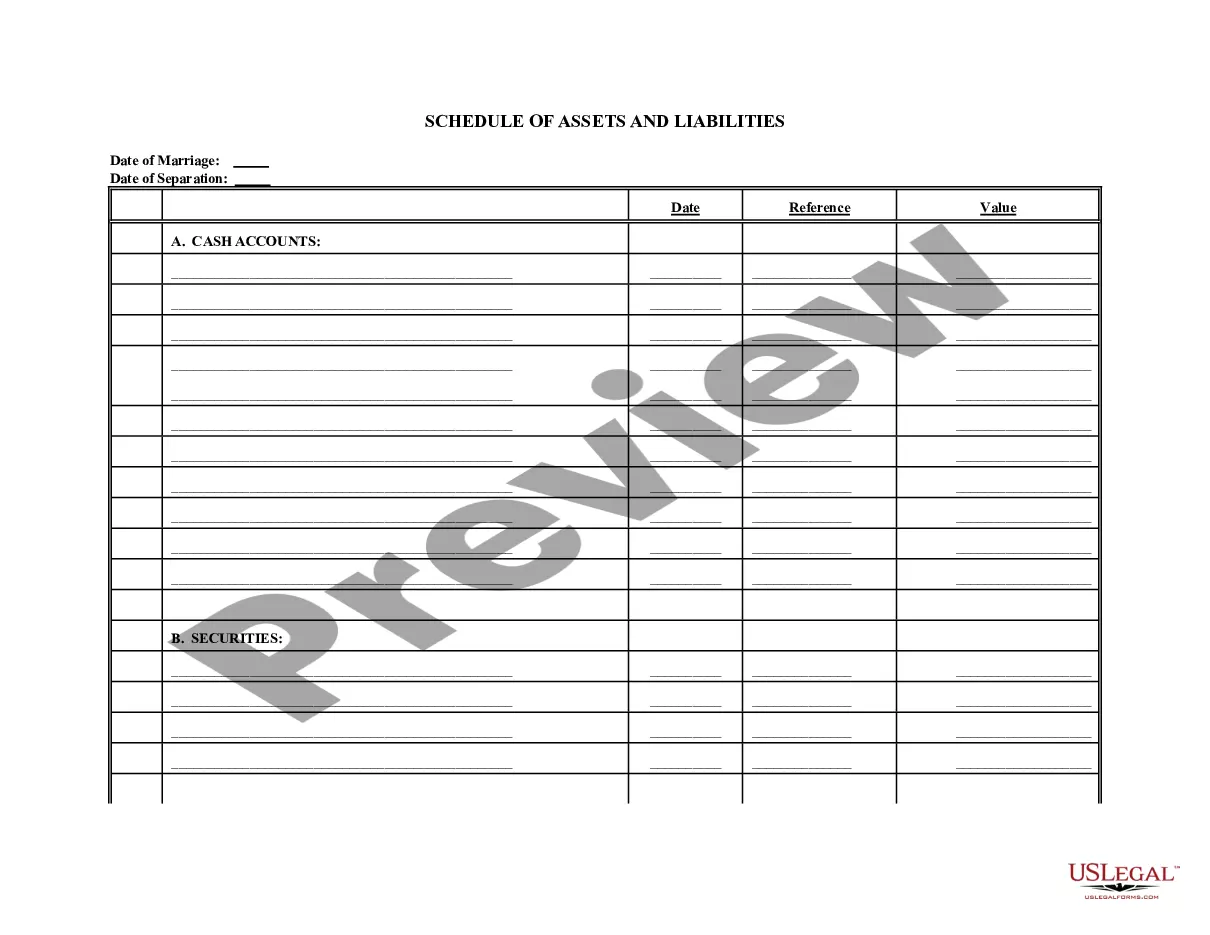
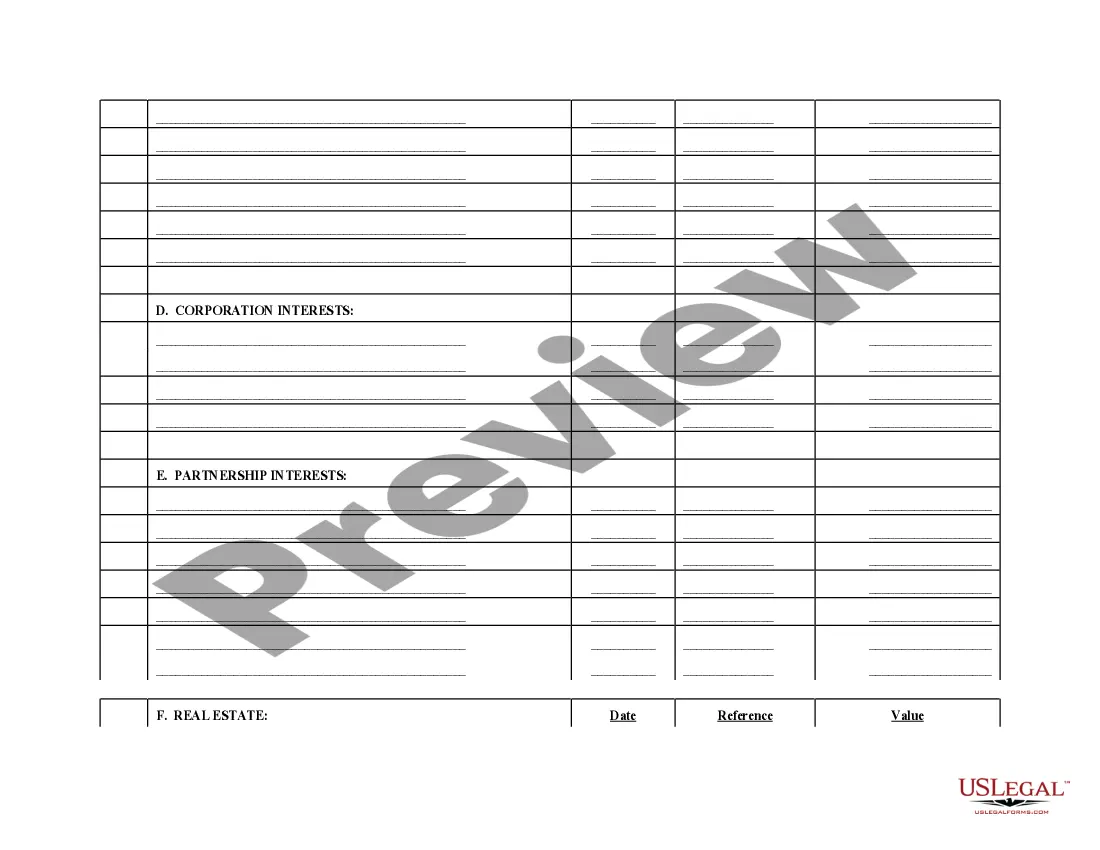
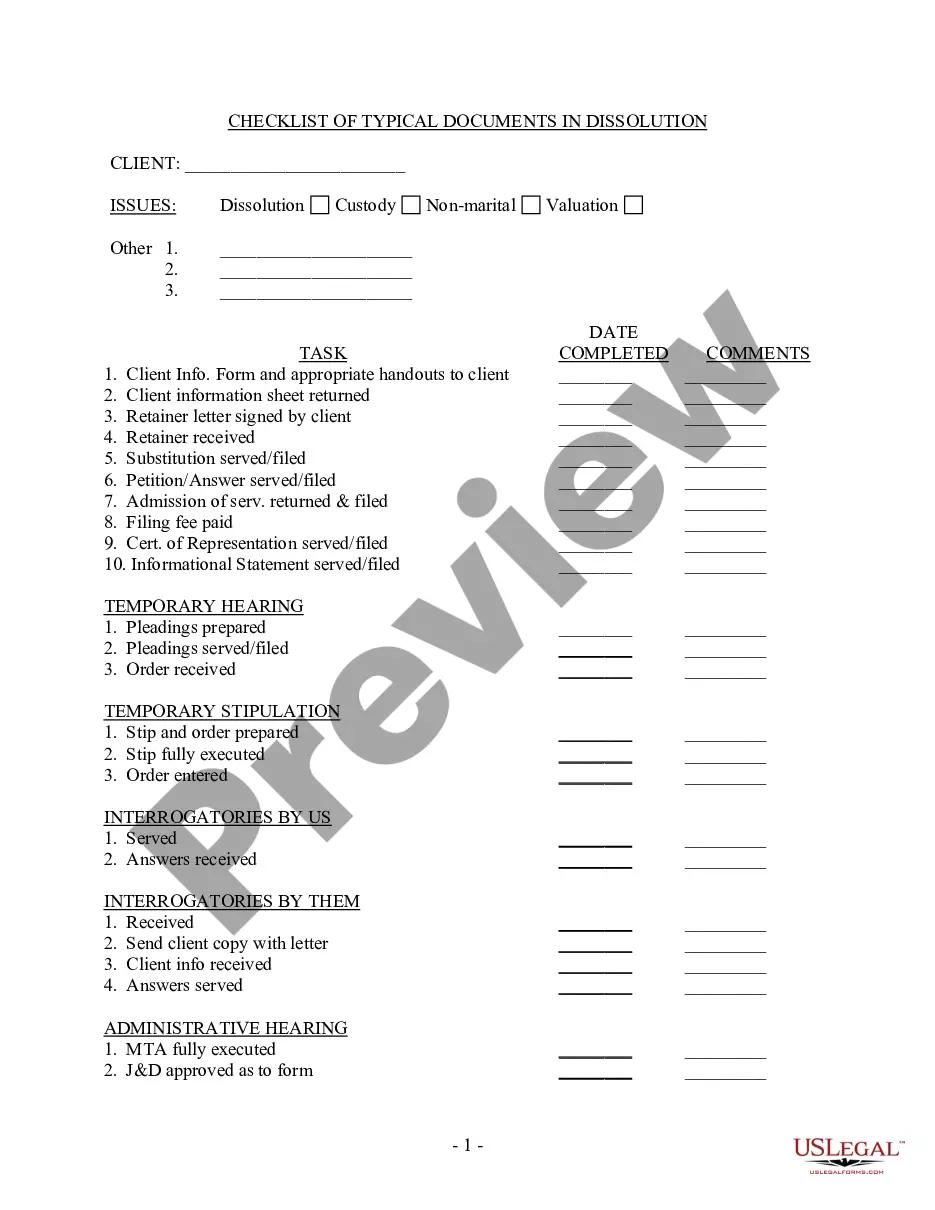
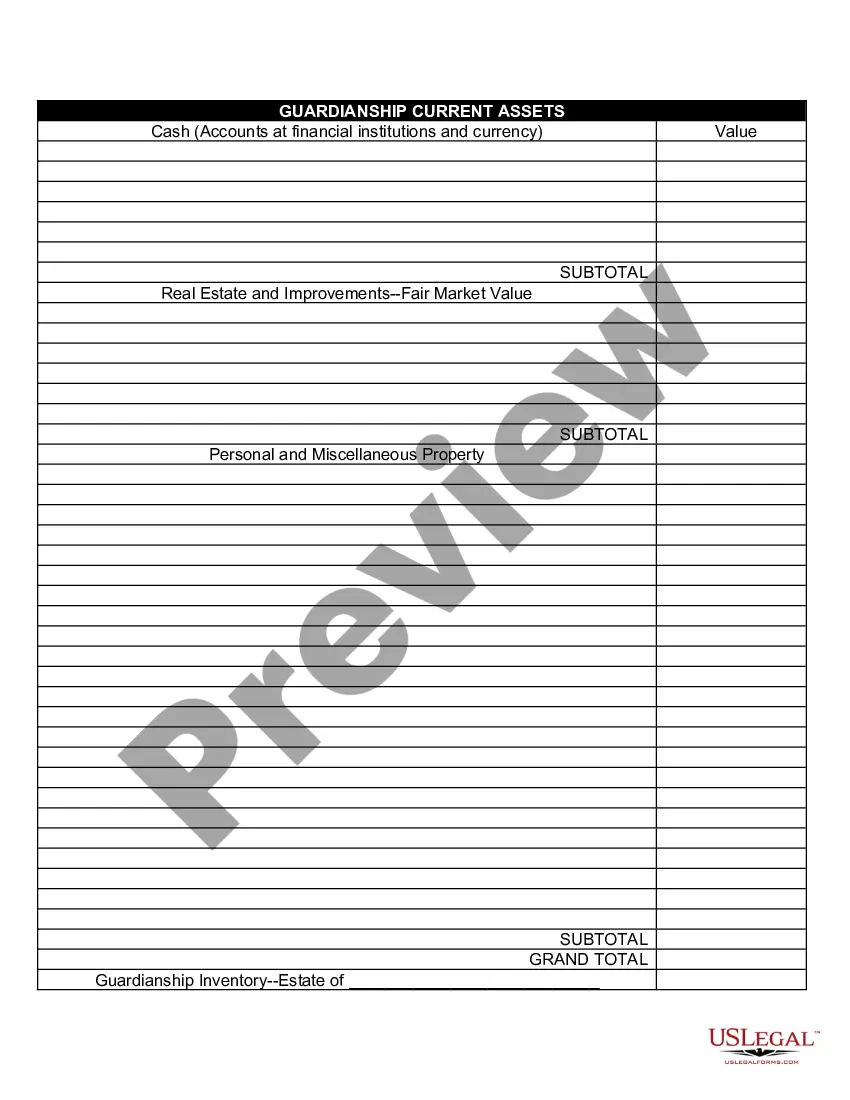
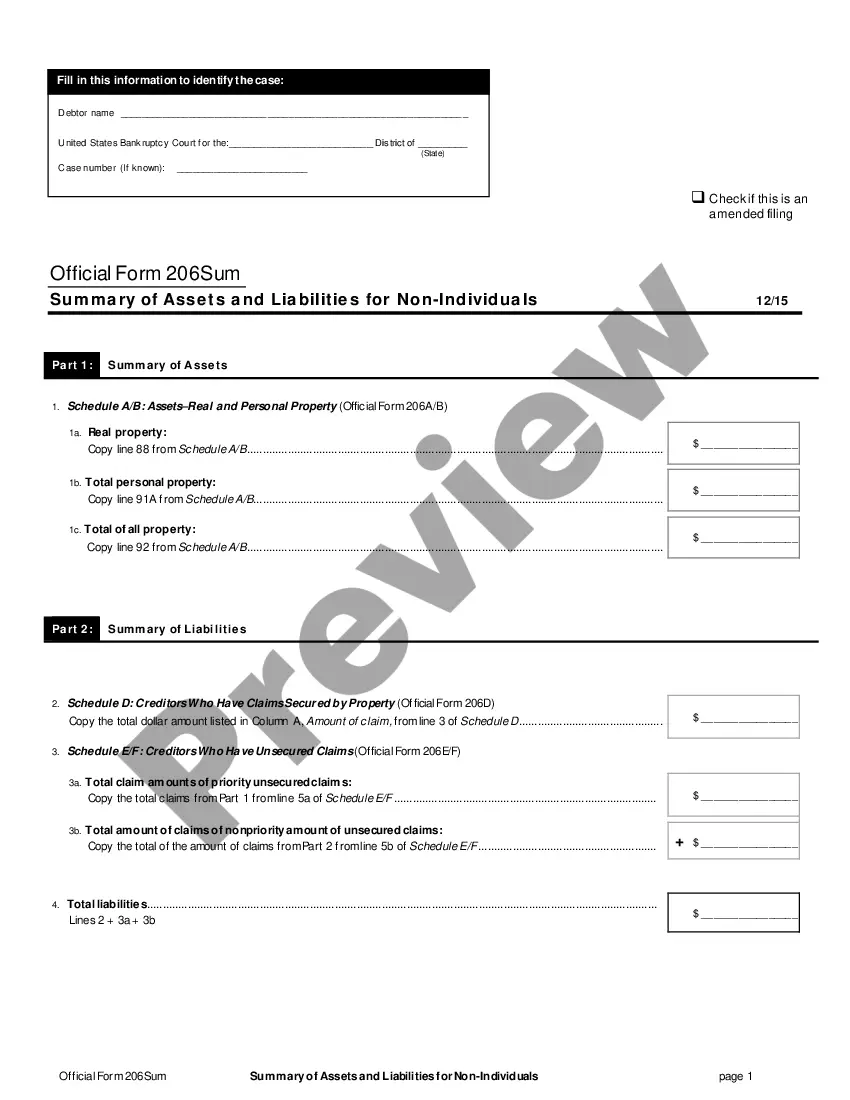
The Schedule of Assets and Liabilities is a legal document that provides a comprehensive overview of an individual's or couple's financial situation. This form lists all assets and liabilities at a specified point in time, useful during legal proceedings such as divorce or bankruptcy. Unlike other financial disclosures, this form specifically includes important dates such as the marriage date and the separation date, making it essential for anyone involved in these situations.
Form components explained
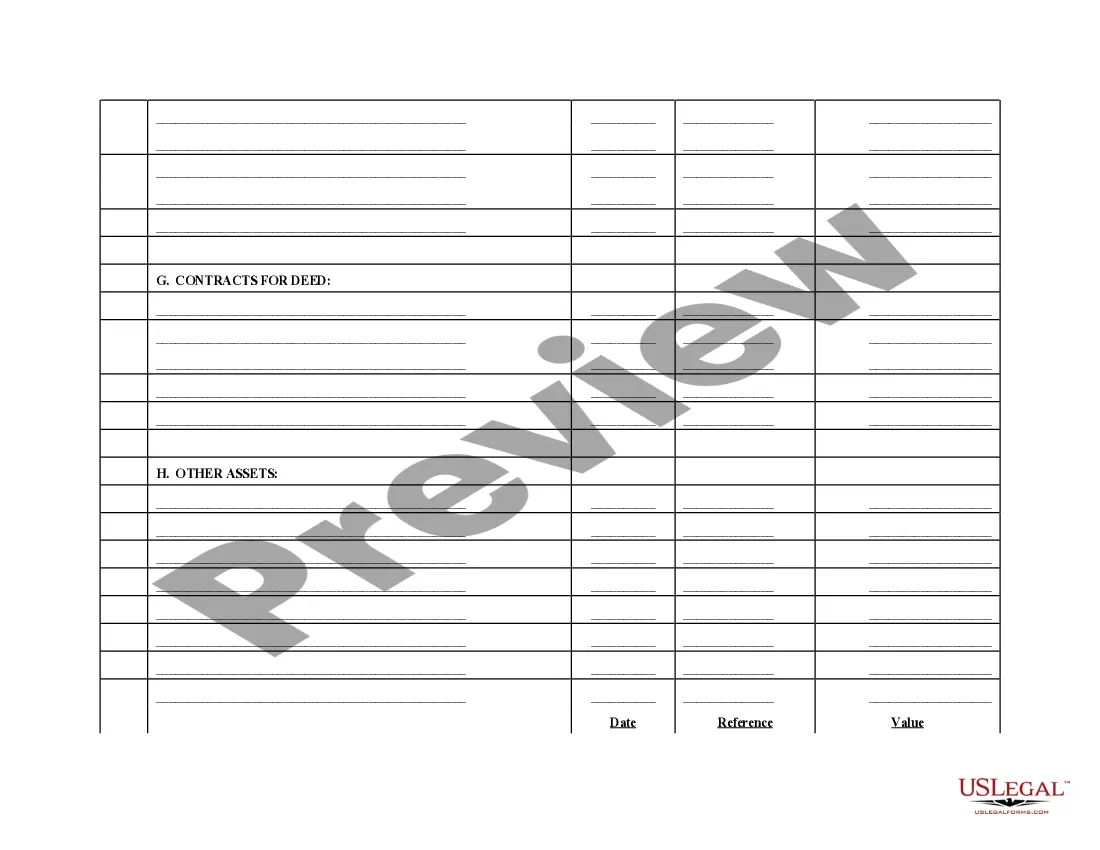
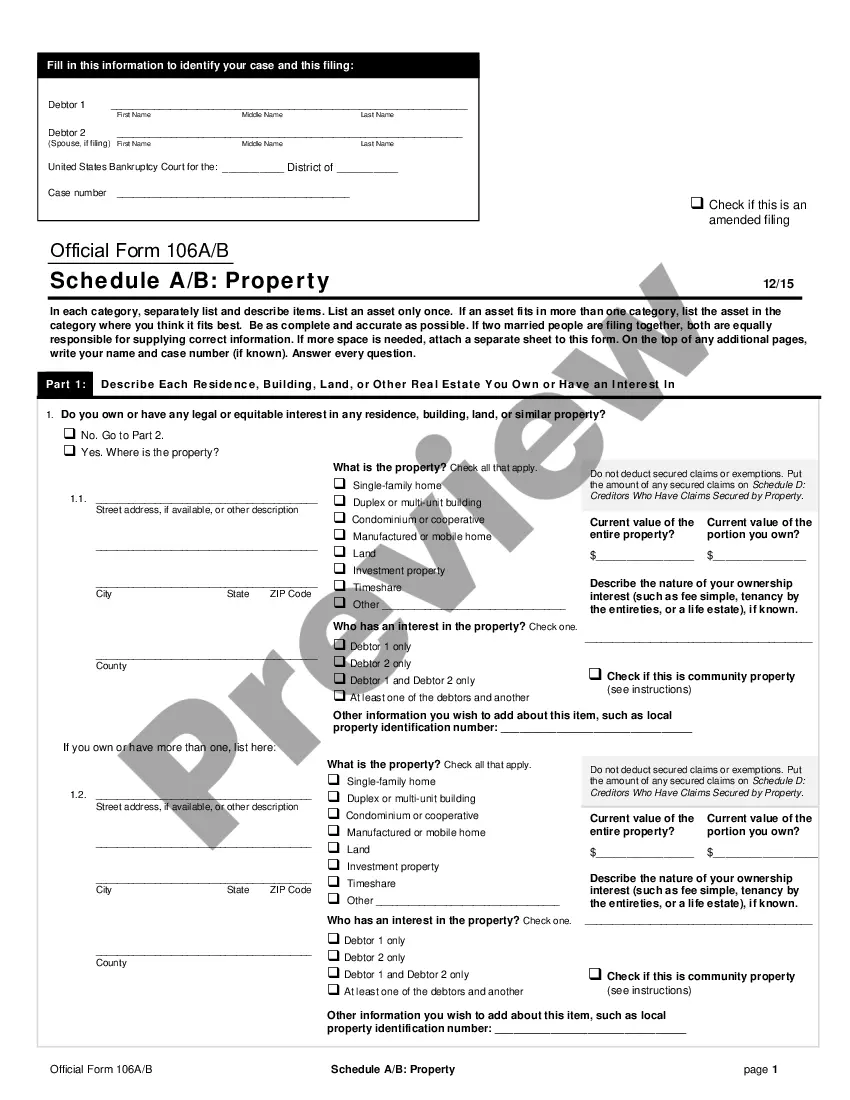
- Real estate listing: Details about property ownership, including value and reference dates.
- Contracts for deed: Information on any contracts related to property transactions.
- Other assets: A section for additional assets not covered elsewhere, allowing for a complete financial picture.
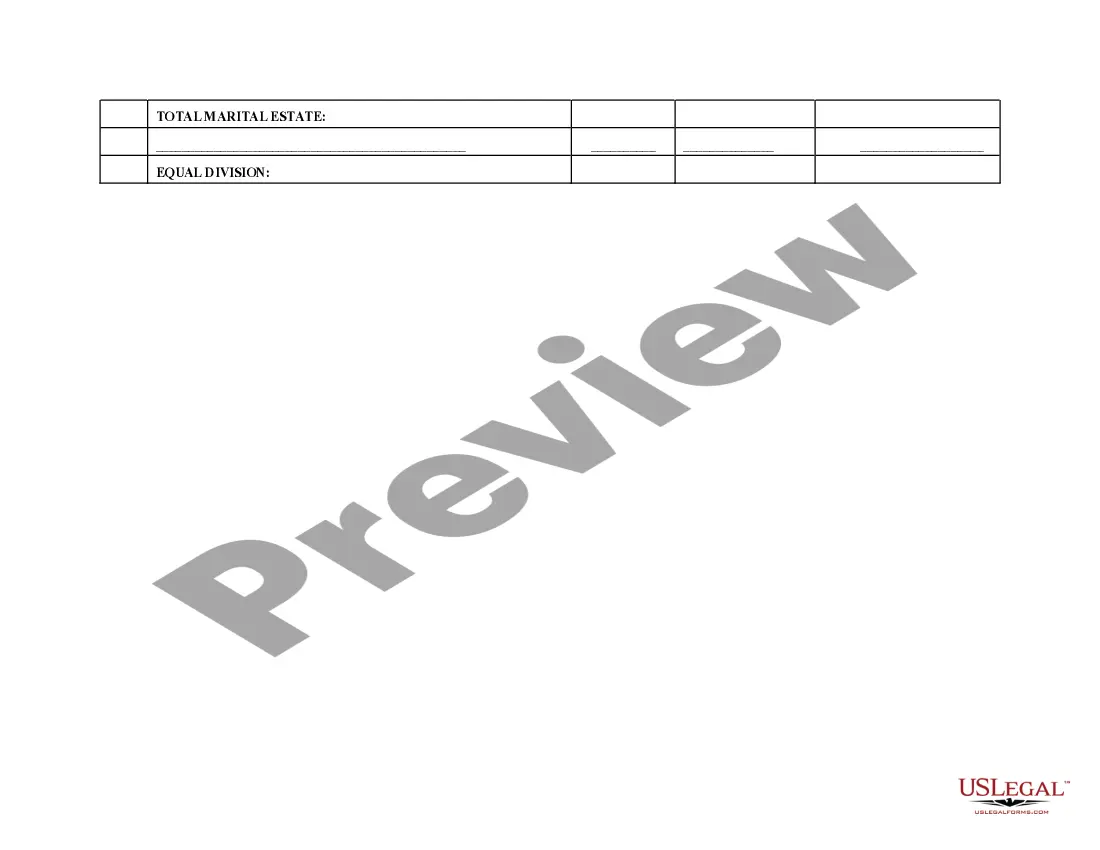
- Total marital estate: A summary that aggregates the total value of all disclosed assets and liabilities.
- Equal division: A section detailing potential division of assets and liabilities between parties.
When this form is needed
This form is commonly utilized during divorce proceedings, bankruptcy filings, or any situation that requires a full accounting of assets and debts. It may also be relevant when negotiating asset division or in settlement discussions. Essentially, if you need to provide a clear financial picture of your situation to a court or other party, this form is essential.
Who this form is for
This form is intended for individuals or couples undergoing legal separation, divorce, or bankruptcy proceedings who need to document their financial status. It is useful for:
- Individuals filing for divorce who need to disclose their financial information.
- Partners seeking a clear division of assets and liabilities.
- Individuals involved in bankruptcy proceedings requiring a detailed asset report.
Steps to complete this form
- Start by identifying each party involved and their relationship status.
- List all real estate assets, including addresses and estimated values.
- Document any contracts for deed related to property ownership.
- Include other significant assets, ensuring no items are overlooked.
- Calculate the total marital estate by summing all listed assets and liabilities.
- Review for completeness and accuracy before final submission.
Does this form need to be notarized?
This form does not typically require notarization unless specified by local law. However, some jurisdictions may have specific requirements that mandate notarization for certain financial disclosures, so it's always a good practice to check local guidelines.
Get your form ready online
Our built-in tools help you complete, sign, share, and store your documents in one place.
Make edits, fill in missing information, and update formatting in US Legal Forms—just like you would in MS Word.
Download a copy, print it, send it by email, or mail it via USPS—whatever works best for your next step.
Sign and collect signatures with our SignNow integration. Send to multiple recipients, set reminders, and more. Go Premium to unlock E-Sign.
If this form requires notarization, complete it online through a secure video call—no need to meet a notary in person or wait for an appointment.
We protect your documents and personal data by following strict security and privacy standards.

Make edits, fill in missing information, and update formatting in US Legal Forms—just like you would in MS Word.

Download a copy, print it, send it by email, or mail it via USPS—whatever works best for your next step.

Sign and collect signatures with our SignNow integration. Send to multiple recipients, set reminders, and more. Go Premium to unlock E-Sign.

If this form requires notarization, complete it online through a secure video call—no need to meet a notary in person or wait for an appointment.

We protect your documents and personal data by following strict security and privacy standards.
Common mistakes
- Failing to include all assets, leading to an incomplete financial picture.
- Omitting important dates that could affect asset division.
- Incorrectly categorizing liabilities, which can skew total calculations.
- Not updating the form after major financial changes.
Why complete this form online
- Convenience of downloading and completing the form at your own pace.
- Editability allows for corrections and updates to your financial information easily.
- Access to accurate templates drafted by licensed attorneys, ensuring legal compliance.
- Immediate availability, so you can start preparing your financial disclosures without delay.
Looking for another form?
Form popularity
FAQ
The schedule of assets and liabilities is a financial statement that lists all your assets alongside your liabilities. This helps provide a complete picture of your financial health and is an essential component of tax filings, including the Minnesota Schedule of Assets and Liabilities. Understanding this schedule can aid in better financial management. For a comprehensive overview, consider using UsLegalForms for expert guidance.
Schedule 1 and Schedule 3 refer to additional forms that may accompany your main tax return. Schedule 1 is used to report additional income and adjustments, while Schedule 3 typically includes nonrefundable credits. Both schedules can influence your overall tax calculations, including those related to the Minnesota Schedule of Assets and Liabilities. Utilizing resources like UsLegalForms can help clarify these requirements.
The schedule of assets and liabilities in an Individual Tax Return (ITR) serves a similar purpose as in business tax filings. It presents a comprehensive view of your financial standing, listing both assets and liabilities. This information is crucial for tax assessment and helps in maintaining financial integrity. Familiarizing yourself with the Minnesota Schedule of Assets and Liabilities can enhance your understanding of your financial responsibilities.
Minnesota Form M3 is a tax form specifically designed for corporations and partnerships to report their income and expenses. It requires detailed information about your financial situation, including the Minnesota Schedule of Assets and Liabilities. This form is vital for ensuring compliance with state tax laws. For a smoother filing experience, UsLegalForms can provide the necessary templates and guidance.
The balance sheet is typically found on Schedule L of a tax return. This schedule outlines your assets and liabilities in a structured format, which aligns with the Minnesota Schedule of Assets and Liabilities. Completing this accurately is crucial for a clear financial overview. For assistance, consider using UsLegalForms to guide you through the process.
Nonprofits in Minnesota must file specific forms depending on their income and activities. They generally need to submit Form 990 or Form M3, along with the Minnesota Schedule of Assets and Liabilities, to report their financial status. This ensures transparency and compliance with state regulations. Utilizing services like UsLegalForms can simplify this process and ensure accuracy.
Common Minnesota tax mistakes often include failing to report all income, miscalculating deductions, and not utilizing available credits. Many taxpayers overlook the Minnesota Schedule of Assets and Liabilities, which can lead to discrepancies in financial reporting. Additionally, not filing on time can result in penalties. Being aware of these pitfalls can help ensure accurate tax submissions.
The schedule of assets and liabilities in an income tax return provides a detailed account of your financial position. It lists all your assets, such as real estate and bank accounts, alongside your liabilities, including loans and mortgages. This information helps the tax authorities assess your financial health. Understanding the Minnesota Schedule of Assets and Liabilities is essential for accurate reporting.
A schedule of assets and liabilities is a detailed document that lists all your assets alongside your liabilities. This document helps provide a clear financial picture, which is crucial in legal situations like bankruptcy or divorce. The Minnesota Schedule of Assets and Liabilities is specifically designed to meet local requirements. Using USLegalForms can help you create a compliant and organized schedule that accurately reflects your financial status.
Filing your assets and liabilities involves submitting the completed forms to the appropriate court or financial institution. Ensure that you have accurately filled out the Minnesota Schedule of Assets and Liabilities, as this document is critical for various legal and financial processes. If you are unsure about the filing process, USLegalForms can provide you with the necessary resources to guide you through.