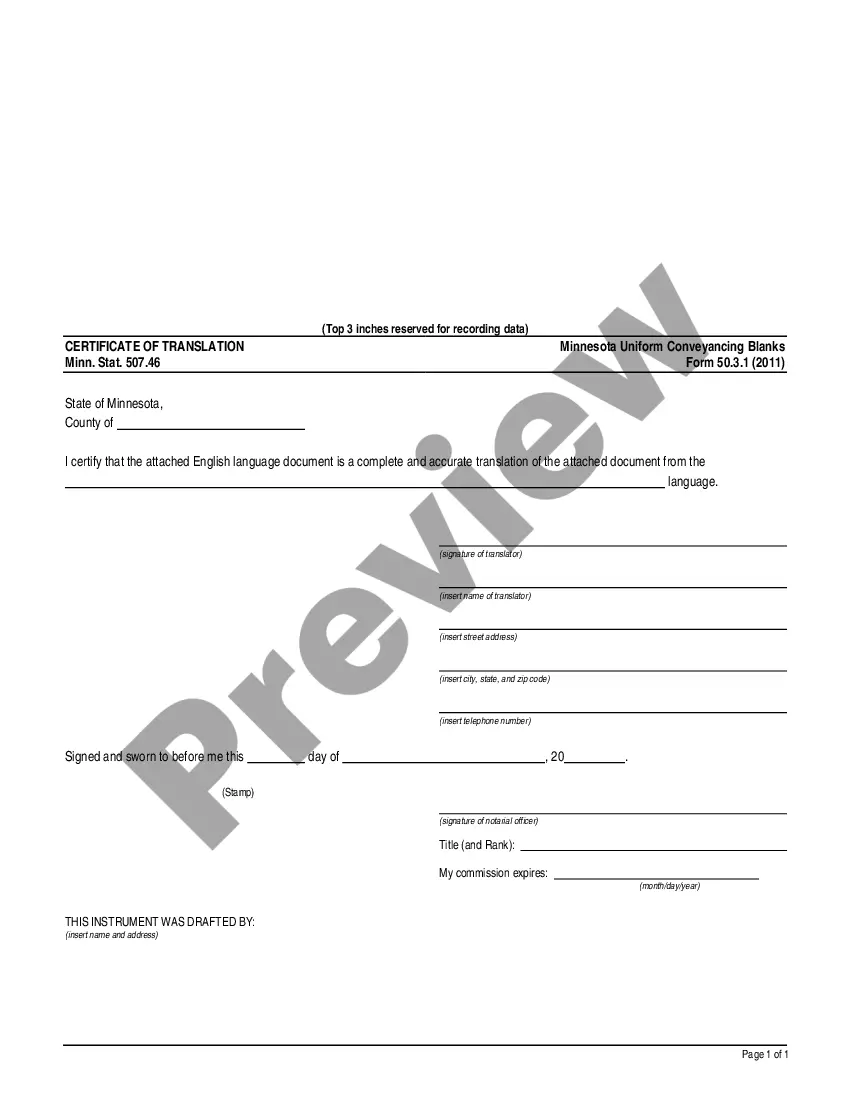
Minnesota Certificate of Translation
Notarization requirements for this form
Notarization is not commonly needed for this form. However, certain documents or local rules may make it necessary. Our notarization service, powered by Notarize, allows you to finalize it securely online anytime, day or night.
Get your form ready online
Our built-in tools help you complete, sign, share, and store your documents in one place.
Make edits, fill in missing information, and update formatting in US Legal Forms—just like you would in MS Word.
Download a copy, print it, send it by email, or mail it via USPS—whatever works best for your next step.
Sign and collect signatures with our SignNow integration. Send to multiple recipients, set reminders, and more. Go Premium to unlock E-Sign.
If this form requires notarization, complete it online through a secure video call—no need to meet a notary in person or wait for an appointment.
We protect your documents and personal data by following strict security and privacy standards.

Make edits, fill in missing information, and update formatting in US Legal Forms—just like you would in MS Word.

Download a copy, print it, send it by email, or mail it via USPS—whatever works best for your next step.

Sign and collect signatures with our SignNow integration. Send to multiple recipients, set reminders, and more. Go Premium to unlock E-Sign.

If this form requires notarization, complete it online through a secure video call—no need to meet a notary in person or wait for an appointment.

We protect your documents and personal data by following strict security and privacy standards.
Looking for another form?
Form popularity
FAQ
You can certify a translation yourself if you meet the necessary qualifications and understand the requirements for certification. However, many institutions prefer a certification from a recognized translator or service. For formal needs, obtaining a Minnesota Certificate of Translation through a trusted platform like uslegalforms can provide you with the assurance that your translation is valid and accepted.
To become a translator, you typically need strong language skills, a good understanding of cultural nuances, and knowledge of the subject matter you will be translating. While formal qualifications can enhance your profile, practical experience is also valuable. If you're looking to get recognized, consider obtaining a Minnesota Certificate of Translation.
Yes, it is possible to become a certified translator without a formal degree, although having one can be beneficial. Many organizations focus on your practical translation skills and experience instead of just academic qualifications. Obtaining a Minnesota Certificate of Translation can help you showcase your abilities to potential clients or employers.
Requirements to become a certified translator generally include proficiency in at least two languages and relevant education or experience in translation. You may also need to pass a certification exam. Securing a Minnesota Certificate of Translation can help you meet these requirements and demonstrate your qualifications.
To obtain a certified translator certificate, you should first complete a translation program or gain relevant experience. Next, consider taking a certification exam from a recognized body that issues certificates. After passing the exam, you can apply for the Minnesota Certificate of Translation to further validate your skills.
Becoming an accredited translator often requires meeting specific educational and professional standards set by an accrediting organization. You may need to pass an exam that tests your translation skills and language proficiency. Additionally, obtaining a Minnesota Certificate of Translation can strengthen your application for accreditation.
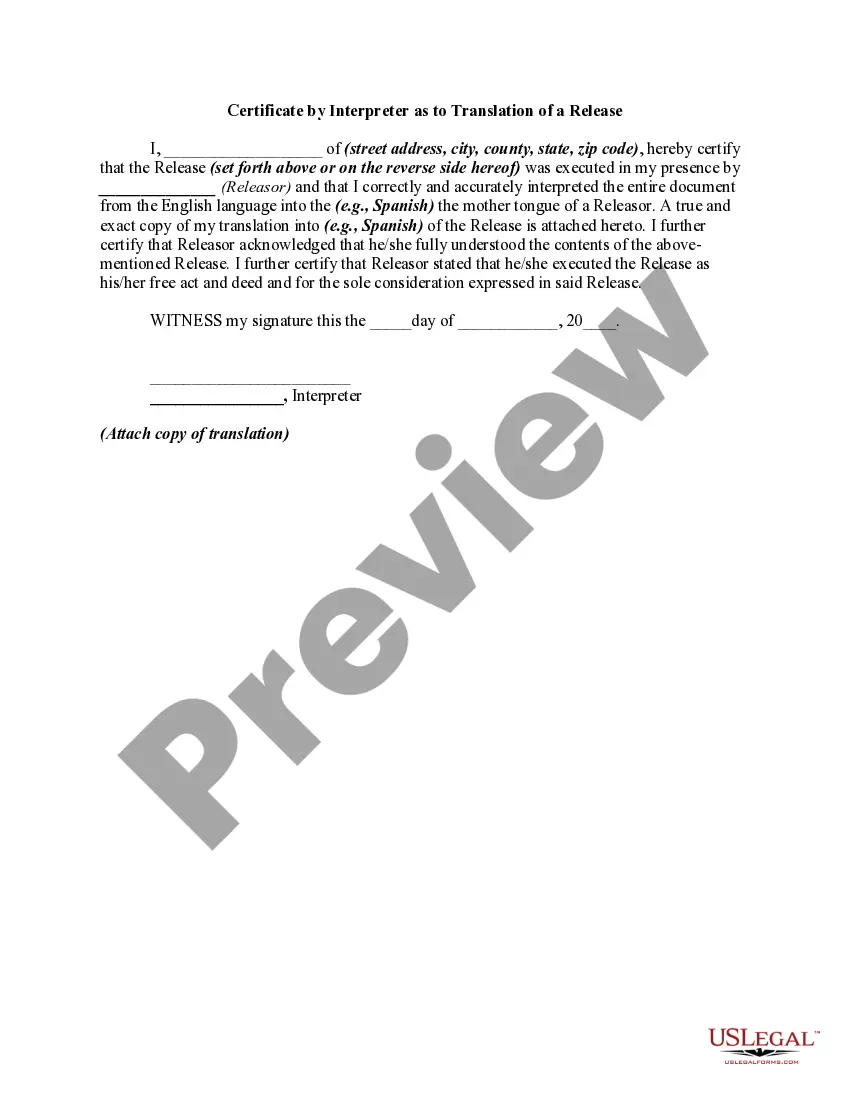
Creating a certificate of translation involves drafting a document that affirms the accuracy of your translation. You should include your name, contact information, the date of translation, and a statement certifying the translation's fidelity. Using a Minnesota Certificate of Translation template can streamline this process and ensure compliance with local regulations.
To become a certified translator in Minnesota, you typically need to demonstrate proficiency in both the source and target languages. This often involves passing a certification exam from a recognized body. Additionally, you may want to gain experience in translation and consider obtaining a Minnesota Certificate of Translation to enhance your credentials.
To obtain a language translation certificate, you usually need to complete a certification program that includes coursework and testing. Look for programs that align with your language pair and professional goals. Earning a Minnesota Certificate of Translation can boost your marketability and trustworthiness. Uslegalforms provides information on various certification programs that can help you get started.
Becoming a certified translator can take several months to years, depending on your educational background and experience. You may need to complete specific training programs, pass examinations, and accumulate relevant work experience. Obtaining a Minnesota Certificate of Translation can streamline your journey, as it demonstrates your skills and commitment to quality. Uslegalforms offers resources to help you understand the steps to certification.