Minnesota Mortgage by Business Entity - UCBC Form 20.1.2
Understanding this form
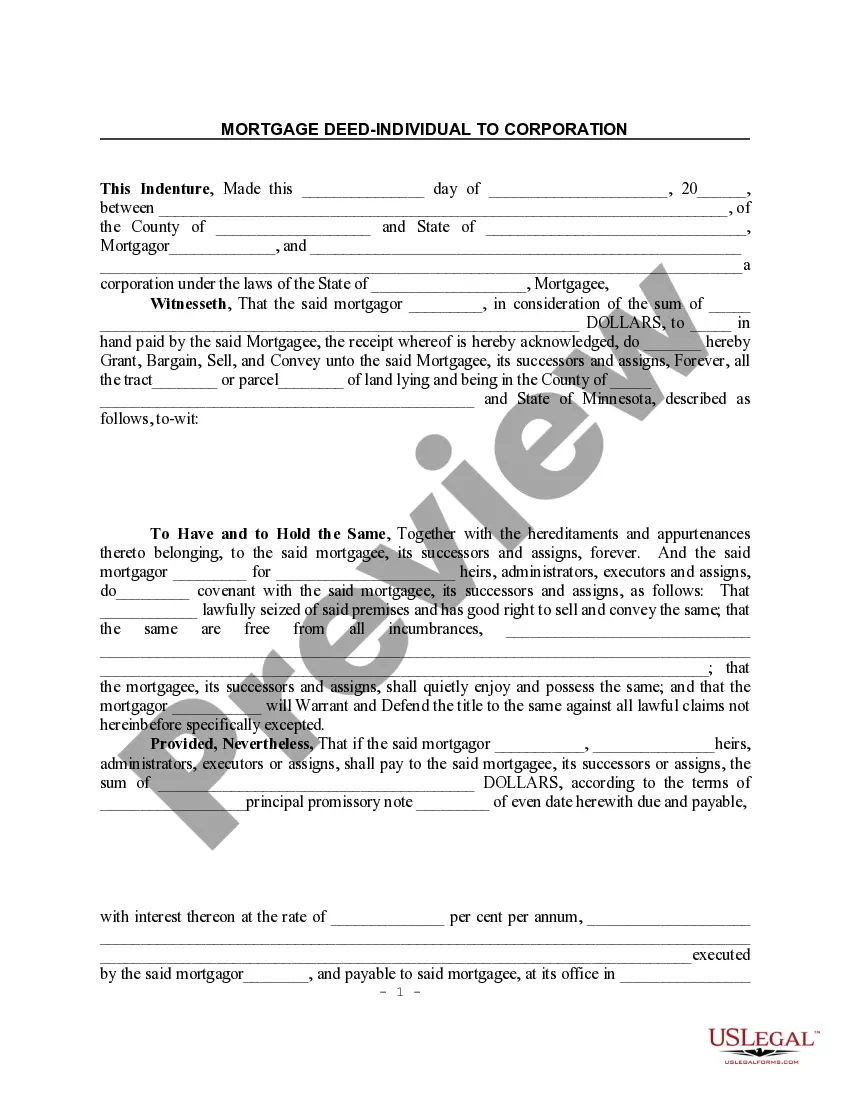
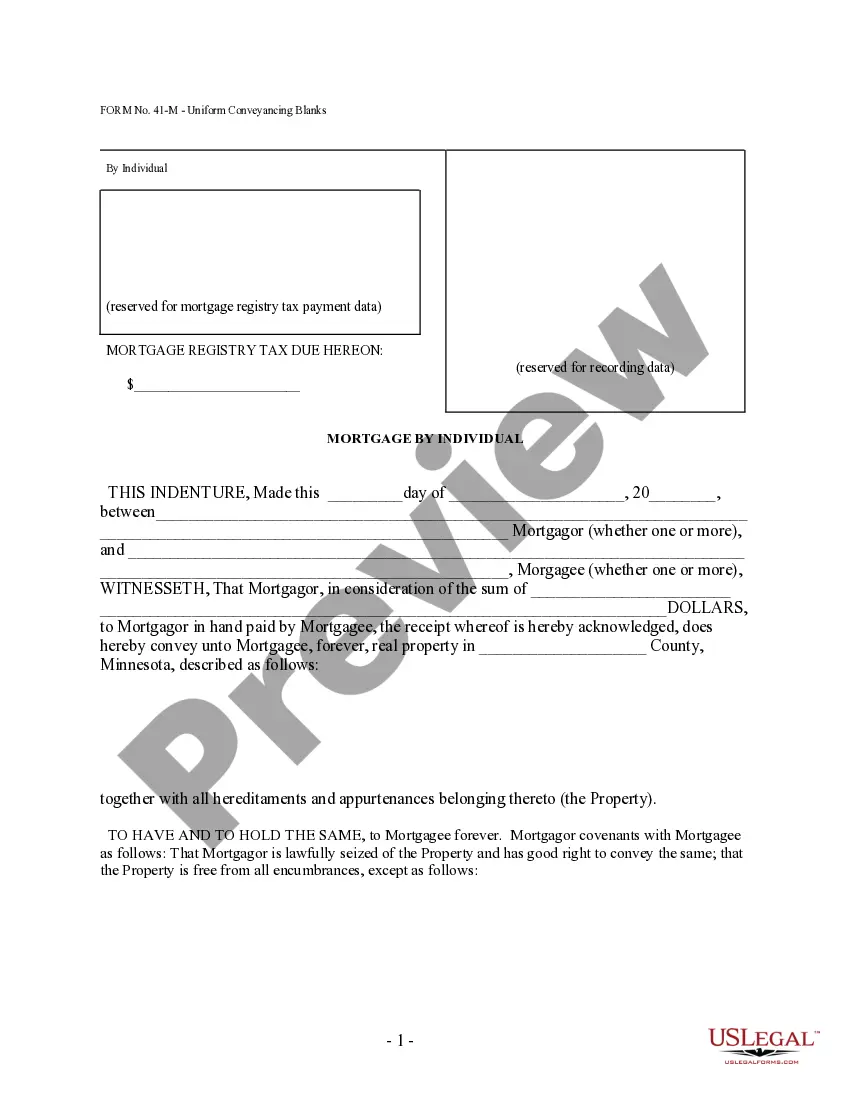
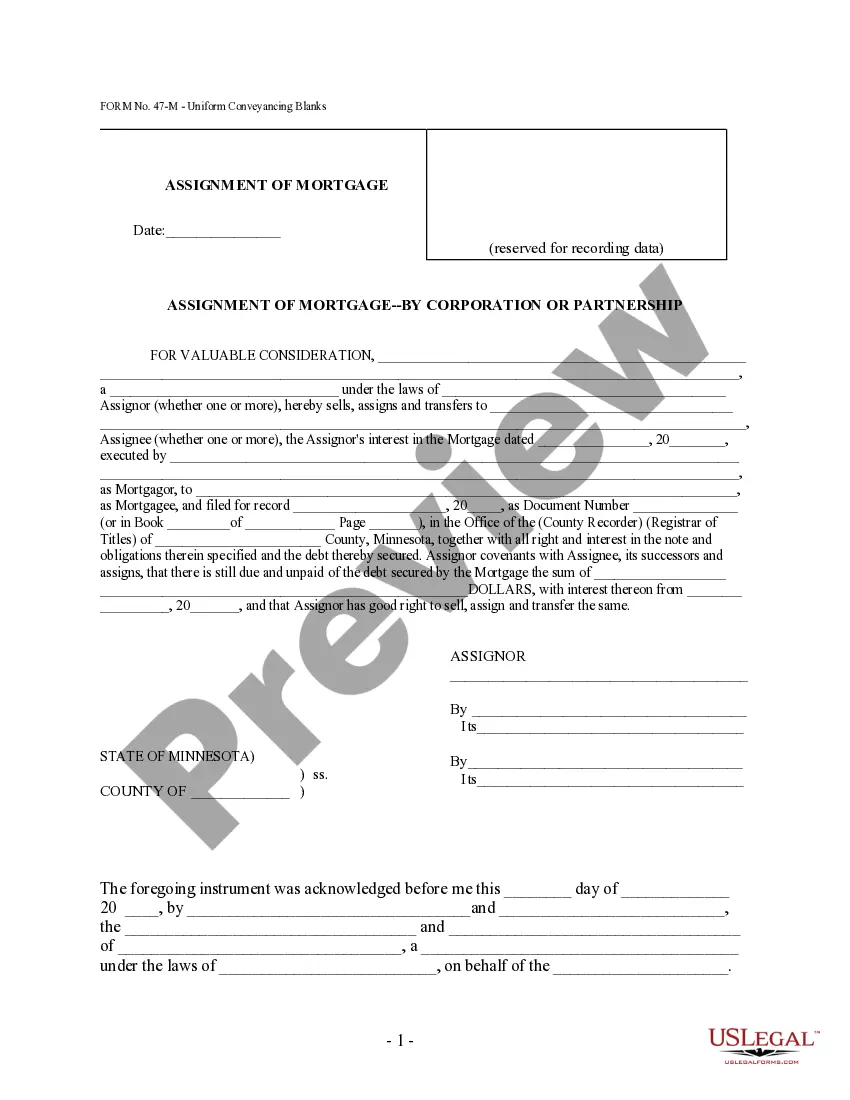
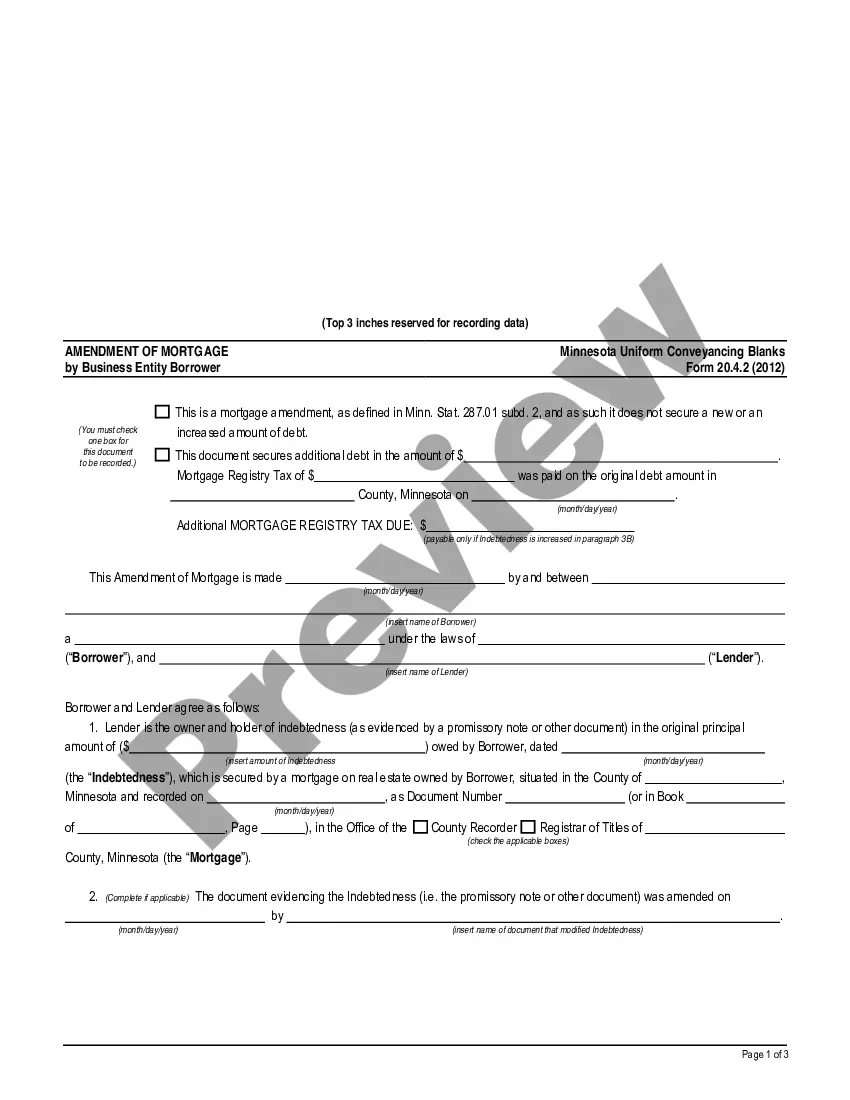
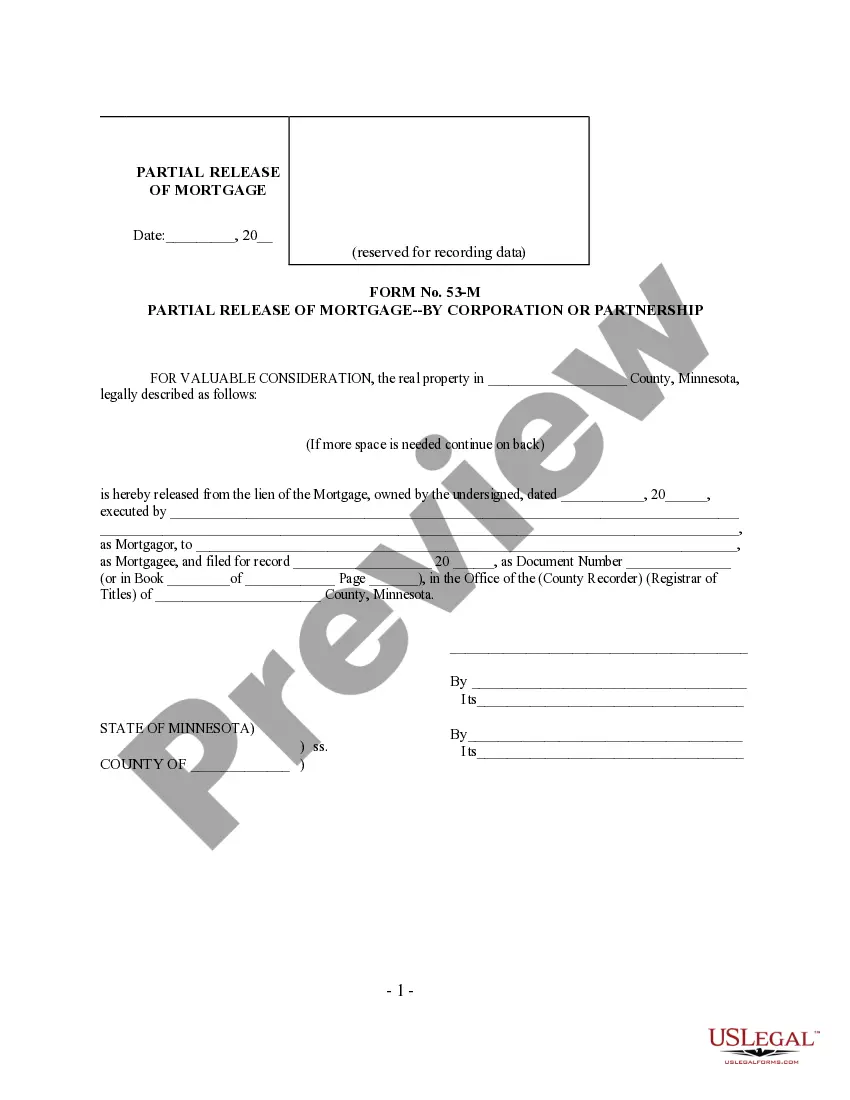
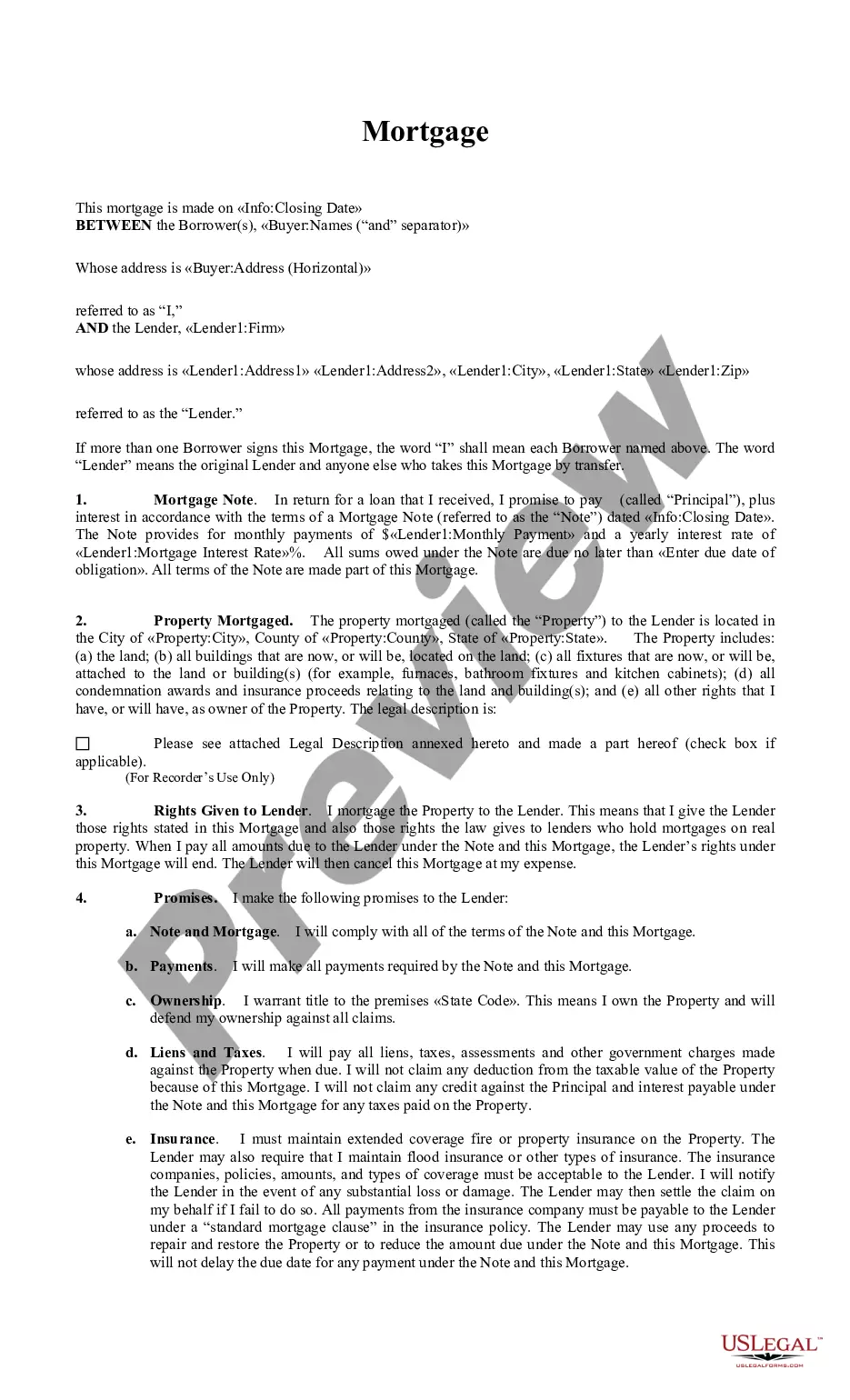
The Mortgage by Business Entity - UCBC Form 20.1.2 is a legally binding document used to create a mortgage agreement between a business entity and a mortgagor. This form outlines the terms of the mortgage, including the amount borrowed, property details, and obligations of the mortgagor. It is specifically designed for use in Minnesota, ensuring compliance with local laws, and differs from other mortgage forms by catering to transactions involving business entities rather than individuals.
What’s included in this form
- Identification of the mortgagor (borrower) and mortgagee (lender)
- Property description, including parcel number and location
- Amount of money being borrowed and interest rate
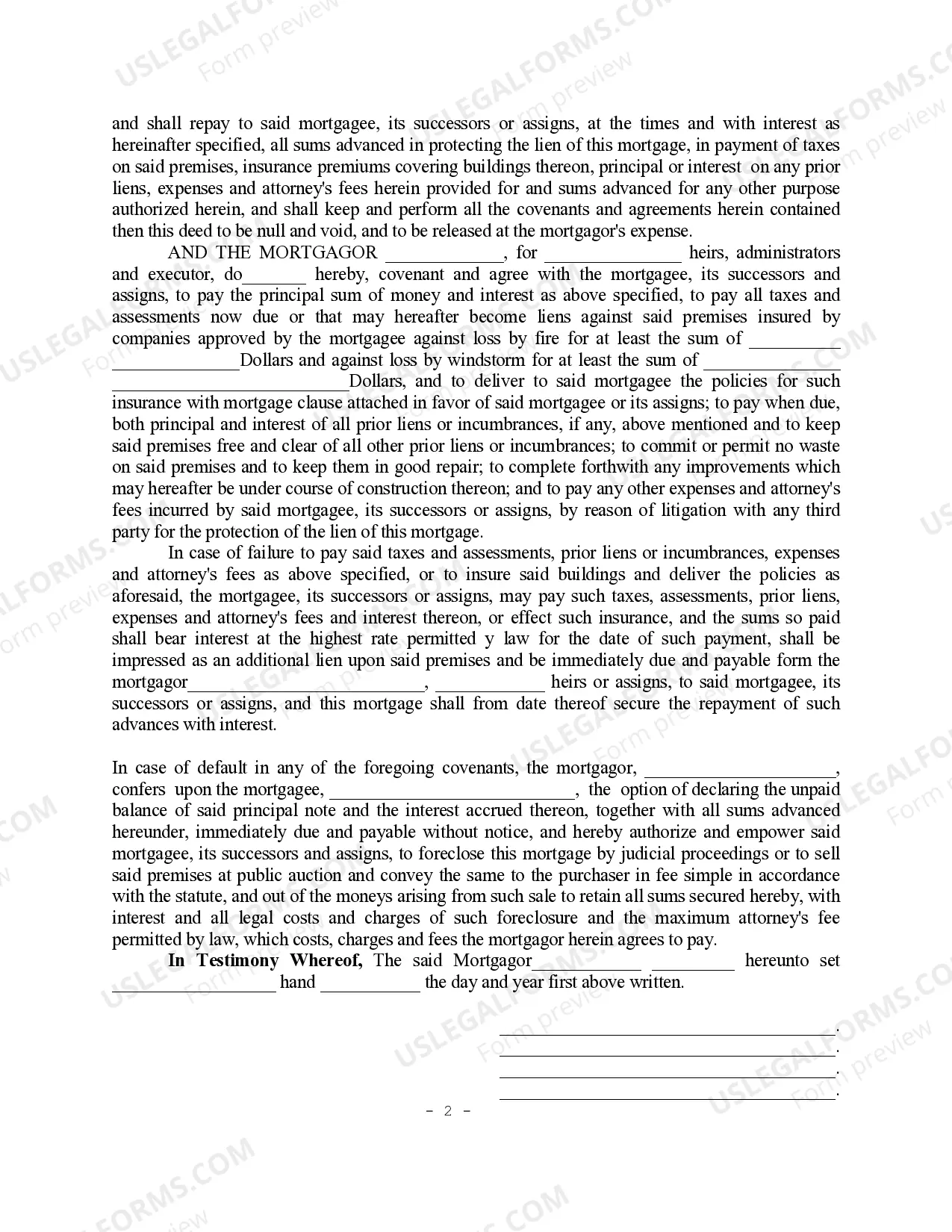
- Covenants and obligations of the mortgagor regarding property maintenance and payment
- Default provisions and rights of the mortgagee in case of non-compliance
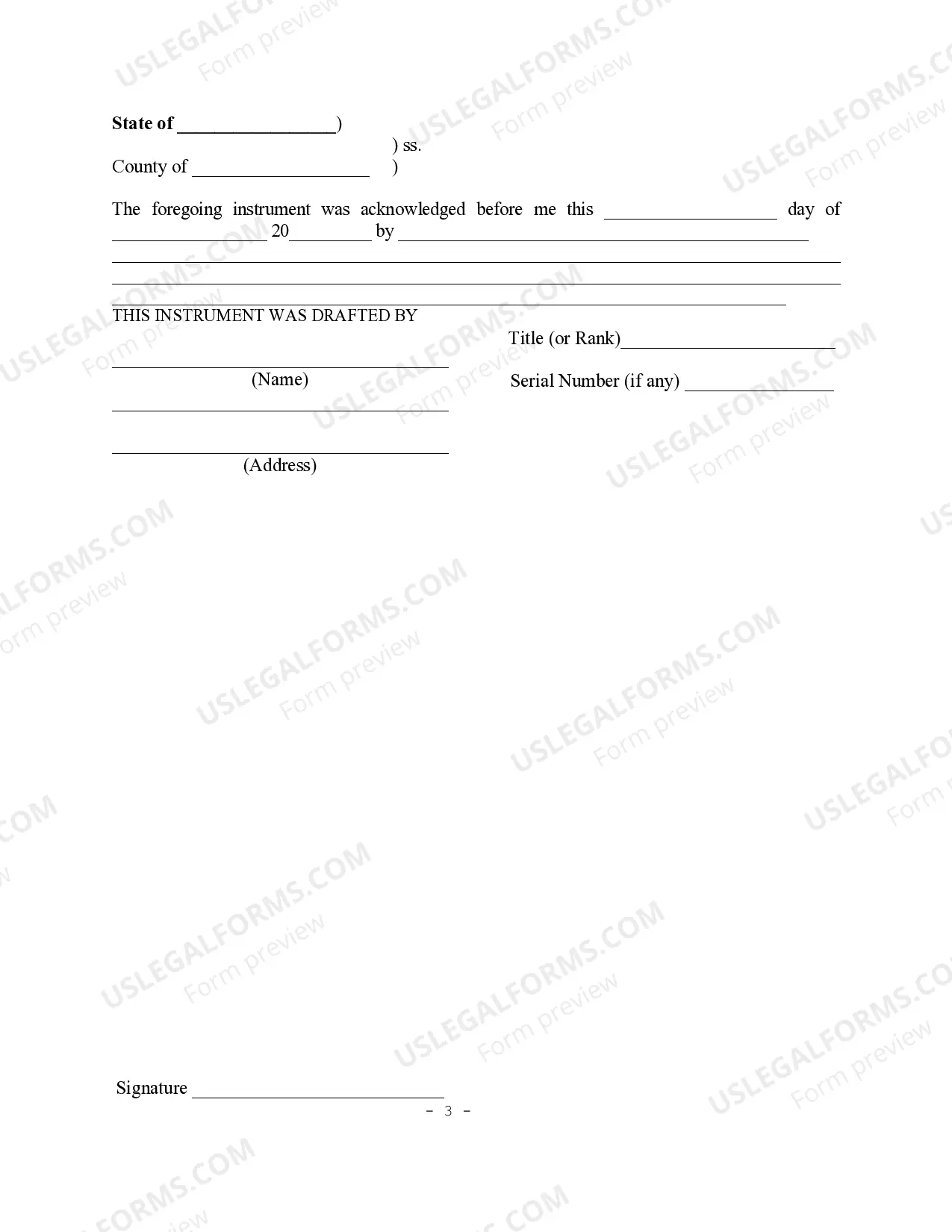
- Notarization requirements to validate the mortgage
When to use this document
This form should be used when a business entity intends to secure a loan against real property through a mortgage. It is necessary when the mortgagor is a corporation or similar entity borrowing funds for business purposes, ensuring that all legal aspects of the transaction are documented and compliant with Minnesota law.
Intended users of this form
This form is intended for:
- Business entities seeking to secure a loan via a mortgage
- Corporations or limited liability companies acting as mortgagors
- Lenders willing to extend credit to business entities using real property as collateral
- Legal professionals assisting in real estate transactions requiring mortgage agreements
Instructions for completing this form
- Identify the parties involved as mortgagor and mortgagee.
- Specify the property details, including the legal description and location.
- Enter the loan amount and specify the interest rate.
- Include the covenants regarding payment and property maintenance.
- Provide signature lines for all parties and ensure notarization.
Does this document require notarization?
Notarization is not commonly needed for this form. However, certain documents or local rules may make it necessary. Our notarization service, powered by Notarize, allows you to finalize it securely online anytime, day or night.
Get your form ready online
Our built-in tools help you complete, sign, share, and store your documents in one place.
Make edits, fill in missing information, and update formatting in US Legal Forms—just like you would in MS Word.
Download a copy, print it, send it by email, or mail it via USPS—whatever works best for your next step.
Sign and collect signatures with our SignNow integration. Send to multiple recipients, set reminders, and more. Go Premium to unlock E-Sign.
If this form requires notarization, complete it online through a secure video call—no need to meet a notary in person or wait for an appointment.
We protect your documents and personal data by following strict security and privacy standards.

Make edits, fill in missing information, and update formatting in US Legal Forms—just like you would in MS Word.

Download a copy, print it, send it by email, or mail it via USPS—whatever works best for your next step.

Sign and collect signatures with our SignNow integration. Send to multiple recipients, set reminders, and more. Go Premium to unlock E-Sign.

If this form requires notarization, complete it online through a secure video call—no need to meet a notary in person or wait for an appointment.

We protect your documents and personal data by following strict security and privacy standards.
Avoid these common issues
- Failing to accurately describe the property being mortgaged.
- Not including the correct parties and their legal designations.
- Omitting signatures or dates, leading to invalid agreements.
- Neglecting to account for local tax or insurance requirements.
- Assuming notarization is unnecessary without checking local laws.
Why use this form online
- Convenient access to the form anytime, allowing for timely completion.
- Editability of the form ensures that all details can be accurately entered.
- Reliable templates drafted by licensed attorneys, providing peace of mind.
- Quick downloading in PDF format for easy sharing and filing.
Looking for another form?
Form popularity
FAQ
Calculating the mortgage registration tax (MRT) in Minnesota involves determining the total amount of your mortgage and applying the appropriate rate. For the Minnesota Mortgage by Business Entity - UCBC Form 20.1.2, the MRT is calculated at 0.23% of the total mortgage amount. To ensure accuracy and compliance, consider using resources like US Legal Forms, which can guide you through the calculation and filing process effortlessly.
Many states in the U.S. use a deed of trust instead of a traditional mortgage. States like California, Texas, and Virginia primarily utilize deeds of trust, while states like Minnesota, New York, and Florida typically use mortgages, including the Minnesota Mortgage by Business Entity - UCBC Form 20.1.2. Knowing whether your state uses a mortgage or deed of trust can help you make informed decisions about your financing options.
The mortgage registry tax is a state tax applied to mortgages recorded against real estate. It serves as a revenue source for local governments and is calculated based on the mortgage amount. If you're dealing with a Minnesota Mortgage by Business Entity - UCBC Form 20.1.2, it's important to understand how this tax impacts your financial obligations. Using a platform like uslegalforms can simplify the process of ensuring compliance with all applicable tax requirements.
The mortgage registry tax in Minnesota is a tax collected on loans secured by real estate. It is an essential consideration for anyone dealing with a Minnesota Mortgage by Business Entity - UCBC Form 20.1.2. The tax rate is typically a percentage of the total mortgage amount and is due when the mortgage is recorded. Failing to account for this tax can lead to unexpected costs during the mortgage process.
Completing a quit claim deed in Minnesota requires you to gather essential information, such as the names of the parties and the legal description of the property. Fill in each section carefully, ensuring all details are accurate. Finally, sign the document before a notary public to make it legally binding. Using the Minnesota Mortgage by Business Entity - UCBC Form 20.1.2 can enhance your efficiency, as it lays out the necessary steps clearly.
Filling out a Minnesota quit claim deed involves several key steps. Start by entering the names of the current property owner and the person receiving the property. Make sure to include the property's legal description to avoid any confusion. For a seamless experience, consider utilizing the Minnesota Mortgage by Business Entity - UCBC Form 20.1.2, which offers structured instructions and essential fields for accurate completion.
To properly fill out a quitclaim deed, begin by identifying the parties involved, including the grantor and grantee. Clearly describe the property being transferred, including its legal description. Next, sign the deed in front of a notary public to ensure its validity. Using the Minnesota Mortgage by Business Entity - UCBC Form 20.1.2 can simplify this process, as it provides clear guidelines and templates for completion.