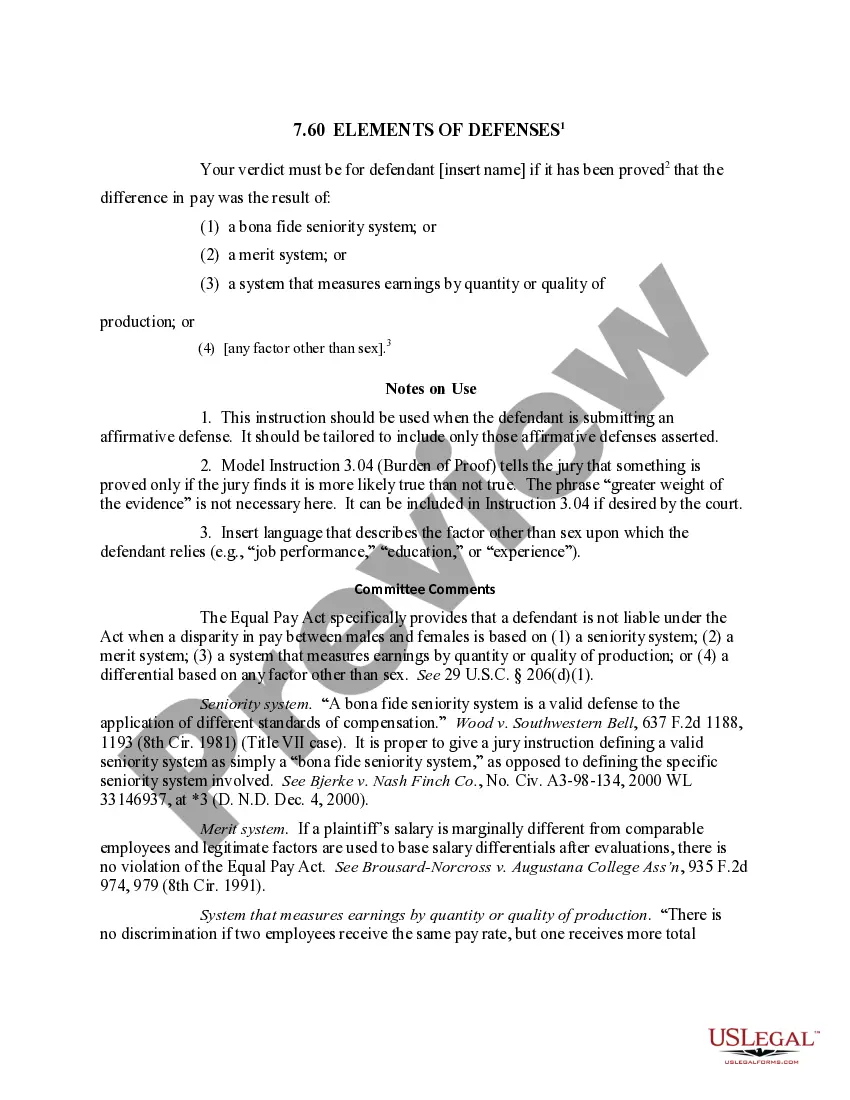
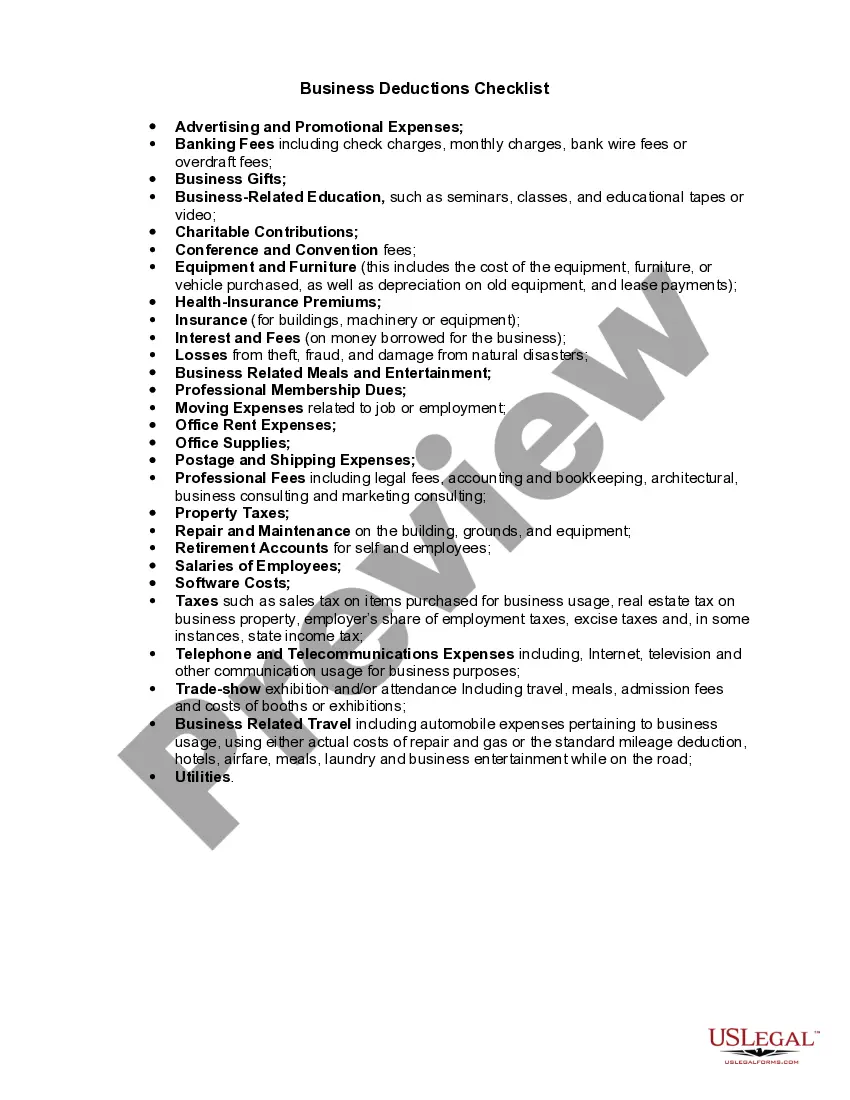
Michigan Business Deductions Checklist
Description
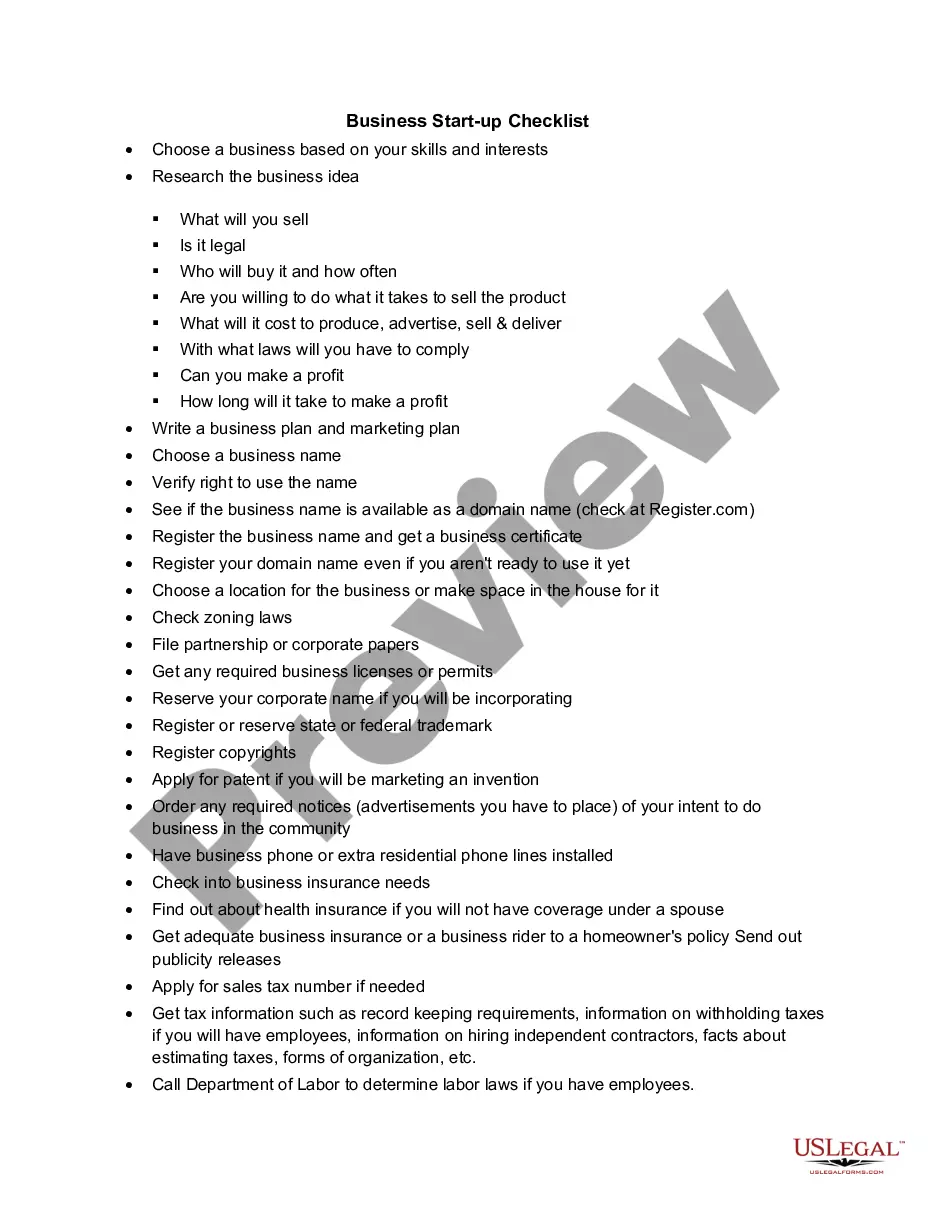
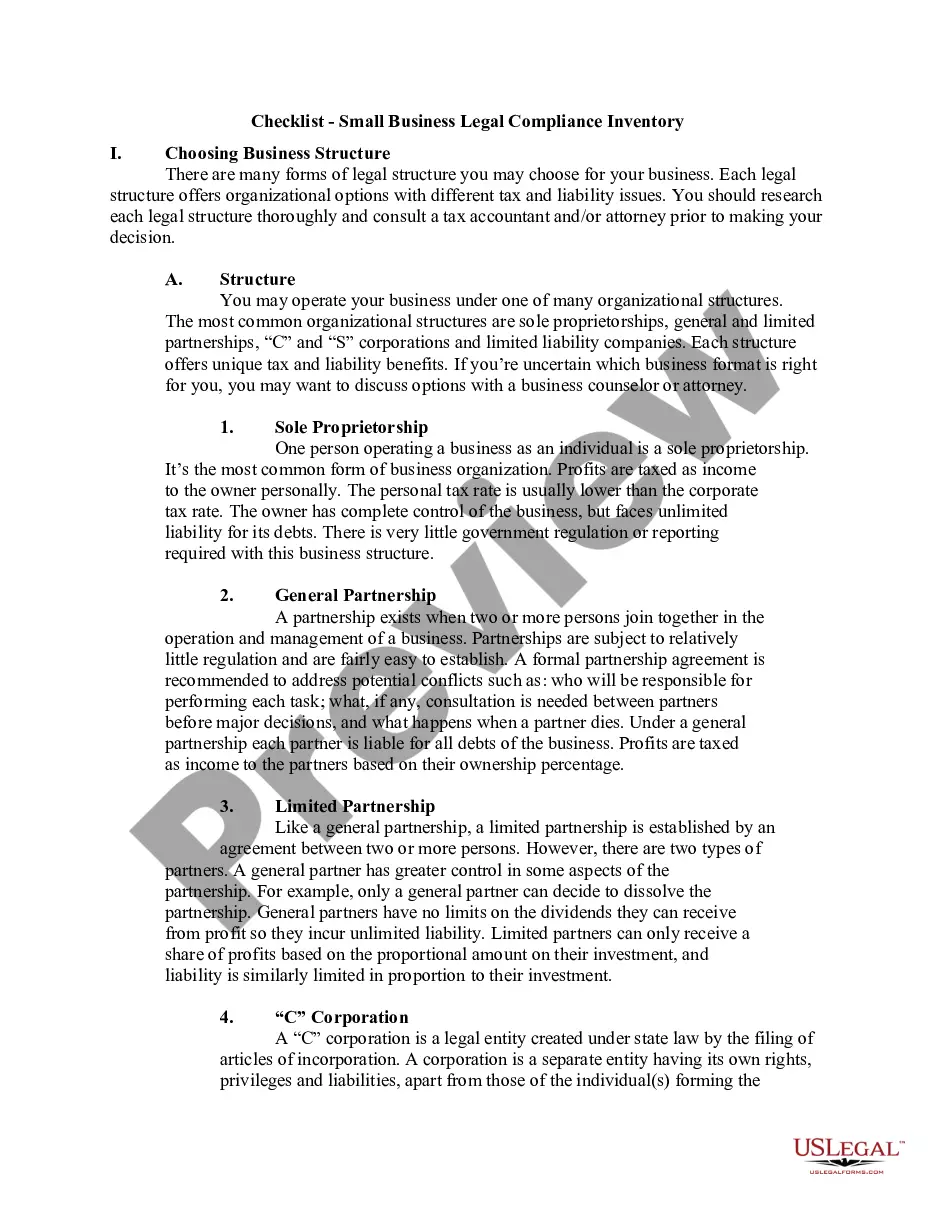
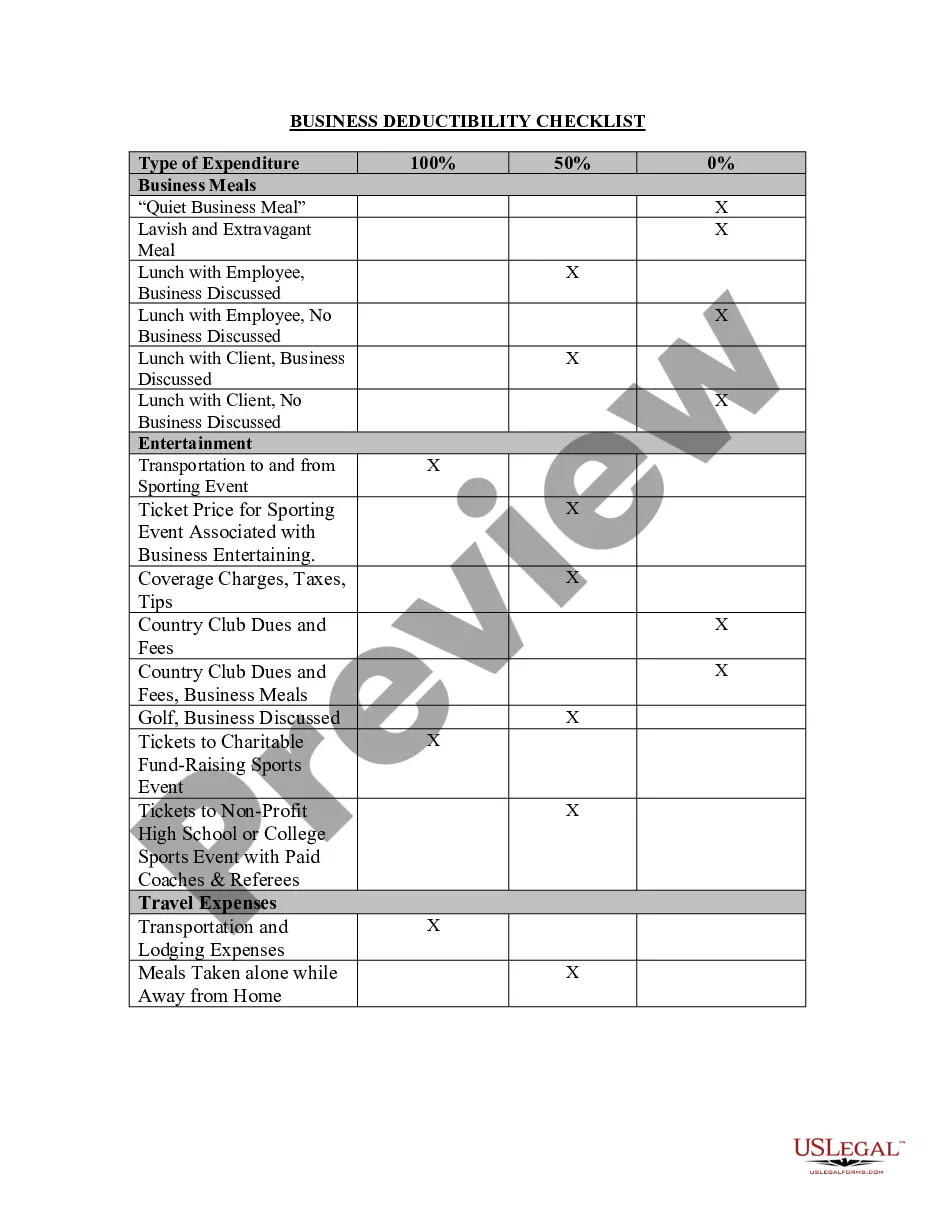
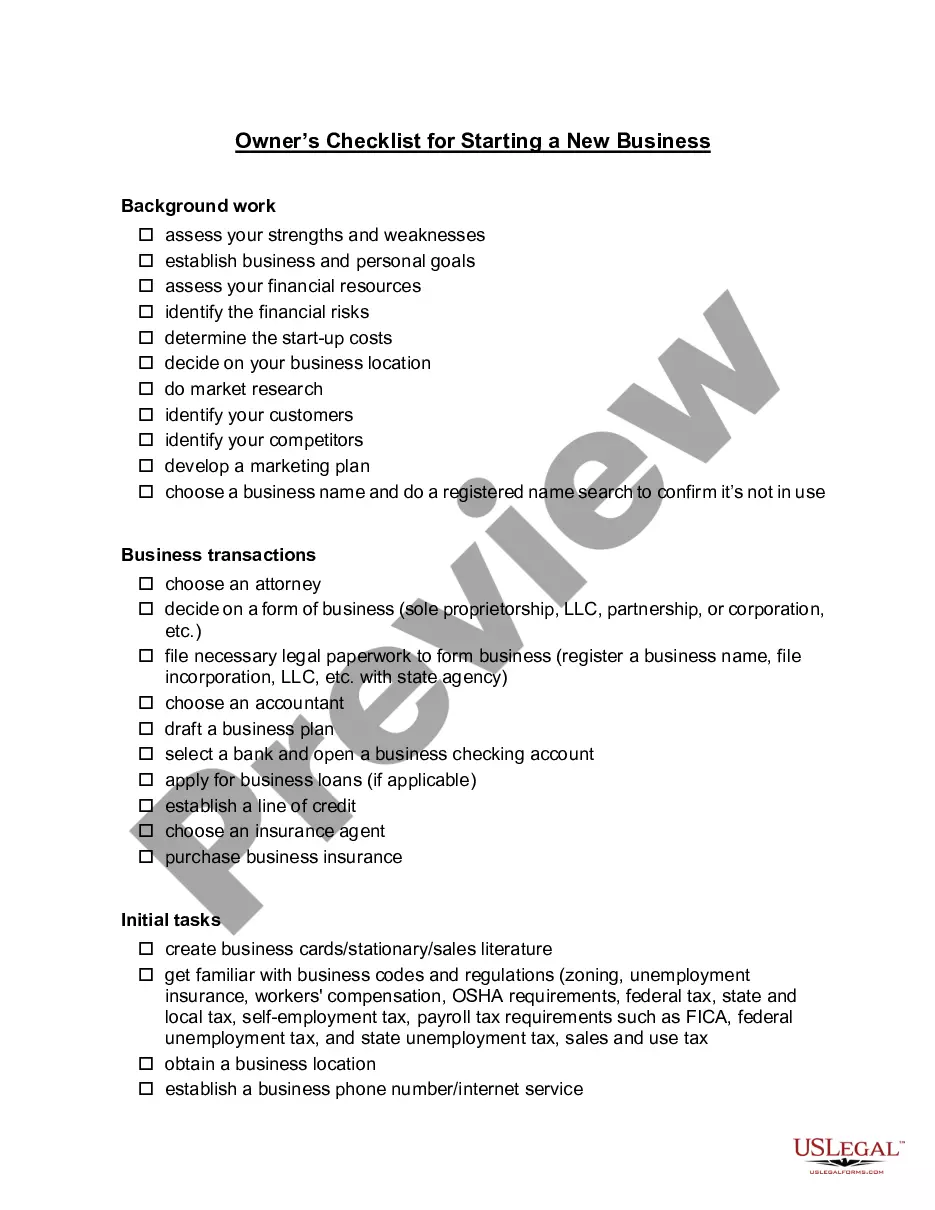
Get your form ready online
Our built-in tools help you complete, sign, share, and store your documents in one place.
Make edits, fill in missing information, and update formatting in US Legal Forms—just like you would in MS Word.
Download a copy, print it, send it by email, or mail it via USPS—whatever works best for your next step.
Sign and collect signatures with our SignNow integration. Send to multiple recipients, set reminders, and more. Go Premium to unlock E-Sign.
If this form requires notarization, complete it online through a secure video call—no need to meet a notary in person or wait for an appointment.
We protect your documents and personal data by following strict security and privacy standards.

Make edits, fill in missing information, and update formatting in US Legal Forms—just like you would in MS Word.

Download a copy, print it, send it by email, or mail it via USPS—whatever works best for your next step.

Sign and collect signatures with our SignNow integration. Send to multiple recipients, set reminders, and more. Go Premium to unlock E-Sign.

If this form requires notarization, complete it online through a secure video call—no need to meet a notary in person or wait for an appointment.

We protect your documents and personal data by following strict security and privacy standards.
Looking for another form?




How to fill out Business Deductions Checklist?
Selecting the ideal legal document template can be a challenge. Naturally, there are numerous templates available online, but how do you find the legal form you require? Take advantage of the US Legal Forms website. This service offers thousands of templates, such as the Michigan Business Deductions Checklist, suitable for both professional and personal needs. All the forms are verified by experts and comply with state and federal regulations.
If you are already registered, Log In to your account and then click the Download button to access the Michigan Business Deductions Checklist. Use your account to search through the legal forms you have previously purchased. Visit the My documents tab of your account to download another copy of the document you need.
If you are a new user of US Legal Forms, here are simple guidelines for you to follow: First, ensure you have chosen the correct form for your area/region. You can review the form using the Review button and read the form description to verify that it is the right fit for you. If the form does not meet your criteria, use the Search field to locate the appropriate form. Once you are sure the form is accurate, click the Get now button to obtain the form. Select the pricing plan you wish to use and provide the necessary information. Create your account and pay for the order using your PayPal account or credit card. Choose the document format and download the legal document template to your device. Complete, edit, print, and sign the received Michigan Business Deductions Checklist.
US Legal Forms is the premier collection of legal documents where you can find a variety of document templates. Utilize this service to acquire correctly crafted documents that adhere to state regulations.
- Ensure you select the appropriate form for your region.
- Use the Review button to check the form.
- Read the description to confirm it meets your needs.
- Utilize the Search field if necessary.
- Click the Get now button when ready.
- Select a payment plan and provide your details.
Form popularity
FAQ
To deduct business expenses, the expenses must be business-related, reasonable, and well-documented. You need to ensure that these expenses contribute to the operation of your business. Leverage the Michigan Business Deductions Checklist for specific guidance on meeting these important requirements and maximizing your deductions.
Yes, the IRS requires proof of business expenses to validate your claims. Proper documentation is crucial, including receipts, invoices, and other relevant records. By following the Michigan Business Deductions Checklist, you can ensure you have all necessary proof to avoid potential audits.
To claim business expenses, your expenses must be ordinary and necessary for your business operations. You should also keep adequate records and receipts to prove these expenses. The Michigan Business Deductions Checklist can help clarify the criteria you need to meet to ensure your deductions are valid and beneficial.
The $2500 expense rule simplifies how businesses can deduct certain expenses. If an item costs less than $2500, businesses can often deduct it immediately rather than capitalizing it. For a thorough understanding of how this rule fits into your larger strategy, refer to the Michigan Business Deductions Checklist for clear guidance.
Yes, you need solid proof to write off business expenses. Keeping detailed records, such as receipts and invoices, helps substantiate each deduction. Utilizing the Michigan Business Deductions Checklist will give you a clearer view of what documentation you should maintain to support your claims.
Many businesses can qualify for the 20% pass-through deduction, including sole proprietorships, partnerships, and S corporations. This deduction is available to businesses that generate qualified business income (QBI). To maximize your deductions, consult the Michigan Business Deductions Checklist, which can guide you through eligibility and requirements.
In Michigan, LLCs must file an annual report with the state and may need to file both federal and state tax returns depending on their tax classification. Furthermore, LLCs should be aware of any local tax obligations that may apply to their operations. Utilizing resources like the Michigan Business Deductions Checklist can help ensure that you meet all necessary filing requirements while optimizing your deductions.
Businesses that typically qualify for the Qualified Business Income (QBI) deduction include sole proprietorships, partnerships, and S corporations, as long as they are not classified as specified services. To claim this deduction, your taxable income must fall below the applicable threshold. For a comprehensive overview, consulting the Michigan Business Deductions Checklist can provide valuable insights into eligibility and best practices.
Certain types of businesses are ineligible for the pass-through deduction, including specified service trade or businesses, like health, law, and accounting, if the owner's income exceeds the limit. Additionally, corporations taxed as C corporations do not qualify for this deduction. Understanding these ineligibilities can assist you in planning your finances strategically, making the Michigan Business Deductions Checklist a useful tool.
Eligible dividends for the 20% qualified business income deduction are typically reported in Box 1a of Form 1099-DIV. If you're unsure about how to identify these dividends, reviewing the Michigan Business Deductions Checklist can help clarify which dividends qualify under section 199A. Keeping meticulous records will ensure that you maximize your deductions and comply with tax regulations.