Michigan Agreement for the Partition and Division of Real Property
Description

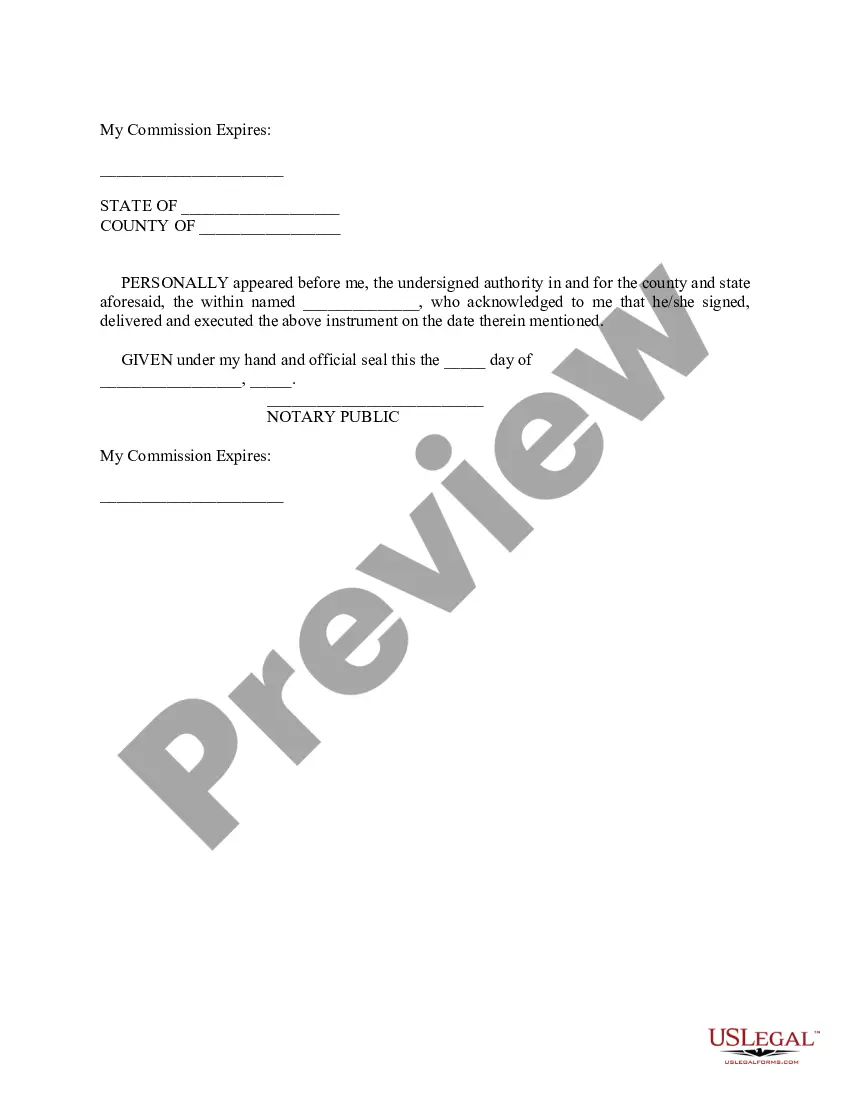
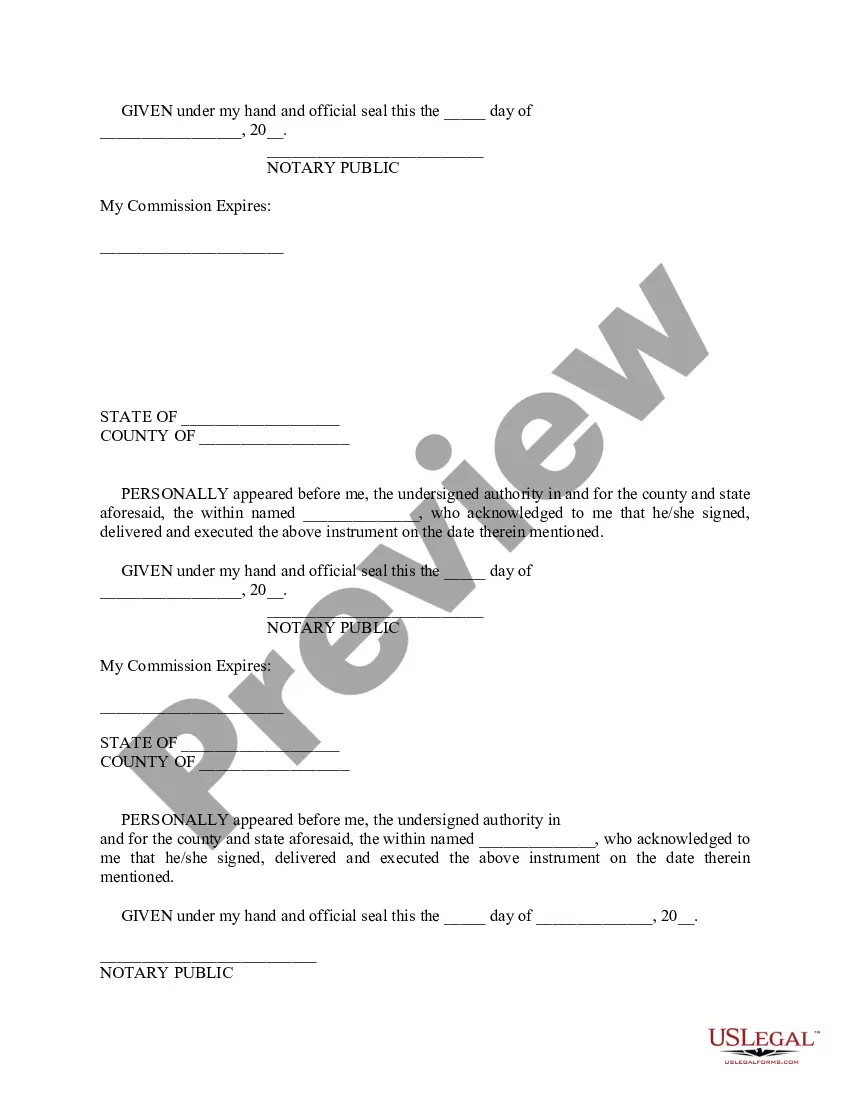
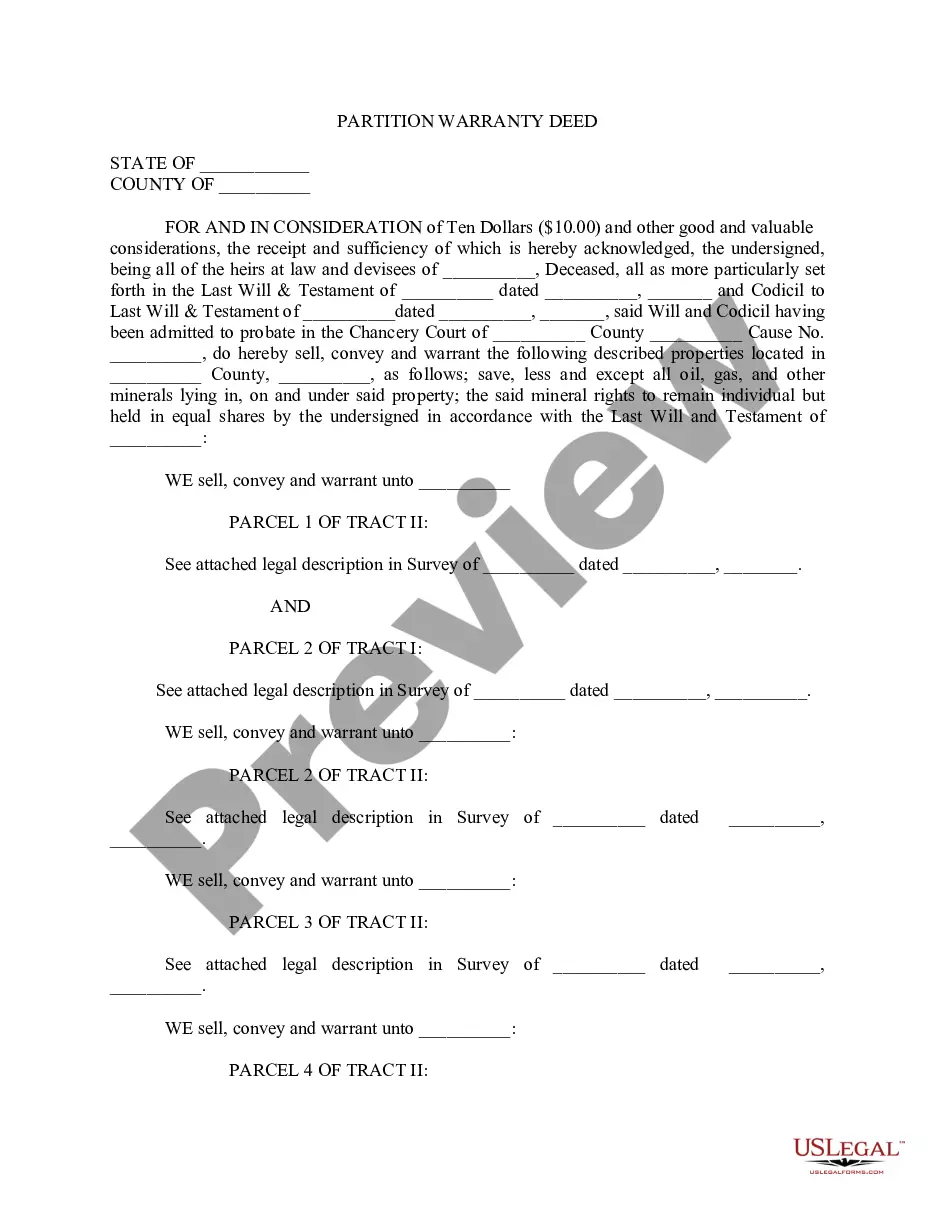
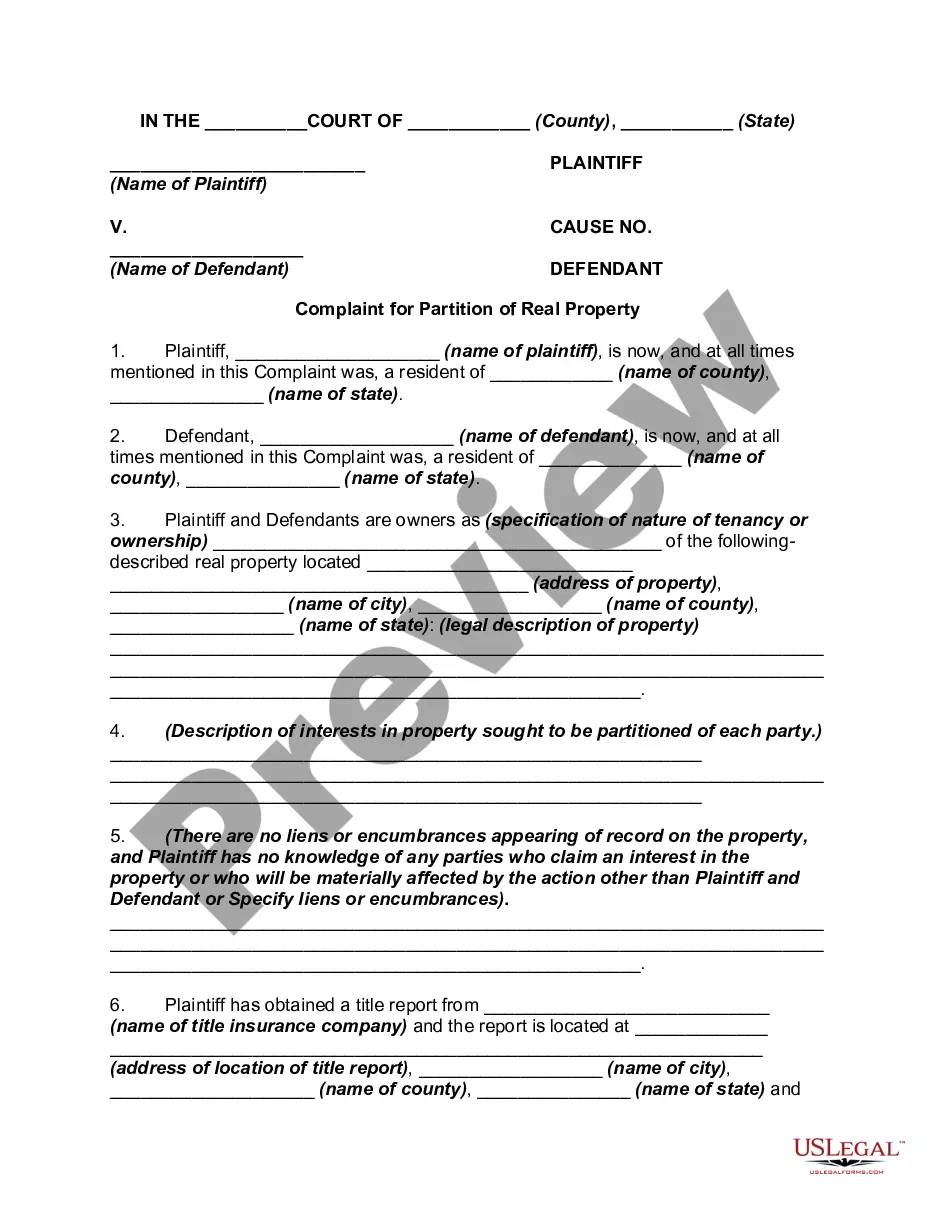
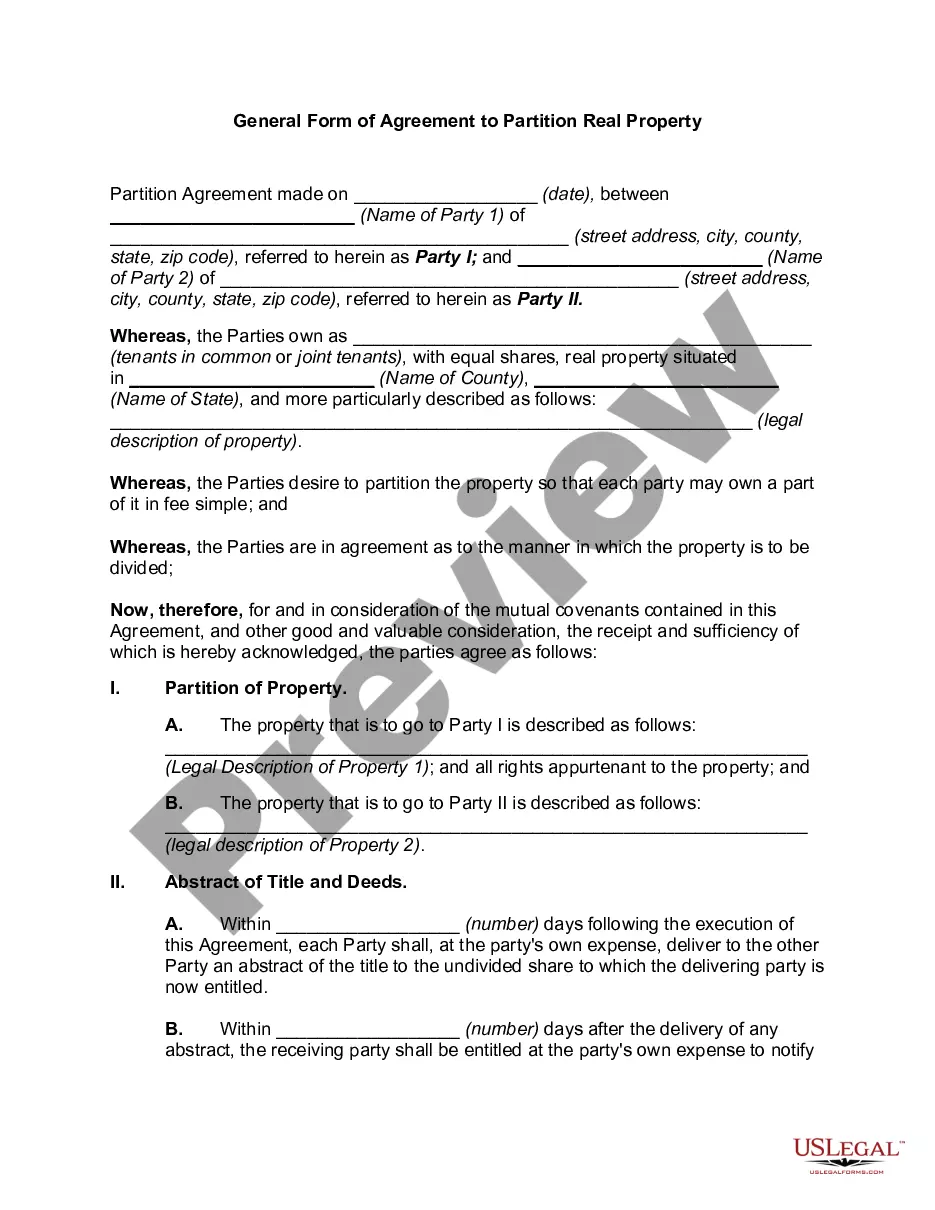
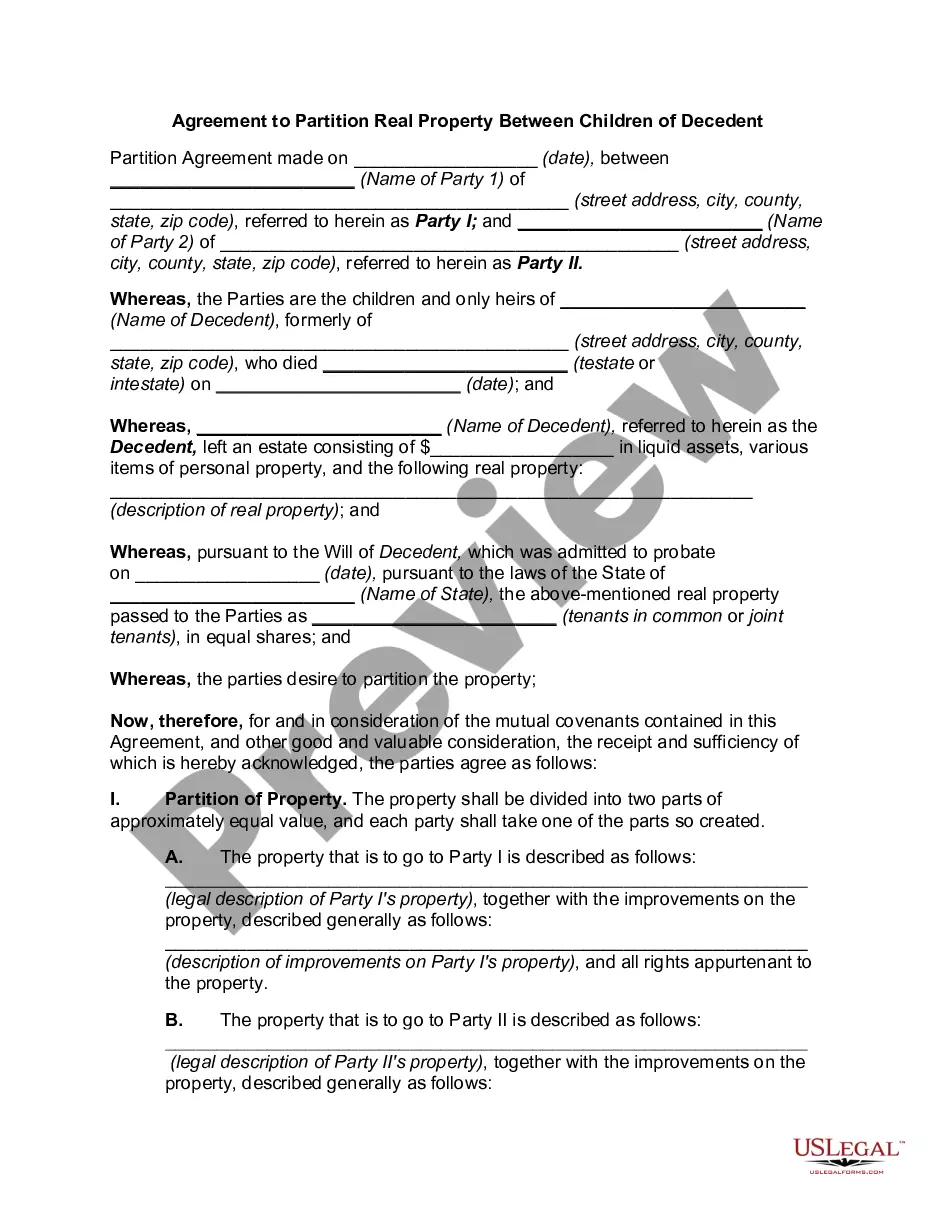
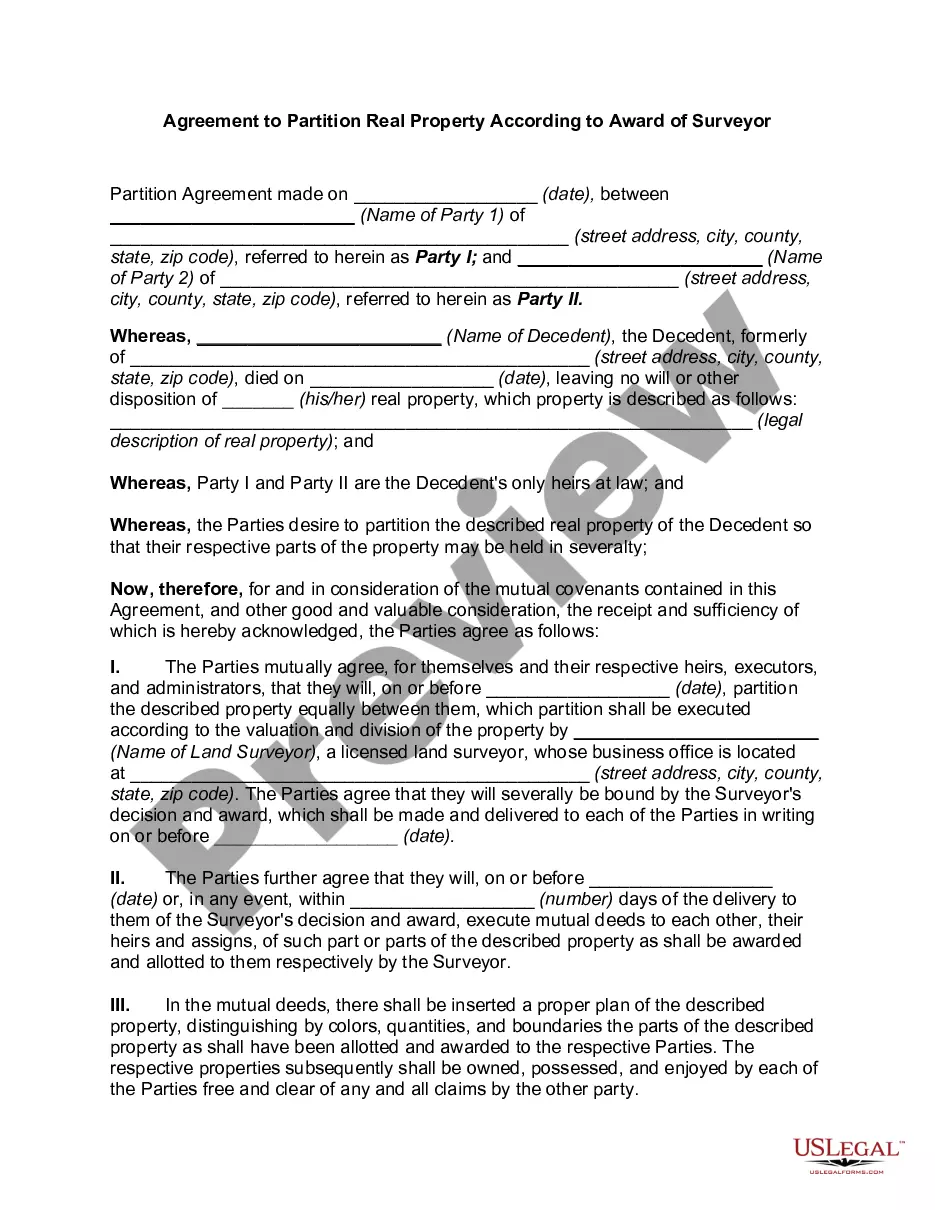


How to fill out Agreement For The Partition And Division Of Real Property?
You might spend hours online looking for the legal format that meets the federal and state requirements you need. US Legal Forms offers a vast array of legal documents that are vetted by professionals.
You can download or print the Michigan Agreement for the Partition and Division of Real Property from their service. If you already have a US Legal Forms account, you can Log In and click the Obtain button.
Then, you can complete, edit, print, or sign the Michigan Agreement for the Partition and Division of Real Property. Every legal format you obtain is yours permanently. To get another copy of the purchased form, go to the My documents tab and click the corresponding button.
Select the format of the document and download it to your device. Make adjustments to the document if needed. You can complete, edit, sign, and print the Michigan Agreement for the Partition and Division of Real Property. Obtain and print countless document templates using the US Legal Forms website, which offers the largest collection of legal forms. Utilize professional and state-specific templates to address your business or personal needs.
- If you are using the US Legal Forms site for the first time, follow the simple instructions below.
- First, ensure that you have selected the correct format for the region/city that you choose. Check the form outline to confirm you have selected the right form.
- If available, use the Preview button to view the format as well.
- If you wish to get an additional version of the form, use the Search section to find the format that suits your needs and requirements.
- Once you have found the format you want, click Acquire now to proceed.
- Choose the pricing plan you want, enter your details, and register for an account on US Legal Forms.
- Complete the transaction. You can use your credit card or PayPal account to pay for the legal form.
Form popularity
FAQ
To file a partition action in Michigan, you must first prepare a complaint outlining your request for division of the property. This document should include details about the property and the co-owners involved. After filing the complaint with the appropriate court, you may need to attend a hearing where a judge will review your case. For a smoother experience, consider using a Michigan Agreement for the Partition and Division of Real Property, which offers guidance through the legal requirements.
Property valuation in a partition action involves determining the fair market value of the property being divided. This process often requires appraisals by certified professionals who evaluate various factors, such as location, condition, and market trends. Accurate valuation is crucial, as it influences how the property will be divided among the co-owners. A Michigan Agreement for the Partition and Division of Real Property can aid in establishing a clear framework for the valuation process.
In Michigan, the property transfer affidavit is typically filled out by the seller of the property. This document provides essential information about the property and its sale, which is necessary for tax assessment purposes. It's important to ensure that all details are accurate and complete to avoid any issues later on. Utilizing a Michigan Agreement for the Partition and Division of Real Property can help clarify the process involved in property transfers.
In Michigan, the order of heirs typically follows the intestate succession laws, which prioritize spouses, children, parents, and siblings. Understanding this order is crucial for property distribution among heirs. If you're dealing with an inherited property, the Michigan Agreement for the Partition and Division of Real Property can help clarify the rights of each heir and facilitate a smoother division process.
The Partition of Heirs Property Act in Michigan addresses the unique challenges of dividing property inherited by multiple heirs. This act protects heirs from losing their property through forced sales while ensuring equitable distribution. Utilizing the Michigan Agreement for the Partition and Division of Real Property can help you and your co-heirs understand your rights and responsibilities.
The purpose of the Uniform Partition Act of Heirs Property Act is to provide a fair and efficient process for dividing property among heirs. This act aims to prevent forced sales and ensure that each heir receives their rightful share. By understanding this act, you can better navigate property division, especially when utilizing the Michigan Agreement for the Partition and Division of Real Property.
To avoid paying capital gains tax on inherited property in Michigan, you can utilize the stepped-up basis rule. This rule allows the property's value to be adjusted to its fair market value at the time of inheritance. Additionally, consulting with a tax professional or using the Michigan Agreement for the Partition and Division of Real Property can provide guidance on effectively managing your inherited assets.
An agreement for partition of property is a legal document that outlines how co-owners of a property can divide their interests. This agreement typically includes details about the property, the rights of each party, and the proposed method of division. By using the Michigan Agreement for the Partition and Division of Real Property, co-owners can establish clear expectations and avoid disputes.
The duration of a partition action in Michigan can vary based on several factors, including the complexity of the case and the court's schedule. Typically, it can take several months to over a year to finalize. It's important to prepare thoroughly to ensure a smoother process. Utilizing the Michigan Agreement for the Partition and Division of Real Property can help streamline the proceedings.