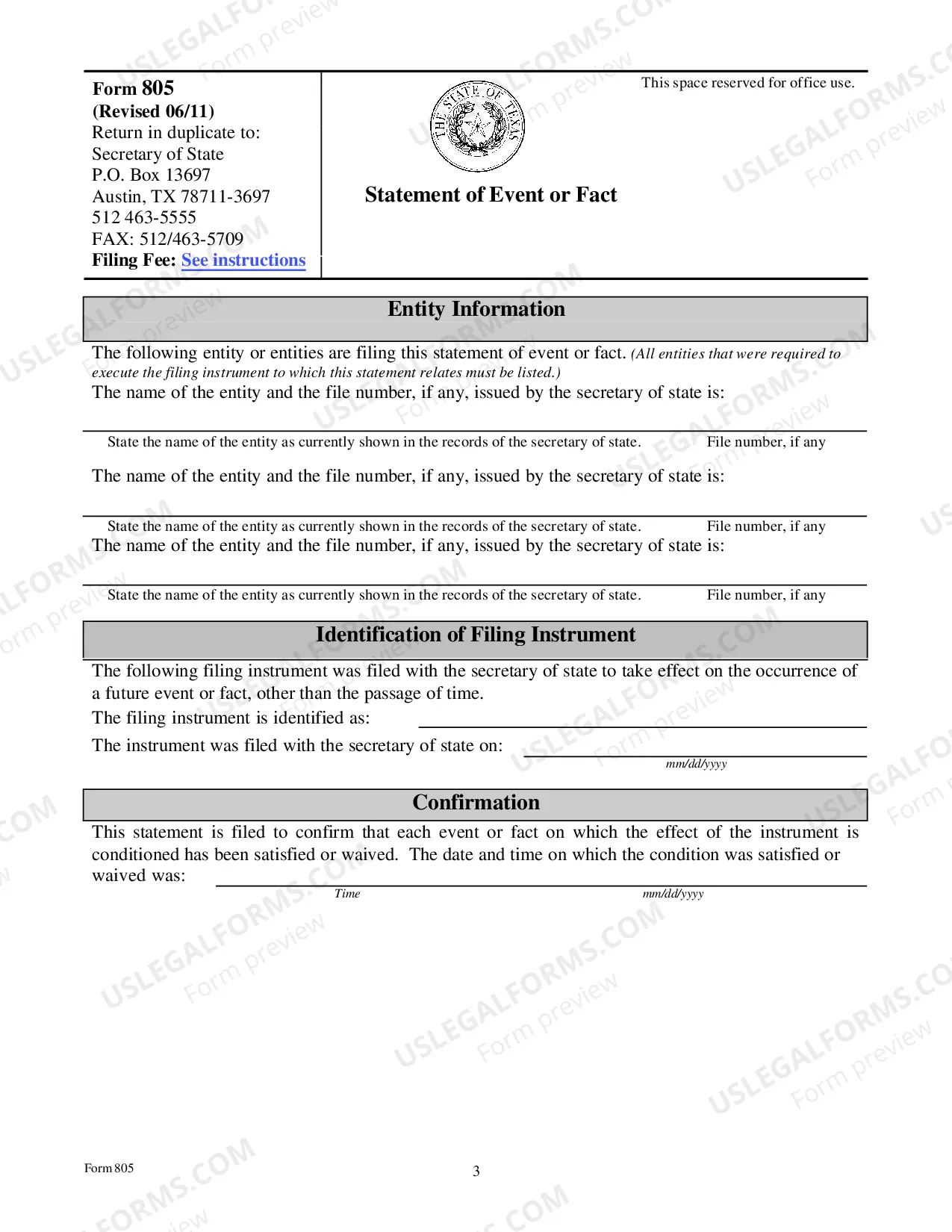
Michigan Employment Status Disclosure
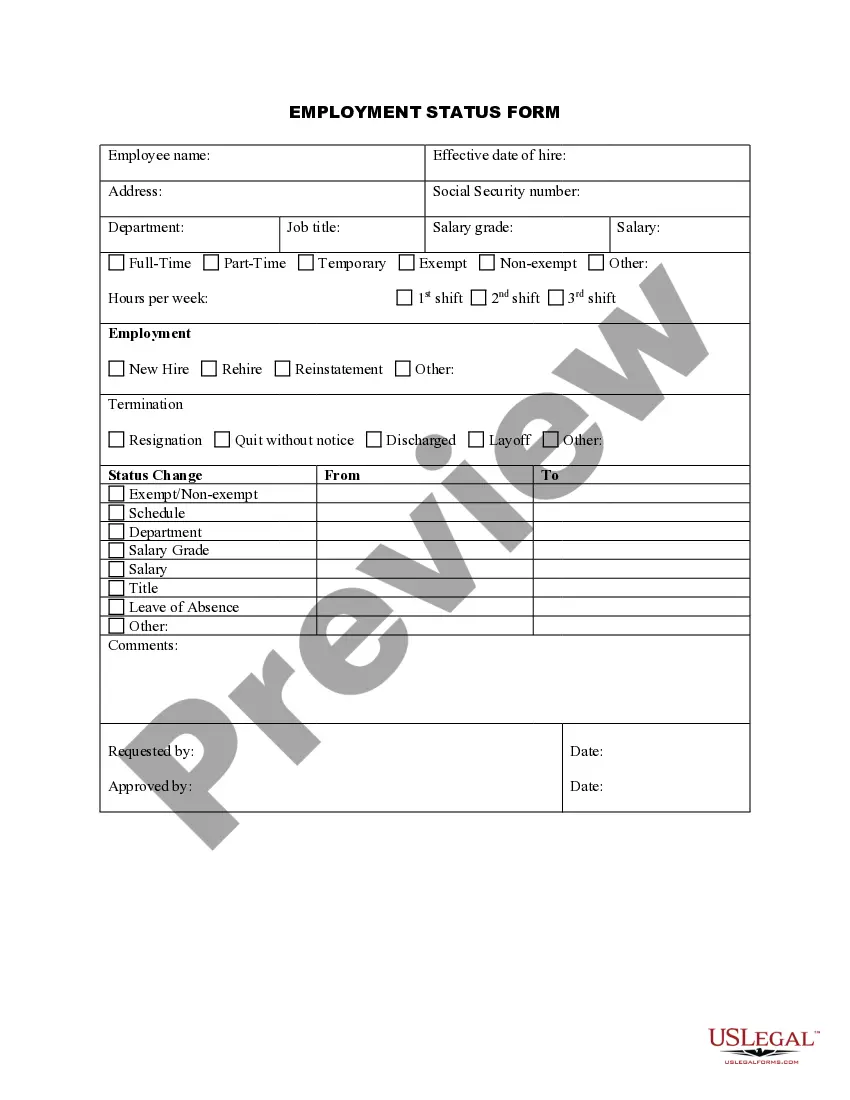
Description

Get your form ready online
Our built-in tools help you complete, sign, share, and store your documents in one place.
Make edits, fill in missing information, and update formatting in US Legal Forms—just like you would in MS Word.
Download a copy, print it, send it by email, or mail it via USPS—whatever works best for your next step.
Sign and collect signatures with our SignNow integration. Send to multiple recipients, set reminders, and more. Go Premium to unlock E-Sign.
If this form requires notarization, complete it online through a secure video call—no need to meet a notary in person or wait for an appointment.
We protect your documents and personal data by following strict security and privacy standards.

Make edits, fill in missing information, and update formatting in US Legal Forms—just like you would in MS Word.

Download a copy, print it, send it by email, or mail it via USPS—whatever works best for your next step.

Sign and collect signatures with our SignNow integration. Send to multiple recipients, set reminders, and more. Go Premium to unlock E-Sign.

If this form requires notarization, complete it online through a secure video call—no need to meet a notary in person or wait for an appointment.

We protect your documents and personal data by following strict security and privacy standards.
Looking for another form?
How to fill out Michigan Employment Status Disclosure?
Access over 85,000 legal documents, including the Michigan Employment Status Disclosure, online with US Legal Forms. Each template is crafted and refreshed by state-certified attorneys.
If you already possess a subscription, Log In. Once on the form’s page, click the Download button and navigate to My documents to retrieve it.
If you have not subscribed yet, follow the instructions listed below.
With US Legal Forms, you’ll always have instant access to the correct downloadable template. The service offers you access to forms and categorizes them to ease your search. Use US Legal Forms to effortlessly and swiftly obtain your Michigan Employment Status Disclosure.
- Review the state-specific requirements for the Michigan Employment Status Disclosure you wish to utilize.
- Examine the description and preview the sample.
- When you are assured that the template meets your needs, click Buy Now.
- Select a subscription plan that genuinely suits your budget.
- Establish a personal account.
- Make a payment in one of two convenient ways: by credit card or through PayPal.
- Choose a format to download the file in; available options include (PDF or Word).
- Download the document to the My documents section.
- Once your reusable form is downloaded, print it or save it to your device.
Form popularity
FAQ
New hires in Michigan must complete several forms, including a federal Form W-4 for tax withholding and the state Form MI-W4. Additionally, employers should provide an Employment Status Disclosure to new employees to clarify their job status. Using US Legal Forms can provide you with the correct documents and ensure a smooth onboarding experience for new hires in Michigan.
Yes, Michigan participates in the E-Verify program, which helps employers confirm the eligibility of employees to work in the United States. This electronic verification system assists employers in maintaining compliance with federal immigration laws. Utilizing E-Verify alongside a Michigan Employment Status Disclosure can significantly enhance your employment processes and ensure legal compliance.
Yes, Michigan is an at-will employment state, which means that employers can terminate employees for almost any reason, as long as it is not illegal. This allows for flexibility in the workplace, but it is crucial for both employees and employers to understand the implications of at-will employment. Having a clear Michigan Employment Status Disclosure can provide clarity about the nature of employment relationships in the state.
To verify employment for Michigan employees, you can request an Employment Status Disclosure through your employer or their human resources department. Employers in Michigan are required to provide this information to ensure transparency. Additionally, using platforms like US Legal Forms can streamline your verification process, making it easier to obtain the necessary documentation.
To verify your employment in the state of Michigan, you can contact the Michigan Department of Technology, Management and Budget. They provide resources for Michigan Employment Status Disclosure which are accessible online. Moreover, using platforms like UsLegalForms can simplify the process, allowing you to obtain the necessary documentation for verification easily. This helps confirm your employment status swiftly and accurately.
You can check employment verification online by visiting the appropriate state or employer websites that provide Michigan Employment Status Disclosure services. Many employers offer digital platforms where you can input your details for verification. Additionally, services like UsLegalForms can assist you in obtaining accurate employment status disclosures securely and efficiently. This ensures you have reliable information at your fingertips.
In Michigan, a former employer can generally share your employment dates, job title, and the duties you performed. However, they must avoid making false statements or engaging in defamatory actions; otherwise, they could face legal repercussions. Understanding the Michigan Employment Status Disclosure will help you know what to expect when potential employers contact your past employers. If you're uncertain about what a former employer might disclose, consider seeking legal advice or using USLegalForms to ensure your rights are protected.
In Michigan, you may have grounds to sue your employer for emotional distress if you can prove that their actions were extreme and outrageous. Typically, you would need to provide clear evidence showing that their behavior caused significant harm to your emotional well-being. It's important to consider the Michigan Employment Status Disclosure laws, as they can impact your case. To get the assistance you need, consult with a legal expert or utilize resources like USLegalForms to understand your rights and options.
The new employee law in Michigan introduces important measures designed to protect workers and enhance job security. One significant aspect is the Michigan Employment Status Disclosure, which provides employees with vital information regarding their employment conditions. This law is intended to foster a culture of transparency and trust in the workplace. By being informed, employees can make better choices about their careers in Michigan.
The recent employment law in Michigan emphasizes fairness and transparency in the workplace. Key provisions include the Michigan Employment Status Disclosure, which obligates employers to openly communicate employment terms to their workers. This change helps promote a better understanding between employees and employers, allowing for more informed decision-making. As a result, workers can feel more secure about their rights and responsibilities.