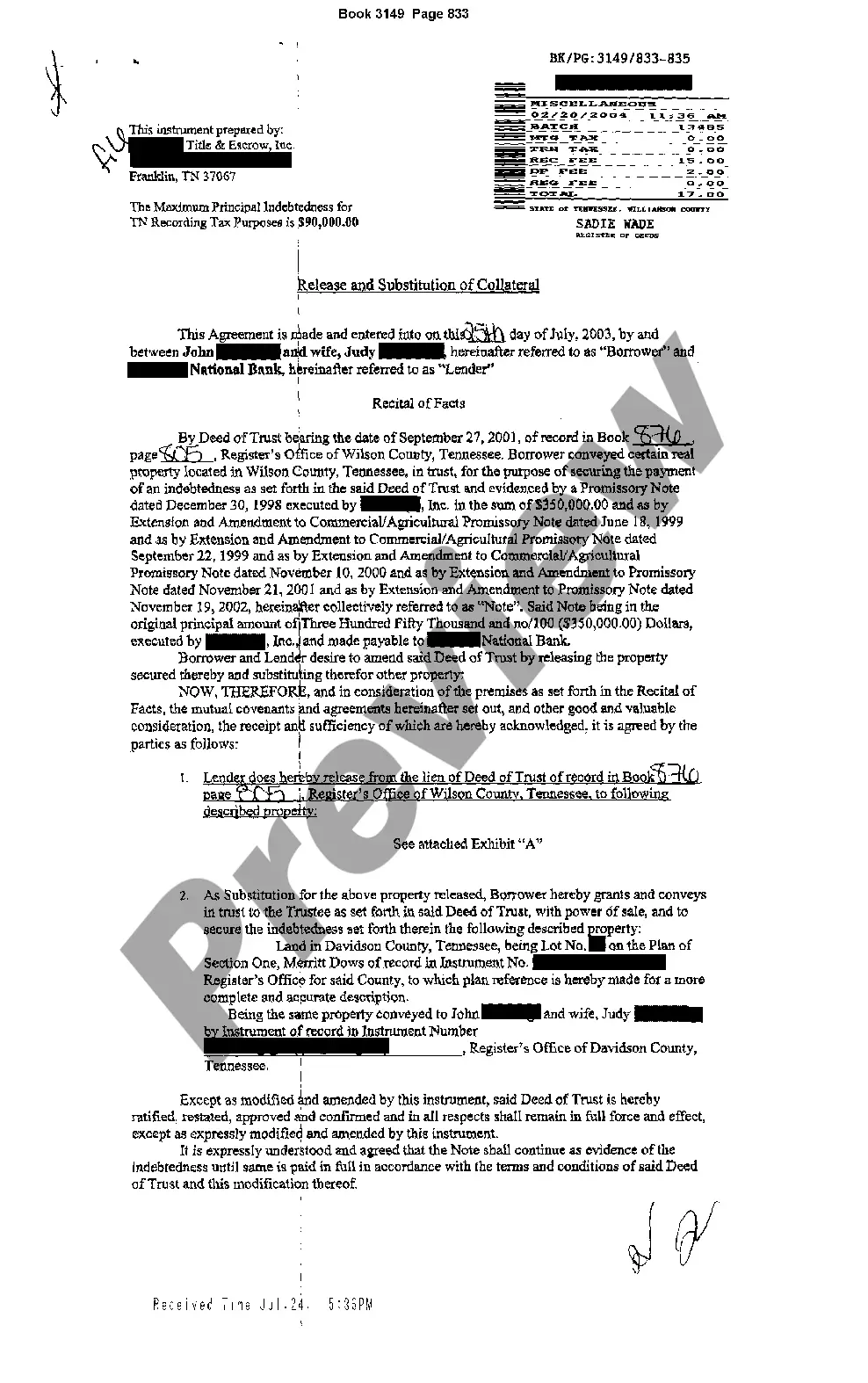
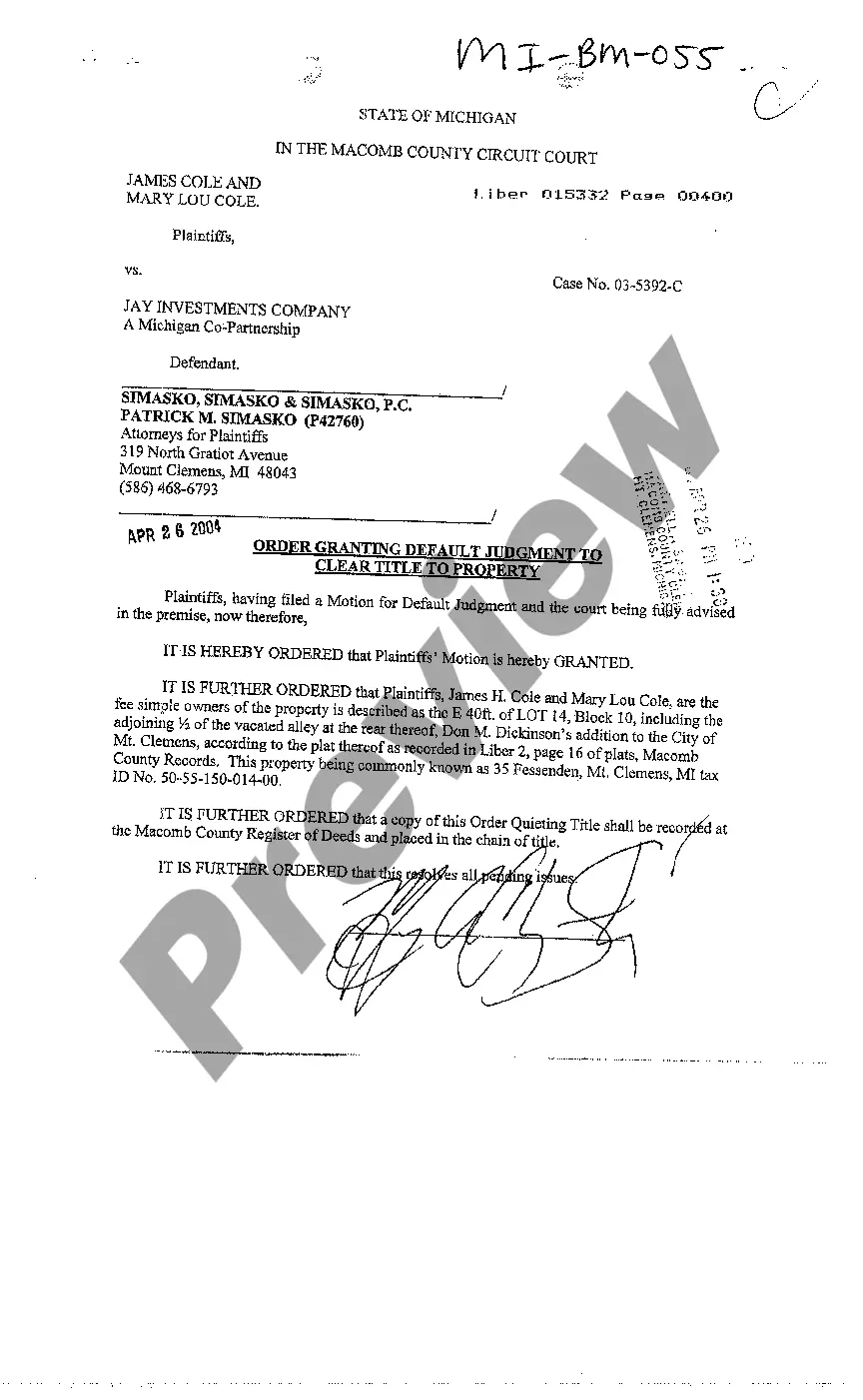
Michigan Order Granting Default Judgment to Clear Title
Description
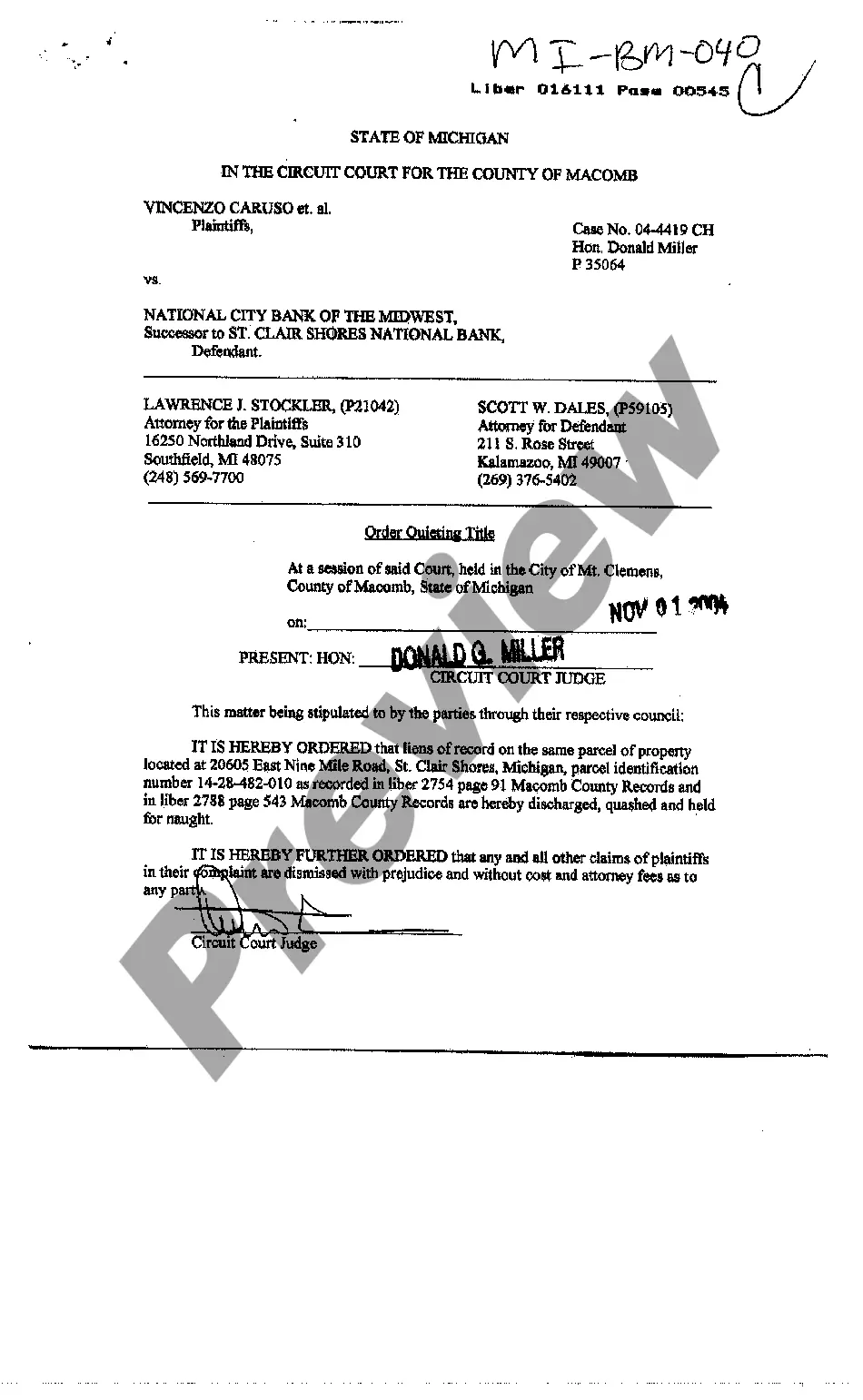

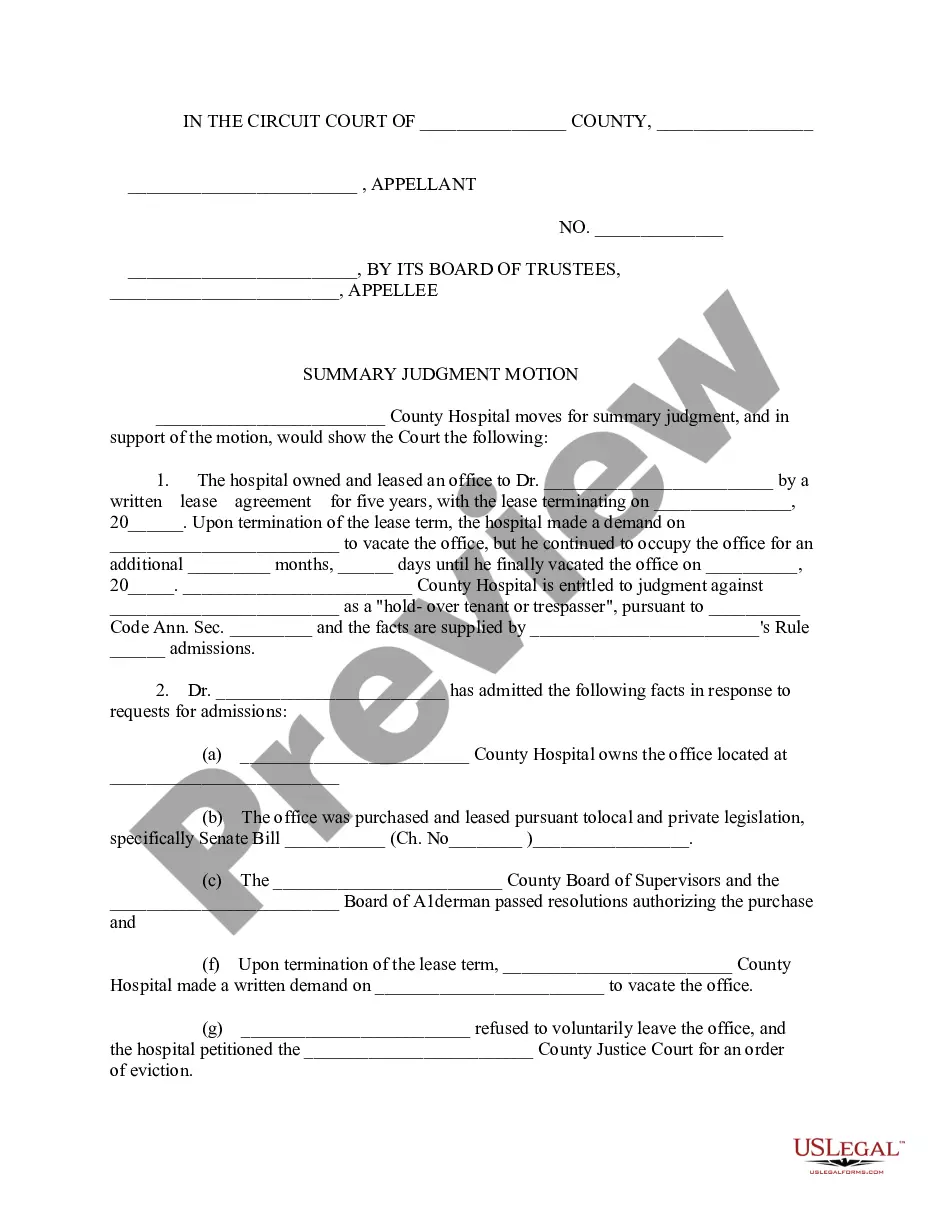
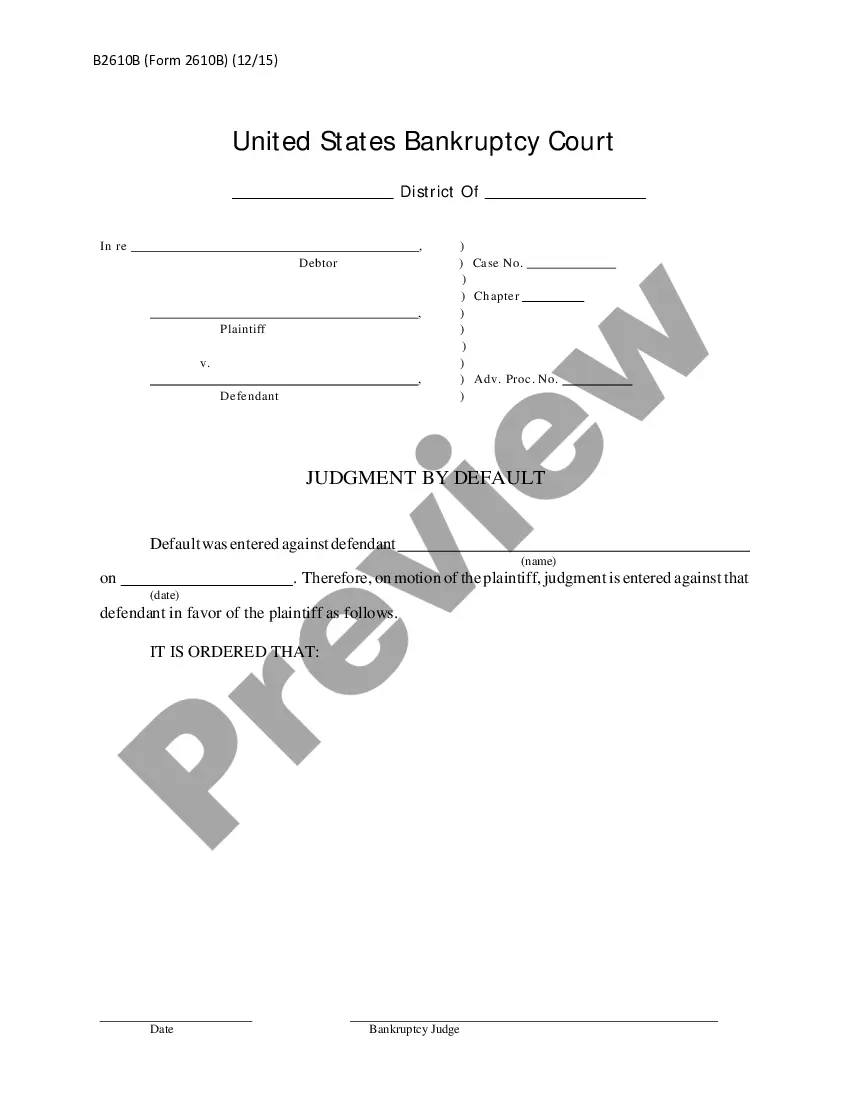
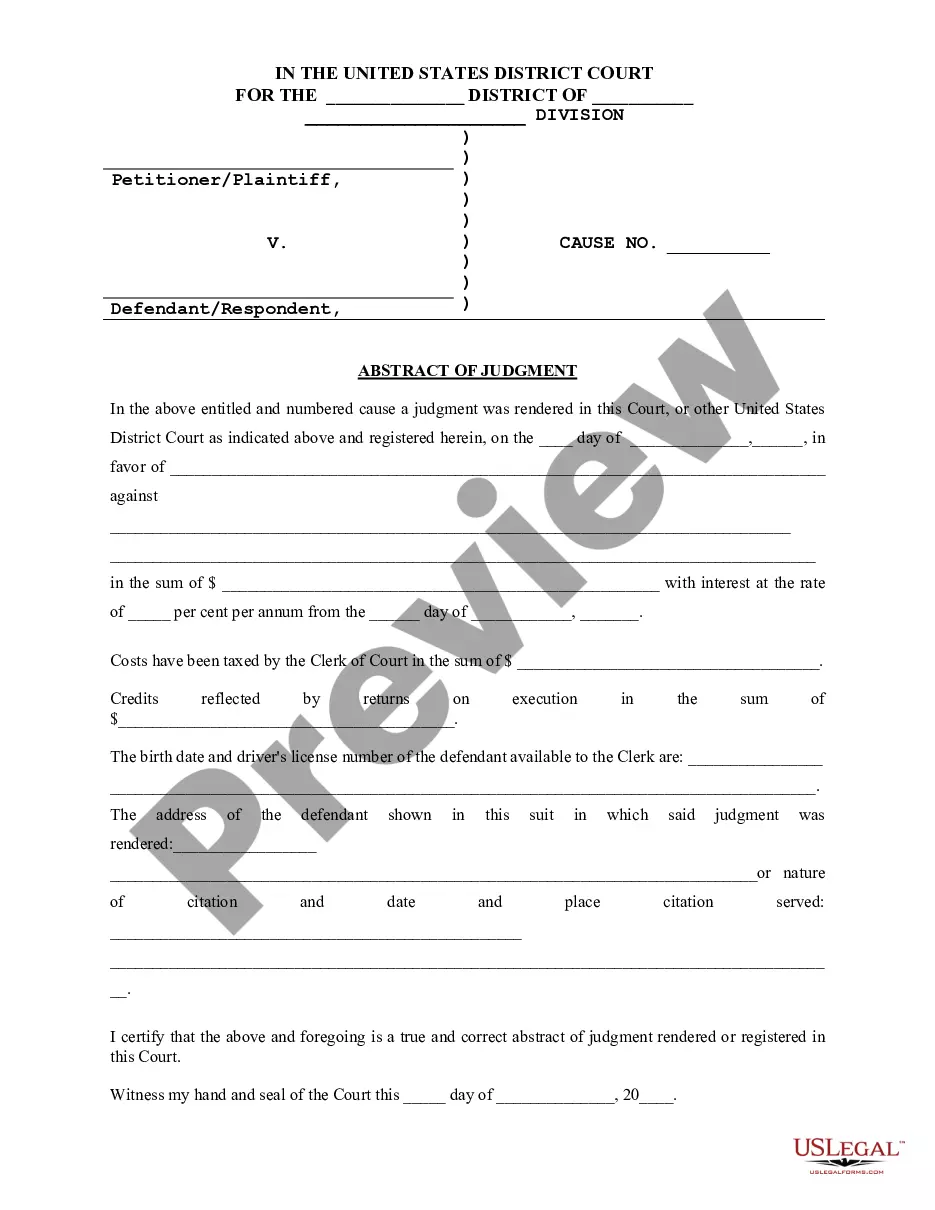
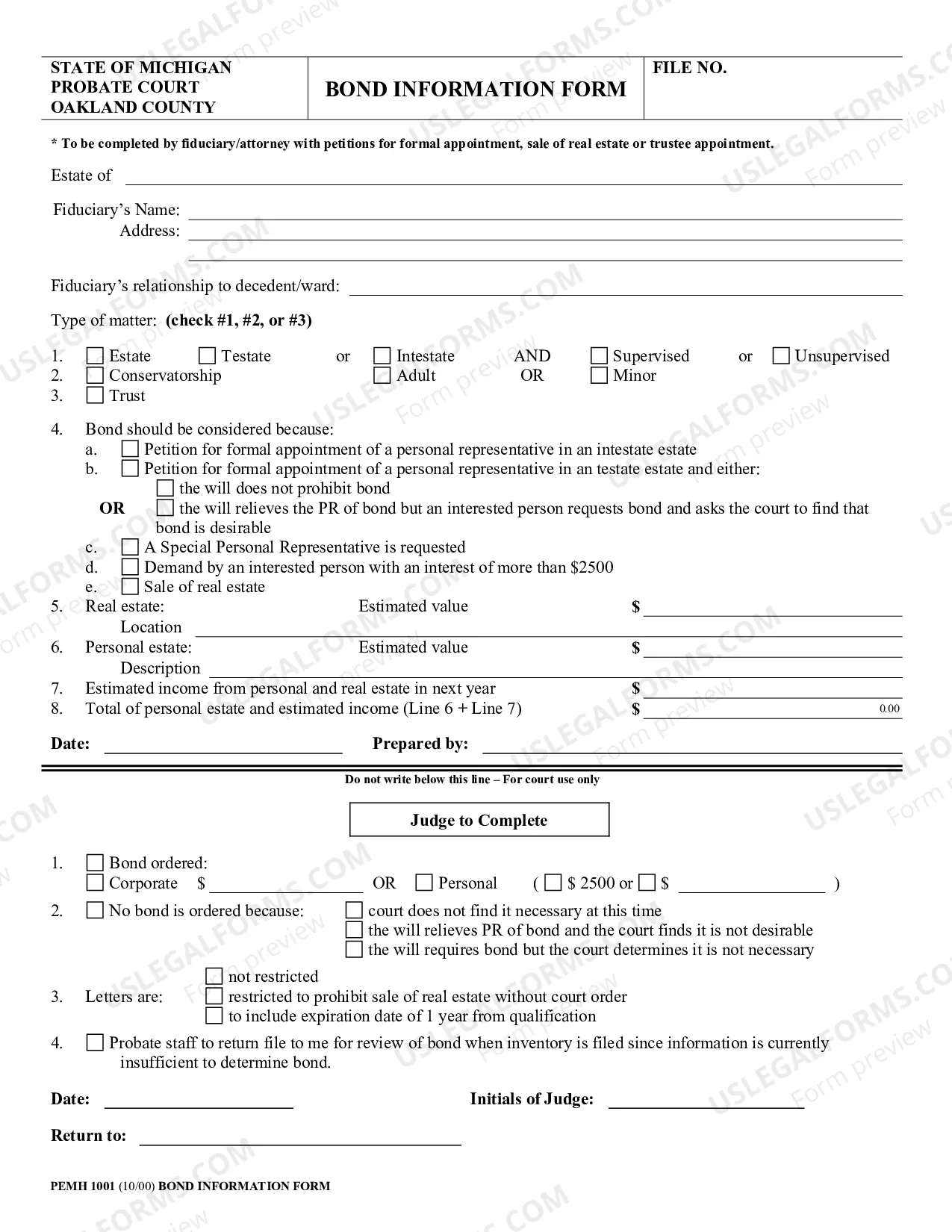

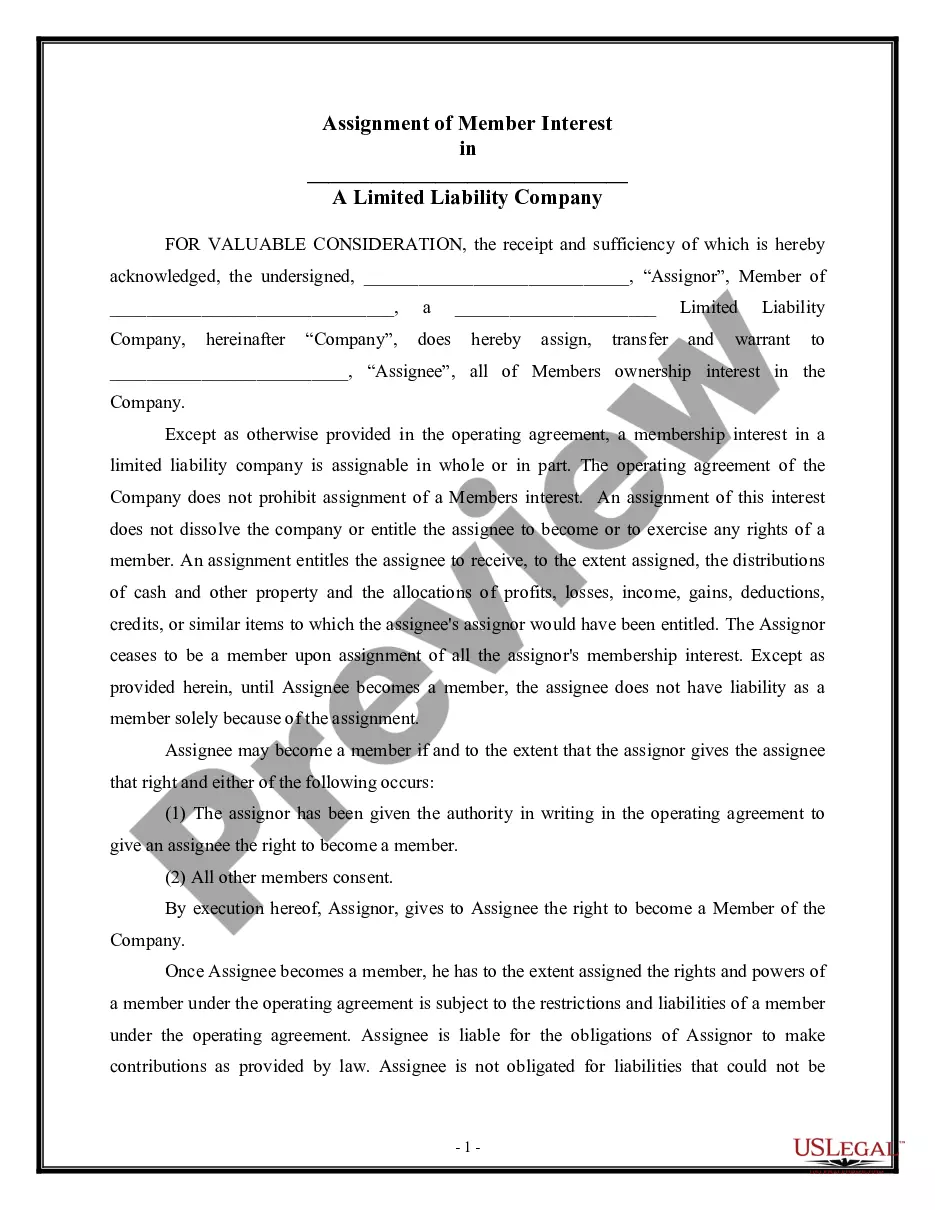

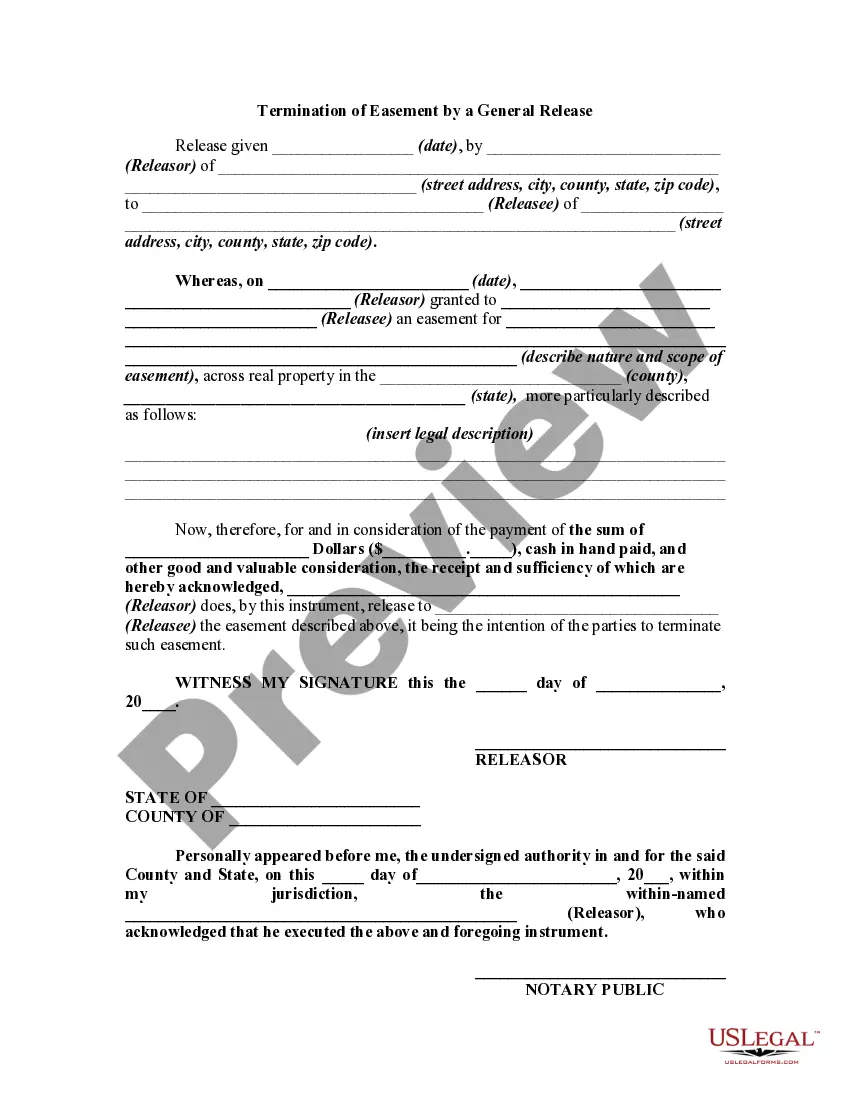
How to fill out Michigan Order Granting Default Judgment To Clear Title?
Access any template from 85,000 legal documents such as the Michigan Order Granting Default Judgment to Clear Title online with US Legal Forms. Each template is formulated and updated by state-authorized attorneys.
If you possess a subscription, Log In. Once you are on the page for the form, click the Download button and navigate to My documents to gain access.
If you haven’t subscribed yet, follow the steps outlined below.
After your reusable template is prepared, print it out or save it to your device. With US Legal Forms, you will always have instant access to the correct downloadable template. The platform provides you with access to forms and categorizes them to simplify your search. Utilize US Legal Forms to obtain your Michigan Order Granting Default Judgment to Clear Title efficiently and swiftly.
- Review the specific requirements for the Michigan Order Granting Default Judgment to Clear Title you intend to utilize.
- Examine the description and preview the template.
- When you are confident that the sample meets your needs, click Buy Now.
- Choose a subscription plan that fits within your financial means.
- Establish a personal account.
- Complete your payment in one of two acceptable methods: by credit card or through PayPal.
- Select a format to download the document; two formats are available (PDF or Word).
- Download the file to the My documents section.
Form popularity
FAQ
A lawsuit for quiet title must be brought in local Superior Court. To begin the lawsuit, the plaintiff (the lender or homeowner) files a complaint with the court followed by a Notice of Pendency of Action (a Lis Pendens) that is recorded with the county recorder and filed with the court.
The purpose of the quiet title action is to eliminate an adverse claim to a legal interest in the property and to establish, perfect, or quiet the title in the property in one or more of the claimants.
What Is a Quiet Title Action? A quiet title action, also known as an action of quiet title, is a circuit court actionor lawsuitthat is filed with the intended purpose to establish or settle the title to a property.
Why would a property owner file a quiet title suit?the owner against liabilities and losses resulting from title defects. A lender's title insurance policy generally protects. the lender against the possibility that the lender's lien cannot be enforced.