Michigan Landlord Agreement to allow Tenant Alterations to Premises
Understanding this form
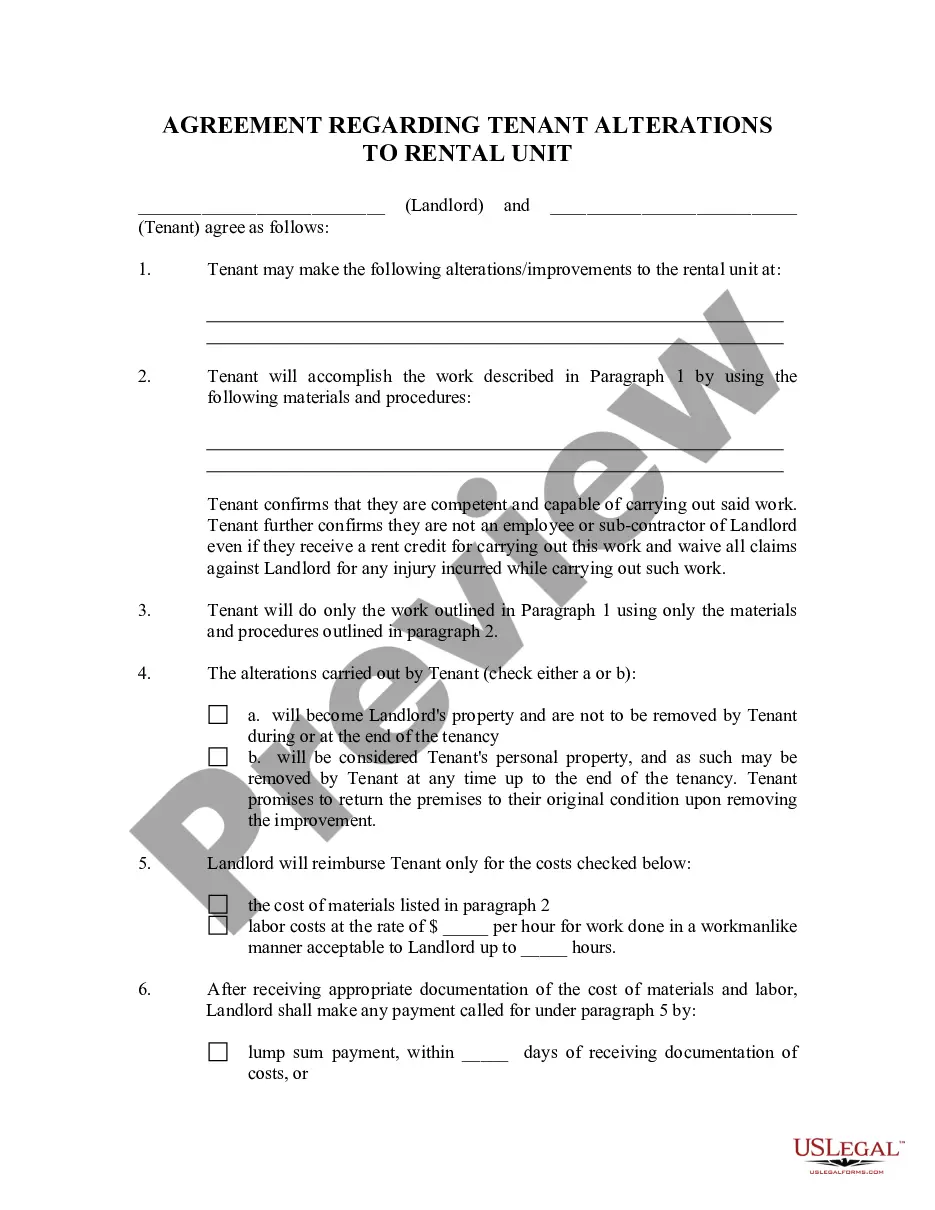
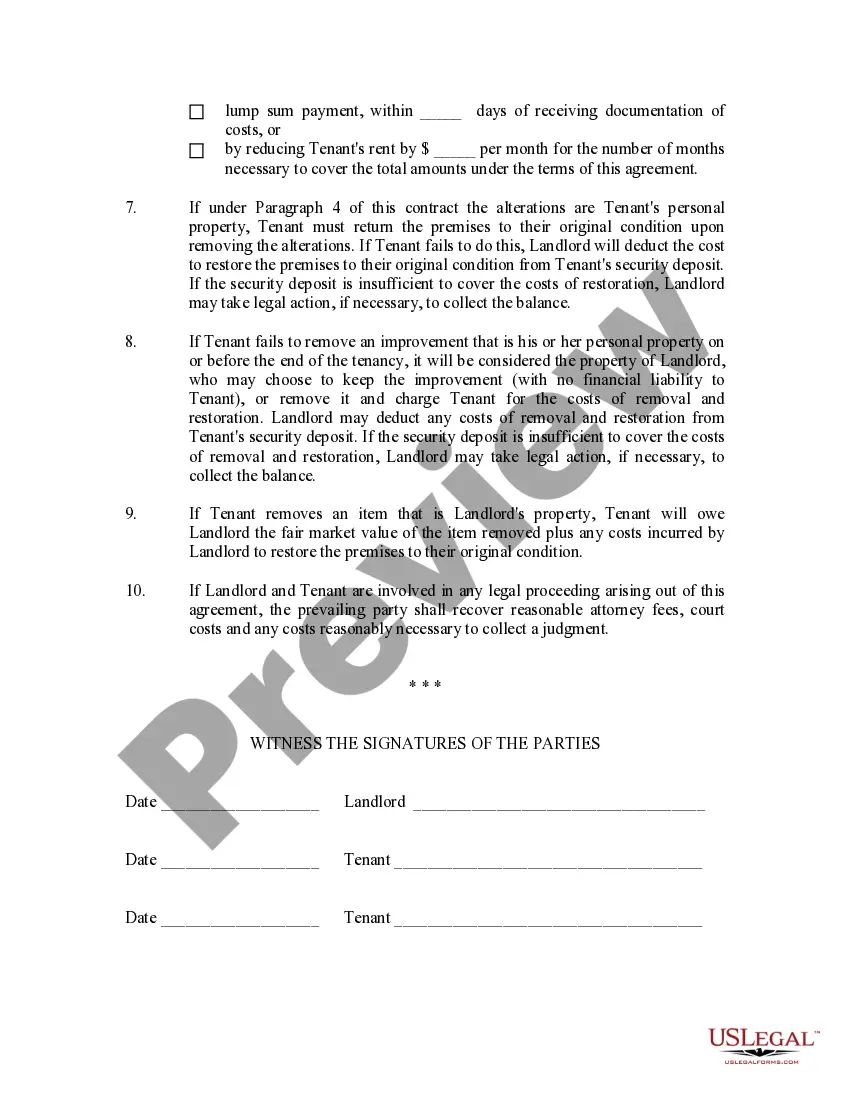
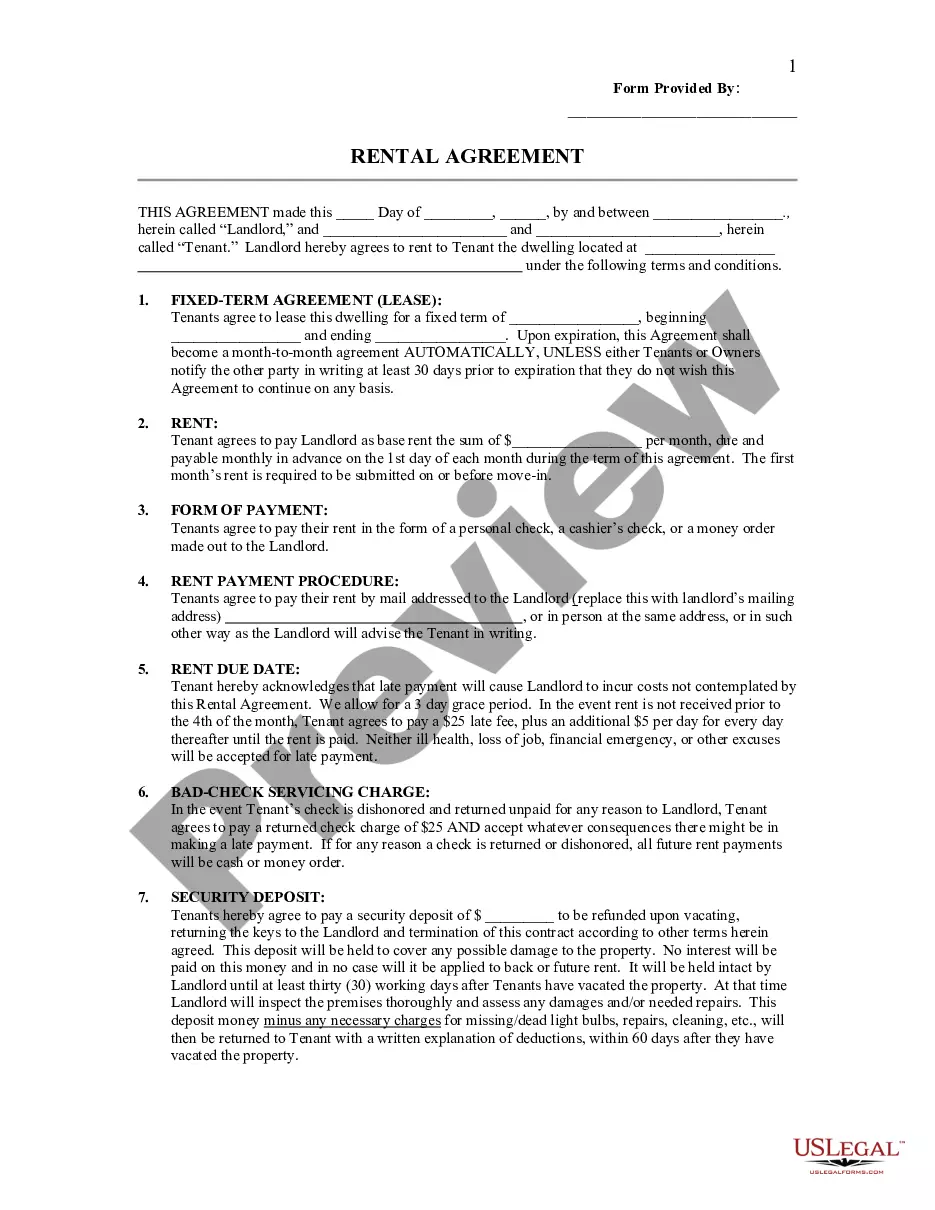
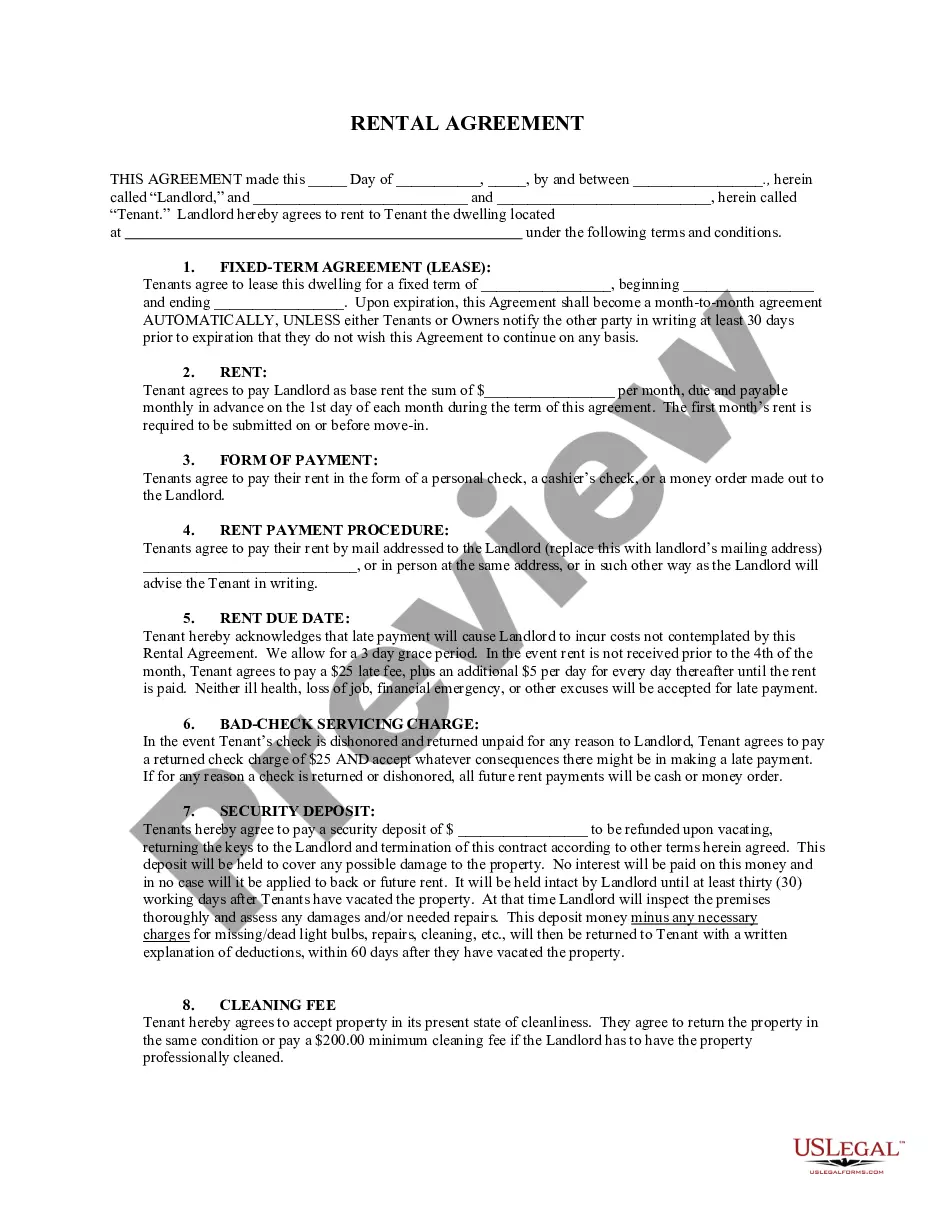
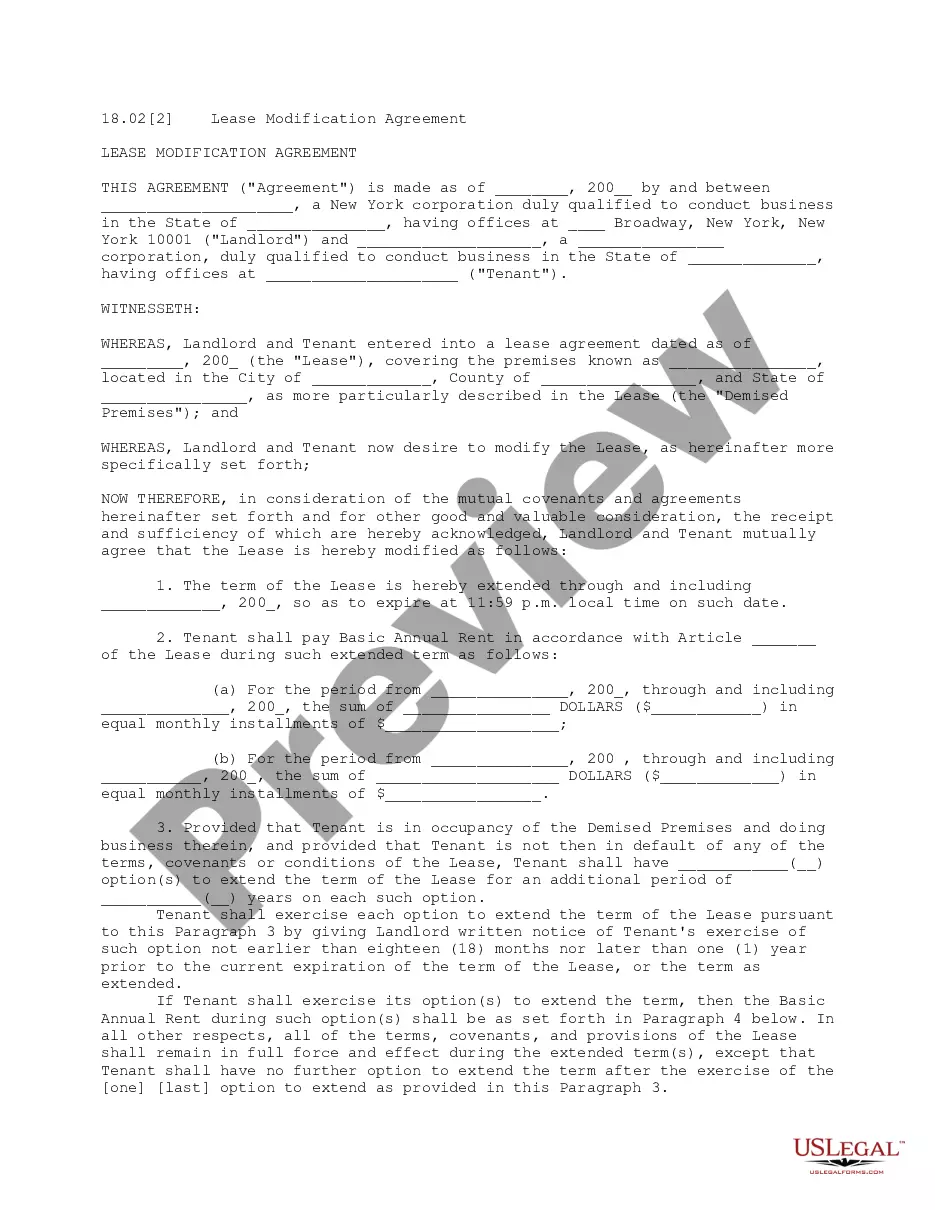
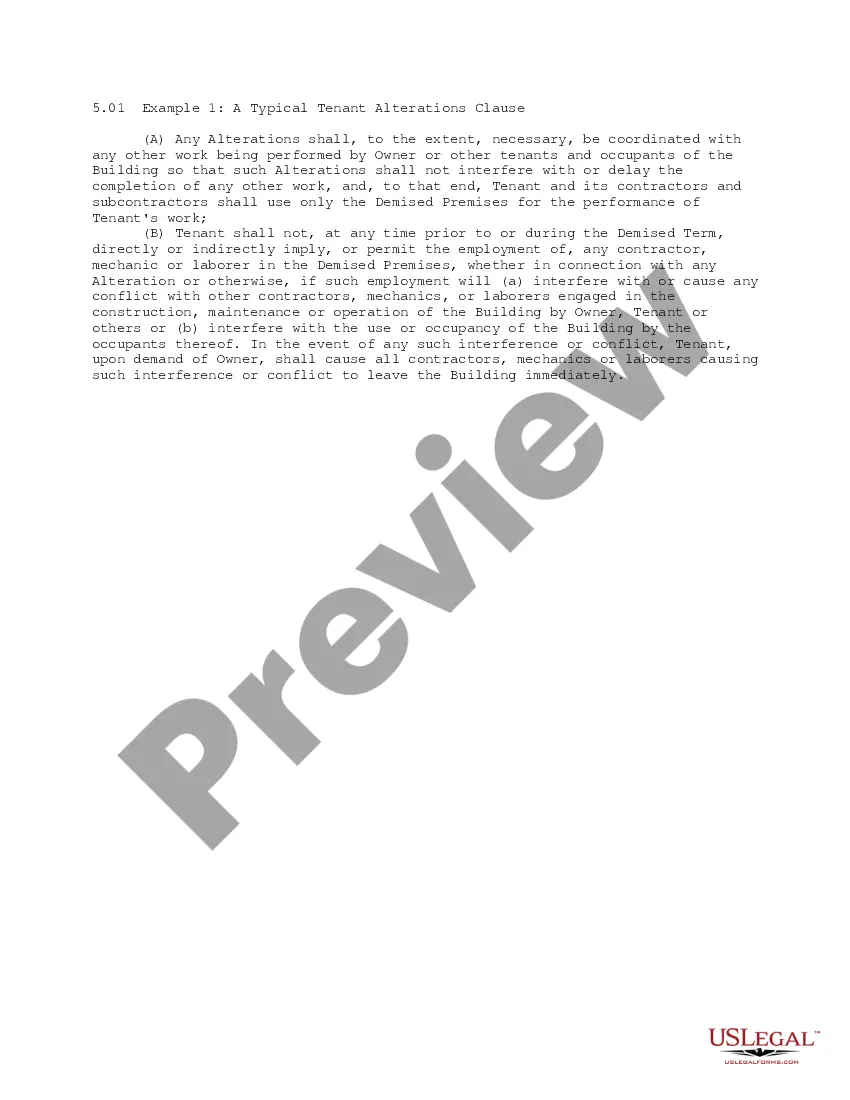
The Landlord Agreement to allow Tenant Alterations to Premises is a legally binding contract between a landlord and a tenant. This form specifically addresses the alterations that a tenant wishes to make to the rented property. The agreement clarifies important aspects such as who pays for the improvements, the ownership of those improvements, and the conditions under which the tenant may remove these alterations upon moving out. This form is essential for avoiding misunderstandings and ensuring transparency between both parties.
What’s included in this form
- Identification of parties: Clearly states the landlord and tenant involved in the agreement.
- Details of alterations: Specifies the type of improvements the tenant is allowed to make.
- Ownership clauses: Outlines whether alterations become the landlord's property or remain with the tenant.
- Cost reimbursement: Details how the landlord will reimburse the tenant for improvement costs.
- Restoration obligations: Defines tenant responsibilities for restoring the premises to their original condition.
- Legal implications: Addresses how disputes related to the agreement will be resolved.
When to use this form
This form is necessary in various situations where a tenant wishes to make changes to a rental unit, such as renovating a kitchen, painting walls, or installing shelves. It should be used when both parties want to ensure that the terms of the alterations are documented to prevent future disputes. Additionally, it's useful for clarifying financial responsibilities related to these improvements.
Who can use this document
- Landlords who want to allow tenants to make alterations to their rental properties.
- Tenants planning to make significant changes to their rented premises, requiring landlord approval.
- Property managers seeking to outline clear agreements on property modifications with tenants.
Steps to complete this form
- Identify the parties: Fill in the names of the landlord and tenant.
- Specify the property: Clearly indicate the rental unit involved in the agreement.
- Detail the alterations: Describe the specific improvements the tenant wishes to make.
- Document costs: Outline which costs will be reimbursed by the landlord and the payment process.
- Include signatures: Ensure both parties sign and date the agreement to make it legally binding.
Notarization guidance
This form does not typically require notarization unless specified by local law. However, having the agreement notarized may provide additional legal protection and verification.
Get your form ready online
Our built-in tools help you complete, sign, share, and store your documents in one place.
Make edits, fill in missing information, and update formatting in US Legal Forms—just like you would in MS Word.
Download a copy, print it, send it by email, or mail it via USPS—whatever works best for your next step.
Sign and collect signatures with our SignNow integration. Send to multiple recipients, set reminders, and more. Go Premium to unlock E-Sign.
If this form requires notarization, complete it online through a secure video call—no need to meet a notary in person or wait for an appointment.
We protect your documents and personal data by following strict security and privacy standards.

Make edits, fill in missing information, and update formatting in US Legal Forms—just like you would in MS Word.

Download a copy, print it, send it by email, or mail it via USPS—whatever works best for your next step.

Sign and collect signatures with our SignNow integration. Send to multiple recipients, set reminders, and more. Go Premium to unlock E-Sign.

If this form requires notarization, complete it online through a secure video call—no need to meet a notary in person or wait for an appointment.

We protect your documents and personal data by following strict security and privacy standards.
Typical mistakes to avoid
- Failing to specify the type of alterations allowed, leading to future disputes.
- Not including clear terms on cost reimbursement can cause financial misunderstandings.
- Omitting signatures makes the agreement unenforceable.
Why use this form online
- Convenient access to the template allows for easy downloading when needed.
- Editable fields enable tailored agreements to fit individual circumstances.
- Reliable legal formatting ensures compliance with standard practices.
Legal use & context
- This agreement provides a legal structure for alterations, helping to protect both landlord and tenant interests.
- Properly executed agreements can prevent legal disputes over property modifications.
- Tenants must adhere to the terms regarding restoration and property ownership to avoid penalties.
Main things to remember
- Clearly outlining tenant alterations in a written agreement helps avoid future disputes.
- Understanding the financial responsibilities related to improvements is crucial for both parties.
- Proper execution and understanding of the agreement protect tenants' rights and landlords' property.
Looking for another form?
Form popularity
FAQ
The 554.613 law in Michigan pertains to the agreements between landlords and tenants regarding alterations to rental properties. Specifically, this law outlines the rights and obligations for both parties when a tenant wishes to make changes to the premises. A Michigan Landlord Agreement to allow Tenant Alterations to Premises is essential to ensure that both parties have clear guidelines and understand their responsibilities. By utilizing platforms like uslegalforms, landlords and tenants can easily create customized agreements that comply with this law.
In Michigan, it is illegal for landlords to retaliate against tenants for exercising their legal rights, such as requesting repairs or alterations. Landlords also cannot unlawfully evict tenants or infringe on their privacy without proper notice. Understanding these legal protections, outlined in the Michigan Landlord Agreement to allow Tenant Alterations to Premises, ensures that you are well-informed about your rights as a tenant.
The alterations and improvements clause in a lease agreement specifies whether tenants can modify the rental premises. Under this clause, tenants must often obtain the landlord's permission before making changes, reinforcing the guidelines set forth in the Michigan Landlord Agreement to allow Tenant Alterations to Premises. This helps maintain property integrity while giving tenants some freedom to personalize their living space.
The 554.134 law in Michigan outlines the rights and responsibilities of landlords and tenants regarding alterations to rental properties. This law requires landlords to consider tenant requests for changes, such as renovations or improvements, under the Michigan Landlord Agreement to allow Tenant Alterations to Premises. Essentially, it promotes collaboration between landlords and tenants, ensuring a fair process for making property modifications.
To add an addendum to a rental agreement, start by drafting the document that clearly states the changes you wish to make. Make sure it aligns with the original Michigan Landlord Agreement to allow Tenant Alterations to Premises. Both you and the landlord should review the addendum and sign it for it to be legally binding. This process helps ensure that all parties understand and agree to the new terms.
Typically, the Michigan Landlord Agreement to allow Tenant Alterations to Premises specifies what alterations tenants can make, such as painting walls or installing shelving. However, it’s crucial to get written approval from the landlord before making any significant changes. Always check the lease for specific guidelines and limitations. Understanding these terms can enhance your living space while ensuring compliance with your lease.
When reviewing a lease agreement, be alert for vague language or unclear terms that could lead to misunderstandings later. Additionally, keep an eye out for clauses that seem overly restrictive or give the landlord excessive control. It’s also important to watch for any additional fees or penalties that are not clearly explained. These issues can complicate your Michigan Landlord Agreement to allow Tenant Alterations to Premises.
If a tenant fails to provide a 30-day notice in Michigan, the landlord may have grounds to initiate eviction proceedings. This can lead to potential legal complications for the tenant, such as loss of their security deposit or additional fees. To avoid misunderstandings, both parties should clearly outline these expectations in a Michigan Landlord Agreement to allow Tenant Alterations to Premises, fostering a smoother rental experience.
In Michigan, the notice period a landlord must provide to a tenant before moving out depends on the lease agreement. Generally, landlords are required to give a 30-day notice for month-to-month agreements. If your landlord provides a Michigan Landlord Agreement to allow Tenant Alterations to Premises, this notice period may remain the same, emphasizing the importance of clear communication in all rental agreements.
MCL 554.134 refers to a specific law in Michigan that governs landlord and tenant relationships, especially regarding alterations on rental properties. This law outlines the rights and responsibilities of both parties when it comes to making changes to the premises. Understanding MCL 554.134 is crucial for creating a Michigan Landlord Agreement to allow Tenant Alterations to Premises, ensuring all modifications comply with legal requirements.