Michigan Quitclaim Deed from an individual to three individuals.
What is this form?
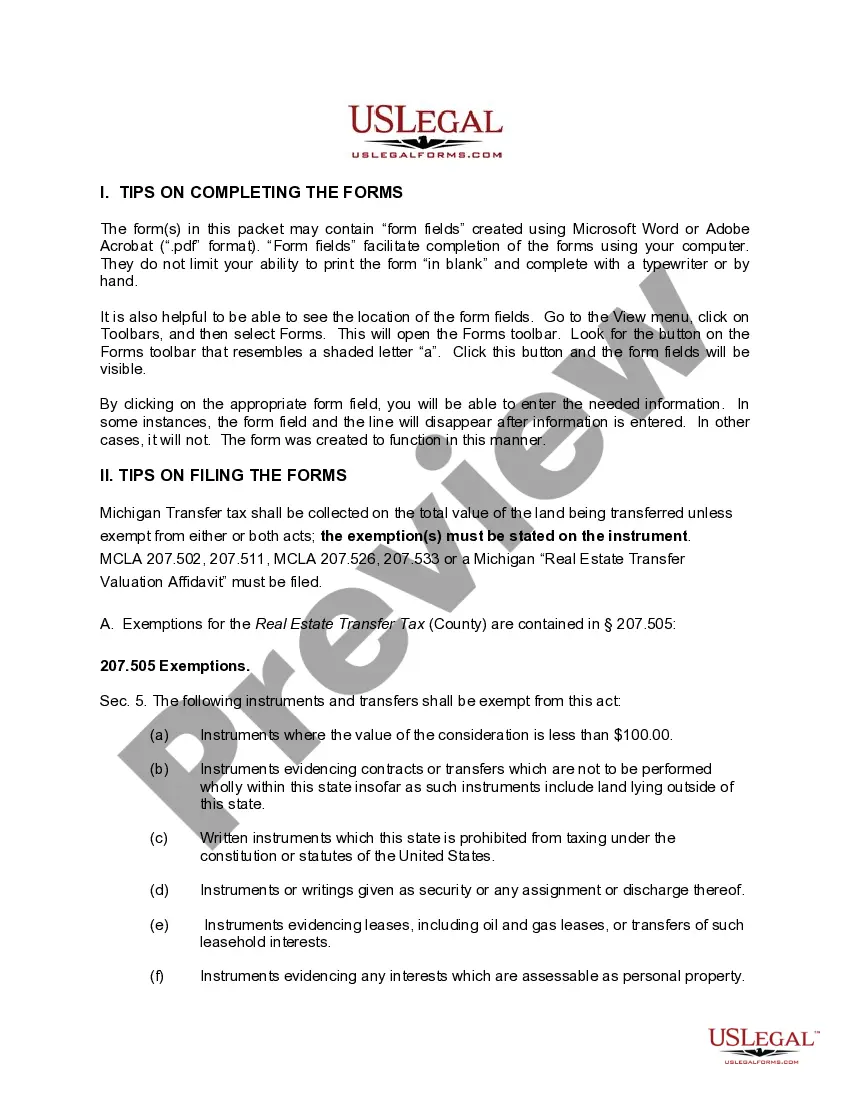
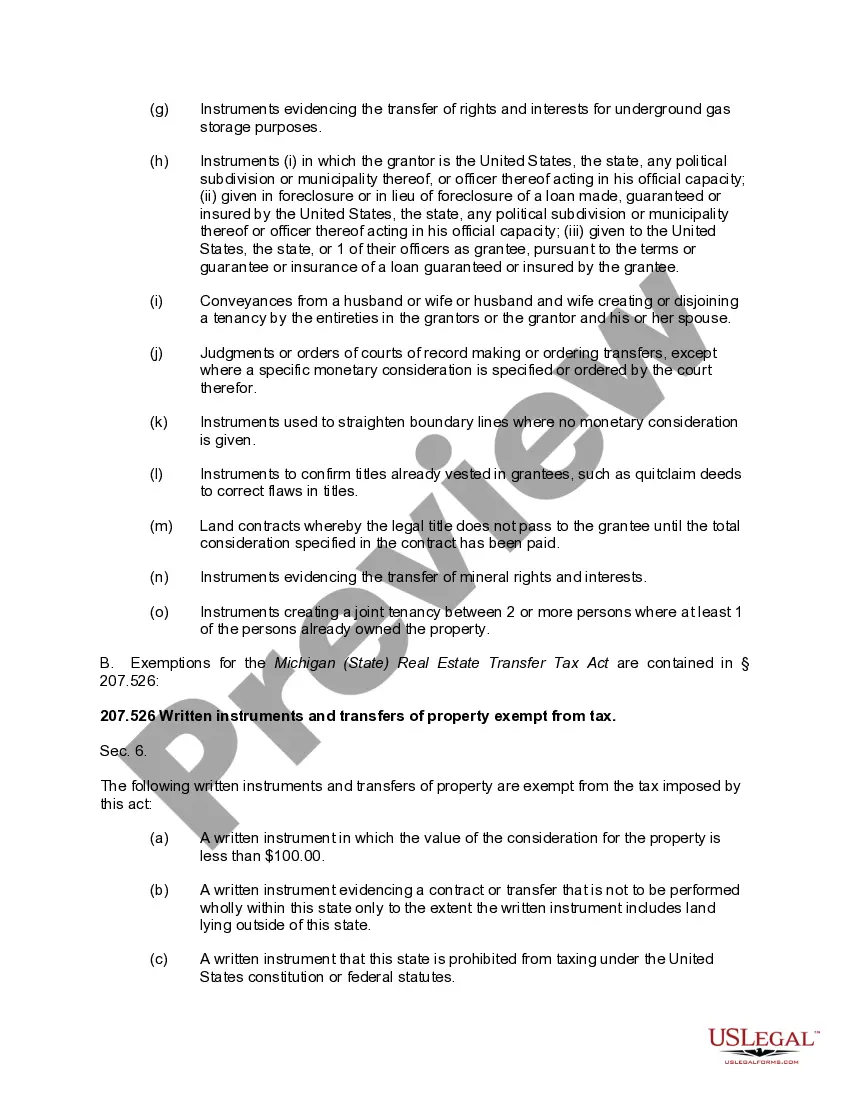
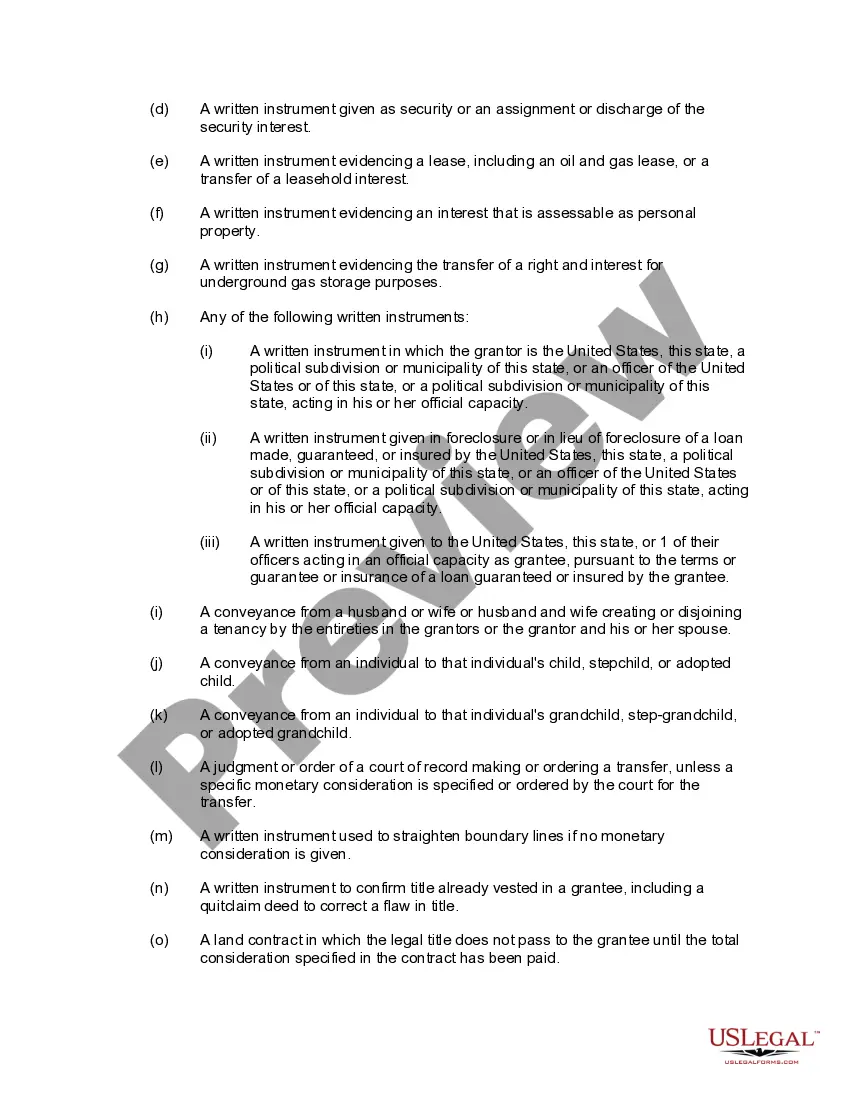
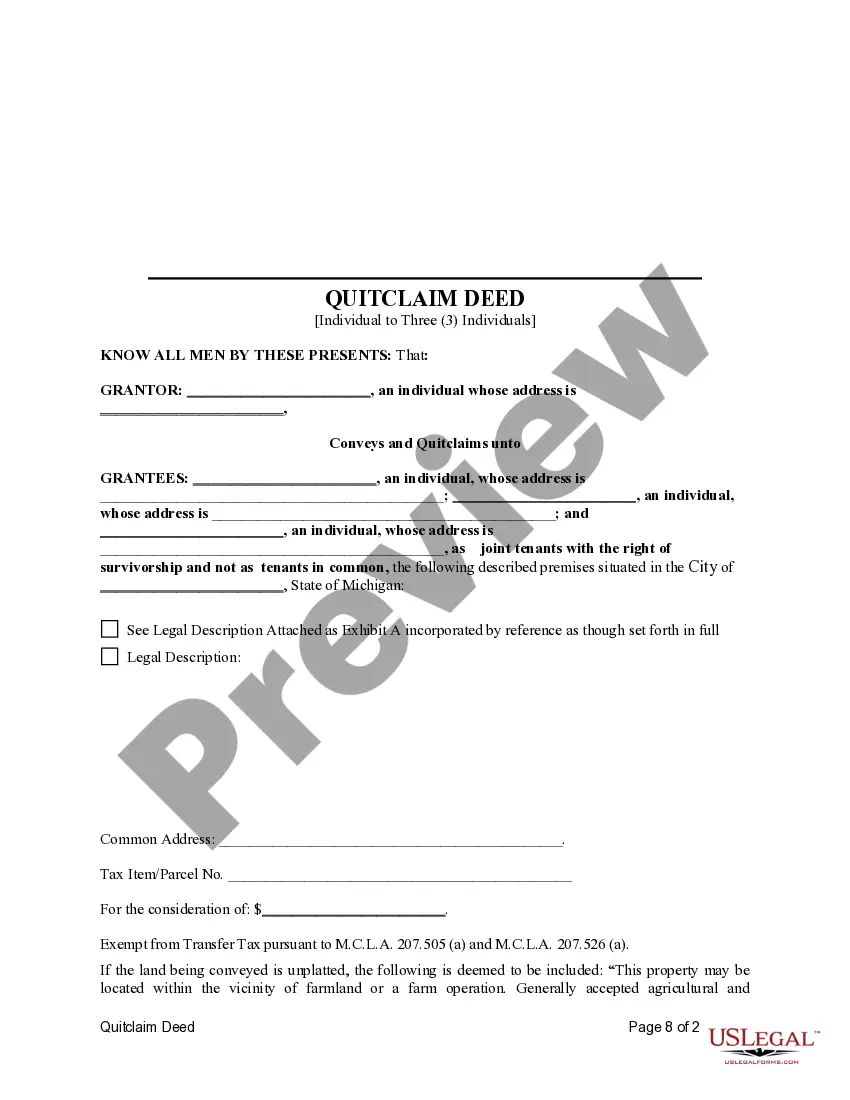
This form is a Quitclaim Deed from an individual (the Grantor) to three individuals (the Grantees). It allows the Grantor to convey their interest in a property to the Grantees without warranty of title. Unlike other types of deeds, such as warranty deeds, a quitclaim deed transfers only the interest the Grantor has at the time of signing, if any. This form is particularly useful in situations where the Grantor may not wish to provide guarantees regarding the property's title.
Key parts of this document
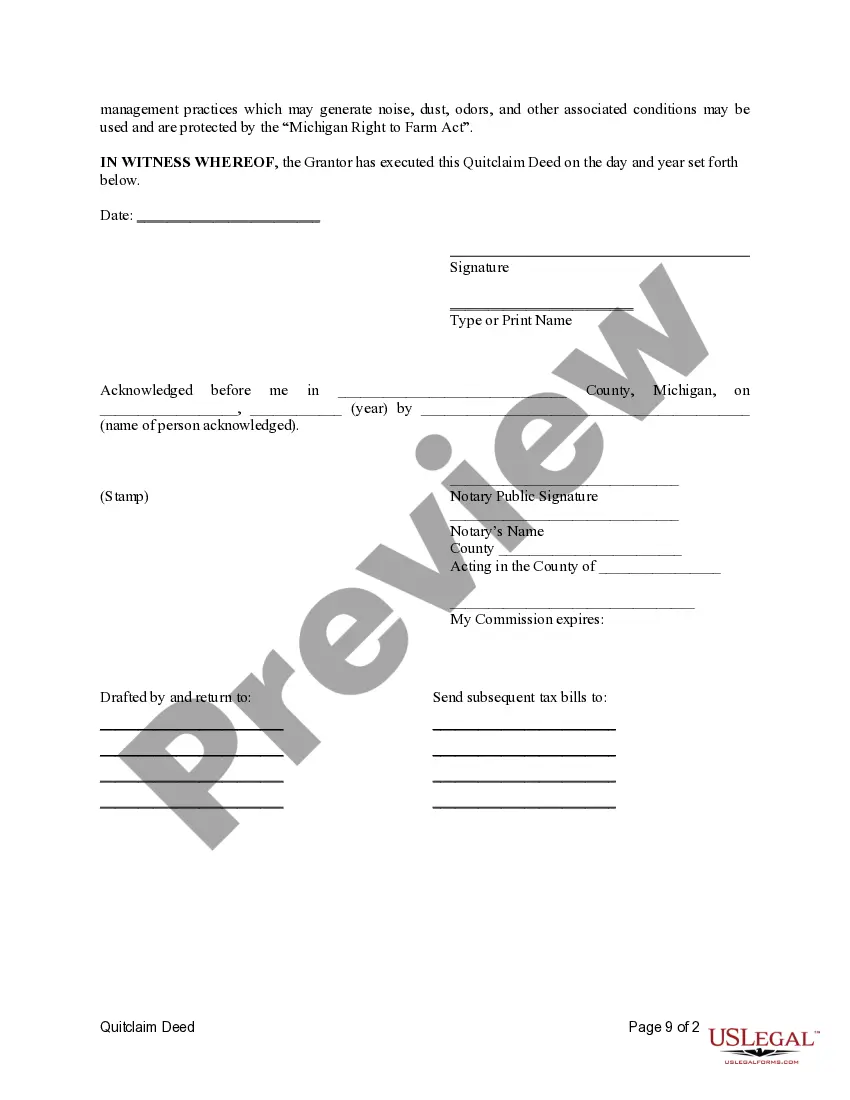
- Recognition of parties: Includes full names and addresses of both Grantor and Grantees.
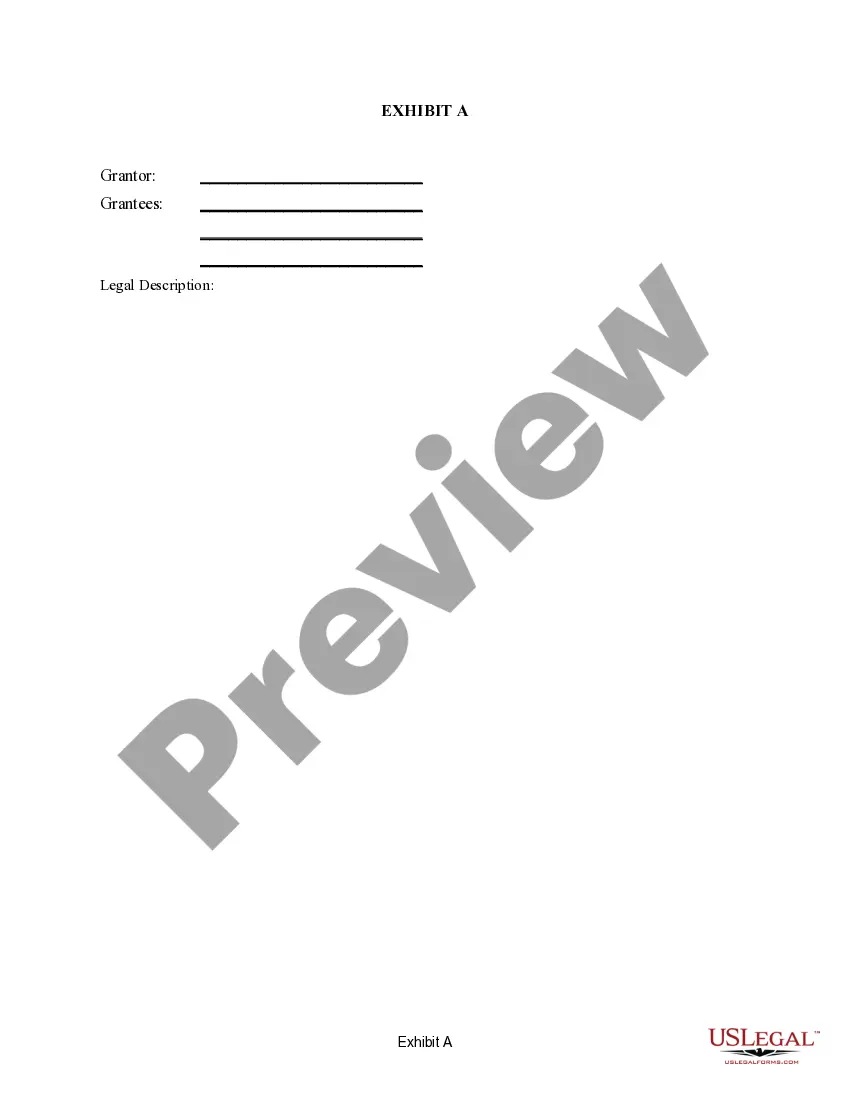
- Property description: Clearly outlines the property being transferred.
- Consideration clause: Indicates what, if anything, was given in exchange for the property.
- Signature line: Required for the Grantor to sign the deed for it to be valid.
- Date of execution: Specifies when the deed was executed.



Common use cases
This Quitclaim Deed should be used when an individual wishes to transfer their property interest to three other individuals. Common scenarios include transferring property to family members, correcting title issues, or among co-owners. It is particularly relevant in informal arrangements where the parties know each other well and trust one another, such as gifts or family transfers.
Who should use this form
- Individuals looking to transfer property to multiple parties.
- Family members transferring property as a gift.
- Co-owners seeking to clarify ownership interests.
- Anyone needing to address title issues or informal ownership arrangements.
How to complete this form
- Identify the parties: Provide the names and addresses of the Grantor and all Grantees.
- Specify the property: Accurately describe the property being transferred, including address and legal description.
- Enter the consideration: If there is a monetary amount involved, state it clearly; if not, indicate that it is a gift or nominal.
- Sign and date the form: The Grantor must sign the deed in the designated area, and the date of signing must be recorded.
- Record the deed: After completion, file the quitclaim deed with the appropriate local government office to make the transfer public.
Does this form need to be notarized?
To make this form legally binding, it must be notarized. Our online notarization service, powered by Notarize, lets you verify and sign documents remotely through an encrypted video session.
Get your form ready online
Our built-in tools help you complete, sign, share, and store your documents in one place.
Make edits, fill in missing information, and update formatting in US Legal Forms—just like you would in MS Word.
Download a copy, print it, send it by email, or mail it via USPS—whatever works best for your next step.
Sign and collect signatures with our SignNow integration. Send to multiple recipients, set reminders, and more. Go Premium to unlock E-Sign.
If this form requires notarization, complete it online through a secure video call—no need to meet a notary in person or wait for an appointment.
We protect your documents and personal data by following strict security and privacy standards.

Make edits, fill in missing information, and update formatting in US Legal Forms—just like you would in MS Word.

Download a copy, print it, send it by email, or mail it via USPS—whatever works best for your next step.

Sign and collect signatures with our SignNow integration. Send to multiple recipients, set reminders, and more. Go Premium to unlock E-Sign.

If this form requires notarization, complete it online through a secure video call—no need to meet a notary in person or wait for an appointment.

We protect your documents and personal data by following strict security and privacy standards.
Common mistakes to avoid
- Failing to accurately describe the property being transferred.
- Not including all names of the Grantees.
- Omitting the date of execution or Grantor's signature.
- Not addressing or stating the consideration given for the property.
- Neglecting to record the deed with local authorities after completion.
Benefits of completing this form online
- Convenience of completing the form digitally from anywhere.
- Editability allows you to make changes before finalizing the document.
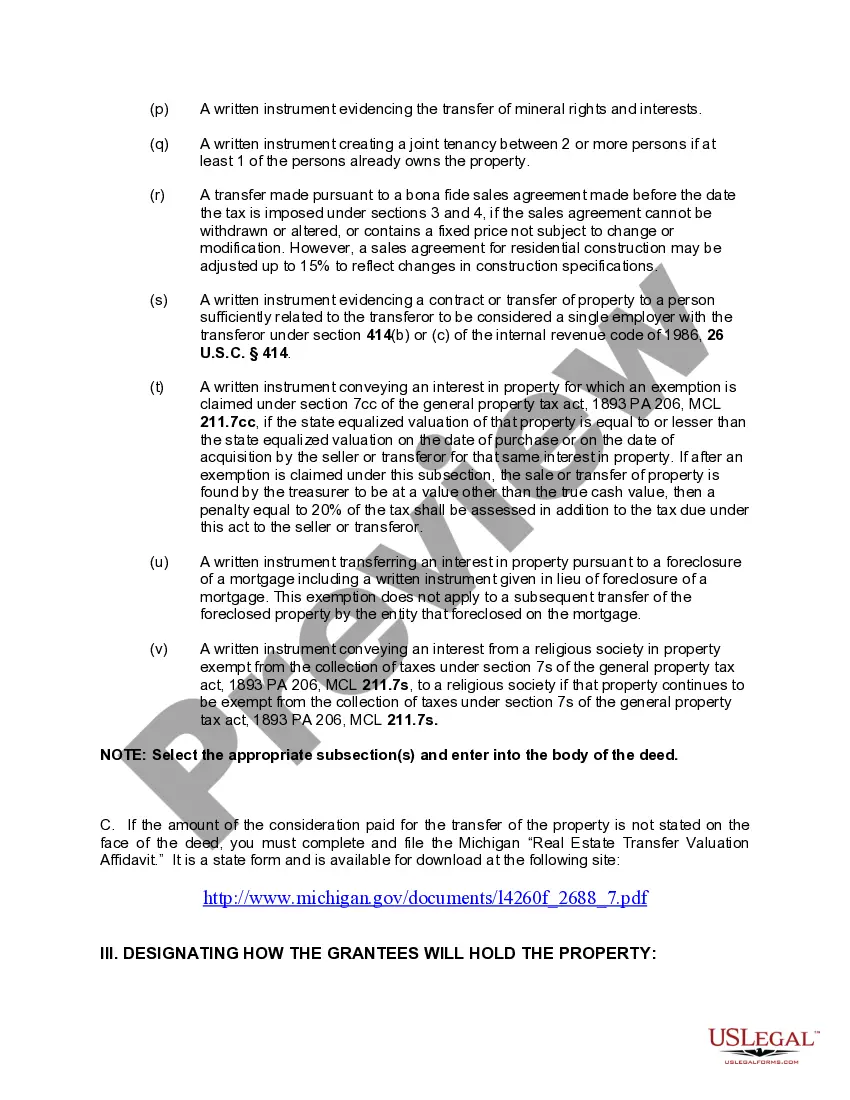
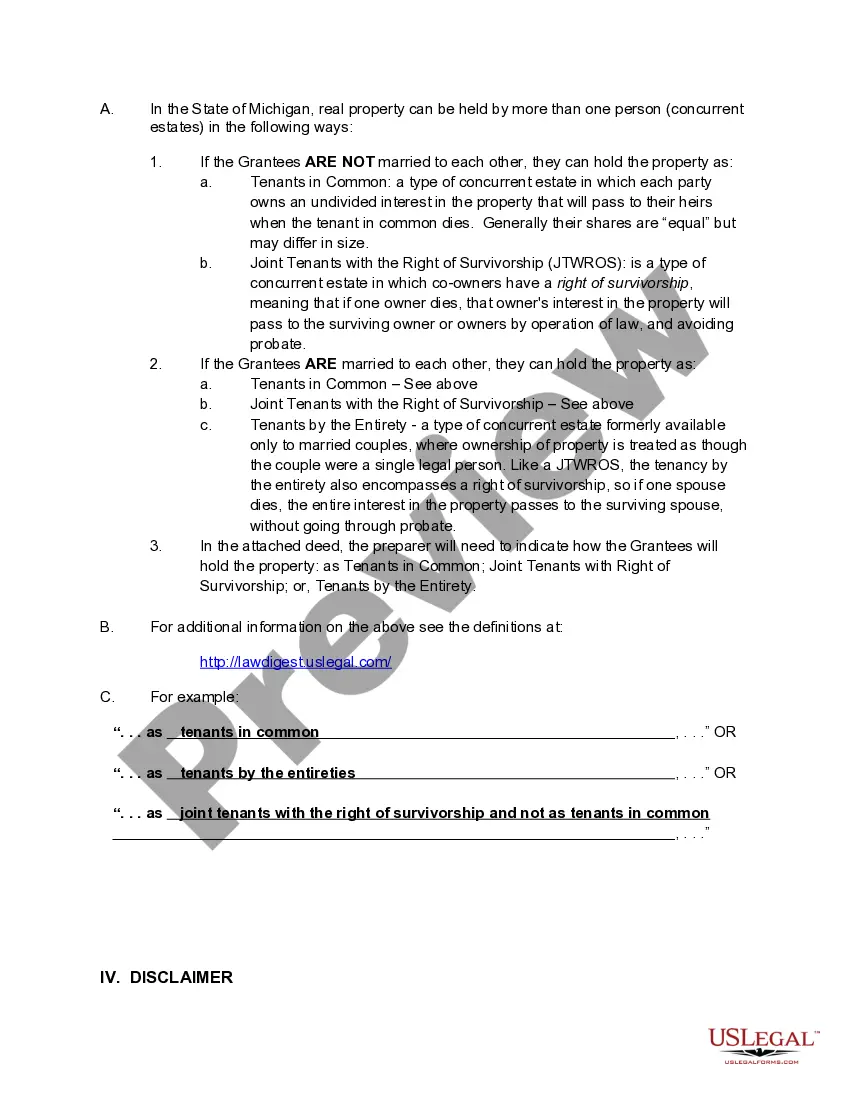
- Access to templates that are compliant with state laws and regulations.
- Quick download options ensure immediate availability.
Legal use & context
- Provides a clear legal document for property transfers between individuals.
- Helps in rectifying ownership and title issues.
- Enforceable in court, assuming all state requirements are met.
- Not a substitute for a warranty deed, which offers more protection for the Grantees.
Main things to remember
- This Quitclaim Deed facilitates the transfer of property from an individual to three individuals without warranties.
- It's vital to accurately complete and record the deed to avoid potential legal issues.
- The document is commonly used for informal property transfers, particularly among family members.
- Consulting with a legal expert can provide additional clarity on the implications of using this form.
Looking for another form?

Form popularity
FAQ
While a Michigan Quitclaim Deed from an individual to three individuals offers simple transfer, it has some disadvantages. This deed provides no warranty on the title, so recipients may inherit hidden liens or debts. Additionally, it lacks the same level of protection that a warranty deed provides, potentially leading to disputes between individuals if ownership is challenged. Consider these factors carefully before proceeding.
Retrieve your original deed. Get the appropriate deed form. Draft the deed. Sign the deed before a notary. Record the deed with the county recorder. Obtain the new original deed.
Step 1: Download the MI quitclaim deed form. Step 2: Add the name and address of the preparer under Prepared By on the first line of the document. Step 3: Add the return address under After Recording Return To. This is typically the name and address of the grantee, but it could be a different party.
Write the Deed Fill out the quit claim deed form, which can be obtained online, or write your own using the form as a guide. The person giving up the interest in the property is the grantor, and the person receiving the interest is the grantee.
In Michigan, a quit claim deed must be signed by a witness, in addition to the notary, to make it legal.After all required signatures are collected and notarized, file the document with your local register of deeds to complete the transaction.
The Quit Claim Deed form uses the terms of Grantor (Seller or Owner of said property) and Grantee (Buyer of said property) for the two parties involved. First, the parties must fill in the date. Then, write in the name of the county and state in which the property is located.
A Michigan quitclaim deed form provides no warranty of title. That means that the new owner has no legal right to sue the prior owner if there is a problem with the title to the property. The new owner simply takes whatever title that the prior owner has.
Michigan laws allow an individual to add another person to their property deed through the use of a quitclaim deed. A quitclaim deed is used when a property owner wants to transfer ownership and all rights to a property to another individual or group of individuals.
It's usually a very straightforward transaction, but it's possible for a quitclaim deed to be challenged. If a quitclaim deed is challenged in court, the issue becomes whether the property was legally transferred and if the grantor had the legal right to transfer the property.