Maine Personal Appearance
Description
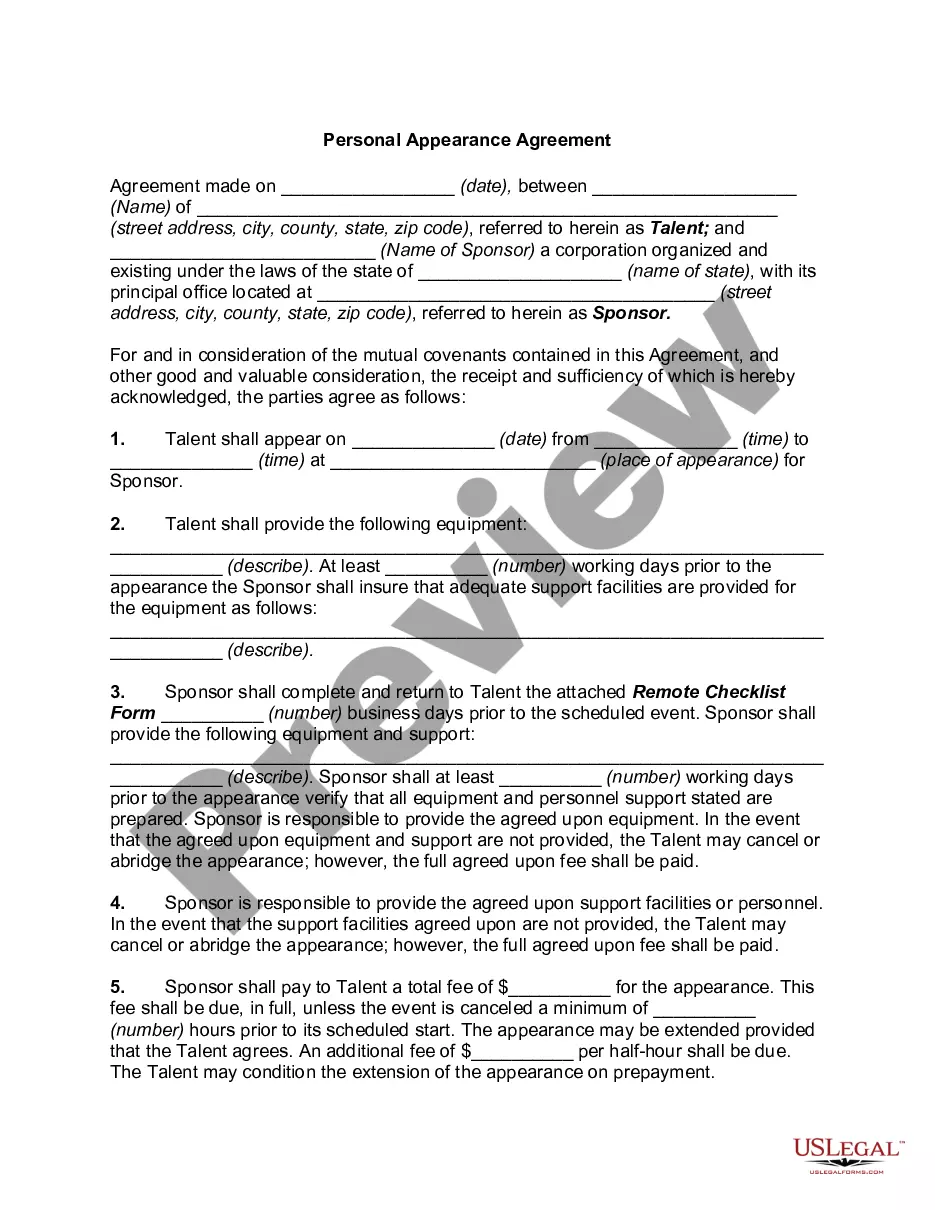
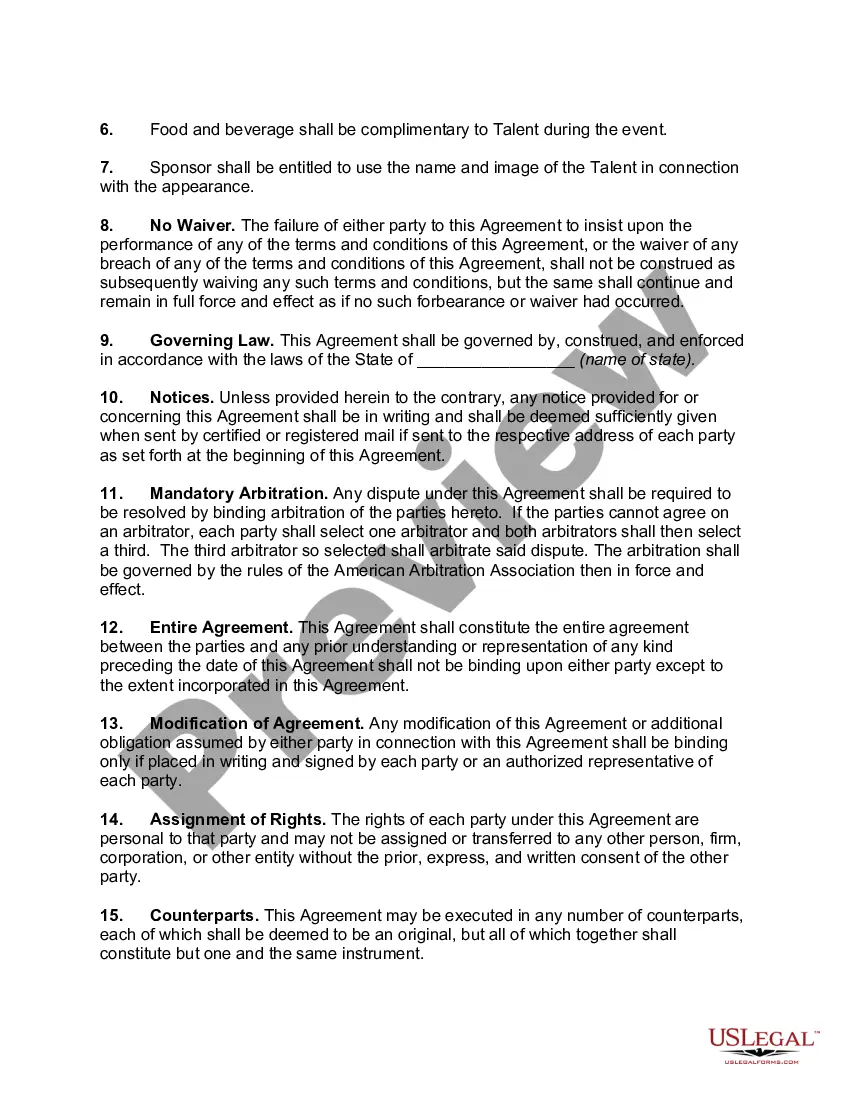
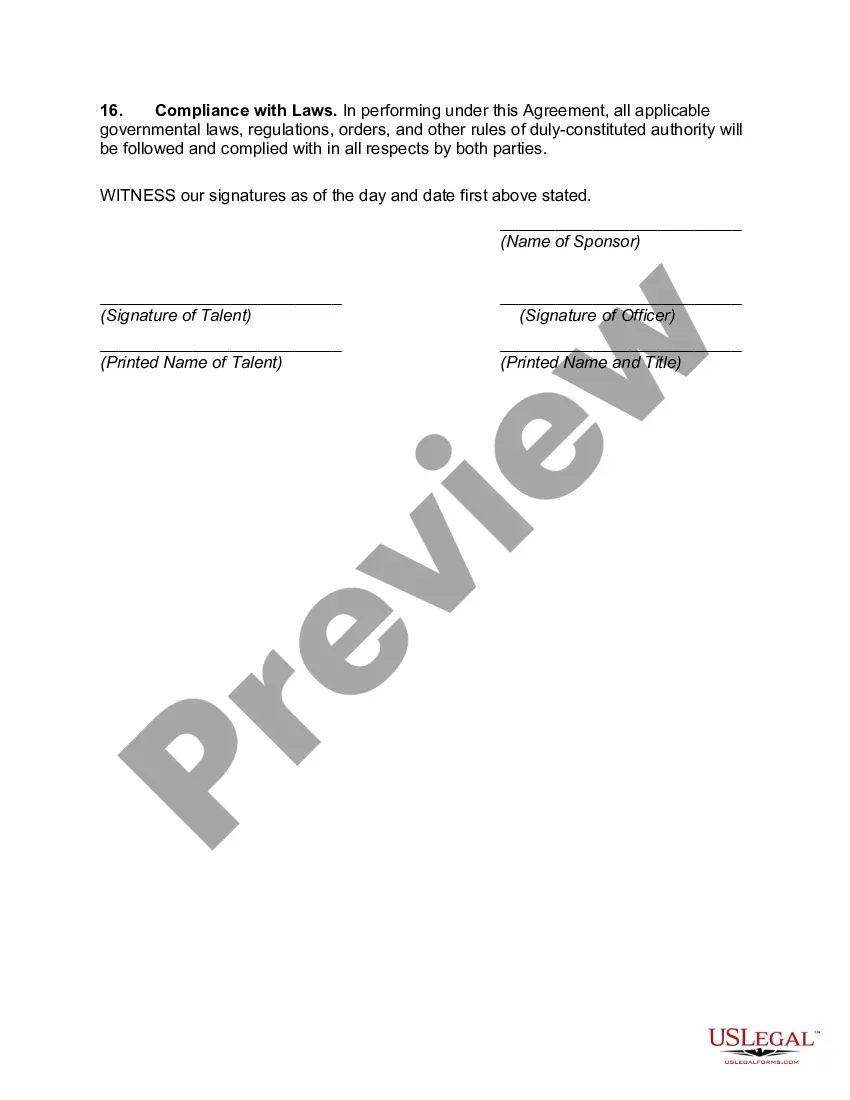
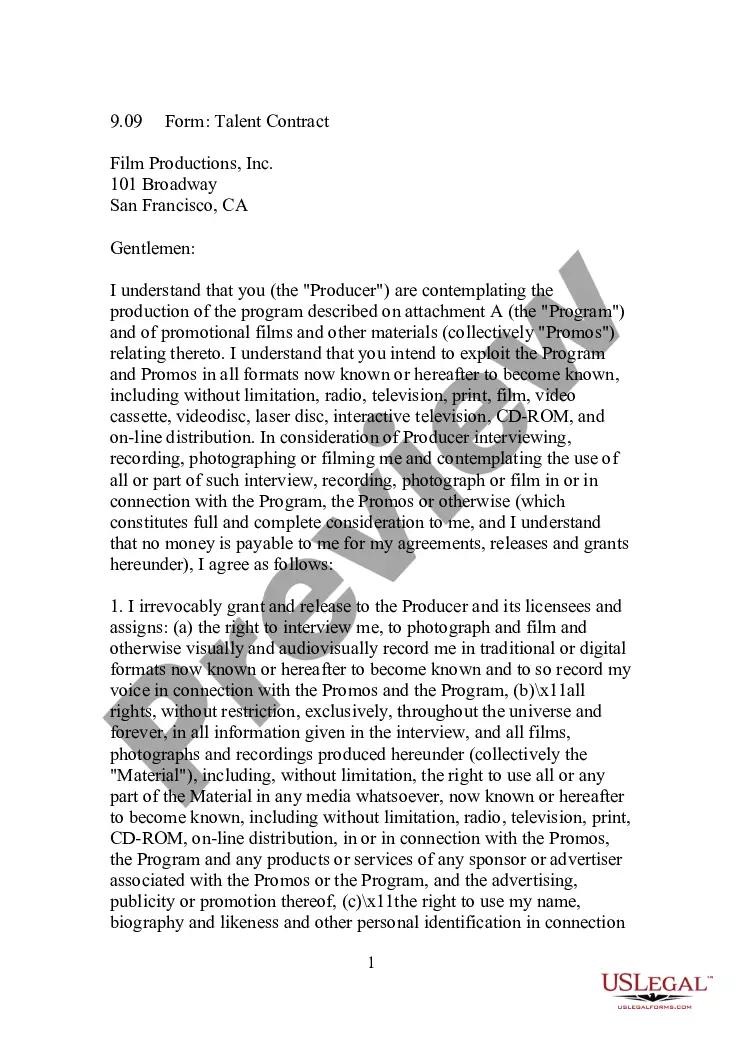
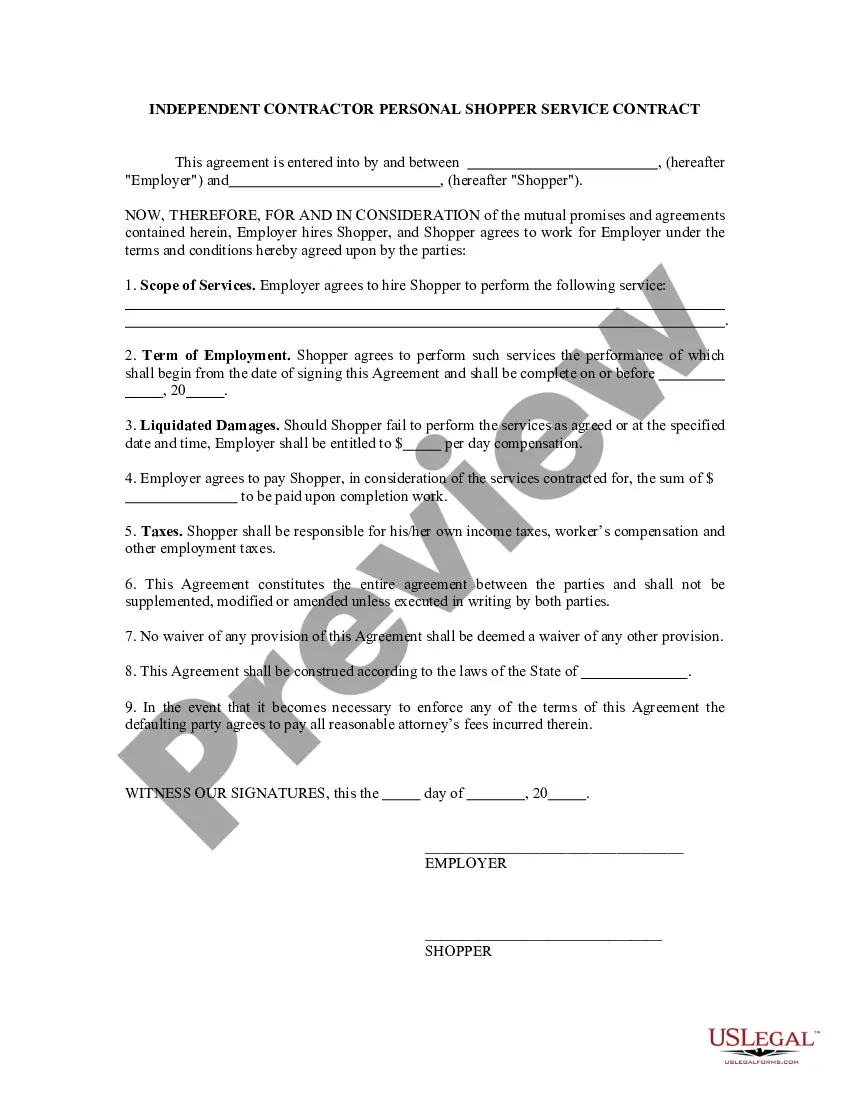
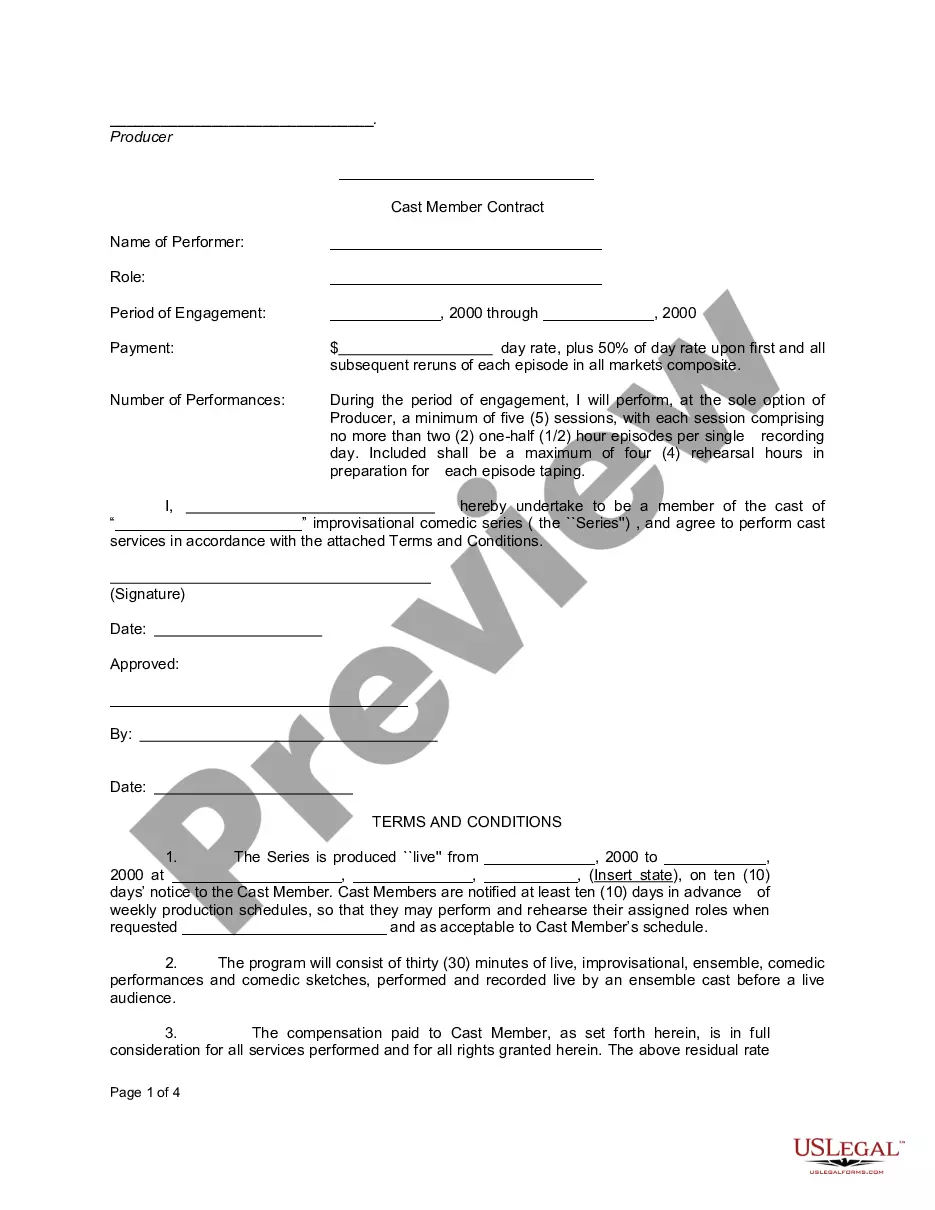
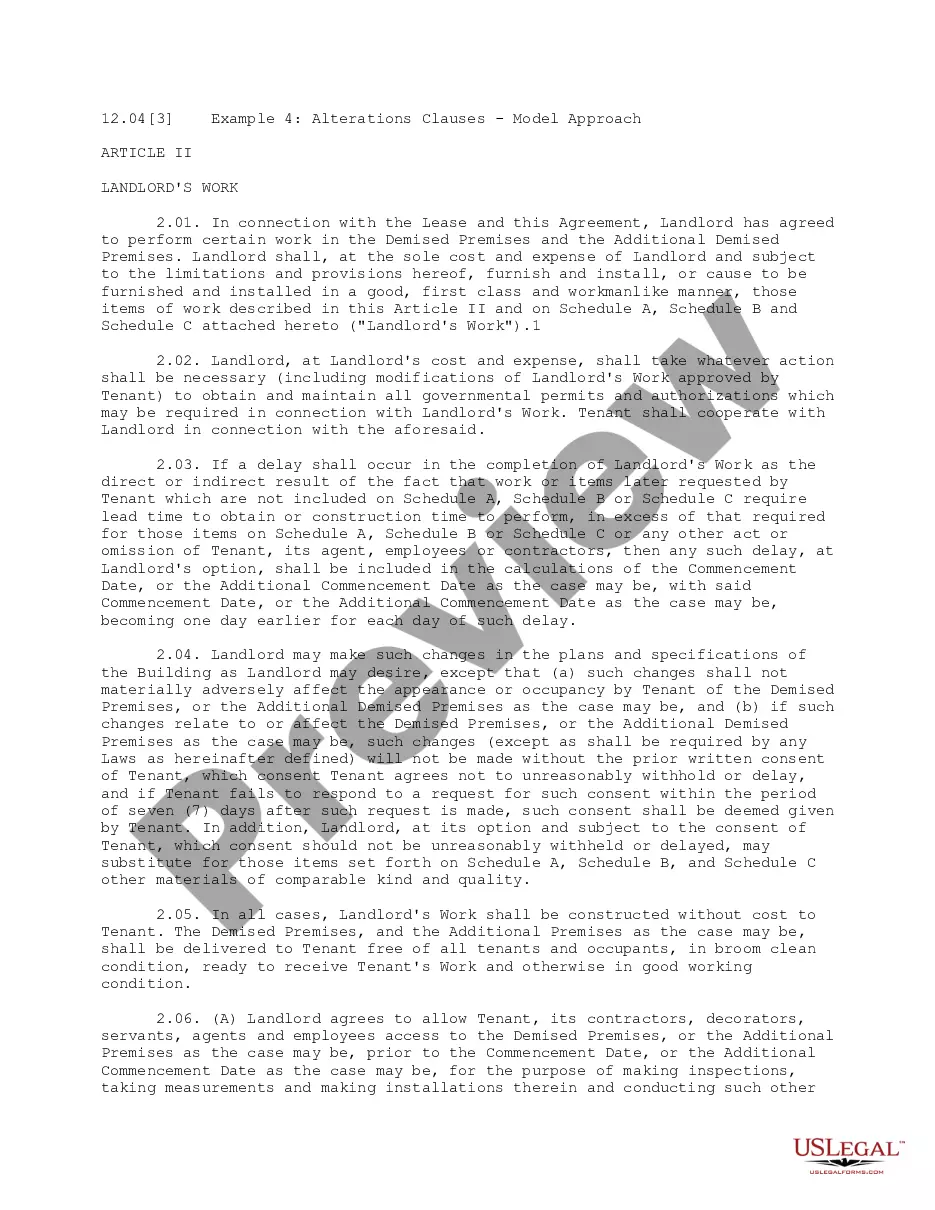

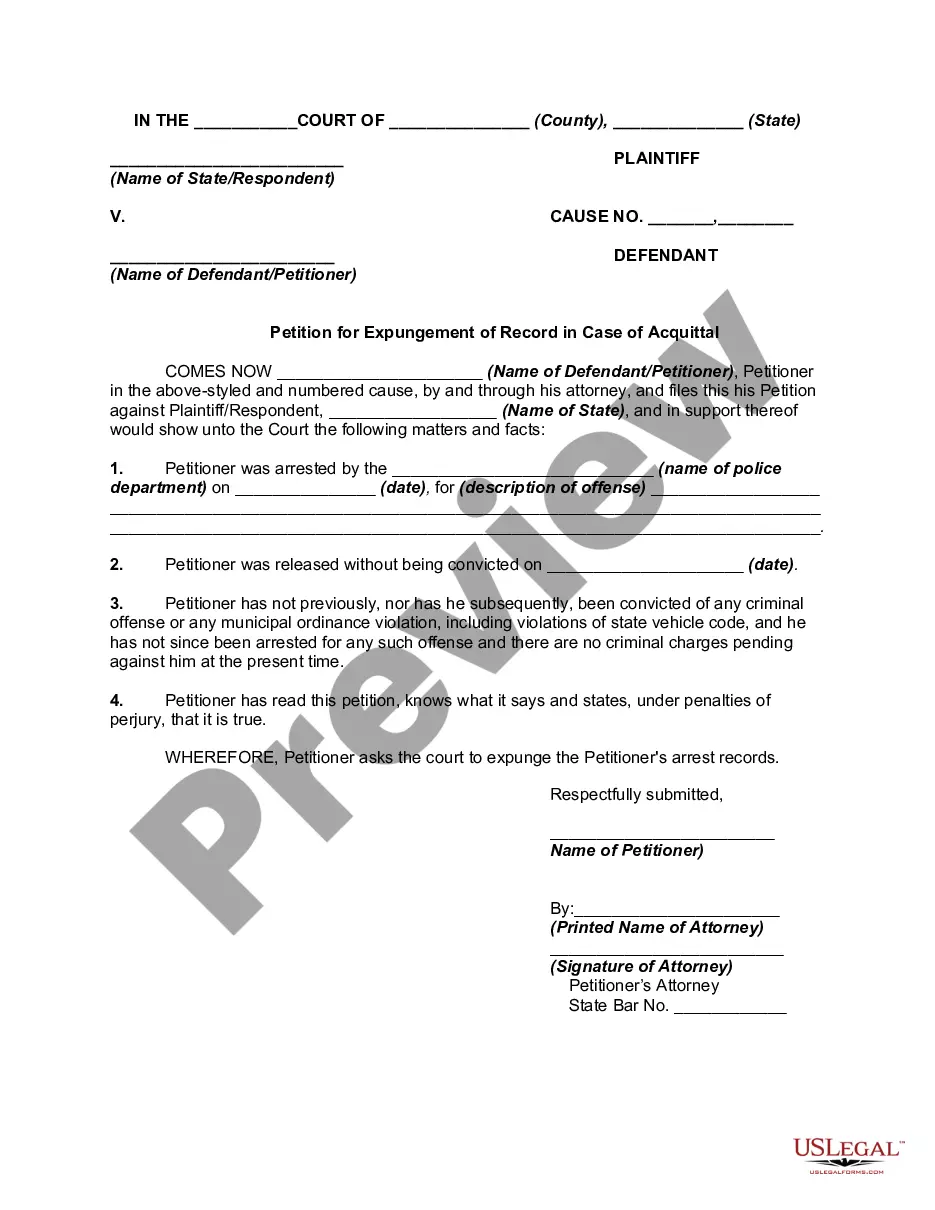
How to fill out Personal Appearance?
If you wish to finish, acquire, or create legal document templates, utilize US Legal Forms, the premier repository of legal documents, accessible online.
Employ the website's straightforward and user-friendly search to find the documents you need.
Various templates for business and personal purposes are organized by categories and states, or search terms. Use US Legal Forms to locate the Maine Personal Appearance with just a few clicks.
Every legal document template you purchase belongs to you indefinitely. You have access to every form you downloaded within your account. Click on the My documents section and select a form to print or download again.
Be proactive and download, and print the Maine Personal Appearance with US Legal Forms. There are numerous professional and state-specific templates you can utilize for your business or personal needs.
- If you are already a US Legal Forms user, Log In to your account and click the Download button to find the Maine Personal Appearance.
- You can also access forms you previously downloaded in the My documents section of your account.
- If you are using US Legal Forms for the first time, follow the instructions below.
- Step 1. Ensure you have selected the form for the correct city/state.
- Step 2. Use the Review option to examine the form's content. Make sure to read the details.
- Step 3. If you are not satisfied with the form, utilize the Search field at the top of the screen to find other versions of the legal form template.
- Step 4. Once you have located the form you need, click the Acquire now button. Choose your preferred pricing plan and enter your credentials to register for an account.
- Step 5. Complete the transaction. You can use your Visa, Mastercard, or PayPal account to finalize the payment.
- Step 6. Select the format of the legal form and download it to your device.
- Step 7. Complete, modify, and print or sign the Maine Personal Appearance.
Form popularity
FAQ
Yes, Maine does impose a personal property tax on certain assets. This tax applies specifically to businesses and may cover equipment, machinery, and other materials. Understanding how personal property tax works in Maine is essential for business owners to ensure compliance and proper tax reporting. Utilizing resources like uslegalforms can simplify your tax management process in regard to personal property.
Personal property falls into two main categories: tangible and intangible. Tangible personal property includes items you can physically touch, like cars or jewelry, while intangible property includes rights or interests, such as stocks or patents. Understanding these categories can help you better navigate legal and financial landscapes. Staying informed about personal property classifications can empower you in managing your assets effectively.
Maine's personal property laws govern the ownership, valuation, and taxation of movable assets. These laws ensure clarity regarding what qualifies as personal property and outline the owner's responsibilities. If you are unsure about specific aspects of personal property law, consider consulting resources from uslegalforms, where you can find practical legal documents aligned with Maine's regulations.
In Maine, the legal age of adulthood is 18 years. At this age, individuals gain various rights and responsibilities, including signing contracts and making independent decisions. Understanding this age threshold is vital for various legal processes, including those related to personal appearance regulations. Stay informed about these changes as you reach this critical milestone in life.
Personal property in Maine refers to movable assets owned by an individual or business. This includes items like furniture, vehicles, and equipment, which are not affixed to land or buildings. Differentiating personal property from real estate is crucial in various financial and legal contexts. Understanding these definitions can greatly help you manage your assets effectively.
In Maine, individuals may qualify for property tax exemptions at the age of 65. This exemption can significantly reduce financial obligations for seniors. It is essential to check local regulations, as each municipality may have specific requirements. Always stay informed to maximize your benefits related to property matters.
Remote online notarization is legal in many states across the U.S., but it is important to review individual state laws, as each state has unique regulations regarding the process. These laws often define how and when a notary can conduct remote meetings. While Maine does not embrace this practice broadly, states like Florida, Texas, and Virginia have implemented it more comprehensively. For detailed information about notary laws in various states, you can rely on resources available through USLegalForms.
Currently, Maine does not widely allow remote online notarization but does provide some exceptions for specific types of documents. For most transactions, the Maine Personal Appearance rule is still in effect, requiring individuals to meet with a notary face-to-face. It is essential to check for any updates or changes in legislation to understand what options are available. For questions about notarization, USLegalForms can offer clarity and support.
To notarize a document in Maine, a notary must require the signer to provide valid identification, as previously stated in the Maine Personal Appearance guidelines. The notary must also be present during the signing of the document to confirm that the individual is willingly entering into the agreement. Additionally, the notary must complete a notarial certificate and sign it to affirm that the process has been executed correctly. This ensures that all legal requirements are met.
Maine primarily relies on in-person notarization, adhering to the Maine Personal Appearance standard. However, the state does recognize some forms of online notarization under specific conditions. It's crucial to consult local laws and guidelines to verify what is permissible. If you need assistance navigating these regulations, consider using USLegalForms, which offers resources and guidance on notarization practices.