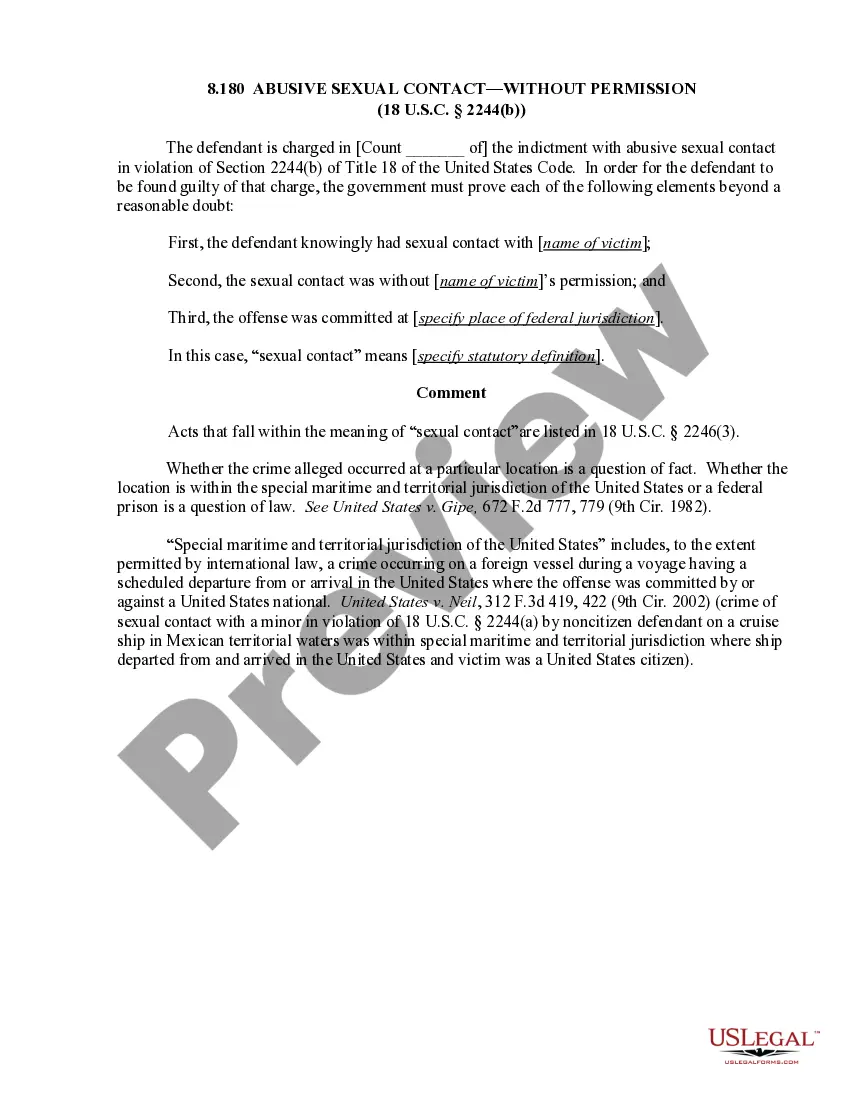
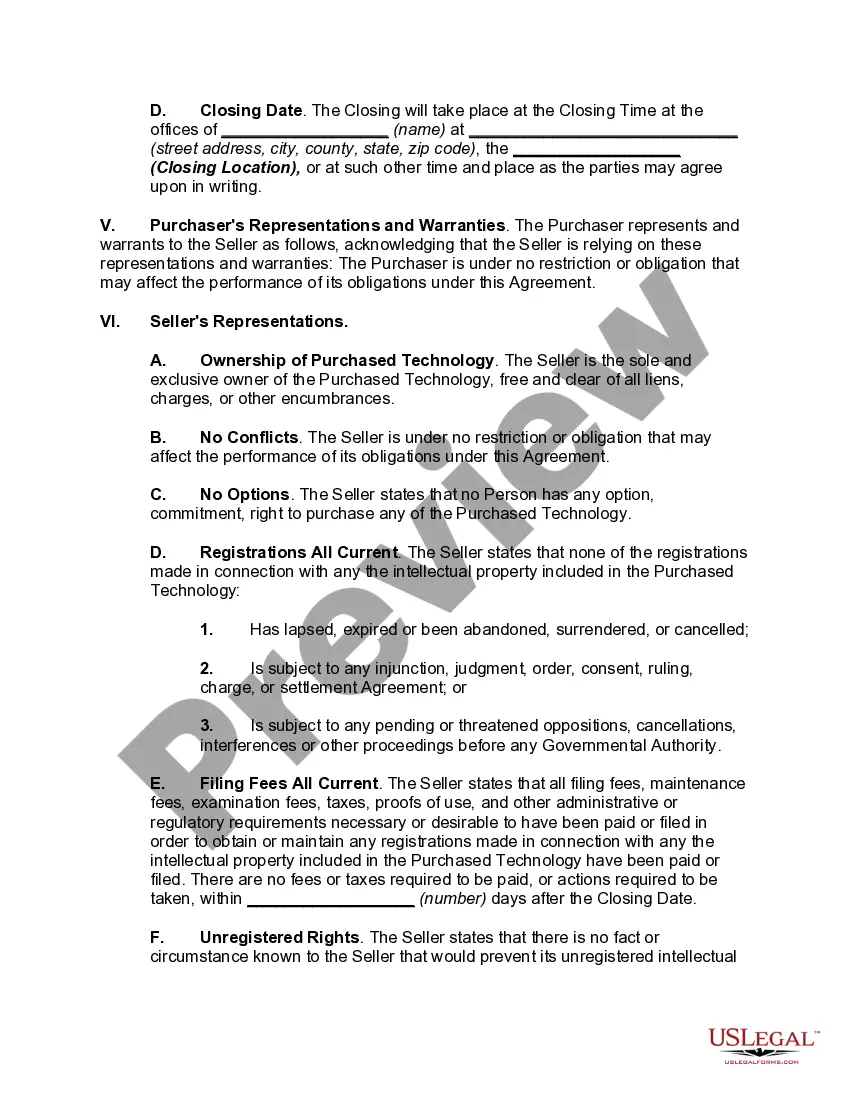
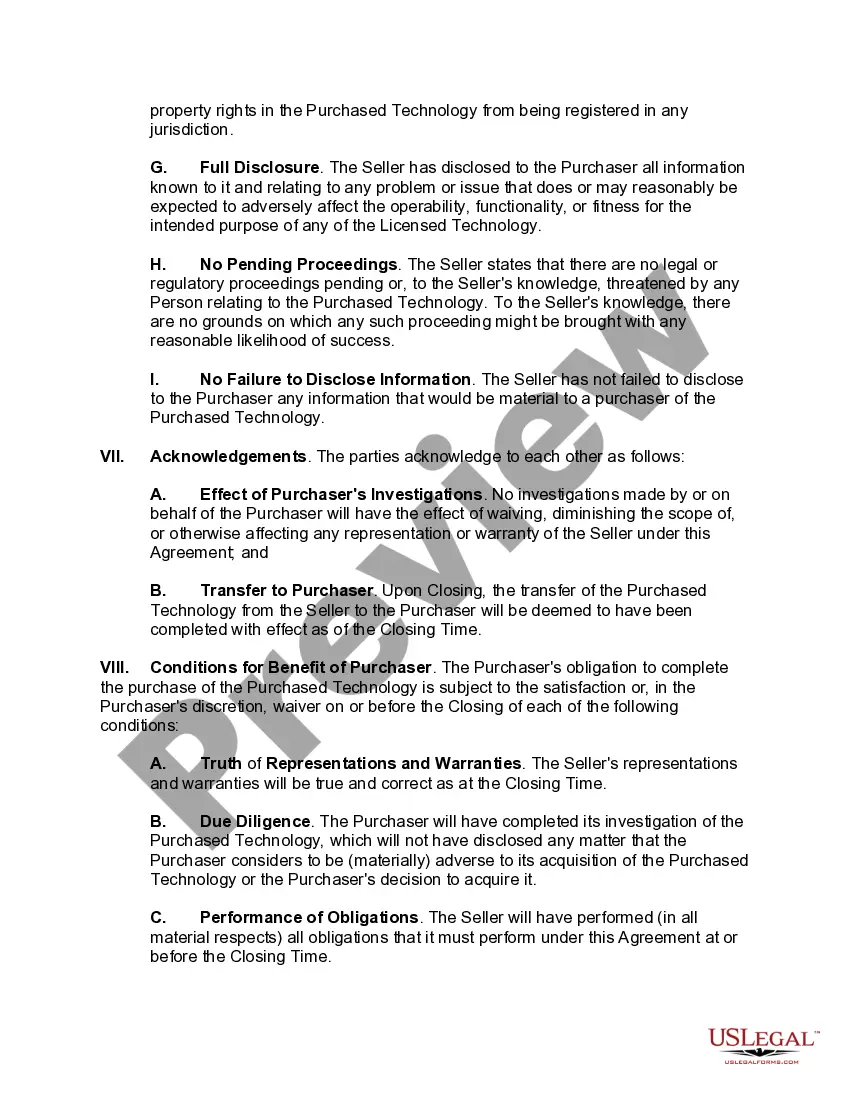
Maine Technology Transfer Agreement
Description
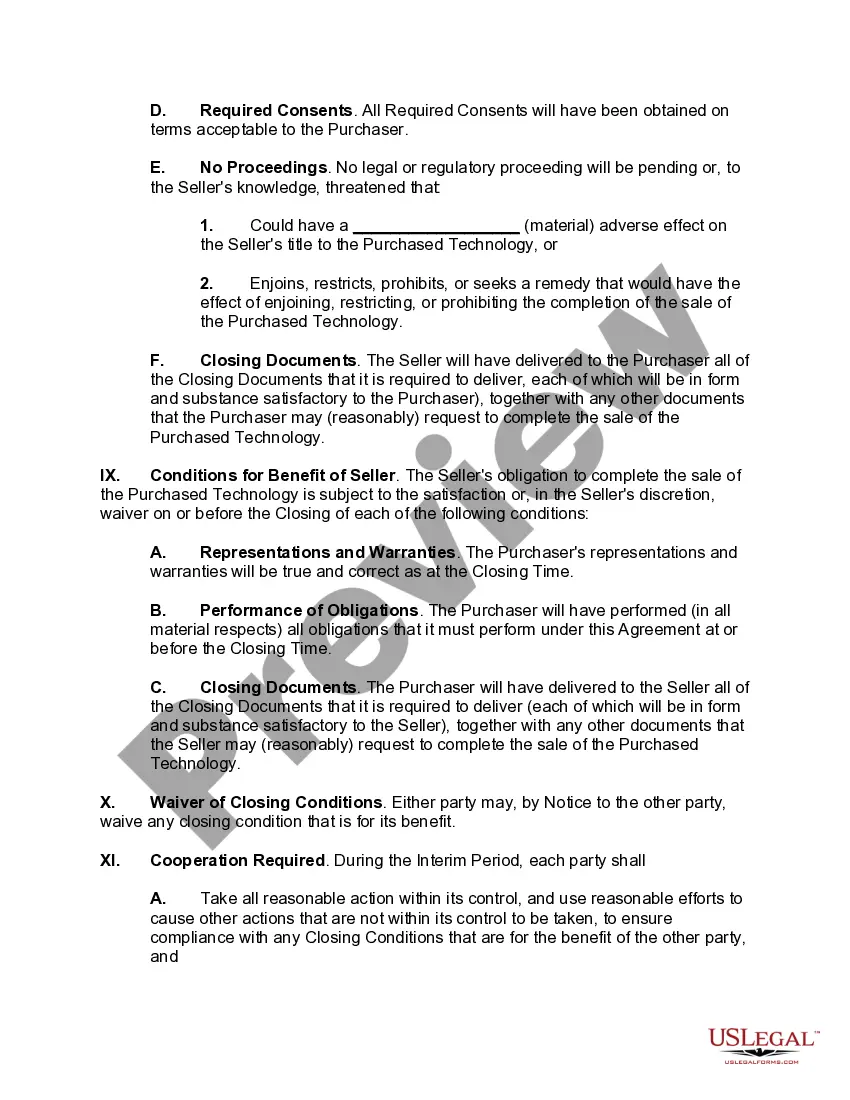
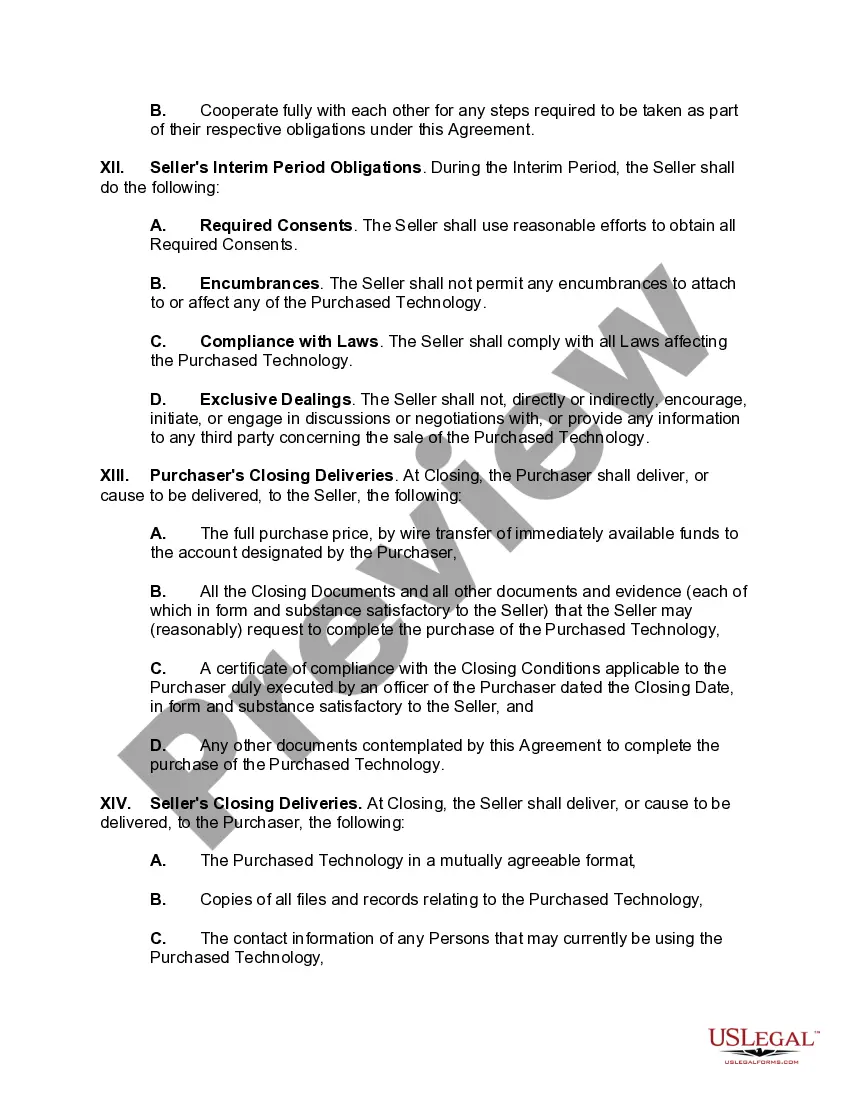
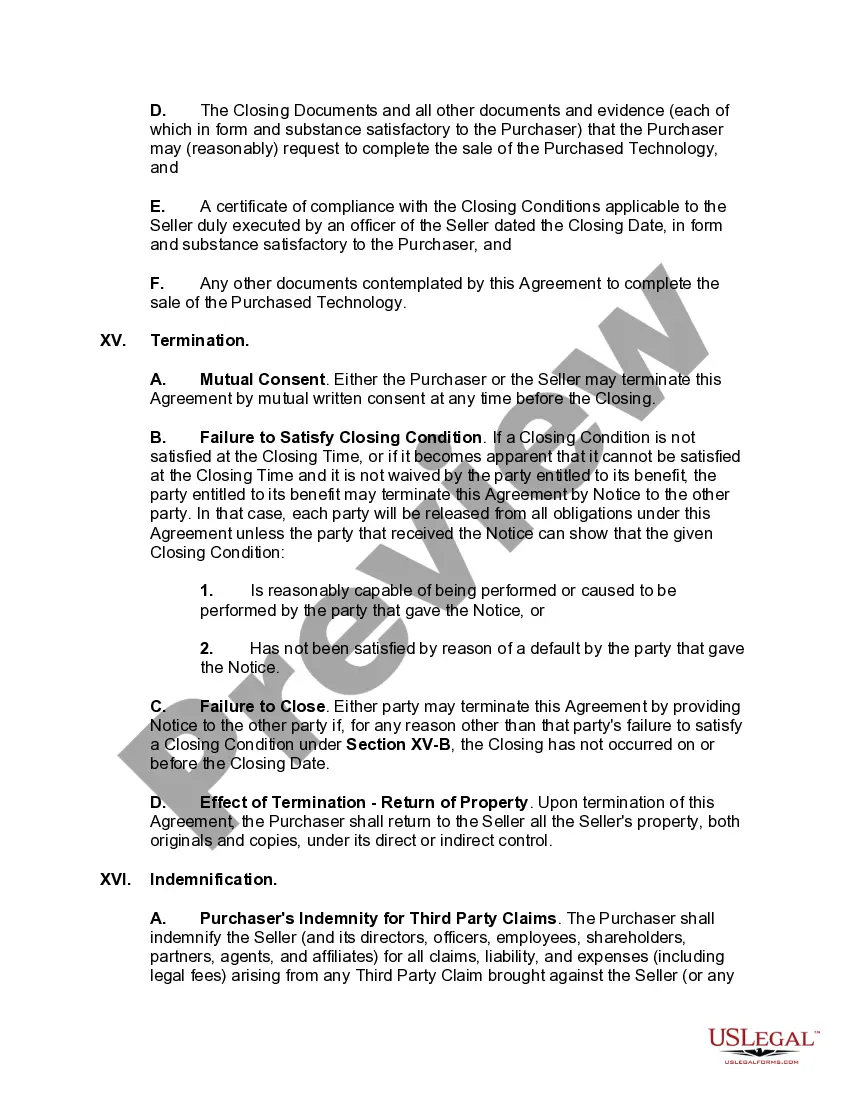
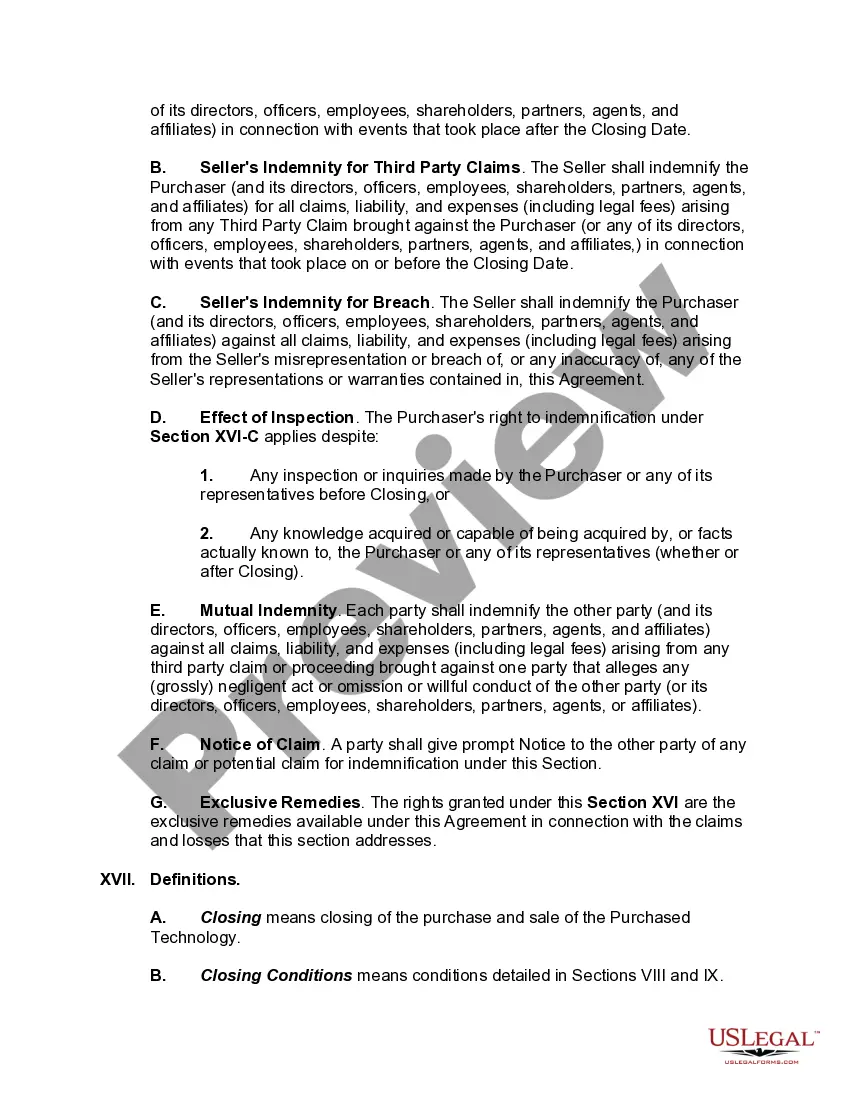
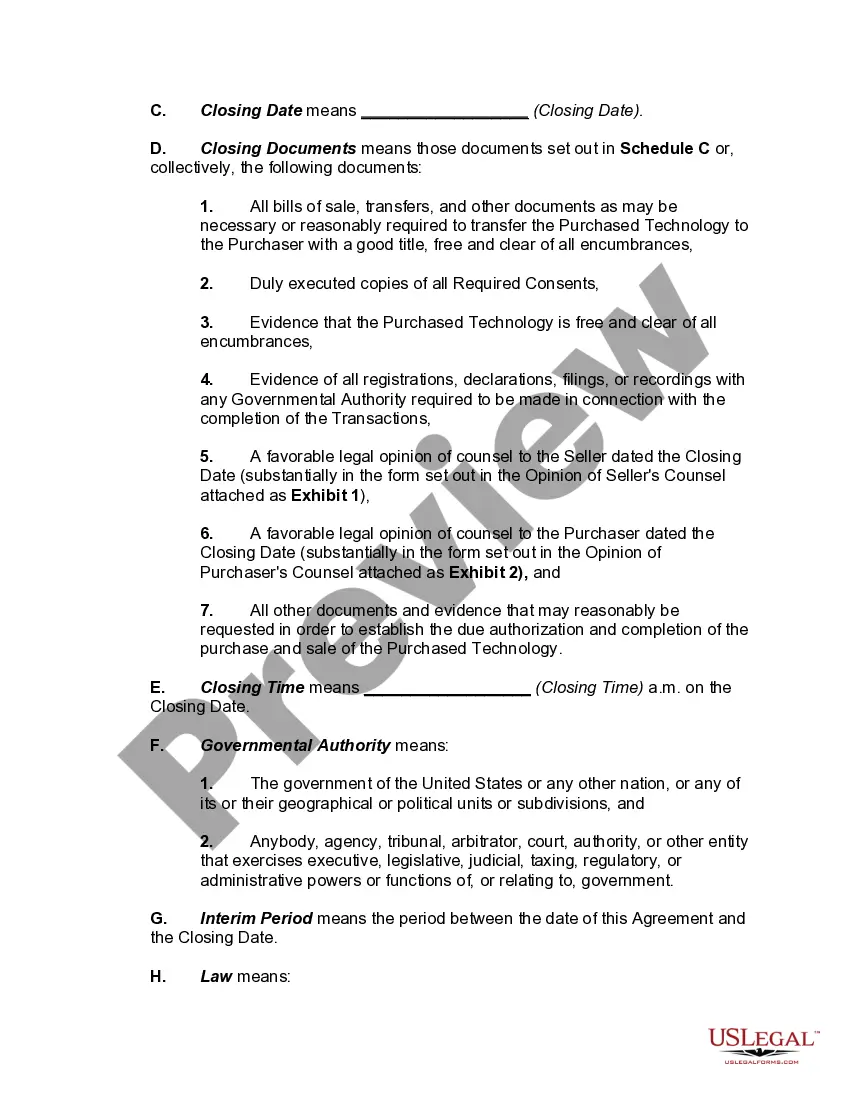
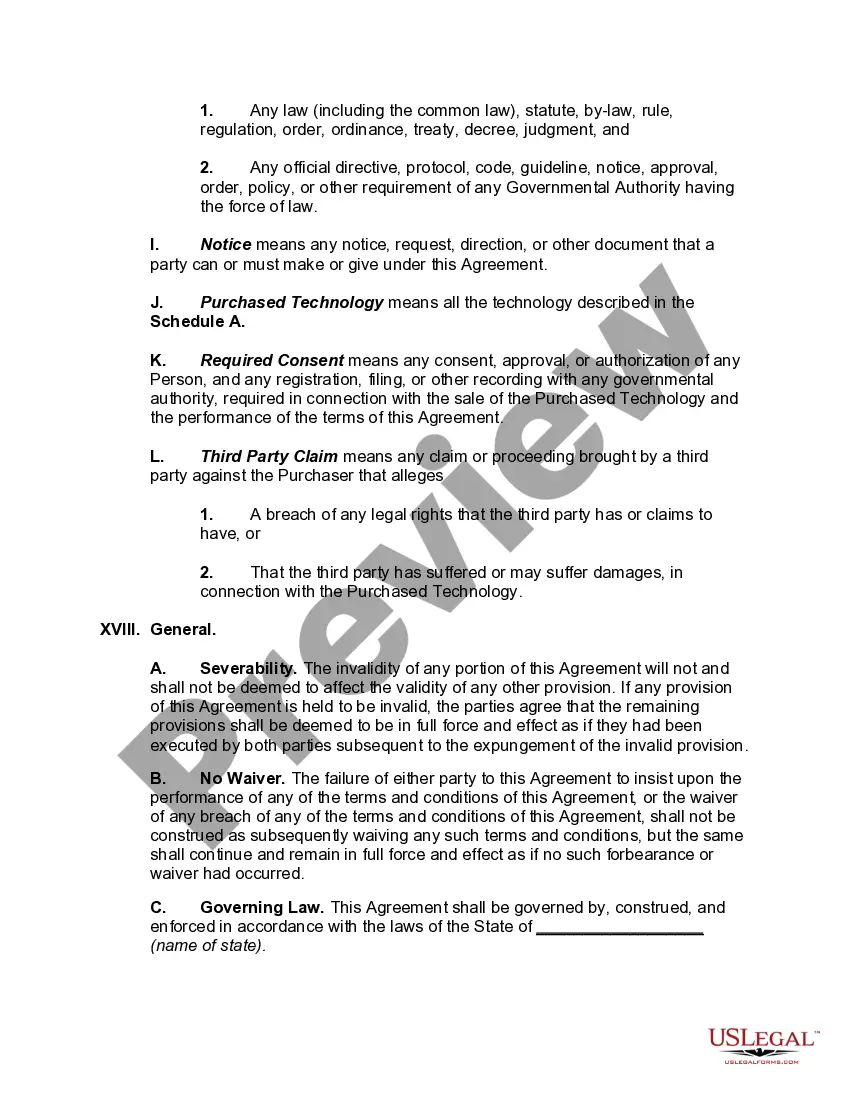
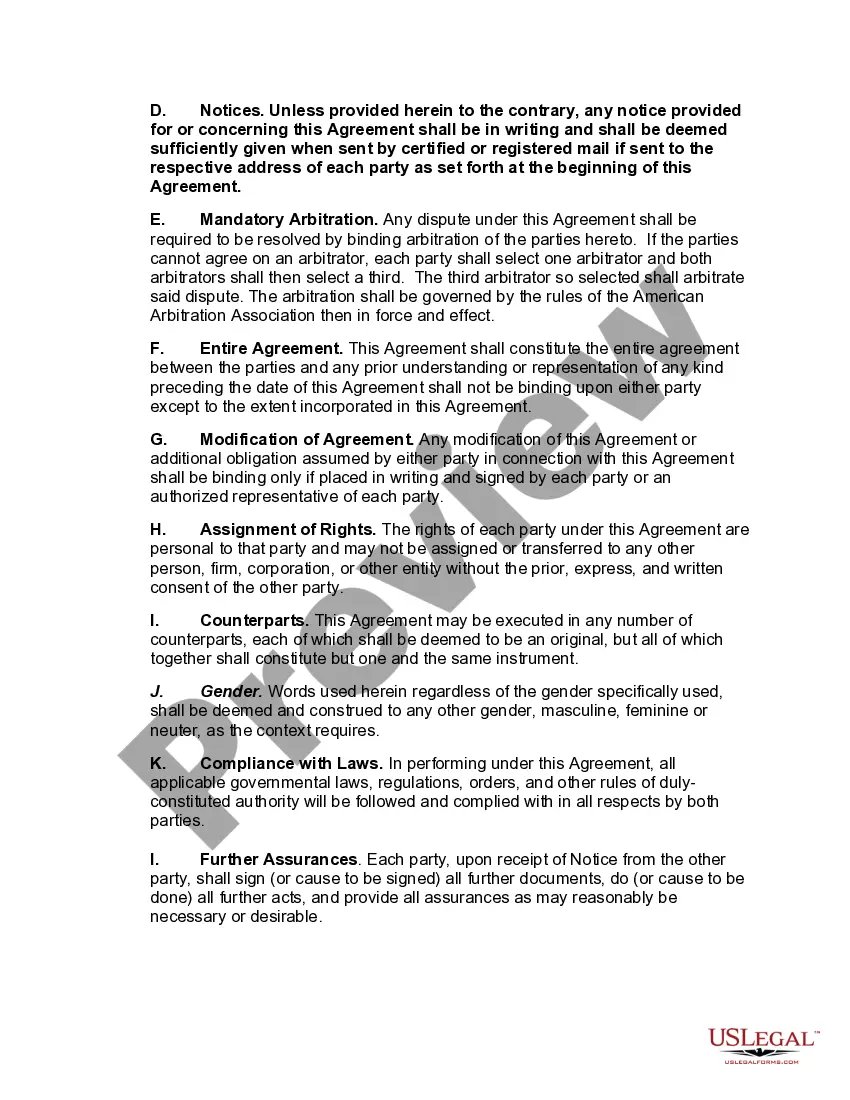

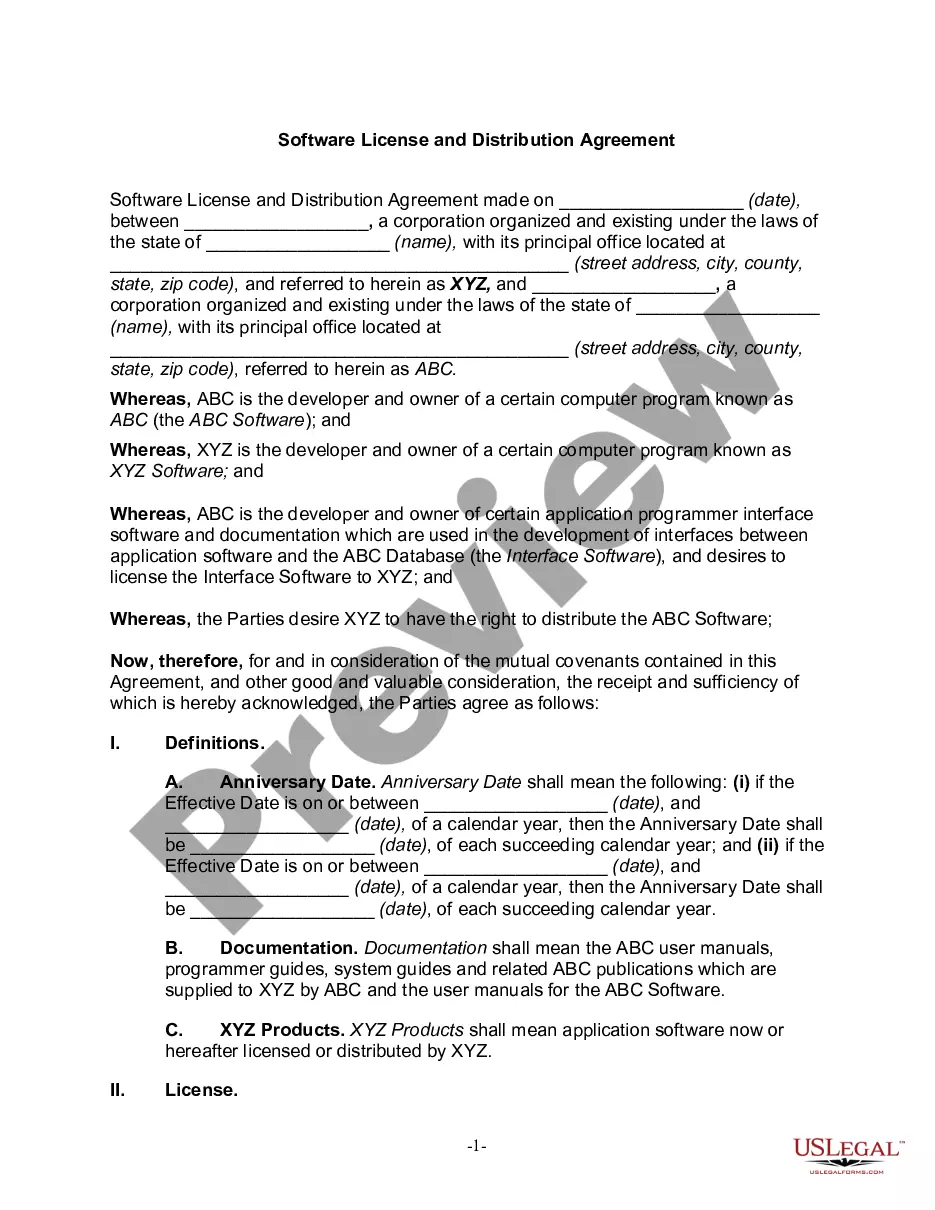
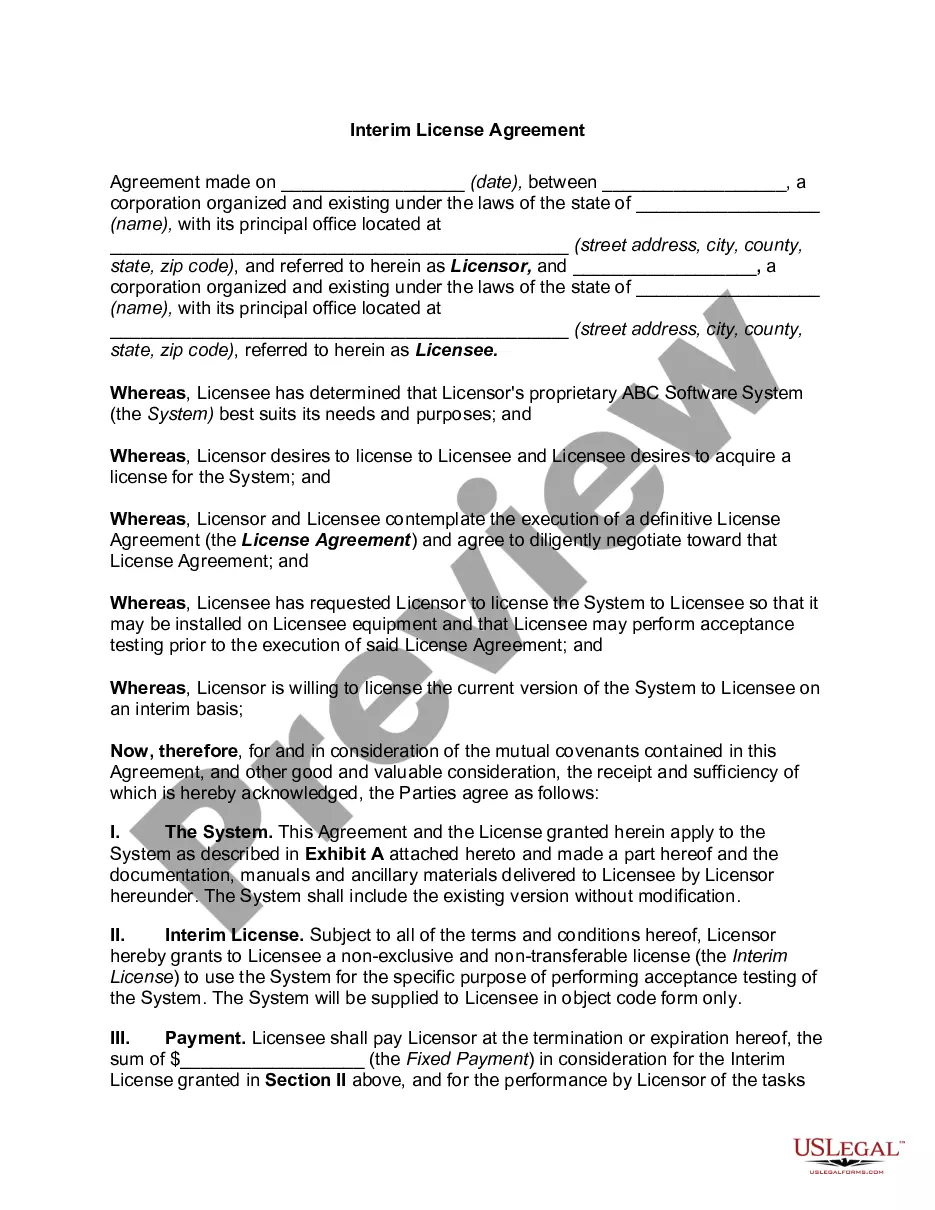
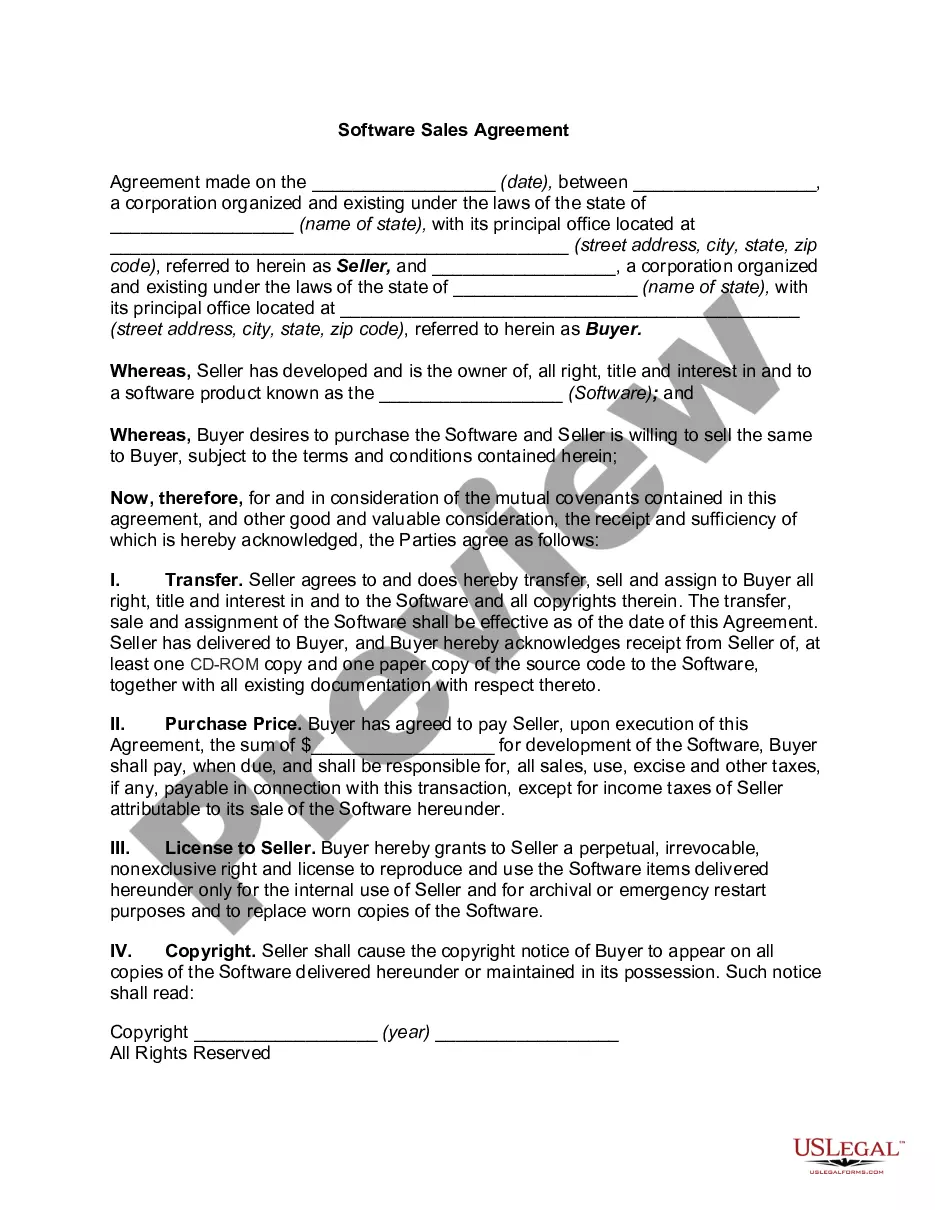
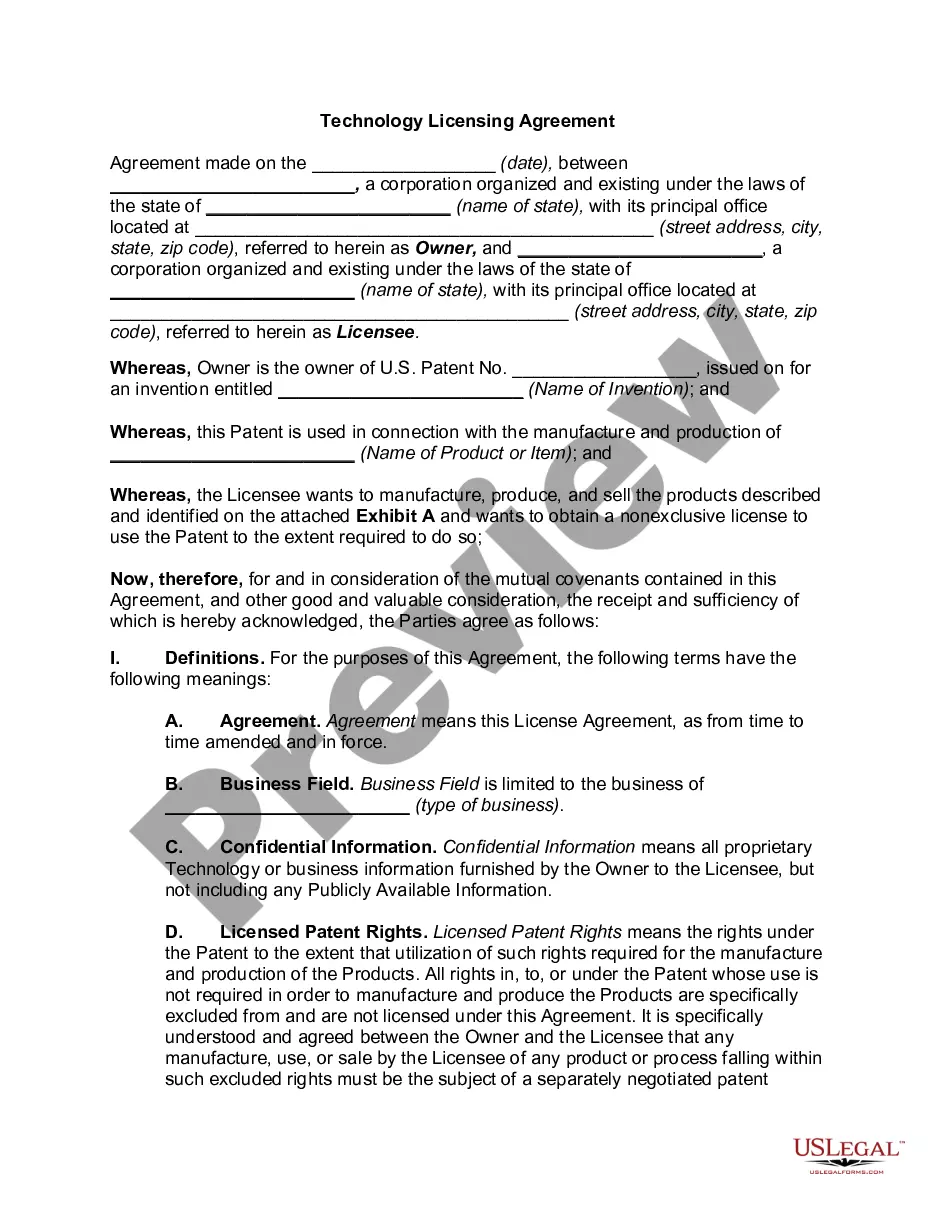
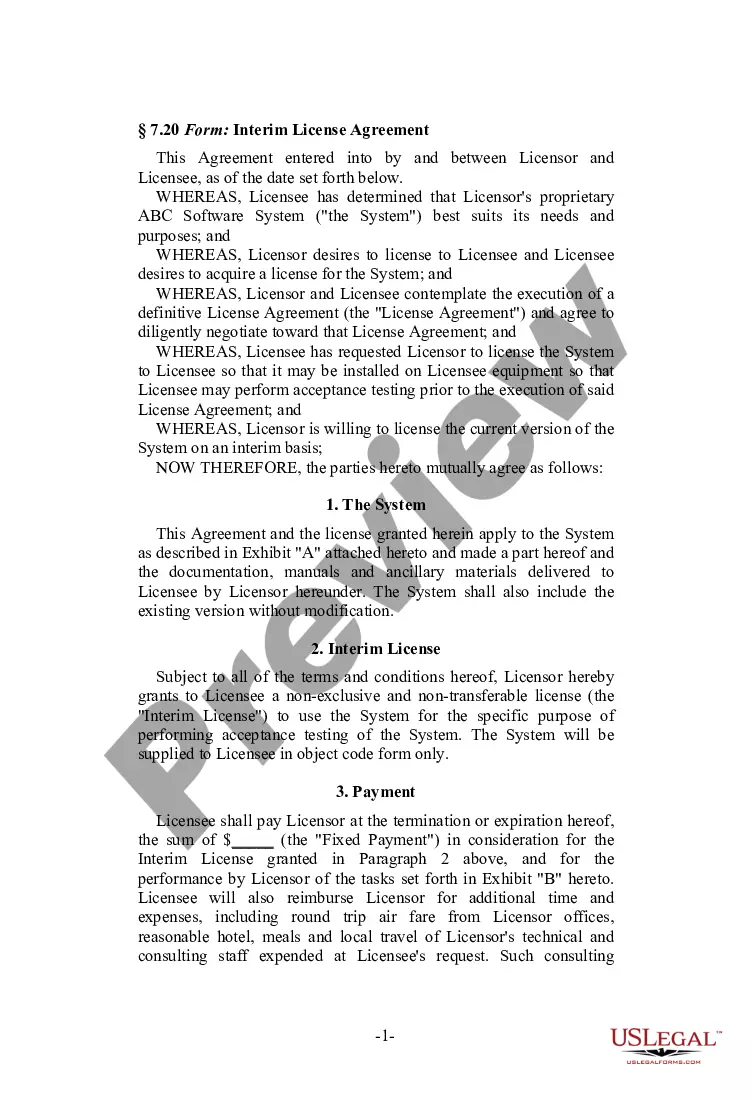
Get your form ready online
Our built-in tools help you complete, sign, share, and store your documents in one place.
Make edits, fill in missing information, and update formatting in US Legal Forms—just like you would in MS Word.
Download a copy, print it, send it by email, or mail it via USPS—whatever works best for your next step.
Sign and collect signatures with our SignNow integration. Send to multiple recipients, set reminders, and more. Go Premium to unlock E-Sign.
If this form requires notarization, complete it online through a secure video call—no need to meet a notary in person or wait for an appointment.
We protect your documents and personal data by following strict security and privacy standards.

Make edits, fill in missing information, and update formatting in US Legal Forms—just like you would in MS Word.

Download a copy, print it, send it by email, or mail it via USPS—whatever works best for your next step.

Sign and collect signatures with our SignNow integration. Send to multiple recipients, set reminders, and more. Go Premium to unlock E-Sign.

If this form requires notarization, complete it online through a secure video call—no need to meet a notary in person or wait for an appointment.

We protect your documents and personal data by following strict security and privacy standards.
Looking for another form?
How to fill out Technology Transfer Agreement?
US Legal Forms - one of the largest collections of legal documents in the country - provides a range of legal document templates that you can download or print.
By using the website, you can obtain thousands of forms for business and personal purposes, organized by categories, states, or keywords. You can swiftly access the latest versions of forms like the Maine Technology Transfer Agreement.
If you have an account, Log In and download the Maine Technology Transfer Agreement from the US Legal Forms collection. The Download button will appear on every form you view. You can find all previously downloaded forms in the My documents section of your account.
Complete the transaction. Use a credit card or PayPal account to finalize the payment.
Download the form onto your device. Edit. Fill out, modify, print, and sign the downloaded Maine Technology Transfer Agreement. Each template added to your account has no expiration date and belongs to you indefinitely. Therefore, if you want to download or print another version, simply go to the My documents area and click on the form you need. Access the Maine Technology Transfer Agreement through US Legal Forms, the most extensive library of legal document templates. Utilize a vast array of professional and state-specific templates that meet your business or personal needs and requirements.
- Ensure you have selected the correct form for your city/state.
- Click on the Review button to examine the form’s content.
- Check the form details to confirm that you have selected the appropriate document.
- If the form does not meet your needs, utilize the Search field at the top of the screen to find the one that does.
- Once you are satisfied with the form, confirm your choice by clicking on the Buy now button.
- Then, select the pricing plan you prefer and provide your information to register for an account.
Form popularity
FAQ
A technology agreement, sometimes called a technology service agreement, is a legal document usually used between a company and a technology service provider to outline the rights and responsibilities of both parties as they enter into a business relationship.
Technology transfer is the process by which knowledge,, intellectual property and capabilities developed at its centres/units and elsewhere, utilising ISRO's resources are transferred to external entities including industries in the public and private sector, academia and State I Cehtral Government organisations.
Examples of technology transfer can be found across virtually every scientific and industrial area, from pharmaceuticals and medical devices to alternative energy solutions, computing, transport, artificial intelligence, robotics, agriculture, aerospace, environmental improvements and many more.
It allows U.S. universities, small businesses and non-profits to retain title to their inventions. The government retains a right to use the technology. Previously, the government owned the intellectual property rights to these inventions funded by the government.
A technology transfer agreement is a legal contract used when a company, referred to as the licensor, licenses industrial or intellectual property rights to a licensee. Intellectual property subject to a technology transfer agreement can include: Patents. Utility models. Trademarks.
Technology transfer is the movement of data, designs, inventions, materials, software, technical knowledge or trade secrets from one organisation to another or from one purpose to another. The technology transfer process is guided by the policies, procedures and values of each organisation involved in the process.
Advantages of Technology TransferDevelops a platform to share ideas. Protects intellectual property. Promotes economic development through commercializing innovative technology. Enhances collaboration between the federal and non-federal science.
TECH TRANSFER AGREEMENTSCooperative Research and Development Agreement (CRADA)Facility Use/Service Agreement (FUSA)License Agreement (LA)Material Transfer Agreement (MTA)Technical Assistance Agreement (TAA)
Technology transfer (TT) refers to the process of conveying results stemming from scientific and technological research to the market place and to wider society, along with associated skills and procedures, and is as such an intrinsic part of the technological innovation process.