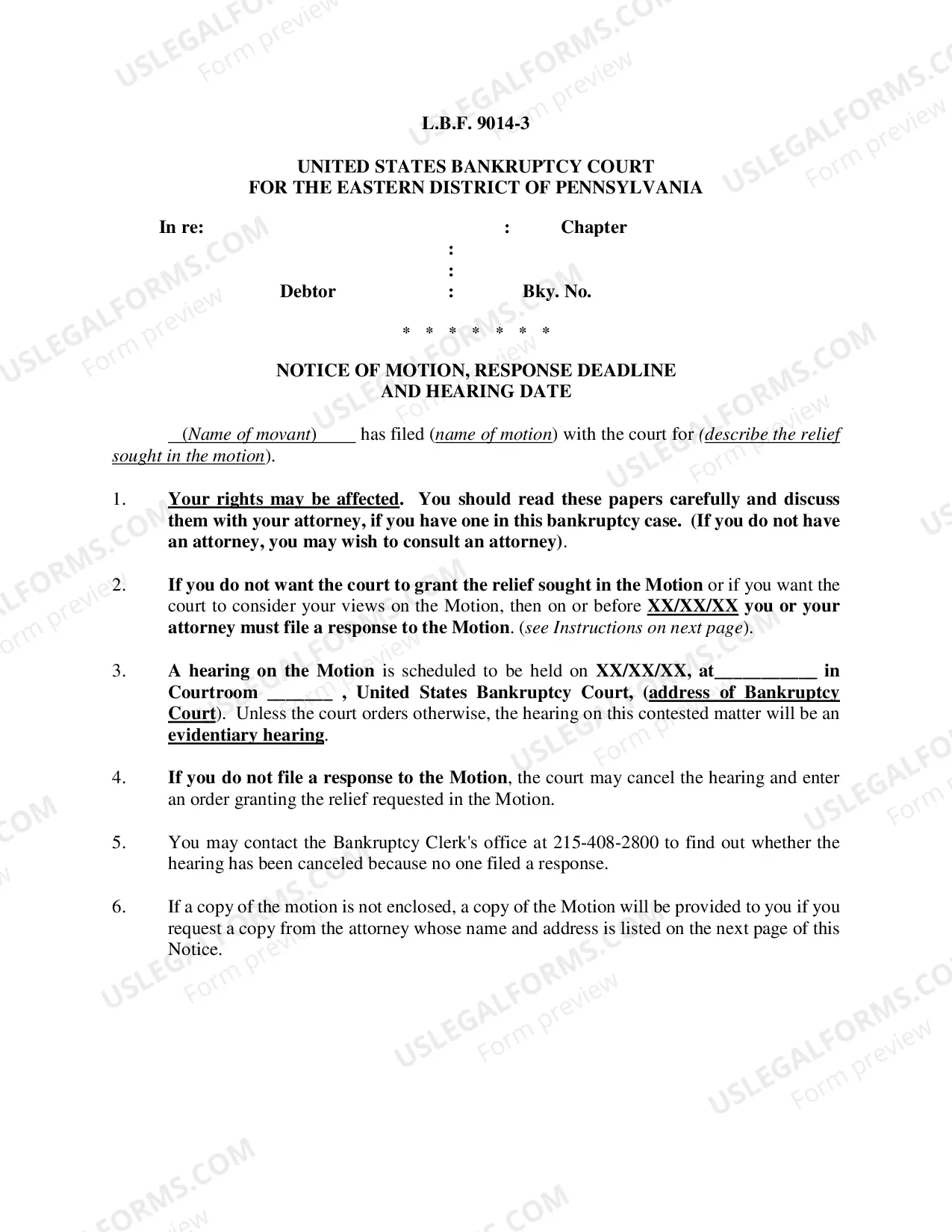
Maine Application to Clerk for Entry of Default Against Defendants
Description
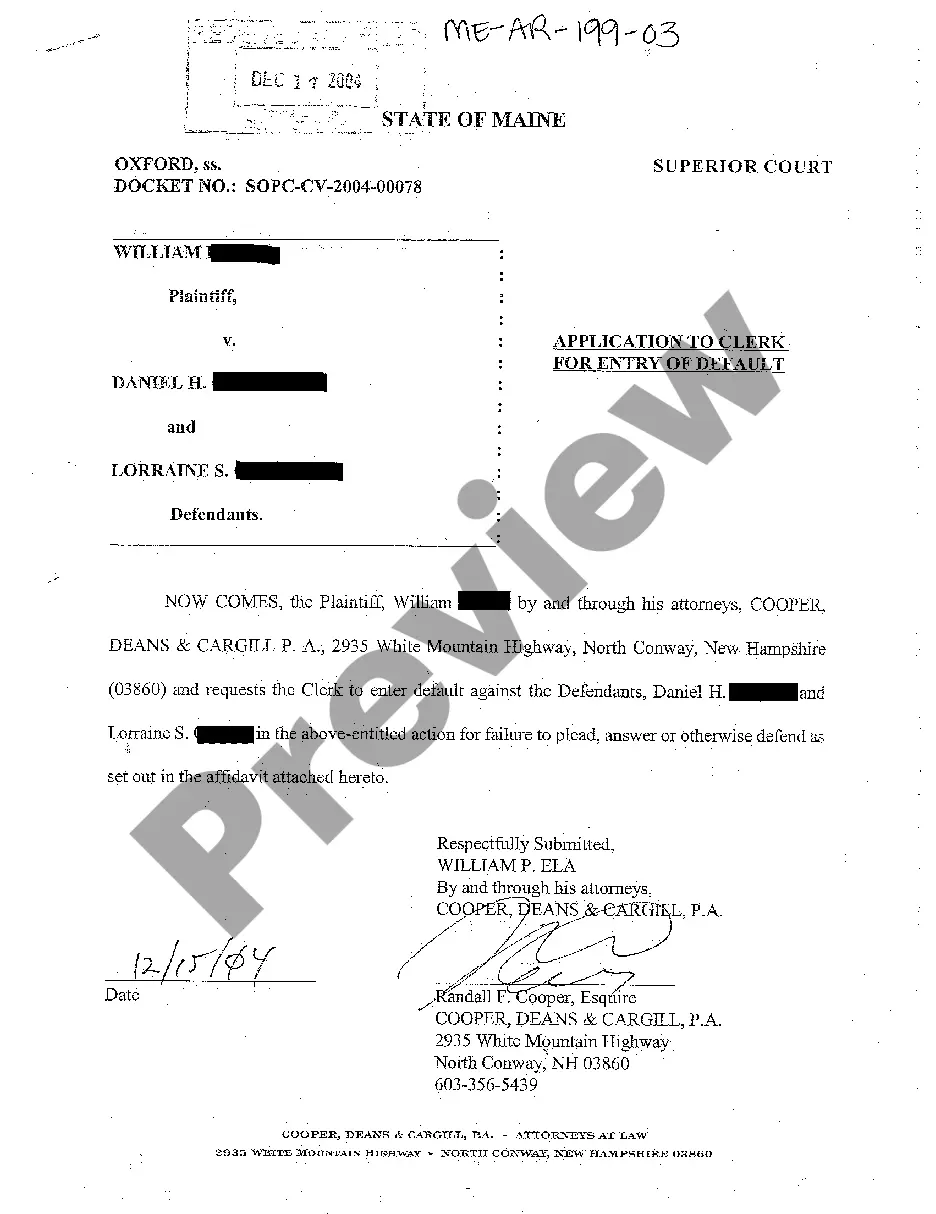
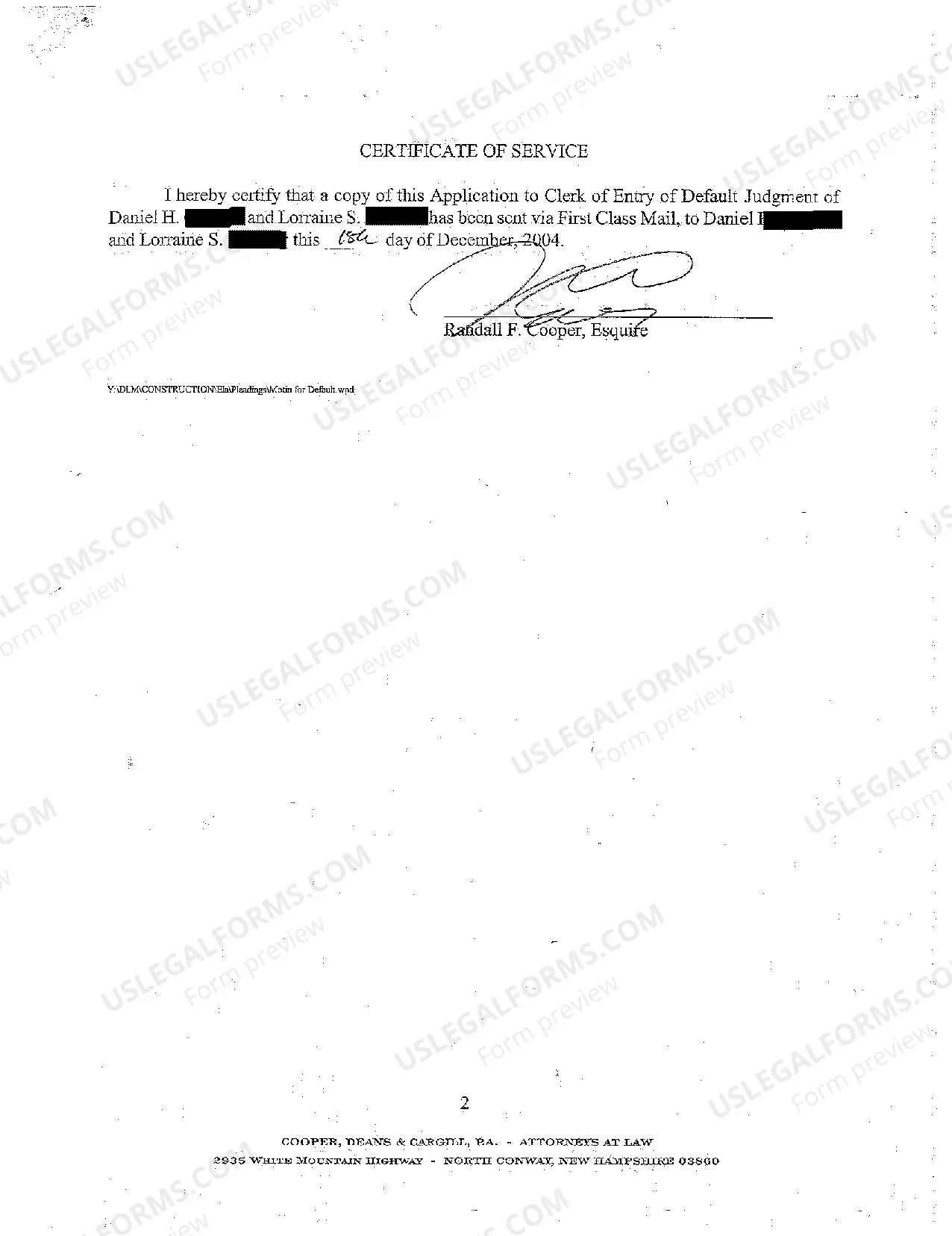
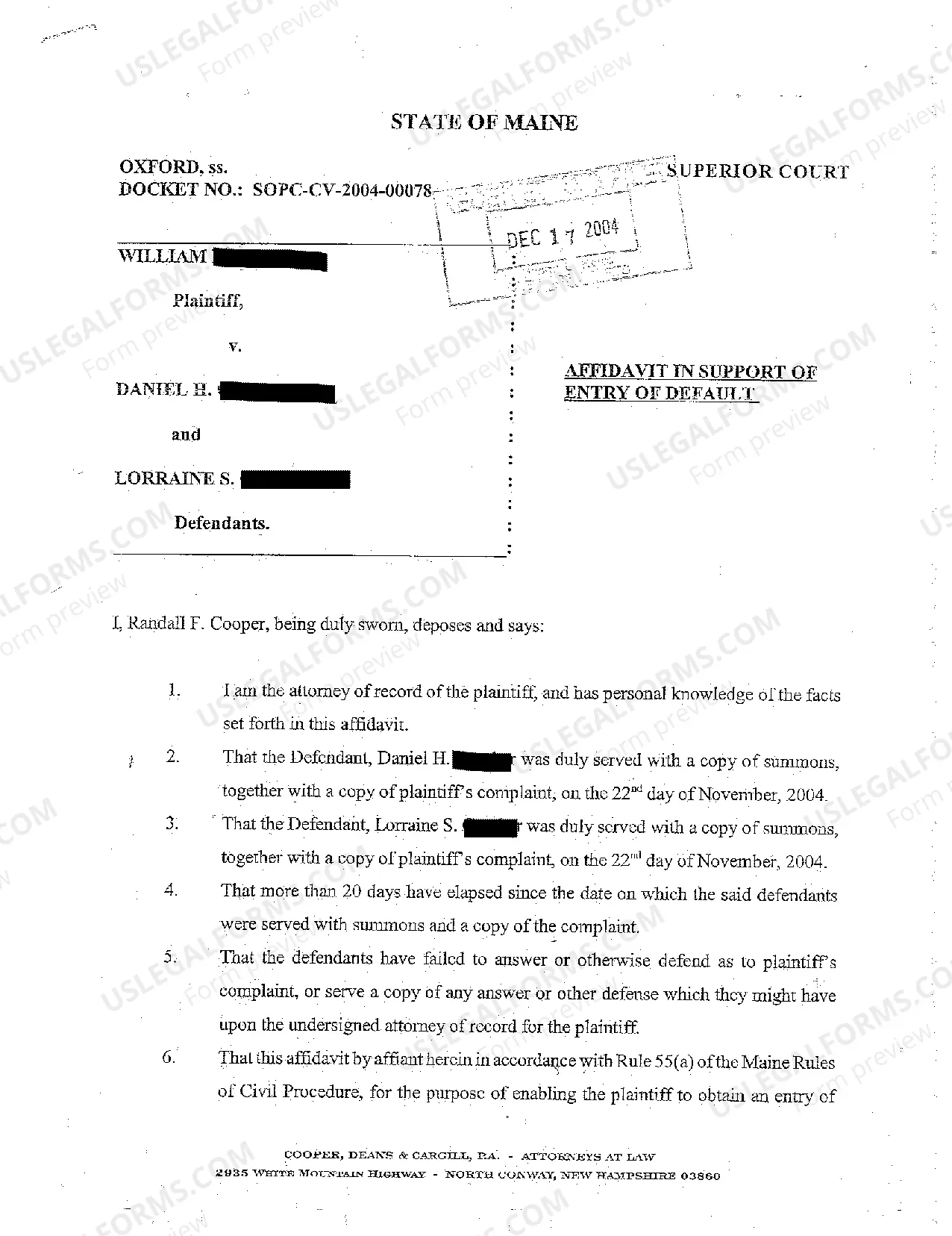
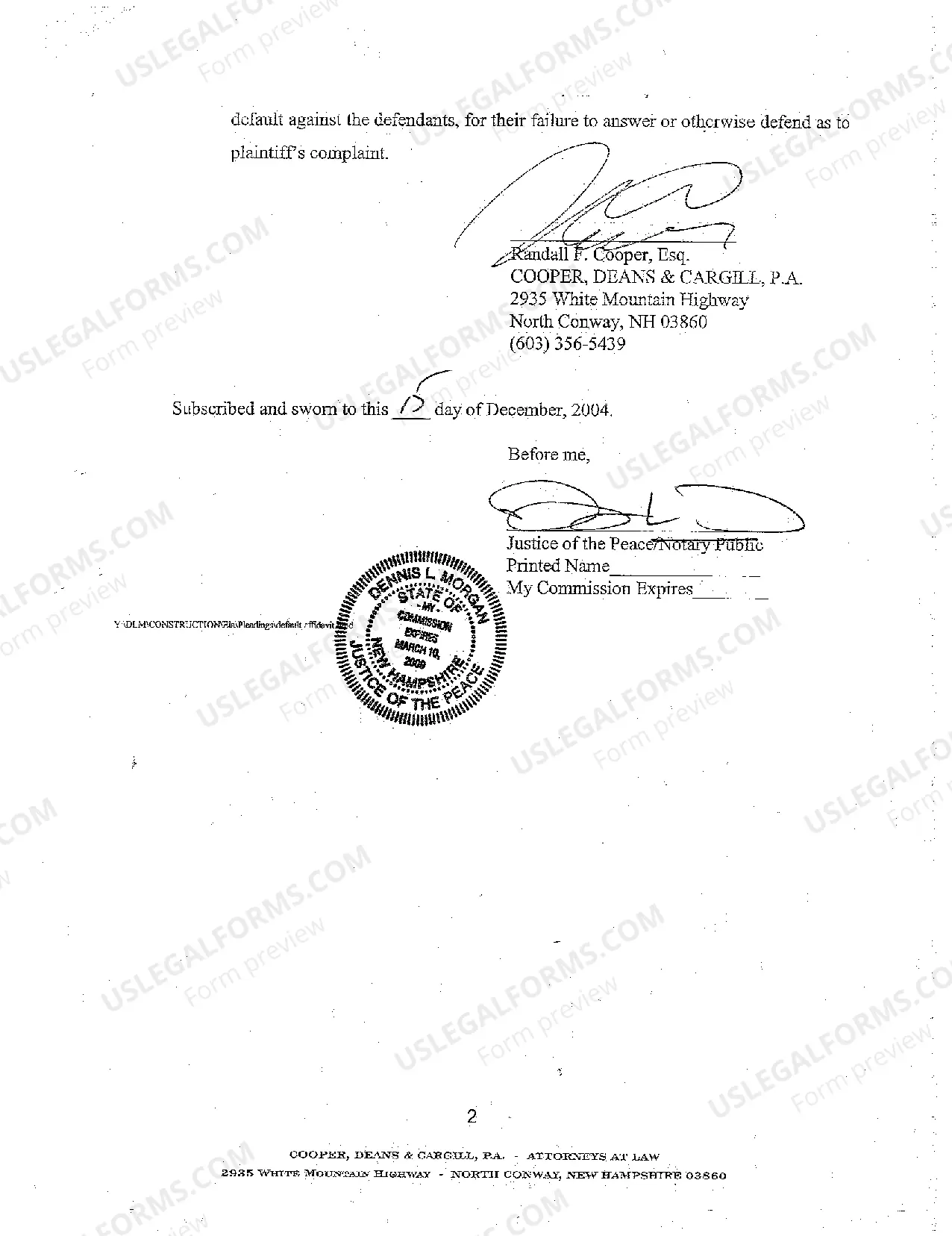
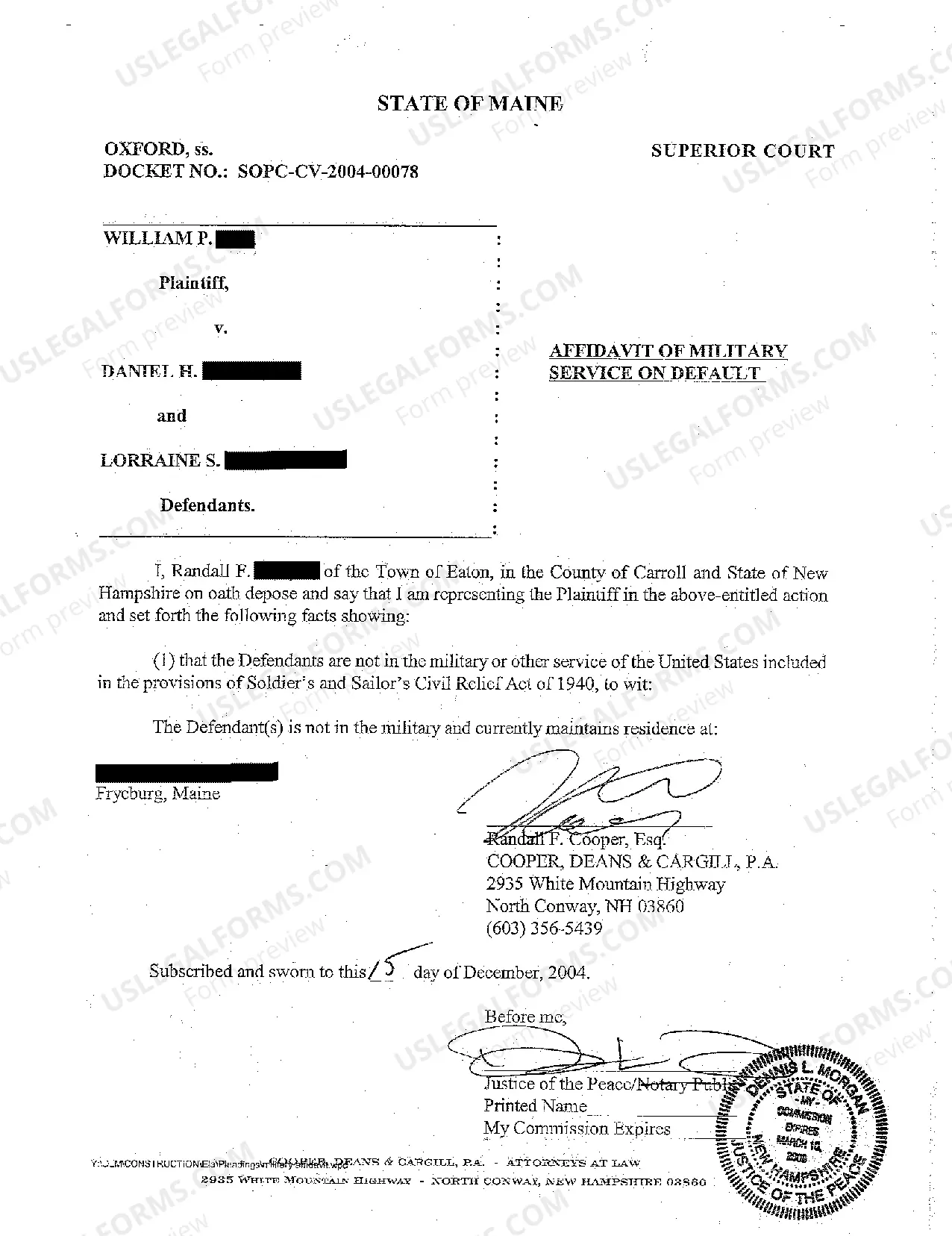
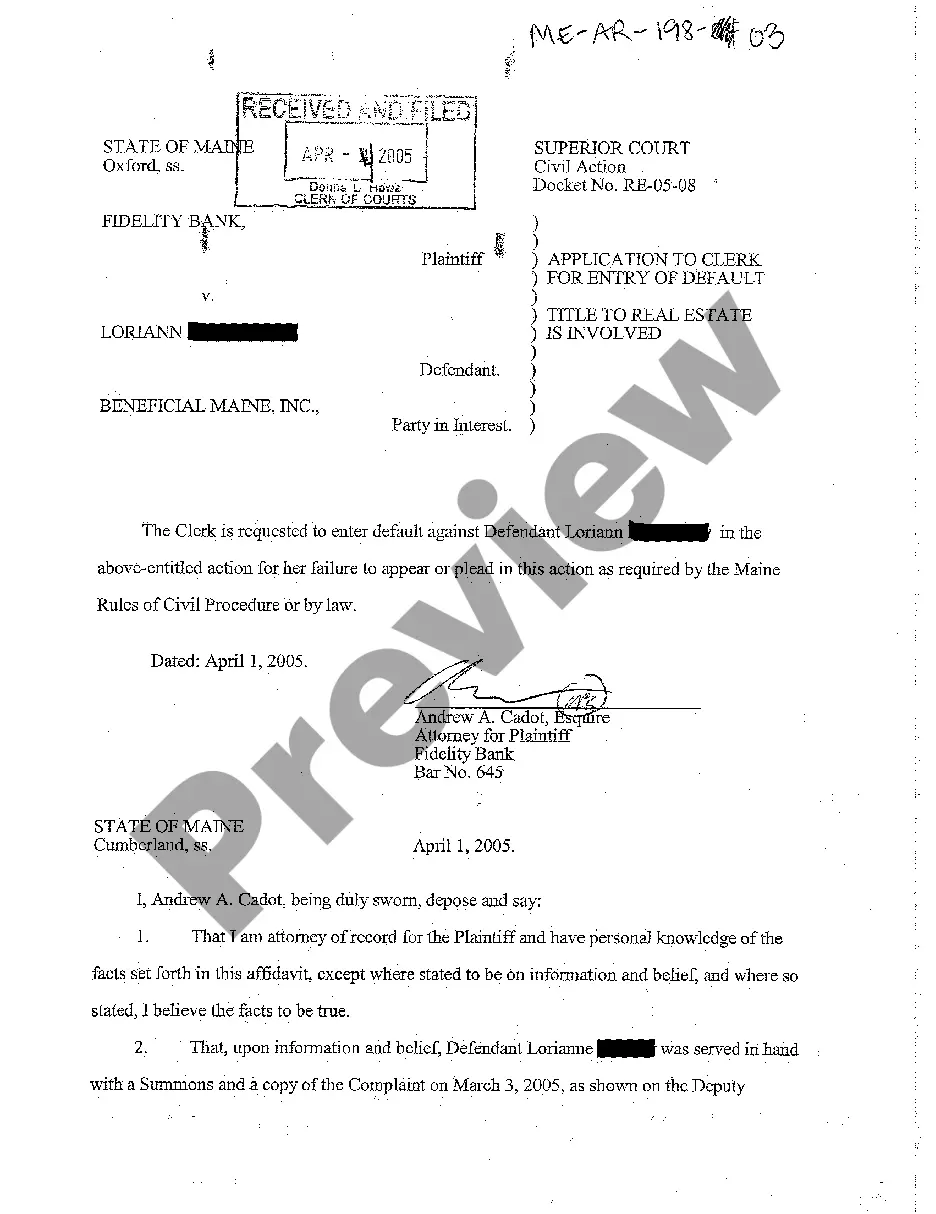
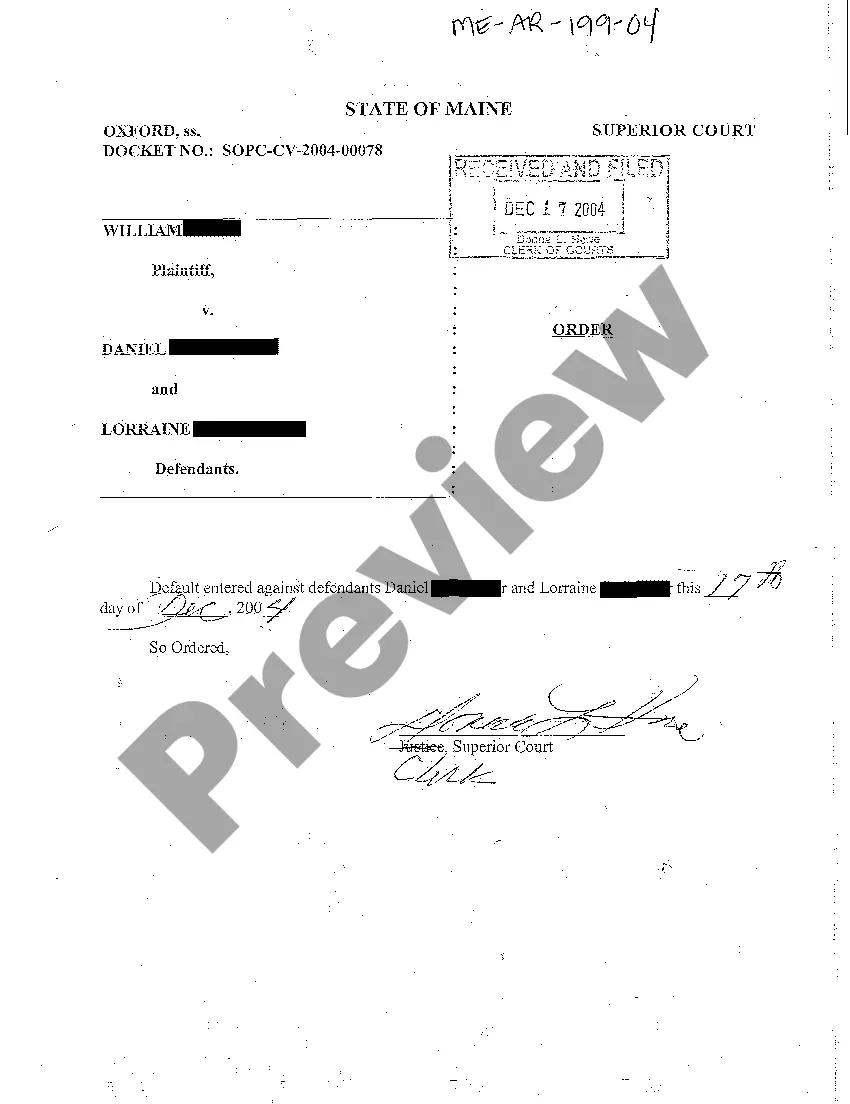
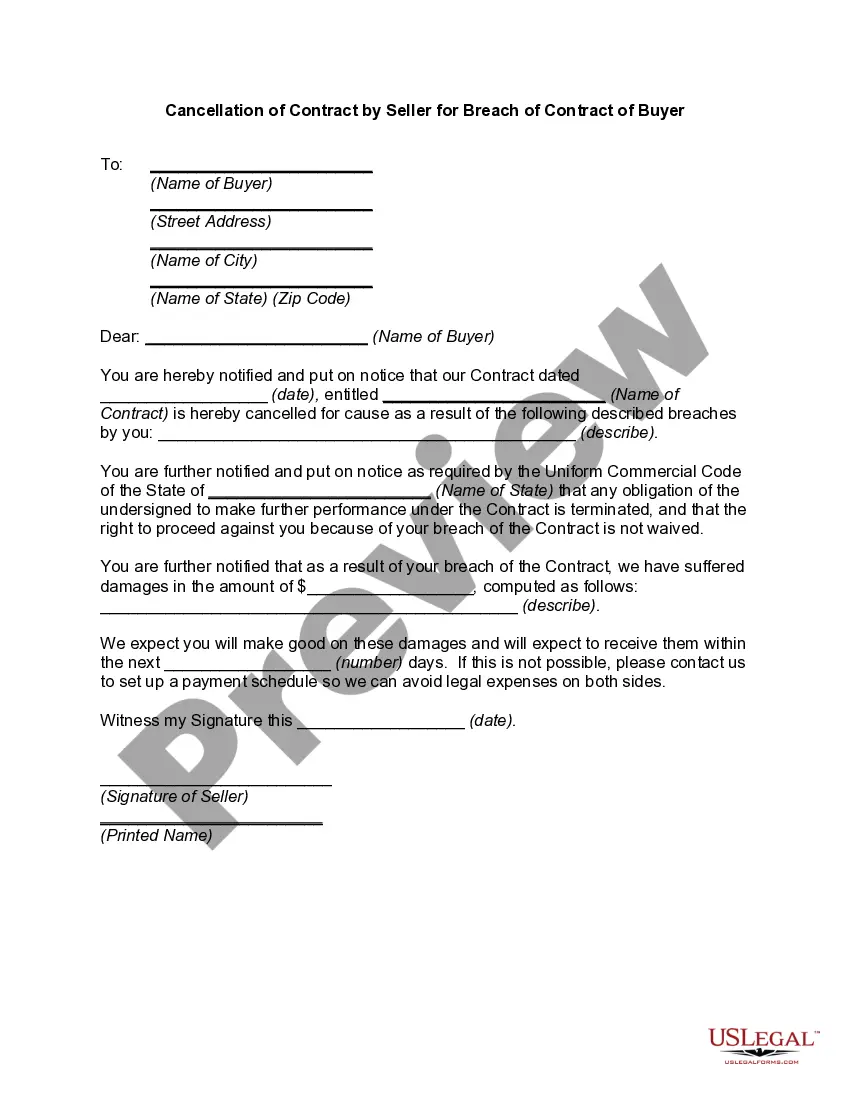
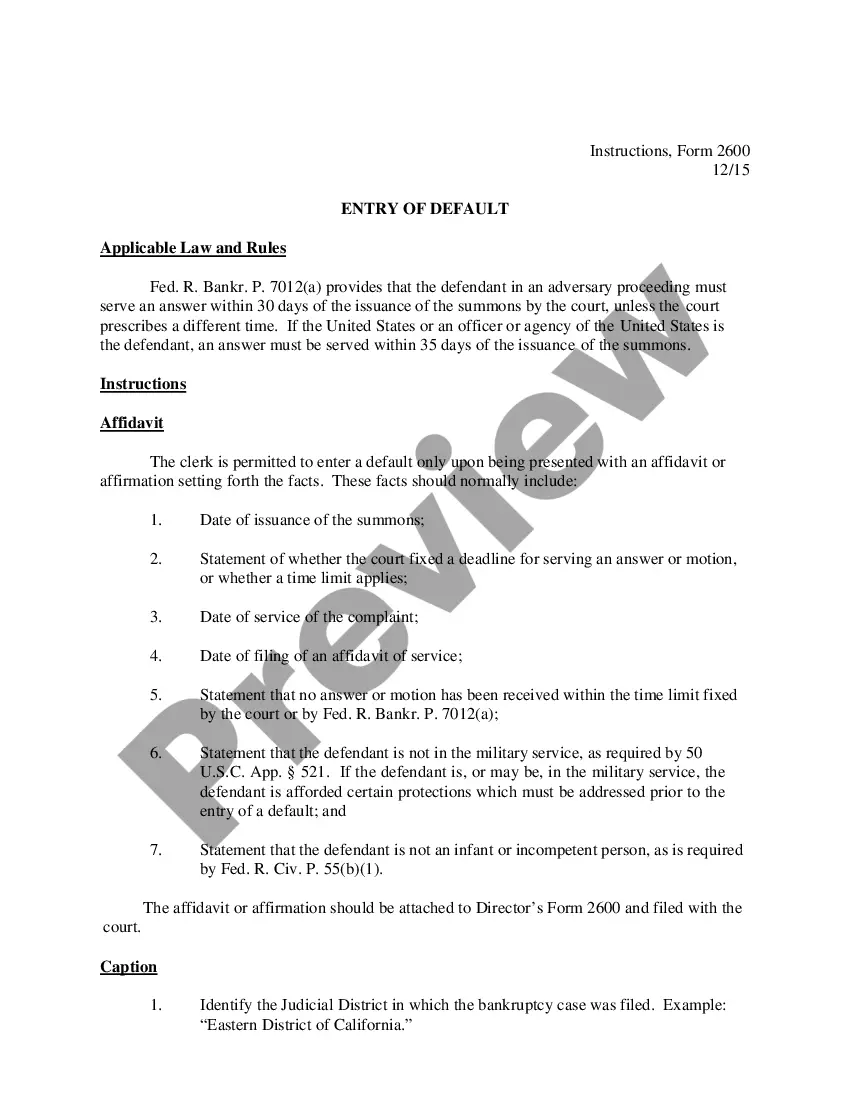
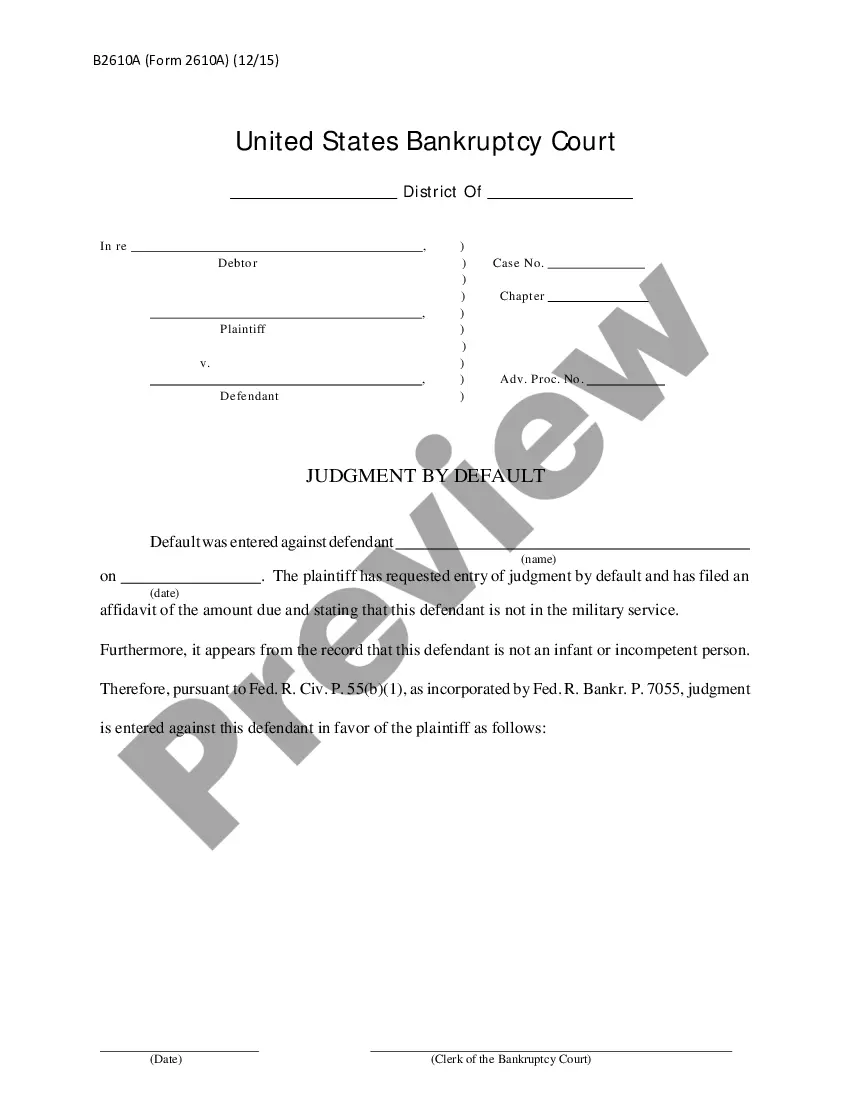
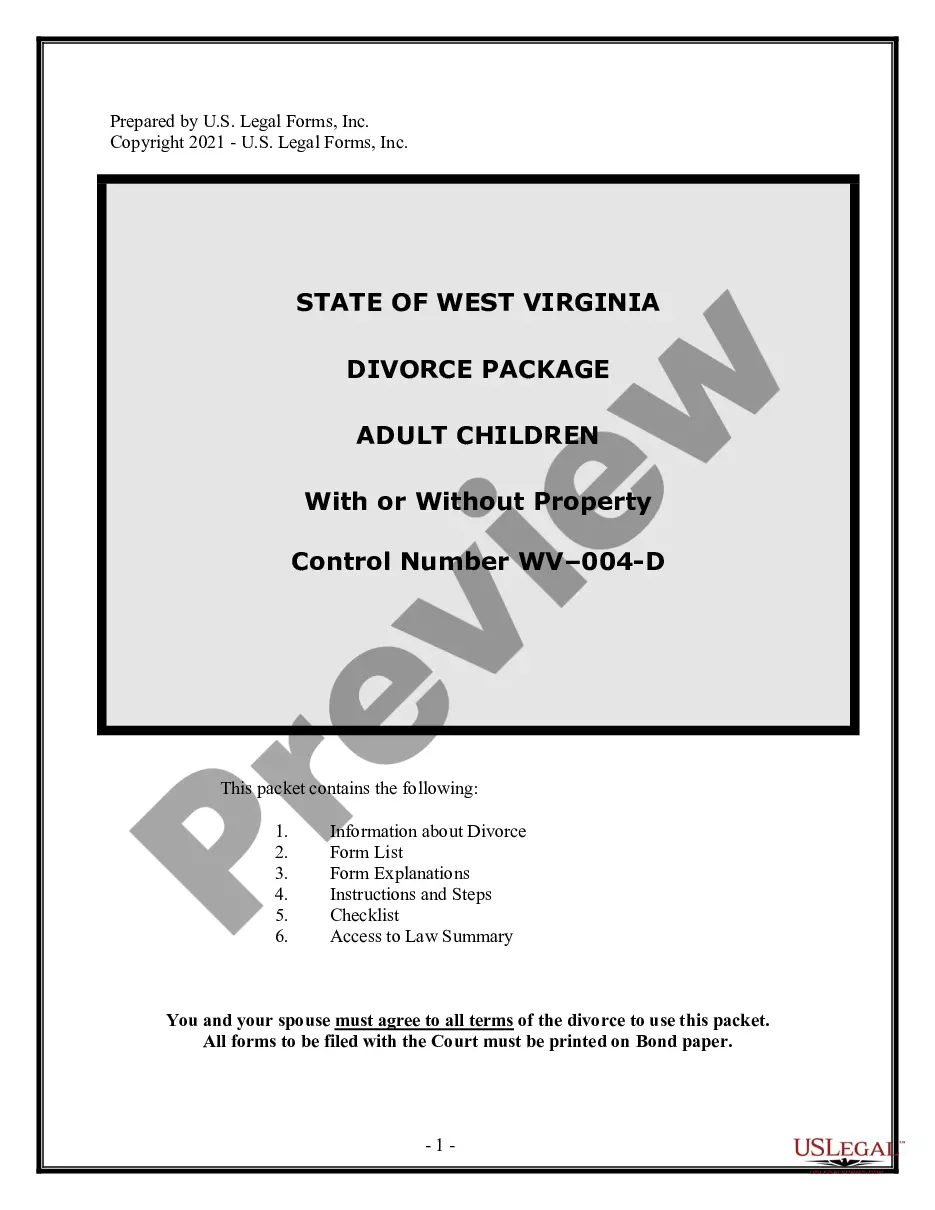
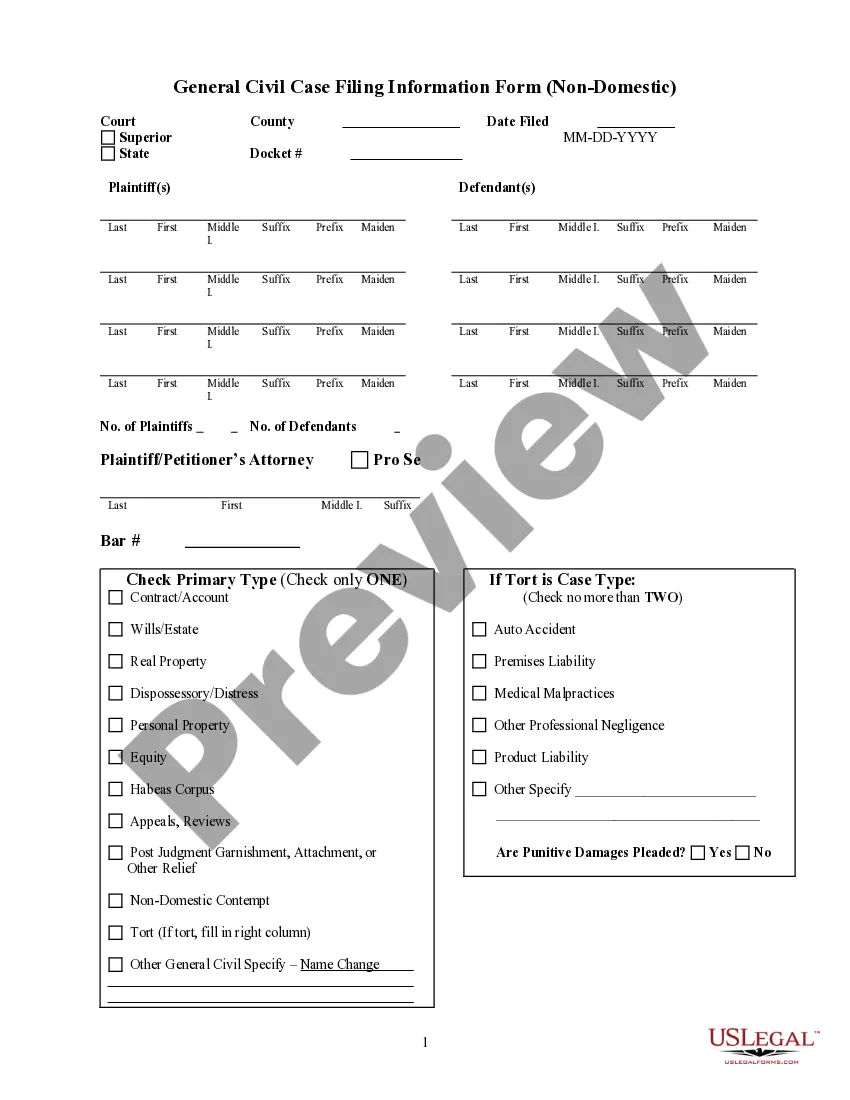
How to fill out Maine Application To Clerk For Entry Of Default Against Defendants?
You are invited to the largest legal document repository, US Legal Forms. Here you will discover any template including the Maine Application to Clerk for Entry of Default Against Defendants forms and store them (as many of them as you desire/need). Prepare official documents in a few hours, instead of days or weeks, without having to pay a fortune for a lawyer. Retrieve the state-specific form in just a few clicks and be confident knowing that it was created by our state-certified attorneys.
If you’re already a registered user, simply Log In to your account and then click Download next to the Maine Application to Clerk for Entry of Default Against Defendants you need. Since US Legal Forms is online-based, you’ll always have access to your saved forms, regardless of the device you’re using. Find them within the My documents section.
If you don't have an account yet, what are you waiting for? Review our instructions below to get started: If this is a state-specific form, verify its applicability in the state where you reside. Review the description (if available) to determine if it’s the correct template. See additional content with the Preview option. If the example suits your needs, just click Buy Now. To create an account, choose a pricing plan. Use a credit card or PayPal account to sign up. Save the document in the format you require (Word or PDF). Print the document and fill it out with your/your business’s details. Once you’ve completed the Maine Application to Clerk for Entry of Default Against Defendants, present it to your attorney for confirmation. It’s an additional step but a necessary one to ensure you’re fully protected. Join US Legal Forms today and access a multitude of reusable templates.
After completing the Maine Application to Clerk for Entry of Default Against Defendants, submit it to your lawyer for review. This additional step is essential to make sure you're entirely covered.
- Verify the form's applicability in your state.
- Review the description to confirm it’s the right template.
- Use the Preview option to see more details.
- If the sample fits your requirements, click Buy Now.
- Select a pricing plan to set up an account.
- Register with a credit card or PayPal for membership.
- Download the file in your preferred format (Word or PDF).
- Print the document and complete it with your/your business’s information.
Form popularity
FAQ
Rule 45 pertains to the issuance of subpoenas within the Maine Rules of Civil Procedure. It allows parties to compel the attendance of witnesses or production of documents for court proceedings. Understanding this rule is crucial when navigating a legal case, particularly in matters involving defaults. Familiarizing yourself with these procedural details, such as how the Maine Application to Clerk for Entry of Default Against Defendants interacts with subpoenas, can aid in the smooth progression of your case.
Requesting a default judgment requires you to file a motion with the court after declaring the defendant in default. Be prepared to provide evidence showing that the defendant failed to respond and that you are entitled to the judgment. The Maine Application to Clerk for Entry of Default Against Defendants is an essential step in this process. Consider using uLegalForms to guide you through the necessary steps to ensure compliance with court requirements.
Filing an application for default judgment in Maine involves submitting the Maine Application to Clerk for Entry of Default Against Defendants. This application must include proof that the defendant was properly served and has not responded. You may also need to provide supporting documents outlining your claims. By leveraging uLegalForms, you can ensure that your application includes all necessary paperwork, making the process smoother.
Entry of default refers to the process where the person making a claim in a case makes a request before a court of law stating that the party against whom they have made a claim have failed to furnish any meaningful response to the claimant's pleadings within the time allowed for that.
A default judgment means that the court has decided that you owe money. This a result of the person suing you in small claims court and you failed to appear at the hearing.
In summary, CPR 12.3 provides that the claimant may obtain judgment in default only if the defendant has not filed an acknowledgment of service or defence (as the case may be) and the relevant time for doing so has expired.
A simple default doesn't mean you legally owe a certain amount of money. A default judgment identifies the amount you owe the plaintiff. You don't want this to happen because a default judgment makes you a judgment debtor. Plaintiff may use all sorts of legal procedures to legally take your money and property.
Your judgment might be for money, repossession, eviction, foreclosure, or any number of things. In any case, your rights at this point would be the same as if you had gone to trial and won. A Motion to Vacate is one way by which a defendant can avoid enforcement of a default judgment.
Default judgments happen when you don't respond to a lawsuit often from a debt collector and a judge resolves the case without hearing your side.Next up could be wage garnishment or a bank account levy, which allows a creditor to remove money from your bank accounts to repay the debt.
Instances in which Default Judgment may be sought or granted: The Defendant failed to serve and file Notice of Intention to Defend. The Defendant delivered the Notice of Intention to Defend but failed to serve and file a Plea. The Defendant has entered into a defective entry of Notice of Intention to Defend.