Maine Construction Contract Cost Plus or Fixed Fee
What this document covers
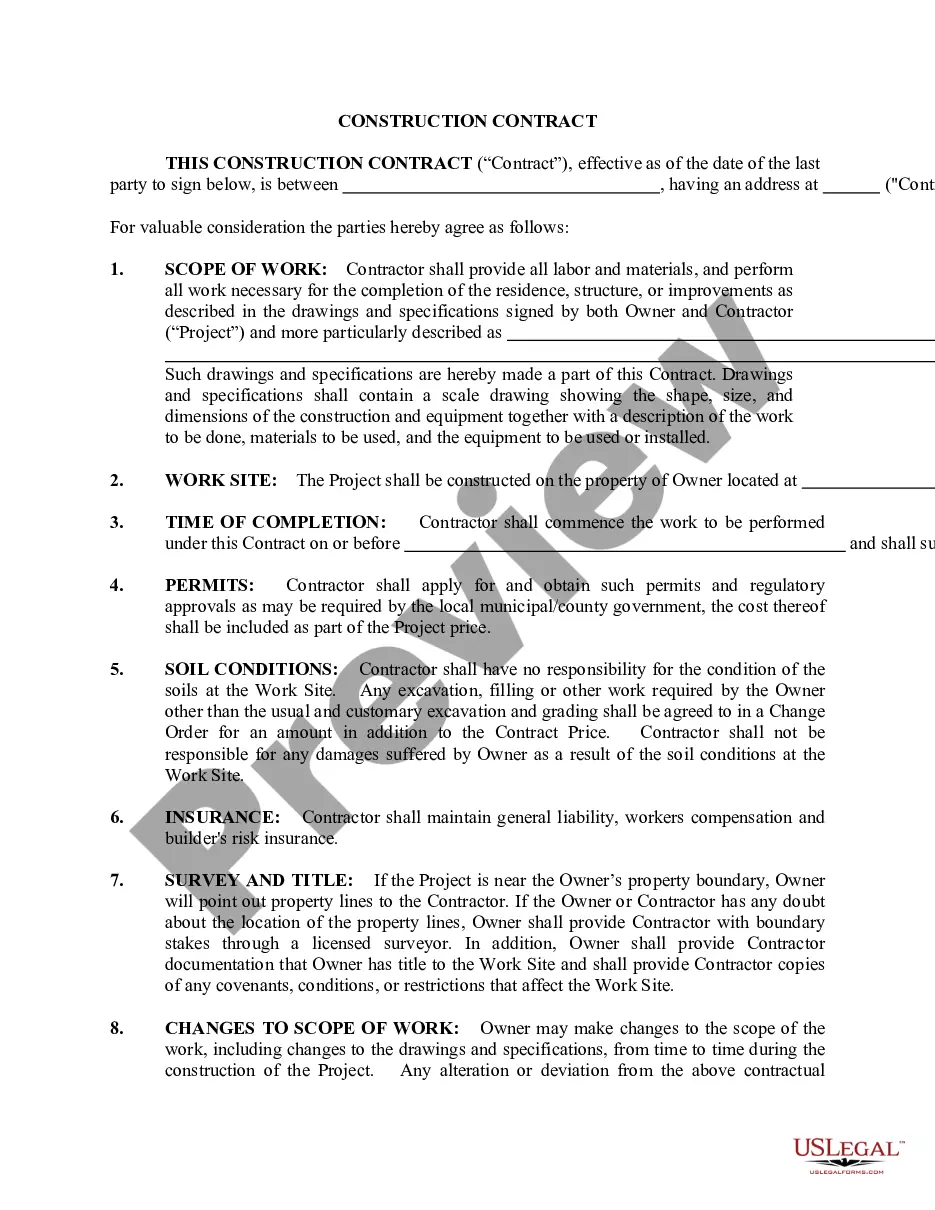
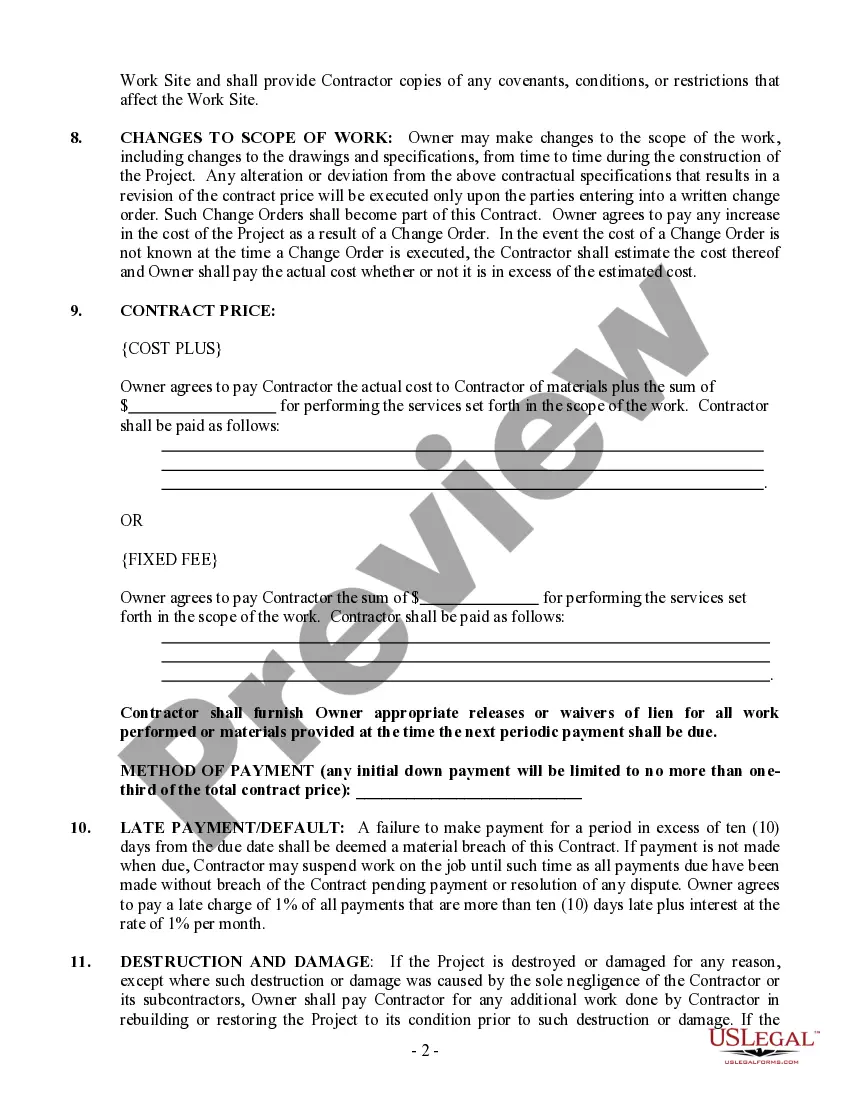
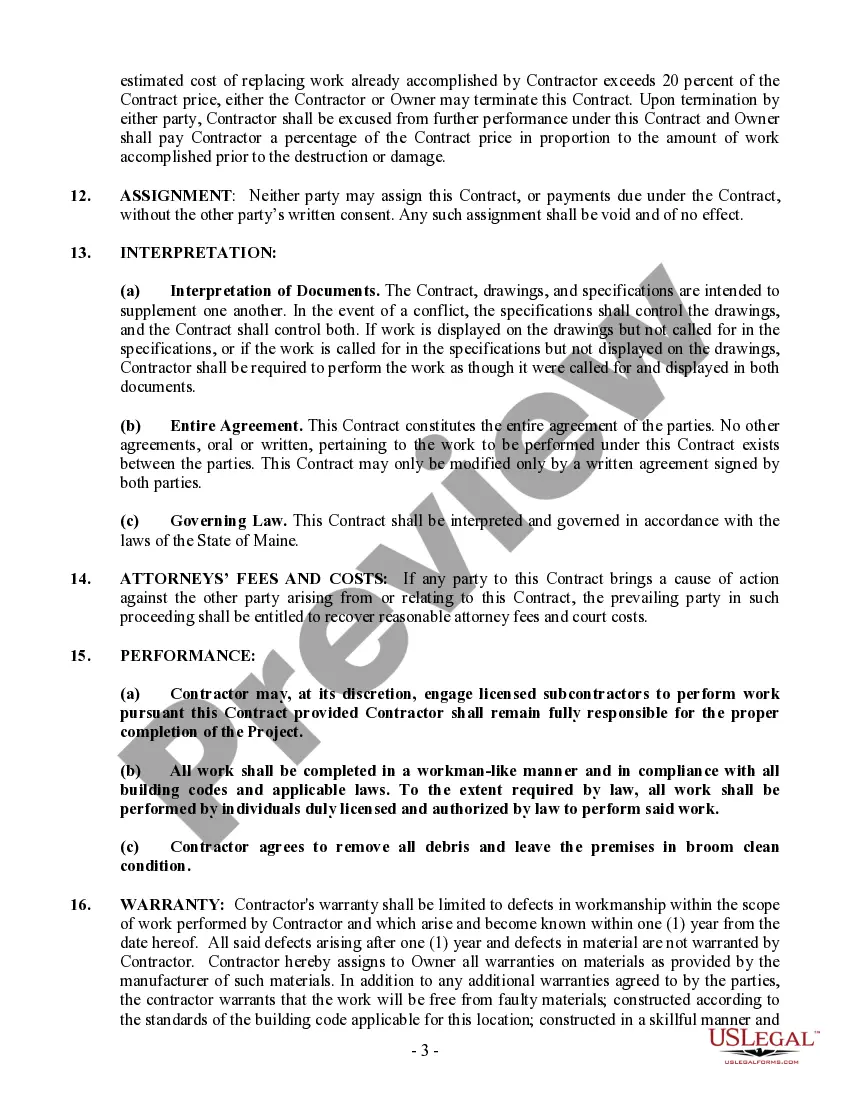
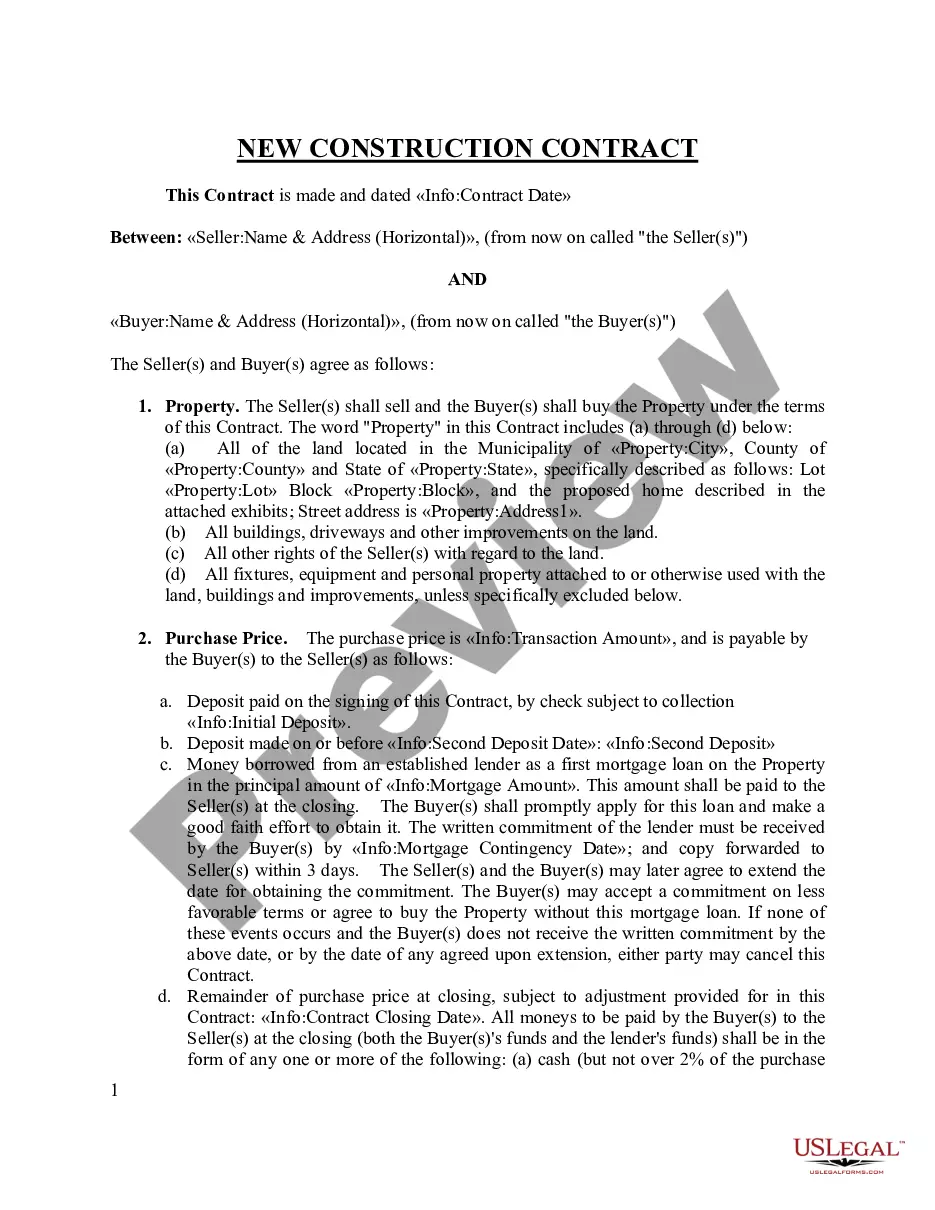
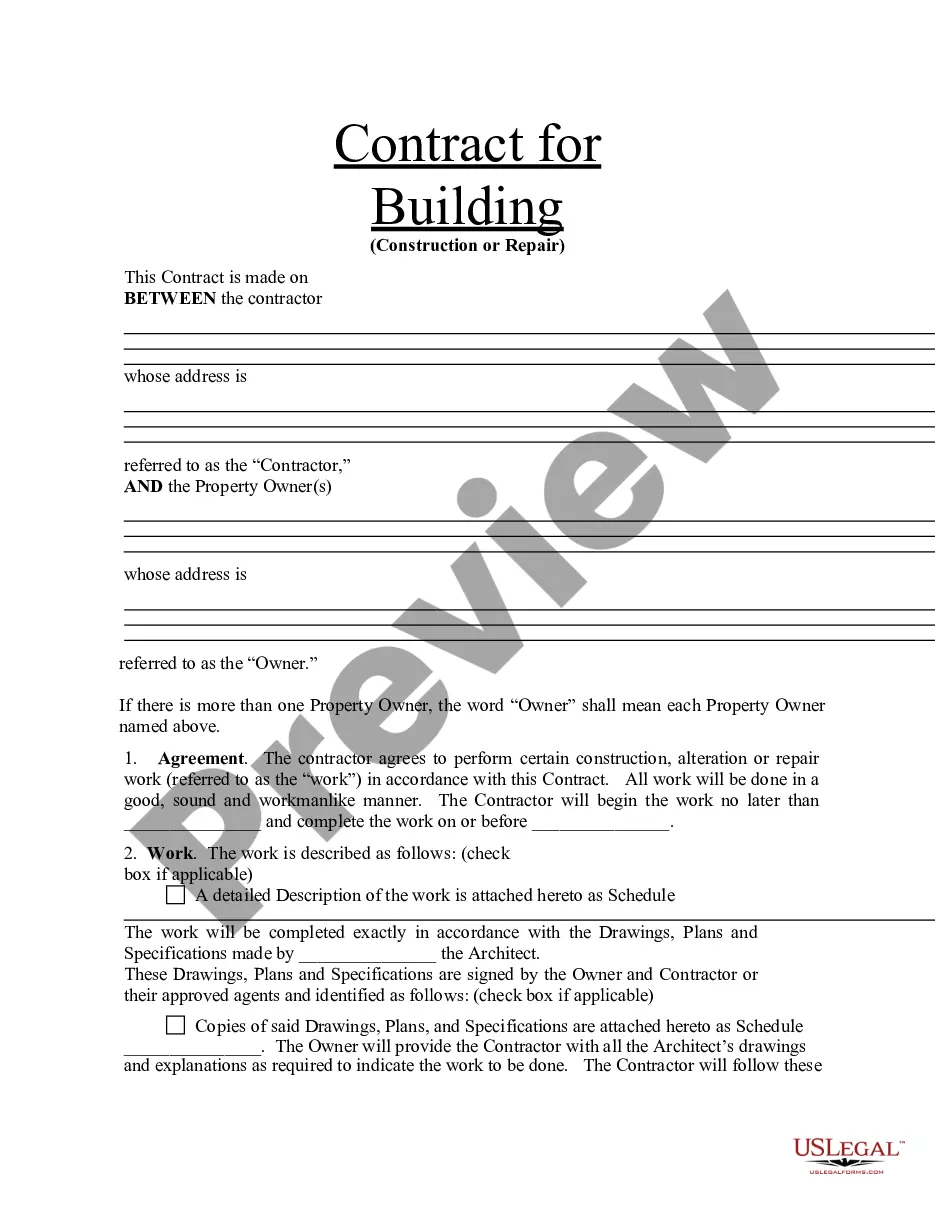
The Construction Contract Cost Plus or Fixed Fee is a legal document that outlines the agreement between a property owner and a contractor regarding the construction project. This form accommodates two types of payment arrangements: cost plus and fixed fee. It is specifically designed to ensure clarity around the project scope, work site details, warranties, and insurance requirements. This contract helps prevent disputes by providing a clear framework for the responsibilities of each party involved, distinguishing it from standard contracts in the construction industry.
What’s included in this form
- Work Site: Specifies the location of the construction project.
- Permits: Outlines the contractor's responsibility to obtain necessary permits.
- Soil Conditions: Clarifies that the contractor is not liable for pre-existing soil conditions.
- Insurance: Mandates the contractor to maintain general liability, workers' compensation, and builder's risk insurance.
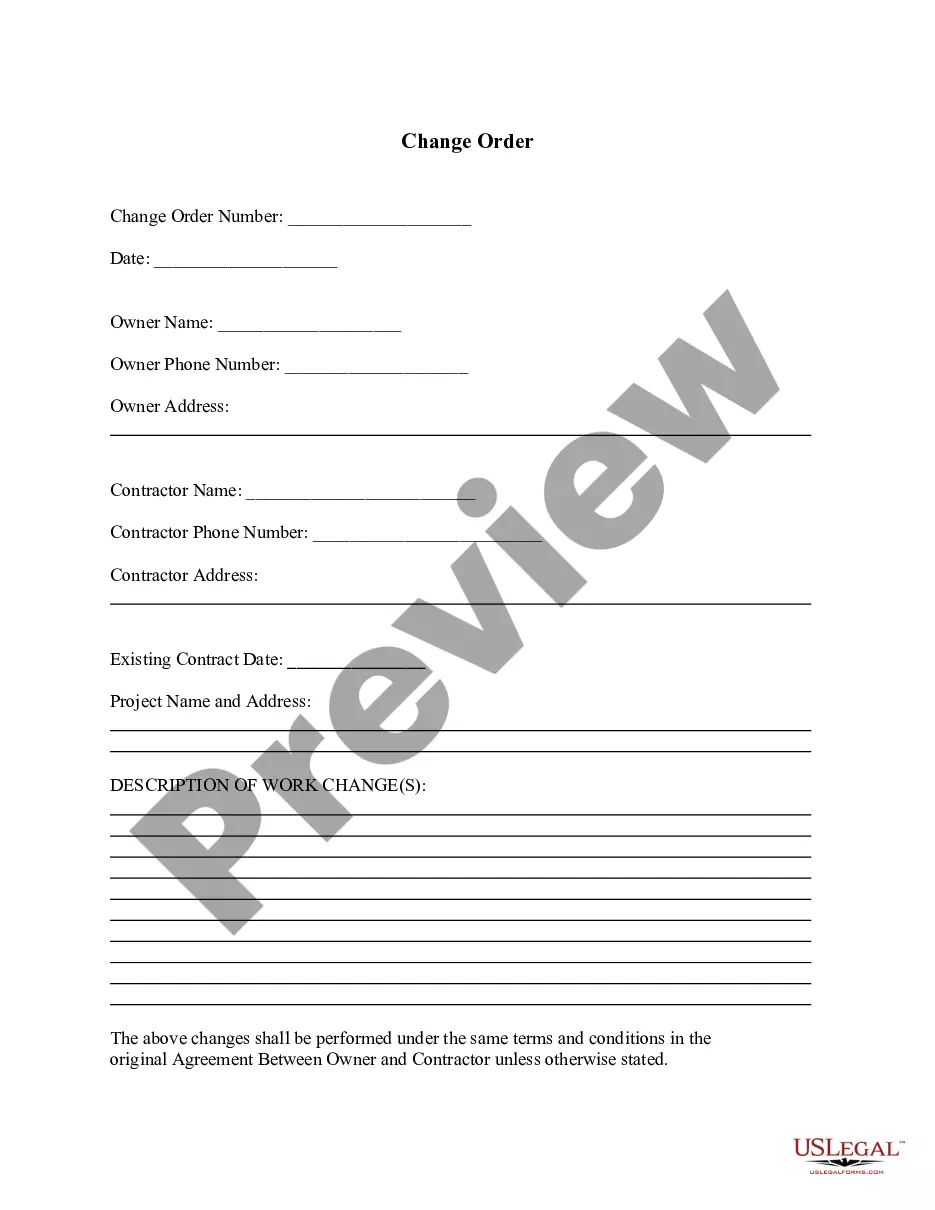
- Changes to Scope of Work: Details the process for making changes during construction.
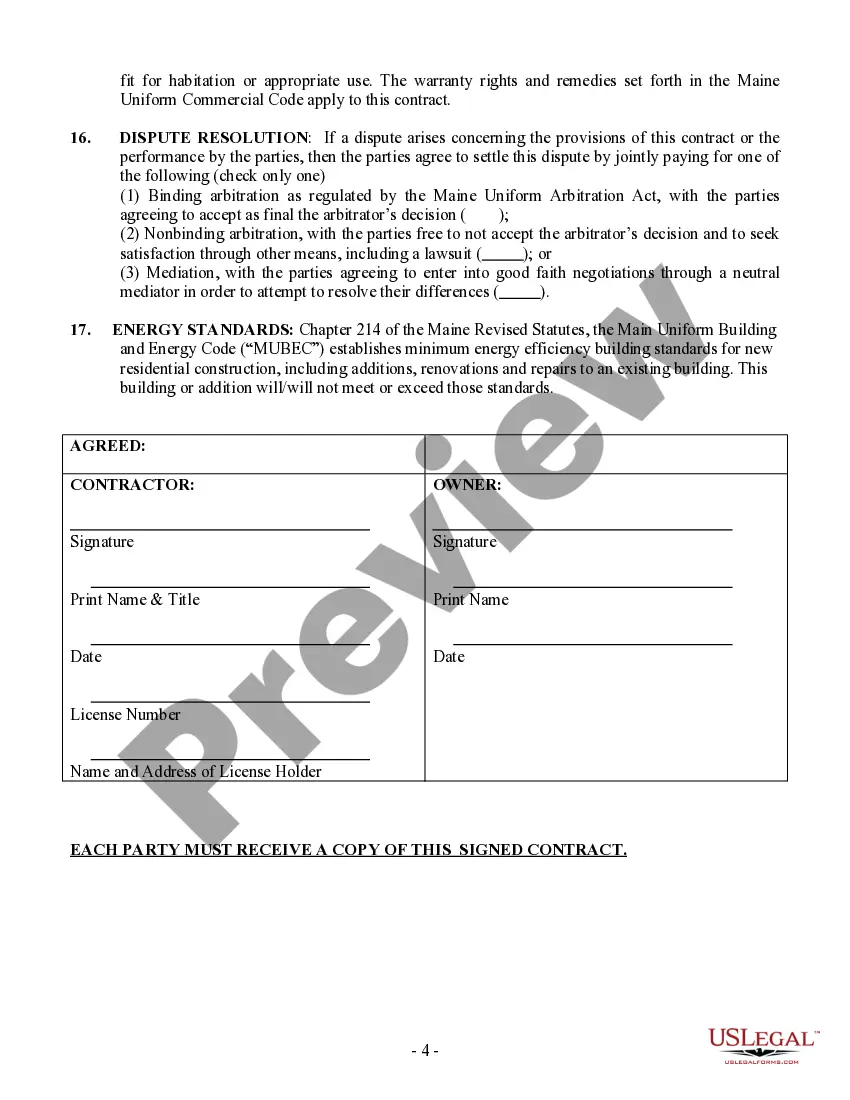
- Dispute Resolution: Provides methods for resolving disputes arising from the contract.

When to use this form
This contract should be used when a property owner plans to hire a contractor for a construction project and wants to establish a formal agreement. It is suitable for situations where costs may vary during the project, allowing for cost plus arrangements, or when a fixed fee is preferred for budget certainty. It is particularly relevant for projects nearing significant scope modifications or when multiple permits and local regulations are involved.
Intended users of this form
- Homeowners looking to undertake construction projects.
- Contractors offering construction services on a cost plus or fixed fee basis.
- Property developers who need to formalize their agreements with contractors.
- Parties involved in remodeling or renovation projects requiring legal documentation.
How to prepare this document
- Identify the parties: Fill in the names and contact details of both the owner and contractor.
- Specify the work site: Clearly indicate the property location where construction will take place.
- Outline the project scope: Detail the specific construction tasks and end goals.
- Include payment terms: Decide between a cost plus or fixed fee arrangement and document it.
- Secure necessary signatures: Ensure both parties sign and date the document to make it legally binding.
Notarization requirements for this form
In most cases, this form does not require notarization. However, some jurisdictions or signing circumstances might. US Legal Forms offers online notarization powered by Notarize, accessible 24/7 for a quick, remote process.
Get your form ready online
Our built-in tools help you complete, sign, share, and store your documents in one place.
Make edits, fill in missing information, and update formatting in US Legal Forms—just like you would in MS Word.
Download a copy, print it, send it by email, or mail it via USPS—whatever works best for your next step.
Sign and collect signatures with our SignNow integration. Send to multiple recipients, set reminders, and more. Go Premium to unlock E-Sign.
If this form requires notarization, complete it online through a secure video call—no need to meet a notary in person or wait for an appointment.
We protect your documents and personal data by following strict security and privacy standards.

Make edits, fill in missing information, and update formatting in US Legal Forms—just like you would in MS Word.

Download a copy, print it, send it by email, or mail it via USPS—whatever works best for your next step.

Sign and collect signatures with our SignNow integration. Send to multiple recipients, set reminders, and more. Go Premium to unlock E-Sign.

If this form requires notarization, complete it online through a secure video call—no need to meet a notary in person or wait for an appointment.

We protect your documents and personal data by following strict security and privacy standards.
Mistakes to watch out for
- Failing to specify the project scope adequately, which can lead to disputes.
- Neglecting to define payment terms clearly, leading to financial misunderstandings.
- Overlooking the inclusion of necessary permits in the scope of work.
- Not documenting change orders properly throughout the construction process.
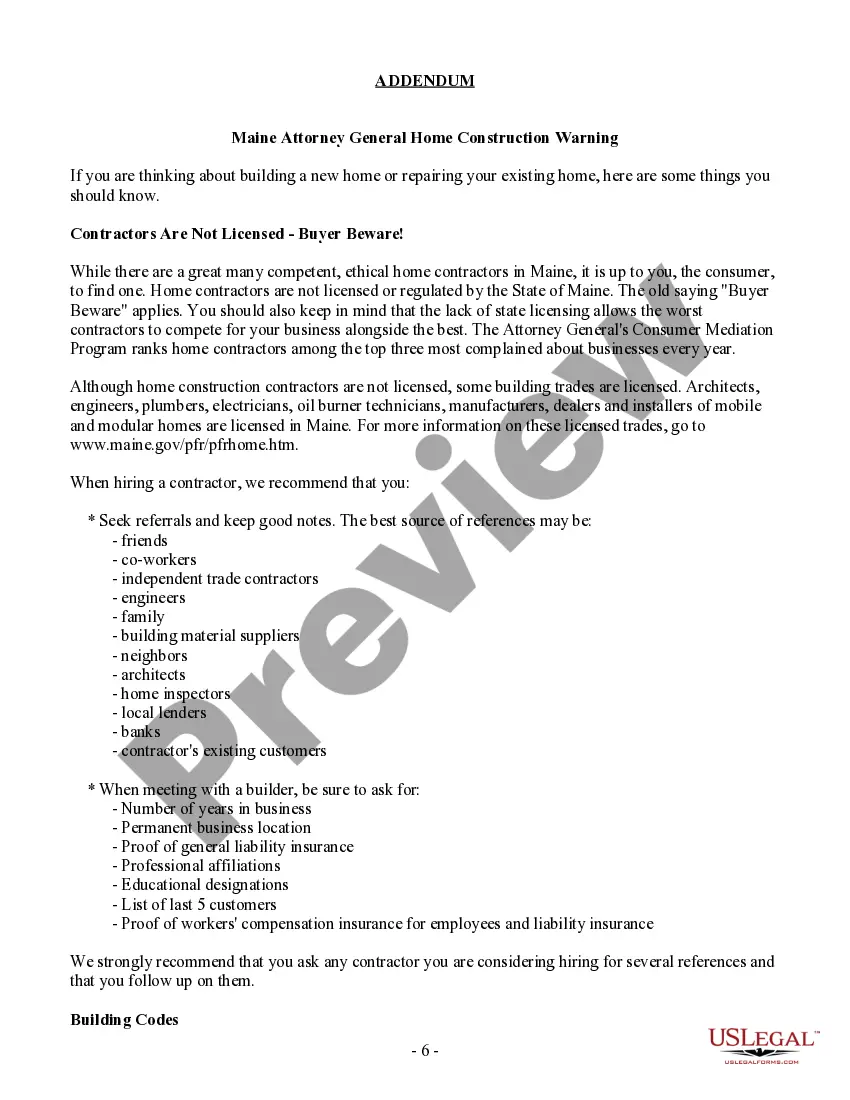
- Leaving out insurance requirements, which can expose parties to liability.
Why use this form online
- Conveniently accessible for immediate download and printing.
- Editability allows users to customize the form to fit specific project needs.
- Reliable templates drafted by licensed attorneys ensure legal compliance.
- Secure storage and easy retrieval for future reference.
Legal Use & Context:
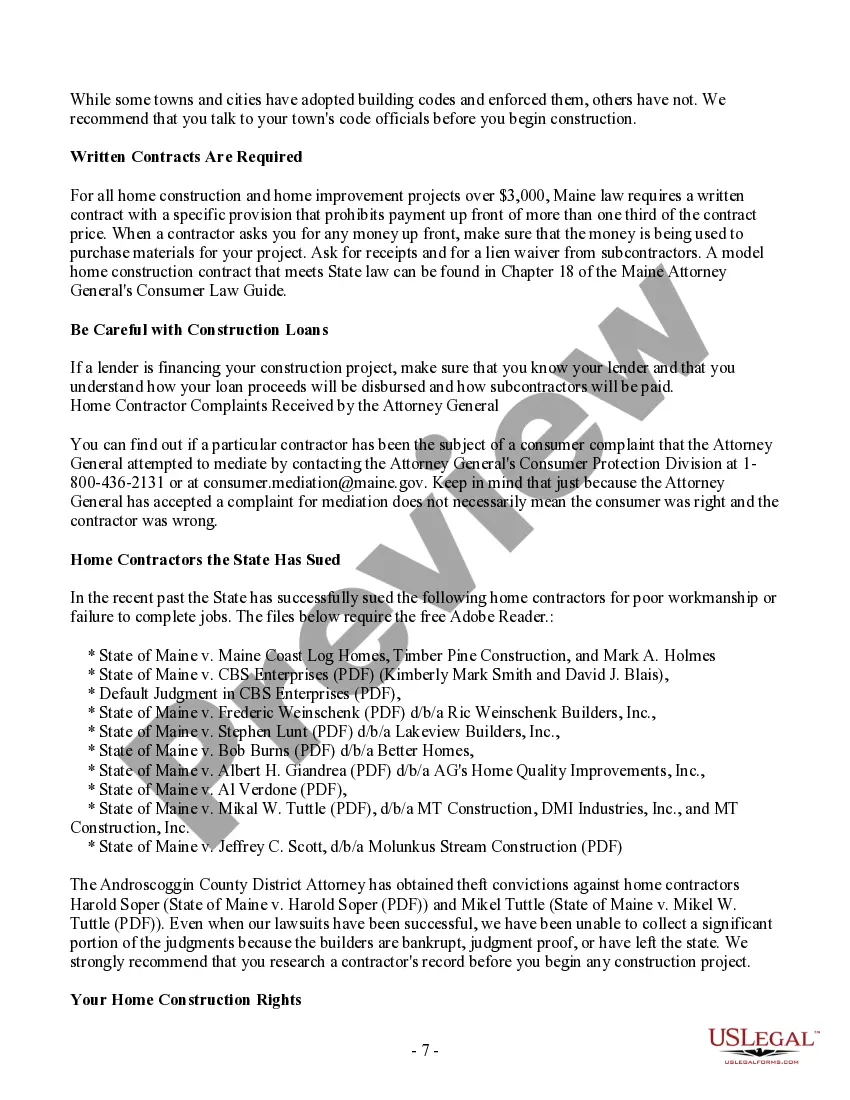
- This contract is intended to be legally binding and enforceable in the State of Maine.
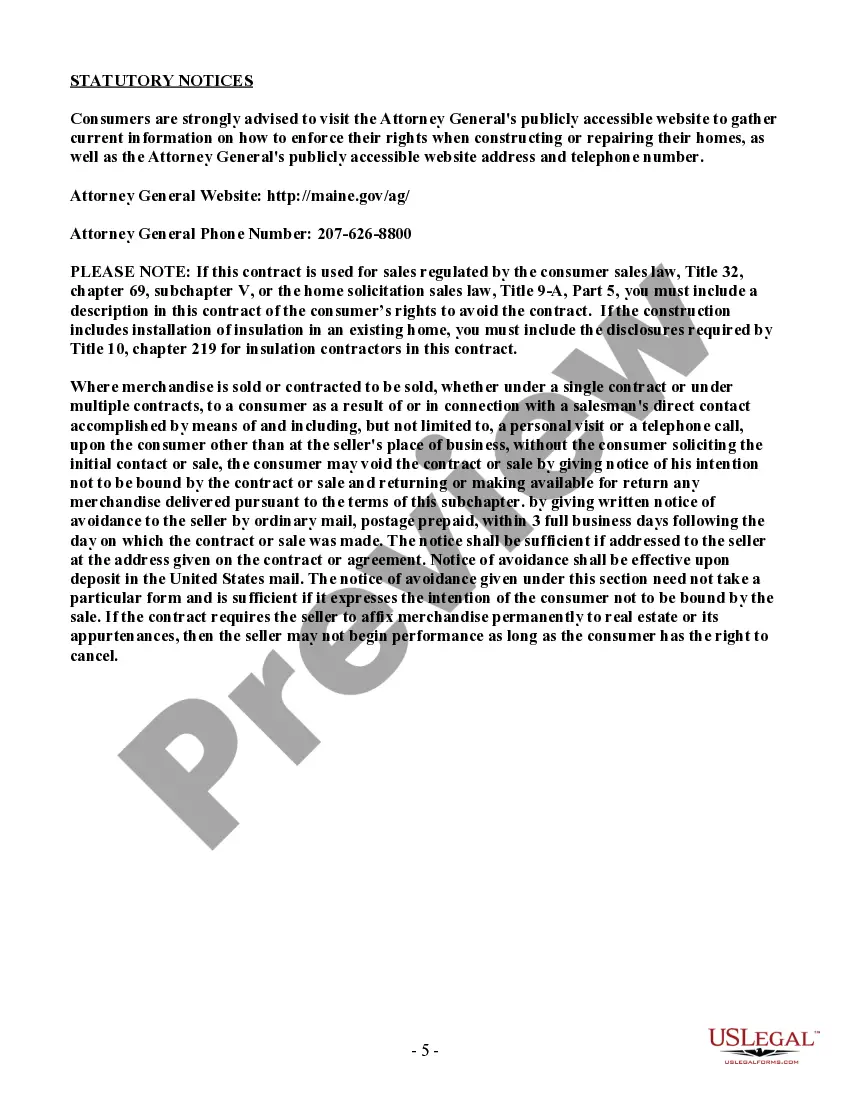
- It provides legal protection for both the contractor and the property owner, covering responsibilities, liabilities, and warranties.
- The contract adheres to specific state requirements that govern construction agreements, enhancing its legality.
Summary of main points
Key Takeaways:
- A Construction Contract Cost Plus or Fixed Fee is essential for formalizing agreements between contractors and owners.
- This form ensures compliance with Maine laws, protecting both partiesâ interests.
- Clear payment structures and provisions for changes help prevent future disputes.
Looking for another form?
Form popularity
FAQ
General requirements for a construction contract include details such as the responsibilities of both parties, project delivery timelines, and conditions for changes or disputes. A well-drafted contract will clearly state whether it is based on a Maine Construction Contract Cost Plus or Fixed Fee structure. Additionally, it should outline payment schedules and methods of compensation. Utilizing uslegalforms can help you draft a contract that meets these fundamental requirements and protects your interests.
Maine's contract law for home construction emphasizes the importance of clear and enforceable agreements. Under this law, contracts typically outline the scope of work, payment structure, and timelines, which may be Cost Plus or Fixed Fee. The law holds contractors accountable for adhering to the terms set forth in the contract. To navigate these legal standards effectively, you might want to use resources from uslegalforms to access templates and guidelines tailored for Maine.
In Maine, a construction contract needs to include essential elements such as clear project descriptions, payment terms, and timelines. It is important to specify whether the agreement is structured as a Maine Construction Contract Cost Plus or Fixed Fee arrangement. Additionally, both parties must sign the contract, and it should comply with state laws to be enforceable. Consider discussing your specific needs with a legal expert to ensure all requirements are met.
plus fixedfee contract in construction outlines that the contractor will be reimbursed for their actual expenses and receive a set fee. This arrangement balances the need for accountability with the flexibility to adapt to changes. It is a valuable option within the Maine Construction Contract Cost Plus or Fixed Fee framework, providing a transparent approach to managing construction projects.
One disadvantage of a cost-plus fee contract is the potential for project costs to exceed initial estimates, leading to financial surprises. This method might also encourage less efficient spending, as the contractor may allocate unnecessary resources to maximize their fee. Therefore, it's crucial to monitor expenses closely when engaging in Maine Construction Contract Cost Plus or Fixed Fee agreements.
plus fixed fee contract is best utilized in complex projects where detailed design specifications are not finalized. This contract type benefits projects that may require flexibility and adjustments over time. With a Maine Construction Contract Cost Plus or Fixed Fee, both parties can maintain clarity on fees while navigating the unpredictability of construction.
Using a cost-plus contract is ideal when the full scope of work is not clearly defined at the start of a project. It allows your project to adapt to changes while ensuring that the contractor is compensated for their actual expenses plus a fee. This approach can minimize risks associated with unforeseen costs within Maine Construction Contract Cost Plus or Fixed Fee arrangements.
You might consider using a cost-plus fixed fee when project scopes are uncertain. This method allows for flexibility in covering unexpected expenses while offering a guaranteed fee to the contractor. In situations where precise budgeting is challenging, the Maine Construction Contract Cost Plus or Fixed Fee can provide reassurance for both parties.
You should use a cost-plus fixed-fee contract when you require contractor flexibility but want to establish a clear limit on profits. This balance can help foster a cooperative working environment, while ensuring accountability. It is particularly helpful in complex construction projects in Maine where changes are probable and costs must remain manageable.
plus fixedfee contract is best used when you want to cap the contractor’s profit while also allowing for cost reimbursement. This arrangement provides a level of predictability regarding overall expenses. You should consider this option when you want to ensure quality without excessive financial risk while navigating a Maine construction contract cost plus or fixed fee.