Maryland Toll Manufacturing Agreement
Description
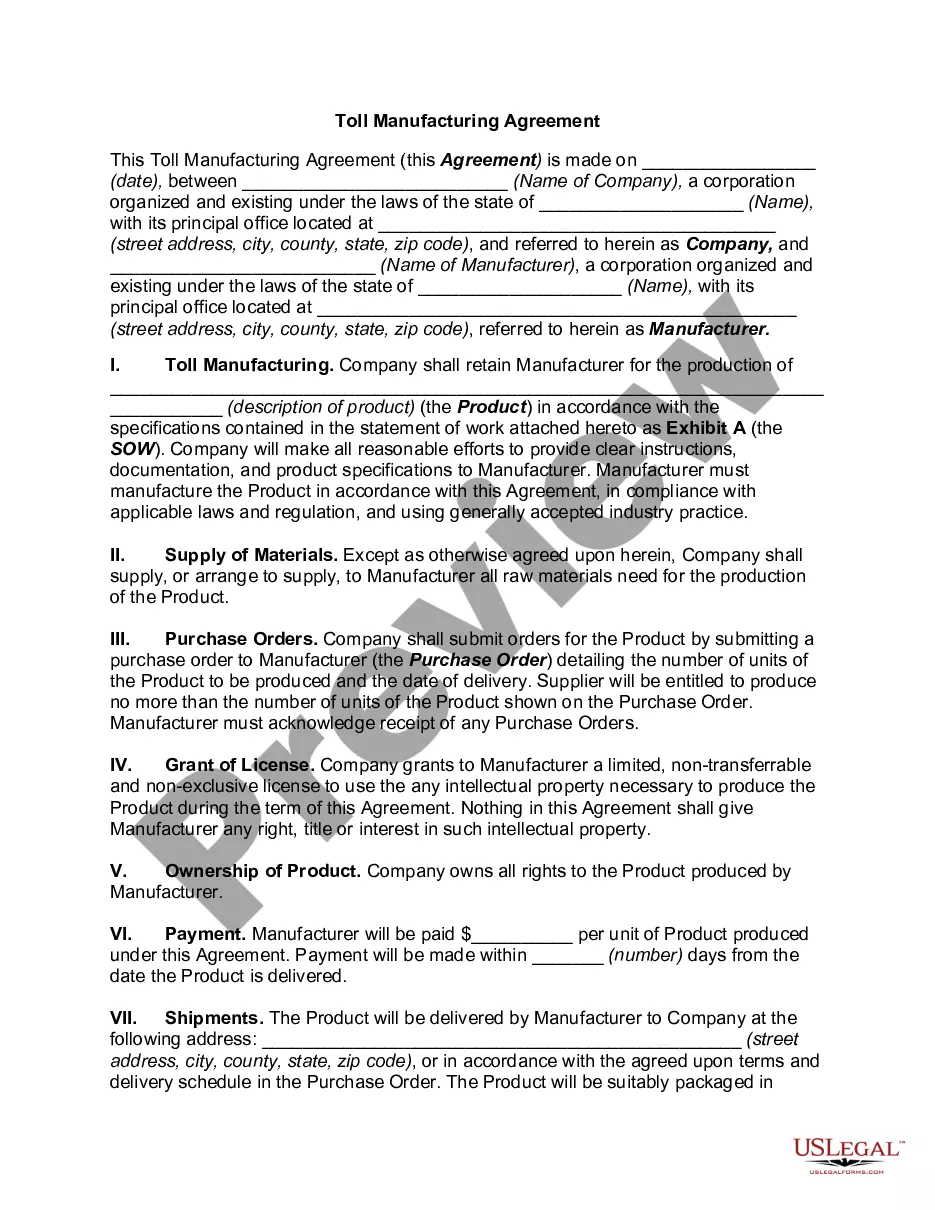
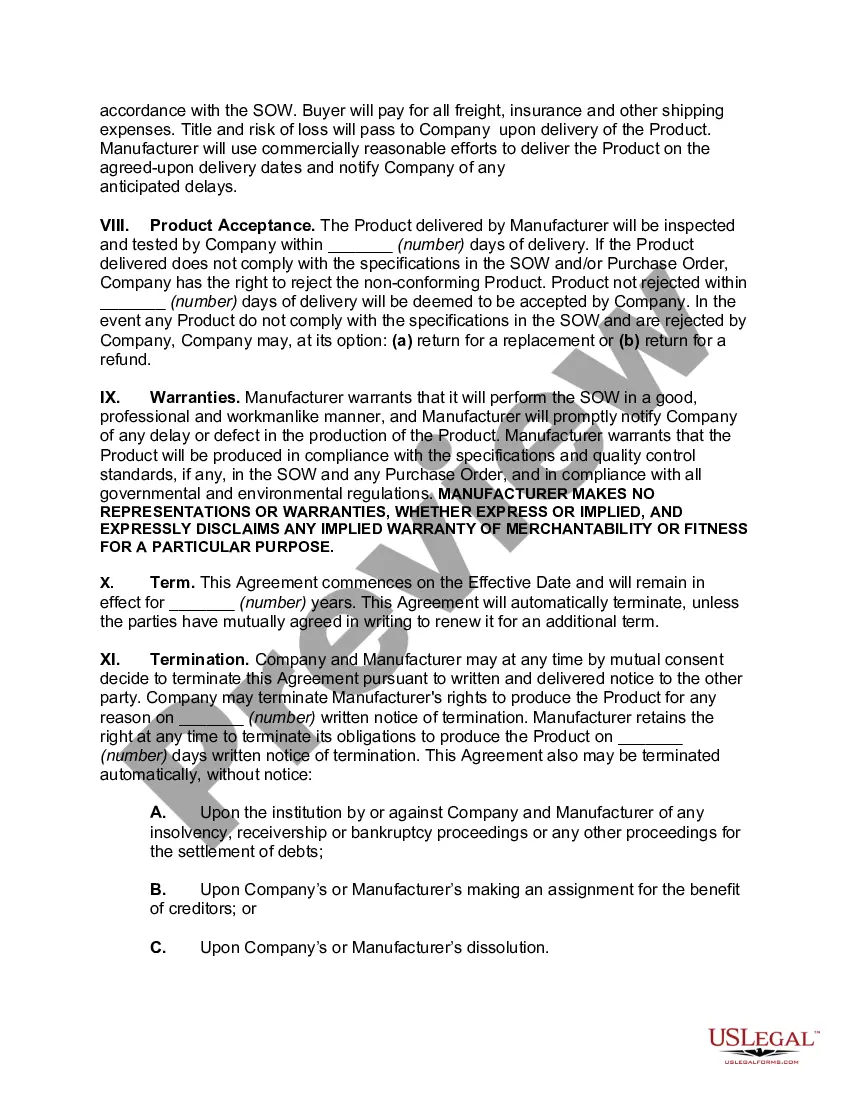
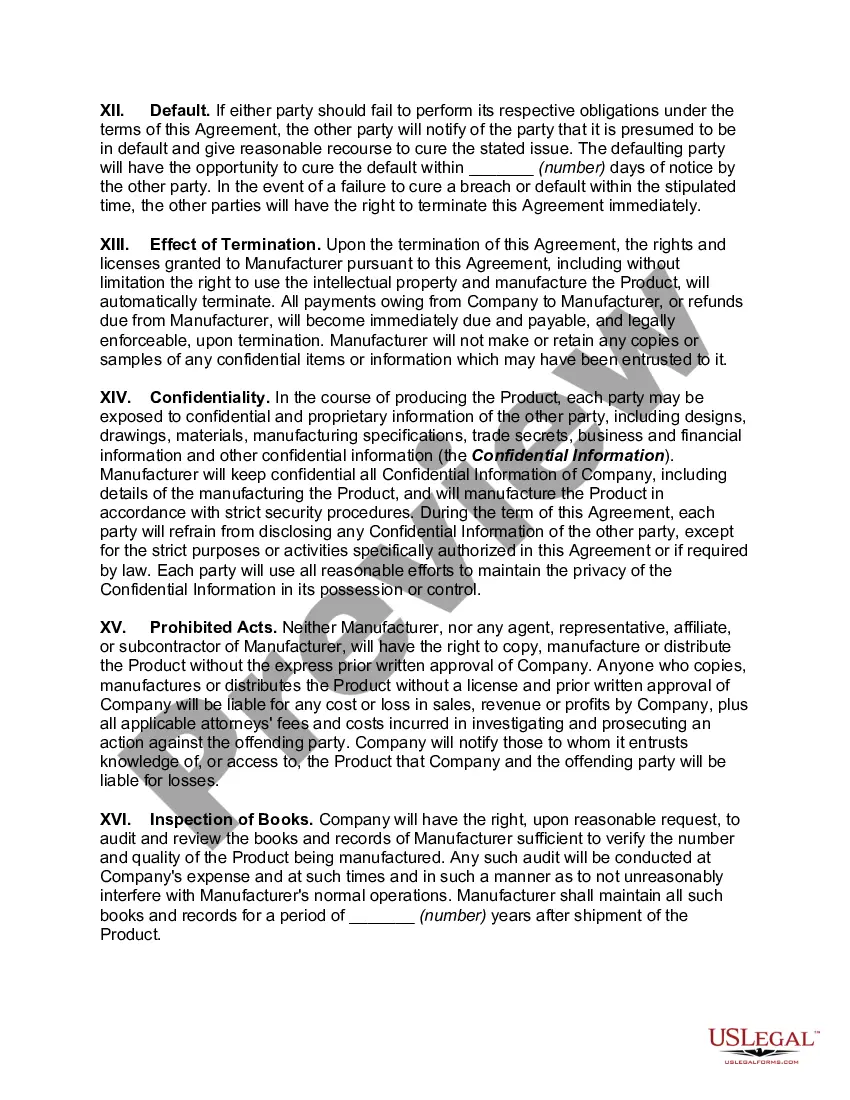
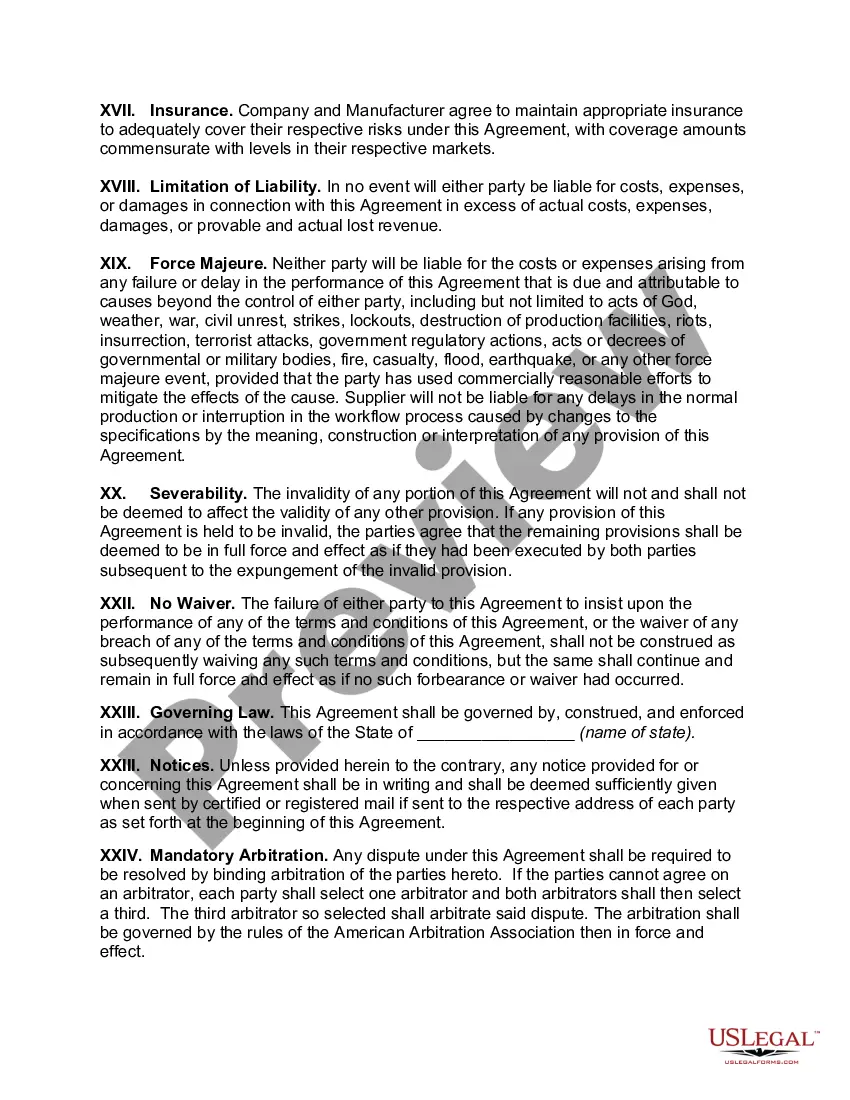
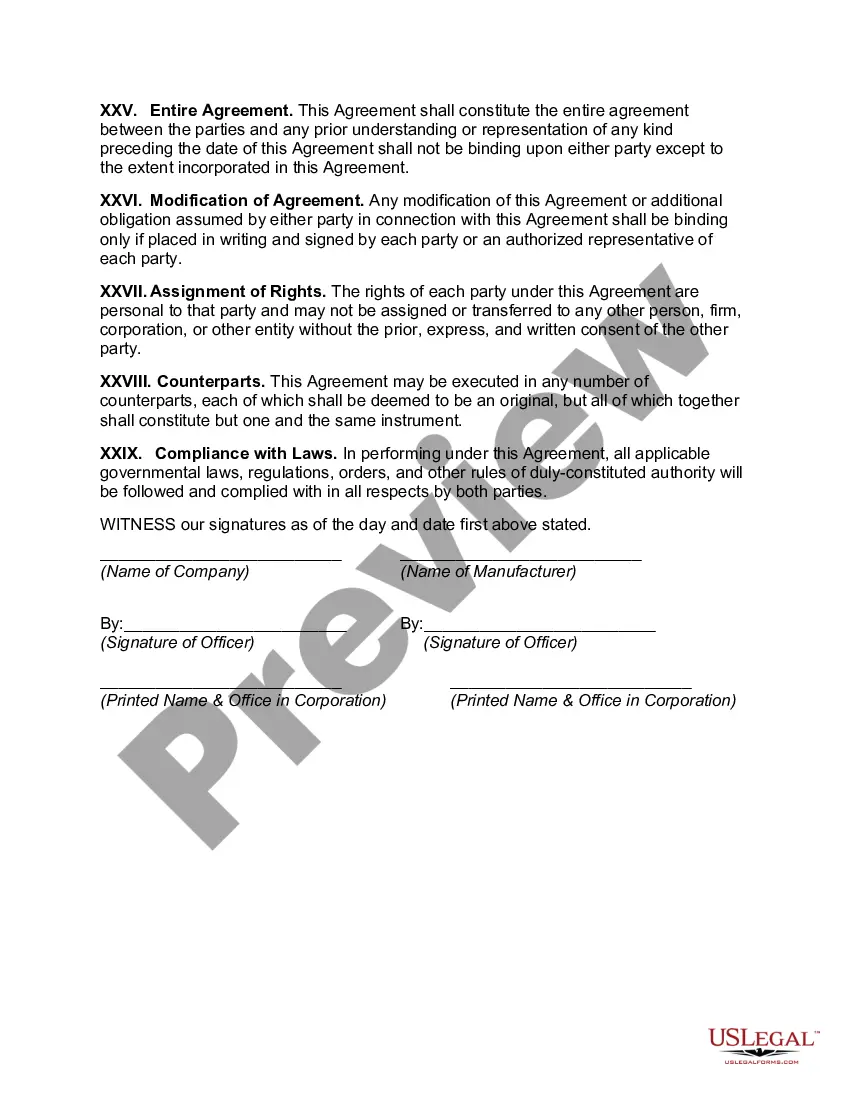
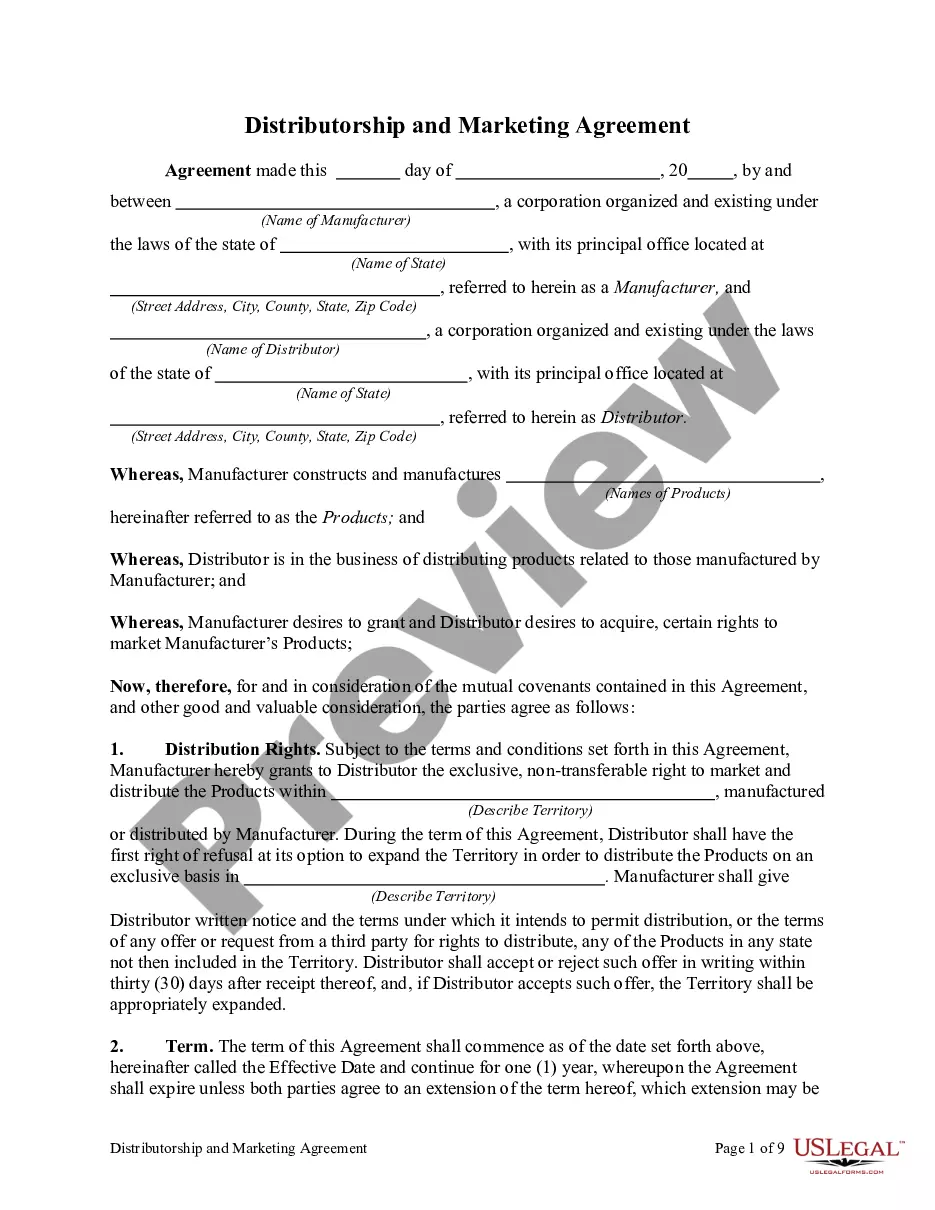
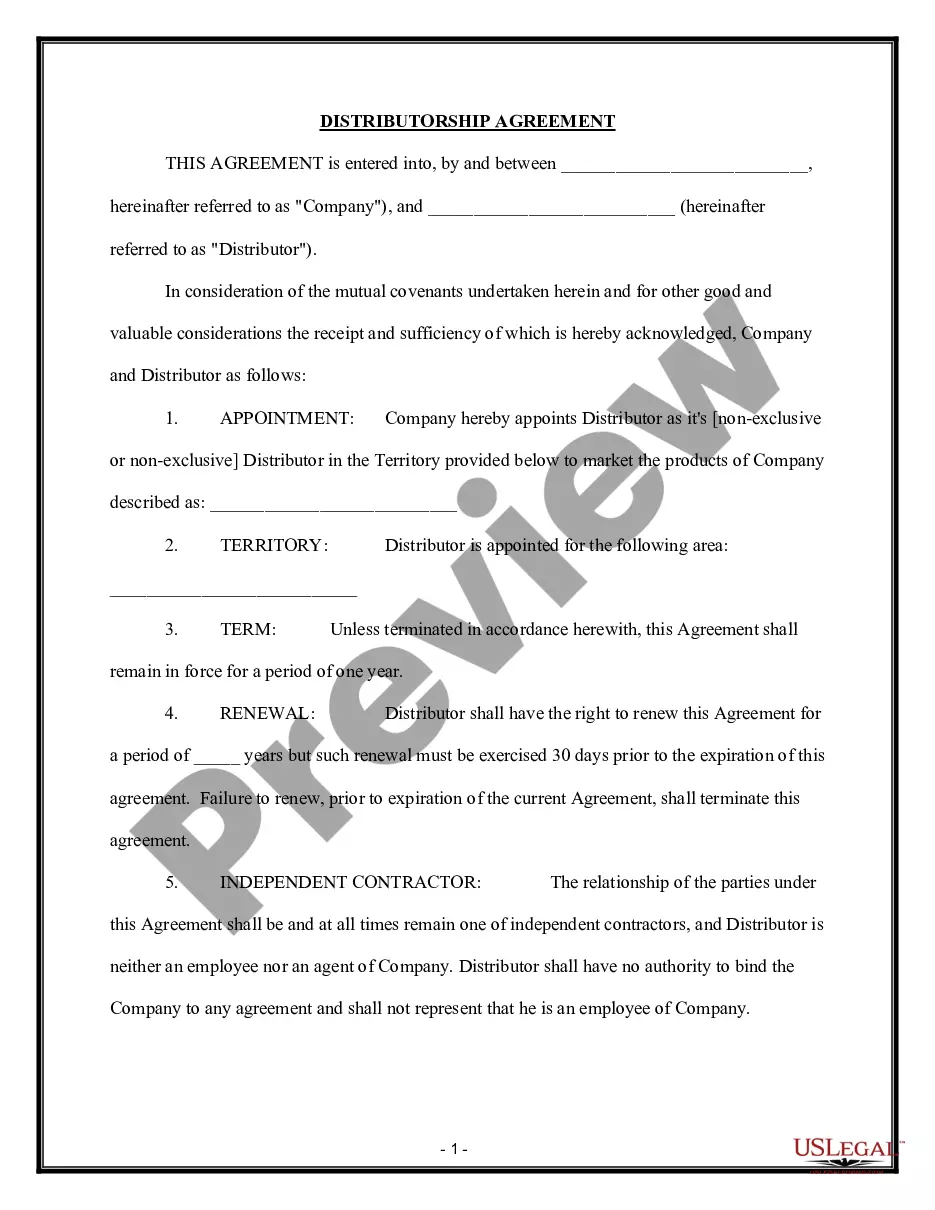
How to fill out Toll Manufacturing Agreement?
If you want to finalize, acquire, or generate legal document templates, use US Legal Forms, the largest assortment of legal documents available online.
Take advantage of the site’s user-friendly and efficient search to find the files you require.
A range of templates for business and personal purposes are categorized by types and states, or keywords.
Step 4. Once you have found the form you need, click on the Buy now button. Choose the pricing plan you prefer and provide your details to register for an account.
Step 5. Complete the transaction. You can use your Visa or Mastercard or PayPal account to finalize the payment.
- Utilize US Legal Forms to access the Maryland Toll Manufacturing Agreement with just a few clicks.
- If you are already a US Legal Forms user, Log In to your account and then click the Download button to get the Maryland Toll Manufacturing Agreement.
- You can also view documents you previously saved from the My documents section of your account.
- If you are using US Legal Forms for the first time, follow the steps outlined below.
- Step 1. Make sure you have selected the form for the correct city/state.
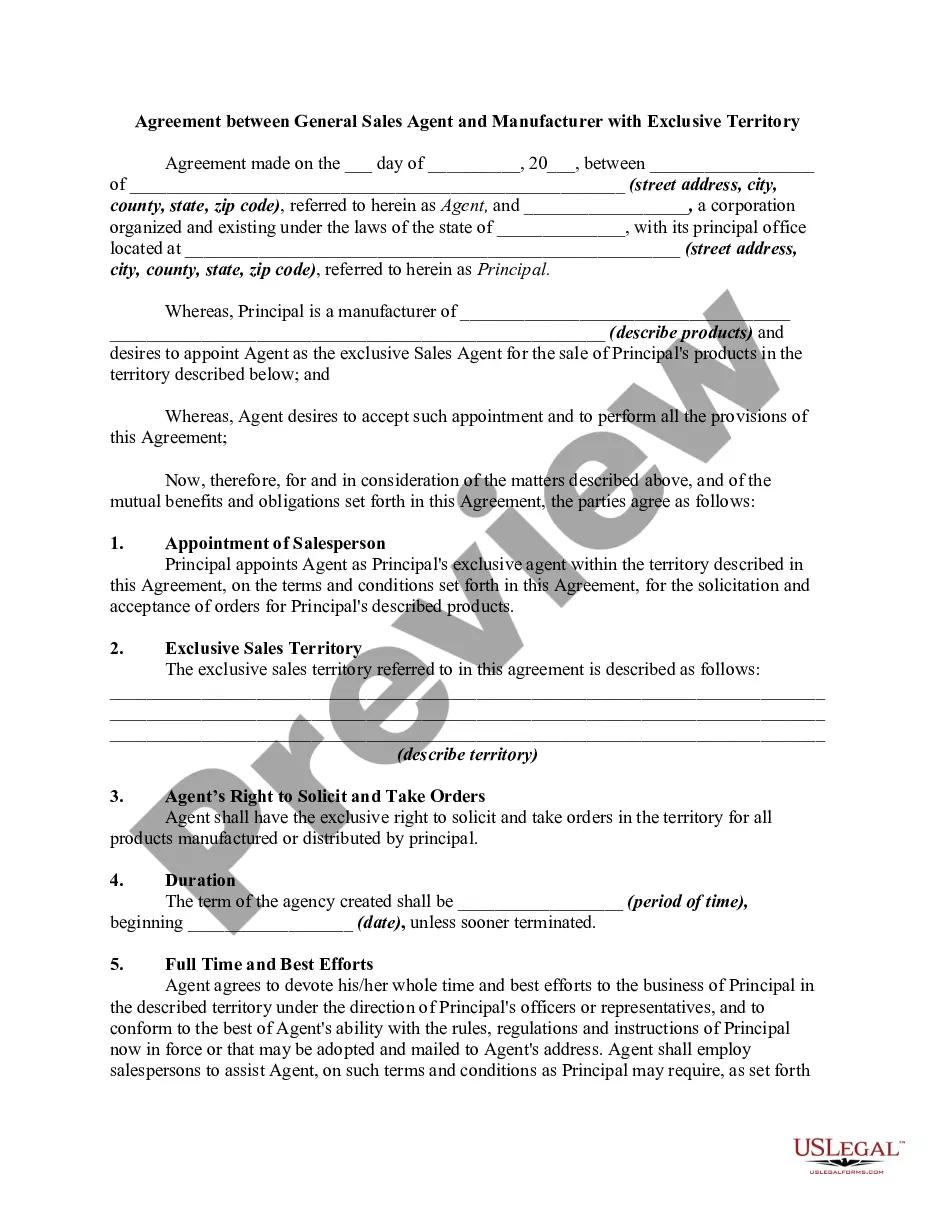
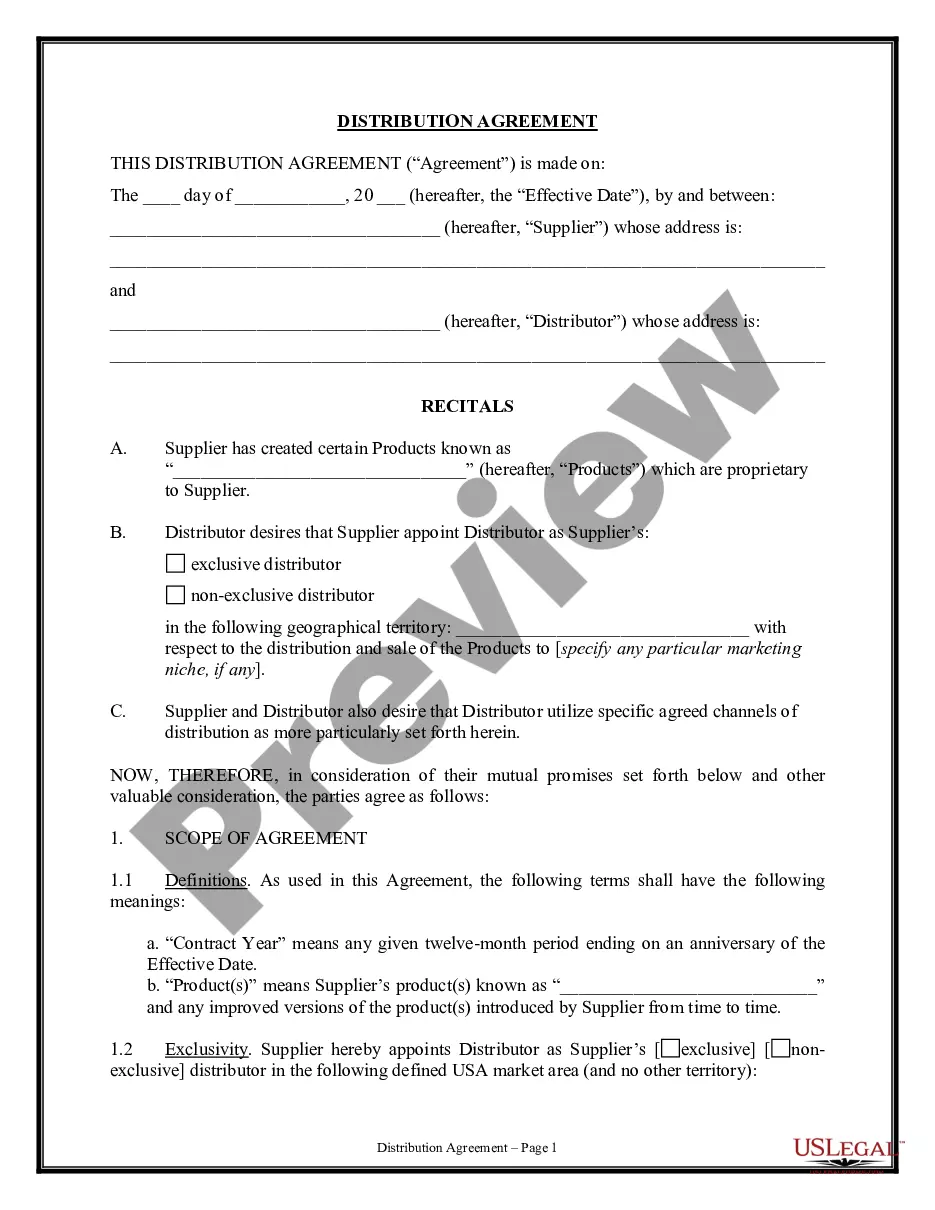
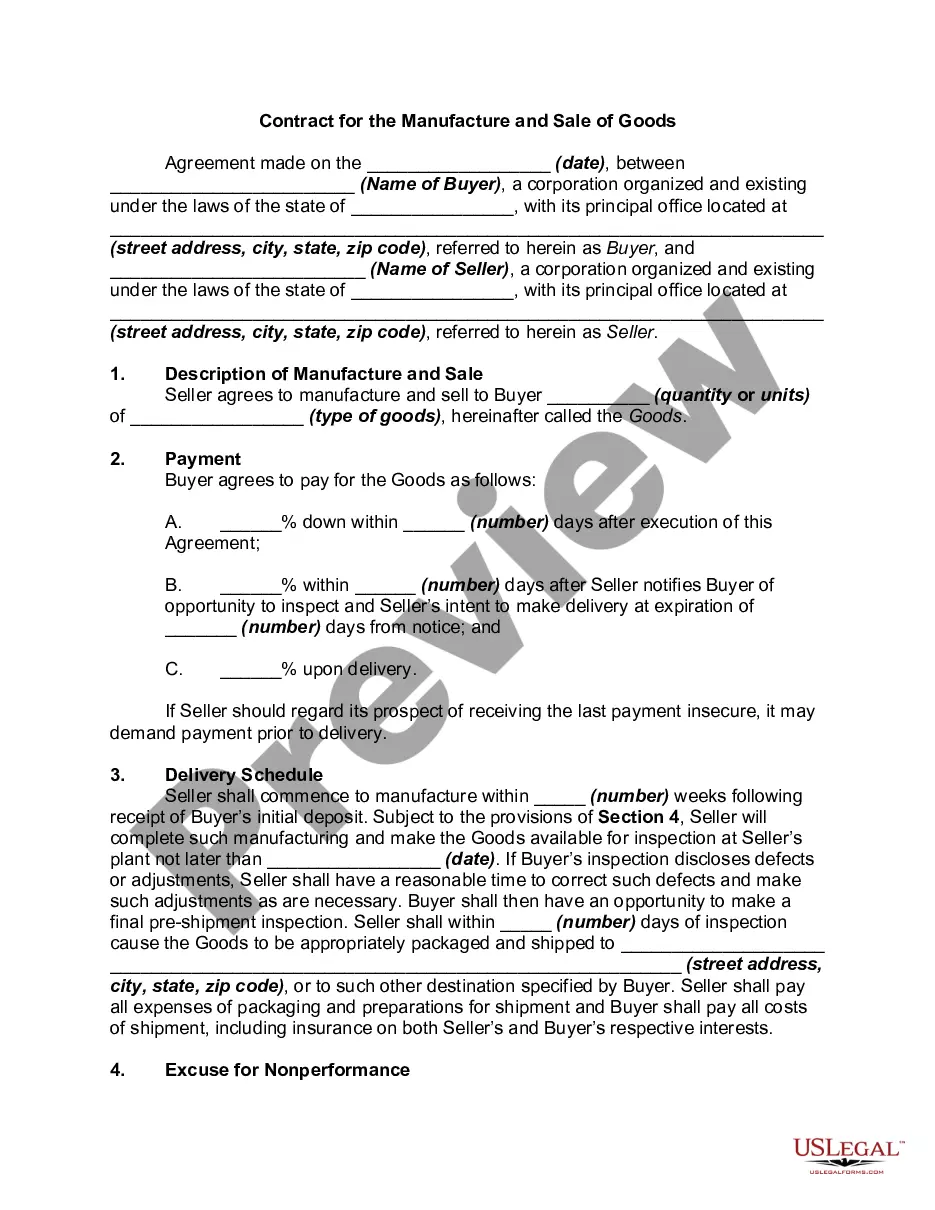
- Step 2. Use the Preview option to review the form’s content. Be sure to check the information.
- Step 3. If you are not satisfied with the form, use the Search field at the top of the screen to find other types of the legal form template.
Form popularity
FAQ
Contract manufacturing involves an external manufacturer producing goods, often with full control over materials and processes, while toll manufacturing specifically uses a client's materials for production. This distinction is essential because it affects costs, ownership, and decision-making authority. When initiating a Maryland Toll Manufacturing Agreement, clarifying these differences ensures that both parties align their goals and expectations for successful outcomes.
A tolling manufacturer operates under a toll manufacturing agreement to process raw materials provided by another company. This arrangement focuses on efficiently transforming inputs into finished goods, usually without taking ownership of the final products. For businesses considering a Maryland Toll Manufacturing Agreement, choosing the right tolling manufacturer can enhance production efficiency and reduce costs.
A toll manufacturer produces goods on behalf of a client, using the client's materials, while a contract manufacturer also produces on behalf of a client but typically manages the entire production process, including sourcing materials. The key difference lies in material ownership and production oversight. Understanding this distinction is crucial when creating a Maryland Toll Manufacturing Agreement to ensure all parties have clear expectations.
A manufacturer typically produces goods and owns the materials and processes involved in production, while a contract manufacturer provides specific manufacturing services under the direction of another company. In a contract manufacturing relationship, the contracting company maintains control over product design and specifications. Thus, if you are exploring a Maryland Toll Manufacturing Agreement, it is essential to differentiate these roles for effective collaboration.
A toll manufacturing arrangement refers to an agreement where a toll manufacturer produces goods for a client using the client's raw materials. The client retains ownership of the materials throughout the process, ensuring quality and efficiency. This type of partnership allows businesses to focus on their core competencies while leveraging specialized manufacturing capabilities. For those interested in a Maryland Toll Manufacturing Agreement, understanding these arrangements can optimize production strategies.
The purpose of a tolling agreement, such as the Maryland Toll Manufacturing Agreement, is to outline the terms under which one company will process raw materials for another. This agreement defines responsibilities, costs, and delivery timelines, ensuring both parties are aligned on expectations. By clarifying these points, businesses can avoid potential disputes and streamline their operations. Ultimately, it fosters a collaborative relationship that can benefit both parties.
Maryland Toll Manufacturing Agreements offer several benefits. They help businesses save on costs by outsourcing production to specialized manufacturers, which can lead to more efficient use of resources. Additionally, companies can focus on core activities rather than production logistics, enhancing overall productivity. This agreement also allows for greater flexibility, enabling businesses to adapt to changing market demands quickly.
The toll manufacturing process involves a client providing raw materials to a manufacturer who processes these materials into finished products. The manufacturer follows specific instructions set by the client, ensuring the final product meets agreed-upon standards. If you're navigating this process, utilizing a Maryland Toll Manufacturing Agreement can help clarify the roles and duties of each party.
The key difference between contract and toll manufacturing lies in control over material sourcing and production. In contract manufacturing, the manufacturer often supplies raw materials, while in toll manufacturing, the client provides the materials for production. This distinction is significant when drafting a Maryland Toll Manufacturing Agreement, as it outlines responsibilities and expectations.
Contract manufacturing refers to a production arrangement where a company hires a third-party manufacturer to produce goods according to specified guidelines. This approach allows companies to leverage external expertise and scale production without investing heavily in facilities and equipment. Firms considering outsourcing can explore the benefits of a Maryland Toll Manufacturing Agreement for specific needs.