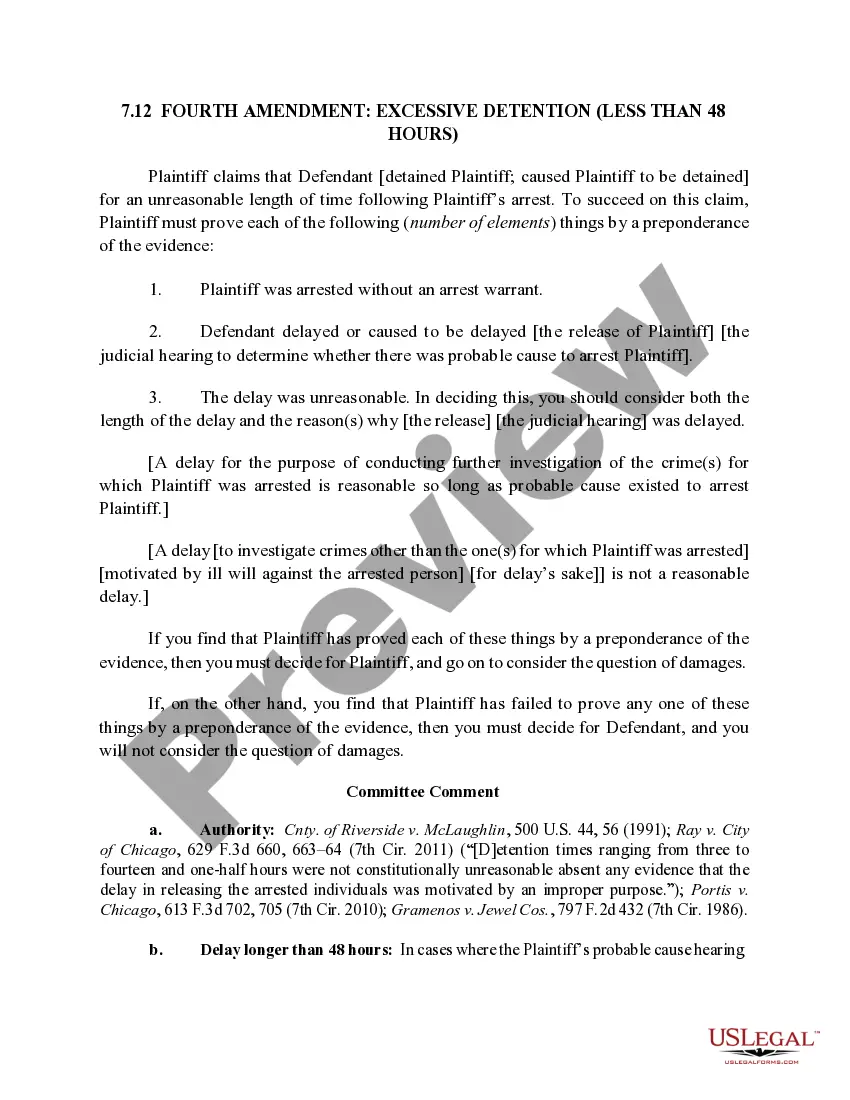
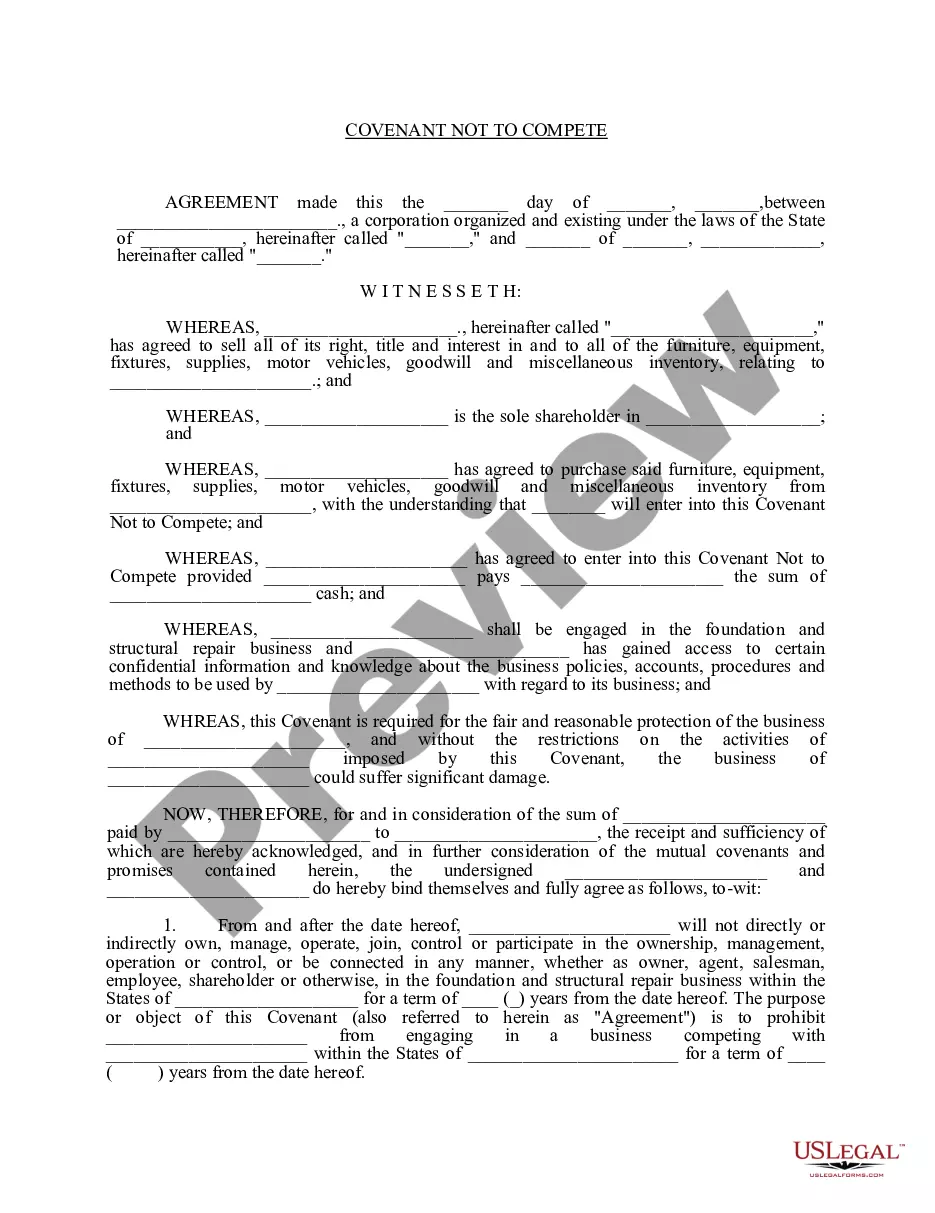
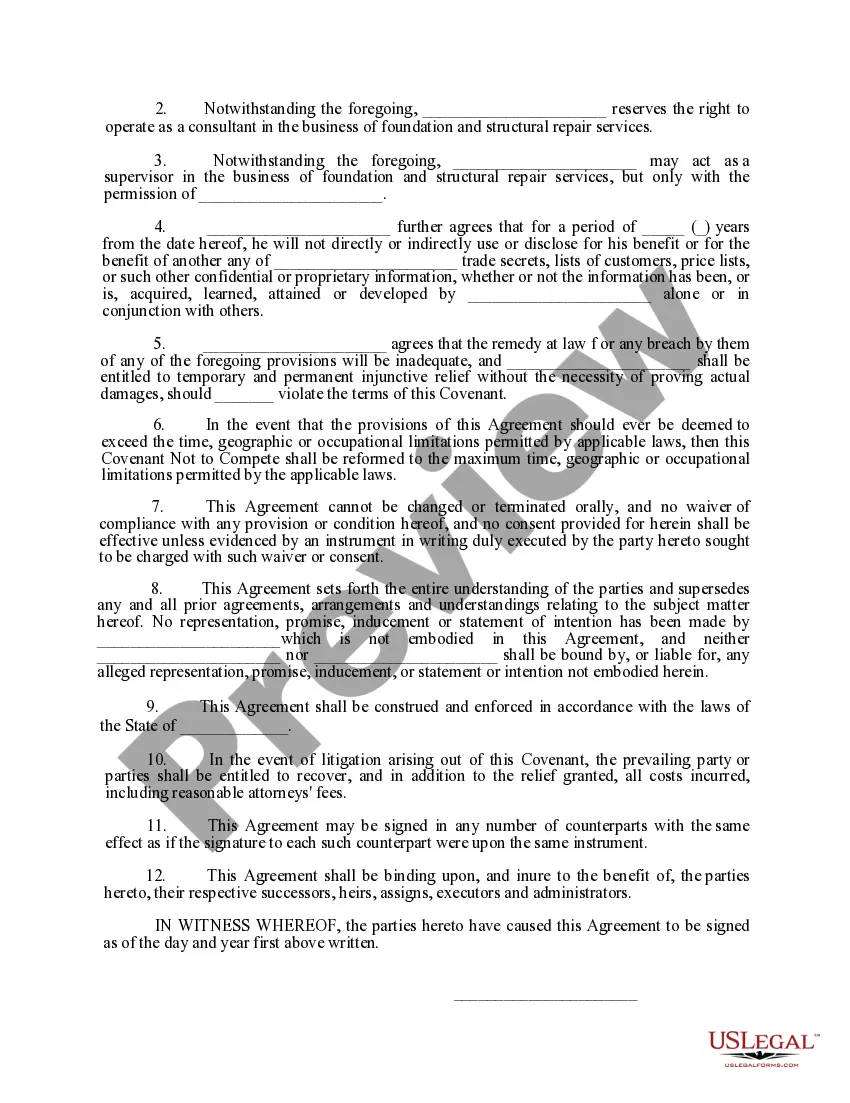
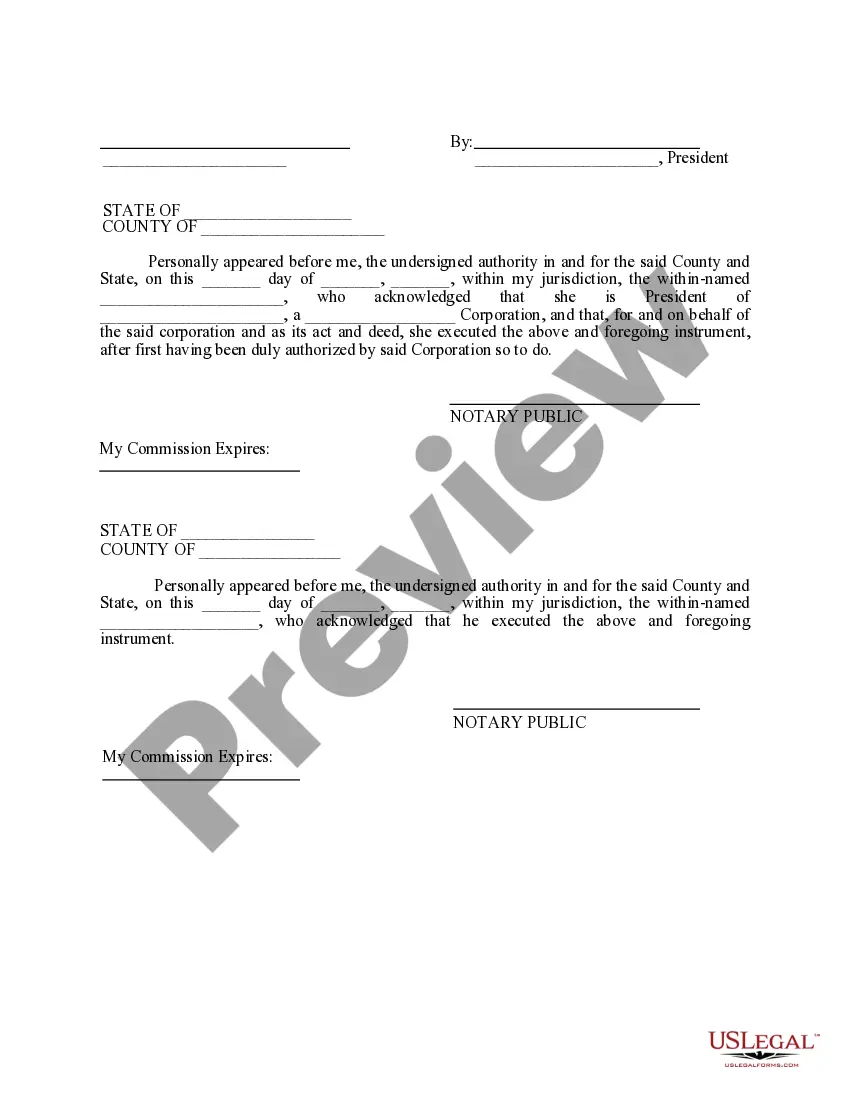
Maryland Covenant Not to Compete for a Construction Business - Noncompetition
Description
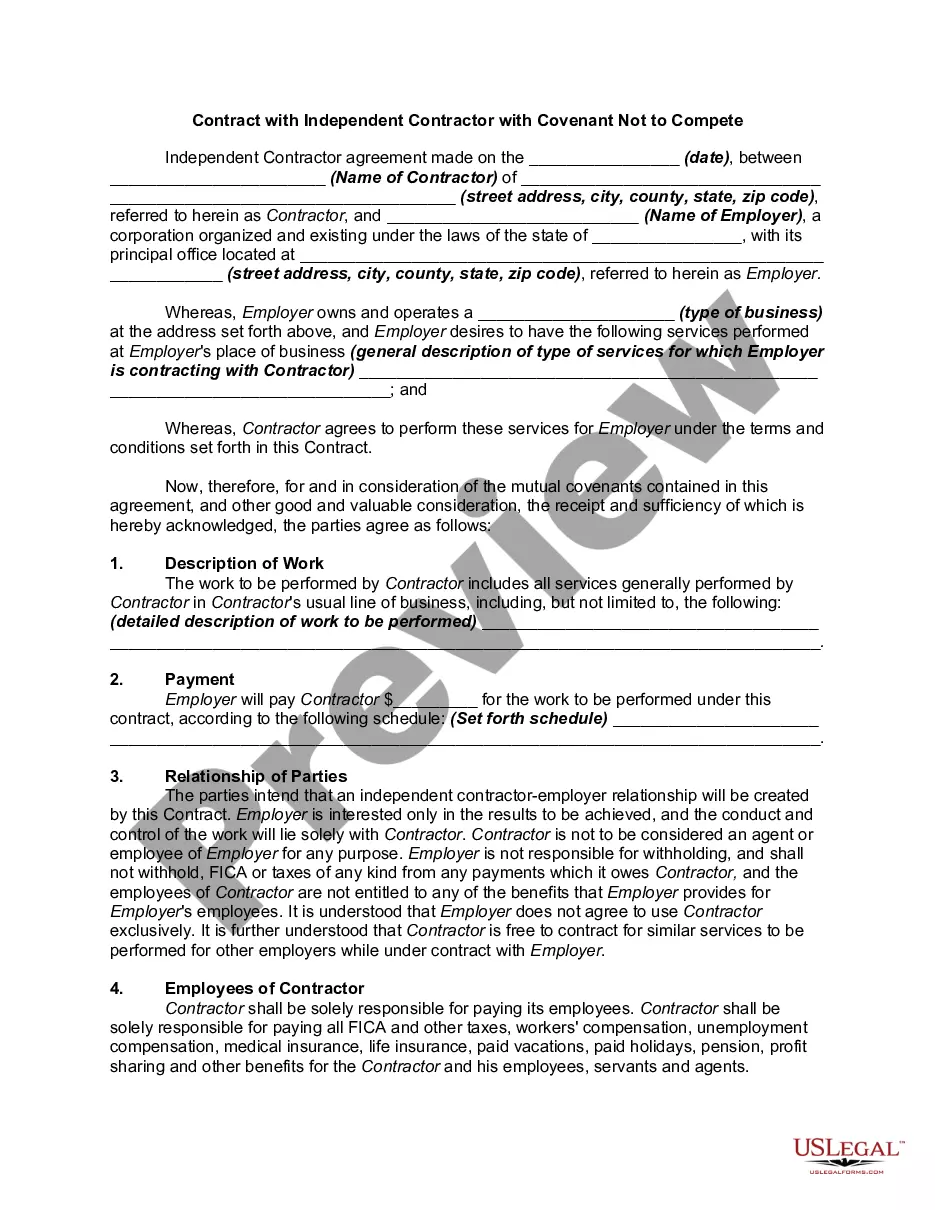
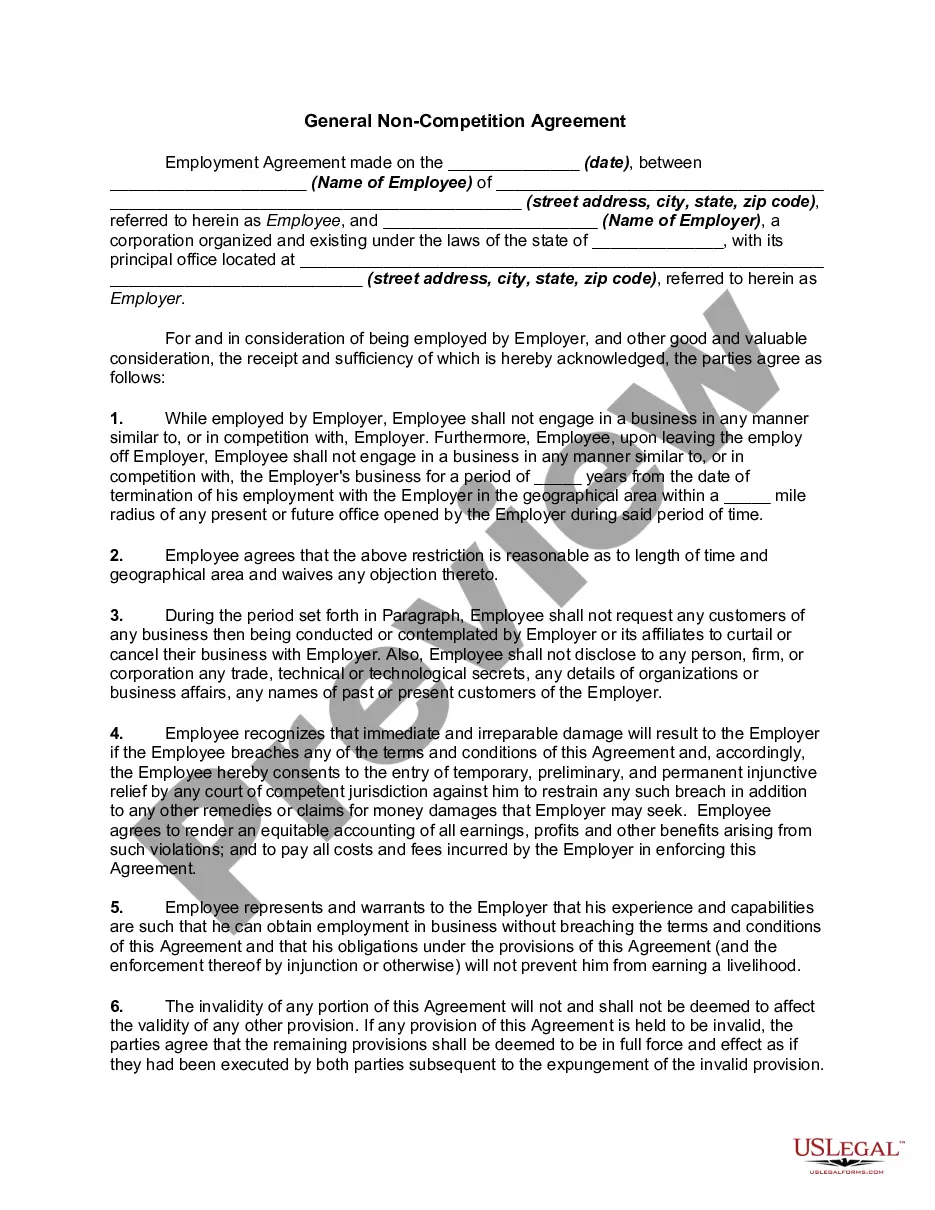
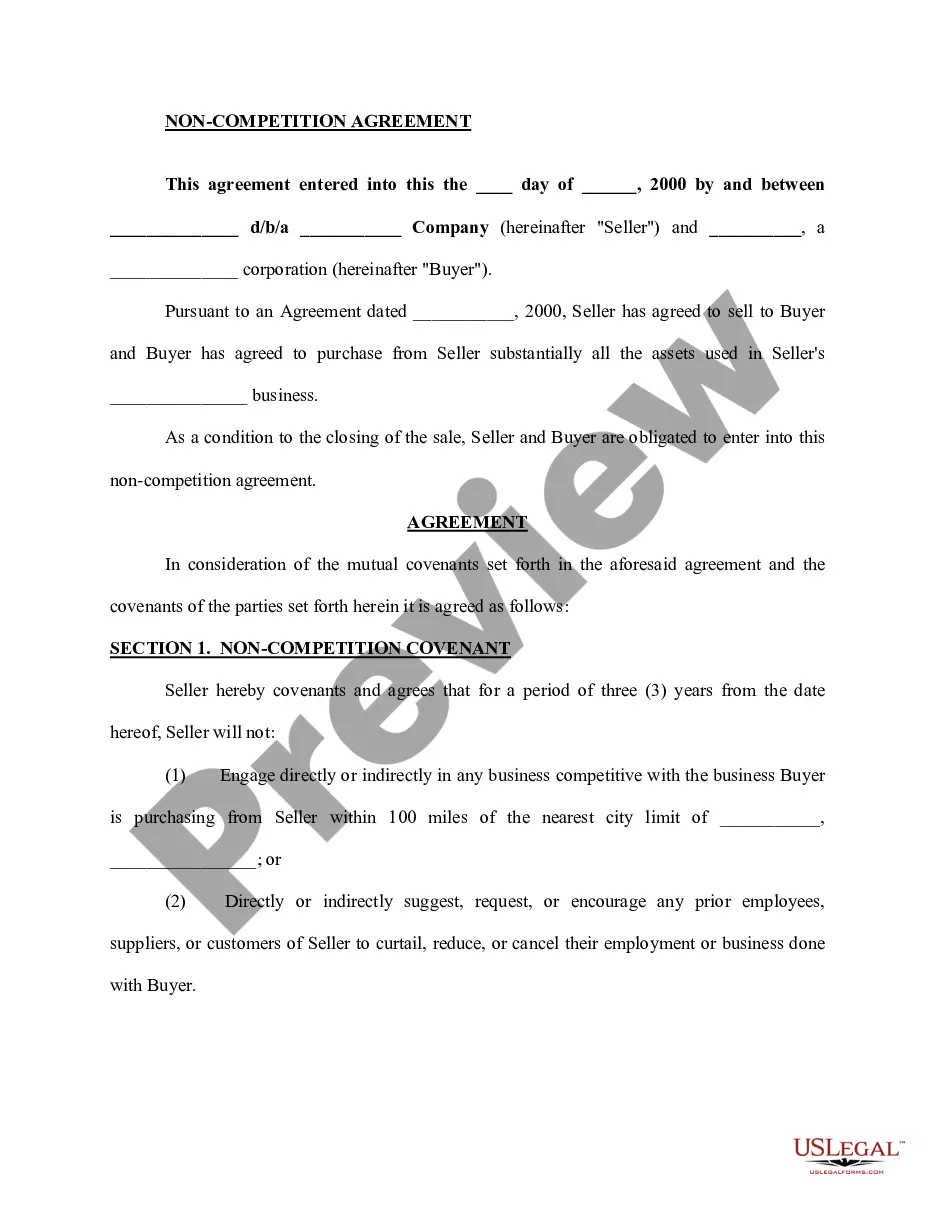
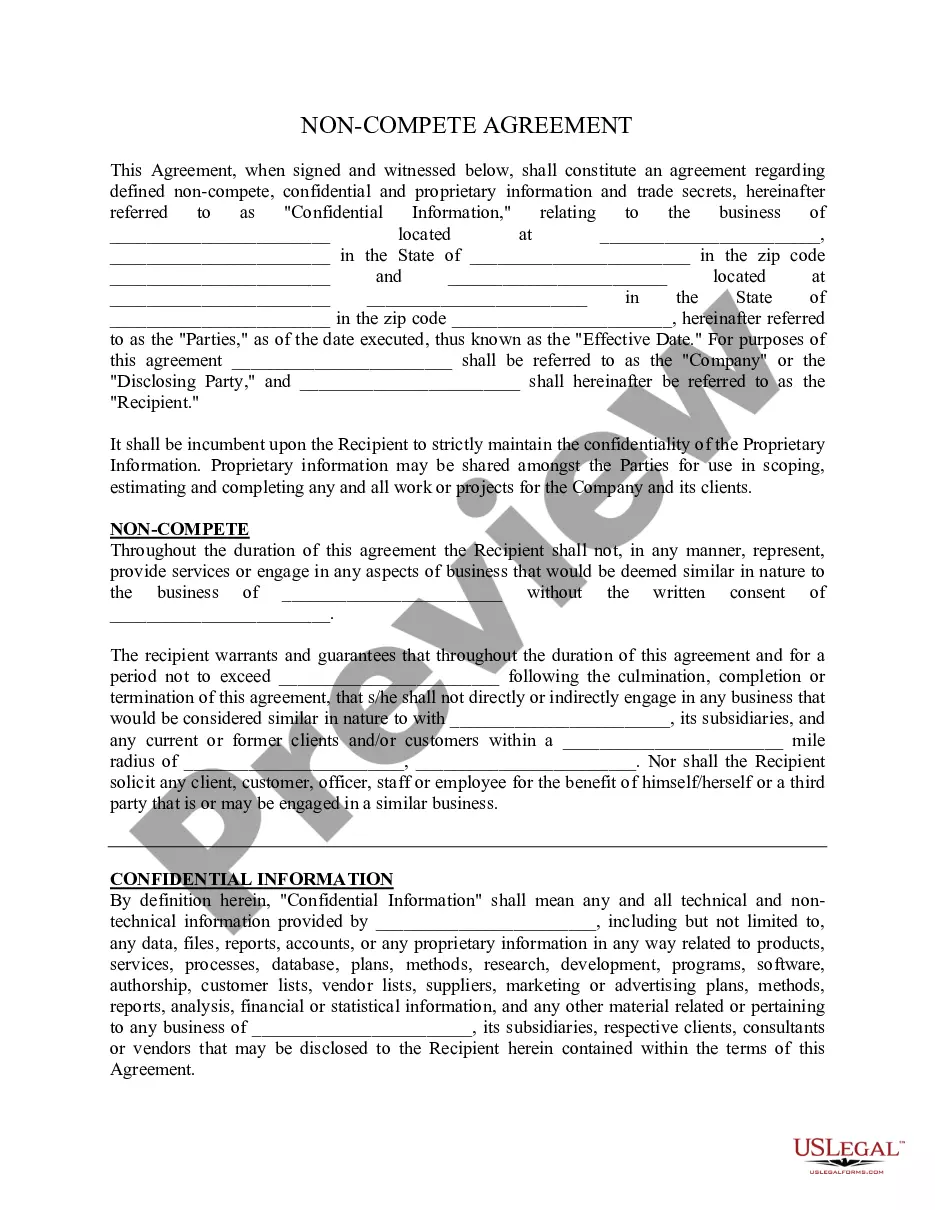
Get your form ready online
Our built-in tools help you complete, sign, share, and store your documents in one place.
Make edits, fill in missing information, and update formatting in US Legal Forms—just like you would in MS Word.
Download a copy, print it, send it by email, or mail it via USPS—whatever works best for your next step.
Sign and collect signatures with our SignNow integration. Send to multiple recipients, set reminders, and more. Go Premium to unlock E-Sign.
If this form requires notarization, complete it online through a secure video call—no need to meet a notary in person or wait for an appointment.
We protect your documents and personal data by following strict security and privacy standards.

Make edits, fill in missing information, and update formatting in US Legal Forms—just like you would in MS Word.

Download a copy, print it, send it by email, or mail it via USPS—whatever works best for your next step.

Sign and collect signatures with our SignNow integration. Send to multiple recipients, set reminders, and more. Go Premium to unlock E-Sign.

If this form requires notarization, complete it online through a secure video call—no need to meet a notary in person or wait for an appointment.

We protect your documents and personal data by following strict security and privacy standards.
Looking for another form?


How to fill out Covenant Not To Compete For A Construction Business - Noncompetition?
Are you in a situation where you frequently require documents for business or specific purposes almost every day? There is a multitude of legal document templates available online, but finding reliable ones can be challenging.
US Legal Forms offers an extensive collection of form templates, such as the Maryland Covenant Not to Compete for a Construction Business - Noncompetition, which are designed to comply with both federal and state regulations.
If you are already familiar with the US Legal Forms website and possess an account, simply Log In. After that, you can download the Maryland Covenant Not to Compete for a Construction Business - Noncompetition template.
- Obtain the document you need, ensuring it is for the correct city/state.
- Use the Review button to examine the form.
- Check the details to confirm you have selected the right form.
- If the form doesn’t meet your requirements, use the Search field to find the form that fits your needs.
- Once you find the correct form, click on Purchase now.
- Choose the pricing plan that suits you, fill in the necessary information to create your account, and pay for your order using PayPal or credit card.
- Select a convenient file format and download your copy.
Form popularity
FAQ
A covenant not to compete, or a non-competition clause, is a legal contract preventing employees from engaging in similar work post-employment. This type of agreement aims to protect businesses from losing clients and sensitive information to former employees. Understanding this concept is crucial, especially if you're navigating a Maryland Covenant Not to Compete for a Construction Business - Noncompetition. Legal platforms can provide guidance to help clarify these complexities.
Maryland courts have not specifically addressed whether non- competes with no geographic restrictions are enforceable (see Deutsche Post, at 757). However, the court in Gill upheld a non- compete that prohibited an employee from working for customers his former employer had in the year before he left (Gill, at 180).
A covenant not to compete has three elements: (1) a limitation on the work that may be pursued by the employee, (2) a definite time, and (3) a definite geographical area. The time and geographical restrictions are usually straightforward; the limitation on work is a little more complex.
Texas courts have recognized three main categories of acceptable consideration: (1) tying the non-compete to a confidentiality agreement; (2) an employer's agreement to provide specialized training; and (3) an award of stock options. Stock Option Award.
Finalized in May 2019 and effective the following October, the Maryland Non-Compete and Conflict of Interest Clauses Act prohibits using non-compete clauses for employees who earn $15 per hour or less or $31,200 annually.
Courts consider several elements when determining the reasonableness of a covenant not to compete, including (1) the time and territory encompassed by the covenant, (2) the territory in which the employee worked, (3) the area in which the employer operated, (4) the nature of the business and (5) the nature of the
Non-Compete Agreements. A non-compete agreement is a contract, generally between an employer and an employee, in which the employee promises not to compete with the employer for a specified length of time after the termination of employment.
You Can Void a Non-Compete by Proving Its Terms Go Too Far or Last Too Long. Whether a non-compete is unenforceable because it covers too large of a geographical area or it lasts too long can depend on many factors. Enforceability can depend on your industry, skills, location, etc.
The well-known general rule is that a covenant not to compete is only enforceable if its terms are reasonable and necessary to protect the legitimate business interests of the employer.