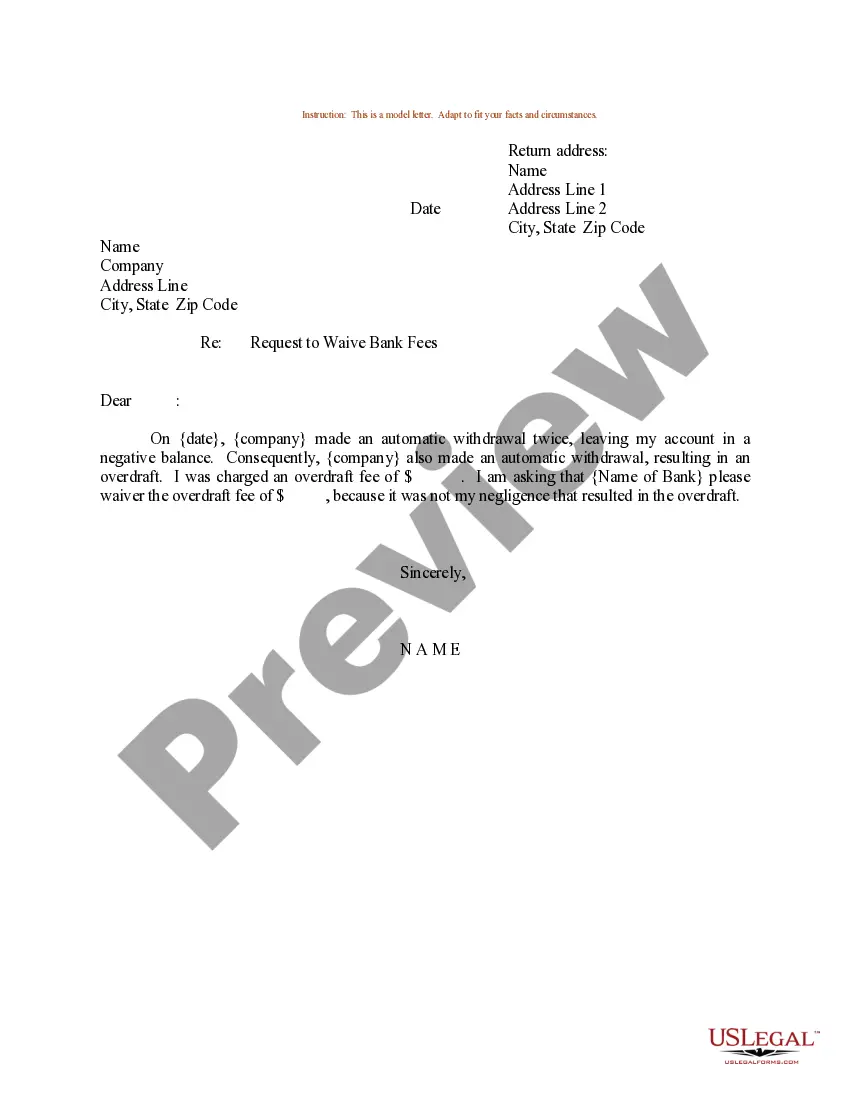
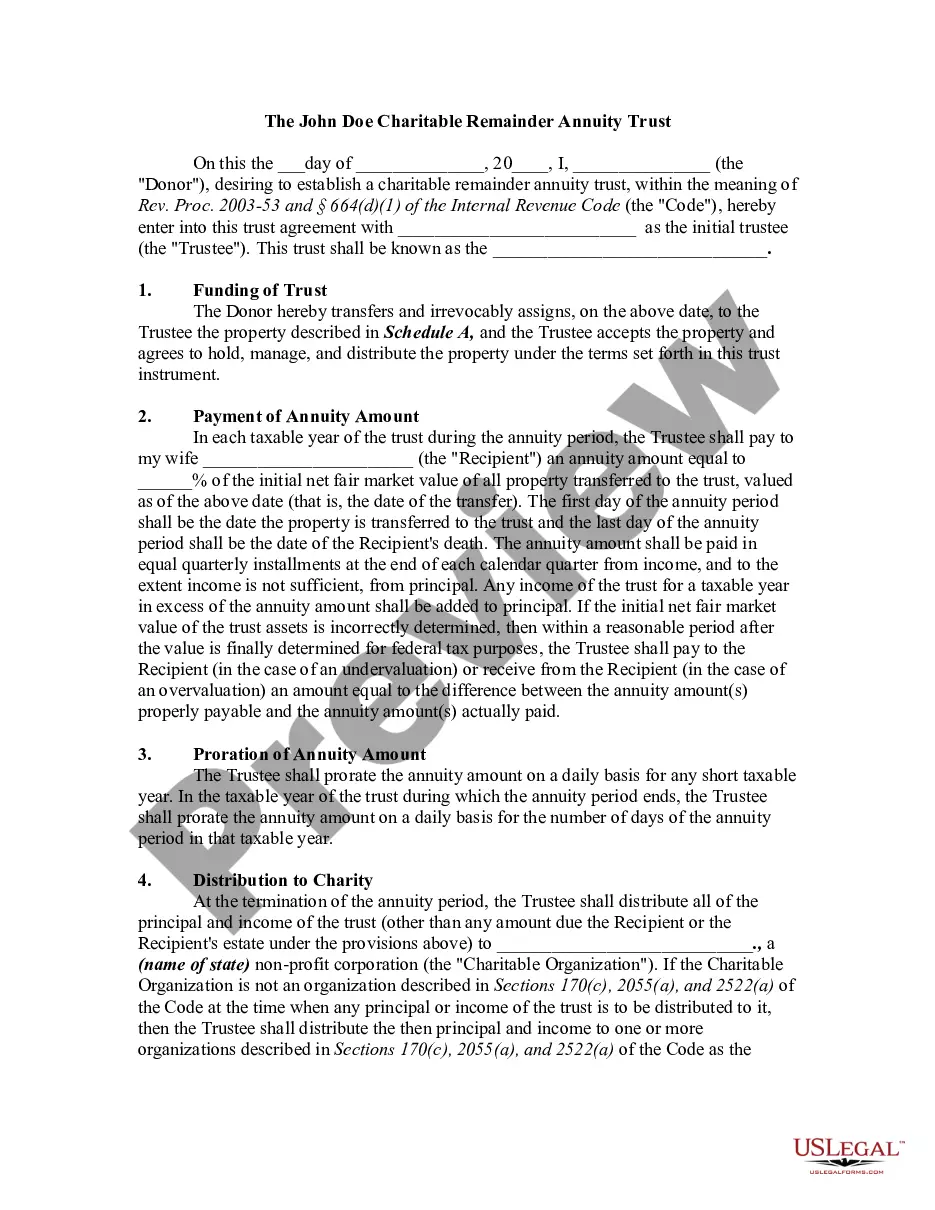
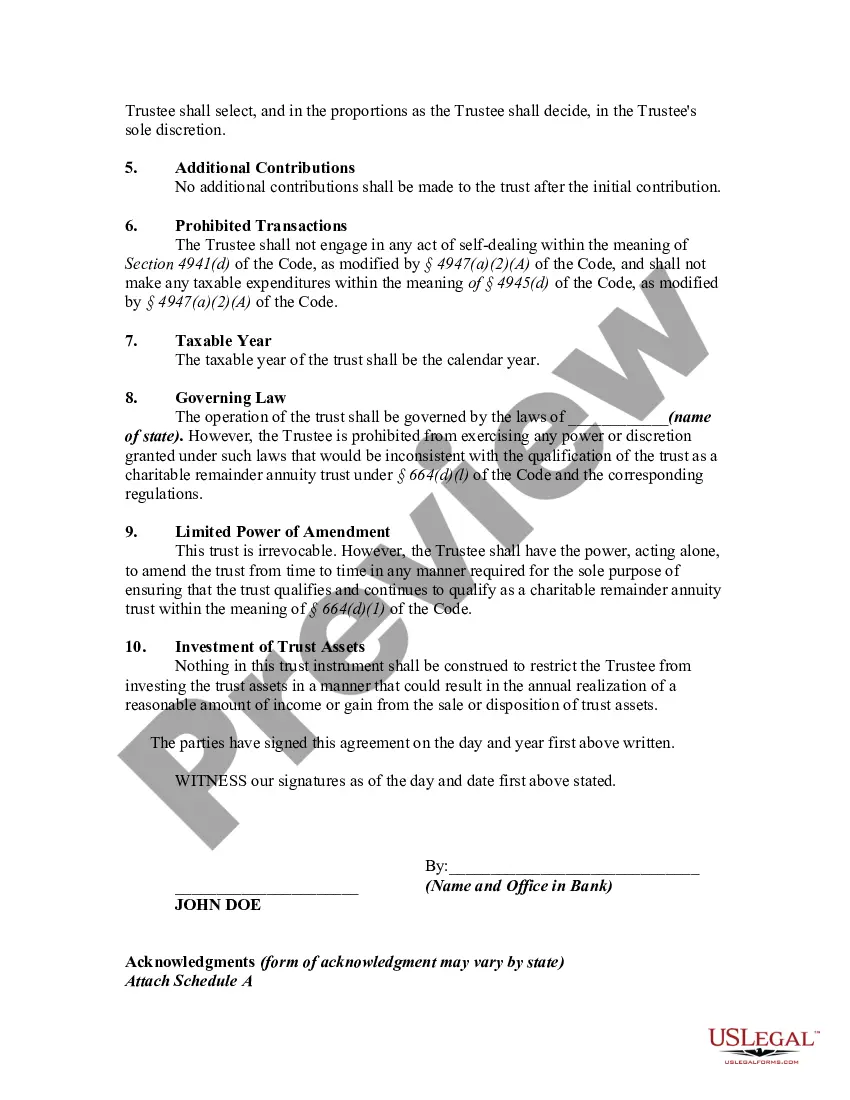
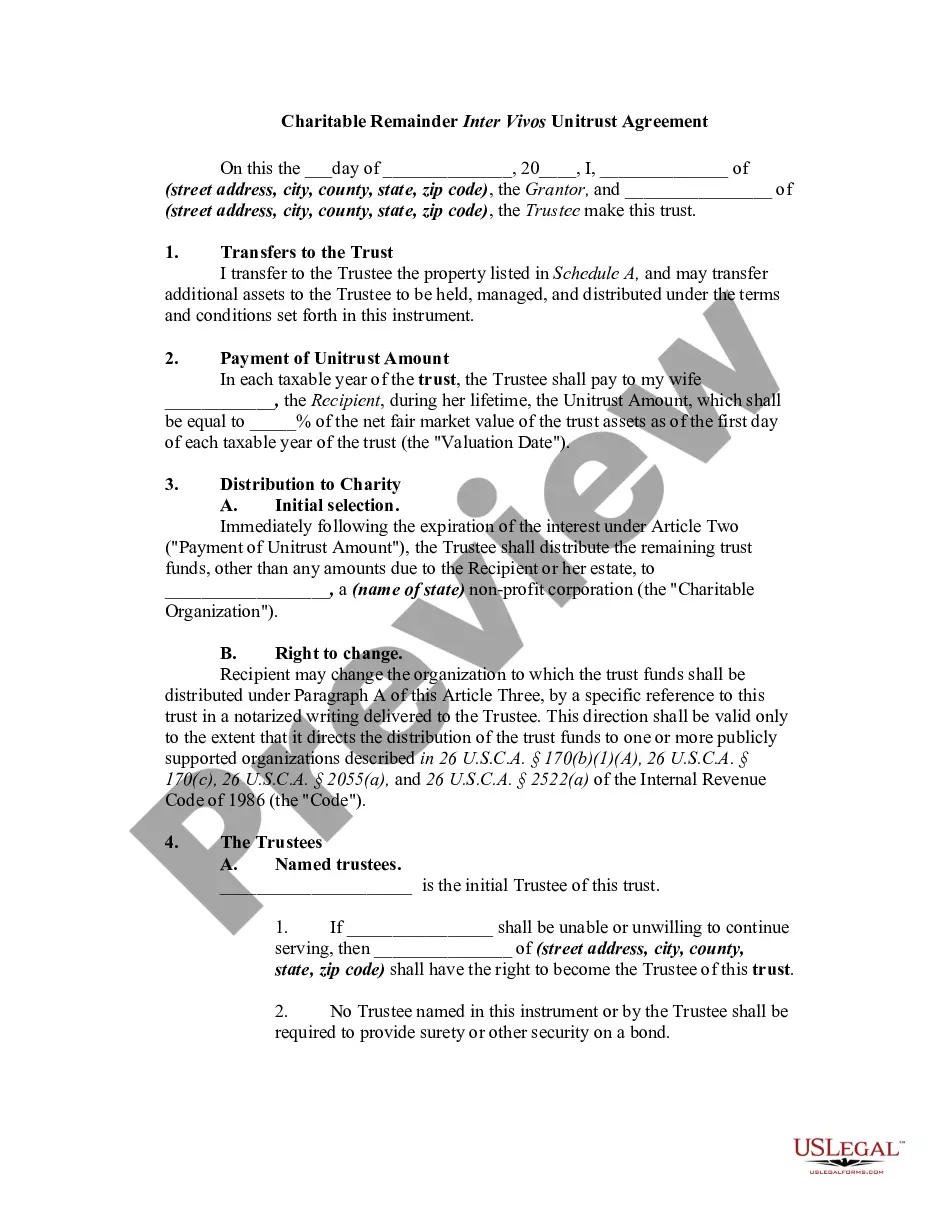
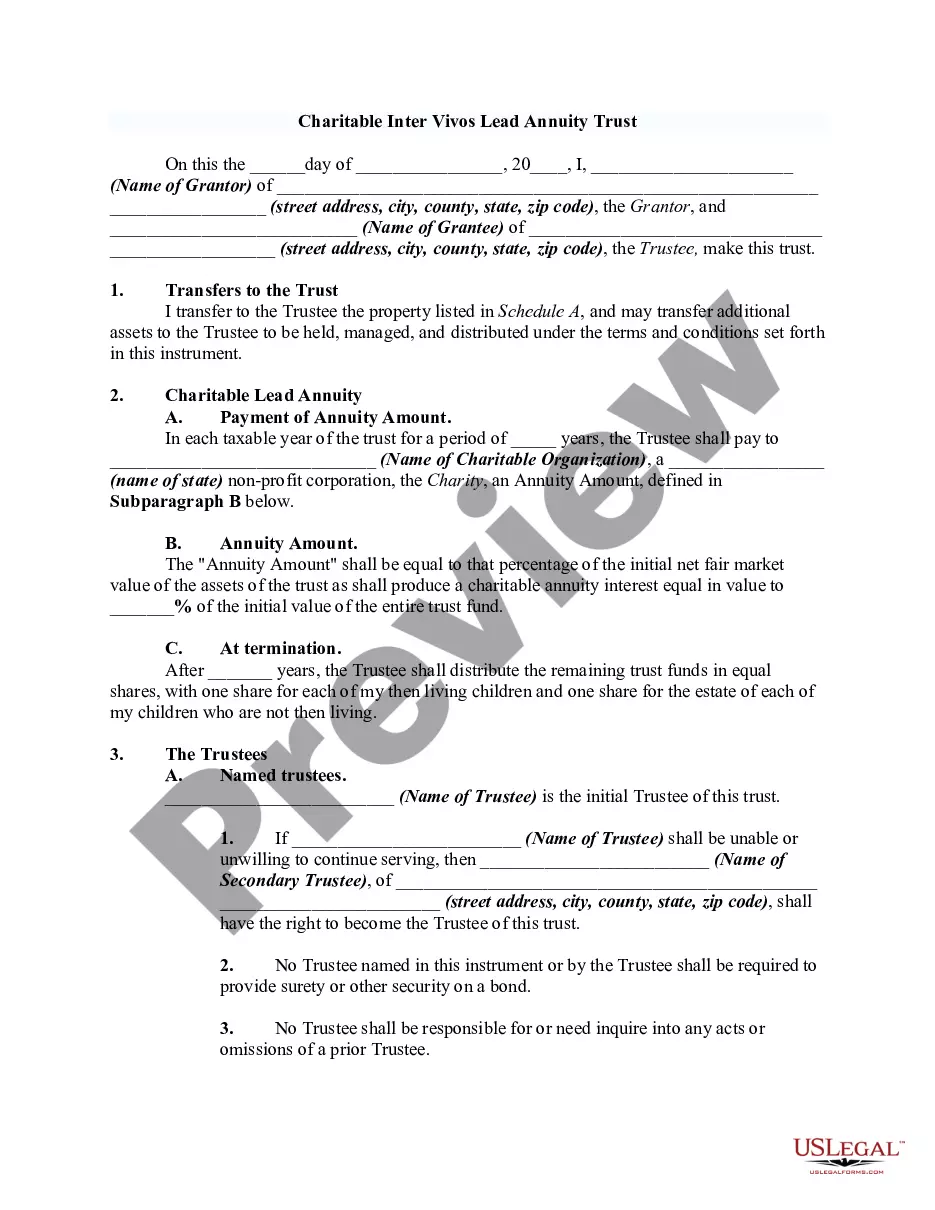
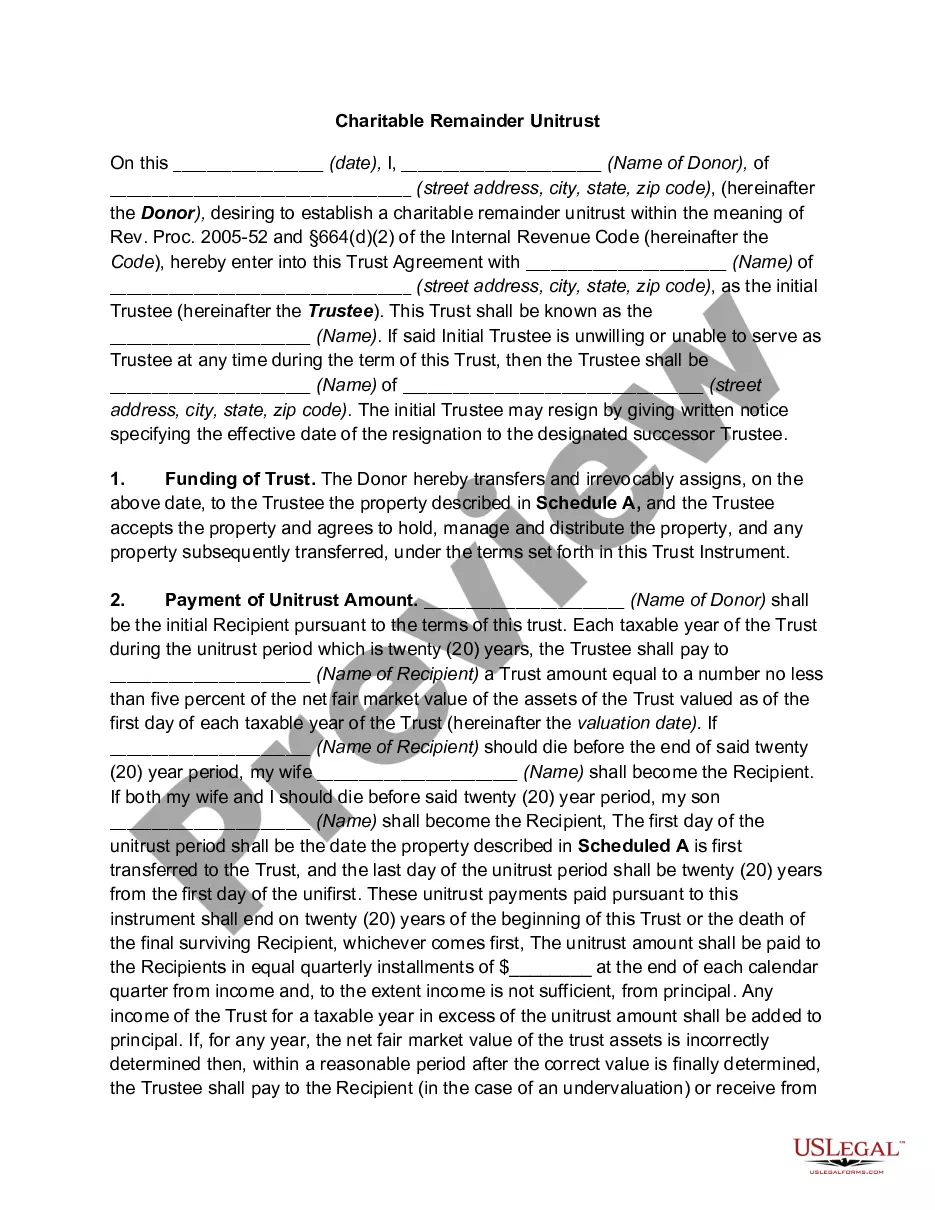
Maryland Charitable Remainder Inter Vivos Annuity Trust
Description
Get your form ready online
Our built-in tools help you complete, sign, share, and store your documents in one place.
Make edits, fill in missing information, and update formatting in US Legal Forms—just like you would in MS Word.
Download a copy, print it, send it by email, or mail it via USPS—whatever works best for your next step.
Sign and collect signatures with our SignNow integration. Send to multiple recipients, set reminders, and more. Go Premium to unlock E-Sign.
If this form requires notarization, complete it online through a secure video call—no need to meet a notary in person or wait for an appointment.
We protect your documents and personal data by following strict security and privacy standards.

Make edits, fill in missing information, and update formatting in US Legal Forms—just like you would in MS Word.

Download a copy, print it, send it by email, or mail it via USPS—whatever works best for your next step.

Sign and collect signatures with our SignNow integration. Send to multiple recipients, set reminders, and more. Go Premium to unlock E-Sign.

If this form requires notarization, complete it online through a secure video call—no need to meet a notary in person or wait for an appointment.

We protect your documents and personal data by following strict security and privacy standards.
Looking for another form?




How to fill out Charitable Remainder Inter Vivos Annuity Trust?
Are you in a situation where you frequently require documents for potential business or personal activities each day.
There are numerous legal document templates accessible online, yet finding reliable ones can be challenging.
US Legal Forms offers an extensive collection of form templates, including the Maryland Charitable Remainder Inter Vivos Annuity Trust, designed to meet state and national regulations.
Once you find the appropriate form, simply click Acquire now.
Select your preferred payment plan, complete the necessary information to create your account, and pay for your order using PayPal or a credit card.
- If you are already familiar with the US Legal Forms website and have an account, simply sign in.
- You can then download the Maryland Charitable Remainder Inter Vivos Annuity Trust template.
- If you do not have an account and wish to start using US Legal Forms, follow these instructions.
- Choose the form you need and confirm it is for the correct city/county.
- Utilize the Review button to examine the document.
- Read the description to ensure you selected the right form.
- If the document is not what you need, use the Search field to find the form that meets your requirements.
Form popularity
FAQ
Some downsides of a charitable remainder trust include the complexity of setup and ongoing management requirements. These trusts can also limit your control over assets during your lifetime. It's important to weigh these factors against the benefits when deciding on a Maryland Charitable Remainder Inter Vivos Annuity Trust, and consulting a professional can help clarify your options.
One common misconception about charitable remainder trusts is that they guarantee a higher income than other investment options, which is not always true. While these trusts do provide income, the return can vary based on the trust's investments and market conditions. When considering a Maryland Charitable Remainder Inter Vivos Annuity Trust, it is essential to understand all potential outcomes and plan accordingly.
One common alternative to a charitable remainder trust is a charitable gift annuity. This option allows you to make a charitable donation while receiving a fixed income for life. Exploring options like a Maryland Charitable Remainder Inter Vivos Annuity Trust could provide you with financial benefits while fulfilling your philanthropic goals.
The 10 percent rule for a charitable remainder trust states that the present value of the charitable remainder must be at least 10% of the fair market value of the assets placed in the trust. This rule ensures that a substantial portion of the trust's value supports charitable causes. For those interested in a Maryland Charitable Remainder Inter Vivos Annuity Trust, adhering to this guideline is crucial for tax benefits and compliance.
Establishing a Maryland Charitable Remainder Inter Vivos Annuity Trust involves several steps. First, draft the trust document that outlines its terms, including beneficiaries and payout amounts. Next, consult with financial and legal professionals to ensure compliance with state laws, and finally fund the trust to begin reaping its financial benefits.
Advised Fund (DAF) allows individuals to recommend grants to charities while keeping control over donations, whereas a Maryland Charitable Remainder Inter Vivos Annuity Trust provides a fixed income stream to beneficiaries and donates the remaining assets to charity after the trustor's death. While both options offer charitable giving benefits, the structures and tax implications differ significantly.
A Maryland Charitable Remainder Inter Vivos Annuity Trust typically requires the filing of Form 1041, U.S. Income Tax Return for Estates and Trusts. This form reports income generated by the trust and distributions made to beneficiaries. It's important to consult a tax professional for accurate completion.
While a Maryland Charitable Remainder Inter Vivos Annuity Trust offers tax advantages, there are some drawbacks to consider. The trust is irrevocable, meaning once you set it up, you cannot change the terms or reclaim the assets. Additionally, the costs of establishing and maintaining the trust might be higher than anticipated.
Yes, you can electronically file a Maryland trust return, making the process more efficient. Many tax software programs and online services support this option. In order to file successfully, ensure you have all documentation for your Maryland Charitable Remainder Inter Vivos Annuity Trust ready for submission.
To set up a Maryland Charitable Remainder Inter Vivos Annuity Trust, you need to draft a trust document outlining the terms of the trust, including the beneficiaries and payout structure. You may need professional help, such as an attorney or financial advisor, to ensure the trust meets legal requirements. After creating the document, you'll fund the trust with assets, which can generate income while providing tax benefits.