Maryland Quitclaim Deed - Husband and Wife to Two Individuals
Overview of this form
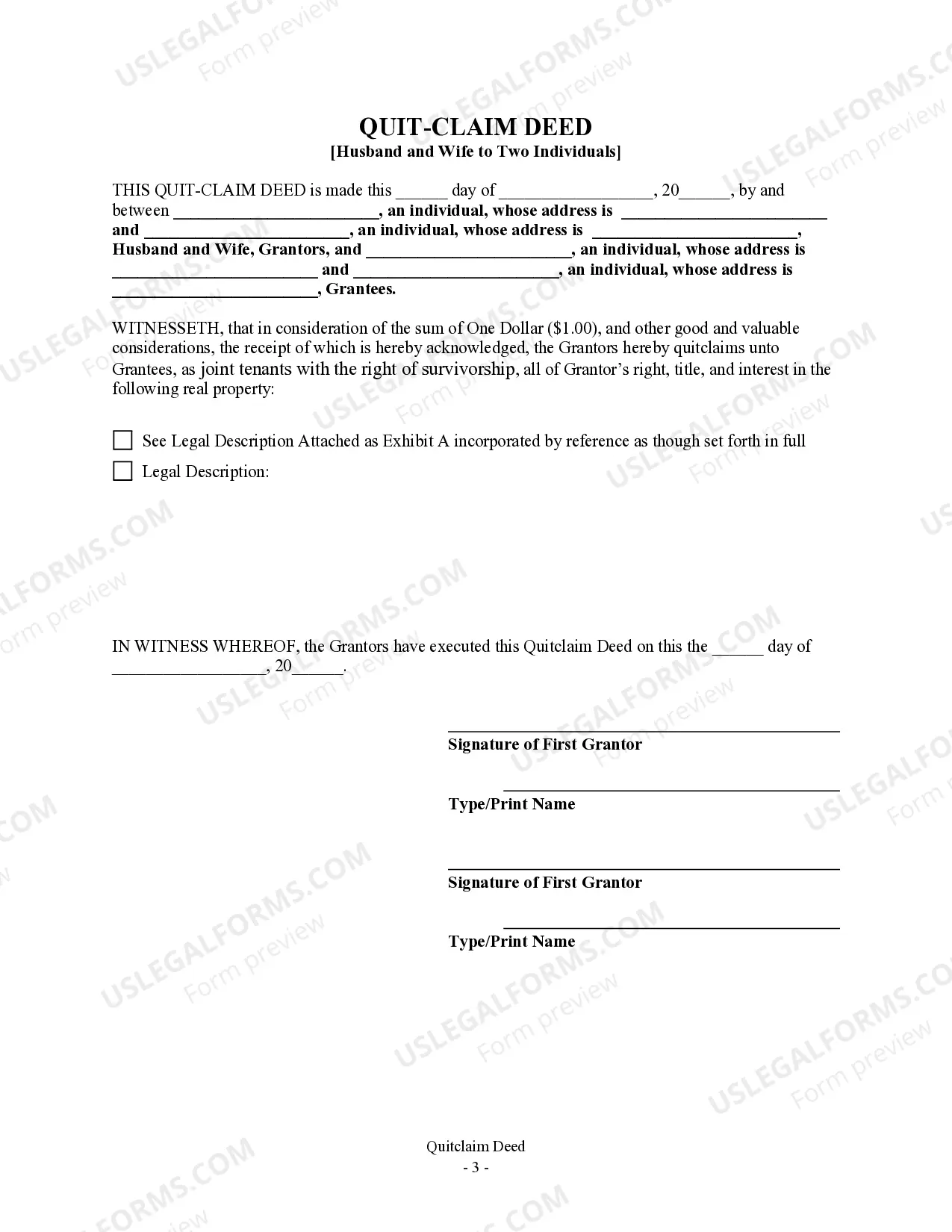
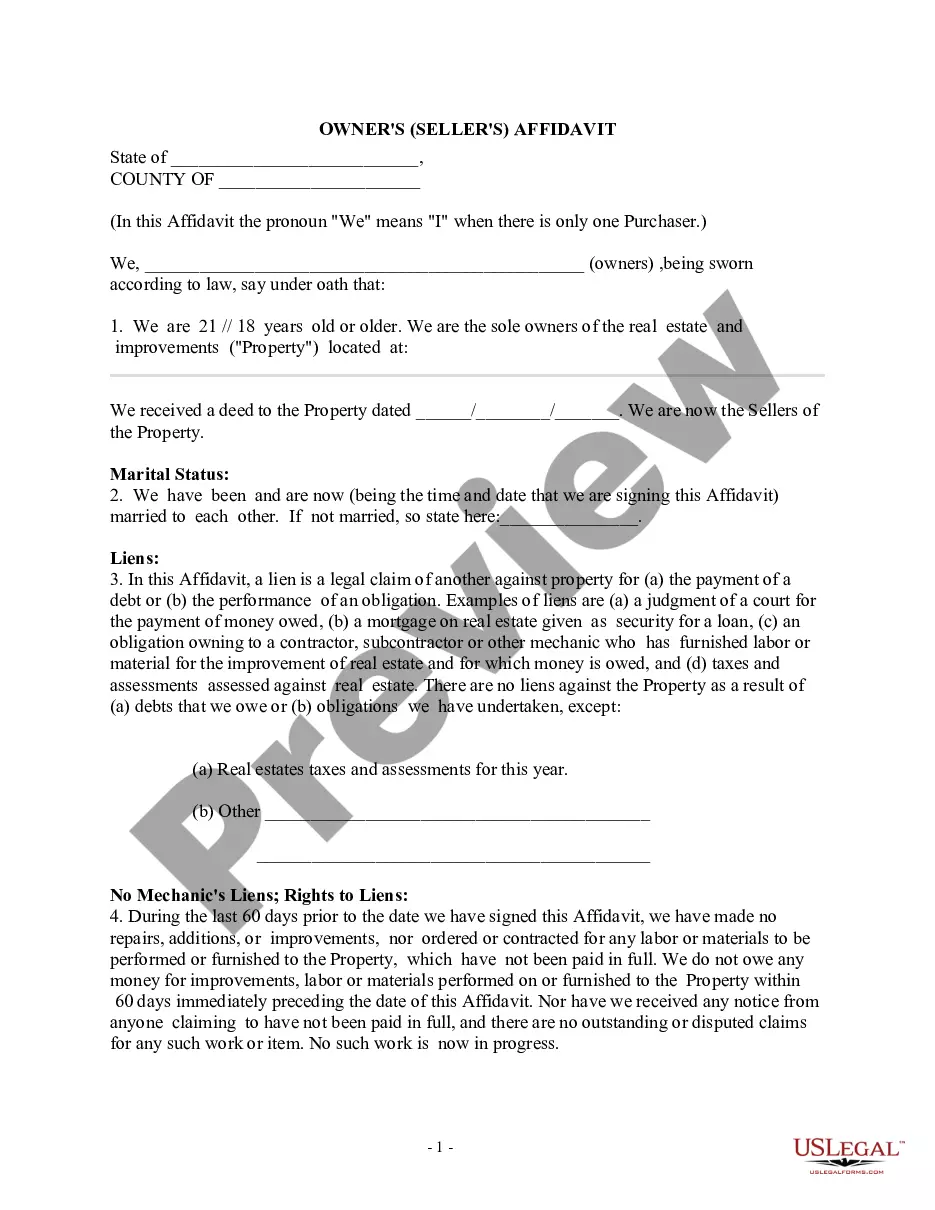
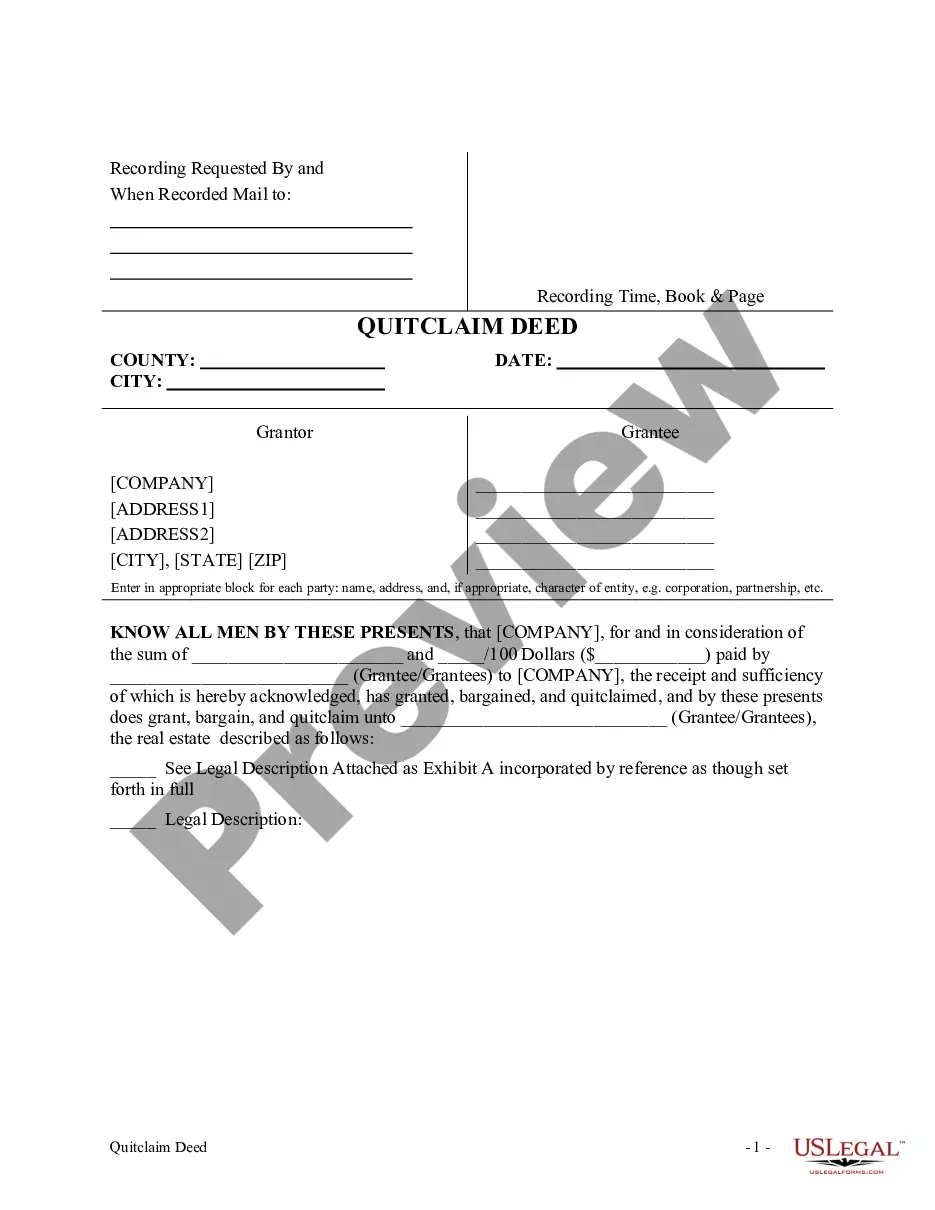
This Quitclaim Deed allows a husband and wife (Grantors) to transfer their property rights to two individuals (Grantees). It is a simple legal document that relinquishes any claim the Grantors have to the specified property, which is designated to be held either as joint tenants with the right of survivorship or as tenants in common. Unlike a warranty deed, the quitclaim deed offers no guarantees regarding the property's title.
Main sections of this form
- Identification of Grantors (husband and wife) and Grantees (two individuals).
- Legal description of the property being transferred.
- Statement of consideration (often a nominal amount, such as One Dollar).
- Provisions for holding the property (joint tenants or tenants in common).
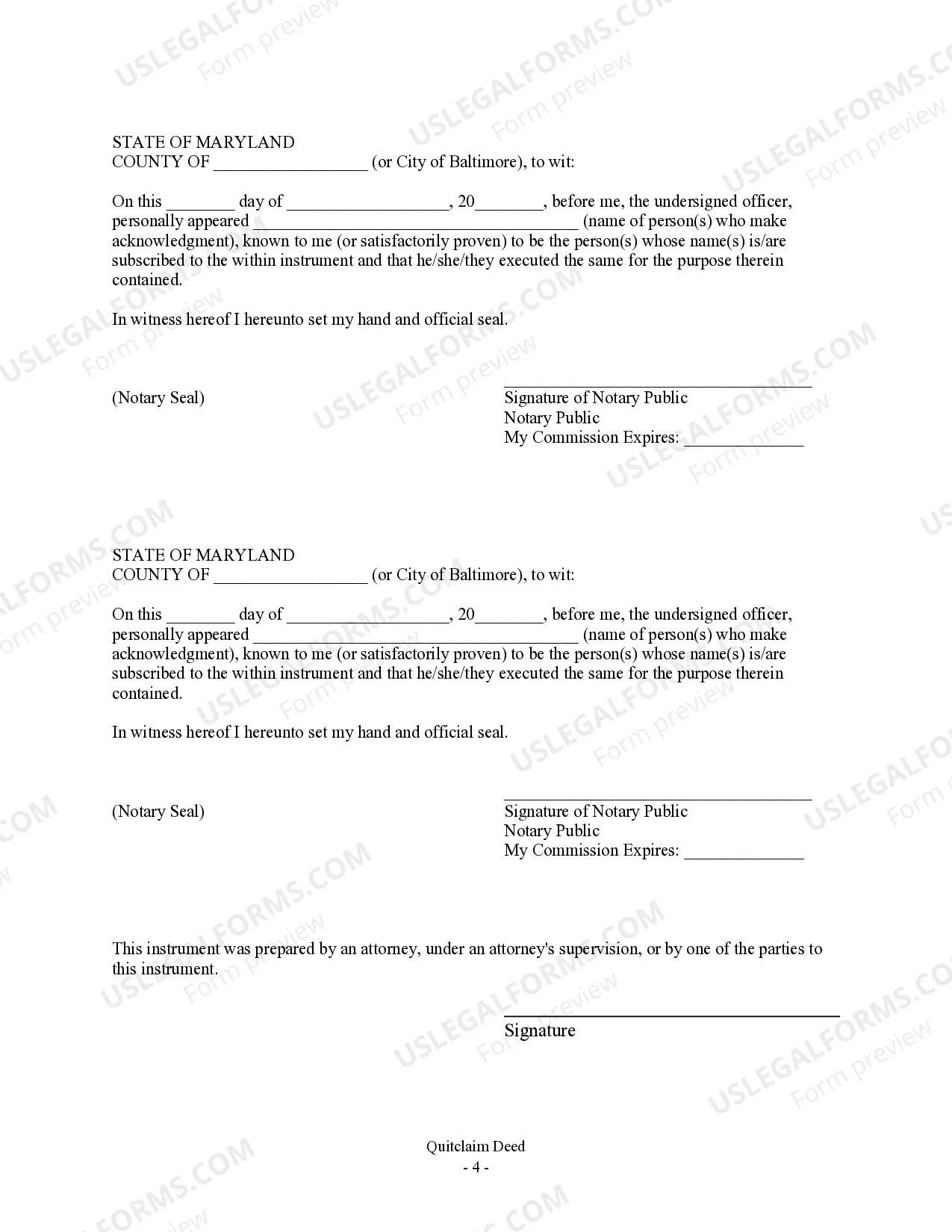
- Signature lines for all parties involved, along with a notary public section.

When to use this form
This Quitclaim Deed is useful when a husband and wife wish to transfer their interest in a property to two individuals. Common scenarios include gifting property to family members, transferring property in divorce settlements, or simplifying estate planning processes. It is essential when both Grantors agree to relinquish their claims without any warranties about the title's validity.
Who needs this form
- Married couples looking to transfer property ownership to third parties.
- Individuals involved in estate planning who wish to streamline property transfer among heirs.
- Parties in a divorce seeking to reallocate property interests.
- Anyone wishing to convey real estate without a warranty of title.
Steps to complete this form
- Identify and enter the names and addresses of the Grantors (husband and wife).
- Provide the names and addresses of the Grantees (the two individuals).
- Specify the legal description of the property being transferred.
- Enter the date of execution and the consideration amount.
- Sign the document in the presence of a notary public, ensuring the notary completes their section.
Notarization requirements for this form
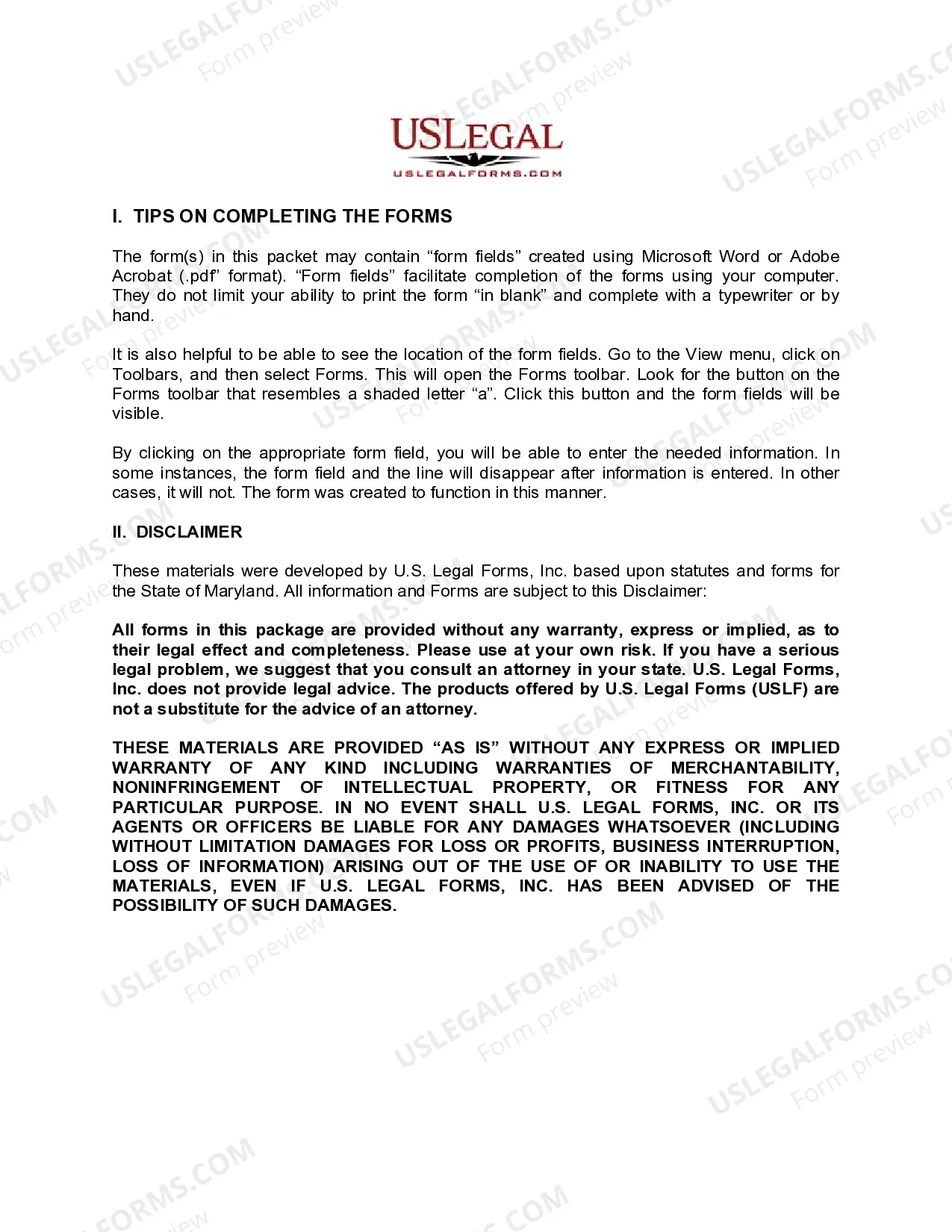
Yes, this form must be notarized to be legally valid. A notary public will verify the identities of the Grantors and witness the signing of the Quitclaim Deed, ensuring its legal enforceability. US Legal Forms offers integrated online notarization options for your convenience, available 24/7 through secure video calls.
Get your form ready online
Our built-in tools help you complete, sign, share, and store your documents in one place.
Make edits, fill in missing information, and update formatting in US Legal Forms—just like you would in MS Word.
Download a copy, print it, send it by email, or mail it via USPS—whatever works best for your next step.
Sign and collect signatures with our SignNow integration. Send to multiple recipients, set reminders, and more. Go Premium to unlock E-Sign.
If this form requires notarization, complete it online through a secure video call—no need to meet a notary in person or wait for an appointment.
We protect your documents and personal data by following strict security and privacy standards.

Make edits, fill in missing information, and update formatting in US Legal Forms—just like you would in MS Word.

Download a copy, print it, send it by email, or mail it via USPS—whatever works best for your next step.

Sign and collect signatures with our SignNow integration. Send to multiple recipients, set reminders, and more. Go Premium to unlock E-Sign.

If this form requires notarization, complete it online through a secure video call—no need to meet a notary in person or wait for an appointment.

We protect your documents and personal data by following strict security and privacy standards.
Avoid these common issues
- Failing to properly identify the property being conveyed.
- Not including all required signatures or witnesses, especially those of the notary.
- Using incorrect legal terminology that may not comply with state laws.
- Omitting the consideration amount, which can lead to confusion about the nature of the transaction.
Why use this form online
- Convenient access to legally sound templates drafted by licensed attorneys.
- Edit and complete the form easily on your computer, making the process efficient.
- Immediate download and printing options for offline use.
- Ensured compliance with state-specific legal requirements.
What to keep in mind
- A Quitclaim Deed transfers property interests without warranties.
- It's typically used by husbands and wives to convey property to two individuals.
- A proper description of the property and notarization are essential for validity.
- Can be used in estate planning and gifting scenarios.
Looking for another form?

Form popularity
FAQ
But you might be wondering if an owner can transfer a deed to another person without a real estate lawyer. The answer is yes. Parties to a transaction are always free to prepare their own deeds.A quitclaim deed, for example, is far simpler than a warranty deed.
The only way to forcibly change the ownership status is through a legal action and the resultant court order. However, if an owner chooses to be removed from the deed, it is simply a matter of preparing a new deed transferring that owner's interest in the property.
A quitclaim deed will remove the out-spouse (or departing spouse) from the title to the property, effectively relinquishing their equity or ownership in the home. The execution of a quitclaim deed is typically a requirement of a divorce settlement in order to complete the division of assets.
A consenting individual may be removed from a deed by filing a quitclaim deed. Under Maryland law each county has a separate procedure and requirements for filing a quitclaim deed.
To change the names on a real estate deed, you will need to file a new deed with the Division of Land Records in the Circuit Court for the county where the property is located. The clerk will record the new deed.
It is possible to be named on the title deed of a home without being on the mortgage. However, doing so assumes risks of ownership because the title is not free and clear of liens and possible other encumbrances.If a mortgage exists, it's best to work with the lender to make sure everyone on the title is protected.
If the quitclaim deed requires the signature of all co-owners, the deed is invalid unless all co-owners have signed it and the deed is then delivered to the grantee.If one individual owns real estate and desires to add a co-owner such as a spouse, a quitclaim deed might be used.
It will depend what state the property is in. For example, the minimum fee payable when changing the title to have someone removed from a property title in NSW is $133.48. This fee must be paid to the NSW Government Land & Property Information Department.
Discuss property ownership interests. Access a copy of your title deed. Complete, review and sign the quitclaim or warranty form. Submit the quitclaim or warranty form. Request a certified copy of your quitclaim or warranty deed.