Massachusetts Last Will and Testament for Civil Union Partner with Minor Children
About this form
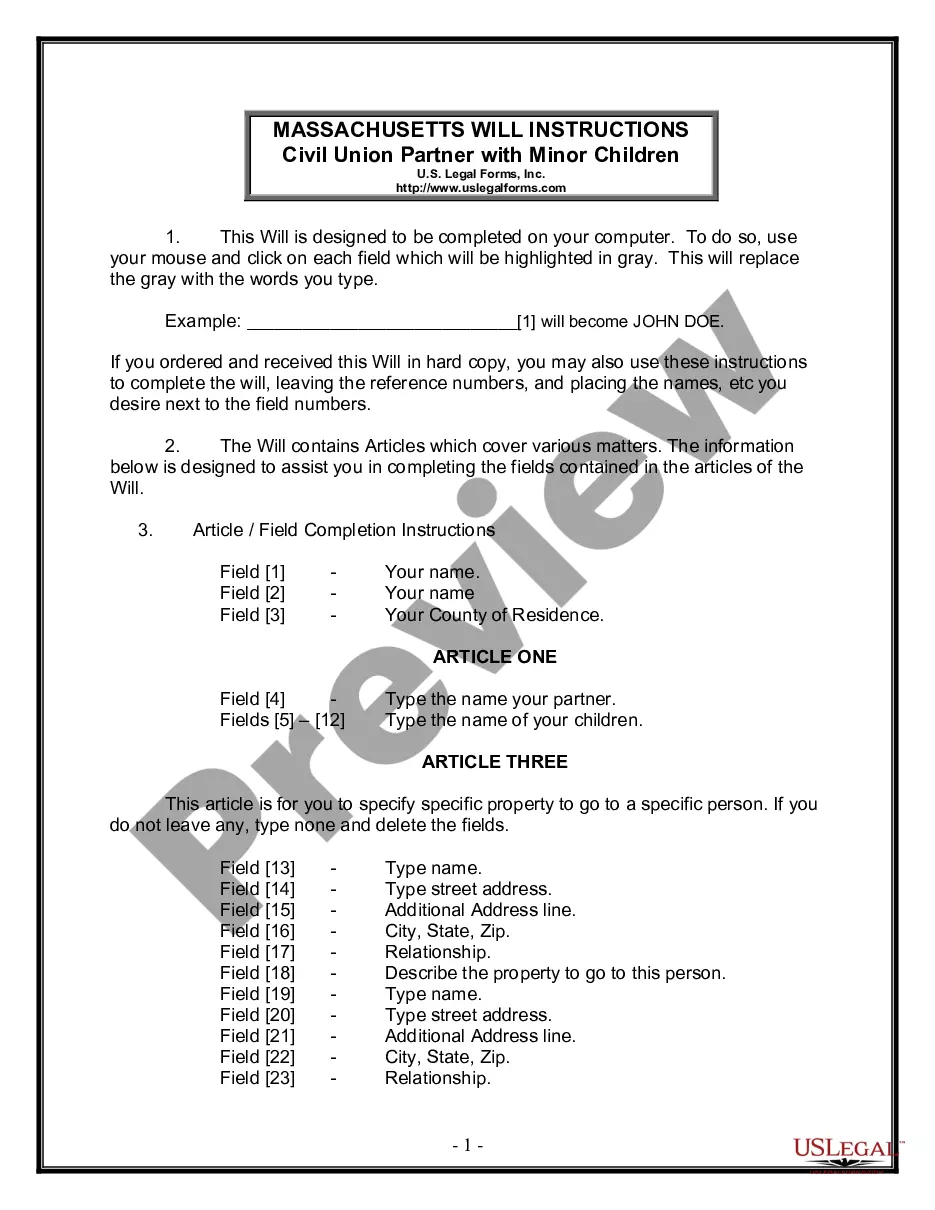
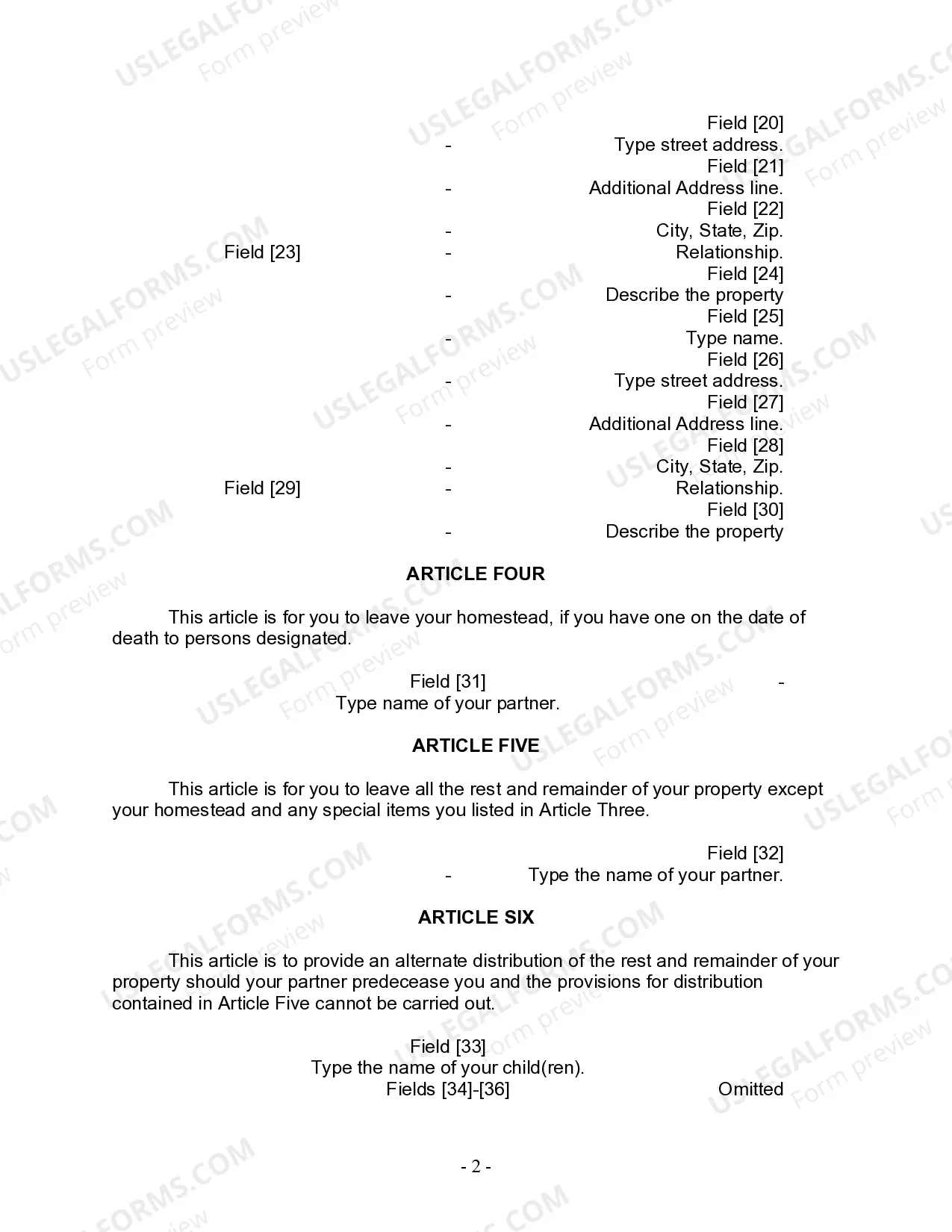
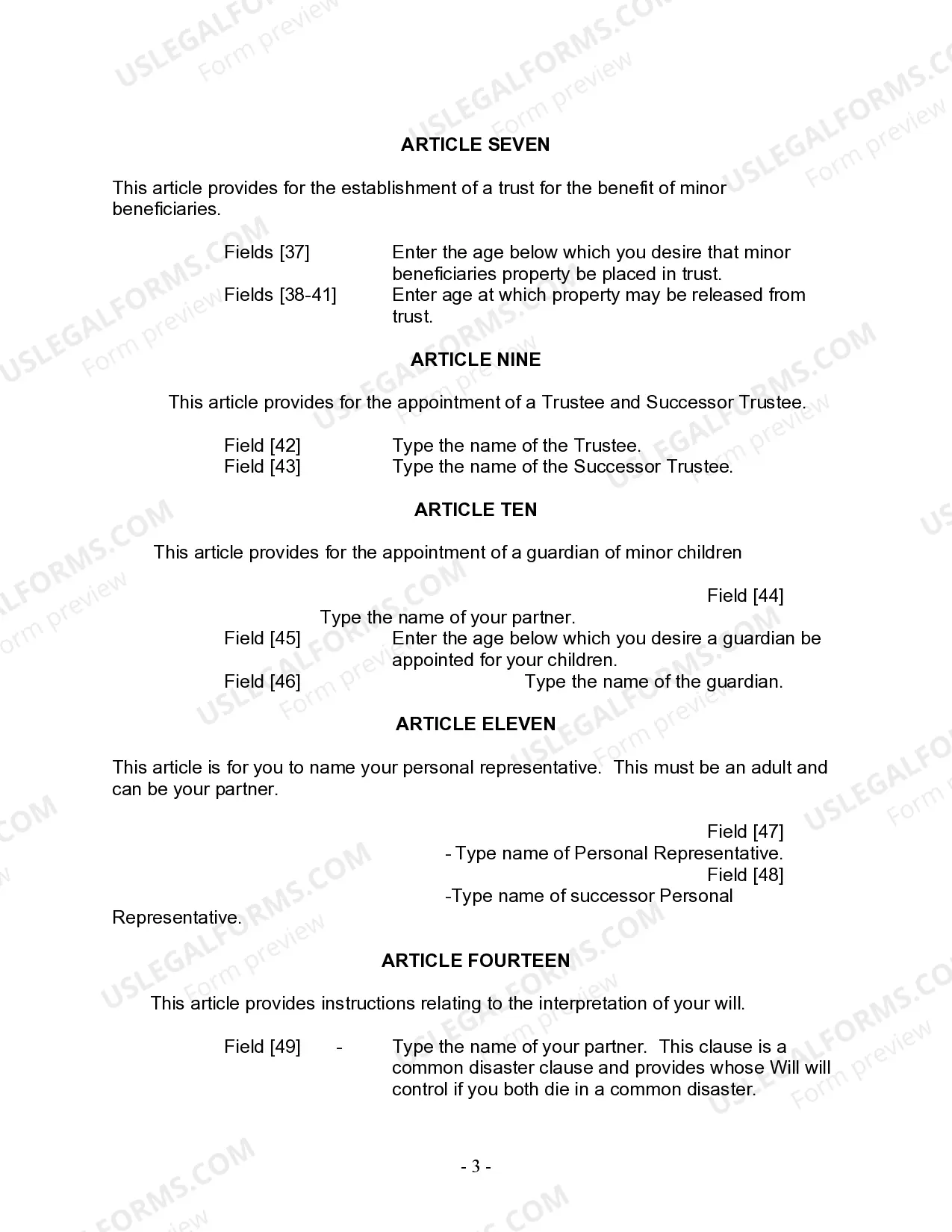
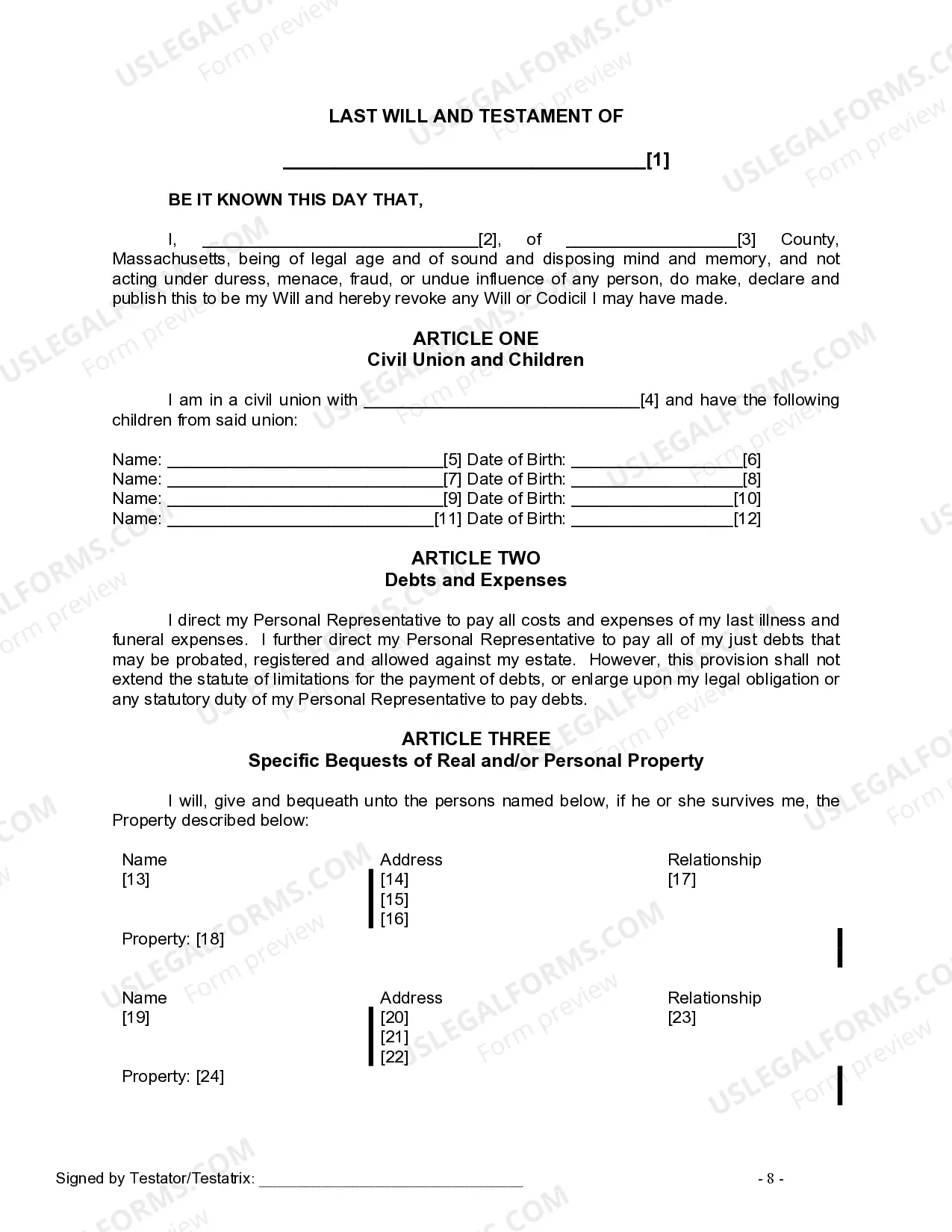
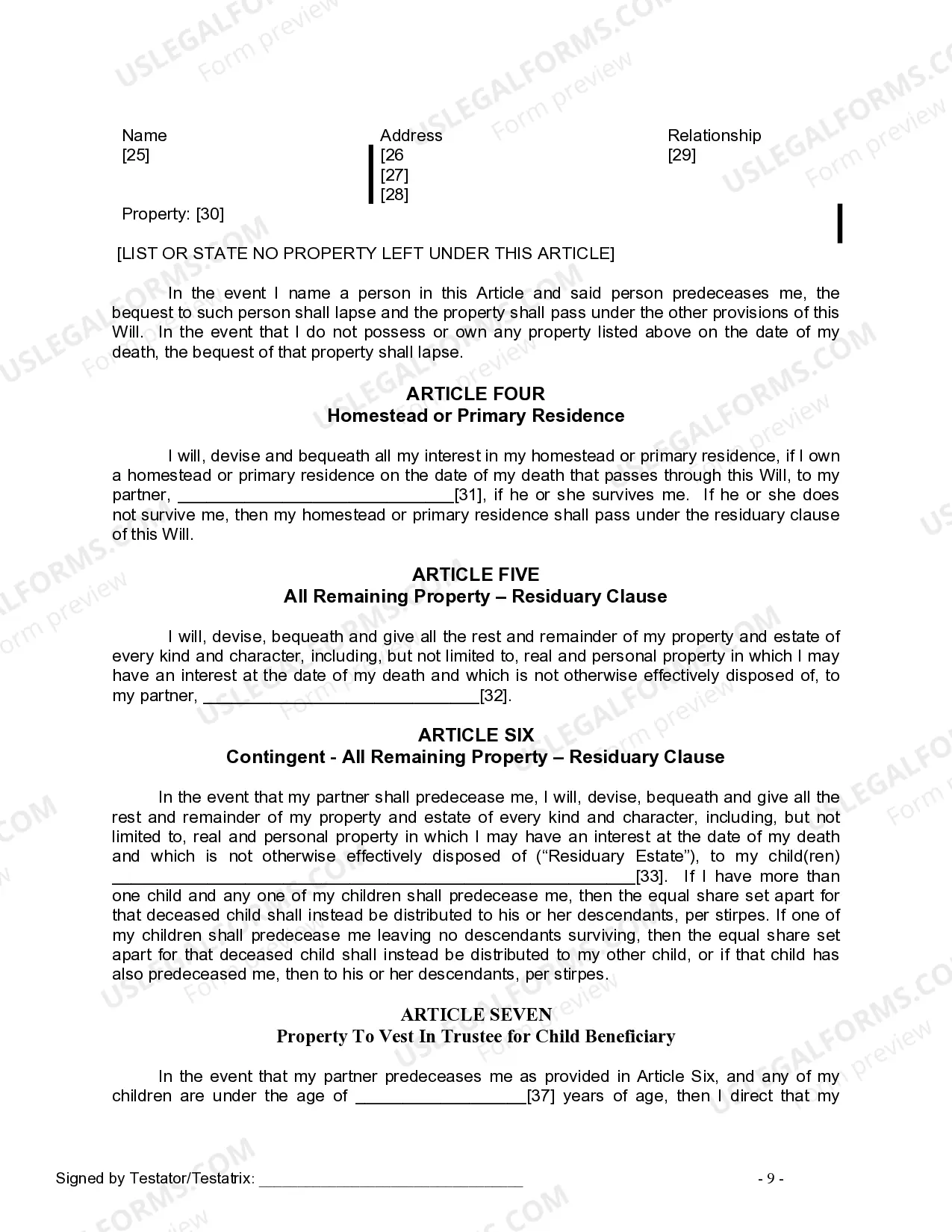
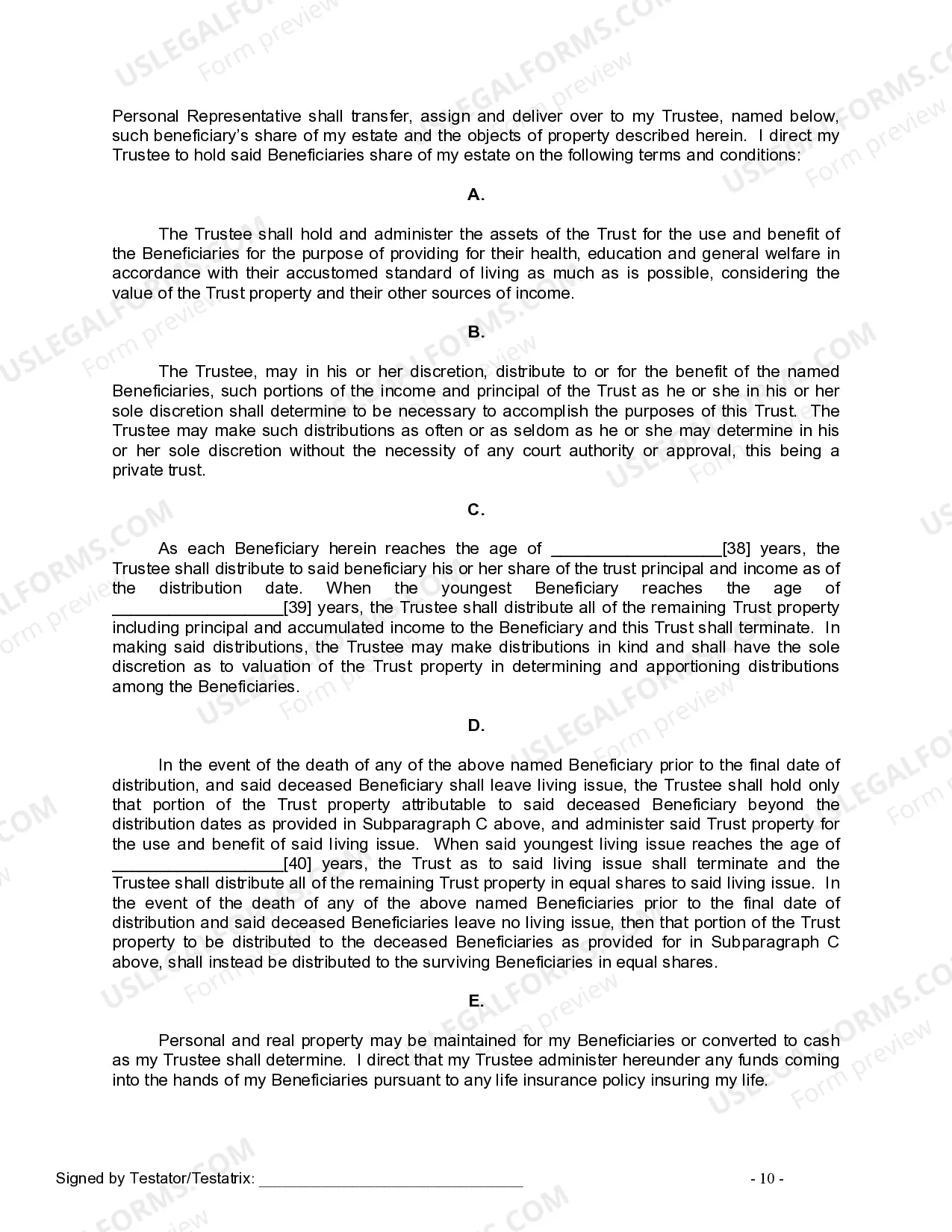
This Last Will and Testament for Civil Union Partner with Minor Children is a legal document that outlines how your assets and responsibilities will be managed and distributed after your death. Specifically tailored for individuals in a civil union with minor children, this form allows you to appoint a personal representative, designate beneficiaries, and create provisions that ensure your partner and children are adequately provided for. It differs from standard wills by addressing unique family dynamics inherent in civil unions and the specific needs of minor children.
Key parts of this document
- Identification of the testator and revocation of prior wills.
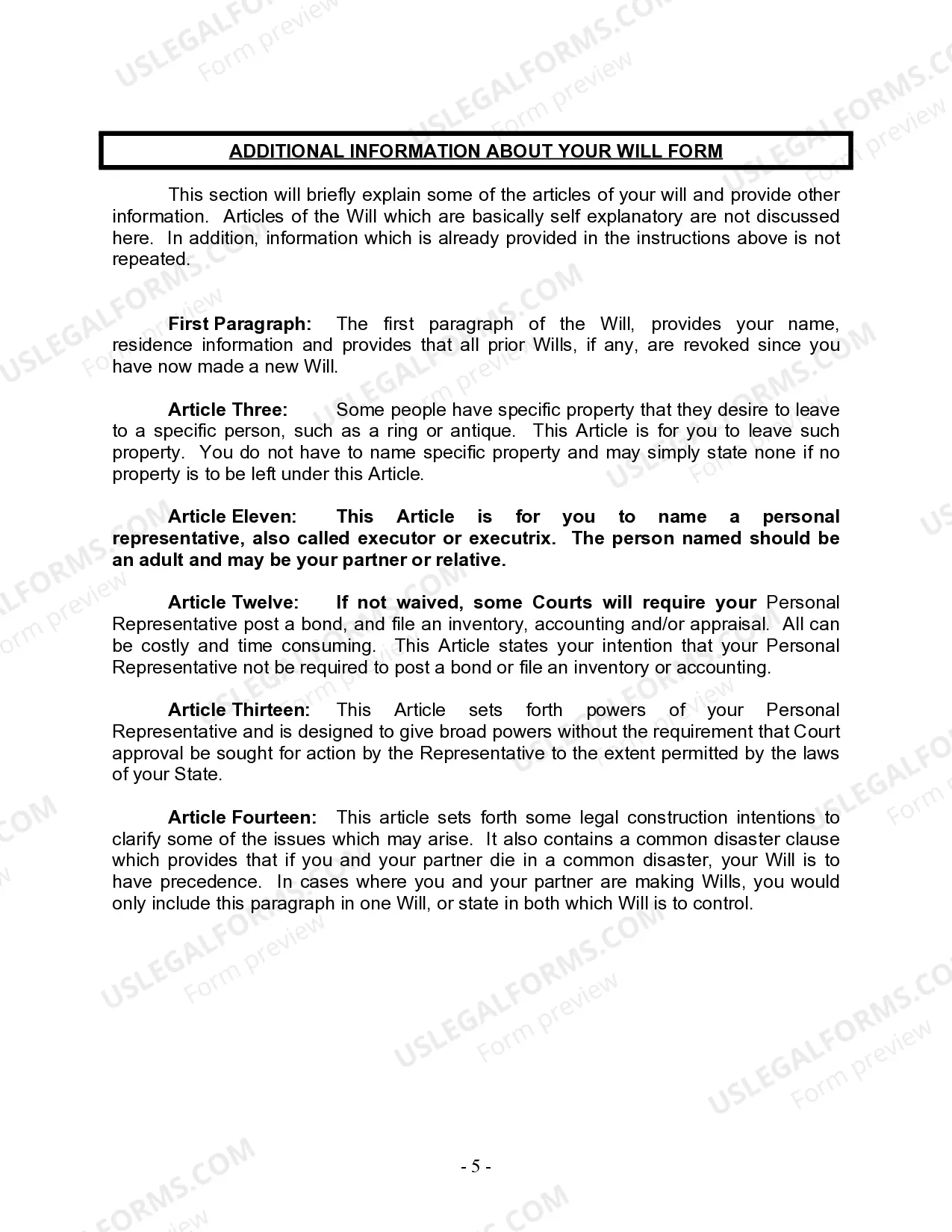
- Appointment of a personal representative for estate administration.
- Designations for specific bequests of property to individuals.
- Provisions for the care and custody of minor children.
- Creation of trusts for minor beneficiaries.
- Self-proving affidavit requirements for notarization.




When to use this form
This form is essential when an individual in a civil union wishes to ensure their partner and minor children are taken care of after their passing. It should be used when drafting a will to properly outline asset distribution, appoint guardians for children, and establish trusts, particularly if there is concern about the children's financial security or the management of their inheritance until they reach maturity.
Who needs this form
- Individuals in a civil union.
- Parents with minor children seeking to secure their future.
- Those who wish to clearly define asset distribution and guardianship responsibilities.
- Residents in states that recognize civil unions and their legal implications.
Steps to complete this form
- Enter your name and county of residence at the beginning of the document.
- Specify the name of your civil union partner and list your minor children.
- Detail specific property bequests and the intended beneficiaries.
- Assign a personal representative and a successor to manage your estate.
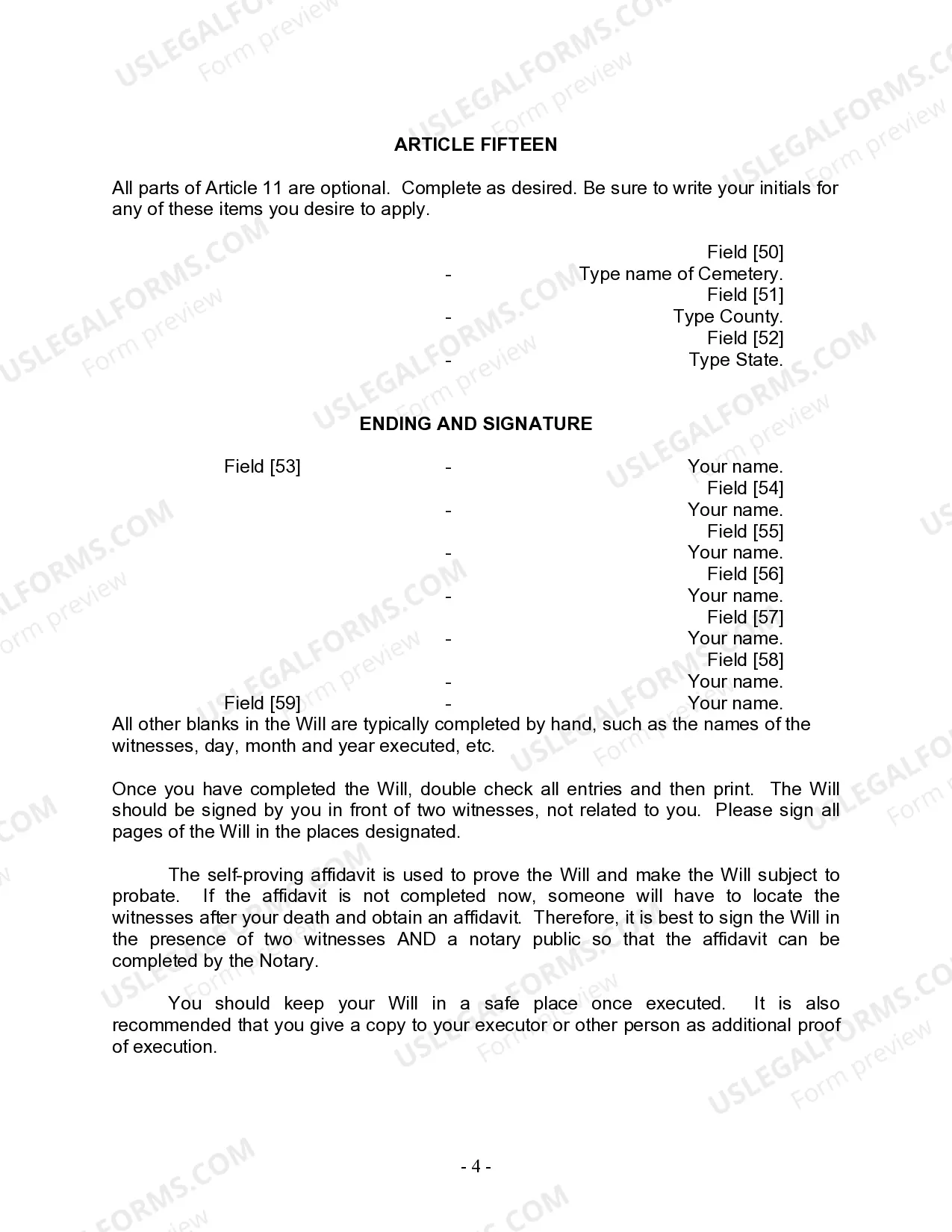
- Sign the will in the presence of two witnesses who are not related to you, and ensure it is notarized if necessary.
Notarization guidance
Yes, this form must be notarized to be legally valid. A notary public will need to witness your signature and that of the witnesses, helping to ensure the will can be admitted to probate without further evidence of execution.
Get your form ready online
Our built-in tools help you complete, sign, share, and store your documents in one place.
Make edits, fill in missing information, and update formatting in US Legal Forms—just like you would in MS Word.
Download a copy, print it, send it by email, or mail it via USPS—whatever works best for your next step.
Sign and collect signatures with our SignNow integration. Send to multiple recipients, set reminders, and more. Go Premium to unlock E-Sign.
If this form requires notarization, complete it online through a secure video call—no need to meet a notary in person or wait for an appointment.
We protect your documents and personal data by following strict security and privacy standards.

Make edits, fill in missing information, and update formatting in US Legal Forms—just like you would in MS Word.

Download a copy, print it, send it by email, or mail it via USPS—whatever works best for your next step.

Sign and collect signatures with our SignNow integration. Send to multiple recipients, set reminders, and more. Go Premium to unlock E-Sign.

If this form requires notarization, complete it online through a secure video call—no need to meet a notary in person or wait for an appointment.

We protect your documents and personal data by following strict security and privacy standards.
Mistakes to watch out for
- Failing to have the will signed in the presence of two non-related witnesses.
- Not including a self-proving affidavit, leading to complications during probate.
- Overlooking the appointment of a guardian for minor children.
- Not updating the will after significant life changes, such as additional children or changes in the civil union.
Advantages of online completion
- Immediate access to downloadable templates, allowing for quick completion.
- Editability to customize the will according to your specific needs.
- Cost-effective compared to traditional legal services.
- Guidance through each section to help clarify legal terms and intentions.
Main things to remember
- This Will is specifically designed for civil union partners with minor children.
- Proper execution, including notarization, is crucial for legal standing.
- It allows you to designate guardianship and manage the distribution of property effectively.
Looking for another form?
Form popularity
FAQ
Include personal identifying information. Include a statement about your age and mental status. Designate an executor. Decide who will take care of your children. Choose your beneficiaries. List your funeral details. Sign and date your Last Will and Testament.
That's right, in Massachusetts, your will may be handwritten. According to the law, as long as your will is a written document, you were over the age of 18 and of sound mind when you wrote/signed it, and you had at least 2 witnesses who were also competent to sign your will, your will may be valid.
Age: The testator must be at least 18 years old. Capacity: The testator must be of sound mind. Signature: The will must be signed by the testator or by someone else in the testator's name in his presence, by his direction.
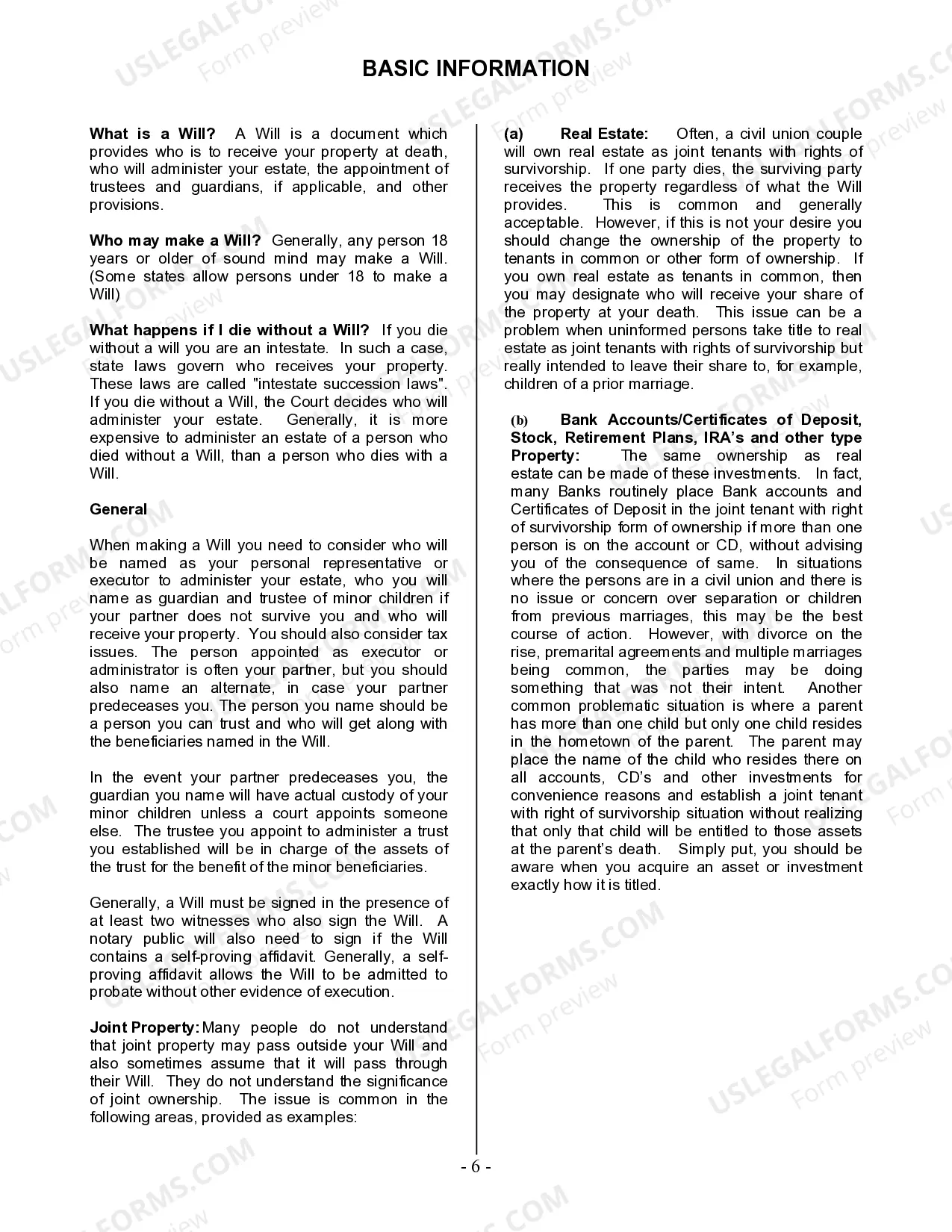
No, in Massachusetts, it is not necessary to notarize your will to make it legal. Massachusetts does, however, allow you to make your will "self-proving." A self-proving will speeds up probate because the court can accept the will without contacting the witnesses who signed it.
Setting up a will is one of the most important parts of planning for your death. Drafting the will yourself is less costly and may put you out about $150 or less. Depending on your situation, expect to pay anywhere between $300 and $1,000 to hire a lawyer for your will.
You can either download a template (many are free) and write your Will at your own pace offline using your word processor, or tell us your wishes in our online questionnaire and let us write it for you.
Step 1 Treatment Preferences Statement of Goals and Values: Step 2 Preferences in case of terminal condition Step 3 Preference in Case of Persistent Vegetative State Step 4 Preference in Case of End2010Stage Condition
Create the initial document. Start by titling the document Last Will and Testament" and including your full legal name and address. Designate an executor. Appoint a guardian. Name the beneficiaries. Designate the assets. Ask witnesses to sign your will. Store your will in a safe place.
Contrary to popular belief, you do not need to have an attorney draft a will for you. Anyone can write this document on their own, and as long as it meets all of the legal requirements of the state, courts will recognize one you wrote yourself.