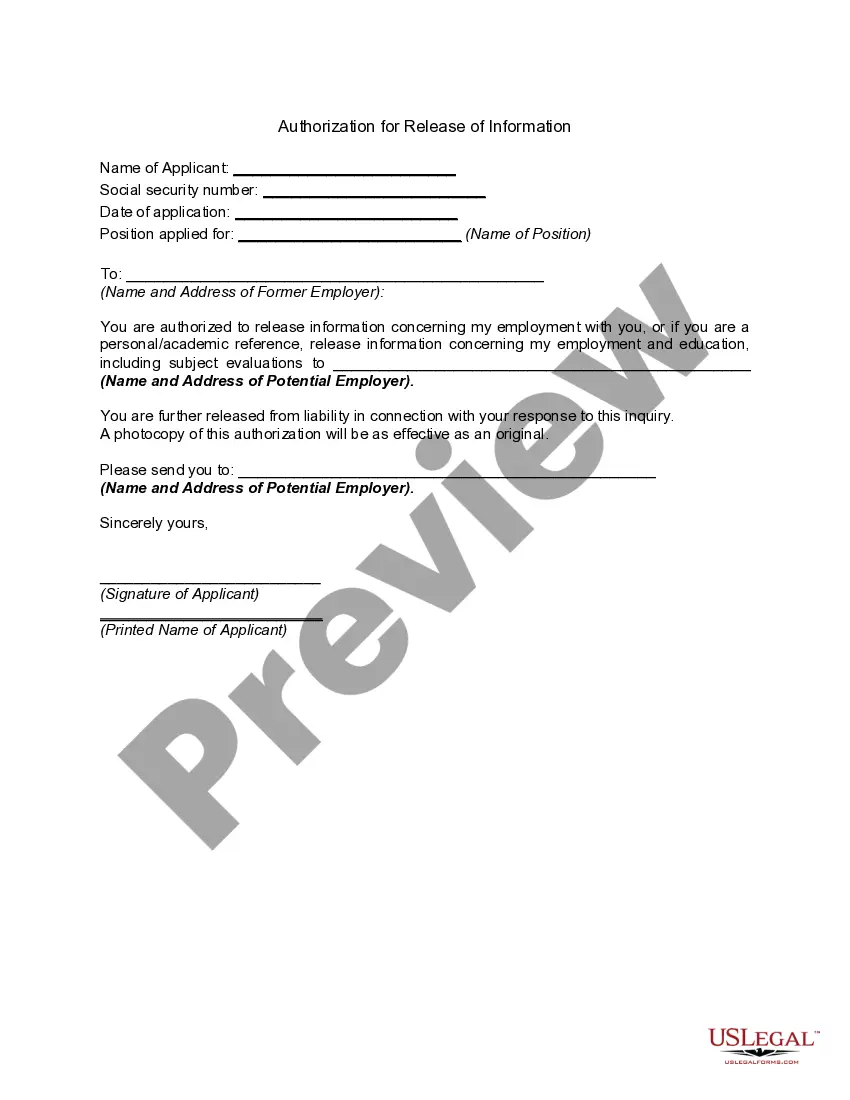
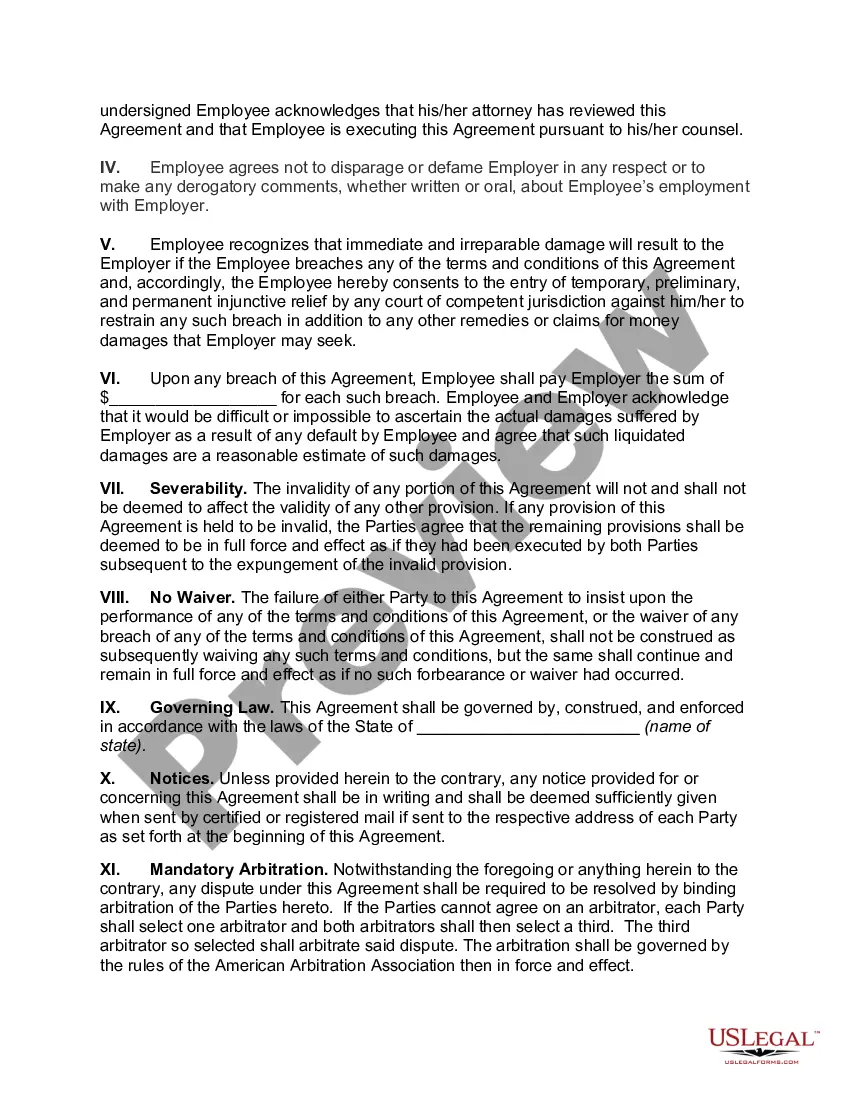
Massachusetts Employment Separation Agreement
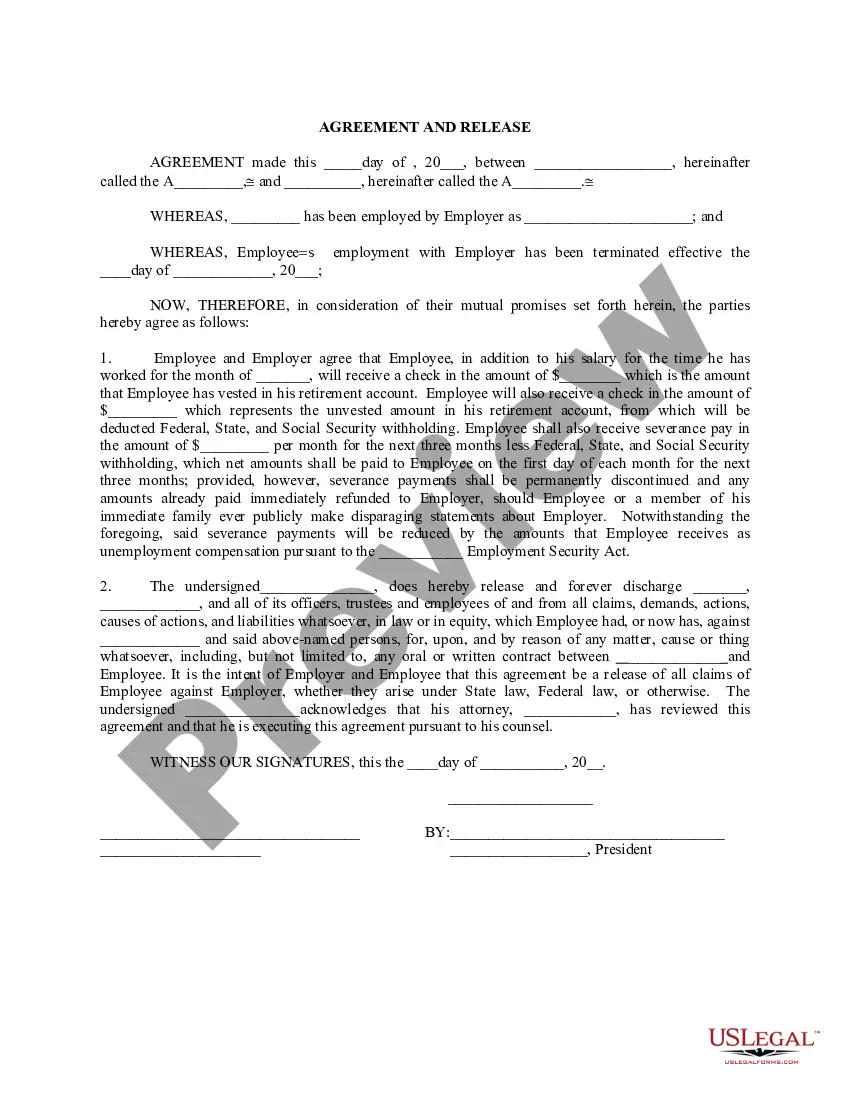
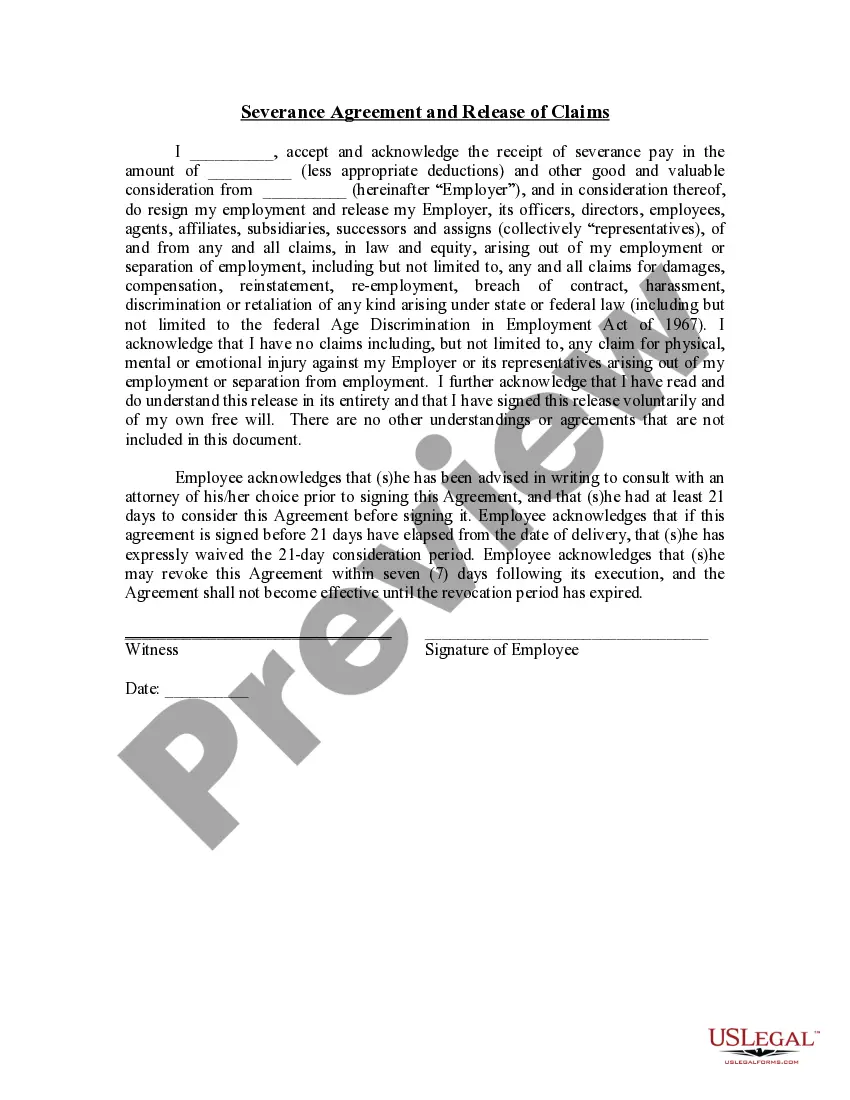
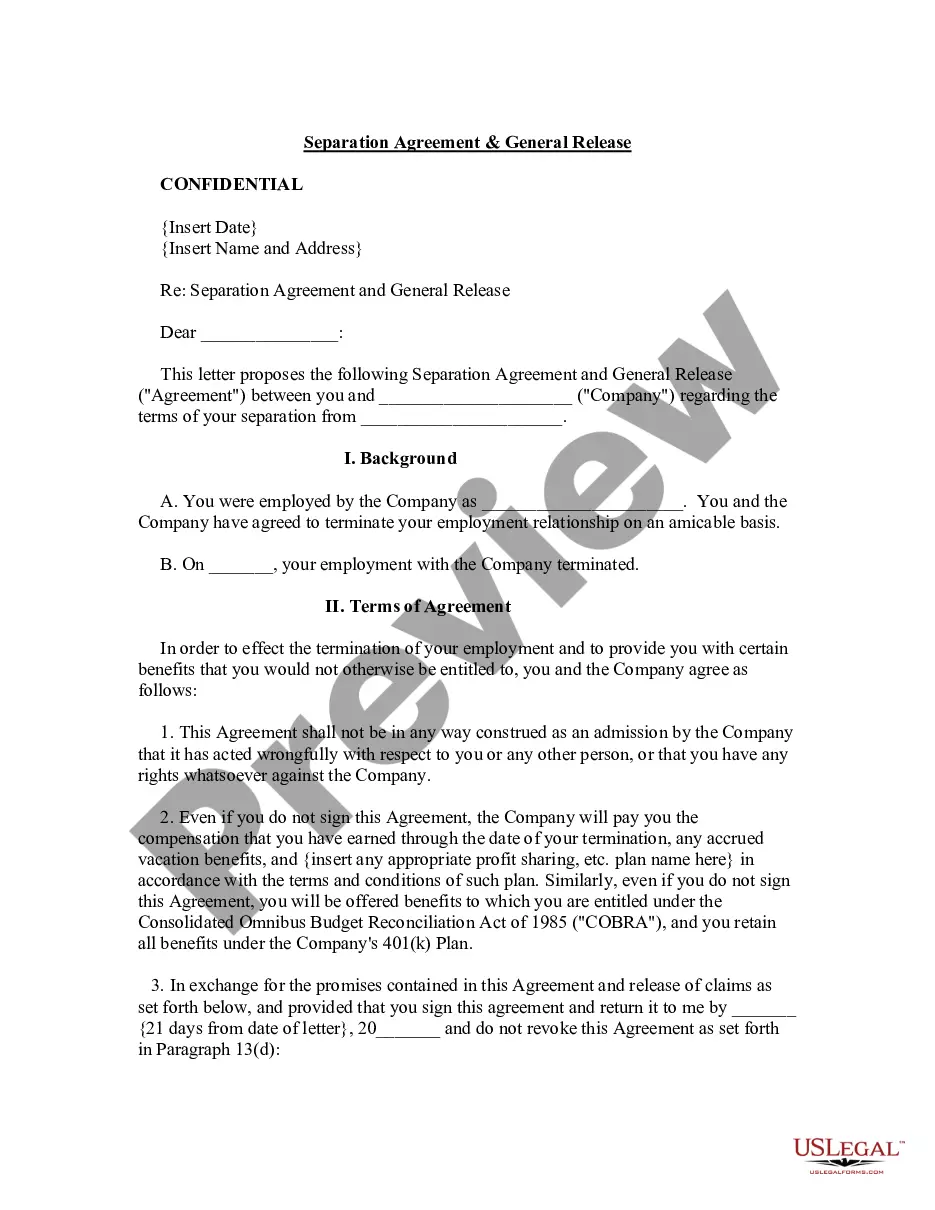
Description
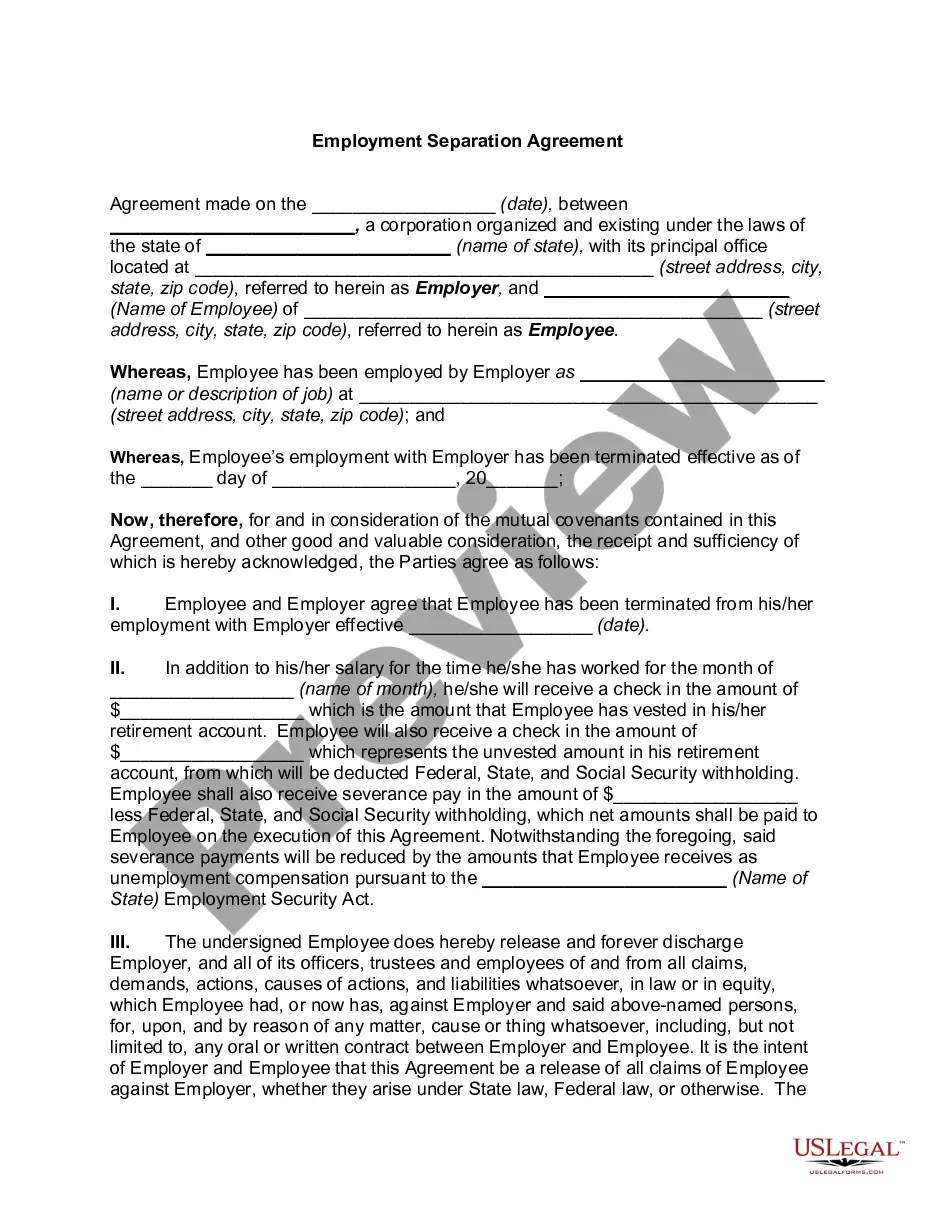
Get your form ready online
Our built-in tools help you complete, sign, share, and store your documents in one place.
Make edits, fill in missing information, and update formatting in US Legal Forms—just like you would in MS Word.
Download a copy, print it, send it by email, or mail it via USPS—whatever works best for your next step.
Sign and collect signatures with our SignNow integration. Send to multiple recipients, set reminders, and more. Go Premium to unlock E-Sign.
If this form requires notarization, complete it online through a secure video call—no need to meet a notary in person or wait for an appointment.
We protect your documents and personal data by following strict security and privacy standards.

Make edits, fill in missing information, and update formatting in US Legal Forms—just like you would in MS Word.

Download a copy, print it, send it by email, or mail it via USPS—whatever works best for your next step.

Sign and collect signatures with our SignNow integration. Send to multiple recipients, set reminders, and more. Go Premium to unlock E-Sign.

If this form requires notarization, complete it online through a secure video call—no need to meet a notary in person or wait for an appointment.

We protect your documents and personal data by following strict security and privacy standards.
Looking for another form?
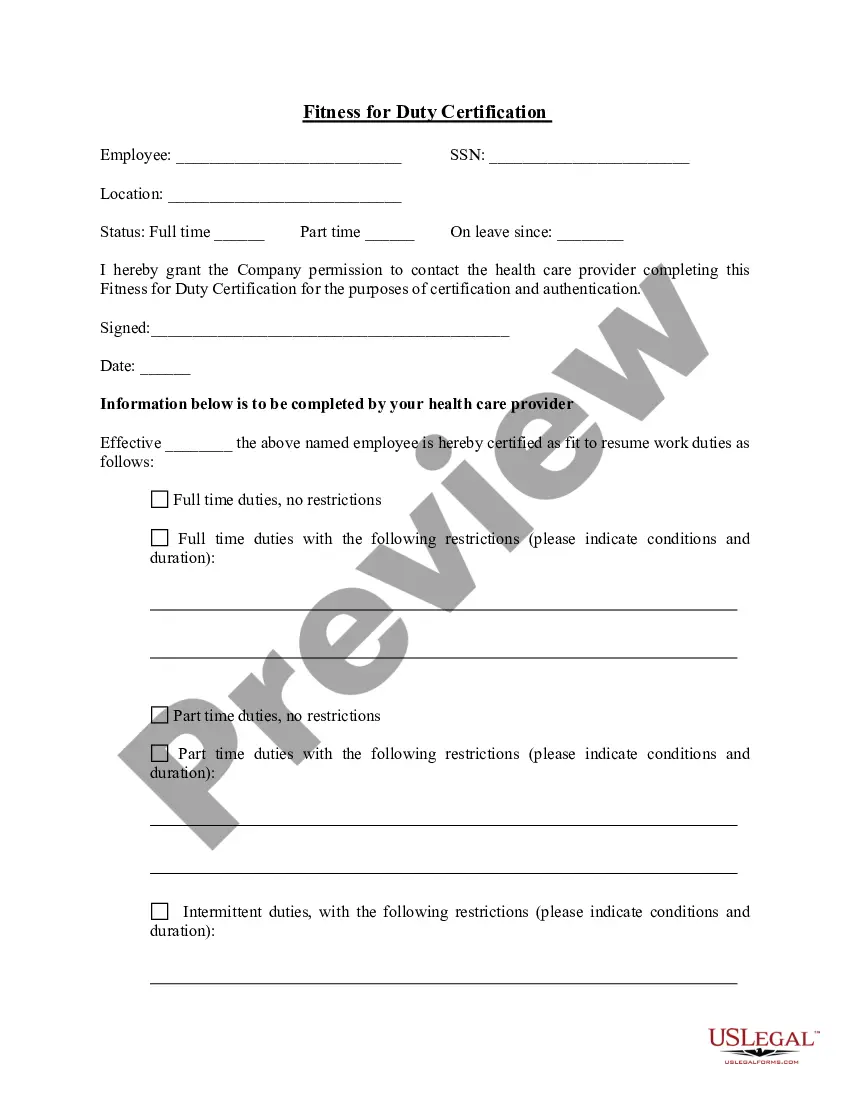
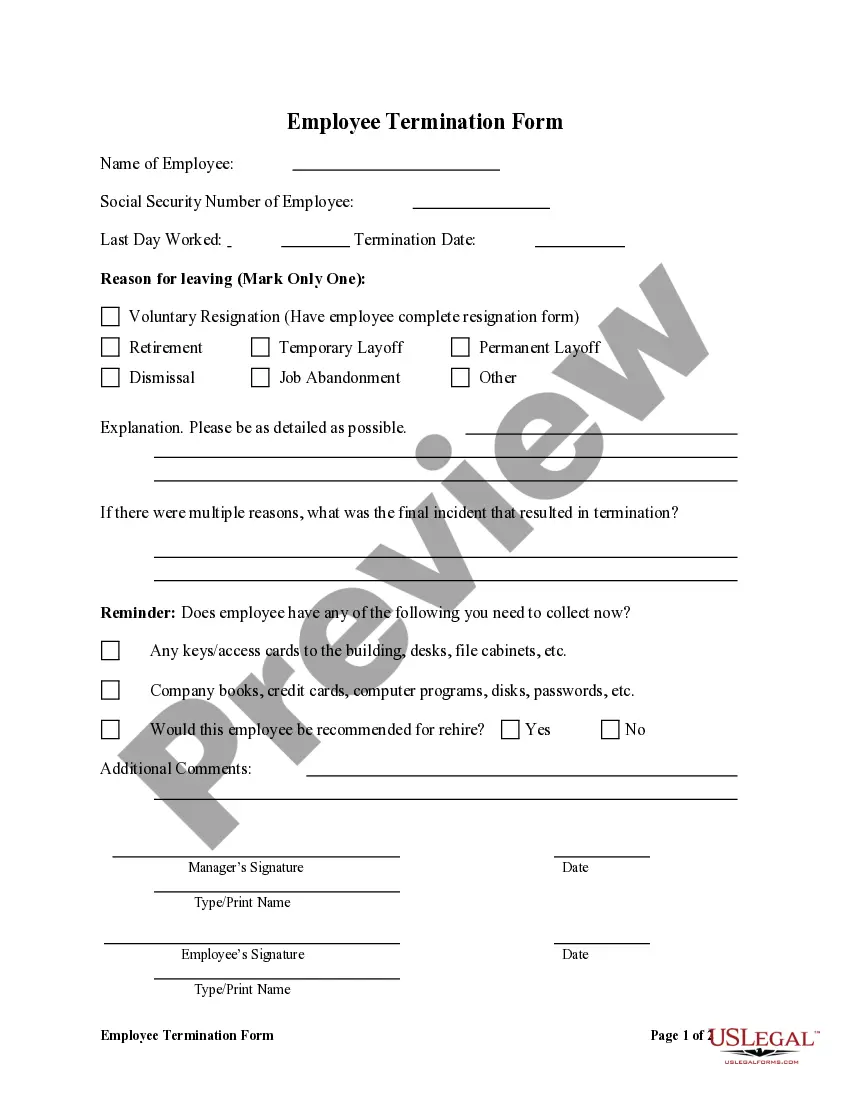
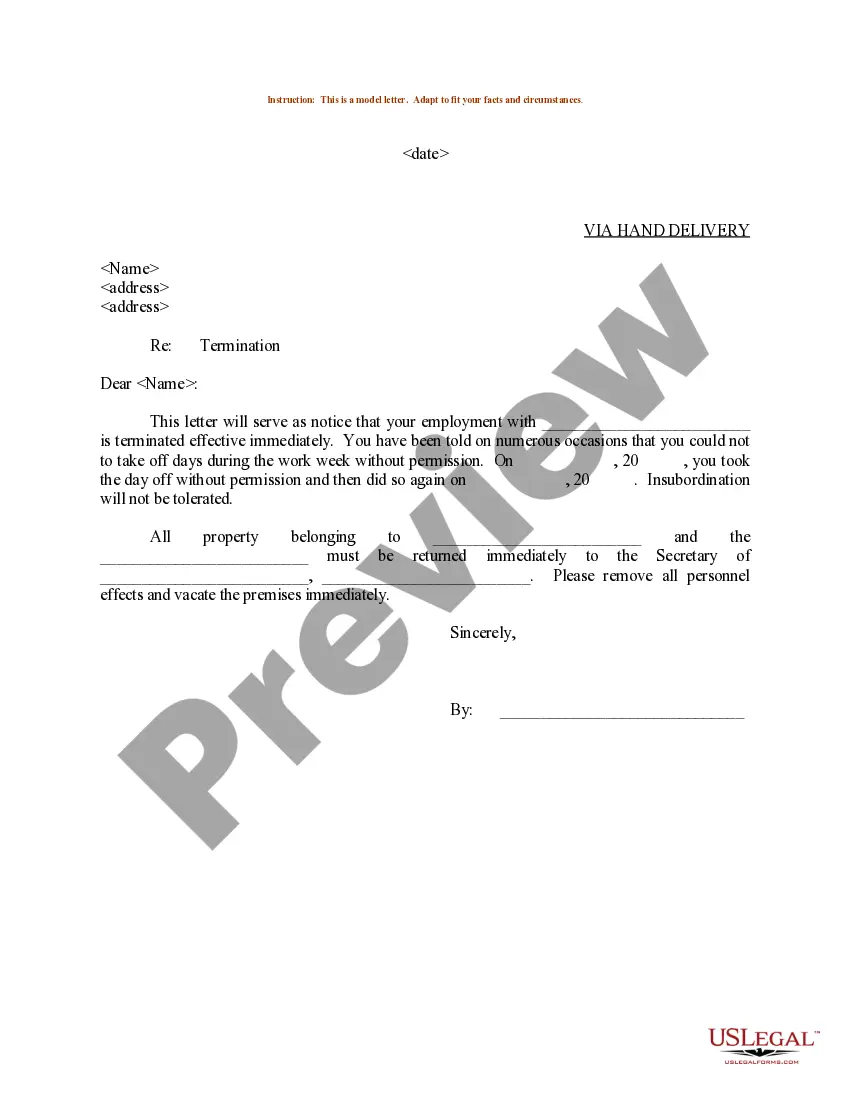
How to fill out Employment Separation Agreement?
Finding the correct legitimate document template can be quite a challenge.
Of course, there are numerous themes accessible on the internet, but how will you acquire the legitimate form you require.
Utilize the US Legal Forms website. The service provides thousands of templates, including the Massachusetts Employment Separation Agreement, that you can use for business and personal purposes.
- All of the forms are vetted by professionals and conform to state and federal regulations.
- If you are currently registered, Log In to your account and click the Download option to locate the Massachusetts Employment Separation Agreement.
- Use your account to review the legitimate forms you may have obtained previously.
- Visit the My documents section of your account and retrieve another copy of the document you require.
- If you are a new user of US Legal Forms, here are simple steps for you to follow.
- First, ensure you have selected the appropriate form for your region/state. You can browse the form using the Preview option and read the form description to confirm this is the correct one for you.
Form popularity
FAQ
Although it seems almost impossible to believe, employers in Massachusetts, or in any other employee-at-will state, can fire any employee at any time for any reason or even for no reason at all. An employer can terminate any employee, with or without notice.
Massachusetts is an employment at-will state, so an employer can terminate an employee at any time, for any reason. You are entitled to receive, on the day of your discharge, unpaid wages, unused vacation time, and certain other benefits under the Wage Act. However, you are not entitled to a severance package.
Federally, and in most states, a termination letter is not legally required. In some states, currently including Arizona, California, Illinois and New Jersey, written termination notices are required by law. Some of these states have specific templates employers must use for the letter.
Generally, neither party is required to give any form of notice or warning before terminating the employment relationship. Here is some information on at-will employment law in Massachusetts.
If you sign a severance agreement that includes a release of claims against your employer, you can collect unemployment while you are receiving severance pay. Most severance agreements include a release of claims. If you have signed a release, the money you receive does not count against your unemployment.
Massachusetts Law Under the law, employees who have worked at least three years are entitled to severance pay of two weeks for every year of service, if certain conditions are met.
According to the employment standards in Alberta: After serving three months, an employer must give you one week's notice. After twelve consecutive months of employment, an employer must give you two week's notice. After three consecutive years of employment, an employer must give you three week's notice.
Severance pay a retrenched employee must at least be paid 1 week's pay for each completed year of ongoing service. However, the employer must pay the retrenched employee the amount specified in any policy or his/her employment contract, if that amount is larger.
Upon termination, severance pay and separation pay are interchangeable terms. Although some companies may distinguish between separation pay and severance pay packages, the distinction is not universally applied.
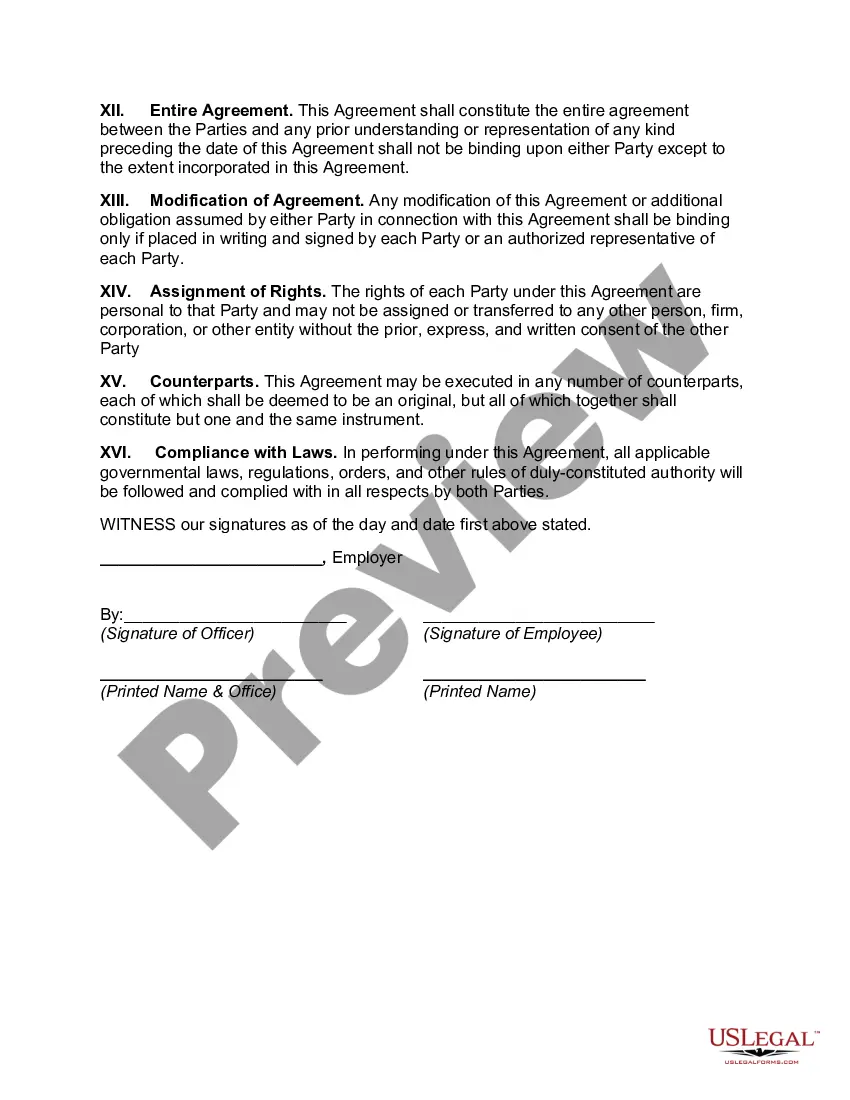
A separation agreement (also commonly referred to as a severance agreement) between an employer and a departing employee specifying terms of the employee's separation from employment, including a release of legal claims against the employer in exchange for a benefit.