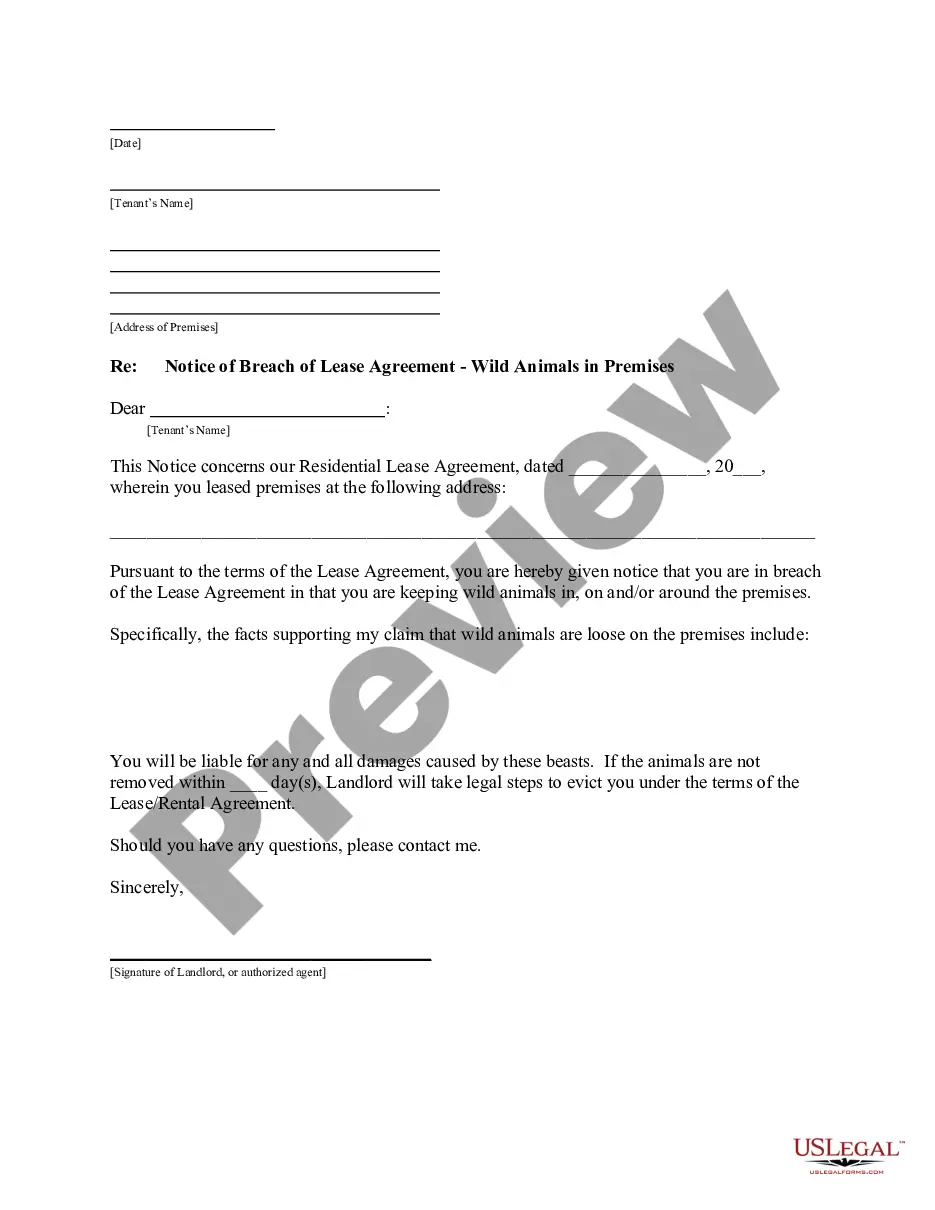
Massachusetts Apartment Rules and Regulations
What this document covers
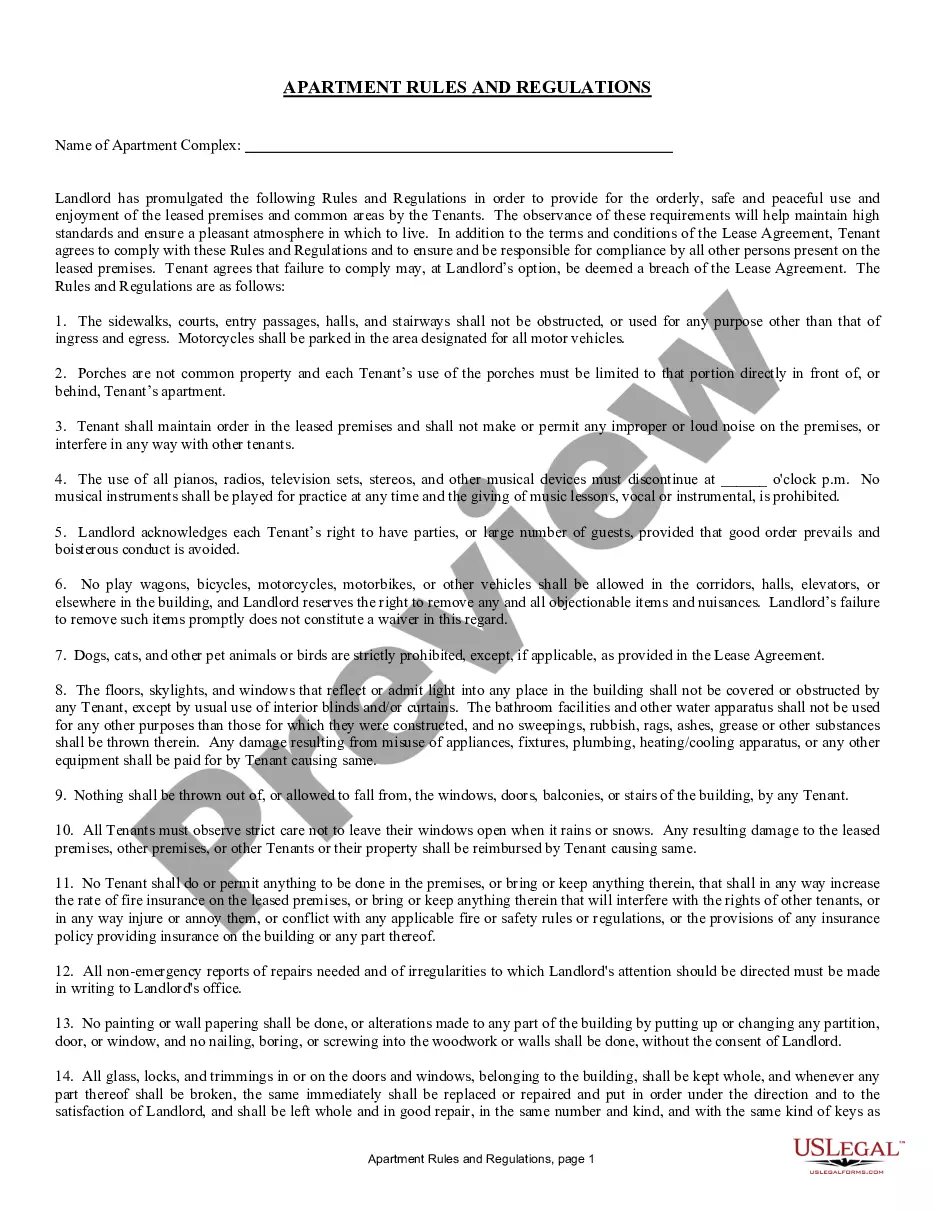
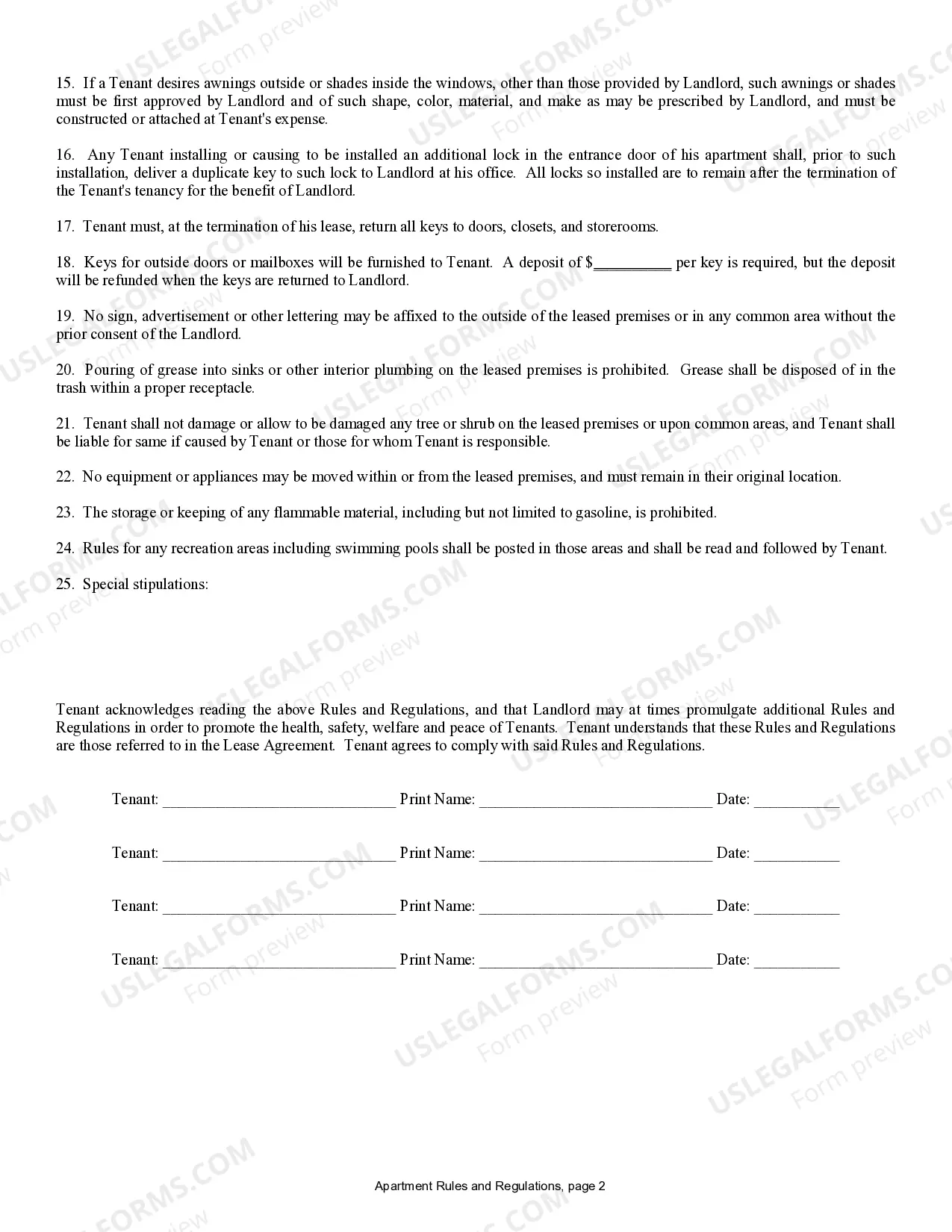
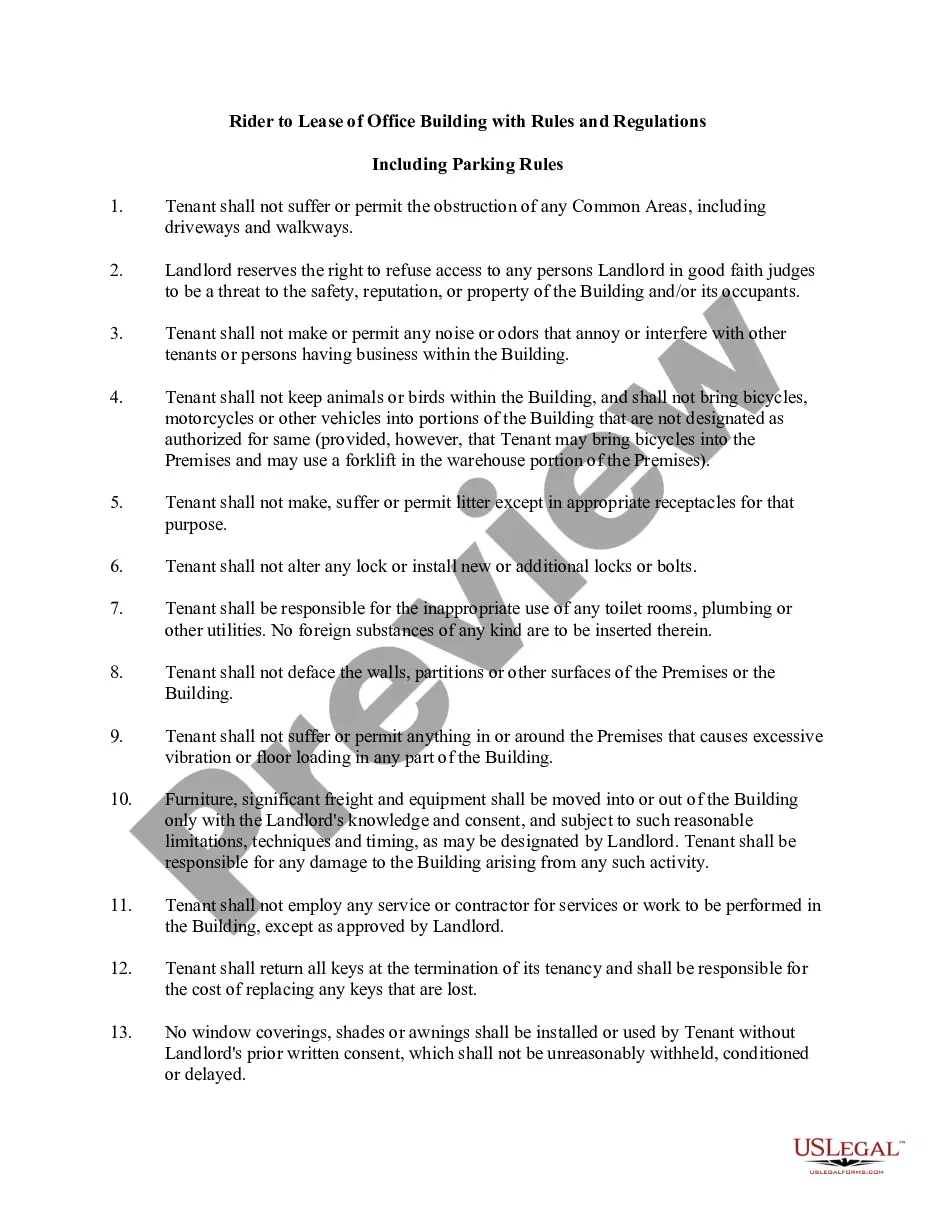
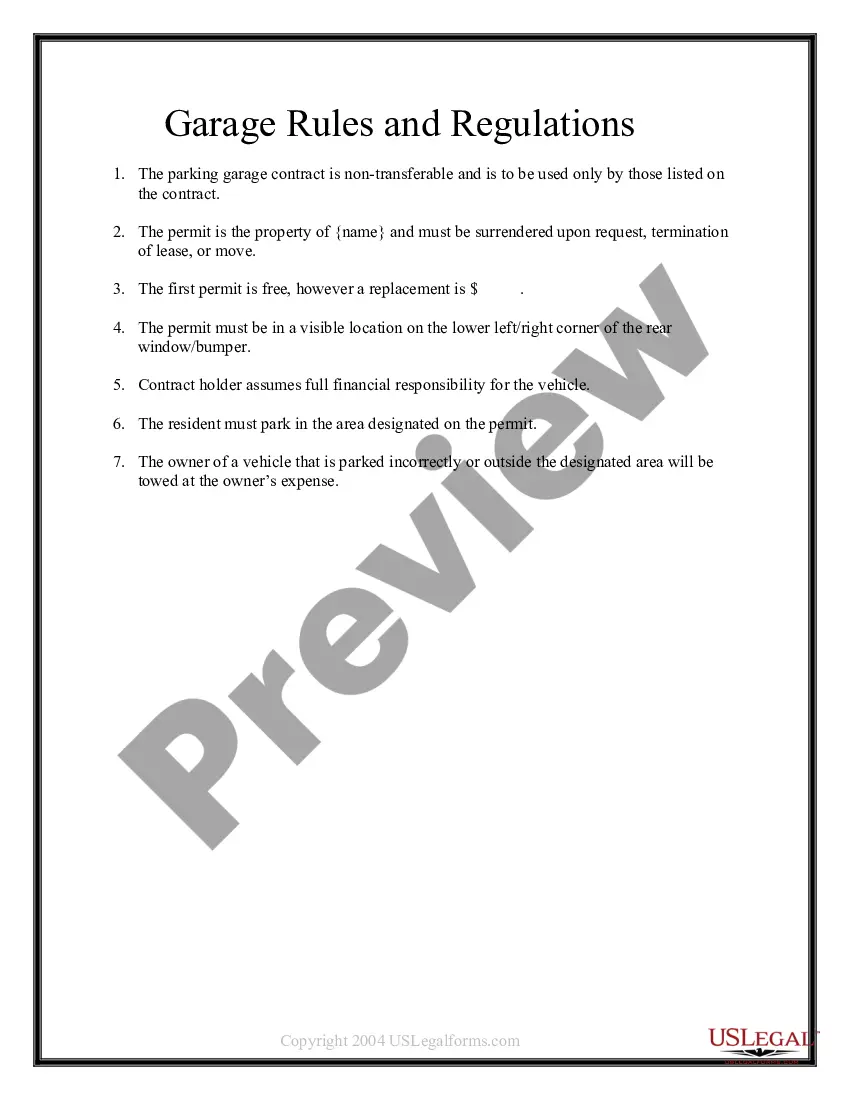
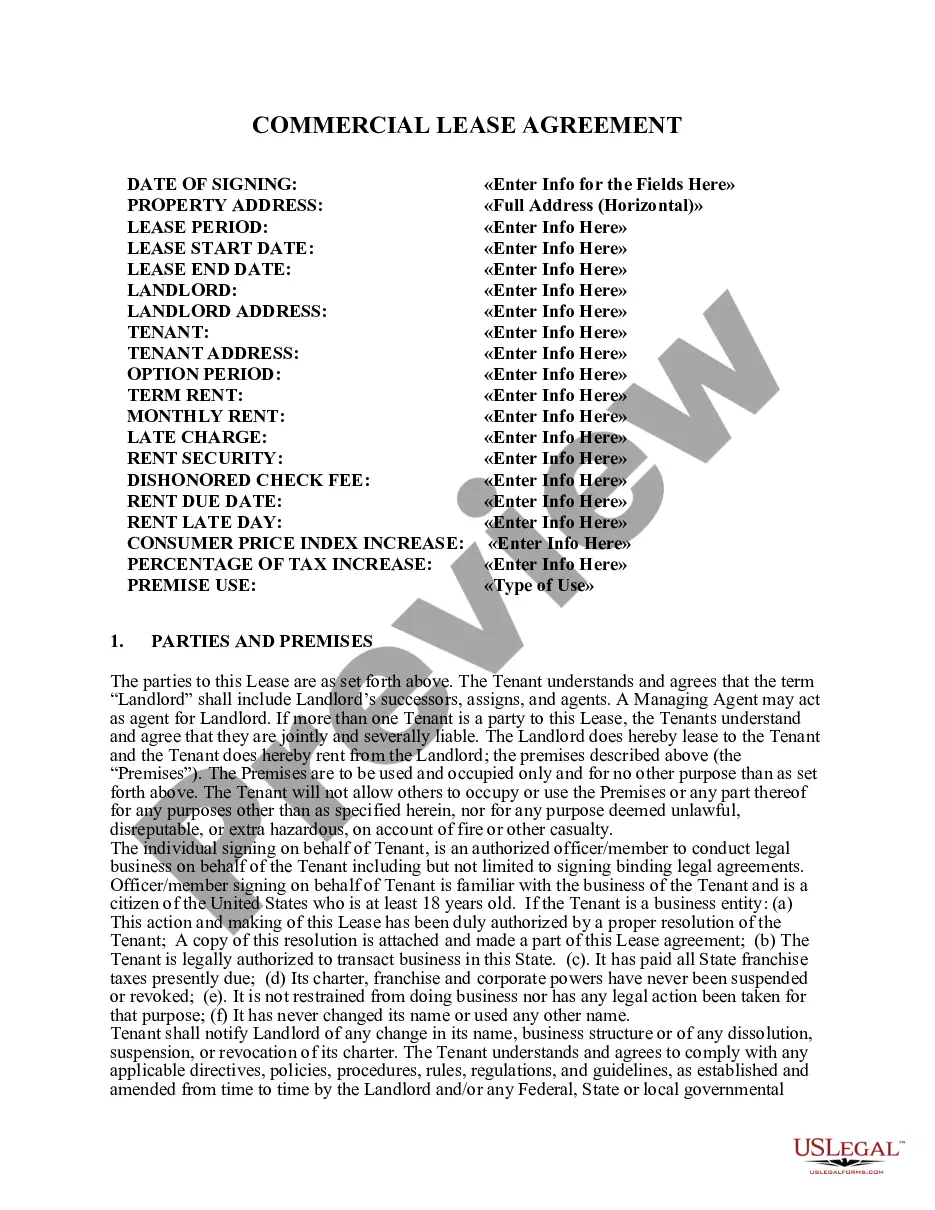
The Apartment Rules and Regulations form outlines the essential guidelines that tenants must follow while residing in an apartment complex. This form serves to complement the Apartment Lease Agreement by establishing specific expectations for tenant behavior that go beyond rental terms. By agreeing to these rules, tenants help ensure a peaceful and orderly living environment for everyone in the community.
Key parts of this document
- Name of the Apartment Complex: Identify the specific location for clarity.
- Conduct Regulations: Guidelines on noise, use of common areas, and behavior.
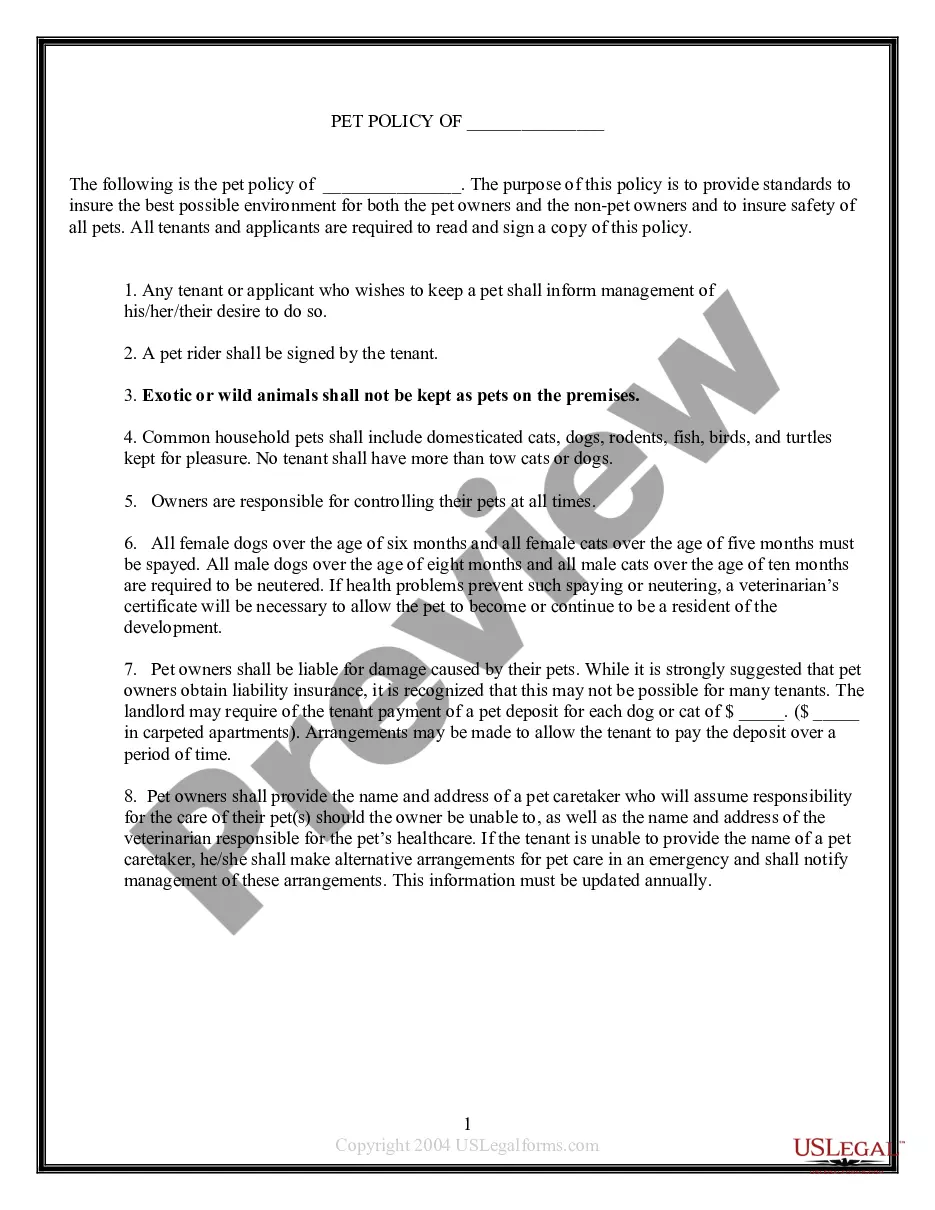
- Pet Policy: Outlines any restrictions regarding animals on the premises.
- Property Maintenance: Responsibilities for damages and maintenance requests.
- Alterations Policy: Rules about modifications to fixtures or structures within the unit.
- Termination Procedures: Details regarding key returns and compliance upon lease end.
When to use this form
This form is essential when a landlord wishes to set clear expectations for tenant behavior that are not specified in the lease agreement. It is particularly useful at the start of a lease term to prevent misunderstandings and to maintain the integrity of the living environment. It can be provided to current tenants as an update to encourage compliance with community standards.
Intended users of this form
- Landlords or property managers looking to establish rules for tenants.
- Tenants who want to understand their responsibilities and rights in the apartment complex.
- Real estate professionals managing rental properties.
Steps to complete this form
- Identify the name of the apartment complex at the top of the form.
- Review each rule listed and ensure that they are clear and reasonable.
- Specify any necessary conditions or exceptions within the clauses, if applicable.
- Have all tenants sign and date the form to acknowledge understanding and agreement.
- Maintain a copy for your records and provide a copy to each tenant.
Does this form need to be notarized?
Notarization is not commonly needed for this form. However, certain documents or local rules may make it necessary. Our notarization service, powered by Notarize, allows you to finalize it securely online anytime, day or night.
Get your form ready online
Our built-in tools help you complete, sign, share, and store your documents in one place.
Make edits, fill in missing information, and update formatting in US Legal Forms—just like you would in MS Word.
Download a copy, print it, send it by email, or mail it via USPS—whatever works best for your next step.
Sign and collect signatures with our SignNow integration. Send to multiple recipients, set reminders, and more. Go Premium to unlock E-Sign.
If this form requires notarization, complete it online through a secure video call—no need to meet a notary in person or wait for an appointment.
We protect your documents and personal data by following strict security and privacy standards.

Make edits, fill in missing information, and update formatting in US Legal Forms—just like you would in MS Word.

Download a copy, print it, send it by email, or mail it via USPS—whatever works best for your next step.

Sign and collect signatures with our SignNow integration. Send to multiple recipients, set reminders, and more. Go Premium to unlock E-Sign.

If this form requires notarization, complete it online through a secure video call—no need to meet a notary in person or wait for an appointment.

We protect your documents and personal data by following strict security and privacy standards.
Avoid these common issues
- Failing to update the rules when local laws change.
- Not providing tenants with a copy of the rules after signing.
- Being vague in clauses, leading to misunderstandings.
Advantages of online completion
- Convenience of downloading and printing the form at any time.
- Editability allows customization to fit specific property needs.
- Access to templates drafted by licensed attorneys, ensuring reliability and compliance.
Legal use & context
- Establishes enforceable guidelines to protect tenants' rights and the landlord's property.
- Helps in mitigating conflicts through clear terms and conditions.
- May serve as evidence in tenancy disputes regarding rule violations.
What to keep in mind
- The Apartment Rules and Regulations form helps maintain a harmonious living environment.
- Ensure all tenants are aware of and agree to the established rules.
- Review local laws to confirm the form's compliance with jurisdictional requirements.
Looking for another form?
Form popularity
FAQ
Massachusetts is a "landlord-friendly" state, with laws that protect the rights of landlords for providing the services they offer. There are, of course, rules and laws that landlords must follow when creating rental and lease agreements in order to protect the tenant.
The law requires tenants at will to give landlords written notice that they are moving out at least one full rental period or 30 days (whichever is longer) before moving.
In Colorado, evictions are sometimes referred to as forcible entry & detainer (FED). Before you can file for eviction, you must generally provide 10 days' notice (increased from 3 days prior) for tenants to correct a deficiency or leave the property, except in certain circumstances.
Massachusetts law allows the landlord to enter your premises at reasonable times and under reasonable notice under the following conditions: To show the apartment to prospective tenants, purchasers, lenders or their agents;If the premises appear to be abandoned; or. Pursuant to a Court order.
Tenants without Leases.Until individual cities or the state changes the law, no fault evictions, where a landlord is evicting a tenant who has done nothing wrong, are lawful in Massachusetts. A landlord may also evict tenants without leases for non-payment of rent and for using the apartment for illegal purposes.
Tenant Rights to Withhold Rent in MassachusettsTenants may withhold rent or exercise the right to repair and deduct if a landlord fails to take care of important repairs, such as a broken heater. For specifics, see Massachusetts Tenant Rights to Withhold Rent or Repair and Deduct.
Whether a lease or a tenancy-at-will, the tenant must pay rent, follow the rules agreed upon with the landlord, and accept responsibility for any damage to the apartment that is more than just normal wear and tear." The landlord must provide an apartment that is safe, clean, and in compliance with the Massachusetts
The above are some of the many factors that help answer how long an eviction in Massachusetts take. Generally, an uncontested eviction will take between one to two months. A contested eviction, with requests for discovery and a jury trial, can take anywhere from three to six months.